How to Cook with Stainless Cookware: Tips for Perfect Results Every Time
Learn how to cook with stainless cookware effectively. Discover tips to prevent sticking and enhance flavors using stainless steel pots and pans.
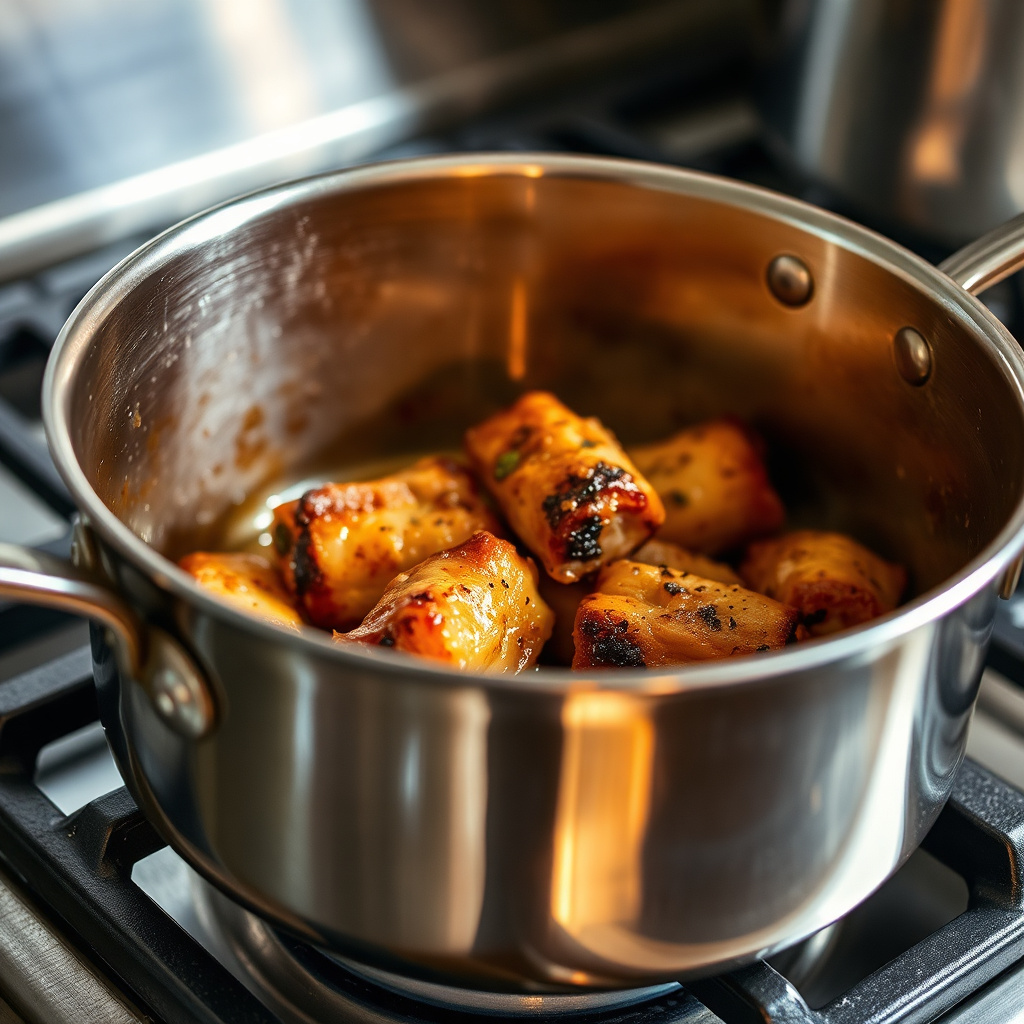
Cooking with stainless cookware is straightforward once you understand its unique properties and techniques. Stainless steel pans offer excellent heat retention and durability, but their smooth surface doesn't have natural nonstick qualities. This means proper heating, oiling, and temperature control are key to preventing food from sticking and achieving great results.
Many home cooks hesitate to use stainless cookware due to fears of food sticking or uneven cooking. However, mastering simple strategies allows you to harness the benefits of stainless steel, including its ability to brown food beautifully and its resistance to scratches and rust over time. This cookware can elevate everyday meals when used correctly.
This guide covers the essentials of cooking with stainless cookware, including how to season the pan for better release, tips on heating and oil types, techniques for searing and sautéing, cleaning methods to prolong the cookware’s life, and advice on selecting the best stainless steel cookware for cooking.
Understanding Stainless Cookware: Heat and Material Properties
How Stainless Steel Conducts and Retains Heat
Stainless steel itself is a relatively poor heat conductor compared to materials like copper or aluminum. High-quality stainless cookware often features an aluminum or copper core bonded to the base and sides to improve heat distribution. This design mitigates hot spots and ensures even cooking across the pan surface.
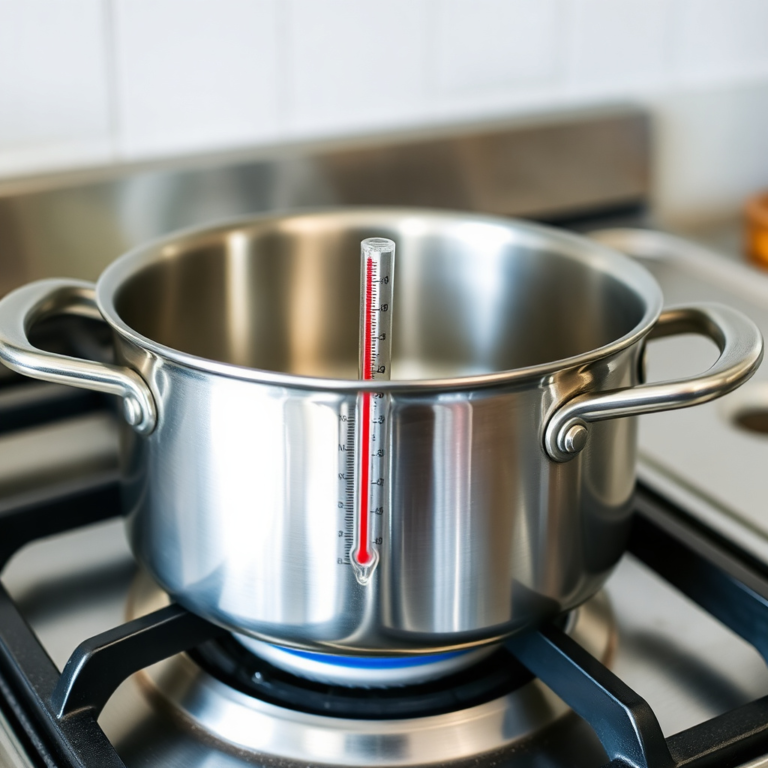
Thick bottoms on stainless steel pans help retain heat once distributed, which benefits recipes requiring consistent temperature. However, owners need to allow proper preheating time to avoid uneven cooking, as rapid heating can cause sticking issues.
Why Stainless Steel Doesn't Behave Like Nonstick Pans
Unlike nonstick surfaces, stainless steel pans lack a coating to prevent food adhesion. This causes food to bond temporarily during cooking, especially proteins or sugar-heavy items. However, controlling temperature and using enough fat helps reduce sticking significantly.
Learning to work with this natural adhesion can improve cooking outcomes, such as achieving flavorful fond (the browned bits at the bottom), which is valuable for sauces and deglazing.
Seasoning and Preparing Stainless Cookware for Cooking
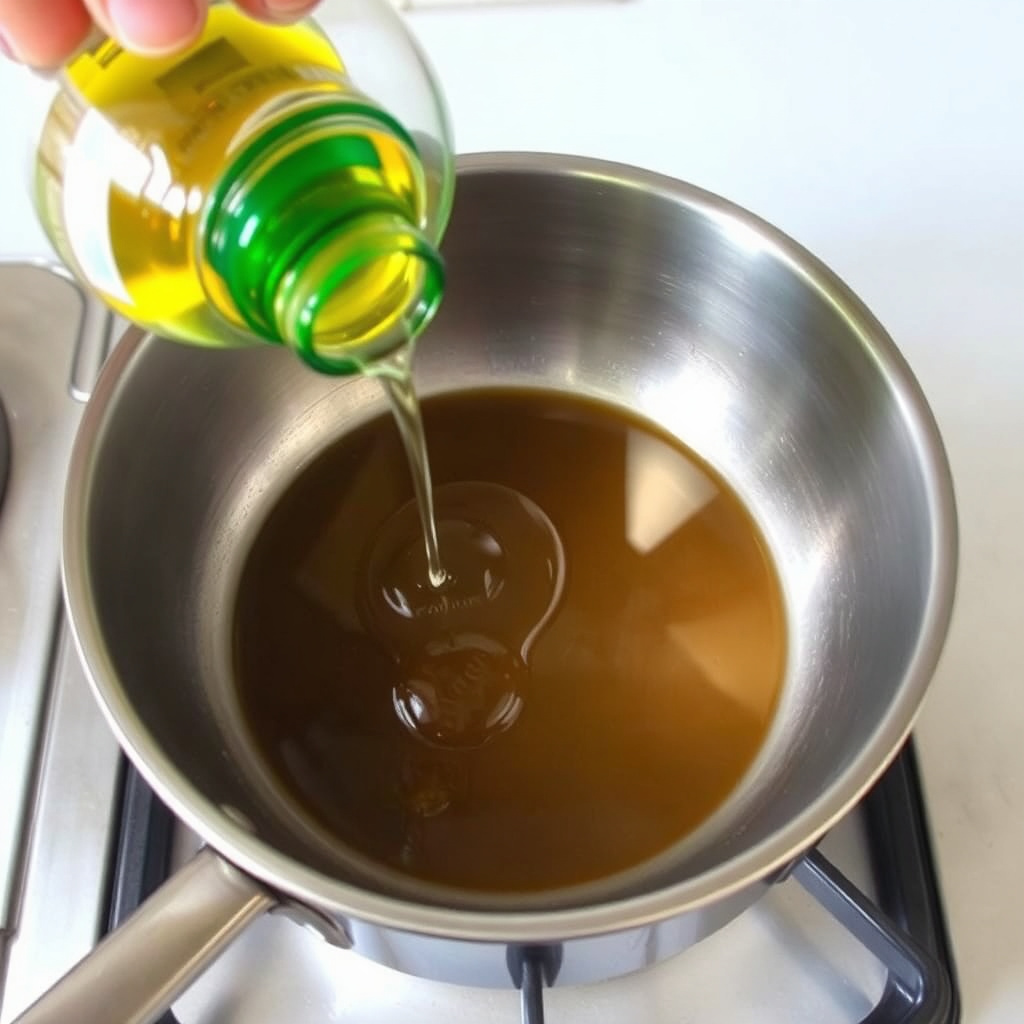
The Role of Oil and Heating Before Adding Food
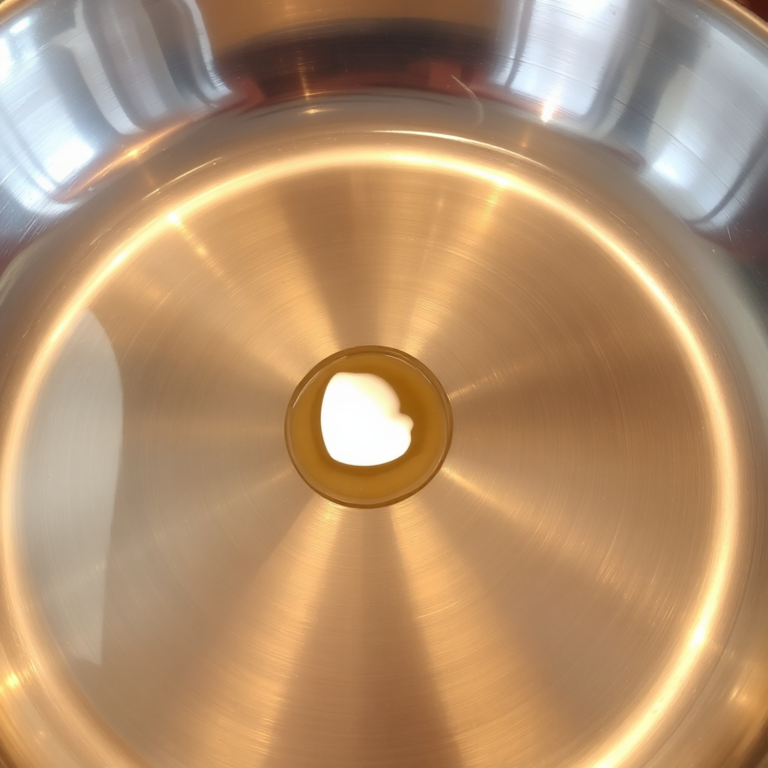
Applying a thin layer of oil and properly heating it before adding food creates a temporary nonstick barrier. The oil fills microscopic pores on the pan surface, preventing direct contact and helping release the food naturally when it's cooked.
Ideal oils for seasoning stainless pans have high smoke points such as grapeseed, avocado, or refined vegetable oil, preventing burning during heating and maintaining surface integrity.
- Use about 1–2 teaspoons of oil for a 10-inch pan
- Heat pan over medium heat until oil shimmers but doesn’t smoke
- Add food immediately after preparing the oil layer
Cleaning and Drying to Maintain Surface Quality
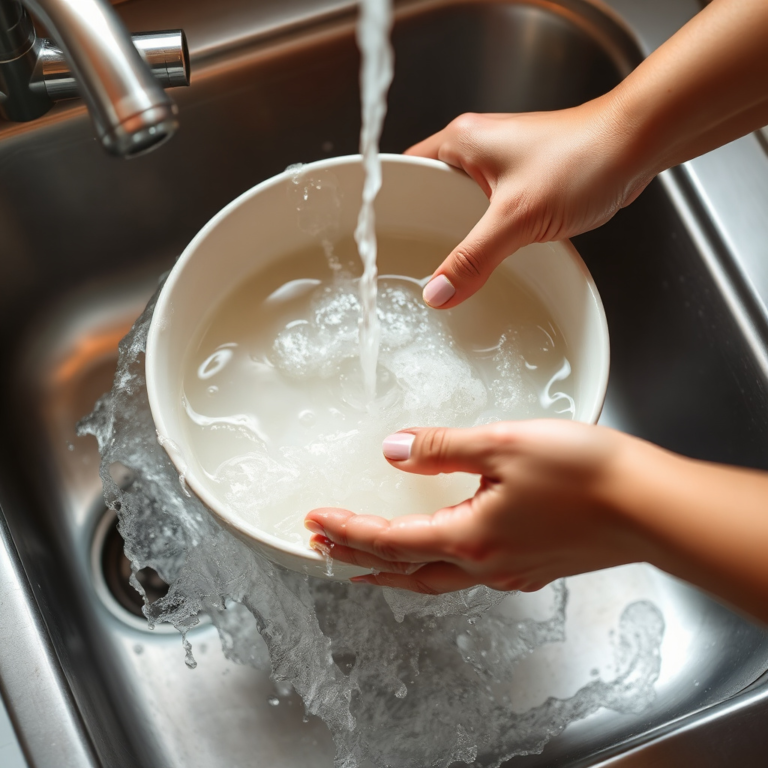
Avoid leaving food residue or water spots after cooking, as they can cause discoloration and affect performance. Cleaning with warm, soapy water and using non-abrasive sponges preserves the polished surface.
Immediately drying cookware after washing prevents mineral deposits and rust spots on stainless steel, especially along joints and rivets.
- Use baking soda paste for stuck-on food
- Avoid steel wool or harsh scourers
- Dry promptly with a soft cloth
Techniques for Cooking with Stainless Cookware

Searing Meats to Develop Flavor and Release Food Easily
Searing works exceptionally well with stainless cookware thanks to its ability to achieve high, even heat. Preheat the pan, apply oil, then place meat undisturbed to form a crust, which naturally releases when ready to flip.
Resist the urge to move the food too early; proper caramelization allows the meat to release easily and boosts flavor.
- Pat meat dry before searing
- Use medium-high heat for best crust formation
- Avoid overcrowding the pan to maintain temperature
For more on this, see our related guide: How to Clean Aluminum Bakeware Without Damaging It.
Sautéing and Stir-Frying with Proper Heat Control
Stainless steel pans are excellent for sautéing vegetables and proteins at medium to medium-high heat. Preheating and using sufficient oil prevent sticking and allow ingredients to cook quickly and evenly.
Stir-frying requires a high smoke point oil and constant motion once food is added, helping to keep items separated and maintain the pan’s temperature.
- Preheat pan thoroughly before adding oil
- Cook ingredients in batches for large portions
- Use spatulas that won’t scratch the surface
Selecting the Best Stainless Steel Cookware for Cooking
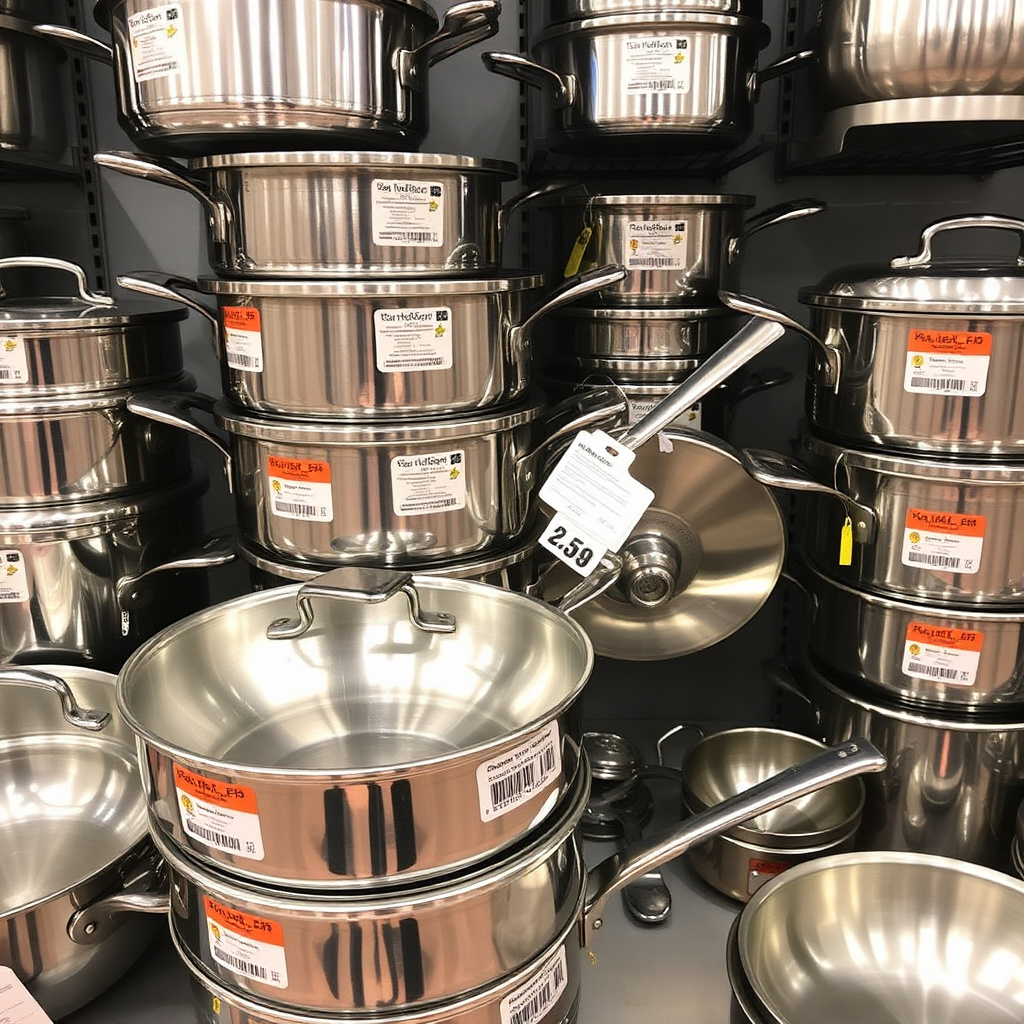
Core Materials and Layering for Heat Performance
Look for cookware with a multi-ply construction, typically 3-ply or 5-ply, incorporating aluminum or copper cores between stainless layers for enhanced heat conduction and evenness.
Exterior stainless steel grade quality affects durability and ease of cleaning; 18/10 stainless (18% chromium, 10% nickel) resists corrosion better and offers a shinier finish.
- 3-ply: stainless-aluminum-stainless layers
- 5-ply includes extra layers for heat retention
- Handles should be securely riveted for longevity
Choosing Cookware Size and Shape Based on Cooking Needs
Consider your typical recipes when selecting pot and pan sizes. Larger skillets are ideal for searing and sautéing, while smaller saucepans suit sauces and reductions. Deeper pots are good for boiling or braising.
Weighted lids improve heat and moisture retention, while flared rims assist pouring without drips.
- 10–12 inch skillet for daily use
- Saucepan capacities from 1 to 4 quarts
- Stock pots for soups or large meals
Maintaining and Cleaning Stainless Cookware
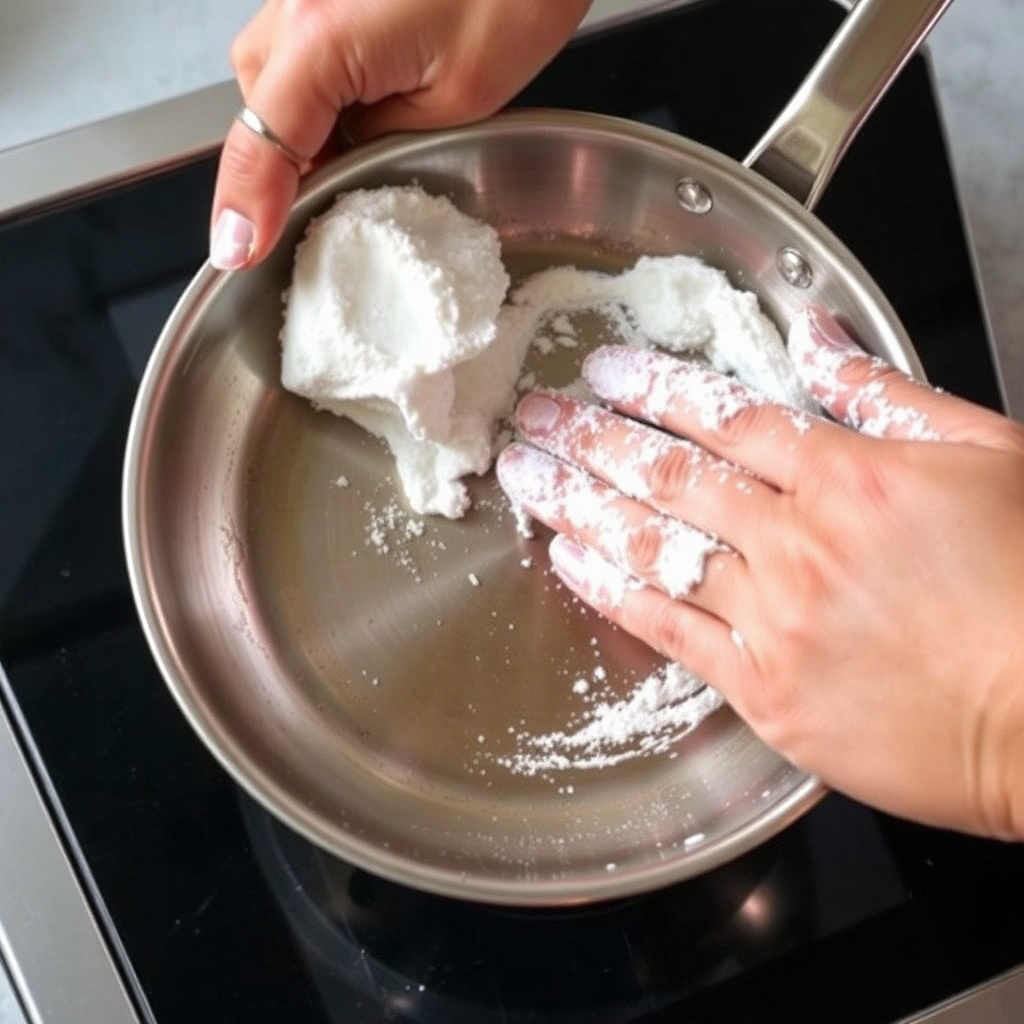
Removing Stubborn Stains and Discoloration
Discoloration from high heat or minerals can be removed using household remedies like vinegar, baking soda, or specialized stainless steel cleaner. Avoid harsh chemicals that can damage the surface finish.
Regular gentle cleaning maintains cookware appearance and performance over time.
- Use a vinegar soak for rainbow discoloration
- Baking soda paste scrubs mild stains
- Commercial stainless cleaners for tough spots
Proper Storage to Avoid Scratches and Damage
Store cookware with care to prevent scratches: use pan protectors or towels between stacked pots and pans. Avoid storing with metal utensils inside, which can cause dents or scratches.
Proper storage increases lifespan and preserves the cookware’s polished look.
- Stack pans with liners or cloth between
- Hang pots to save space and keep surfaces safe
- Keep lids separately or inverted
Common Mistakes to Avoid When Using Stainless Cookware

Overheating and Adding Food too Early
Adding food before the pan is adequately heated causes sticking, as the protein or starch binds to the cooler metal surface. Take time to preheat until the oil shimmers for the smoothest release.
Excessive heat damages food and the pan’s finish, so maintaining medium to medium-high heat is safer for most cooking.
For a detailed history and technical overview, visit this comprehensive article on stainless steel cookware. stainless steel cookware.
Using the Wrong Utensils and Cleaners
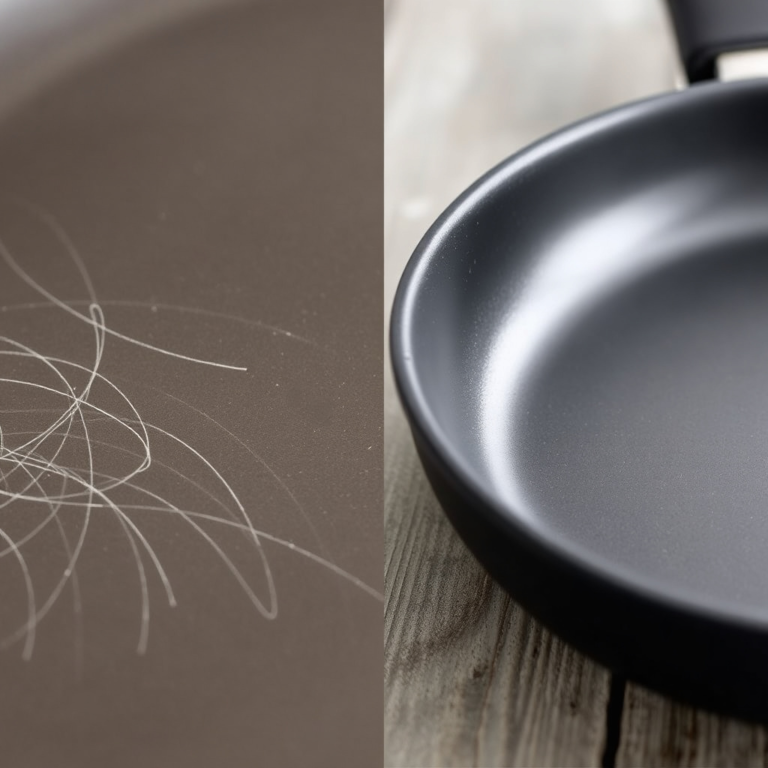
Avoid metal utensils that chip or scratch the surface, choosing wooden, silicone, or nylon tools instead. Similarly, harsh abrasive cleaners or scouring pads can erode the polish and cause corrosion spots.
Gentle maintenance routines preserve the cookware’s usability and appearance over years.
Stainless Cookware Category Comparison
Here is a comparison of popular stainless steel cookware categories based on heat retention, durability, price, and ideal cooking uses.
| Cookware Type | Heat Retention | Durability | Price Range | Best Uses |
|---|---|---|---|---|
| 3-Ply Stainless Steel | Good | High | $$$ | Everyday Seared and Sautéed dishes |
| 5-Ply Stainless Steel | Excellent | Very High | $$$$ | Professional-level cooking, even heat |
| Clad Copper Core | Superior | High | $$$$$ | Precise temperature control and quick heat |
| Single Ply Stainless | Poor | Medium | $$ | Basic boiling and light cooking |
| Nonstick Stainless Steel Hybrid | Moderate | Medium | $$$ | Easy cleanup, moderate searing |
Frequently Asked Questions
Can you cook eggs in stainless steel without sticking?
Yes, cooking eggs in stainless steel cookware is possible by ensuring the pan is properly preheated and using enough oil or butter. Avoid high heat and allow the egg to develop a crust before flipping or stirring to prevent sticking.
Is stainless steel cookware dishwasher safe?
Most stainless steel cookware is dishwasher safe, but frequent dishwasher cleaning can dull the finish over time. Hand washing with mild detergent maintains shine and prolongs the cookware’s life.
How do I know when the stainless steel pan is properly heated?
A common test is the water droplet method: when a drop of water sprinkled on the surface forms small beads that slowly dance around, the pan is heated enough for cooking.
Why does food sometimes stick even if I used oil?
Food sticking usually happens because the pan wasn't sufficiently heated before adding oil and food. Another cause is overcrowding, which lowers pan temperature and causes moisture to steam instead of sear.
What is the difference between 18/10 and 18/8 stainless steel?
Both are stainless steel grades with 18% chromium; 18/10 contains 10% nickel, and 18/8 contains 8% nickel. Higher nickel content (18/10) generally means better corrosion resistance and shinier appearance.
Key Takeaways
- Proper preheating and oiling are essential to prevent sticking when cooking with stainless cookware.
- Multi-ply stainless steel with aluminum or copper cores offers better heat distribution.
- Clean stainless cookware gently and dry promptly to maintain its finish and performance.
- Choosing cookware size and construction depends on your cooking style and dish requirements.
Conclusion
Successfully cooking with stainless cookware involves understanding how heat interacts with the cookware’s material and taking steps to minimize sticking. Heating the pan properly before adding oil and food creates a natural barrier that prevents adhesion, while the quality of the cookware influences heat retention and distribution. Selecting the right tools and cleaning methods will protect your investment and improve cooking results significantly.
For everyday home cooks, investing in 3-ply or 5-ply stainless steel cookware with an aluminum core strikes a good balance between price, durability, and cooking performance. If you frequently sear or sauté meats and vegetables, pans with heavier bases and flared rims enhance convenience. On the other hand, basic single-ply stainless pots are suitable for boiling or making sauces but won’t offer even heat for more delicate cooking tasks.
Start by mastering seasoning techniques and applying the right heat for your recipes, then maintain your cookware with proper cleaning and storage. This approach will make cooking with stainless cookware a skill worth developing, allowing you to enjoy both the cookware’s durability and its ability to produce flavorful dishes. Explore different cookware sets gently to find what suits your kitchen best.


One Comment