How to Clean Ceramic Cookware Effectively: A Practical Guide
Discover how to clean ceramic cookware safely and effectively with practical tips to maintain its non-stick surface and durability.

Cleaning ceramic cookware properly is essential to preserve its coating and ensure long-lasting performance. The best way to clean ceramic cookware involves using gentle, non-abrasive methods like soaking in warm soapy water followed by a soft sponge scrub. Avoid harsh detergents or metal scrubbers that can damage the ceramic surface.
Ceramic cookware is favored for its non-stick qualities and sleek appearance, but these benefits depend on careful upkeep. Without proper cleaning, food residue and stains can build up, which may degrade the coating. Knowing the right cleaning techniques helps maintain both the effectiveness and aesthetic appeal of your ceramic pots and pans.
This article outlines various cleaning methods for ceramic cookware, tips to remove stubborn stains, natural cleaning solutions, and advice on routine maintenance. By understanding these approaches, you can keep your ceramic cookware looking new and functioning well for years to come.
Proper Cleaning Techniques for Ceramic Cookware
Routine Cleaning After Cooking
For everyday cleaning, start by letting the ceramic cookware cool before submerging it in warm water with mild dish soap. Using a soft sponge or cloth, gently wipe away food residues without applying hard scrubbing. This preserves the ceramic's non-stick properties and prevents premature wear.
Avoid placing ceramic cookware in the dishwasher unless the manufacturer explicitly states it's dishwasher safe, as high heat and strong detergents can deteriorate the coating over time. Instead, handwashing prolongs the cookware's lifespan and maintains its smooth surface.
Dealing with Stuck-on Food
When food is stubbornly stuck, soak the cookware in warm, soapy water for 15 to 30 minutes to loosen residues. After soaking, use a non-abrasive scrubbing pad or a plastic spatula to scrape off residues gently, taking care not to scratch the ceramic surface.
For tougher spots, a paste made from baking soda and water applied with a soft cloth can help lift grime without damage. Always rinse thoroughly afterward to remove any cleaning agent residues and dry the cookware completely.
- Soak in warm soapy water
- Use non-abrasive scrubber
- Apply baking soda paste for tough stains
- Rinse and dry well
Removing Stains and Discoloration

Natural Stain-Removing Solutions
Ceramic cookware can accumulate stains from cooked-on oils or acidic foods. To address these, mix equal parts of white vinegar and water and simmer in the cookware for a few minutes. The acidity helps dissolve discoloration and mineral deposits.
After simmering, let the mixture cool, then clean the pan with a soft sponge. This natural method refreshes your cookware without harsh chemicals that could damage the ceramic finish.
- Vinegar and water simmer
- Cool before wiping
- Use soft sponge for cleaning
Using Baking Soda for Whitening
Baking soda functions as a gentle abrasive and a natural deodorizer for ceramic cookware. Sprinkle baking soda over the surface, add a few drops of water to form a paste, then rub the area gently.
Rinse thoroughly after treatment to remove any residue. Regular application can prevent permanent stains and keep your ceramic cookware looking bright and clean.
- Make a baking soda paste
- Rub gently onto stains
- Rinse well after cleaning
Maintaining the Ceramic Coating’s Longevity

Avoiding Common Cleaning Mistakes
Scrubbing too hard or using steel wool can scratch and chip the ceramic coating, reducing its non-stick effectiveness and lifespan. Also, extreme temperature changes, like pouring cold water into a hot pan, can cause cracking.
Use wooden or silicone utensils while cooking and clean ceramic cookware with care to avoid premature wear or damage.
- No harsh scrubbers
- Avoid sudden temperature changes
- Use non-metal utensils
Proper Storage and Handling
Stacking ceramic pots and pans without protection can lead to scratches. Use pan protectors or soft cloths between cookware when storing to preserve smooth surfaces.
Handle with care during cleaning and storage to maintain the cookware’s appearance and performance.
- Place padding between stacked cookware
- Handle gently
Using Alternative Cleaning Products Safely
Lemon for Freshness and Cleaning
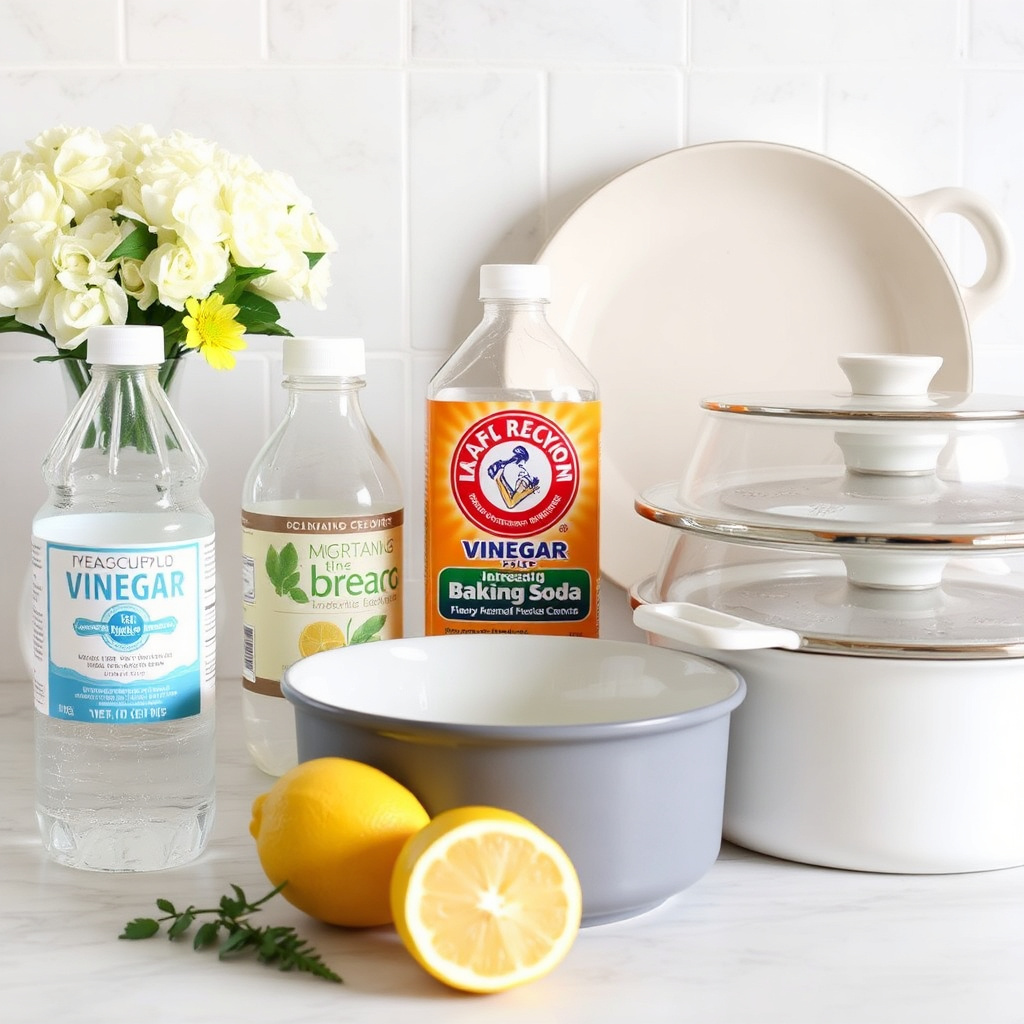
Lemon juice’s mild acidity makes it a suitable cleaner to remove grease and odors from ceramic cookware. Rub half a lemon on the surface or add lemon juice to warm water for soaking.
This approach adds a fresh scent and helps break down residue without harsh chemicals, keeping your cookware safe and pleasant to use.
- Rub lemon directly on cookware
- Use lemon juice soaking solution
Commercial Ceramic Cookware Cleaners
Some manufacturers offer specialized ceramic cookware cleaners formulated to clean effectively without damaging the coating. These products often contain gentle abrasives and ingredients tailored for ceramic surfaces.
Always read instructions carefully and test on a small area before full application to avoid unintended damage. Use these cleaners sparingly as part of routine maintenance.
How to Dry and Store Ceramic Cookware

Effective Drying Techniques
After washing, dry your ceramic cookware thoroughly with a soft towel to prevent water spots or mineral deposits. Air drying is also effective but make sure the cookware is completely dry before storage to avoid mildew or odors.
Taking these steps helps maintain a clean surface and reduces the risk of damage caused by trapped moisture.
For additional details about ceramic cookware materials and care, refer to ceramic cookware care tips on Wikipedia. Ceramic cookware care tips on Wikipedia.
Safe Storage Practices
Store ceramic cookware in a cool, dry place away from direct sunlight to avoid fading or warping. Use protective liners or cloth between stacked pieces to prevent scratches and chips.
Organizing cookware neatly facilitates easier access and preserves the ceramic coating’s integrity during storage.
Comparison of Cleaning Methods for Ceramic Cookware
Below is a comparison table summarizing popular cleaning methods for ceramic cookware to help you choose the best approach for your needs.
| Cleaning Method | Effectiveness | Safety for Ceramic | Ease of Use | Cost |
|---|---|---|---|---|
| Warm Soapy Water & Soft Sponge | High | Very Safe | Easy | Low |
| Baking Soda Paste | Moderate | Safe | Moderate | Low |
| Vinegar Simmering | High | Safe | Moderate | Low |
| Lemon Juice Cleaning | Moderate | Safe | Easy | Low |
| Commercial Ceramic Cleaners | High | Generally Safe | Easy to Moderate | Moderate |
Frequently Asked Questions
Can I put ceramic cookware in the dishwasher?
Most ceramic cookware is best washed by hand to preserve its coating. Dishwashers' high heat and harsh detergents can damage the ceramic surface unless the manufacturer specifies it is dishwasher safe.
How do I remove burnt food from ceramic cookware?
Soak the cookware in warm, soapy water for 15-30 minutes, then use a non-abrasive scrubber or plastic spatula to gently loosen burnt residue without scratching the surface.
Is it safe to use baking soda on ceramic cookware?
Yes, baking soda is a mild abrasive that effectively cleans ceramic cookware without damaging it when used gently and rinsed well afterwards.
What should I avoid when cleaning ceramic cookware?
Avoid steel wool, harsh scrubbing pads, abrasive powders, and sudden temperature changes, as these can scratch, chip, or crack the ceramic coating.
How often should I clean my ceramic cookware?
Clean ceramic cookware after each use with warm soapy water and gentle scrubbing to maintain its condition and prevent buildup or stains.
Key Takeaways
- Use warm soapy water and a soft sponge for daily cleaning.
- Soak and gently scrub to remove stuck-on food without scratching.
- Natural solutions like vinegar and baking soda effectively remove stains.
- Avoid abrasive tools and sudden temperature changes to protect the ceramic.
Conclusion
A thoughtful cleaning routine plays a vital role in extending the life and performance of your ceramic cookware. Selecting gentle cleaning methods that respect the ceramic surface avoids damage and keeps the non-stick qualities intact. The main goal is balancing effective residue removal with care to prevent scratches or coating degradation.
For routine use, warm soapy water paired with soft sponges works well for most cases. When tougher stains or burnt food appear, options like baking soda paste or vinegar simmering provide extra cleaning power without harsh consequences. Lemon juice cleaning is another natural choice that refreshes and deodorizes gently. Commercial ceramic cookware cleaners can be useful occasionally but should be tested cautiously.
To maintain the quality of your cookware, hand wash consistently, dry thoroughly, and store with protective padding to avoid scratches. By following these guidelines on how to clean ceramic cookware, you’ll enjoy its durability and ease of use far longer. Start with mild cleaning steps after every meal and escalate to stain treatments as needed for best results.