How to Cook with Stainless Steel Cookware: A Practical Guide for Perfect Meals
Learn how to cook with stainless steel cookware effectively for even heating, easy cleanup, and better flavors. Essential tips for beginners and pros alike.

Cooking with stainless steel cookware can offer exceptional heat distribution and durability, making it a favorite among chefs and home cooks. To succeed, you need to master the right heat levels, seasoning techniques, and cooking methods to prevent sticking and achieve tasty results. This article explains the core techniques for cooking with stainless steel cookware effectively, ensuring your meals turn out delicious every time.
Stainless steel pans don’t have the non-stick coating that many are accustomed to, so knowing when and how to heat the pan, use oil, and monitor temperature matters a lot. A well-heated stainless steel pan creates a temporary natural release that keeps food from sticking, allows proper browning, and makes cleanup simpler. Understanding these dynamics can drastically improve your cooking and pan longevity.
We will break down essential tips including the right way to heat the cookware, select compatible oils, prevent foods from sticking, cook different ingredients effectively, and clean your pans without damage. Along the way, we’ll also cover the best stainless steel pans for cooking and how to maintain them for years of flavorful meals.
Getting Started: Heat Management with Stainless Steel Cookware
How to Properly Heat Your Stainless Steel Pan
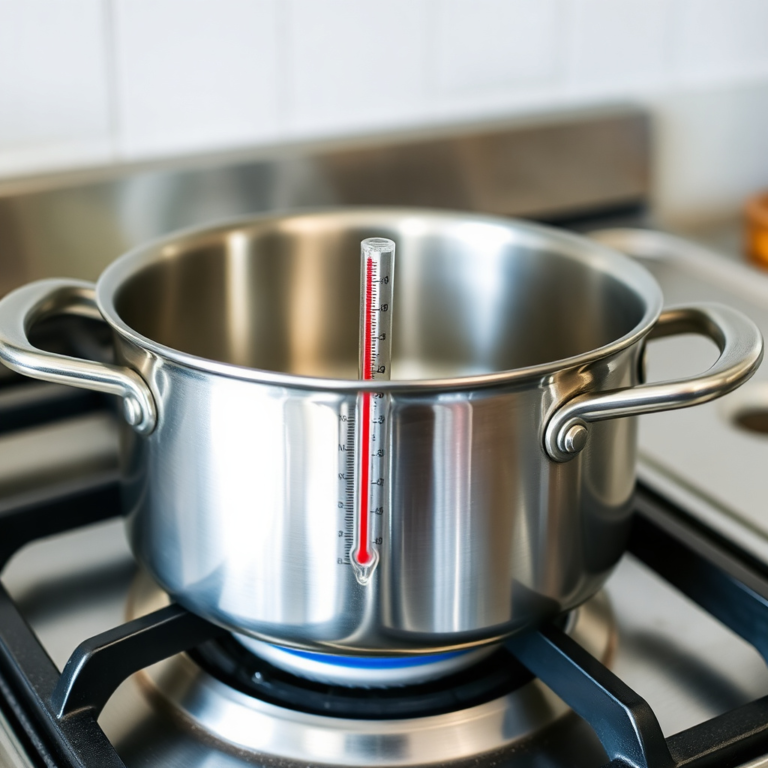
Heating a stainless steel pan correctly is key to preventing food from sticking. Start by warming the empty pan on medium heat for 2-3 minutes, allowing it to reach an even temperature. You can test if it's ready by sprinkling a few drops of water; they should sizzle and form balls that roll around the surface.
Avoid preheating on high heat, as stainless steel conducts heat efficiently and overheating can cause warping or sticking. Once the pan is at the right temperature, add your cooking oil or fat and let it warm up before adding ingredients.
Choosing the Right Heat Level for Different Cooking Tasks
Different cooking techniques require adjusting your heat level accordingly. For searing meats or stir-frying vegetables, medium-high heat works well to create a golden crust without burning. For simmering sauces or cooking delicate items like eggs, lower heat prevents sticking and uneven cooking.
Keeping an eye on the pan’s temperature and adjusting as you go is easier with stainless steel since it responds quickly to changes. This responsiveness helps with precision cooking once you’re comfortable with your stove and pan.
Preventing Food from Sticking: Techniques and Tips
Why Food Sticks and How to Avoid It
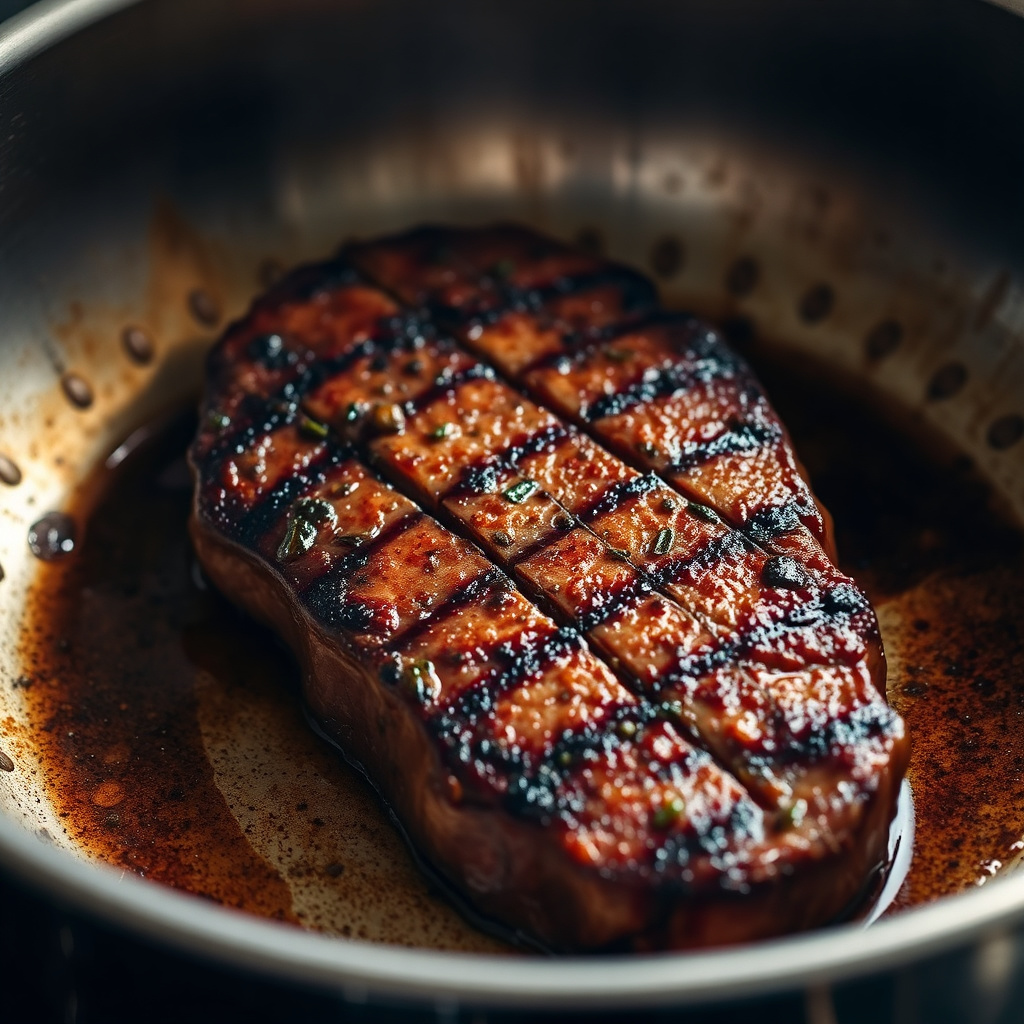
Food usually sticks to stainless steel cookware due to insufficient heating or moisture trapping. When the pan isn’t hot enough, proteins stick to the metal’s surface. Another cause is overcrowding the pan, which releases excess moisture and lowers the pan’s temperature.
To prevent sticking, always preheat your pan properly and ensure the cooking oil pools evenly. Avoid moving food too early; for example, with proteins like steak or fish, wait until a natural sear has formed before flipping them. This creates a barrier that releases easily.
Using Oil Correctly for Stainless Steel Pans
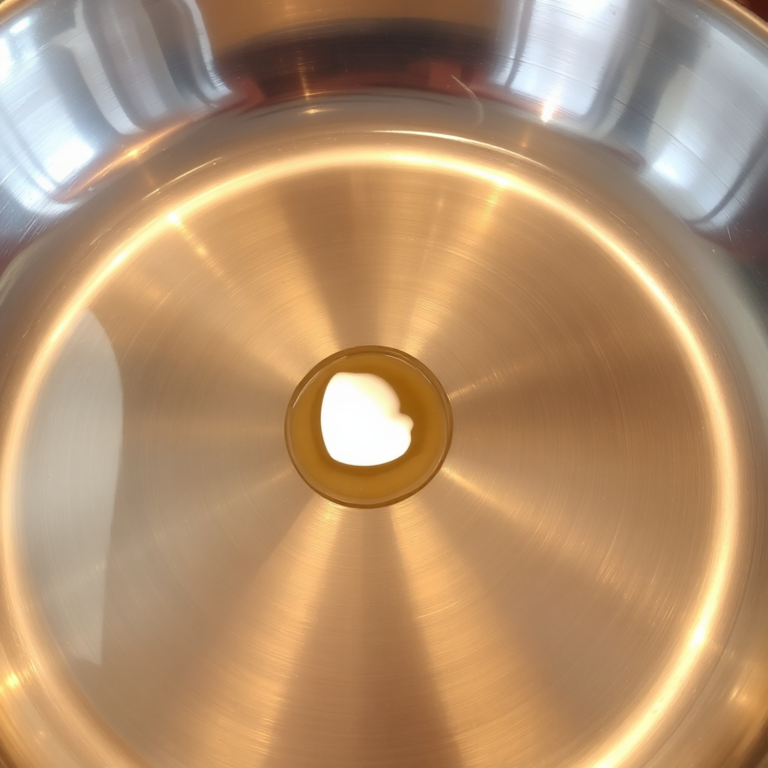
Choosing the right oil and applying the right amount is fundamental. Oils with high smoke points like avocado or grapeseed oil suit high-heat cooking, minimizing smoke and burning. Add your oil after the pan is heated, then let it warm for about 30 seconds before adding food.
Insufficient oil or adding it too early when the pan is cold can cause sticking and uneven cooking. Also, don’t pour excessive amounts; a thin, even coating is enough for most cooking tasks with stainless steel.
Cooking Different Foods in Stainless Steel Cookware

Cooking Proteins Like Meat and Fish
For proteins, achieving the Maillard reaction is what gives that savory crust and rich flavor. Use medium-high heat and make sure the pan and oil are hot before adding meat or fish. As they cook, resist the urge to move them prematurely; when they naturally release from the pan, flipping will be easier.
After cooking, lower the heat to finish thicker cuts by covering the pan or transferring to an oven-safe dish. Using a thermometer keeps the internal temperature perfect without overcooking.
For more on this, see our related guide: How to Cook with Stainless Cookware: Tips for Perfect Results Every Time.
Preparing Eggs, Vegetables, and Other Ingredients
Eggs require gentle heat and adequate oil or butter to prevent sticking. Use medium to low heat and cook slowly for fluffy results. Vegetables can be sautéed on medium-high heat with oil, which produces caramelization and nice texture.
For sticky or delicate foods, ensure enough fat coats the cooking surface, and avoid overcrowding to maintain high pan temperature. Stirring frequently is recommended for vegetables but avoid overmixing to retain crispness.
Cleaning and Maintaining Stainless Steel Cookware

Proper Cleaning Methods Without Damaging the Cookware
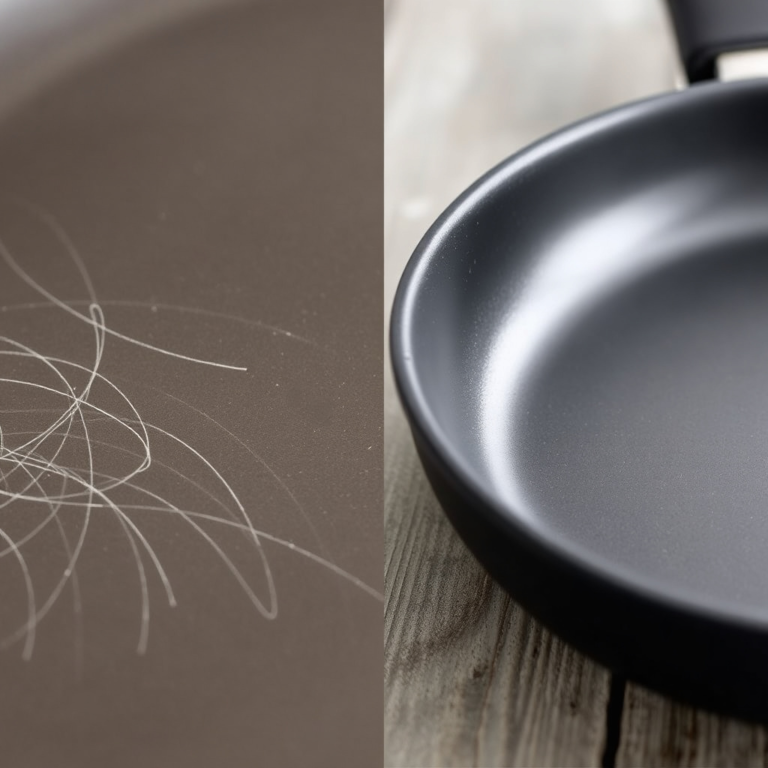
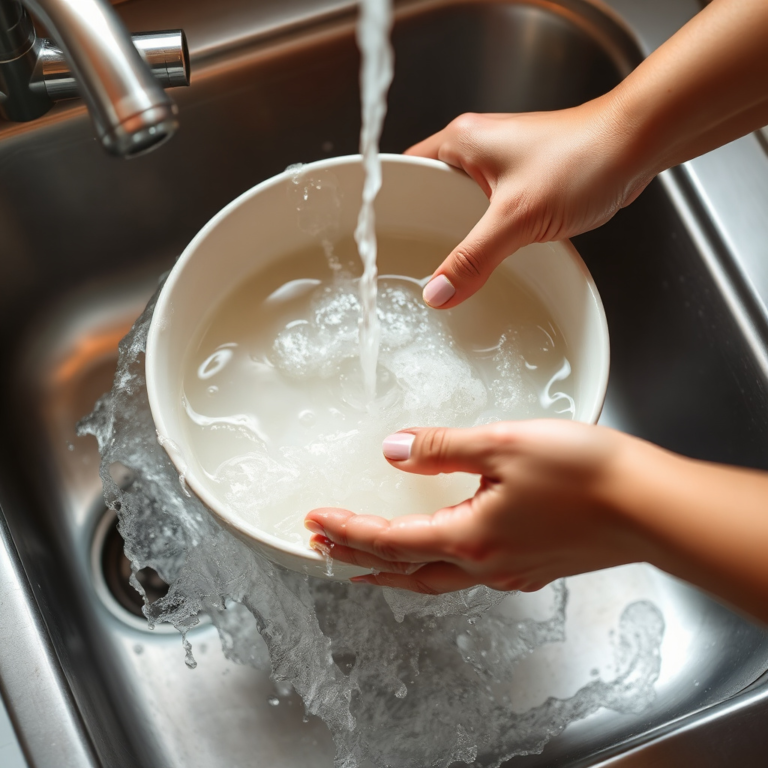
After cooking, allow the pan to cool slightly before cleaning to avoid warping. Use warm water, mild dish soap, and a soft sponge to clean off residues. Avoid abrasive scrubbers or steel wool that can scratch the surface and degrade the pan’s finish.
For stubborn stuck-on food, soak the pan in soapy water for a few minutes before gentle scrubbing. You can also boil water with baking soda inside the pan to loosen tough residues.
Long-term Maintenance Tips to Preserve Cookware Quality
Avoid sudden extreme temperature changes, as thermal shock can warp the pan. Store your cookware by stacking with paper or cloth in between to prevent scratches. Occasionally polishing with stainless steel cleaner restores shine and removes discoloration.
Refrain from cooking highly acidic foods in stainless steel for extended periods regularly, as they might cause pitting or staining. Following these preventative steps will keep your cookware looking and performing well for years.
Choosing the Best Stainless Steel Cookware for Your Kitchen

What to Look for When Buying Stainless Steel Cookware
High-quality stainless steel cookware usually features a core or layered base of aluminum or copper to promote even heat distribution with minimal hotspots. Look for 18/10 stainless steel which offers a good balance of corrosion resistance and durability.
Consider the weight and handle design for comfort and safety. Heavy-bottomed pans retain heat better but should still be manageable. Lids that fit well and compatibility with your stovetop type are practical features to check.
- Material composition: 18/10 stainless steel
- Clad or layered construction for heat conduction
- Ergonomic handles and tight-fitting lids
- Stovetop compatibility: gas, induction, electric
For more on this, see our related guide: How to Clean Aluminum Bakeware Without Damaging It.
Recommended Brands and Models for Various Budgets
For reliable performance, popular brands like All-Clad, Cuisinart Multiclad Pro, and Calphalon Signature offer professional-grade pans with clad bases. Budget-friendly options from Tramontina and T-fal provide decent quality at lower prices.
Your choice will depend on usage and frequency. Investing in a set with multiple sizes or a versatile skillet can enhance your cooking options. Keep the intended cooking tasks in mind to match the cookware features with your preferences.
- All-Clad D3 Stainless Steel Set
- Cuisinart Multiclad Pro Stainless Steel
- Calphalon Signature Stainless Steel
- Tramontina Tri-Ply Clad Set
- T-fal Ultimate Stainless Steel Collection
Advanced Tips for Cooking with Stainless Steel Cookware
Using Deglazing and Fond to Enhance Flavor
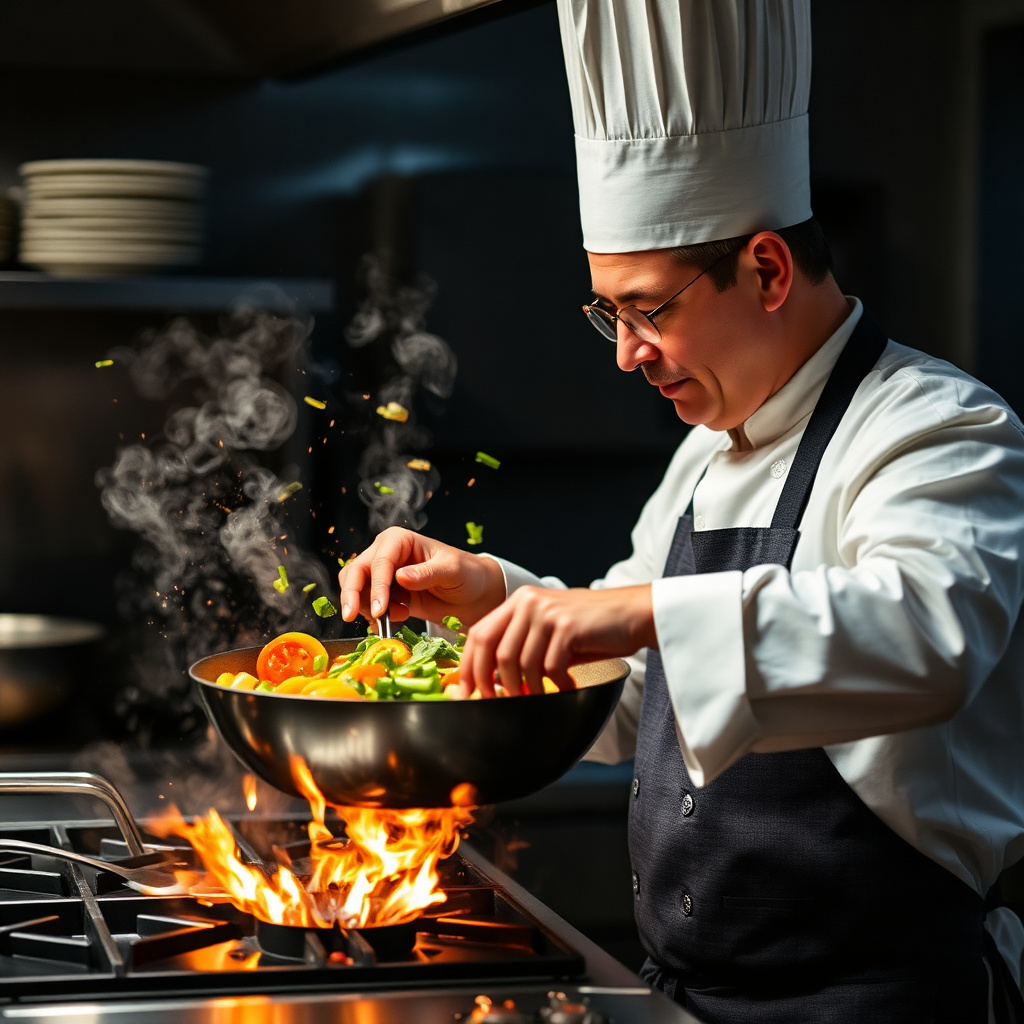
After searing meat or vegetables, small browned bits called fond stick to the pan’s surface. Deglazing the pan with wine, broth, or vinegar loosens these bits and creates a rich base for sauces, bringing depth to your dishes.
To deglaze, reduce heat slightly and pour in the liquid while scraping the pan gently with a wooden spoon. This step takes advantage of stainless steel’s excellent heat conduction and makes cleanup easier.
For a deeper understanding of stainless steel cookware properties, you can visit the stainless steel cookware details page on Wikipedia. stainless steel cookware details.
Tips for Even Cooking and Avoiding Hot Spots
Though stainless steel pans with layered bases distribute heat well, occasional hot spots can occur on cheaper models. To avoid uneven cooking, move food around periodically and shake the pan gently during sautéing.
Maintain medium heat unless searing. Use cookware with a thick, multilayered base for best results. Preheating also helps heat spread evenly before food is added.
Comparison of Common Stainless Steel Cookware Categories
This table compares different stainless steel cookware categories based on price, heat distribution, durability, and suitability for cooking styles.
| Category | Price Range | Heat Distribution | Durability | Best For |
|---|---|---|---|---|
| Tri-ply Clad Cookware | $100-$300 | Excellent | Very High | All-around cooking, professional use |
| Single-ply Stainless Steel | $50-$150 | Moderate | High | Light cooking, budget-friendly |
| Copper Core Cookware | $200-$500 | Superior | High | Precision cooking, heat-sensitive dishes |
| Aluminum Core Cookware | $80-$250 | Very Good | High | General cooking, even heating |
| Budget Stainless Steel Sets | $40-$100 | Variable | Moderate | Beginner cooks, occasional use |
Frequently Asked Questions
Can stainless steel cookware be used on induction cooktops?
Yes, stainless steel cookware with a magnetic base works well on induction cooktops. Look for cookware labeled 'induction compatible' or test with a magnet to confirm.
Is it necessary to season stainless steel pans like cast iron?
No, stainless steel cookware doesn't require seasoning. Proper heating and oil use prevent sticking without the polymerized oil layer cast iron needs.
How do I remove tough burnt-on food from stainless steel pans?
Soak the pan in warm soapy water, then scrub gently with a nonabrasive pad. Boiling water with baking soda inside the pan can also loosen burnt residues.
Are stainless steel cookware sets worth the investment?
High-quality stainless steel cookware offers long-lasting durability, excellent heat distribution, and versatility, often making them worth the initial extra cost.
What oils are best for cooking with stainless steel pans?
Oils with high smoke points like avocado, grapeseed, or canola oil are best for stainless steel pans because they tolerate high heat without smoking or burning quickly.
Key Takeaways
- Preheat stainless steel pans properly to reduce sticking and improve cooking.
- Use oils with high smoke points and add them to hot pans for best results.
- Wait for natural food release to flip proteins and achieve a good sear.
- Clean gently and avoid abrasive tools to maintain cookware longevity.
Conclusion
Cooking with stainless steel cookware involves understanding heat control, using the right fats, and patience to prevent sticking and elevate flavors. Approaching your cooking with these simple but effective steps transforms the experience, helping you maximize the benefits of stainless steel’s durability and excellent heat conductivity. Rather than fearing sticking, embracing temperature and timing nuances will deliver satisfying results and more confidence in the kitchen.
If you frequently cook seared meats or stir-fries, investing in tri-ply clad stainless steel pans can be a game changer due to their superior heat conduction and reliable performance. For those on a budget, quality single-ply options paired with attentive heat management still offer good value. Non-stick alternatives serve certain tasks, but for building kitchen skills and versatility, mastering stainless steel pans is invaluable.
Start small—try frying eggs or sautéing vegetables with careful heat and oil use to experience the difference firsthand. With patience and practice, your new stainless steel cookware will become a trusted ally, enabling you to prepare varied meals with excellent texture and flavor. Check out recommended stainless steel cookware sets to find one that fits your cooking style and upgrade your kitchen game.

One Comment