How to Season Stainless Steel Cookware for Better Cooking Performance
Learn how to season stainless steel cookware properly to improve non-stick performance and prevent food from sticking during cooking.

Seasoning stainless steel cookware involves creating a thin layer of polymerized oil on the cooking surface, which reduces food sticking and improves overall performance. Unlike cast iron, stainless steel doesn't naturally have a non-stick surface, so seasoning helps build a smoother cooking experience.
Many home cooks struggle with food sticking to stainless steel pans, causing frustration and difficult cleanups. Seasoning creates a practical barrier that enhances cooking and protects the cookware from stains and discoloration. Over time, this layer can build up, offering closer to non-stick results without synthetic coatings.
This article will explain step-by-step how to season your stainless steel cookware, discuss the benefits of seasoning, the types of oils to use, proper maintenance techniques, and tips for long-lasting cookware performance.
Understanding Seasoning for Stainless Steel Cookware
What Does Seasoning Mean for Stainless Steel?
Seasoning stainless steel involves heating oil until it bonds to the metal surface, forming a polymerized layer. This coating creates a partial non-stick effect that helps reduce food adhesion and eases cleaning. It differs from seasoned cast iron, which relies on porous surfaces to trap oils.
Because stainless steel is smooth and non-porous, seasoning can wear off quicker, so repetition and proper techniques are necessary. This process enhances cooking performance by reducing hot spots and preventing discoloration caused by burnt-on food residue.
Why Seasoning Matters for Everyday Cooking
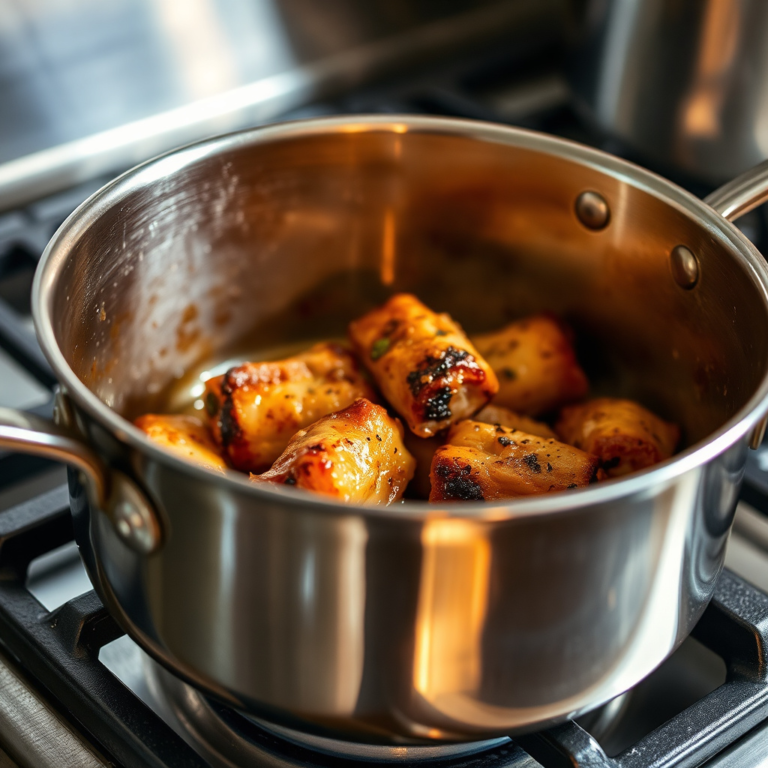
Proper seasoning prevents protein and starch fibers from sticking to your cookware during searing, sautéing, or frying. Without seasoning, stainless steel pans often produce stubborn food residue that requires scrubbing or soaking.
A well-seasoned pan also requires less cooking oil over time, helping prepare healthier meals and conserving cooking fats. It also preserves the pan’s finish, minimizing stains and spotting caused by high heat and reactions with acidic foods.
Choosing the Right Oil for Seasoning Your Stainless Steel Cookware

Best Oils for Seasoning Stainless Steel
When seasoning stainless steel cookware, use oils with high smoke points to avoid burning which can degrade the seasoning layer. Suitable choices include grapeseed oil, canola oil, and refined avocado oil.
These oils polymerize efficiently at seasoning temperatures, creating a durable coating. Avoid using unrefined or butter oils as they burn quickly and form sticky residues rather than smooth layers.
- Grapeseed oil (high smoke point around 420°F)
- Canola oil (smoke point ~400°F)
- Refined avocado oil (smoke point ~520°F)
Oils and Fats to Avoid or Use Sparingly
Butter, unrefined olive oil, and flaxseed oil can smoke easily at seasoning temperatures, resulting in uneven or sticky layers. These fats are better suited for cooking but not for creating the initial seasoning coat.
Additionally, oils with strong flavors like coconut oil may impart off flavors during seasoning, so neutral oils are preferred for a clean cooking surface.
Step-by-Step Guide to Season Stainless Steel Cookware

Preparing Your Pan Before Seasoning
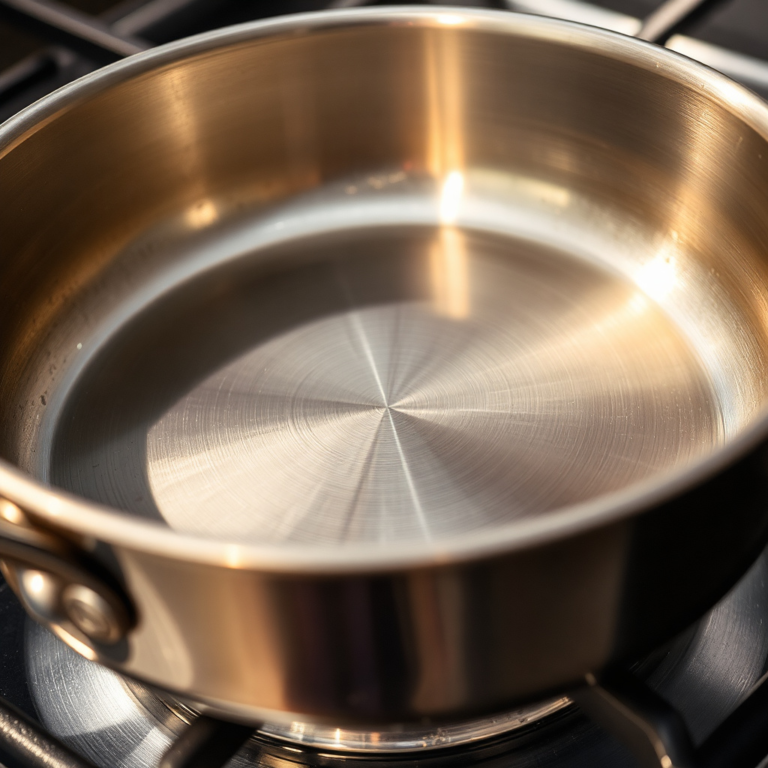
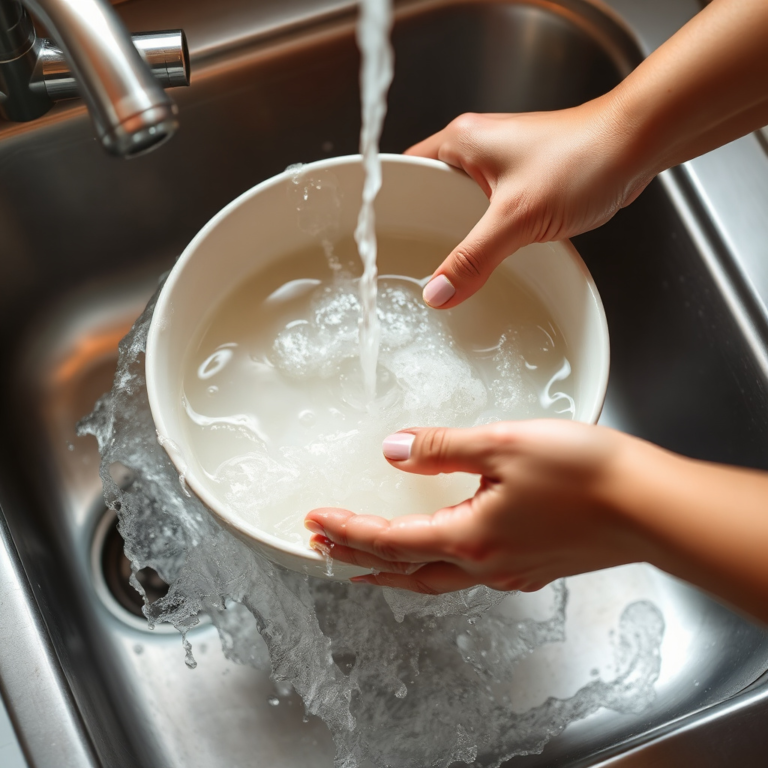
Start by thoroughly cleaning your stainless steel pan with hot, soapy water to remove any factory coatings, dust, or impurities. Dry the pan completely using a clean towel or by heating gently on the stove.
Any residual moisture or debris interferes with oil bonding. It’s important the surface is pristine to allow proper polymerization during seasoning.
For more on this, see our related guide: How to Use Stainless Steel Cookware for Perfect Cooking Results.
Applying Oil and Heating Properly
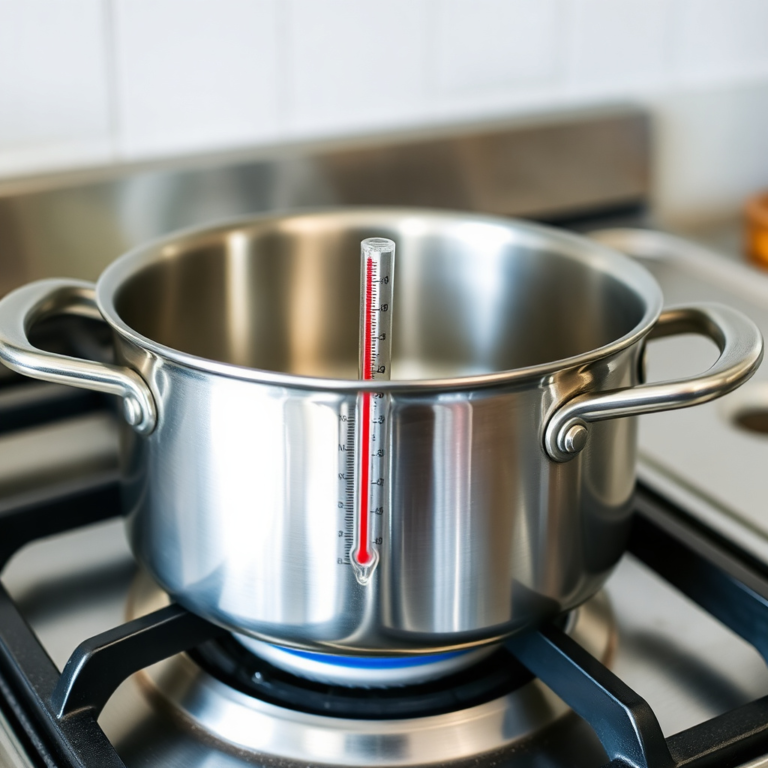
Pour a thin, even layer of your selected high-smoke-point oil into the pan, then heat the pan on medium-high until it begins to smoke lightly. Maintain the temperature for 6–10 minutes to allow the oil to polymerize and bond to the metal.
After heating, turn off the stove and let the pan cool. Wipe excess oil with a paper towel but leave the bonded layer intact. Repeat this process 2 to 3 times to build a stronger seasoning.
Maintaining the Seasoned Layer for Long-Term Performance

Cleaning Tips to Protect Seasoning
Avoid harsh detergents, abrasive scrubbers, or soaking your pan for long periods, as these can break down the seasoning layer. Instead, clean with warm water and a soft sponge immediately after cooking.
For stuck-on food, use gentle scrubbing with baking soda paste or soak briefly before washing. Dry the pan promptly to prevent water spots and rust-like stains.
Re-seasoning Frequency and Signs It’s Needed
You will know your seasoning needs refreshing when food starts sticking more frequently or if the pan’s surface appears dull and dry. Repeating the seasoning process every few months, or after heavy scrubbing, maintains optimal performance.
Regular light oiling after each use can extend the life of the seasoning between full treatments, helping keep the pan slick and ready for cooking.
- Season after deep cleaning or stubborn stains
- Reapply oil lightly after each use
- Watch for changes in cooking behavior as signs
Common Mistakes to Avoid When Seasoning Stainless Steel Cookware
Overheating and Burning Oil
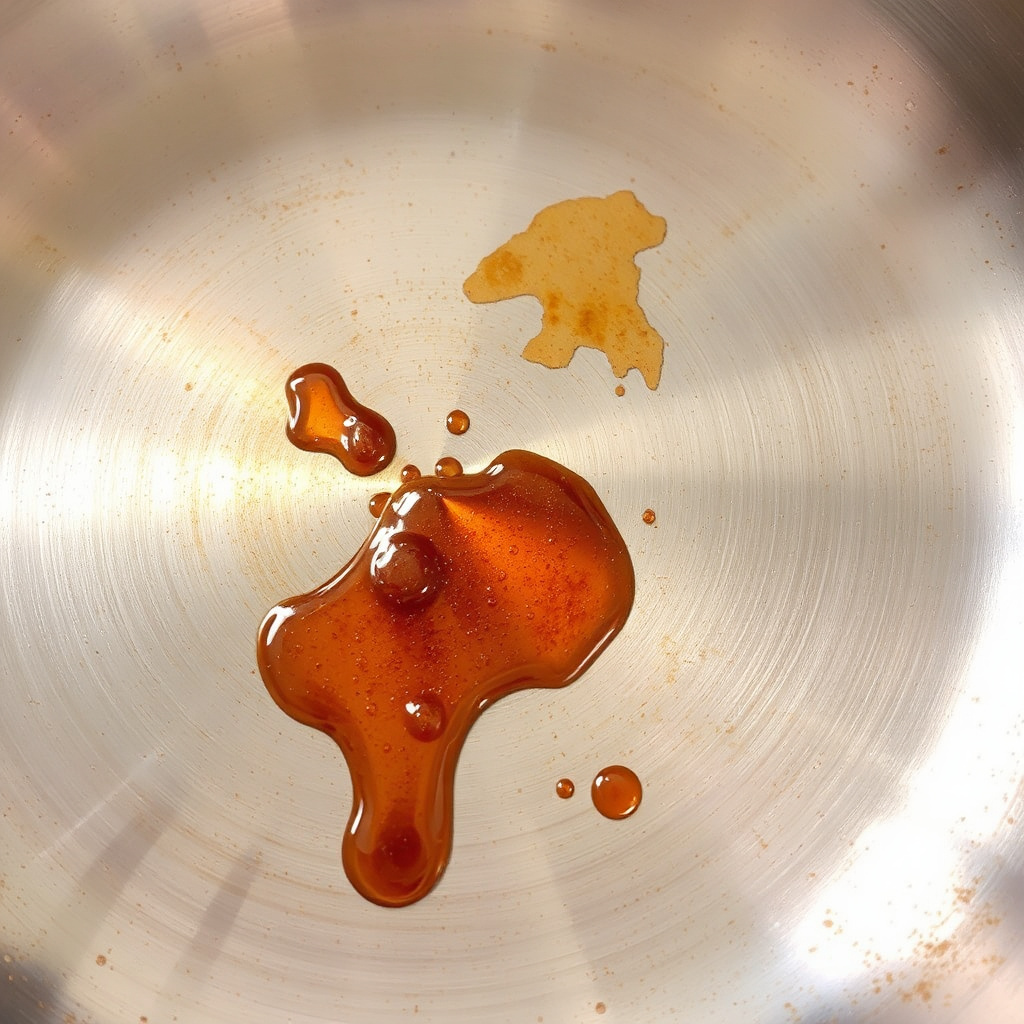
Heating the oil beyond its smoke point can leave sticky burnt residues that are hard to remove and weaken the seasoning layer. Always monitor the oil and remove the pan from heat as soon as light smoke appears.
Using oils with low smoke points causes this problem more often, which is why selecting the best oil is essential.
For more on this, see our related guide: How to Cook with Stainless Steel Cookware: A Practical Guide for Perfect Meals.
Applying Too Much Oil
Using excessive oil creates thick, uneven layers that can flake off or become gummy during cooking. A thin, even coating is more effective and easier to maintain, so pour sparingly and wipe out excess after heating.
Repeated thin applications build a reliable, stable polymerized surface without the risk of buildup breakdown.
Benefits Beyond Non-Stick: Why Season Stainless Steel Cookware?

Improved Cooking Results and Heat Distribution
Seasoning stainless steel pans enhances browning and even heat usage by creating a smoother surface that minimizes hotspots. This leads to better searing, consistent temperature control, and improved flavor development in foods.
The seasoned layer helps your pan heat more evenly across the bottom, reducing flare-ups and burnt spots during professional-level cooking.
Extending Cookware Lifespan and Appearance
Regular seasoning reduces metal oxidation and staining caused by acidic or salty foods combined with high heat. It helps maintain the original shine and prevents discolorations and rust formation.
By protecting the integrity of the pan’s surface, seasoning cuts down on corrosion and prolongs the useful life of your cookware.
Best Way to Maintain Stainless Steel Pans After Seasoning
Daily Care Practices
After each cooking session, rinse your pan with warm water and wipe it dry immediately to prevent spotting. Use minimal soap to avoid stripping the seasoning, and avoid steel wool or metal scrubbers.
Occasional light oiling with a paper towel keeps the surface conditioned and slippery for next use, enhancing the seasoning’s benefits.
For further technical insight into stainless steel cookware, refer to this detailed overview. Stainless steel cookware guidance.
Preventing Common Damage
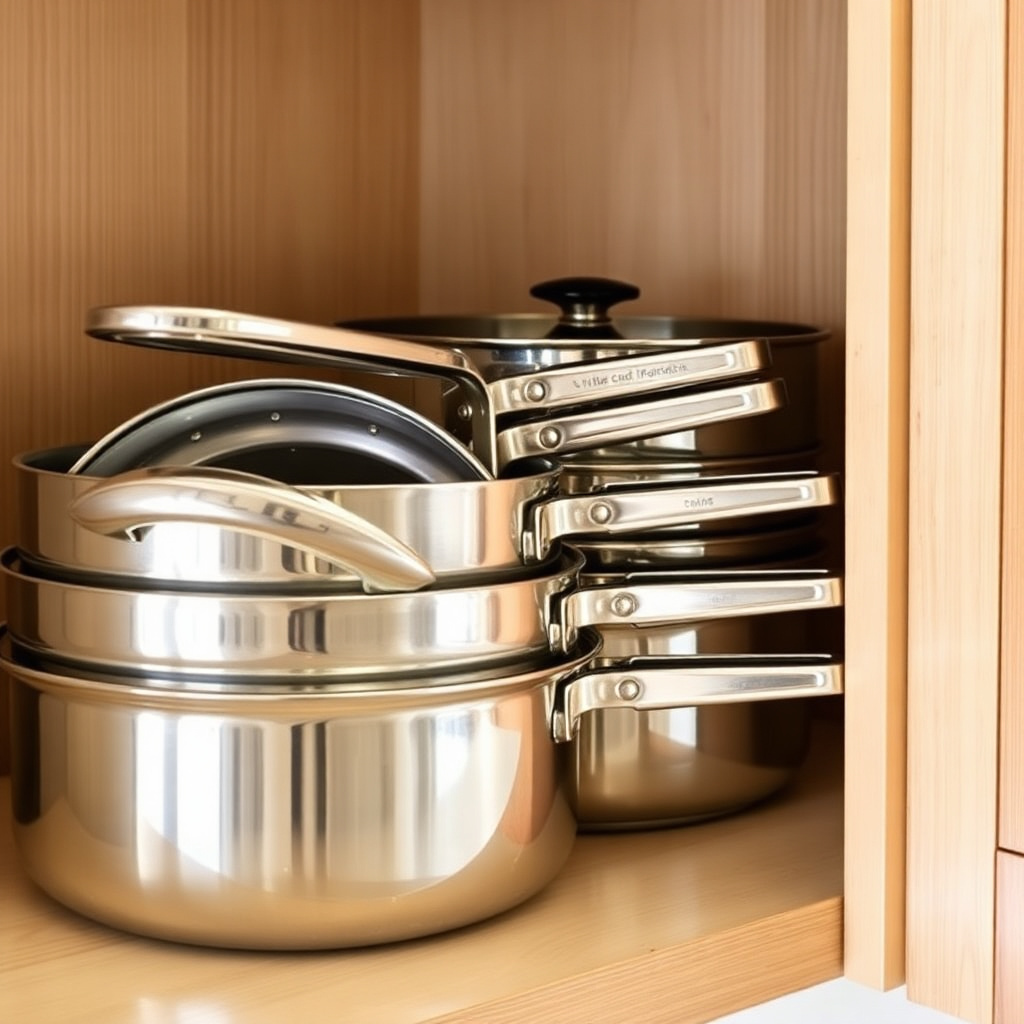
Avoid thermal shock by not rinsing hot pans with cold water, which can warp or weaken the metal. Using wooden, silicone, or nylon utensils preserves the seasoned surface and avoids scratches.
Store pans carefully to prevent dents and maintain their smooth, polished finish over time.
Types of Stainless Steel Cookware Seasoning Compared
Here’s a concise comparison of common seasoning methods for stainless steel pans with their key advantages and drawbacks.
| Seasoning Method | Oil Type Used | Durability | Maintenance Required | Ideal For |
|---|---|---|---|---|
| High Heat Oiling | Grapeseed/Canola | Moderate | Medium | Everyday Cooking |
| Multiple Thin Layers | Refined Avocado | High | High | Frequent Use & Searing |
| Single Thick Coating | Vegetable Oil | Low | Low | Occasional Use |
| Natural Patina Build-Up | Leftover Cooking Oils | Variable | Low | Casual Home Cooking |
Frequently Asked Questions
Do I need to season stainless steel pans before first use?
While not absolutely required, seasoning before first use creates a smoother surface that reduces food sticking and improves cooking results immediately.
How often should I re-season my stainless steel cookware?
Re-season every few months or whenever food starts sticking more noticeably. Frequent cleaning or scrubbing may require more regular seasoning.
Can I use butter to season stainless steel cookware?
Butter is not recommended for seasoning because it burns at a lower temperature and can leave sticky residues that degrade the seasoning layer.
Will seasoning replace the need for oils during cooking?
Seasoning reduces the amount of oil needed but doesn't eliminate it altogether. Light oil use during cooking still helps maintain the seasoning and prevents sticking.
Can I use seasoning to fix rust spots on stainless steel cookware?
Seasoning can help protect against future rust but won’t remove existing rust. Rust should be cleaned off thoroughly before applying seasoning.
Key Takeaways
- Seasoning stainless steel creates a polymerized oil layer that reduces sticking during cooking.
- Use high smoke point oils like grapeseed or refined avocado for effective seasoning.
- Apply thin coats and heat without burning the oil to build a durable seasoning.
- Proper maintenance extends seasoning life and improves pan performance.
Conclusion
Knowing how to season stainless steel cookware effectively equips you with a technique to make your pans more versatile and user-friendly. The process involves forming a controlled polymerized oil layer that improves non-stick properties and heat distribution. Careful preparation, proper oil choice, and consistent application help store this seasoning, creating a cooking surface that behaves better with each use. Importantly, seasoning does not alter the pan’s inherent stainless steel qualities but enhances its performance by building an additional protective film. Maintaining this layer through gentle cleaning and periodic re-seasoning ensures your cookware remains a favorite for many meals.
In practical terms, beginners will find that starting with high smoke point oils like grapeseed or refined avocado oil produces the best results. For everyday kitchen use, applying multiple thin seasoning layers after thorough cleaning promotes sturdier, longer-lasting protection. If you cook frequently at medium to high heat, this method prevents food adhesion and streaking. Casual cooks aiming for minimal maintenance may prefer natural patina buildup from regular cooking but will sacrifice some non-stick effectiveness. Whichever method you choose, understanding the process enables you to tailor your approach to how you cook, extending your cookware’s lifespan.
Now that you understand the importance of seasoning stainless steel cookware and how to do it correctly, your best next move is to try seasoning a favorite pan yourself following the recommended steps. Embrace patience with thin oil layers and controlled heating to achieve the ideal surface. Simultaneously, establish a gentle cleaning routine that supports your newly seasoned finish. Over time, you’ll notice food releases effortlessly, cleanups become easier, and your stainless steel pans maintain their shine and functionality. Seasoning transforms a traditionally sticky surface into a reliable, semi-non-stick cooking partner.