How to Maintain Stainless Steel Cookware for Long-Lasting Performance
Learn how to maintain stainless steel cookware effectively to keep it shiny, durable, and performing well in your kitchen over time.

Maintaining stainless steel cookware involves regular cleaning, proper seasoning, and careful storage to preserve its shine and cooking performance. Unlike nonstick pans, stainless steel requires attention to prevent stains and ensure even heating during use. Simple daily care can make a major difference in longevity.
Proper maintenance extends the life of your stainless steel pots and pans by preventing discoloration, water spots, and surface damage. It also preserves the cookware’s non-reactive qualities, ensuring your meals retain pure flavors without metallic tastes or residue build-up. This keeps your kitchen safe and your dishes delicious.
This article covers essential techniques for cleaning stainless steel cookware, removing tough stains, seasoning methods, and best practices for storage and usage. By following these tips, you’ll keep your cookware looking nearly new and working efficiently for years.
Cleaning Stainless Steel Cookware Effectively
Daily Cleaning Techniques
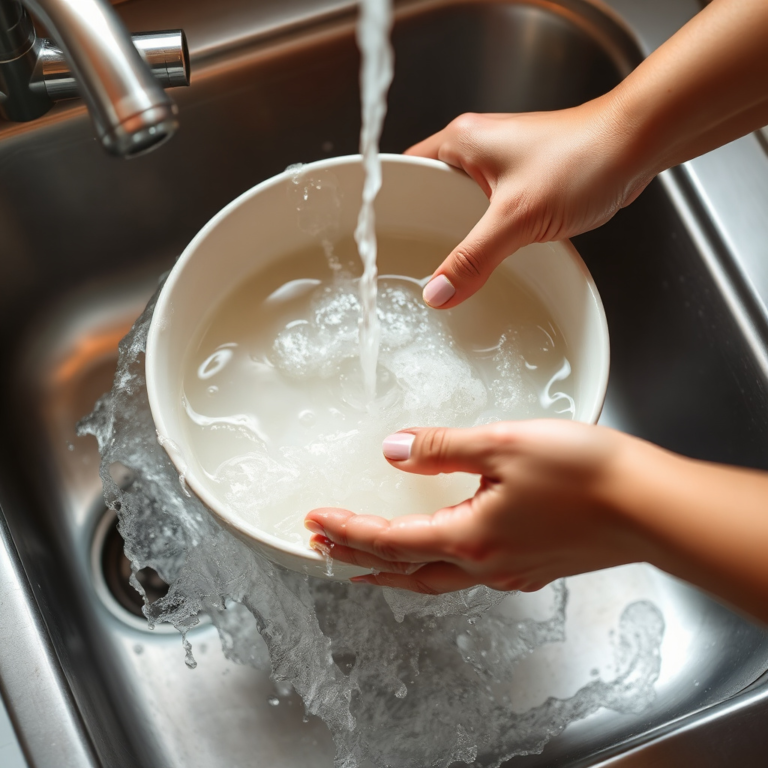
After each use, rinse your stainless steel cookware with warm water to remove any food residue. Use a soft sponge or cloth with mild dish soap to avoid scratching the surface. Avoid steel wool or metal brushes as they can damage the finish and lead to rust spots later.
Dry the cookware immediately with a soft towel to prevent water spots or streaks. Keeping the surface dry helps maintain a mirror-like shine and reduces mineral deposits from tap water that dull the finish over time.
- Use mild dish soap and warm water
- Avoid abrasive scrubbers
- Dry immediately after washing
- Rinse thoroughly to remove soap residue
Removing Tough Stains and Discoloration
Stainless steel pans can develop burnt-on food, water spots, or discoloration from heat. For burnt food, soak the cookware in warm soapy water for 15–30 minutes before scrubbing gently with a nylon scrubber or sponge.
Discoloration or rainbow-like stains often result from overheating or mineral buildup. Use a paste of baking soda and water or a stainless steel cleaner specifically designed for cookware on a soft cloth to polish these spots away, then rinse thoroughly.
- Soak burnt residue before scrubbing
- Use baking soda paste for stains
- Polish with specialized stainless steel cleaner
- Avoid harsh chemicals or bleach
Proper Seasoning and Usage Practices
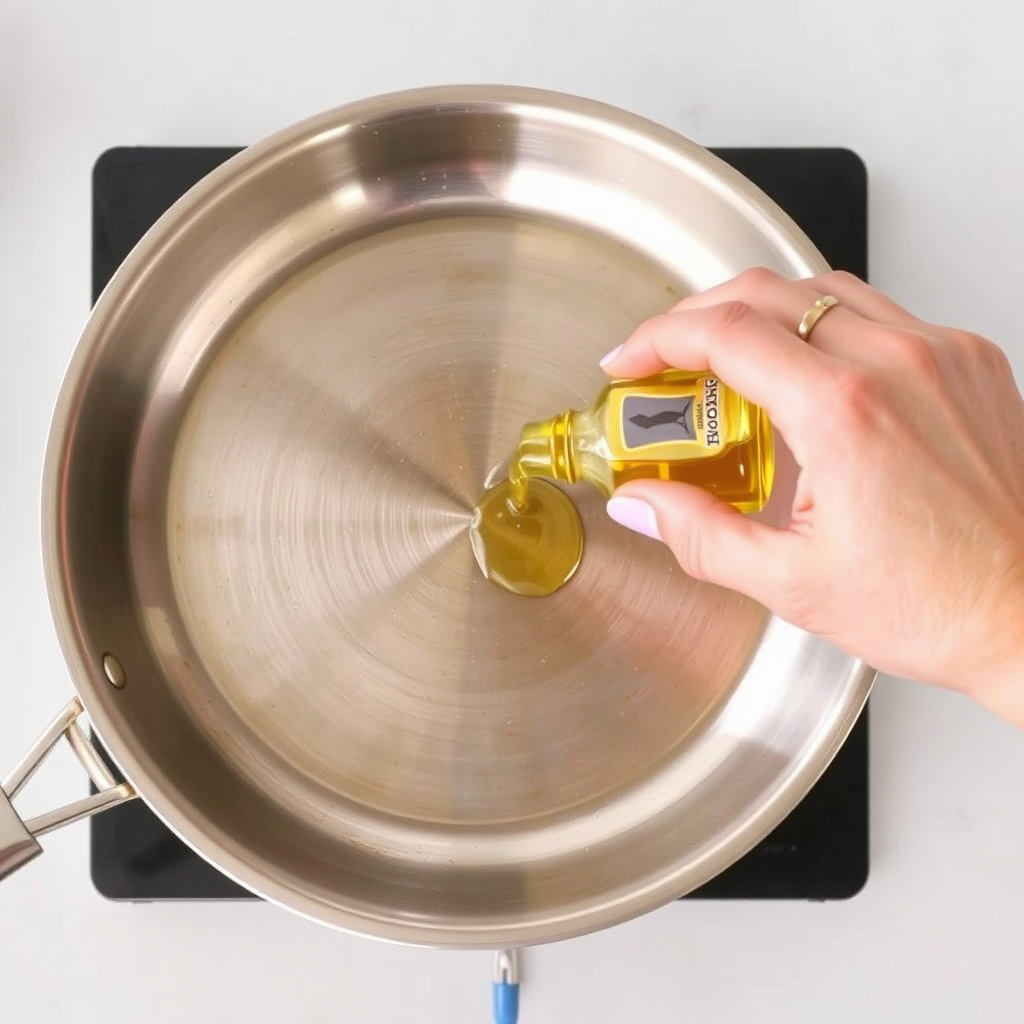
Seasoning Stainless Steel Cookware
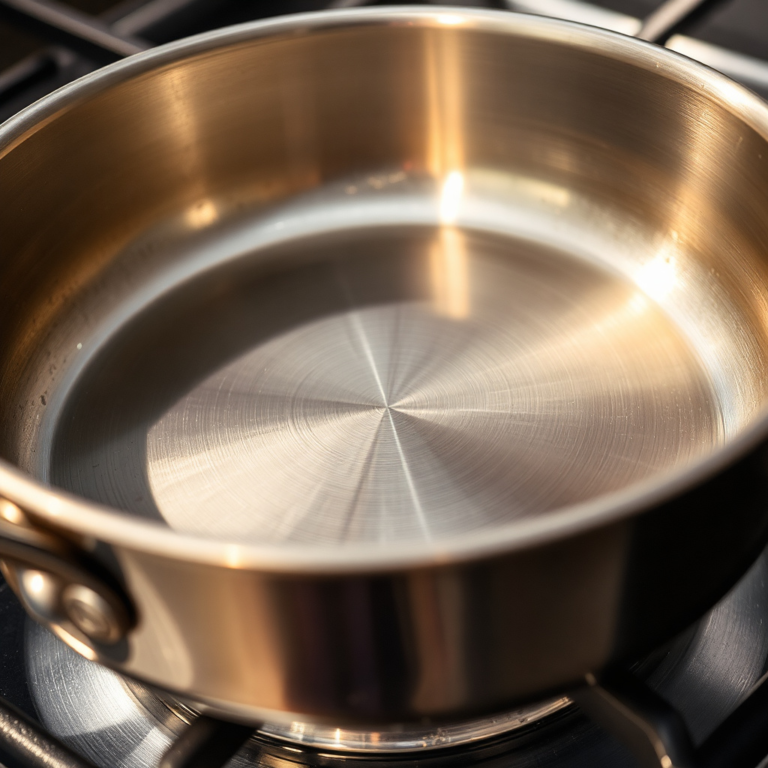
To improve food release and reduce sticking, lightly season your stainless steel pan before first use and periodically afterward. Heat the pan over medium heat, add a thin layer of high-smoke-point oil like canola or vegetable oil, and let it heat until it starts shimmering.
Turn off the heat and let it cool before wiping excess oil with a paper towel. This thin film helps create a semi-nonstick surface by filling microscopic pores and smoothing the metal, enhancing cooking results.
- Use oils with high smoke points
- Season on medium heat
- Apply thin, even coating of oil
- Repeat seasoning regularly
For more on this, see our related guide: How to Use Stainless Steel Cookware for Perfect Cooking Results.
Cooking Tips to Protect Your Cookware
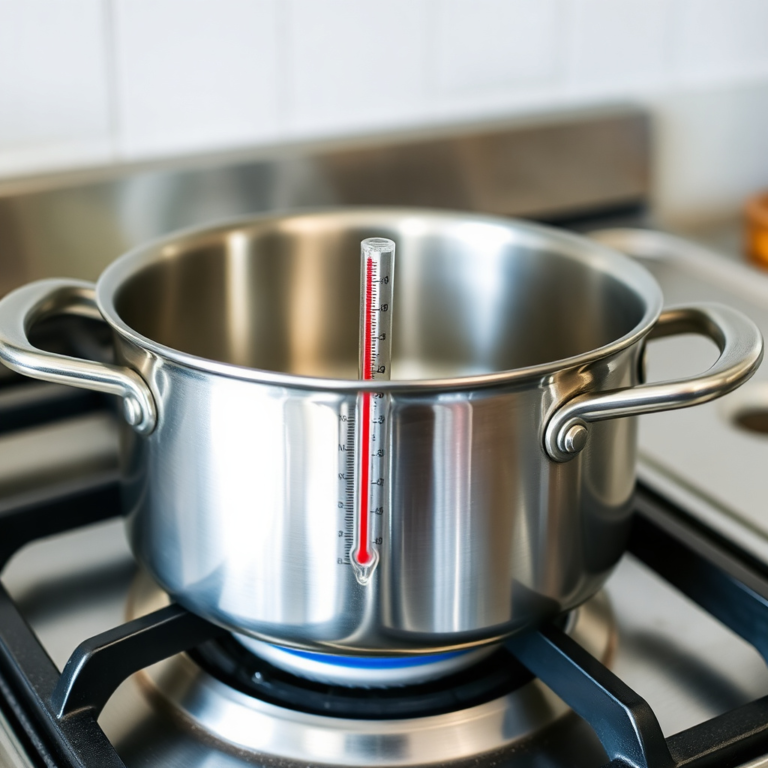
Avoid extreme temperature changes that can warp the pan or cause discoloration, such as rinsing hot pans with cold water immediately. Preheat pans gradually and adjust heat as needed to prevent overheating.
Use wooden or silicone utensils instead of metal to prevent scratches. While stainless steel is durable, minimizing surface damage will maintain cookware aesthetics and extend its lifespan.
- Heat gradually to avoid warping
- Avoid thermal shock from cold water
- Use non-metal utensils
- Cook on appropriate burner size
Storage Suggestions for Stainless Steel Cookware
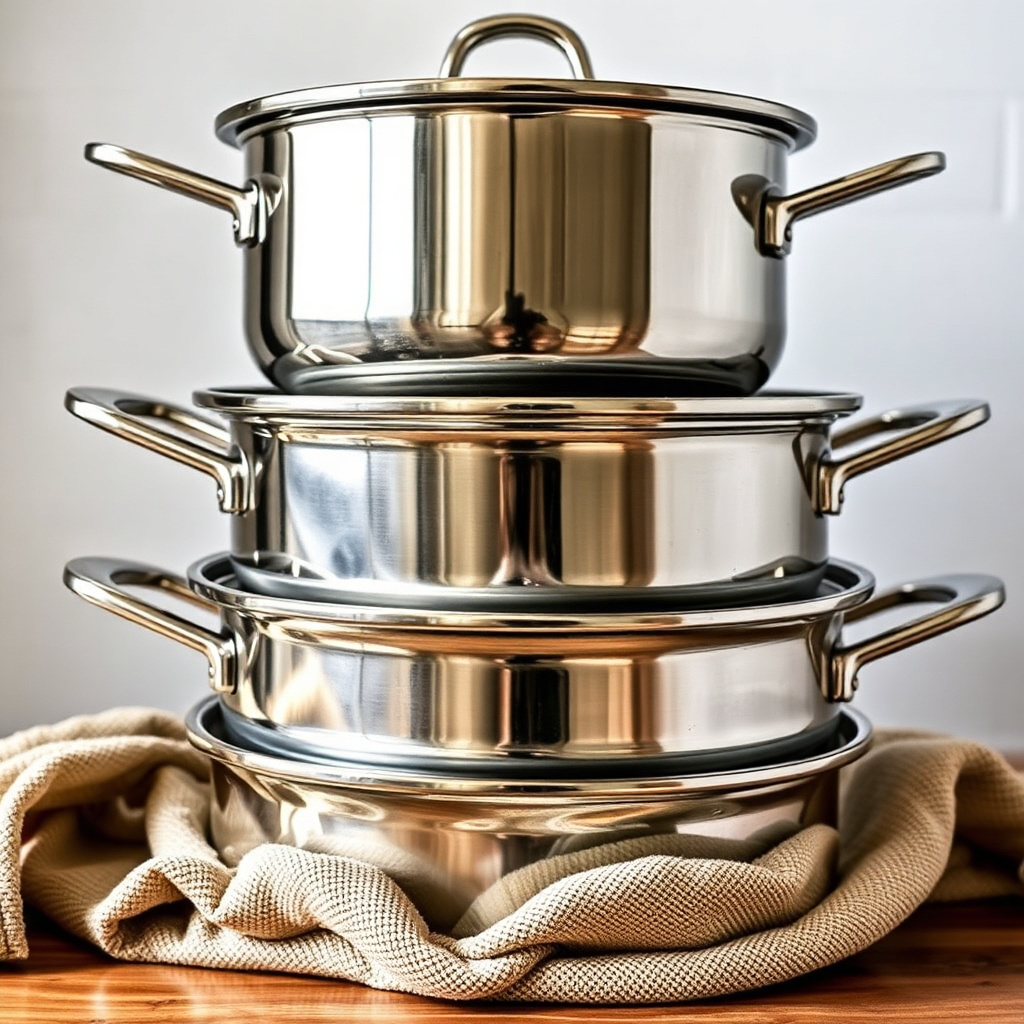
Safe Stacking Methods
If space constraints require stacking, place a soft cloth, paper towel, or pan protector between each piece to prevent scratching. Stainless steel surfaces can scratch easily even with slight abrasion from other cookware.
Consider hanging larger pots and pans to prevent damage from stacking altogether while keeping them accessible and visually organized in your kitchen.
- Use cloth or paper towels between pans
- Avoid heavy stacking pressure
- Hang larger cookware if possible
Preventing Moisture and Odors
Ensure cookware is completely dry before storing to avoid rust or water spots. Store in a dry, well-ventilated area to prevent moisture buildup and lingering odors.
Placing a moisture absorber or silica gel pack in your storage cabinet helps reduce dampness and keeps cookware fresh between uses.
- Dry thoroughly before shelving
- Store in cool, dry place
- Use moisture absorbers if needed
- Keep lids slightly ajar in humid areas
Special Maintenance Tips for Stainless Steel Cookware

Dealing with Mineral Deposits
Hard water can cause white mineral deposits on your stainless steel cookware surface. To remove this buildup, fill the pan with a mixture of equal parts vinegar and water and let it sit for 10-15 minutes before rinsing thoroughly.
This acidic soak dissolves mineral deposits without damaging the metal. After rinsing, polish the cookware with a soft cloth to restore shine.
- Use vinegar and water soak
- Avoid abrasive scrubbing
- Polish after cleaning
For more on this, see our related guide: How to Cook with Stainless Steel Cookware: A Practical Guide for Perfect Meals.
Dealing with Rust Spots
Although stainless steel is corrosion-resistant, rust can appear if the surface is scratched or exposed to salt for extended periods. To remove rust, gently scrub the spot with a paste of baking soda and water or a stainless steel cleaner.
Rinse well and dry immediately. Prevent rust by avoiding prolonged contact with salty or acidic foods and cleaning promptly after cooking.
- Use baking soda paste for rust
- Promptly clean salty residues
- Dry cookware completely
Choosing the Right Cleaning Products
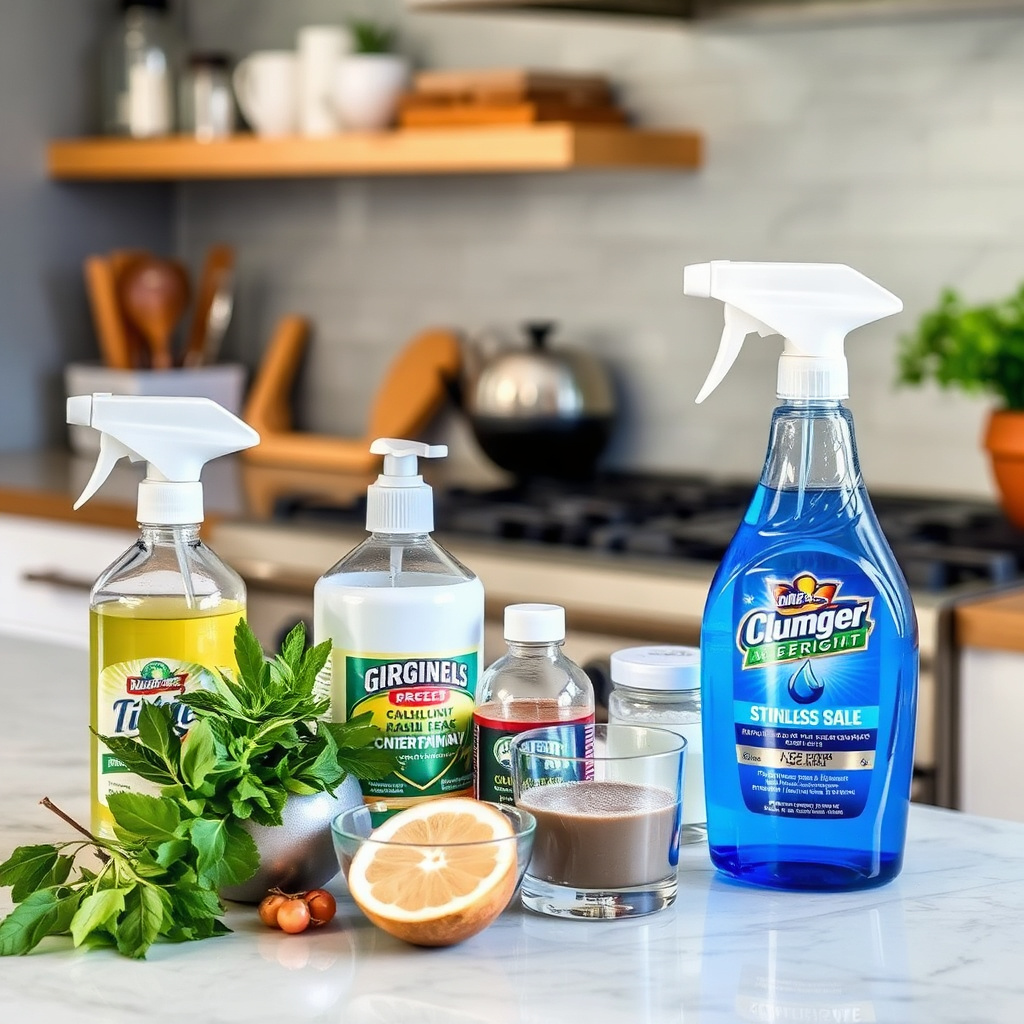
Commercial Cleaners vs. Natural Alternatives
Specialized stainless steel cleaners are formulated to remove tough stains, polish surfaces, and restore a mirror finish. However, these products often contain abrasives or chemicals that should be used sparingly.
Natural cleaners like baking soda, vinegar, and lemon juice provide gentle, effective cleaning without harsh chemicals, making them a safe choice for regular use on cookware.
- Use commercial cleaners for heavy stains
- Opt for natural cleaners for daily care
- Test cleaners on a small area first
For deeper understanding of stainless steel properties and care, consider reviewing detailed maintenance tips on the official Wikipedia page. stainless steel cookware maintenance tips.
Avoiding Harmful Substances
Stay away from bleach, ammonia, or chlorine-based cleaners as they can damage the protective chromium oxide layer on stainless steel, leading to corrosion over time.
Similarly, abrasive scouring pads increase surface scratches which can harbor bacteria and degrade the cookware’s appearance and durability.
- Do not use bleach or ammonia
- Avoid abrasive scouring pads
- Stick to gentle cleaning agents
Stainless Steel Cookware Maintenance Method Comparison
This table compares common maintenance methods based on ease of use, effectiveness, and cost.
| Method | Ease of Use | Effectiveness | Cost | Best For |
|---|---|---|---|---|
| Daily Soap and Water | Very Easy | Good for light cleaning | Low | Routine cleaning |
| Baking Soda Paste | Moderate | Effective for stains and rust | Very Low | Stains and rust removal |
| Vinegar Soak | Moderate | Great for mineral deposits | Low | Hard water spots |
| Commercial Stainless Steel Cleaner | Easy | Highly effective for polishing | Moderate | Heavy discoloration |
| Oil Seasoning | Easy | Improves nonstick performance | Low | Cooking surface maintenance |
Frequently Asked Questions
Can I put stainless steel cookware in the dishwasher?
Many stainless steel cookware items are dishwasher safe, but repeated machine washing can dull the finish and cause spotting. Hand washing is recommended to maintain shine and prolong life.
How often should I season my stainless steel pans?
Seasoning can be done once before first use and repeated every few weeks or months depending on usage and stickiness. It helps improve cooking performance but is not mandatory.
What causes rainbow discoloration on stainless steel cookware?
Rainbow-colored stains usually occur due to overheating or heat buildup on the cookware surface. They are harmless and can be removed using baking soda paste or specialized cleaners.
Is it safe to use vinegar on stainless steel cookware?
Yes, dilute vinegar is safe and effective for removing mineral deposits and cleaning. Avoid prolonged soaking of acidic solutions to protect the metal surface.
How can I prevent rust on stainless steel cookware?
Dry cookware immediately after washing, avoid abrasive scrubbing, and clean salty or acidic food residues promptly to prevent rust formation.
Key Takeaways
- Regular gentle cleaning preserves shine and performance
- Seasoning improves food release and reduces sticking
- Proper storage prevents scratches and moisture damage
- Avoid harsh chemicals and abrasives to protect surface
Conclusion
Maintaining stainless steel cookware involves a balance of gentle cleaning, occasional seasoning, and mindful storage to promote longevity and optimal cooking performance. Recognizing the causes of stains, discoloration, or rust leads to targeted care methods that keep cookware both functional and attractive over time. Applying practical techniques adapted to your cookware’s use and condition results in a more rewarding cooking experience and protects your investment.
For day-to-day upkeep, mild dish soap combined with thorough drying prevents most issues. Tackling tougher stains with baking soda or vinegar offers a safe and cost-effective alternative to commercial cleaners. When seasoning, using high-smoke-point oils improves food release and minimizes sticking. These approaches fit common user needs, but specific scenarios such as hard water areas may require added vigilance against mineral buildup. Properly storing cookware with protection layers further extends its life.
To maintain your stainless steel cookware successfully, commit to consistent care after each use and periodic intensive cleaning as needed. Start by adopting basic routines described here and adjust based on your cookware’s response over time. This steady effort will keep your pans looking sharp and performing well, making every meal preparation easier and more enjoyable.