How to Grill the Perfect Burger Medium Rare: A Step-by-Step Guide
Master how to grill the perfect burger medium rare with precise timing and techniques for juicy, flavorful results every time.

Grilling the perfect burger medium rare is about controlling temperature and timing to achieve a juicy interior with a warm, slightly pink center. Start by seasoning fresh ground beef patties just before grilling, preheat your grill to medium-high, and cook each side for about 3-4 minutes, flipping only once to seal in the juices. Use a thermometer to verify an internal temperature near 130°F for that ideal medium-rare doneness.
An expertly cooked medium-rare burger balances texture and flavor without drying out, highlighting the meat's natural richness and tenderness. Since burgers cook quickly, understanding grill heat zones and timing is essential to avoid overcooking. This approach enhances your grilling experience, impressing guests and delivering restaurant-quality results right in your backyard.
This article will break down key elements to grilling the perfect medium-rare burger: choosing the right meat blend, crafting patties, managing grill temperatures and timing, and finishing touches like resting and toppings. Along the way, we'll also compare grills and share tips to elevate your burger-making skills.
Selecting the Ideal Meat for a Medium Rare Burger
Choosing the Right Cut and Fat Ratio
For a juicy medium-rare burger, the meat blend matters greatly. Ground chuck with 20% fat content is the classic choice because it retains moisture and produces rich flavor. Leaner cuts may dry out too fast, especially at medium-rare, while higher fat content yields a juicier patty but might flare up on the grill.
Beef blends combining chuck, brisket, and short rib cuts provide complexity and richness. Grinding fresh or buying freshly ground beef from a butcher ensures better texture and flavor. Avoid pre-formed patties, which often contain preservatives or fillers that affect taste and grilling performance.
- Ground chuck with 20% fat: ideal balance for juiciness
- Blends including brisket and short rib for deeper flavor
- Avoid extra-lean or over-processed ground beef
Size and Thickness Impact on Cooking
Patty thickness influences cooking time and evenness. Medium-rare burgers often benefit from a thickness of about 3/4 inch to 1 inch, allowing the interior to reach the right temperature without the exterior burning. Larger patties require slightly longer to cook but beware of drying edges.
Forming patties evenly, with a slight dimple in the center to reduce bulging during grilling, helps maintain shape and consistent cooking. Smaller, thinner patties will cook too quickly for a perfect medium rare, so size matters for this precise doneness.
- Ideal thickness: 0.75 to 1 inch
- Form a slight center dimple in patties
- Avoid overly thick patties that cook unevenly
Mastering Grill Temperature and Timing for Medium Rare

Setting Your Grill for Consistent Medium Heat
A medium heat on your grill, roughly 375°F to 400°F, is best for cooking medium-rare burgers evenly. High heat cooks too fast on the outside before the center warms; low heat dries the patty. Use a reliable grill thermometer to maintain steady temperature and avoid flare-ups that char the meat.
Preheat your grill fully before placing the patties. For charcoal grills, create a two-zone fire: coals on one side to sear, an empty side for slower finishing. This setup lets you control cooking speed and avoid overcooking the delicate medium-rare center.
- Target grill temperature: 375°F–400°F
- Preheat grill for at least 10–15 minutes
- Create two-zone heat on charcoal grills for better control
Timing and Flipping Technique
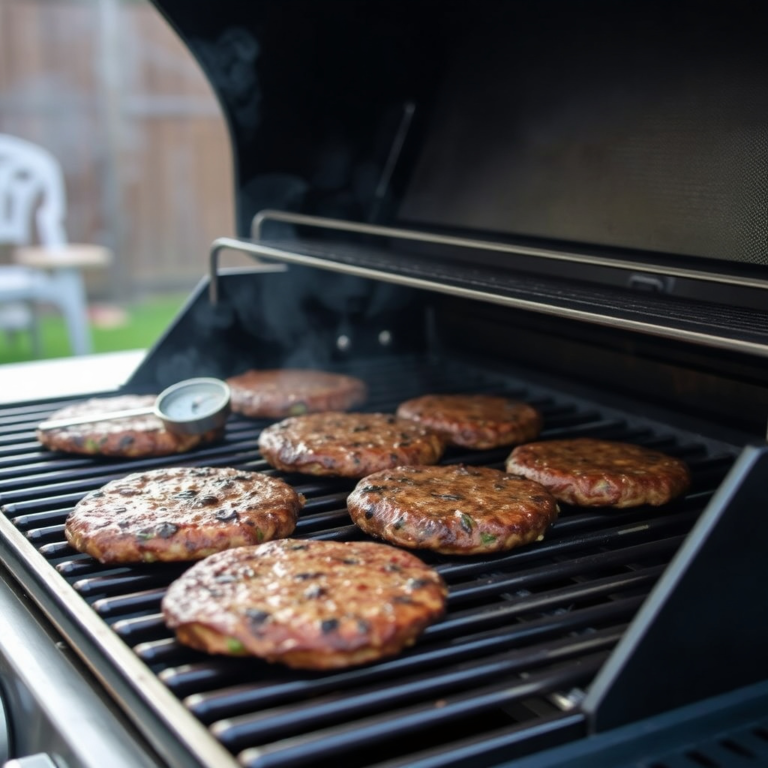
Cook each side of the burger for about 3 to 4 minutes without pressing down, which squeezes out juices. Flipping only once helps keep the patty intact and locks in moisture. The patty should develop a well-browned crust while the interior reaches medium rare, approximately 130°F internal temperature.
Using an instant-read thermometer is the most reliable way to check doneness. Insert it from the side into the thickest part of the patty to avoid overestimating temperature. Remove the burger when it hits 5°F below your target because residual heat continues cooking it during resting.
- Cook ~3-4 minutes per side at medium heat
- Flip only once for best juiciness
- Use an instant-read thermometer for accuracy
Forming Patties and Seasoning for Flavor
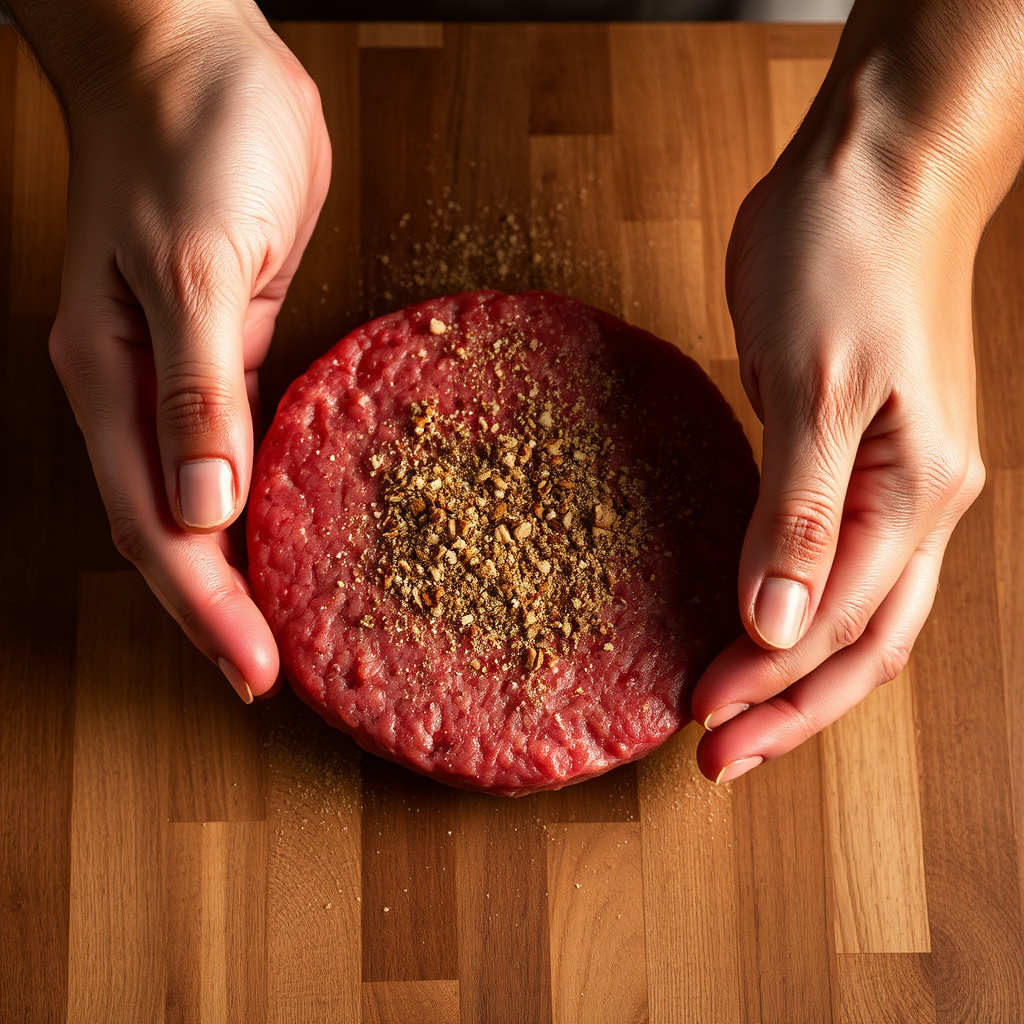
Proper Patty Formation
Don’t overwork the meat when forming patties; gently shape them to about 4 to 5 inches in diameter, slightly larger than your bun to compensate for shrinkage. A loose hand ensures tenderness, while uniform shape aids in even grilling. Avoid compacting the meat firmly, which can make the burger dense.
Press a shallow dimple in the center of each patty to prevent puffing during grilling. This technique helps the burger cook flat and evenly, without bulging or doming. Uniform thickness throughout assures consistent heat distribution across the patty.
- Handle meat gently, avoid overpacking
- Patty diameter slightly bigger than the bun
- Create a shallow center dimple
For more on this, see our related guide: How Long to Grill Burgers for Perfect Flavor and Juiciness.
Seasoning Strategies Before Grilling
Season patties simply but effectively: salt and freshly ground black pepper are classic and enhance the meat’s natural flavor. Season just before grilling to prevent moisture loss. Adding garlic powder or onion powder can add depth, but avoid heavy marinades that interfere with the crust formation.
Some pitmasters prefer seasoning both sides evenly, while others salt only the top to control moisture. Experiment with a light sprinkle of smoked paprika or cayenne for subtle heat. Avoid stuffing patties with ingredients like cheese or vegetables if aiming for medium rare, as this affects cooking times.
- Use salt and fresh pepper just before grilling
- Optional spices: garlic powder, onion powder, smoked paprika
- Avoid heavy marinades or stuffing for medium rare
Resting and Serving Your Medium Rare Burger
Importance of Resting the Burger
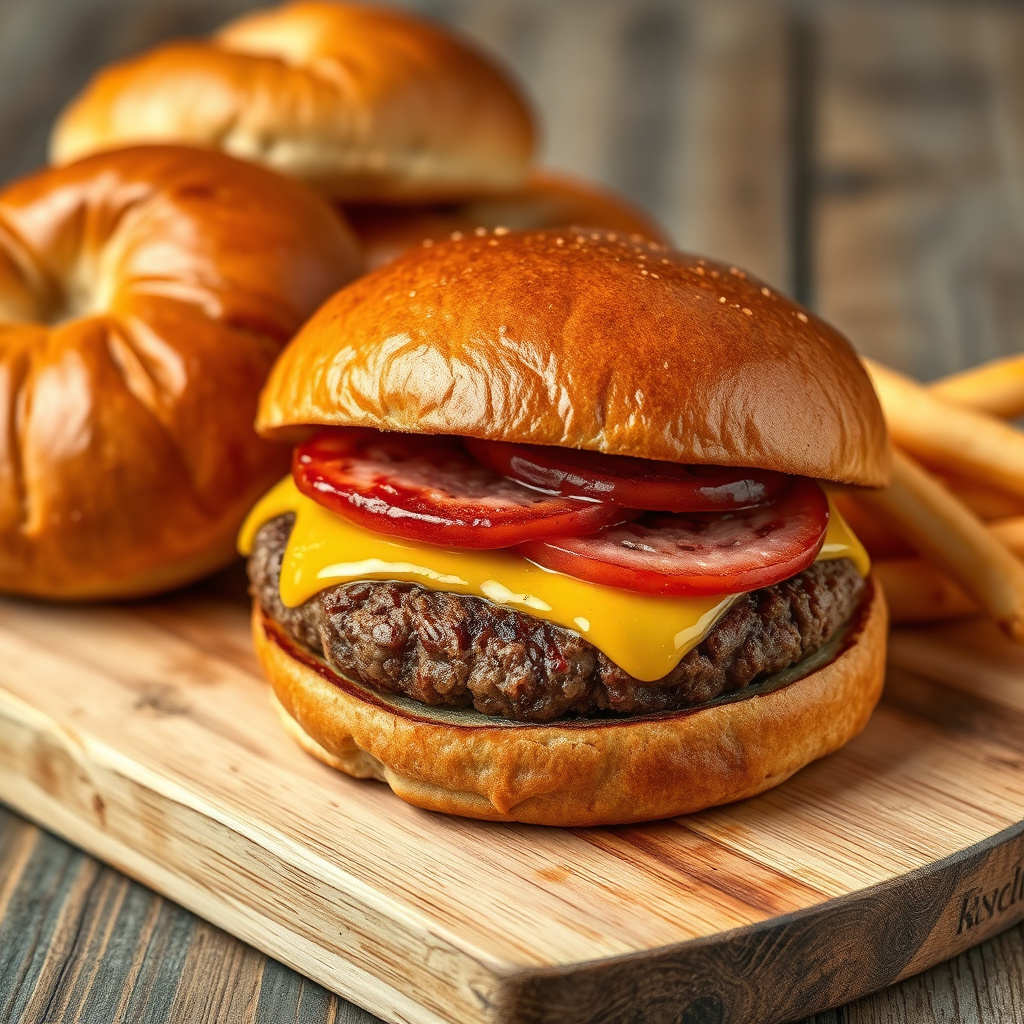
Resting cooked burgers for about 5 minutes allows juices to redistribute, maintaining moistness and flavor. Serving immediately off the grill risks losing precious fluids, resulting in a drier patty. Tent the burger loosely with foil to keep it warm without steaming the crust.
Resting also balances carryover cooking, ensuring the center stays at medium rare rather than continuing to cook toward medium or well done. This step improves texture by preventing juices from spilling out when you bite into the burger.
- Rest 4–5 minutes before serving
- Loosely tent with foil to retain warmth
- Prevents juice loss and overcooking
Toppings and Bun Selection for Medium Rare
Complement a medium rare burger with toppings that enhance but don’t overpower the meat’s flavor. Classic options like sharp cheddar, caramelized onions, and crisp lettuce work well. Avoid overly wet or heavy sauces that can mask or weigh down the patty’s texture and temperature.
Select buns with enough strength to hold juicy burgers without quickly becoming soggy. Brioche or potato buns are popular choices for their balance of softness and sturdiness. Toasting the bun on the grill briefly adds flavor and helps create a barrier against moisture.
- Choose sturdy buns like brioche or potato
- Lightly toast buns for texture and moisture barrier
- Use balanced, complementary toppings
Best Grill Types for Medium Rare Burgers

Gas vs. Charcoal Grills for Burger Cooking
Gas grills offer consistent, adjustable heat that helps maintain the ideal medium-rare cooking temperature. They heat quickly and allow easy temperature management, which is beneficial for precise timing. However, some purists prefer charcoal for the smoky flavor it imparts.
Charcoal grills add a depth of flavor through smoke that enhances beef’s natural taste. Controlling temperature requires more attention, creating two-zone fires to avoid flare-ups. The smoky aroma can make a medium rare burger more flavorful but needs skill to prevent charring.
- Gas grills: steady temperature, quick start
- Charcoal grills: smoky flavor, require heat control skills
- Both can achieve medium rare when managed properly
Electric and Pellet Grills: Convenience and Flavor
Electric grills offer easy, indoor-friendly cooking with consistent temperature controls but lack the smoky flavor from charcoal. They work well in apartments or places without open flames. For medium rare burgers, electric grills provide steady heat but sometimes lack the sear of gas or charcoal.
Pellet grills use wood pellets, combining temperature consistency and smoke flavor. They excel at slow, low-heat cooking but can be adjusted for medium heat grilling. Pellet smokers are versatile but typically more expensive and less portable, suited for enthusiasts who want flavor and control.
- Electric grills: convenient, no smoke flavor
- Pellet grills: mix of smoke and heat control
- Choose based on space, flavor preference, and budget
Cleaning and Maintenance Tips for Your Grill
Preparing Your Grill Before Cooking
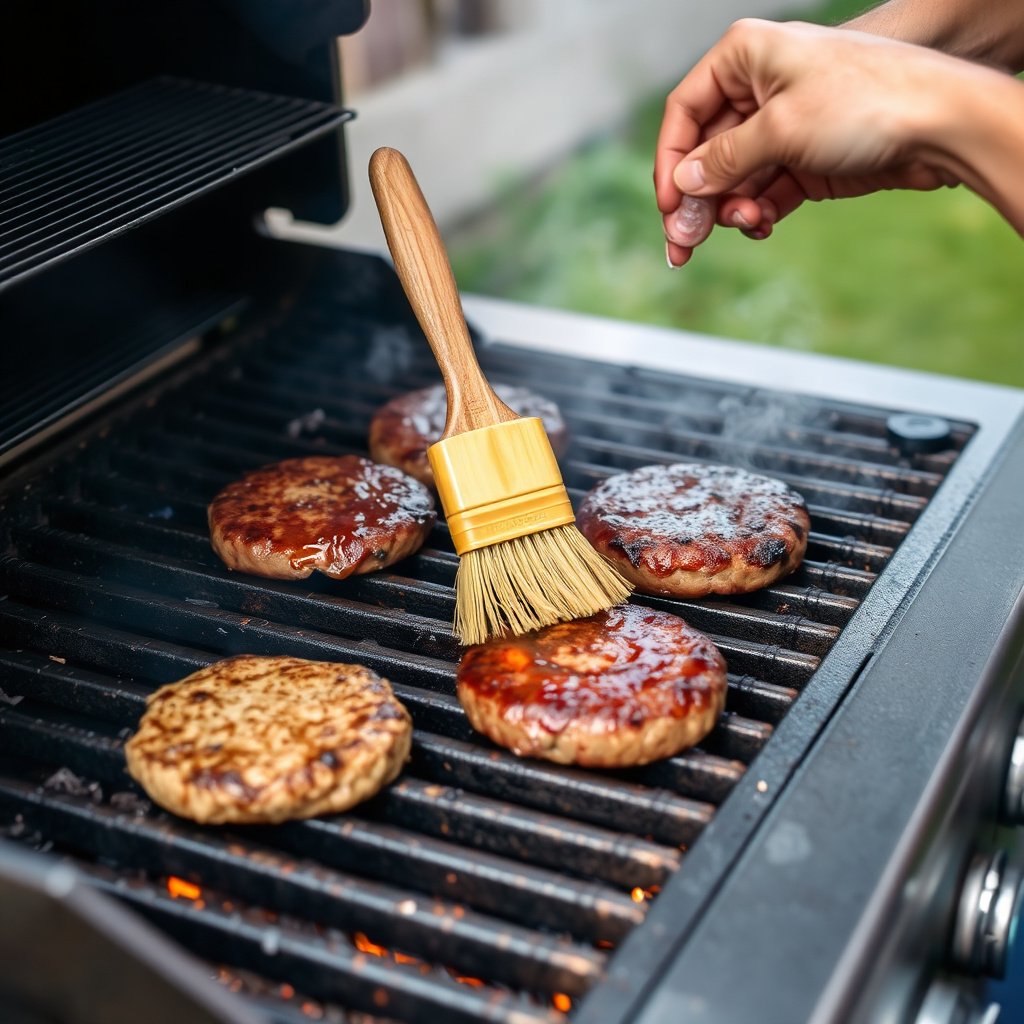
Clean grill grates before every session to prevent sticking and flare-ups. Heat the grill to burn off residue, then use a sturdy wire brush to scrape the grates. Oiling the grates lightly with a high smoke point oil helps keep patties from sticking and promotes even crust formation.
For charcoal grills, remove old ash and ensure proper airflow for consistent heat. Maintaining a clean firebox supports better temperature stability, which is key for grilling medium rare burgers evenly.
- Preheat grill and brush grates clean
- Lightly oil grates before cooking
- Clear ash from charcoal grills regularly
For more detailed background on burger history and variations, see the Wikipedia article on Hamburgers. Wikipedia article on Hamburgers.
Post-Grilling Care and Safety
After cooking, clean your grill to extend its life and maintain performance. Once cooled slightly, brush grates again to remove food particles. Empty grease trays to prevent fires and odors. For gas grills, regularly inspect burners and connections for blockages or leaks.
Proper grill maintenance promotes safety and better grilling outcomes. Store your grill covered or in a sheltered area to protect against weather damage and rust, keeping it ready for your next medium rare burger session.
- Brush grates after cooking
- Empty grease trays and inspect burners regularly
- Cover grill to prevent weather damage
Medium Rare Burger Grill Type Comparison
Here’s a concise comparison of popular grill types that influence how you grill the perfect burger medium rare, highlighting key features, flavor impact, and ease of use.
| Grill Type | Flavor Impact | Heat Control | Ease of Use | Best For |
|---|---|---|---|---|
| Gas Grill | Moderate, clean flavor | Excellent, precise knobs | Easy, quick start | Everyday backyard grilling |
| Charcoal Grill | Strong smoky flavor | Variable, requires experience | Moderate, needs time | Flavor enthusiasts, classic grilling |
| Electric Grill | Minimal smoky flavor | Consistent, electric controls | Very easy, indoor use | Apartments, no open flame areas |
| Pellet Grill | Rich wood-smoke flavor | Good, digital controls | Moderate, setup needed | Smoking and versatile grilling |
Frequently Asked Questions
What internal temperature defines a medium rare burger?
A medium rare burger should reach an internal temperature of about 130°F (54°C). This ensures the center is warm with a pinkish color, balancing juiciness and food safety.
Can I press down my burger while grilling for medium rare?
Pressing down on the burger squeezes out juices and dries the patty. It’s best to avoid this to keep your medium rare burger juicy and flavorful.
How long should I let my burger rest after grilling medium rare?
Rest your burger for approximately 4 to 5 minutes after grilling. This resting period helps redistribute juices and stabilizes the internal temperature for perfect juiciness.
Is ground turkey or chicken suitable for a medium rare burger?
Ground turkey and chicken should be cooked to higher temperatures due to food safety concerns and aren't recommended for medium rare burgers. Beef is preferred for this doneness.
How important is the fat content in the ground beef for medium rare burgers?
Fat content around 20% in ground beef is important for juiciness and flavor at medium rare. Lower fat blends can produce drier burgers that don’t hold moisture well.
Key Takeaways
- Choose ground chuck with about 20% fat for the best medium rare burgers
- Grill at medium heat (375°F–400°F) for about 3–4 minutes per side
- Use an instant-read thermometer to monitor internal temperature precisely
- Rest burgers 4–5 minutes before serving to retain juices
Conclusion
Grilling the perfect burger medium rare relies on finding a balance between temperature control, timing, and quality ingredients. Selecting the right meat blend with sufficient fat sets the foundation. Managing grill heat—whether on gas, charcoal, electric, or pellet—is essential to cook the patty evenly without overcooking the center. Crafting patties properly and seasoning just before cooking contribute to both flavor and texture. Finally, resting the burger preserves the juices, delivering a succulent bite every time. Approaching these elements thoughtfully transforms a simple cooking task into a rewarding culinary experience.
If you prefer convenience and control, a gas grill makes achieving medium rare straightforward with steady temperatures. For those seeking traditional smoky flavor, a charcoal grill offers unmatched depth but requires attention to heat zones. Electric grills are suitable for indoor-friendly scenarios where smoky profiles are less critical, while pellet grills serve enthusiasts looking to combine smoke with precision. Around 3 to 4 minutes per side at medium heat works well across these types followed by proper resting. This guidance helps both novices and seasoned grillers produce burgers that impress.
To get started, invest in a reliable meat thermometer and choose a high-quality ground chuck blend. Prepare patties with the right thickness and seasoning, preheat your grill properly, and stick to the suggested cooking times. Enjoy experimenting with toppings and buns to complement the juicy medium rare core. By practicing and fine-tuning each step, you’ll consistently grill medium rare burgers that celebrate real beef flavor and texture—a simple pleasure that's easy to perfect at home.