How to Grill Salmon: A Step-by-Step Guide for Perfectly Cooked Fish
Learn how to grill salmon perfectly with easy tips and techniques for flavorful, moist grilled fish every time.
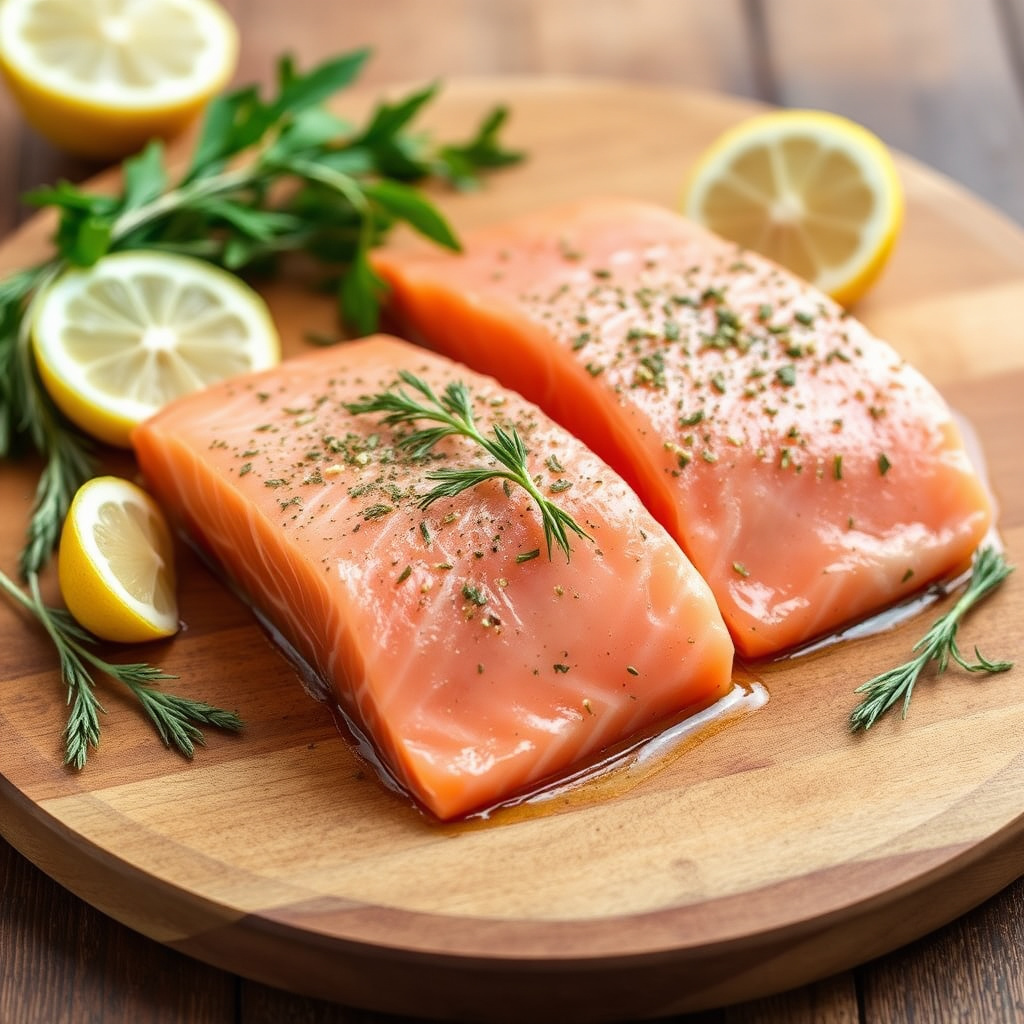
Grilling salmon is a straightforward process that delivers tender, flaky fish with delicious smoky flavors. To grill salmon successfully, start by selecting fresh fillets, preheat your grill to medium-high heat, oil the grates well to prevent sticking, and grill the salmon skin-side down for most of the cooking time. Cook until the salmon flakes easily with a fork and reaches an internal temperature of 125-130°F for optimal moistness.
Mastering how to grill salmon well matters because overcooking can dry out the flesh, while undercooking leaves a mushy texture. Proper technique enhances the natural taste and texture, making salmon an impressive main dish for casual cookouts or formal dinners. This method also allows for various seasoning and flavoring options that complement salmon’s rich profile.
This article explains how to grill salmon step-by-step, including prepping the fish, choosing the right grill and heat settings, tips for preventing sticking, and flavoring ideas. You'll also find a comparison of different grilling tools and answers to frequently asked questions that help you get consistent, tasty results every time.
Preparing Salmon for the Grill
Selecting and Prepping Your Salmon
Start with fresh, high-quality salmon—whether wild-caught or farmed. Fillets with skin on are preferable for grilling because the skin helps hold the fish together and prevents excessive sticking. Rinse the fish under cold water and pat dry with paper towels to remove excess moisture, which aids in even grilling.
Trim any uneven parts to promote uniform cooking. You may lightly score the skin to prevent curling. Season simply with salt, pepper, and a brush of oil or use a marinade tailored for grilling to enhance flavor, but don't overpower the delicate salmon taste.
Marinating vs. Seasoning
Marinating salmon before grilling can impart extra flavor, but avoid overly acidic marinades that can break down the delicate flesh and cause it to become mushy. A short marinate time, typically 15 to 30 minutes, works best.
Simple seasoning with salt, pepper, and a drizzle of olive oil often suffices and highlights salmon’s natural flavors. Herbs like dill, parsley, or a squeeze of lemon juice can be added right before or after grilling to brighten the taste.
Grill Selection and Setup
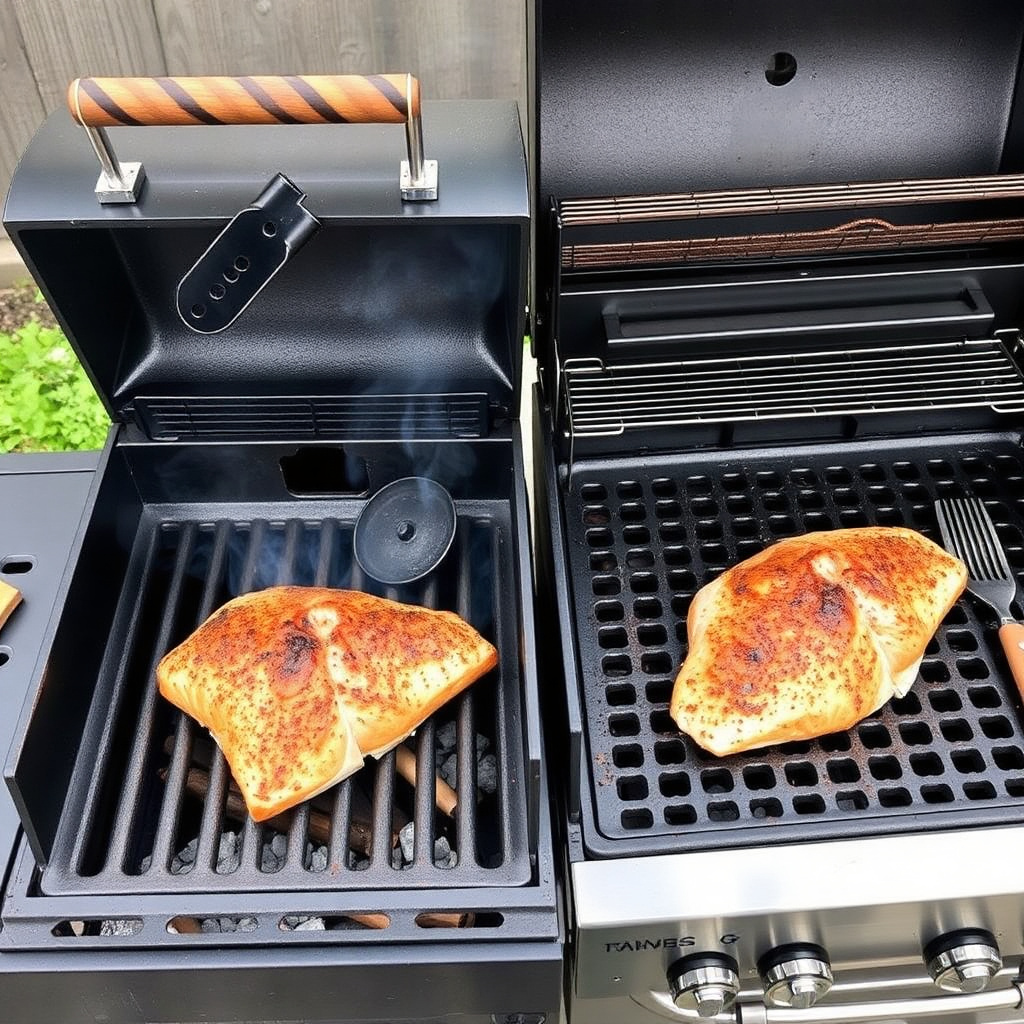
Choosing Between Gas and Charcoal Grills
Both gas and charcoal grills can produce excellent grilled salmon. Gas grills offer more temperature control, letting you maintain consistent heat easily. Charcoal grills contribute a smoky flavor that many enthusiasts appreciate, but require more attention to maintain temperature.
Your choice depends on your preference for flavor and convenience. If you want simplicity and speed, a gas grill works well. For richer smoky notes, charcoal provides an authenticity many find rewarding.
Proper Grill Setup for Salmon
Set the grill for medium-high heat, roughly 375-400°F. If using charcoal, wait until coals are glowing and covered in gray ash. Clean the grates thoroughly and oil them well before placing the salmon to minimize sticking.
Create a two-zone fire if possible, with higher direct heat on one side and a cooler indirect zone. This helps facilitate searing first on direct heat, then moving salmon to indirect to finish cooking gently without burning.
Grilling Techniques for Perfect Salmon

Managing Heat and Cooking Times
Place salmon skin-side down over direct heat. Cook for about 4-6 minutes depending on thickness, resistant only to gentle flipping. Salmon cooks quickly, so use a reliable instant-read thermometer to check doneness.
Aim for an internal temperature of 125-130°F for moist, medium-rare salmon. Avoid overcooking; salmon will continue to cook briefly after being removed from the heat source.
- Use medium-high heat (375-400°F)
- Grill skin-side down first for 75-80% of the cooking time
- Flip carefully once to finish cooking
Preventing Sticking and Breaking
Sticking is a common challenge when grilling fish. Lightly oil both the fish and grill grates before cooking. Preheating the grill thoroughly helps as well. Avoid moving the salmon too early; allow the fish to naturally release from the grill when ready to flip.
Using a wide, thin spatula designed for fish helps flip the fillet without breaking it. Grilling on cedar planks is another option that prevents sticking and adds subtle smoky flavor but requires soaking the plank before use.
- Oil grill grates and fish
- Use a fish spatula for flipping
- Consider cedar planks for delicate handling
Flavor Enhancements and Serving Suggestions
Adding Complementary Flavors
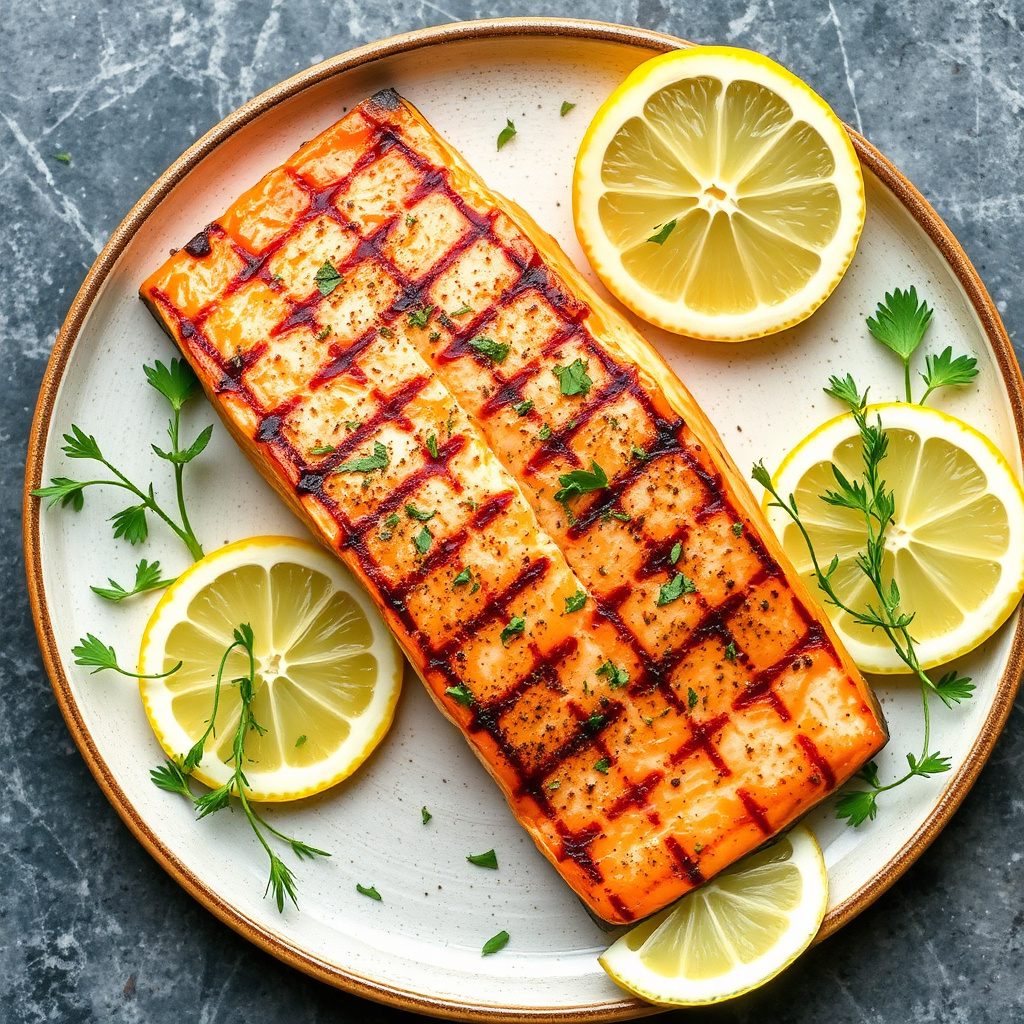
Fresh herbs like dill, parsley, and basil complement salmon’s flavor beautifully. Citrus like lemon or lime brightens the taste and cuts through the richness. A drizzle of creamy sauce like tzatziki or a honey-mustard glaze adds interesting texture contrasts.
Experiment with spice rubs such as smoked paprika, garlic powder, or chili flakes to customize the flavor. However, balancing seasoning without overpowering the natural salmon taste is key.
Serving and Pairing Ideas
Serve grilled salmon alongside seasonal vegetables or fresh salads for a light, balanced meal. Grilled asparagus, corn on the cob, and quinoa bowls pair well. A simple grain pilaf or roasted potatoes add satisfying texture alongside the tender fish.
Adding a bright sauce or salsa, such as mango salsa or herb chimichurri, can elevate the dish even further and introduce contrasting flavors that enhance the salmon experience.
Common Mistakes to Avoid When Grilling Salmon
Overcooking and Dryness
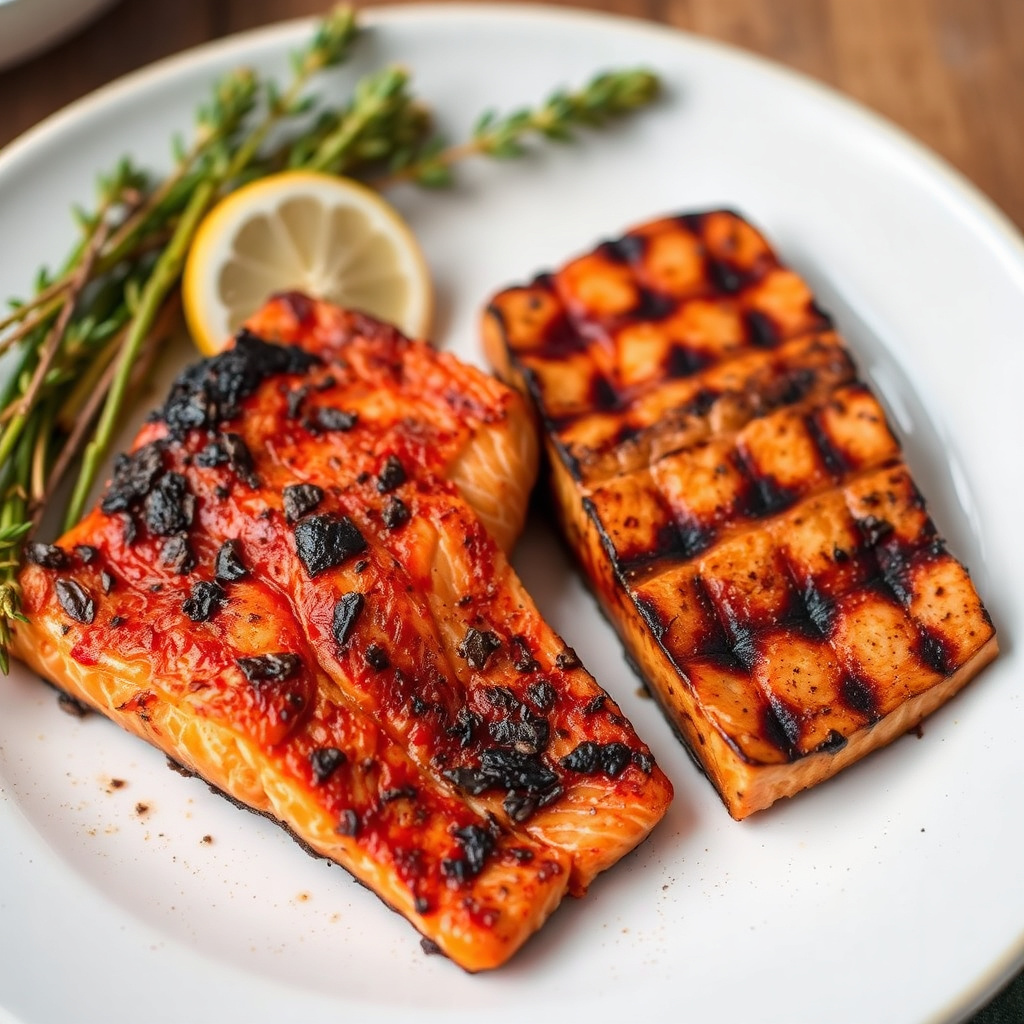
Salmon grills quickly, and overcooking is the most frequent mistake. Dry, tough salmon loses its appeal. Pay close attention to cooking times, and trust an instant-read thermometer to remove fish earlier rather than later.
Allowing salmon to rest a few minutes after grilling lets juices redistribute for a moister bite. Avoid repeatedly flipping the fish, which can cause it to fall apart and lose moisture.
For more details on salmon cooking methods, explore this comprehensive resource on salmon grilling techniques. salmon grilling techniques.
Avoiding Sticking and Tearing
Insufficient oiling or not preheating the grill leads to sticking which can cause flaking and tearing of the salmon flesh. Use clean, well-oiled grates and give the fish time to release before flipping.
Avoid aggressive handling or pressing on the fish while grilling. Use appropriate tools like a thin spatula designed for fish to flip it gently and keep the fillet intact.
Grilled Salmon Cooking Methods Comparison
Here is a comparison of different cooking methods for salmon, highlighting grilling benefits alongside other popular techniques.
| Method | Flavor Profile | Ease of Preparation | Texture Result |
|---|---|---|---|
| Direct Grill | Smoky and charred | Moderate | Firm exterior, flaky interior |
| Cedar Plank Grill | Smoky with wood aroma | Moderate | Tender and moist |
| Oven Broiling | Concentrated heat, less smoky | Easy | Evenly cooked, slightly firm |
| Pan Searing | Caramelized crust | Easy | Crisp outside, tender inside |
| Poaching | Subtle, delicate | Easy | Moist, soft texture |
Frequently Asked Questions
Should I remove the skin before grilling salmon?
It is best to grill salmon with the skin on as it helps hold the fillet together and prevents sticking. You can remove the skin after cooking if desired.
How long should I grill salmon fillets?
Grill salmon fillets for about 4-6 minutes per side depending on thickness, or until the internal temperature reaches 125-130°F and the fish flakes easily.
Can I use a marinade on salmon before grilling?
Yes, but keep marinades short — 15 to 30 minutes is sufficient. Avoid highly acidic marinades that can make the fish mushy.
What is the best way to prevent salmon from sticking to the grill?
Oil the grill grates well and brush the salmon with oil before cooking. Preheat the grill thoroughly and only flip when the fish releases easily.
Is it better to grill salmon skin-side down first?
Yes. Start skin-side down to protect the flesh and help the fish hold its shape during grilling, cooking most of the way on that side.
Key Takeaways
- Grill salmon skin-side down over medium-high heat for best results.
- Use fresh, high-quality fillets and lightly oil both fish and grill grates.
- Avoid overcooking by monitoring temperature for moist, flaky texture.
- Complement grilled salmon with simple seasoning or mild marinades.
Conclusion
Understanding how to grill salmon successfully hinges on selecting quality fillets, preparing the grill properly, and paying close attention to cooking times to avoid dryness or sticking. The skin helps hold salmon together and adds flavor when grilled skin-side down, while careful heat management ensures tender, moist flesh. Whether using gas or charcoal, clean, oiled grates and patience during flipping are essential for a flawless grilled salmon.
For everyday grilling, simple seasoning with salt, pepper, and a touch of oil is often enough to highlight the fish’s natural taste, while marinating briefly can introduce additional flavors without compromising texture. Cedar plank grilling offers an aromatic alternative, delivering moist fish with subtle smoky notes. Comparing methods like broiling or pan searing helps determine which suits your style, but grilling remains a favorite for flavor depth and outdoor cooking experience.
To start grilling salmon, prepare your fillets, preheat the grill to medium-high, and cook primarily skin-side down until the fish reaches around 125-130°F internally. Use tools like a fish spatula to flip gently and serve with fresh herbs or citrus to enhance the dish. Trying different seasonings and side pairings can make grilled salmon a versatile, impressive meal any time you fire up the grill.