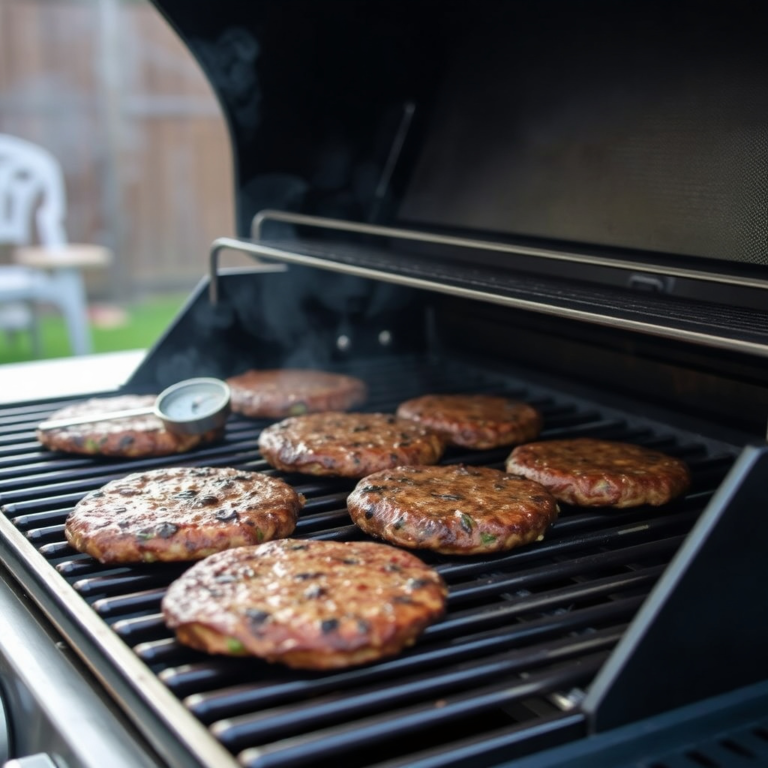
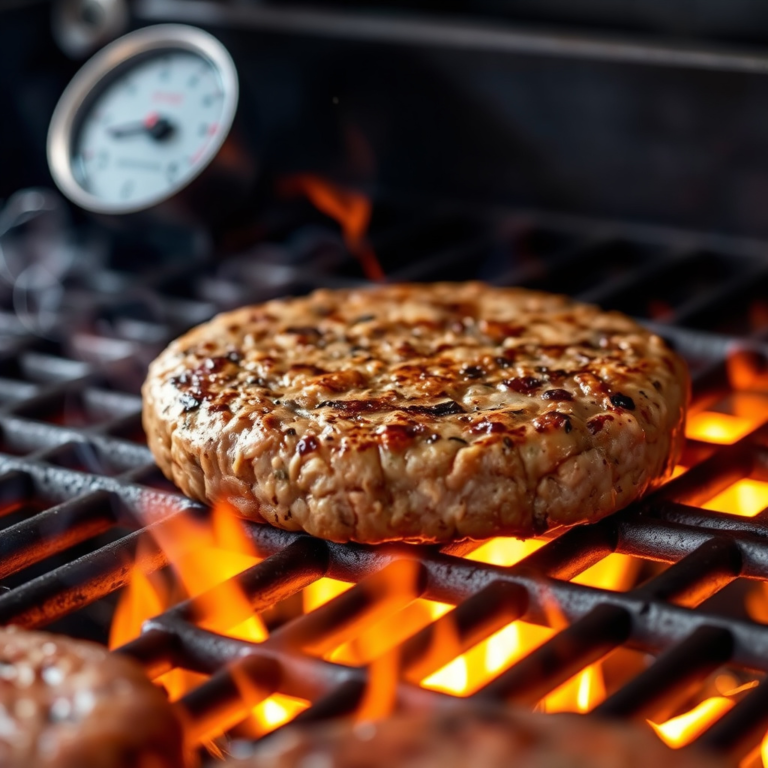
How Long to Grill Chicken Thighs for Perfect Flavor and Juiciness
Discover how long to grill chicken thighs to achieve juicy, flavorful results every time. Master the timing for safe and delicious grilled chicken thighs.

Grilling chicken thighs typically takes between 20 to 30 minutes, depending on the heat of your grill and whether the thighs are bone-in or boneless. Bone-in thighs generally need closer to 30 minutes, while boneless thighs can finish in about 20 to 25 minutes. Cooking at a medium heat around 350°F helps ensure the thighs cook evenly without burning the outside.
Knowing how long to grill chicken thighs matters because timing affects both safety and taste. Under-cooked chicken can pose health risks, while overcooking dries out the meat, losing its characteristic juiciness and flavor. Achieving the right balance makes the difference between a tough dinner and a tender, mouthwatering meal.
This article covers all you need to perfectly grill chicken thighs: from preparation and grill temperature, to timing guidelines, seasoning tips, and techniques to keep your chicken juicy. You'll also find a comparison of grilling methods and answers to common questions that help you enjoy grilled chicken thighs confidently and deliciously.
Grilling Times and Temperatures for Chicken Thighs
Timing for Bone-In Chicken Thighs
Bone-in chicken thighs typically require 25 to 30 minutes on the grill, cooking over medium heat (around 350°F). Start by grilling them skin-side down for 10 to 15 minutes to crisp the skin before flipping. After turning, cook for another 10 to 15 minutes, checking internal temperature regularly.
Using a meat thermometer, aim for an internal temperature of 165°F to guarantee safety and juicy results. The bone slows heat penetration, so these thighs take slightly longer but retain more moisture with proper grilling times.
- Grill skin-side down first for crispiness
- Total cook time: 25-30 minutes
- Target internal temperature: 165°F (74°C)
Timing for Boneless Chicken Thighs
Boneless chicken thighs grill faster, usually requiring 18 to 22 minutes over medium heat. Grill for about 8 to 11 minutes per side, depending on the thickness. These cook quicker because heat reaches the center without a bone barrier.
While quick grilling is convenient, watch carefully to avoid overcooking, which makes boneless thighs dry. Regularly checking for a 165°F internal temperature is the best way to ensure juiciness and safety.
- Flip halfway through cooking
- Cook roughly 8-11 minutes per side
- Use a thermometer for accurate doneness
Preparing Chicken Thighs for the Grill

Marinating for Flavor and Moisture
Marinating chicken thighs before grilling can boost their flavor and help maintain moisture during cooking. Use marinades with acidic components like lemon juice or vinegar combined with herbs, spices, and oil.
For best results, marinate thighs for at least 30 minutes and up to 4 hours. Avoid overly acidic marinades for too long, which can break down texture. Proper marination promotes moist and flavorful grilled chicken thighs.
- Use citrus, vinegar, or yogurt-based marinades
- Marinate 30 minutes to 4 hours
- Avoid marinating longer than 6 hours
Seasoning Without a Marinade
If you prefer dry seasoning, rub chicken thighs with salt, pepper, garlic powder, paprika, and herbs. Let the seasoned thighs rest for 15-20 minutes at room temperature before grilling for even cooking and better flavor absorption.
Dry seasoning is especially suited for quick grilling and retains the chicken’s natural juiciness. Combining simple seasonings with a touch of oil helps crisp the skin nicely on the grill.
- Apply dry rub 15-20 minutes before grilling
- Use oil to help crisp the skin
- Combine salt, pepper, paprika, garlic powder
Techniques to Achieve Juicy Grilled Chicken Thighs
Using Two-Zone Grilling Setup
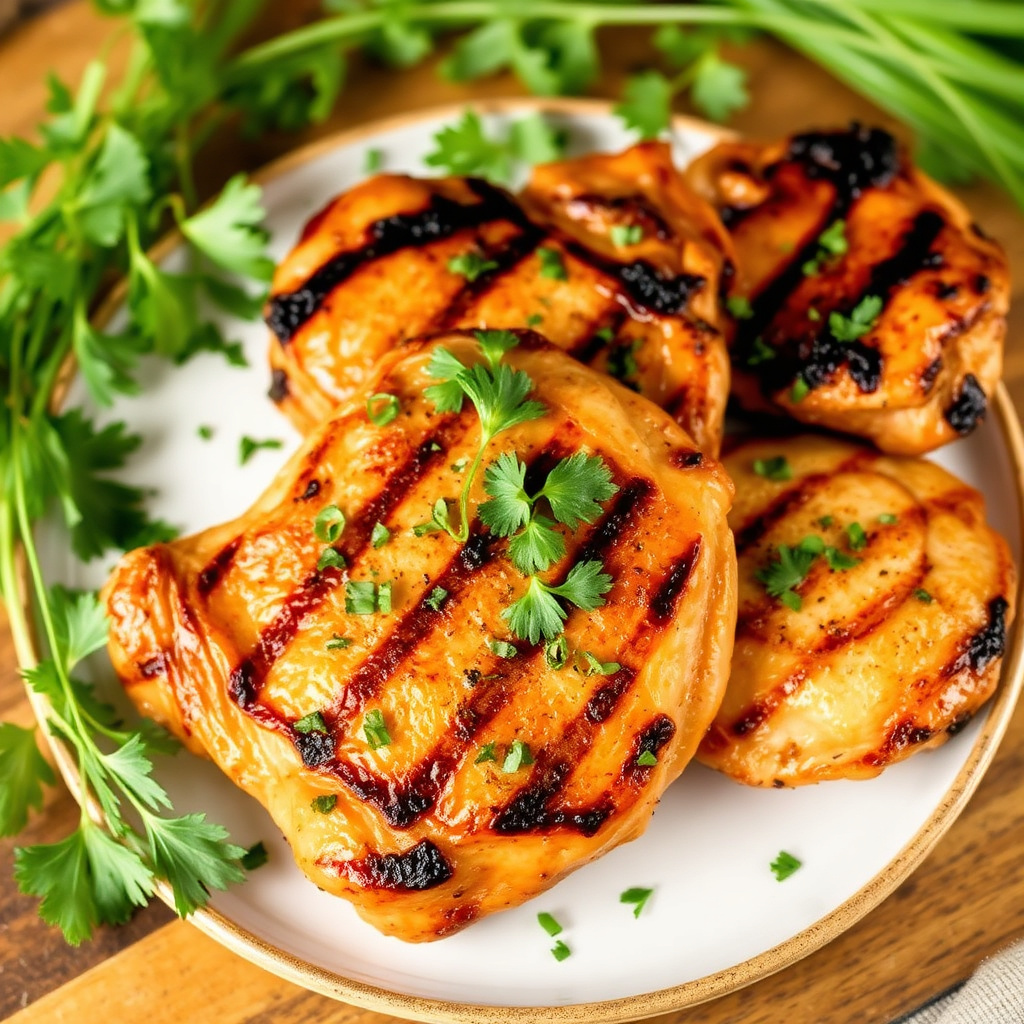
A two-zone grill setup, with one side hotter for searing and the other cooler for slower cooking, helps chicken thighs cook thoroughly without burning. Start thighs on the hot zone to crisp the outside, then transfer to the cooler side to finish cooking through.
This grilling method minimizes flare-ups, reduces dry spots, and keeps the meat tender by gently finishing the cooking process once the skin is crisp.
- Sear thighs on hot zone 5-7 minutes
- Move to cool zone to finish cooking
- Prevents burning and flare-ups
Resting Chicken After Grilling
Rest chicken thighs for 5 to 10 minutes after grilling to allow juices to redistribute within the meat. Cutting into the chicken immediately causes valuable moisture to escape, resulting in drier meat.
Cover the chicken loosely with foil during resting to keep warm. This simple step improves flavor, texture, and juiciness for perfectly grilled chicken thighs.
- Rest 5-10 minutes post-grill
- Cover loosely with foil
- Improves juiciness and texture
Tools and Equipment for Grilling Chicken Thighs
Importance of a Meat Thermometer
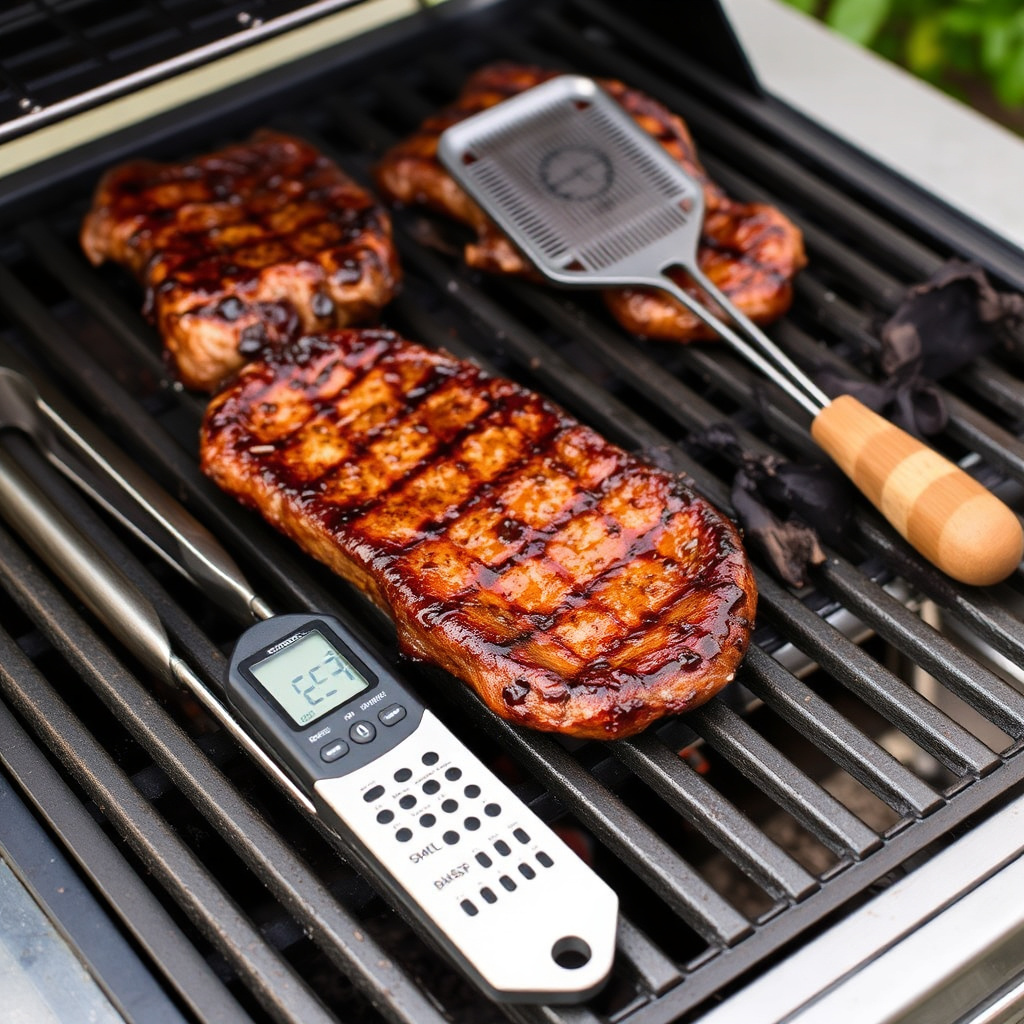
A good meat thermometer is invaluable for knowing exactly how long to grill chicken thighs. It helps avoid guesswork by confirming when the internal temperature hits 165°F, the safe cooking temperature for poultry.
Digital instant-read thermometers provide fast, accurate readings and are small enough to quickly check multiple spots on the chicken for even doneness.
- Use a digital instant-read thermometer
- Check internal temp at thickest part
- Ensures safe, juicy results
Other Useful Grilling Tools
Long-handled tongs prevent burns while flipping chicken thighs and help avoid piercing the meat, which can cause juice loss. A grill brush cleans grates to prevent sticking and flare-ups.
Using a sturdy spatula helps turn boneless thighs safely. Grill baskets also work well if you want to prevent smaller pieces from falling through the grates.
- Long-handled tongs
- Grill brush for clean grates
- Spatula or grill basket for smaller pieces
Seasoning Ideas and Flavor Profiles
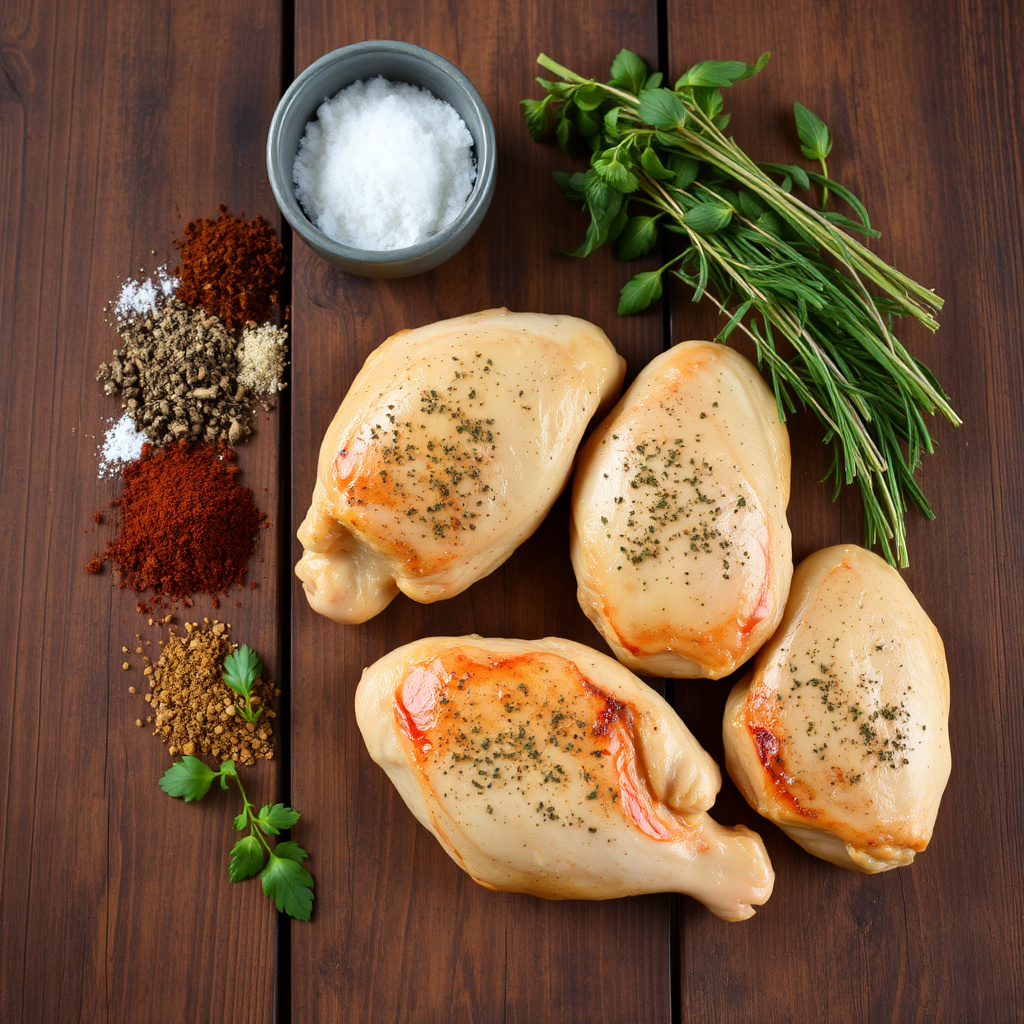
Classic BBQ and Smoky Flavors
Classic barbecue seasoning often mixes paprika, chili powder, garlic powder, salt, and brown sugar to create a smoky-sweet crust. Adding a bit of cayenne pepper brings heat and depth to grilled chicken thighs.
These flavors complement grilling perfectly and can be paired with traditional BBQ sauces or served as-is for a delicious, smoky taste.
- Paprika, chili powder, brown sugar
- Garlic powder and cayenne pepper
- Pairs well with BBQ sauce
For official guidance on safe cooking temperatures, consult the USDA's chicken safety and cooking guidelines. chicken safety and cooking guidelines.
Herb and Citrus Combinations
Using fresh herbs like rosemary, thyme, and oregano combined with lemon zest or juice adds bright, fresh notes to chicken thighs. Marinades with citrus and herbs tenderize and freshen the flavor, working well with both bone-in and boneless thighs.
This flavor profile is perfect for summer grilling or lighter meals alongside salads and grilled vegetables.
- Rosemary, thyme, oregano
- Lemon zest or juice
- Ideal for fresh, light meals
Grilling Methods for Chicken Thighs Compared
Here's a look at popular grilling approaches for chicken thighs with their cooking times and benefits.
| Method | Heat Level | Approximate Cook Time | Flavor/Texture Outcome |
|---|---|---|---|
| Direct Grilling | Medium-high | 20-30 minutes | Crispy skin, slightly charred exterior, juicy interior |
| Two-Zone Grilling | Medium | 25-35 minutes | Even cooking, crisp skin, reduced flare-ups |
| Indirect Grilling with Lid | Low to medium | 35-45 minutes | Very juicy, smoky flavor, less char |
| Charcoal Grilling | Variable | 20-30 minutes | Smoky depth, crispy skin, natural flavor |
Frequently Asked Questions
How do I know when chicken thighs are fully cooked on the grill?
The best way is to use a meat thermometer and check that the internal temperature reaches 165°F (74°C). This ensures the chicken is safe to eat and remains juicy.
Should I grill chicken thighs with the skin on or off?
Grilling with the skin on helps retain moisture and gives you crispy skin when cooked properly. If you prefer skinless for health reasons, adjust cooking time slightly as they cook faster.
Can I marinate chicken thighs overnight before grilling?
Yes, marinating overnight enhances flavor but avoid highly acidic marinades for more than 6 hours to prevent overly soft texture.
What is the best grill temperature for chicken thighs?
A medium grill temperature around 350°F balances cooking the inside fully without burning the outside, ideal for both bone-in and boneless thighs.
How can I prevent chicken thighs from drying out on the grill?
Using moderate heat, two-zone grilling, timely flipping, and resting the meat after cooking help keep thighs juicy and tender.
Key Takeaways
- Grill bone-in thighs for 25-30 minutes, boneless for 20-22 minutes at medium heat
- Target an internal temperature of 165°F for safe, juicy chicken
- Use marinating or dry rubs to add flavor and moisture
- Two-zone grilling helps avoid flare-ups and ensures even cooking
Conclusion
Grilling chicken thighs successfully requires understanding the right timing, temperature, and handling. Whether you choose bone-in or boneless thighs, maintaining medium heat around 350°F and targeting an internal temperature of 165°F strikes the balance between thorough cooking and juicy, tender meat. Employing techniques like two-zone grilling and resting the meat after cooking further enhances texture and flavor. Informing your decisions with these factors leads to consistently great results.
For those who enjoy a classic smoky flavor, direct or charcoal grilling methods work well, especially paired with barbecue seasonings. If you prioritize evenly cooked, ultra-juicy thighs, using indirect heat or a two-zone grilling setup is advantageous. Boneless thighs are convenient for quicker meals, while bone-in thighs provide deeper flavor and hold moisture better during longer cooks. Selecting seasoning approaches, from herbaceous citrus blends to spicy dry rubs, can tailor the meal to your taste preference and occasion.
Moving forward, start by identifying the cut of chicken thighs you have, decide on your preferred seasoning or marinade, and plan your grill temperature accordingly. Employ a reliable meat thermometer to verify doneness and give the chicken a resting period before serving to maximize juiciness. This practical approach will have you grilling perfect chicken thighs reliably, impressing family and guests alike with tender, flavorful results.