How to Grill Lobster Tails: A Simple Step-by-Step Guide
Learn how to grill lobster tails perfectly with this easy step-by-step guide. Achieve juicy, flavorful lobster every time on your grill.

Grilling lobster tails is a straightforward process that brings out their sweet, tender flavor and gives them a delicious smoky finish. To grill lobster tails, start by cutting the top shell lengthwise to expose the meat. Brush the meat with butter or oil, season as desired, and cook over medium-high heat for about 5-7 minutes per side until opaque and slightly charred. This method produces juicy and flavorful lobster ready to serve.
This technique matters because lobster tails can easily dry out or become tough if overcooked, and grilling them correctly locks in moisture while enhancing taste. Using the grill also adds a delightful char and aroma you can't get from boiling or steaming, making lobster tails a perfect choice for outdoor cooking during warmer months.
This article covers everything you need to know about grilling lobster tails, including preparation tips, seasoning ideas, temperature and timing guidelines, equipment recommendations, and a comparison of grilling vs. other cooking methods. You'll also find answers to common questions and suggestions for side dishes that complement grilled lobster tails.
Preparing Lobster Tails for Grilling
How to Butterfly Lobster Tails
Start by thawing lobster tails if they are frozen, then use kitchen shears to cut down the center of the top shell lengthwise, stopping just before the tail fin. Gently pry open the shell and lift the lobster meat while keeping it attached at the base, resting it on top of the shell. This 'butterflying' allows for even cooking and lets seasoning penetrate the meat.
Butterflying lobster tails not only enhances presentation but also helps the flesh cook evenly on the grill without sticking to the shell. This step is essential for grilling as it exposes the meat directly to the heat, enabling a perfect char and smoky flavor.
Cleaning and Prepping the Lobster Meat
Rinse the lobster tails under cold water to remove any shell fragments or residual impurities. Pat dry completely with paper towels to ensure the seasoning adheres and the meat sears properly on the grill. Next, brush the meat lightly with melted butter or olive oil to lock in moisture during grilling.
Optionally, sprinkle kosher salt, freshly ground black pepper, and your preferred herbs or spices such as paprika, garlic powder, or lemon zest. These simple seasonings enhance the natural sweetness of the lobster without overpowering its delicate flavor.
Grilling Techniques for Lobster Tails

Direct vs. Indirect Heat Setup
Using direct heat means placing lobster tails directly over flames or hot coals, giving them a quick sear and nice grill marks. However, care must be taken not to burn the shells or overcook the meat. Indirect heat involves placing lobster tails near but not directly above the heat source, allowing slower, gentler cooking that reduces risk of drying out.
For lobster tails, a two-zone fire setup works best: sear briefly on direct heat to develop color, then move tails to indirect heat to finish cooking through. This method balances the smoky flavor with tender texture.
- Two-zone fire setup
- Use a medium-high flame
- Adjust grill lid for temperature control
Optimal Cooking Time and Temperature
Cook lobster tails over medium-high heat around 350–400°F. Grill meat side down first for 4-5 minutes to get grill marks, then flip and cook shell side down 3-5 minutes longer until the meat is opaque and firm. Use a meat thermometer to check for 140-145°F internal temperature for safe doneness without overcooking.
Timing varies with tail size; smaller tails (4-6 ounces) cook faster than larger ones. Avoid prolonged cooking to keep lobster juicy. Checking early and often helps ensure perfect results.
Seasoning and Serving Suggestions

Flavor Enhancements Before and After Grilling
Before grilling, brushing lobster meat with garlic butter, lemon juice, or chili oil adds flavor and moisture. Fresh herbs like parsley or tarragon complement seafood nicely if sprinkled on just before serving. After grilling, a squeeze of fresh citrus brightens the richness.
For a smoky twist, try basting lobster tails with a mixture of smoked paprika, butter, and a hint of cayenne pepper during grilling. Serve with dipping sauces such as clarified butter, aioli, or salsa verde to elevate the experience.
- Garlic lemon butter
- Smoked paprika and cayenne basting
- Herb garnish options
- Serving with citrus wedges
Side Dishes That Pair Well
Grilled lobster tails pair well with light, fresh sides like grilled vegetables, a crisp green salad, or rice pilaf. Corn on the cob, roasted potatoes, and garlic bread are also traditional choices that complement the lobster’s rich texture.
To keep the meal balanced, consider adding acidity through pickled vegetables or a simple vinaigrette. These sides highlight the sweet, buttery notes of the lobster while providing varied textures.
Essential Tools and Equipment for Grilling Lobster Tails
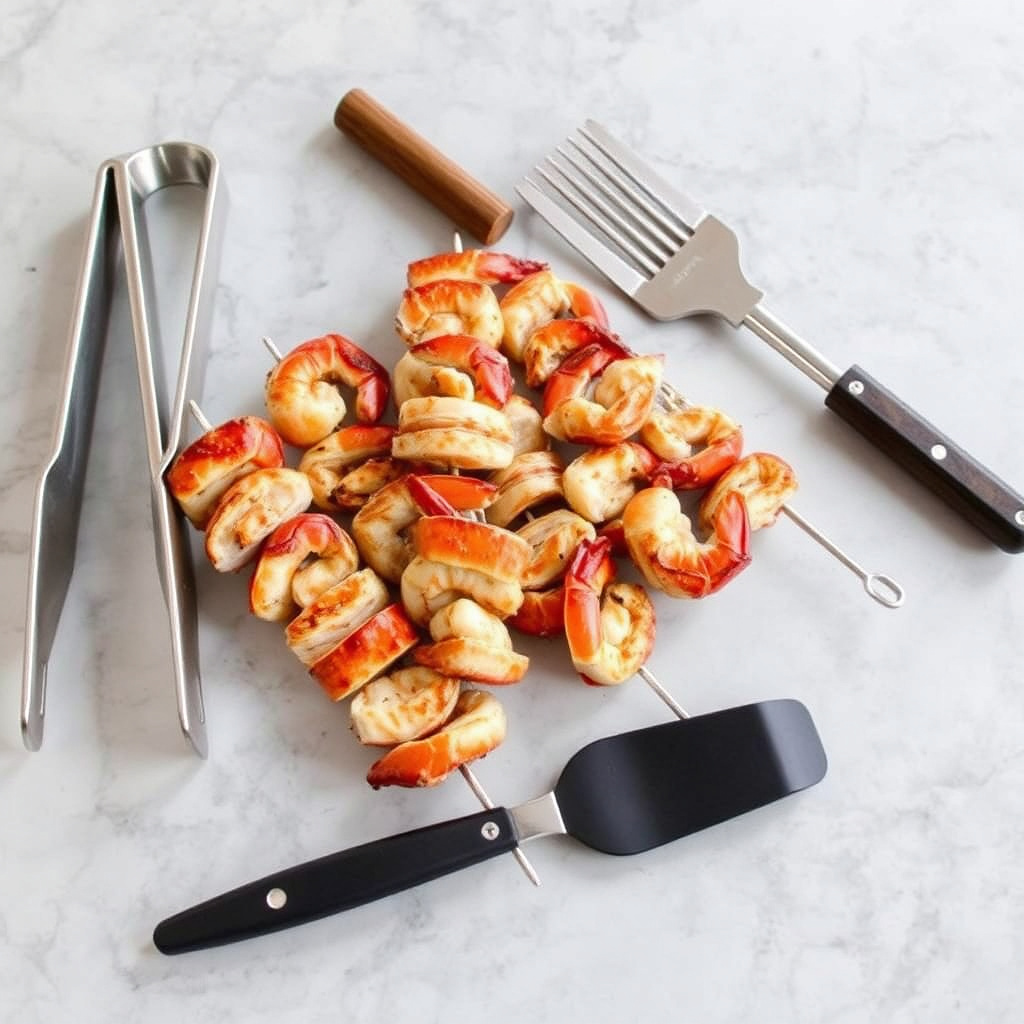
Must-Have Grilling Accessories
Tongs with a good grip help flip lobster tails without damaging the delicate meat. A basting brush is essential for applying butter or marinade during grilling to keep the tails moist. Use a grilling basket or seafood rack for easier handling if grilling multiple tails at once.
A reliable meat thermometer is invaluable to avoid overcooking. Also consider heat-resistant gloves for safety and a clean wire brush to prep your grill grates before cooking.
- Long-handled tongs
- Basting brush
- Seafood grilling basket
- Meat thermometer
- Grill cleaning brush
Setting Up the Grill Properly
Ensure your grill grates are clean and preheated to prevent sticking. Oil the grates lightly with a paper towel dipped in vegetable or canola oil. Position coals or burners to create a two-zone setup—direct and indirect heat zones.
Close the grill lid as much as possible while cooking lobster tails to maintain even heat and infuse smoky flavor. Monitoring the temperature with a grill thermometer keeps cooking consistent.
Comparing Grilling Lobster Tails to Other Cooking Methods

Advantages of Grilling Lobster Tails
Grilling imparts a smoky flavor and attractive grill marks that other methods lack and requires less water than boiling. It also allows quick cooking that retains moisture if done right. The unique char and aroma make grilled lobster tails popular for outdoor dining.
While grilling carries some risk of uneven cooking, the flavor payoff is often preferred over steaming or broiling which tend to produce a more uniform but less dynamic taste.
For more detailed insights on cooking lobster tails, including grilling lobster tails techniques, this Wikipedia article offers comprehensive information. grilling lobster tails techniques.
When Boiling or Baking Might Be Preferable
Boiling is simple and effective for large batches, ensuring even cooking but without added flavor from smoke or caramelization. Baking is good for adding sauces or stuffing the lobster meat but takes longer and requires oven access.
Both methods offer reliable, consistent results ideal for those who prioritize ease and timing over nuanced grilled flavors.
Grilling Lobster Tails vs. Other Cooking Methods
This table compares grilling with boiling, baking, and steaming, highlighting factors like flavor, cooking time, and ease.
| Method | Flavor Profile | Cooking Time | Ease of Preparation | Best For |
|---|---|---|---|---|
| Grilling | Smoky, charred, rich | 10-14 minutes | Moderate | Outdoor meals, smoky flavor lovers |
| Boiling | Mild, natural lobster taste | 8-12 minutes | Easy | Large batches, quick cooking |
| Baking | Rich, customizable with toppings | 20-30 minutes | Moderate | Stuffed or sauced lobster dishes |
| Steaming | Tender, moisture-retentive | 8-12 minutes | Easy | Soft texture preference, gentle cooking |
Frequently Asked Questions
Do I need to thaw frozen lobster tails before grilling?
Yes, fully thaw lobster tails in the refrigerator overnight or under cold running water before grilling to ensure even cooking and prevent toughness.
Can I grill lobster tails without butter?
Absolutely, you can use olive oil or other flavorful oils to brush the lobster meat. Butter adds richness but is not mandatory for grilling.
How do I tell when lobster tails are done on the grill?
The meat should turn opaque, firm, and reach an internal temperature of 140-145°F. Overcooking makes lobster tough, so check early with a thermometer or by texture.
Is it better to grill lobster tails with the shell on or off?
Grilling with the shell on but butterflied protects the meat from drying out and makes handling easier while allowing the flavors to develop.
What’s the best way to add seasoning to grilled lobster tails?
Brushing the meat with a seasoned butter or oil blend before grilling and optional basting during cooking ensures the seasoning adheres well and enhances flavor.
Key Takeaways
- Butterflying lobster tails exposes the meat for even grilling and better flavor.
- Use a two-zone grill setup for best control and avoid overcooking.
- Season simply with butter, oil, and light spices to highlight lobster’s sweetness.
- Grilling provides a smoky flavor that boiling or baking can’t match.
Conclusion
Grilling lobster tails combines technique with timing to produce an indulgent seafood dish boasting a smoky, charred flavor and succulent texture. The process starts with properly preparing the tails by thawing and butterflying, followed by seasoning and carefully timed grilling over medium-high heat. Maintaining grill zones and monitoring internal temperature is key to preserving moisture while achieving a tasteful crust. This straightforward approach results in lobster tails that stand out for any outdoor dining occasion or special meal.
If you want a quick restaurant-quality experience, grilling small to medium-sized lobster tails is a reliable route. Butterflied tails grilled using the outlined two-zone heat method deliver tender meat with subtle smokiness. When aiming for larger batches or stuffed varieties, baking offers flavor versatility without the worry of fire management. Boiling remains convenient for the pure lobster taste and faster cook times, especially when preparing multiple servings. Thus, select your cooking method aligning with your flavor preference, time availability, and equipment.
To put this into practice, begin by purchasing fresh or high-quality frozen lobster tails and allowing enough time to thaw safely. Prepare your grill with clean, oiled grates and set up a direct-indirect heat zone. Season tails lightly and grill as guided, checking for an internal temperature near 140°F before removing. Paired with bright sides and simple sauces, grilled lobster tails make a memorable treat. Enjoy cooking and savor the rewarding results.