How to Maintain Sharp Kitchen Tools for Long-Lasting Performance
Learn how to maintain sharp kitchen tools with practical tips for cleaning, honing, and storing blades to keep them effective and safe in your kitchen.

Maintaining sharp kitchen tools is essential for efficient and safe cooking. Regularly cleaning, honing, and proper storage will keep your knives, scissors, and other blades sharp and reliable. It’s not just about convenience but also about preserving the quality and lifespan of your tools.
Sharp kitchen tools require attention because dull blades not only make food preparation harder but also increase the risk of accidents. Keeping your tools sharp ensures cleaner cuts, better food presentation, and less effort in slicing, dicing, or chopping tasks. This adds to kitchen efficiency and safety.
This article will cover the best practices for cleaning kitchen blades without damaging them, techniques for honing and sharpening, and advice on storing tools to prevent dulling or rust. You’ll also find tips on when to seek professional sharpening and troubleshooting common problems with kitchen blades.
Cleaning Kitchen Tools Without Dulling the Blade
Proper Washing Techniques
To maintain sharp kitchen tools, always hand wash knives and blades immediately after use with warm, soapy water. Avoid abrasive pads or harsh detergents as these can damage the edge or handle materials over time.
Rinse thoroughly and dry immediately with a soft towel to prevent moisture from causing rust or corrosion, especially on carbon steel blades. Never soak knives, as prolonged exposure to water harms both the blade and handle.
- Use mild dish soap
- Avoid scrubbing pads or steel wool
- Dry immediately after washing
Avoiding Dishwasher Damage
Dishwashers expose kitchen tools to high temperatures and aggressive detergents that can dull edges quickly and damage handles. Blades may knock against other utensils, causing chips or nicks.
Always keep knives and sharp tools out of the dishwasher to prolong edge life and maintain blade integrity. If you must use a dishwasher, use protective sheaths and place items separately to minimize impact.
- Do not place sharp tools in dishwasher
- Use protective blade covers if dishwasher use is unavoidable
Honing vs. Sharpening: Keeping Your Kitchen Tools Sharp
Honing Kitchen Tools Regularly
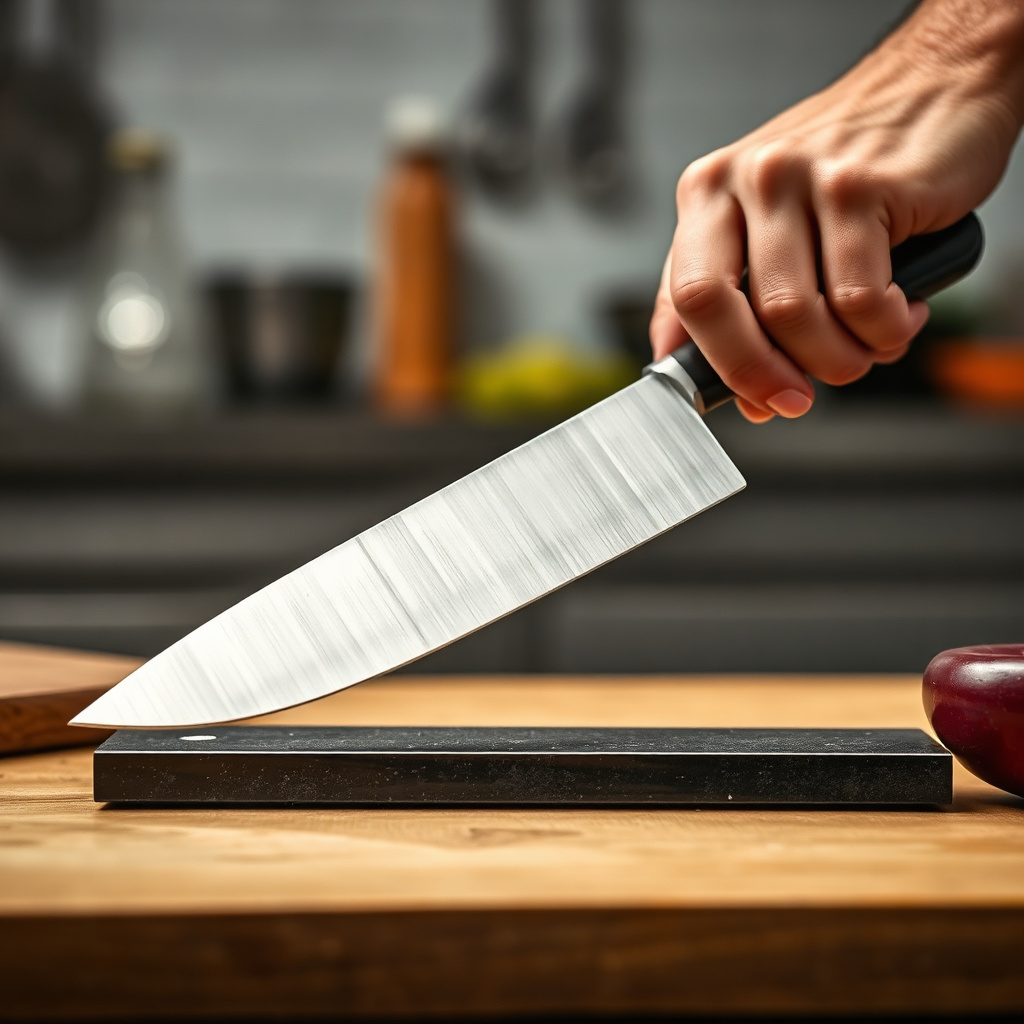
Honing realigns the edge of your kitchen knives and tools, maintaining sharpness by straightening microscopic bends on the blade. It does not remove metal but keeps the edge effective between sharpenings.
Use a honing steel at a 15-20 degree angle with smooth strokes about every two to three uses. Proper honing prolongs the interval between full sharpening sessions and optimizes the blade’s cutting ability.
- Hold the steel vertically
- Stroke blade at consistent angle
- Perform 5-10 strokes per side
For more on this, see our related guide: How to Sharpen Kitchen Knives for Perfect Cutting Performance.
When and How to Sharpen
Sharpening restores a blade’s edge by removing a small amount of metal, which requires more care and skill. Use whetstones, electric sharpeners, or professional services when honing no longer keeps the blade sharp.
Sharpening frequency varies based on use, but typically once or twice a year is adequate. Wear gloves and maintain controlled angles to avoid over-sharpening or uneven edges that could reduce tool lifespan.
- Use coarse and fine grit stones
- Keep the blade angle consistent
- Avoid excessive metal removal
Proper Storage to Protect Sharp Kitchen Tools

Using Knife Blocks and Magnetic Strips
Knife blocks and magnetic strips keep blades separated and secure, preventing dulling from blade-to-blade contact. Choose blocks that fit your tools snugly or magnetic strips with strong hold to avoid drops.
Magnetic strips allow for easy access and space efficiency but may expose blades to air, so regular cleaning and oiling of carbon steel knives is recommended to prevent rust.
- Ensure blade doesn't touch other tools
- Regularly clean storage areas
- Use oil for carbon steel blades
Protective Sheaths and Cases
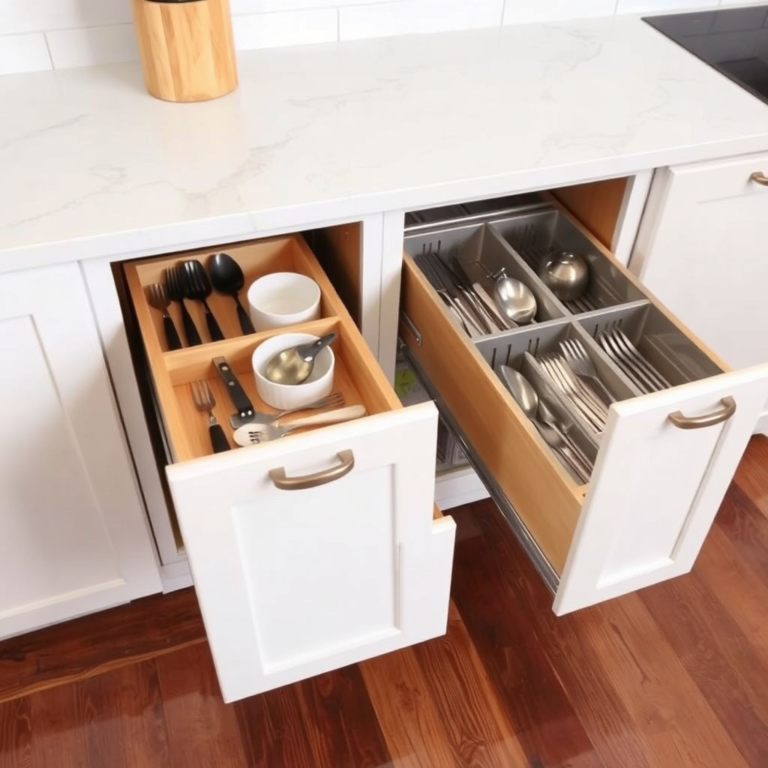
For travel or drawer storage, use protective sheaths, blade guards, or knife rolls to prevent damage. These accessories shield edges from scratches and reduce injury risk when reaching for a tool.
Select sheaths made from soft materials like plastic or leather for best blade preservation, replacing worn covers promptly to maintain protection.
- Use soft blade covers
- Replace damaged sheaths
- Ideal for drawer storage and transport
Additional Tips for Maintaining Sharp Kitchen Tools

Preventing Rust and Corrosion
Apply a light coat of food-safe mineral oil to carbon steel knives after cleaning and drying, especially if storing for extended periods. This barrier helps prevent moisture-related rust.
Avoid acidic foods sitting on blades too long as they can corrode certain metals; clean promptly after cutting citrus or tomatoes.
- Use food-safe mineral oil
- Clean blades immediately after use with acidic foods
For more on this, see our related guide: How to Use Silicone Bakeware: A Complete Guide for Perfect Baking.
Avoiding Common Handling Mistakes
Cut on appropriate surfaces like wood or plastic cutting boards rather than glass or stone, which dull blades faster. Avoid twisting or prying with knives to prevent edge damage.
Resist the urge to cut frozen foods or hard shells with your kitchen knives; such tasks require specialized tools to protect the blade.
- Use wooden or plastic cutting boards
- Avoid twisting blades
- Do not use knives on frozen or very hard foods
Recognizing When Professional Sharpening is Needed

Indicators Your Kitchen Tools Need Expert Care
If honing fails to restore sharpness, blades become noticeably dull, have chips or uneven edges, it’s time for professional sharpening. Experts use precision tools to correct issues without excessive wear.
Regular professional sharpening guards against improper DIY methods that can damage knives, extending both performance and usable life.
- Dull edges after honing
- Visible chips or nicks
- Uneven or rounded edges
For more detailed insights into knife sharpening techniques, refer to this comprehensive resource. Knife sharpening techniques.
Choosing a Reliable Sharpening Service
Select reputable sharpening professionals with positive reviews and experience handling kitchen knives. Many offer mail-in services or local shops provide convenient turnaround times.
Confirm they use suitable methods for your tool type—ceramic knives require different sharpening compared to steel blades.
- Check customer reviews
- Verify expertise with your tool type
- Ask about sharpening techniques used
Comparison of Kitchen Tool Sharpening Methods
Here’s a side-by-side overview of common sharpening methods to help decide which fits your kitchen needs best.
| Method | Skill Level Needed | Speed | Edge Quality | Cost |
|---|---|---|---|---|
| Honing Steel | Low | Fast | Maintains edge, no metal removal | Low |
| Whetstone | Medium to High | Medium | Sharp, customizable edge | Medium |
| Electric Sharpener | Low | Fast | Consistent but less precise | Medium |
| Professional Service | None | Variable | Expertly sharpened edge | High |
Frequently Asked Questions
How often should I hone my kitchen knives?
Hone your kitchen knives every two to three uses or weekly if you cook frequently. This keeps the edge aligned and extends the period between full sharpenings.
Can I sharpen ceramic kitchen knives at home?
Ceramic knives require diamond abrasives for sharpening, so specialized stones or professional sharpening are recommended rather than regular whetstones.
What is the best cutting surface to maintain sharpness?
Wooden or plastic cutting boards are best for preserving sharpness, as they are gentle on blades and prevent premature dulling compared to glass or stone surfaces.
Is it safe to store knives in a kitchen drawer?
Storing knives in a drawer without protection can dull blades and pose injury risks. Use protective sheaths or knife organizers designed for drawer storage.
Why do kitchen knives develop rust spots?
Rust spots usually form due to improper drying, exposure to moisture, or acidic foods left on the blade. Cleaning, drying thoroughly, and applying mineral oil help prevent rust.
Key Takeaways
- Hand wash and dry kitchen tools promptly to avoid corrosion.
- Regular honing sustains sharpness between major sharpening.
- Store knives properly using blocks, magnetic strips, or sheaths.
- Use appropriate sharpening methods based on skill and tool type.
Conclusion
Maintaining sharp kitchen tools combines consistent care with the right techniques. Attentive cleaning, routine honing, and smart storage work together to preserve the edge and functionality of your blades. Recognizing when sharpening beyond honing is needed enables you to address blade wear effectively, improving both kitchen safety and food preparation results.
For most home cooks, a balancing approach of regular honing and occasional whetstone sharpening or professional service will maintain tools in excellent condition. Investing in quality storage like knife blocks or magnetic strips protects blades daily, while mindful cutting surfaces and handling habits minimize damage risks. Adopting these practices makes a tangible difference in blade longevity.
Start today by evaluating your current kitchen tool care routine and incorporating one or two improvements, such as honing more often or switching to wooden cutting boards. Over time, these steps help your tools stay sharper and more dependable, making cooking smoother and more enjoyable.