How to Use Silicone Bakeware: A Complete Guide for Perfect Baking
Learn how to use silicone bakeware effectively with our detailed guide. Discover tips, tricks, and care instructions for baking success every time.
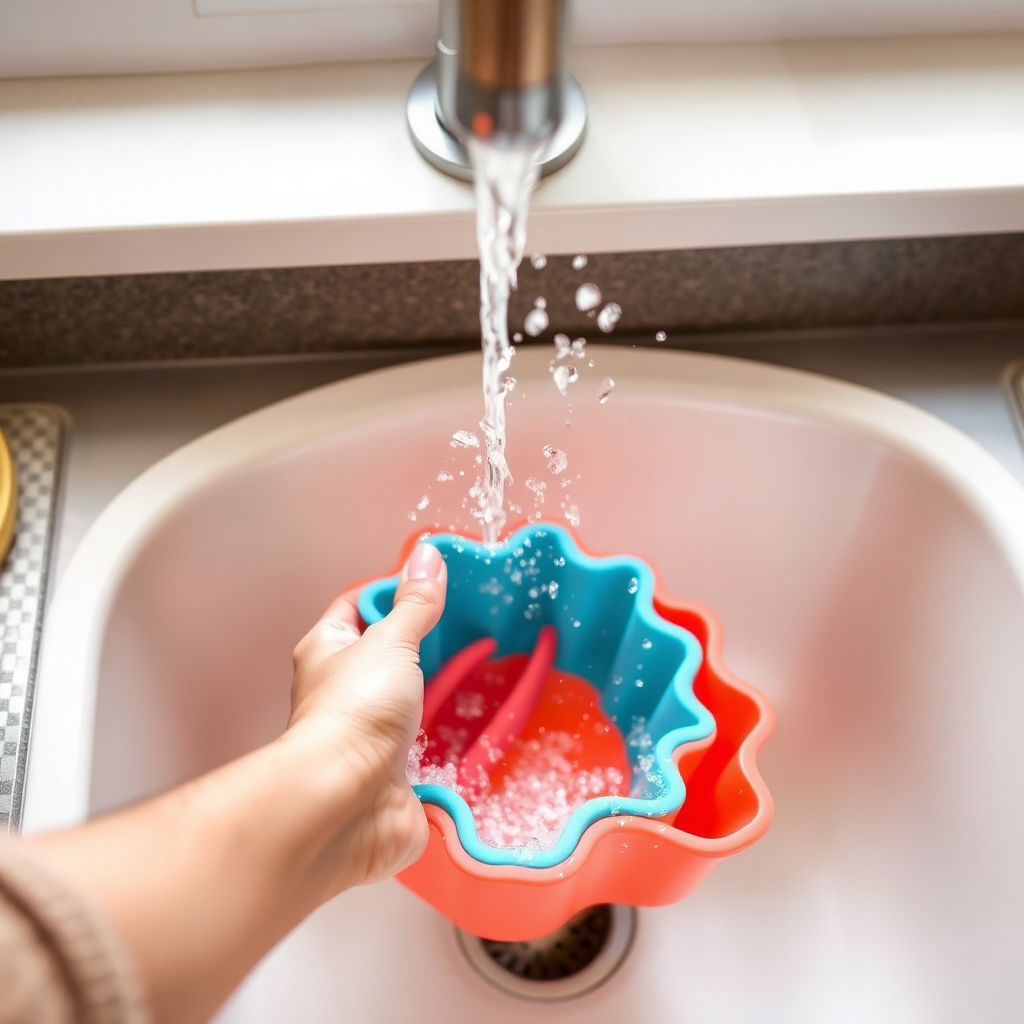
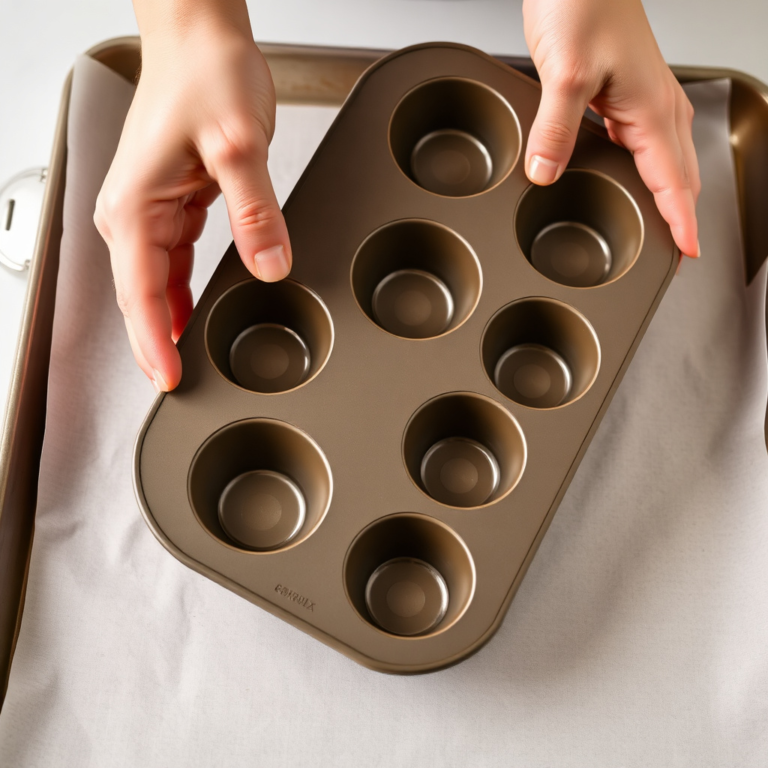
Using silicone bakeware is simple and offers many advantages over traditional metal or glass pans. To use it, first ensure your silicone pan is clean and dry. You can lightly grease it, although silicone’s natural non-stick surface typically makes this unnecessary. Then, pour your batter or dough into the mold, place it onto a baking sheet for support, and bake it in an oven as you would with regular bakeware.
Silicone bakeware is prized for its flexibility, heat resistance, and ease of cleaning. Its non-stick surface means fewer burnt edges and easier food release, but understanding how to handle silicone molds prevents common baking pitfalls like batter spilling or uneven heating. Knowing the right temperature limits and cleaning methods helps you get the most out of this versatile kitchen tool.
This guide will cover how to prepare silicone bakeware before use, baking tips for consistent results, cleaning and storage instructions, troubleshooting common issues, and how silicone compares to other bakeware types.
Preparing Silicone Bakeware Before First and Regular Use
Cleaning and Inspecting Before Initial Use
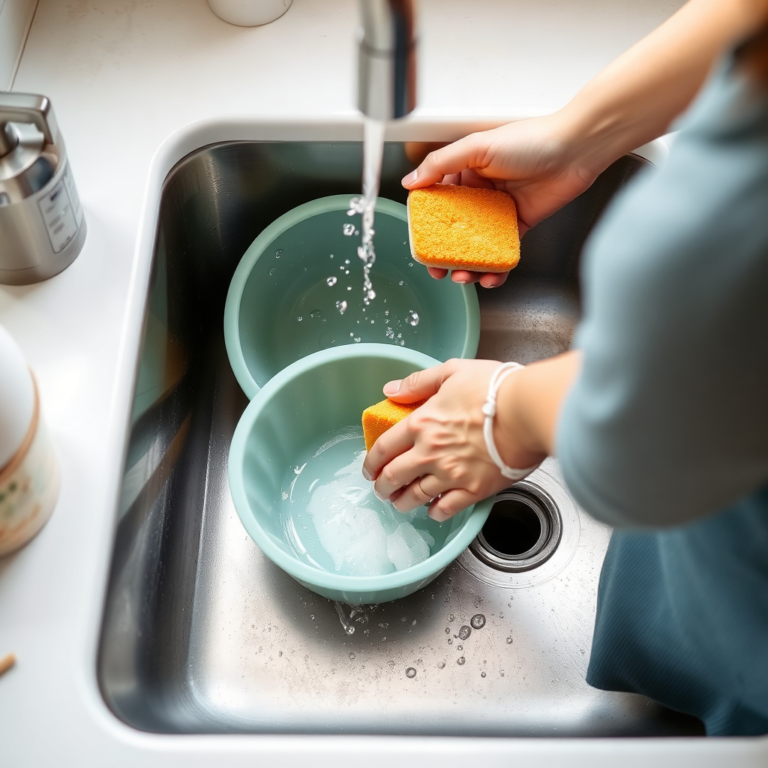
Before using silicone bakeware for the first time, wash it thoroughly with warm soapy water and rinse well. This removes any manufacturing residues or dust from packaging. Dry it completely to prevent pockets of moisture that could interfere with baking.
Inspect the bakeware for any tears, punctures, or deformities. Although silicone is flexible, damage can compromise performance. Only use silicone that feels sturdy and intact to avoid spills or warping during baking.
- Wash with mild dish soap
- Rinse and dry completely
- Check for cracks or tears
- Avoid damaged molds
Greasing and Supporting Silicone Molds
Many bakers skip greasing because silicone’s non-stick property works well, but a light coating of cooking spray or oil can enhance release for sticky recipes like cheese breads or sticky caramel cakes.
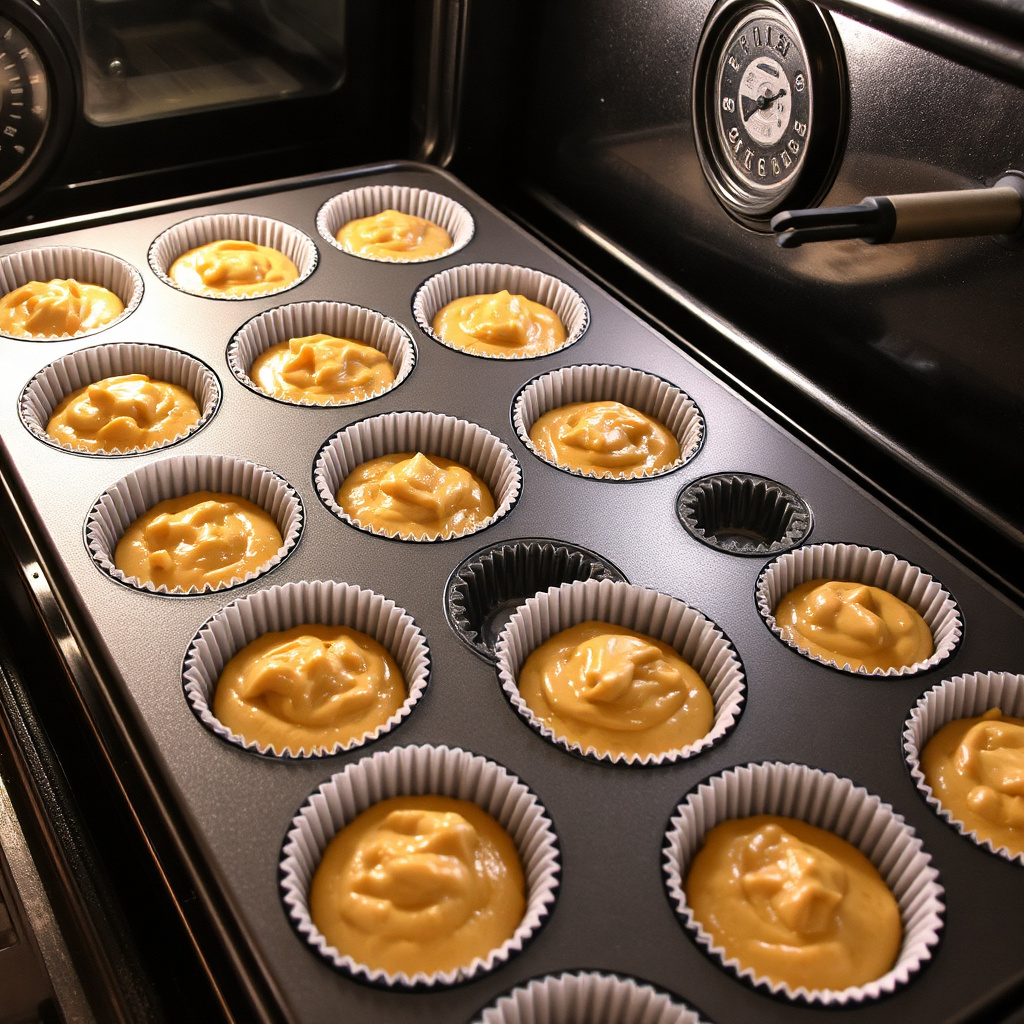
Because silicone is flexible and soft, place your mold on a sturdy baking sheet or tray before filling and putting it in the oven. This prevents spills and makes handling easier.
- Use light greasing for sticky recipes
- Place silicone molds on baking sheets
- Avoid filling molds when off the baking sheet
Baking Basics Using Silicone Bakeware
Temperature Limits and Oven Placement
Silicone bakeware can typically withstand temperatures from -40°F up to around 446°F (230°C). Avoid exposing it to broiling temperatures or direct flame as this can cause melting or damage.
Place your silicone bakeware on the middle rack to promote even heat distribution. Avoid placing molds too close to heating elements to prevent hot spots which might affect baking outcomes.
- Maximum temperature: about 446°F (230°C)
- Do not use under broilers
- Bake on middle oven rack
- Avoid direct contact with heating elements
Adjusting Baking Time and Monitoring
Because silicone does not conduct heat as well as metal, baking times can be slightly longer, especially with thicker molds or dense batters. Monitor your baked goods starting a few minutes before the standard recipe time.
Use toothpicks or testers to check doneness. Remove the silicone bakeware from the oven carefully, using oven mitts and supporting it on a basket or tray.
- Expect minor baking time increases
- Check doneness with toothpick
- Handle carefully when hot
Cleaning and Maintenance Tips for Silicone Bakeware
Routine Washing and Removing Residues
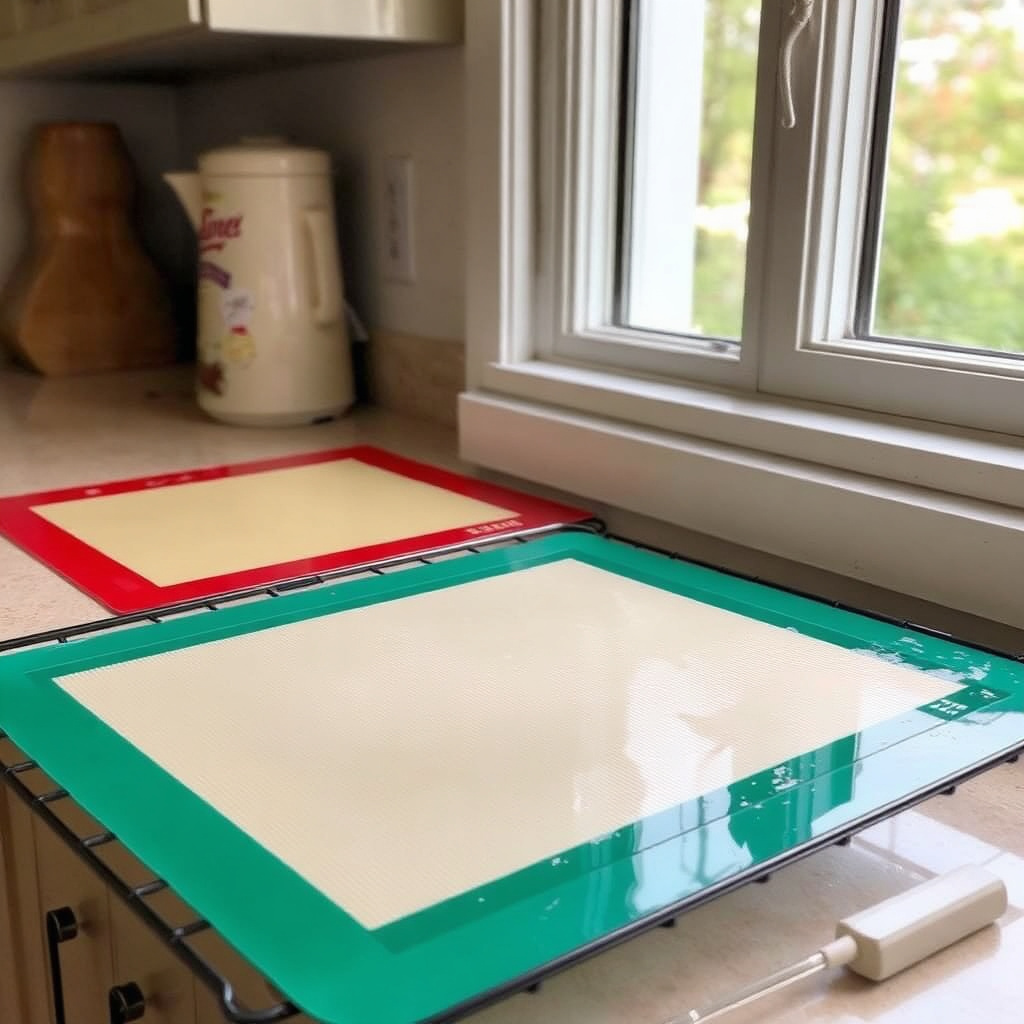
Wash silicone bakeware with warm water and mild detergent after every use. If oily residues stick, soak the mold in hot soapy water to loosen them before scrubbing gently with a non-abrasive sponge.
Avoid harsh chemicals or scouring pads which can degrade silicone surfaces over time.
- Use mild soap and warm water
- Soak to remove stubborn residues
- Use non-abrasive sponges
- Avoid harsh chemicals
Dealing with Stains and Odors
Silicone occasionally retains odors or develops stains from colorful foods. To deodorize, soak in a baking soda and water solution for a few hours then rinse well. Air drying in sunlight can help reduce odors naturally.
Persistent stains can be treated by rubbing with a paste of baking soda and water or a small amount of white vinegar before washing.
- Soak in baking soda solution
- Use vinegar paste for stains
- Air dry in sunlight to neutralize odors
Common Issues and Troubleshooting Silicone Bakeware
Preventing and Fixing Mold Warping
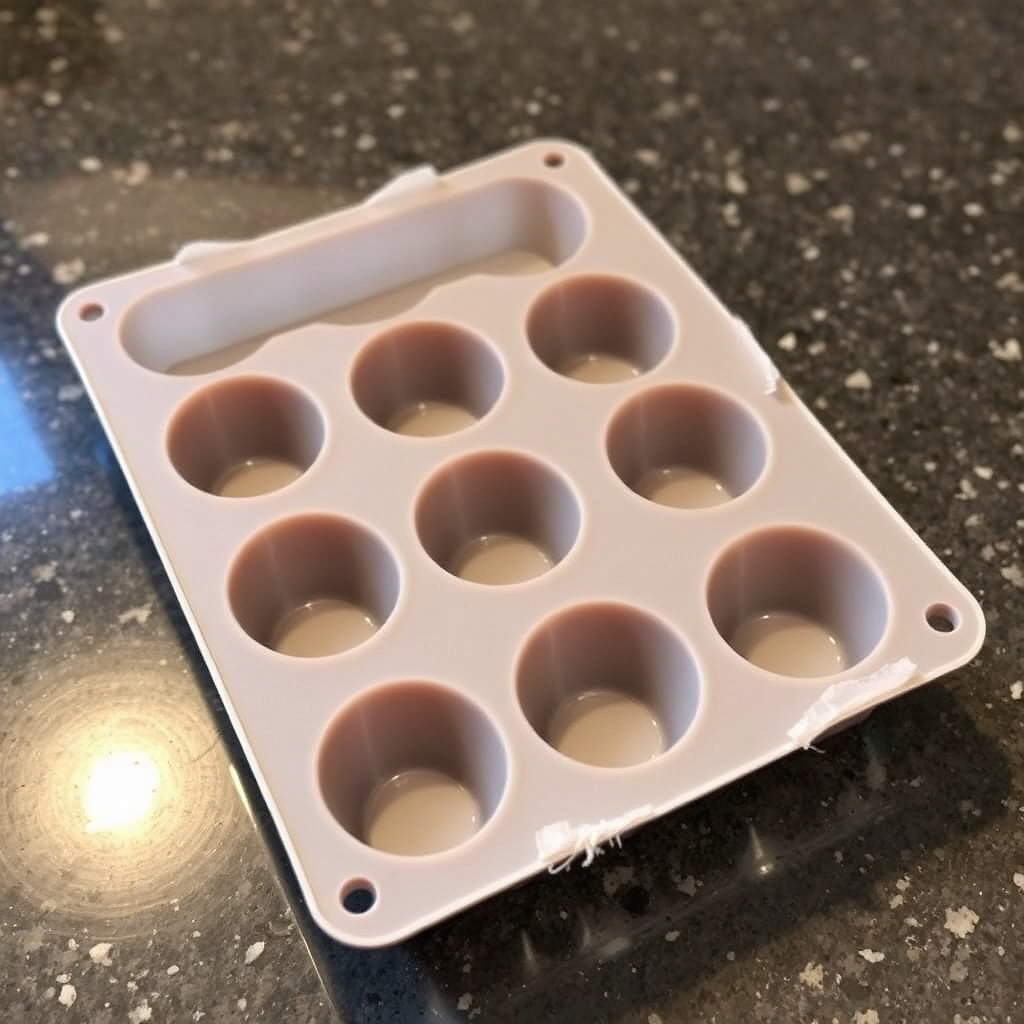
If your silicone bakeware warps or bows during baking, it usually means it was unsupported or exposed to uneven heat. Always place molds on rigid baking sheets to maintain shape and prevent messes.
Warm the mold briefly with your hands before filling to make it easier to shape and resist deforming in the oven.
- Use baking sheets under molds
- Pre-shape molds before filling
- Avoid uneven oven heat
Avoiding Batter Spills and Uneven Cooking
Because silicone is flexible, avoid overfilling molds and handle with care when transferring filled molds into the oven. Using a baking sheet underneath helps avoid spills.
Rotate the pan midway through baking if possible to reduce uneven cooking caused by hot spots.
- Do not overfill molds
- Handle filled molds carefully
- Rotate molds halfway through baking
Comparing Silicone Bakeware to Other Materials
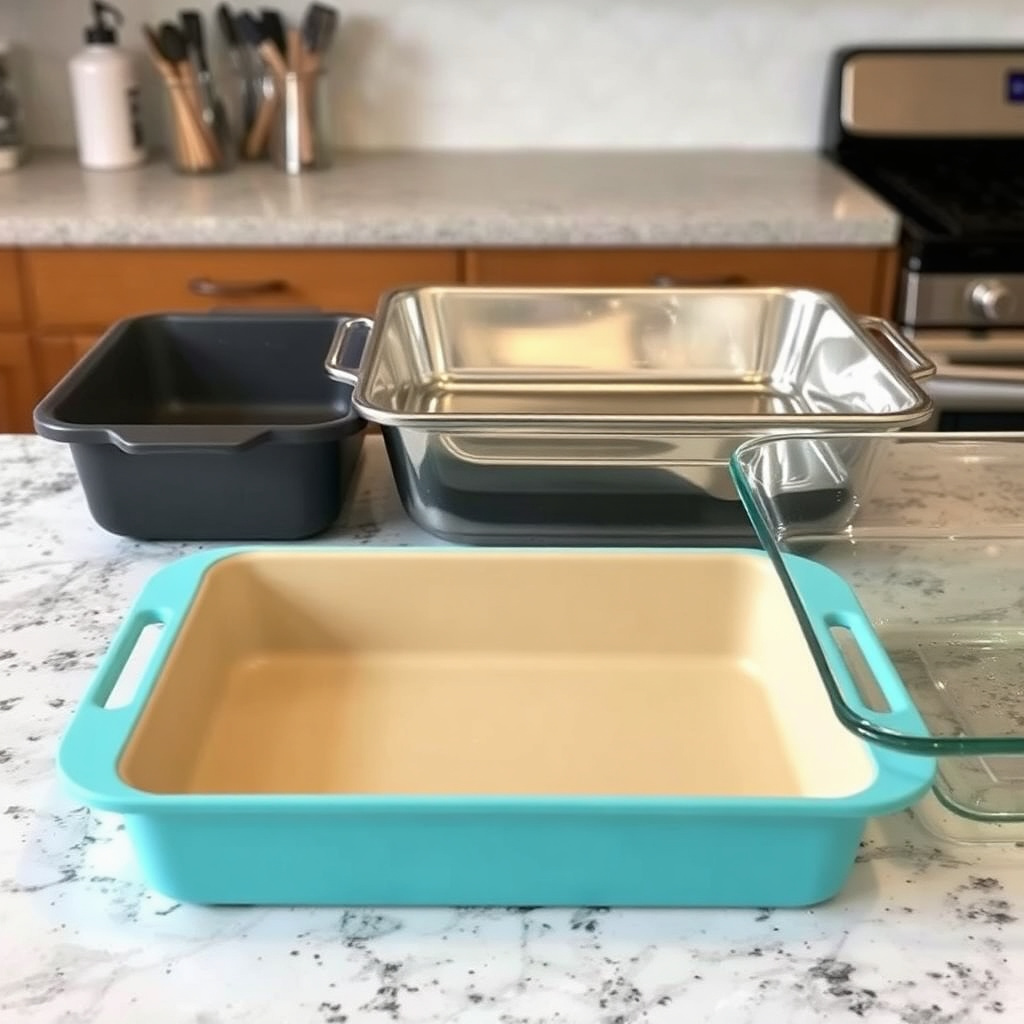
Silicone vs Metal Bakeware
Metal bakeware heats up quickly and yields browned, crisp edges which some recipes need. Silicone, being less conductive, cooks more evenly but may deliver less browning.
Metal pans can be heavy and prone to rusting, while silicone is lightweight, dishwasher safe, and flexible, making cleanup and food release easier.
- Metal: faster heat conduction
- Silicone: flexible and non-stick
- Metal: prone to rust; Silicone: durable and dishwasher safe
Silicone vs Glass Bakeware
Glass bakeware retains heat after removal from the oven, keeping food warm longer. Silicone cools quickly. Both are inert and won’t react with food, but silicone is flexible while glass is fragile.
Glass offers better structure for precise slices or shapes, while silicone is better for complex molds and easier food removal.
- Glass: retains heat longer
- Silicone: flexible and break-resistant
- Glass: good for structure; Silicone: good for complex shapes
Using Non-stick Silicone Baking Mats Alongside Bakeware
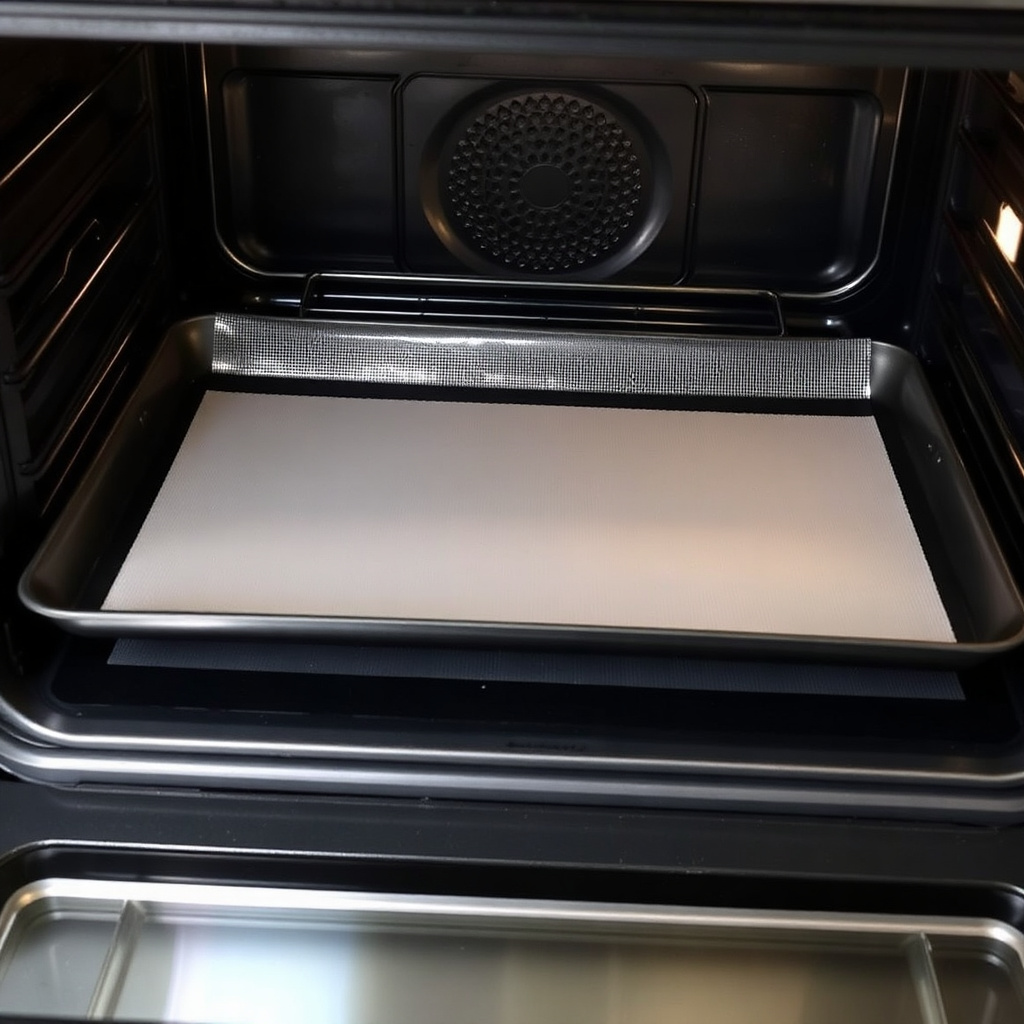
Benefits of Silicone Baking Mats
Non-stick silicone baking mats provide a reusable, easy-release surface for baking cookies, pastries, and candies without added oils or sprays. They fit inside traditional pans or onto trays, enhancing versatility.
They prevent sticking and burning, making cleanup quick, and reduce waste by replacing parchment paper or aluminum foil.
- Reusable non-stick surface
- Fits inside traditional bakeware
- Reduces need for greasing or liners
For further details about silicone bakeware materials and history, you can visit the silicone bakeware Wikipedia page. Silicone bakeware on Wikipedia.
How to Use and Care for Baking Mats
Place the silicone baking mat flat inside a baking sheet, then arrange your dough or batter atop. Avoid sharp utensils and cut baked items off carefully to avoid tearing the mat.
Clean mats with warm soapy water after use, avoid abrasive cleaning tools, and store rolled or flat to prevent creases.
- Place flat on baking trays
- Avoid sharp objects on the mat
- Clean gently after each use
- Store flat or rolled without folds
Silicone Bakeware Category Comparison
Here is a comparison of common silicone bakeware types to help you find the best fit for your baking needs.
| Category | Flexibility | Heat Resistance | Best For | Ease of Cleaning |
|---|---|---|---|---|
| Silicone Muffin Pans | High | Up to 446°F | Cupcakes, muffins | Very easy |
| Silicone Loaf Pans | Medium | Up to 446°F | Bread, meatloaf | Easy |
| Silicone Baking Mats | Low (flat) | Up to 480°F | Cookies, pastries | Very easy |
| Silicone Bundt Pans | High | Up to 446°F | Decorative cakes | Easy |
| Silicone Mini Mold Sets | High | Up to 446°F | Chocolates, jellies | Very easy |
Frequently Asked Questions
Do I need to grease silicone bakeware?
Usually, silicone bakeware does not require greasing due to its non-stick surface. However, a light coating can help with very sticky recipes to ensure easy release.
Can silicone bakeware be used under a broiler?
No, silicone bakeware should not be exposed to broiler heat or direct flames, as temperatures above 446°F can cause melting or damage.
How do I clean stubborn stains from silicone bakeware?
Use a baking soda and water paste or soak in a baking soda solution to remove stains. Avoid harsh abrasives that could damage the silicone.
Is silicone bakeware microwave safe?
Yes, silicone bakeware is microwave safe and can be used for baking or reheating food in microwave ovens.
Why should I place silicone bakeware on a tray in the oven?
Silicone molds are flexible and can bend when filled. Placing them on a sturdy tray prevents spills and makes handling easier when moving in and out of the oven.
Key Takeaways
- Silicone bakeware is flexible, heat-resistant, and naturally non-stick.
- Always support silicone molds on baking trays to avoid spills.
- Clean gently to maintain durability and remove odors or stains.
- Use non-stick silicone baking mats as a reusable alternative to parchment.
Conclusion
Choosing to bake with silicone bakeware brings convenience and ease thanks to its flexible design and non-stick surface. By preparing the mold properly, using the right oven settings, and supporting the flexible silicone on a sturdy tray, you can achieve reliable and delicious baking results. Monitoring baking times carefully ensures your creations come out evenly cooked without the dry edges that sometimes occur with traditional pans.
If you frequently bake muffins, bread, or cupcakes, silicone loaf and muffin pans provide durable, lightweight options that simplify release and cleanup. For cookie lovers, investing in non-stick silicone baking mats can reduce waste and hassle, as they fit standard trays and eliminate sticking with no oils needed. Decorative cakes benefit from molded silicone pans that present intricate shapes without damage risks associated with glass or metal.
Start with basic silicone pans that fit your baking style and experiment with non-stick silicone baking mats for common flat-baked treats. Take care to clean your silicone products gently and avoid extreme temperatures. With proper use and maintenance, silicone bakeware becomes a lasting, versatile part of your kitchen arsenal.


2 Comments