How to Clean Silicone Bakeware: Effective Methods and Tips
Learn how to clean silicone bakeware thoroughly with easy methods to remove stains, grease, and odors for long-lasting use.
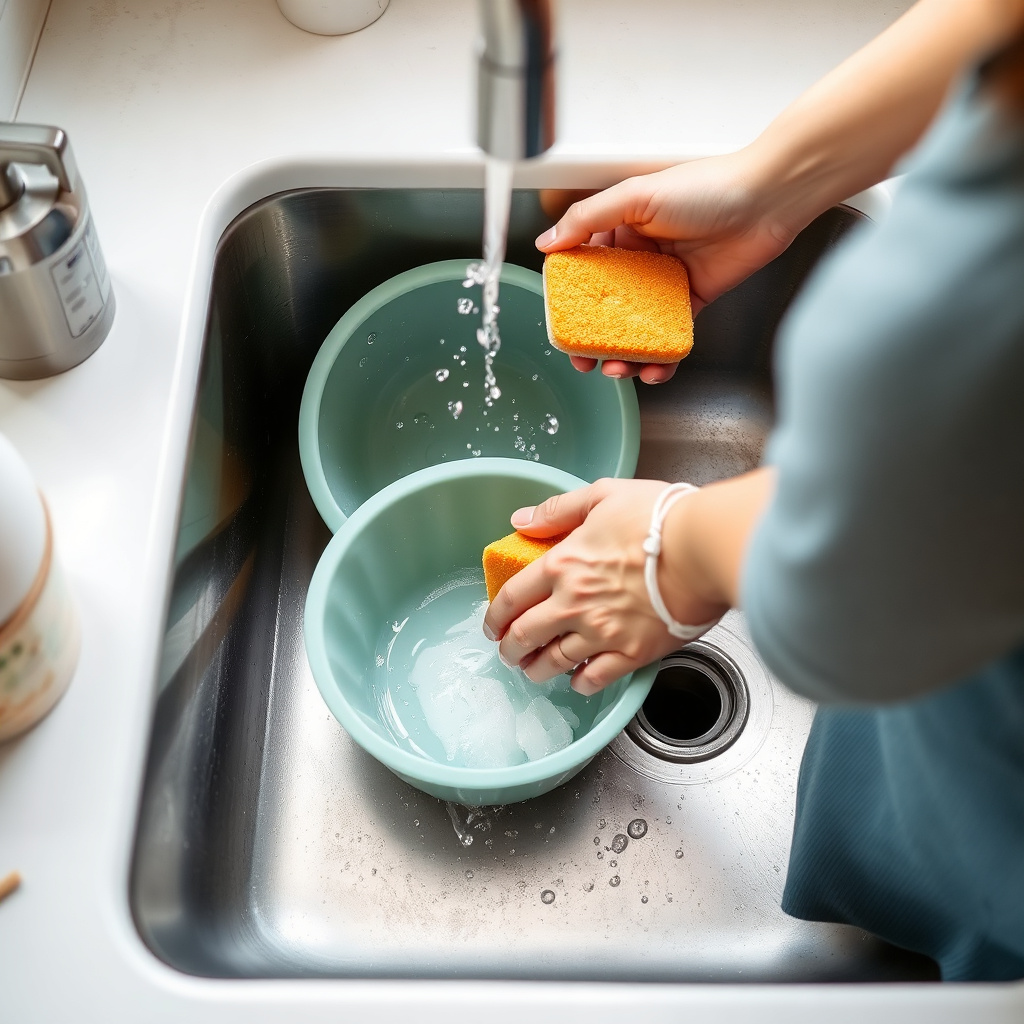
Cleaning silicone bakeware effectively involves using hot soapy water, gentle scrubbing, and sometimes baking soda or vinegar to tackle stubborn stains and odors. Unlike metal or glass, silicone is flexible and non-stick, which makes regular cleaning easier but some grease or residue can still build up after repeated use.
Silicone bakeware is popular because it simplifies baking and cleanup, but even its non-stick surface can accumulate oils and food particles. Proper cleaning maintains its performance and prevents unpleasant smells that may develop over time. Knowing the best approaches can save you time and keep your bakeware in great shape.
This article will cover simple cleaning techniques, how to handle tough stains and odors, safety tips, and maintenance advice. You’ll also learn which cleaning products to avoid to keep your silicone bakeware safe and durable.
Basic Cleaning Techniques for Silicone Bakeware
Washing with Soap and Water
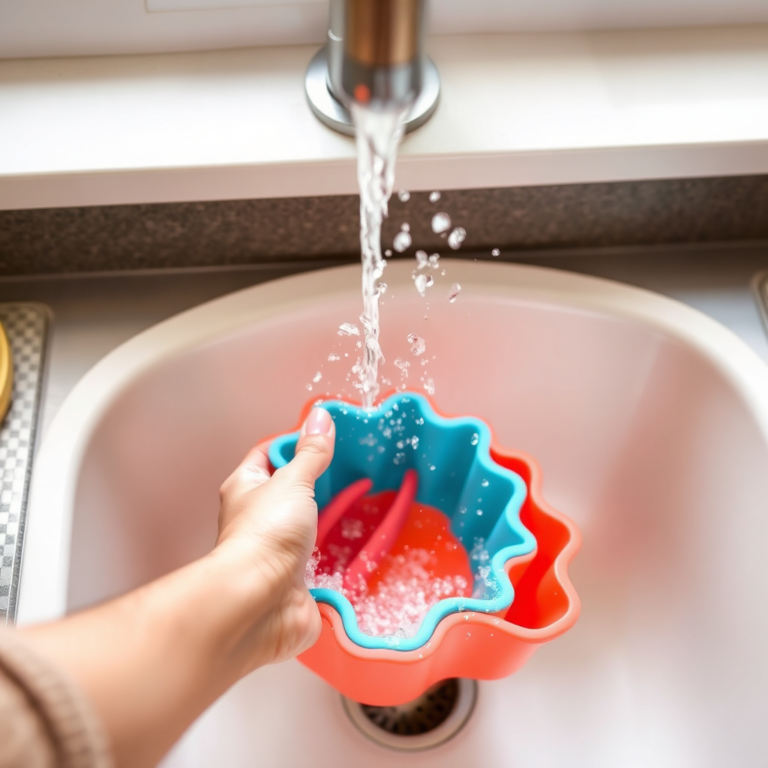
Start by rinsing the silicone bakeware with warm water to remove loose debris. Next, apply a mild dish soap and gently scrub using a soft sponge or cloth. Avoid abrasive scrubbers since they can damage the silicone surface. Rinse thoroughly to make sure all soap residue is gone.
Dry the bakeware with a clean towel or allow it to air dry completely before storing. Frequent cleaning after each use prevents buildup and keeps the bakeware fresh.
Using the Dishwasher
Most silicone bakeware is dishwasher safe, making cleanup very convenient. Place the item on the top rack of your dishwasher away from sharp utensils or heavy pots to prevent deformation.
Use a normal wash cycle with standard dishwasher detergent. Even so, handwashing may still be necessary for stubborn stains or lingering odors.
Removing Stubborn Stains from Silicone Bakeware
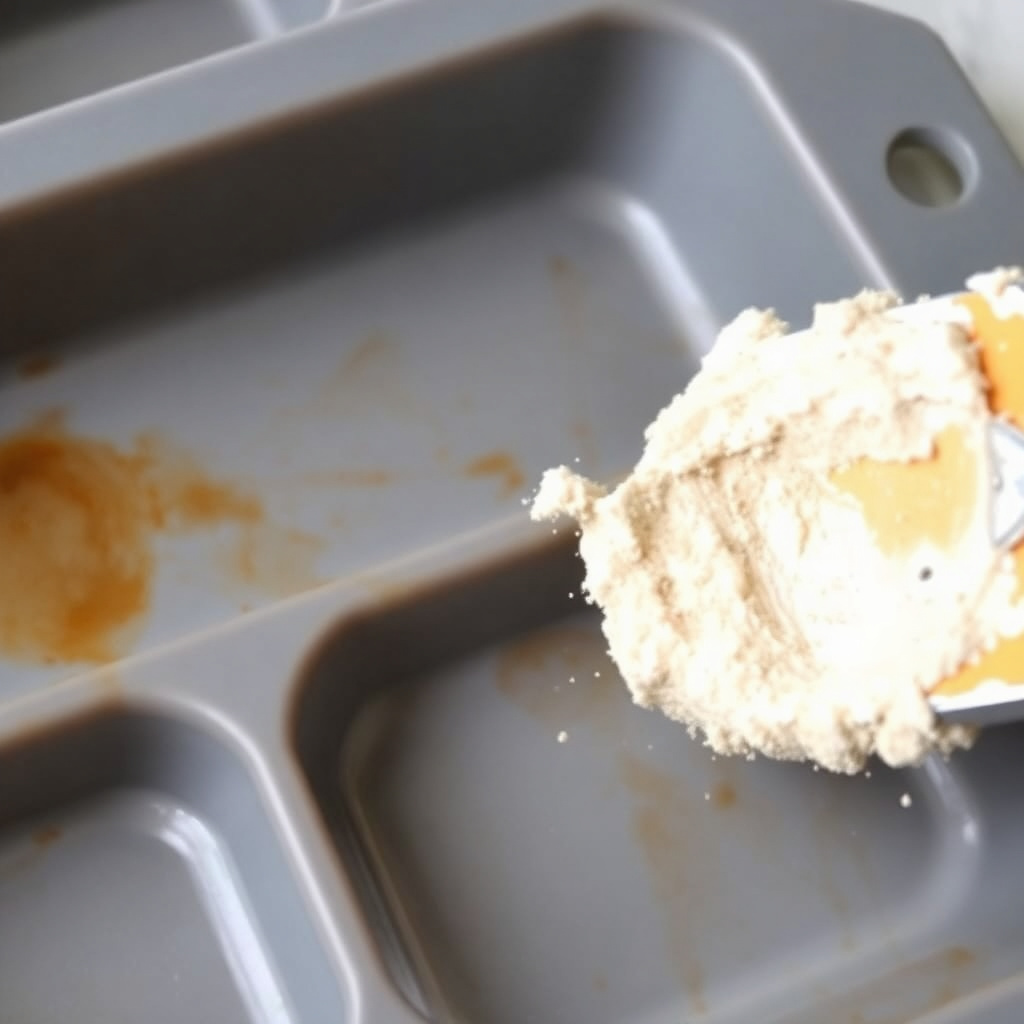
Baking Soda Paste for Stain Removal
Make a paste using three parts baking soda and one part water and apply it to affected areas. Let it sit for 15-30 minutes, then gently scrub with a soft brush or sponge. Baking soda's mild abrasiveness helps lift stains without harming the silicone.
After scrubbing, rinse thoroughly and dry. Baking soda also helps neutralize odors while cleaning.
- Mix 3:1 baking soda to water
- Apply to stains
- Wait 15-30 minutes
- Scrub gently and rinse
Vinegar Soak for Odor and Stain Reduction
Fill your sink or basin with equal parts white vinegar and warm water. Soak the silicone bakeware for 30-60 minutes to break down grease and absorb odors.
Rinse well under warm water afterward and wash with soap to remove vinegar smell. This method is particularly effective for persistent scents trapped in the silicone.
- Use 1:1 vinegar and warm water
- Soak 30-60 minutes
- Rinse and wash as usual
Maintaining Silicone Bakeware for Longevity
Proper Storage Tips
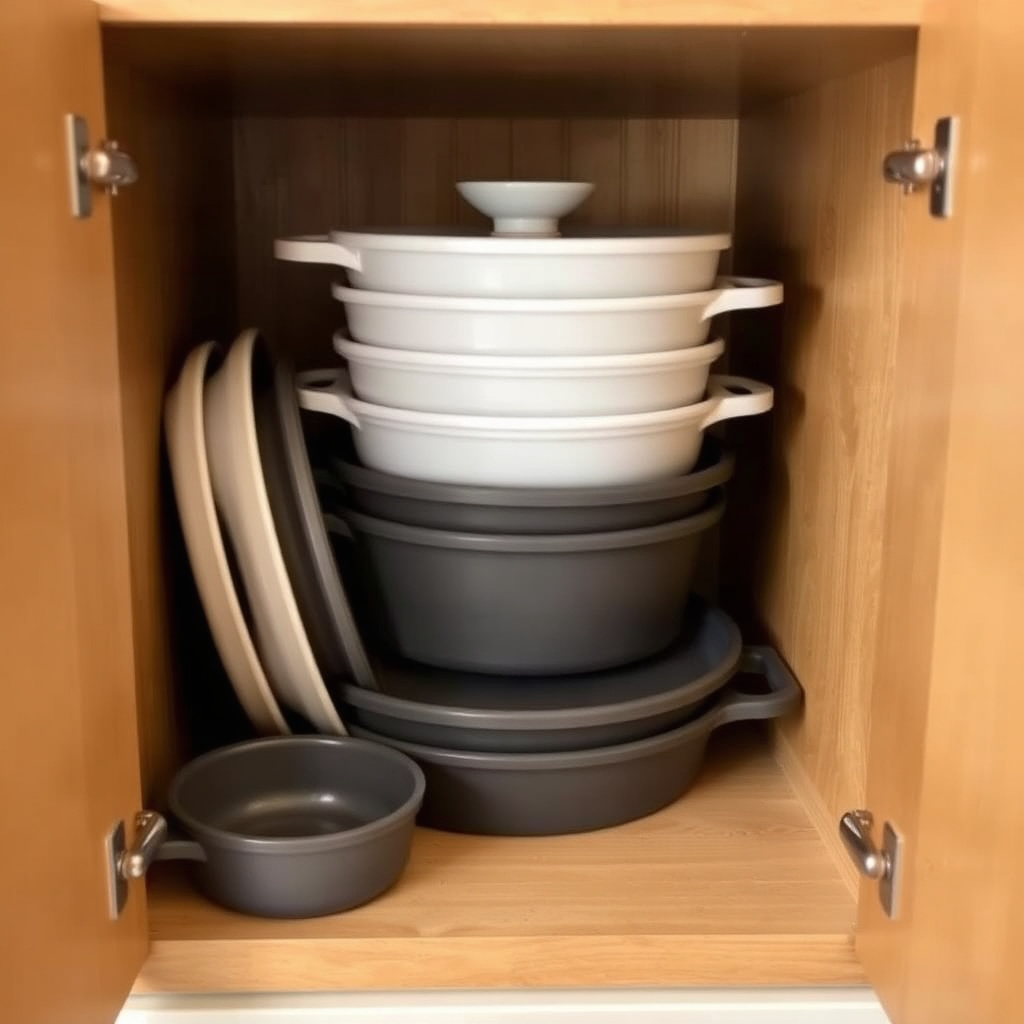
Store silicone bakeware flat or carefully nested to avoid deforming its shape. Avoid piling heavy objects on top, which can cause warping.
Keep bakeware in a dry place away from direct sunlight, since UV rays can degrade silicone over time.
For more on this, see our related guide: How to Use Silicone Bakeware for Perfect Baking Results.
Avoiding Damage During Use and Cleaning
Avoid sharp knives or metal tools that can puncture or tear silicone surfaces. Use wooden, silicone, or plastic utensils instead.
Do not expose bakeware to open flames or temperatures exceeding the manufacturer's guidelines, usually around 428°F (220°C), to prevent damage.
Special Cleaning Scenarios for Silicone Bakeware
Dealing with Grease and Oil Residue
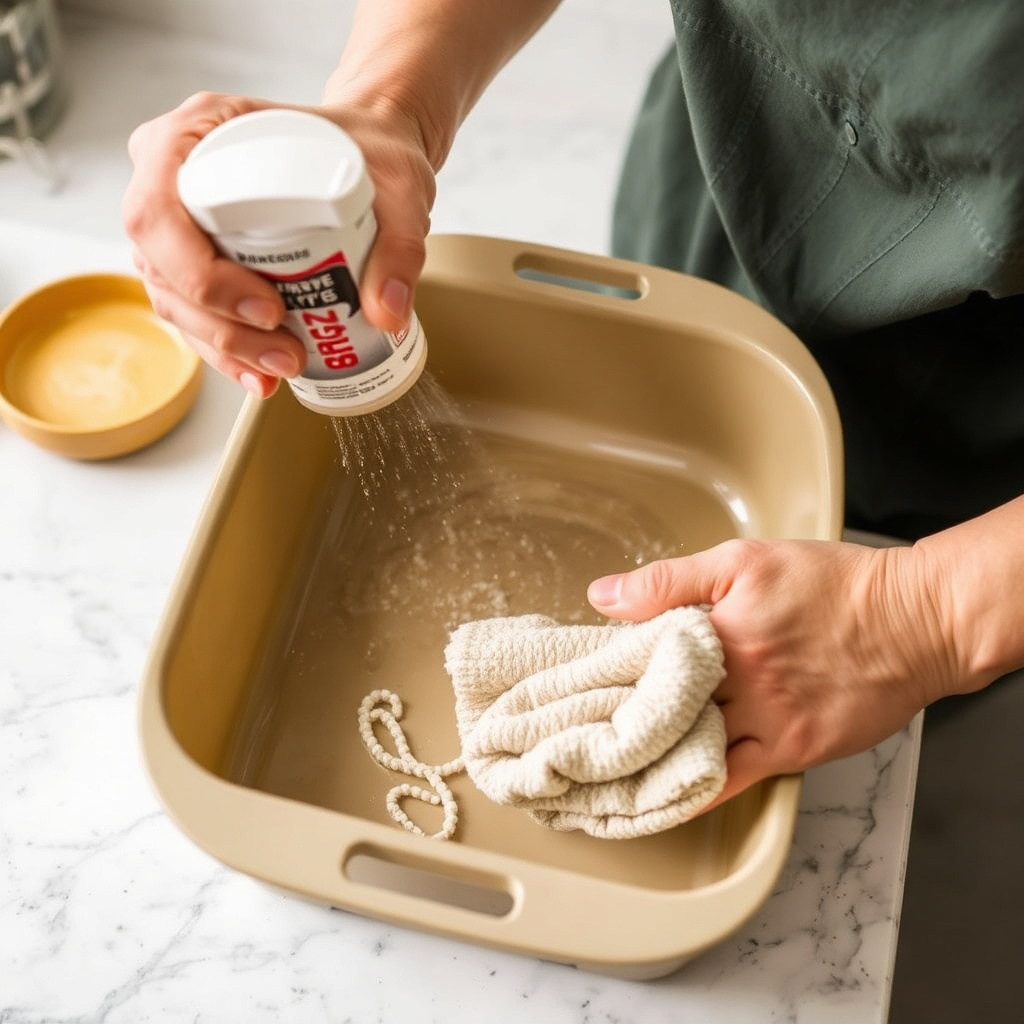
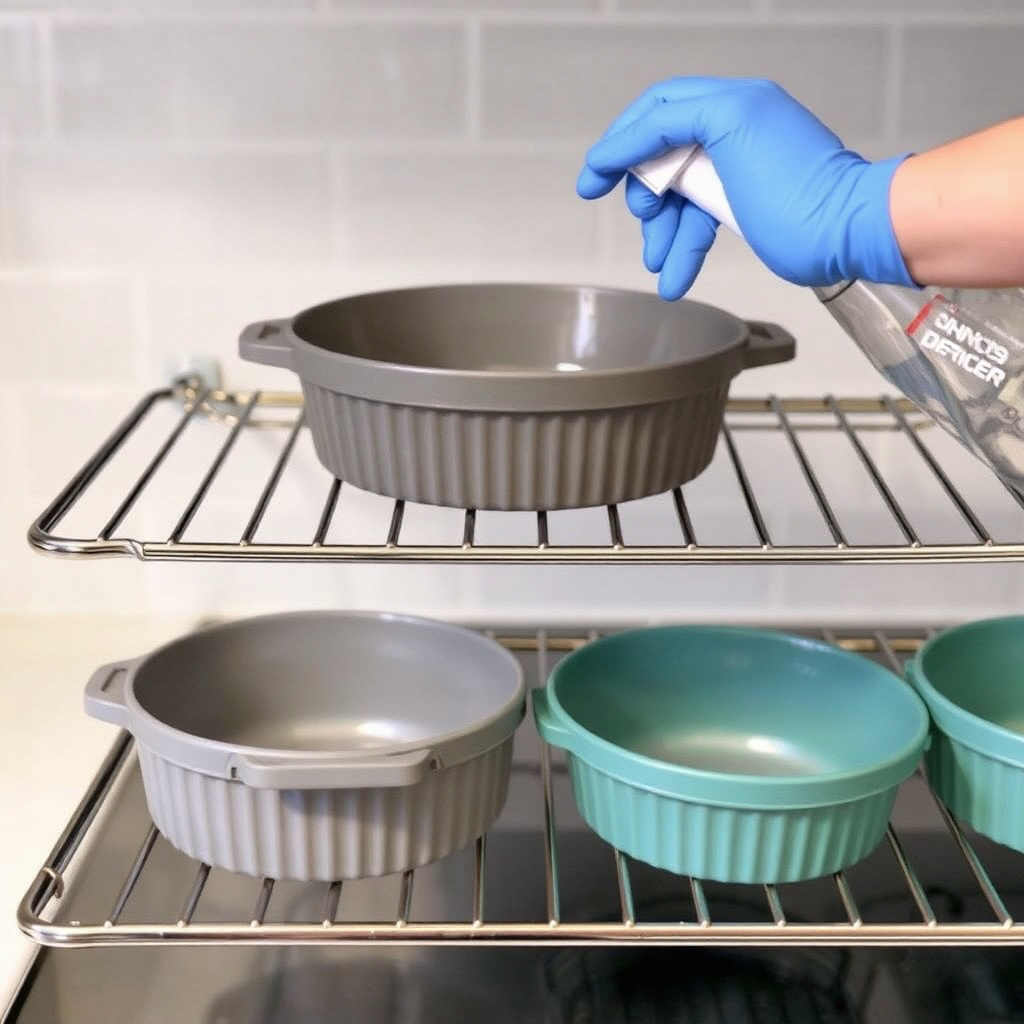
Grease can sometimes cling stubbornly despite standard washing. A light degreasing agent or a little dish detergent designed to cut grease can be applied. Let it soak for 10-15 minutes before scrubbing.
Rinse thoroughly to remove all detergent traces and prevent residual taste in baked goods.
Cleaning After Baking Sticky or Sugary Foods
Sticky residues, like caramel or melted sugar, may require soaking in hot water before scrubbing. Avoid using boiling water as rapid temperature changes might damage the silicone.
Once softened, a soft sponge will more easily remove the sticky material without scratching.
What to Avoid When Cleaning Silicone Bakeware

Harsh Chemicals and Abrasive Tools
Avoid bleach, ammonia, or other harsh chemical cleaners that can degrade silicone rubber. These substances may also leave harmful residues affecting food safety.
Do not use steel wool, metal brushes, or rough scouring pads as they can scratch or damage the bakeware surface.
For more on this, see our related guide: How to Use Silicone Bakeware: A Complete Guide for Perfect Baking.
Extreme Temperature Changes
Avoid sudden extreme temperature shifts, like rinsing hot silicone bakeware with cold water, which can cause warping or damage.
Silicone is resilient but best preserved by gradual cooling and heating processes.
Tips for Regular Upkeep of Silicone Bakeware
Routine Inspection
Regularly check silicone bakeware for cracks or discoloration, which may indicate it’s time for replacement. Even durable silicone wears out after years of use.
Keeping an eye on its condition avoids potential contamination or cooking issues.
For more scientific background and material properties, you can explore silicone bakeware cleaning on Wikipedia. silicone bakeware cleaning on Wikipedia.
Reinvigorating Non-Stick Properties
If food starts sticking more than usual, gently rub a small amount of vegetable oil on the surface after cleaning and before use. This can help restore silicone’s natural non-stick feel.
Avoid over-oiling, which can create buildup over time.
Silicone Bakeware Cleaning Methods Comparison
This comparison highlights key features, pros, and cons of popular silicone bakeware cleaning techniques to find the easiest and most effective approach.
| Method | Ease of Use | Effectiveness on Stains | Odor Removal | Risk of Damage |
|---|---|---|---|---|
| Soap and Water | High | Medium | Low | Very Low |
| Dishwasher | Very High | Medium | Low | Low |
| Baking Soda Paste | Medium | High | Medium | Low |
| Vinegar Soak | Medium | Medium | High | Low |
| Chemical Degreasers | Low | High | Medium | Medium |
Frequently Asked Questions
Can I use bleach to clean silicone bakeware?
Bleach and harsh chemicals are not recommended for silicone bakeware as they can degrade the material and leave unsafe residues.
Is it safe to put silicone bakeware in the dishwasher?
Yes, most silicone bakeware is dishwasher safe, ideally placed on the top rack away from heavy or sharp items.
How do I remove strong odors from silicone bakeware?
Soaking in a vinegar and water solution for 30-60 minutes helps neutralize strong odors trapped in silicone bakeware.
Will using baking soda scratch my silicone bakeware?
No, baking soda is mildly abrasive and safe for silicone surfaces when used as a paste with gentle scrubbing.
How can I restore the non-stick quality of silicone bakeware?
Rubbing a small amount of vegetable oil on the silicone surface after cleaning can help to restore its natural non-stick properties.
Key Takeaways
- Use warm soapy water and gentle sponges for regular cleaning.
- Baking soda paste and vinegar soaks help with stains and odors.
- Avoid harsh chemicals and abrasive tools to protect silicone.
- Proper storage maintains shape and extends bakeware life.
Conclusion
Choosing how to clean silicone bakeware depends on the type of residue and your preferred convenience. Regular warm soapy water washing will handle most situations with ease, while occasional baking soda paste or vinegar soaks effectively tackle stubborn stains and odors. Avoiding harsh chemicals and abrasive materials will keep your bakeware safe and performing well over the long term. Maintaining proper storage practices furthers longevity.
For everyday use, soap and water or the dishwasher are simple routines. For removing stains from silicone bakeware, baking soda is a gentle yet powerful option without risk of damage. When odors linger, a vinegar soak refreshes the silicone without harsh chemicals. Those who bake sticky or greasy foods might also benefit from degreasing solutions occasionally but should be cautious with chemical use. Combining these approaches balances cleanliness with preserving quality.
The next step is to adopt these practical cleaning habits tailored to your usage and bakeware condition. Start with gentle cleaning and move to more targeted treatments for tough issues. Monitoring silicone bakeware for wear or damage ensures safety when cooking. Maintaining your silicone bakeware with this care will keep it performing smoothly for countless batches of your favorite baked goods.