How to Clean Aluminum Bakeware Without Damaging It
Learn how to clean aluminum bakeware effectively without causing discoloration or damage. Simple methods for spotless, long-lasting pans.

Cleaning aluminum bakeware requires care to prevent discoloration, warping, or damage to the surface. The best approach involves gentle scrubbing with non-abrasive materials and using natural cleaners like baking soda or vinegar to remove stains and baked-on residue safely. Avoid harsh detergents or steel wool, which can scratch or pit the aluminum.
Aluminum is a soft metal prone to reacting with acidic or alkaline substances, which can cause dark spots or dulling. Proper cleaning not only restores your bakeware’s appearance but also extends its lifespan and ensures your food stays free from unwanted residues. Understanding how to clean aluminum bakeware properly helps maintain both its functionality and aesthetic.
In this article, you'll find step-by-step cleaning techniques, tips for handling stubborn stains, how to prevent damage, and a comparison of common cleaning agents. We will also answer frequently asked questions and highlight what to avoid when cleaning your aluminum bakeware.
Understanding Aluminum Bakeware and Cleaning Basics
Properties of Aluminum and Why It Needs Special Care
Aluminum is lightweight and an excellent conductor of heat, but its softness makes it vulnerable to scratches and chemical reactions during cleaning. The metal can oxidize when exposed to acidic or alkaline substances, resulting in dark spots or pitting. Therefore, gentle, non-reactive cleaning solutions are recommended to maintain its surface.
Unlike stainless steel, aluminum can corrode if scrubbed aggressively or cleaned with harsh detergents, which damages its finish and weakens the bakeware over time. This sensitivity means that typical dishwashing methods could shorten its lifespan if not handled properly.
Essential Cleaning Supplies for Aluminum Bakeware
Use soft sponges or microfiber cloths instead of steel wool or abrasive scrubbers to avoid scratching the aluminum surface. Mild dish soap combined with warm water offers effective basic cleaning. Natural cleaning agents like baking soda and distilled white vinegar are valuable for tackling stains without harming the metal.
Avoid chlorine-based cleaners and bleach, as these can react negatively with aluminum. Also, opt for lukewarm water instead of very hot water that might warp thin aluminum bakeware. Having these supplies ready allows safe and efficient cleaning.
- Soft sponge or microfiber cloth
- Mild dish soap
- Baking soda
- Distilled white vinegar
- Warm water
Step-by-Step Guide: How to Clean Aluminum Bakeware

Routine Cleaning After Each Use
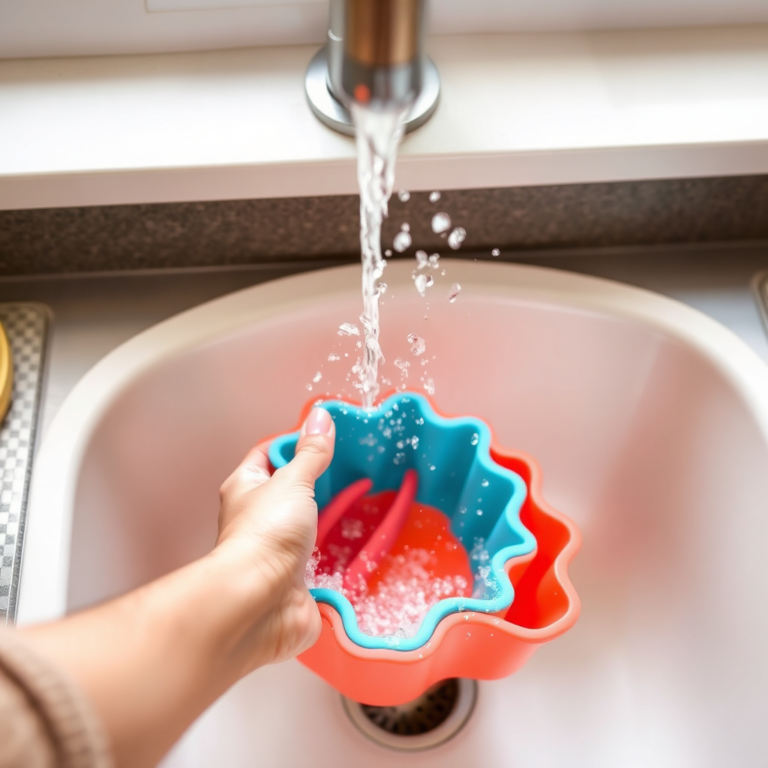
Immediately after use, rinse your aluminum bakeware with warm water to remove any loose food particles. Then wash gently with mild dish soap and a soft sponge, avoiding abrasive motions. Rinse thoroughly and dry promptly with a soft towel to prevent water spots and oxidation.
Regular gentle cleaning maintains the pan's surface and prevents buildup of residues which would require harsher methods later.
Removing Stubborn Stains and Burnt-on Residue
For tougher stains or baked-on food, make a paste mixing equal parts baking soda and water. Apply this to the stained areas and let it sit for 15-20 minutes to loosen residue. Then, gently scrub with a soft sponge and rinse thoroughly. Alternatively, soaking the pan in a solution of warm water and white vinegar for about 30 minutes helps break down grime organically.
Avoid steel wool or metal scrubbers during this process, as they can scratch and damage the aluminum's surface.
- Make baking soda paste
- Soak in vinegar solution
- Use soft sponge for scrubbing
Preventing Damage and Maintaining Shine

Avoiding Common Mistakes That Harm Aluminum Bakeware
Never place aluminum bakeware in a dishwasher unless the manufacturer explicitly says it’s dishwasher-safe; chemicals and high heat can cause discoloration and pitting. Avoid using bleach or abrasive cleaning powders, which aggressively attack the soft metal surface.
Also, do not use metal utensils that may scratch the interior. Gentle cleaning practices help maintain both the appearance and function of your bakeware.
How to Restore Shine to Dull Aluminum Bakeware
To brighten dull aluminum, apply a small amount of cream of tartar mixed with water to form a paste. Rub gently over the surface and then rinse clean. Lemon juice and salt can also be used as a natural remedy; rub with a soft cloth and rinse afterward for a refreshed shine.
These gentle polishing methods help revive the original finish without harsh chemicals.
- Use cream of tartar paste
- Lemon juice and salt rub
- Rinse and dry thoroughly
Alternative Cleaning Methods and When to Use Them

Boiling Method for Heavy Residue
For extremely stubborn burnt-on food, fill the aluminum bakeware with water and add a few tablespoons of baking soda. Heat the pan gently until it simmers for 10-15 minutes, which helps loosen residue. Once cooled, scrub gently with a non-abrasive sponge and rinse.
This method should be used carefully to avoid warping thin bakeware and only when simpler cleaning fails.
Professional Aluminum Cleaner Usage
Some brands offer specialized aluminum cleaning products that can safely remove tough stains and oxidation. Always check that the cleaner specifies compatibility with bakeware and follow all safety instructions.
Professional cleaners can be effective for restoring aged or heavily stained aluminum but are generally reserved for infrequent deep cleaning.
Cleaning Aluminum Bakeware vs. Other Metals
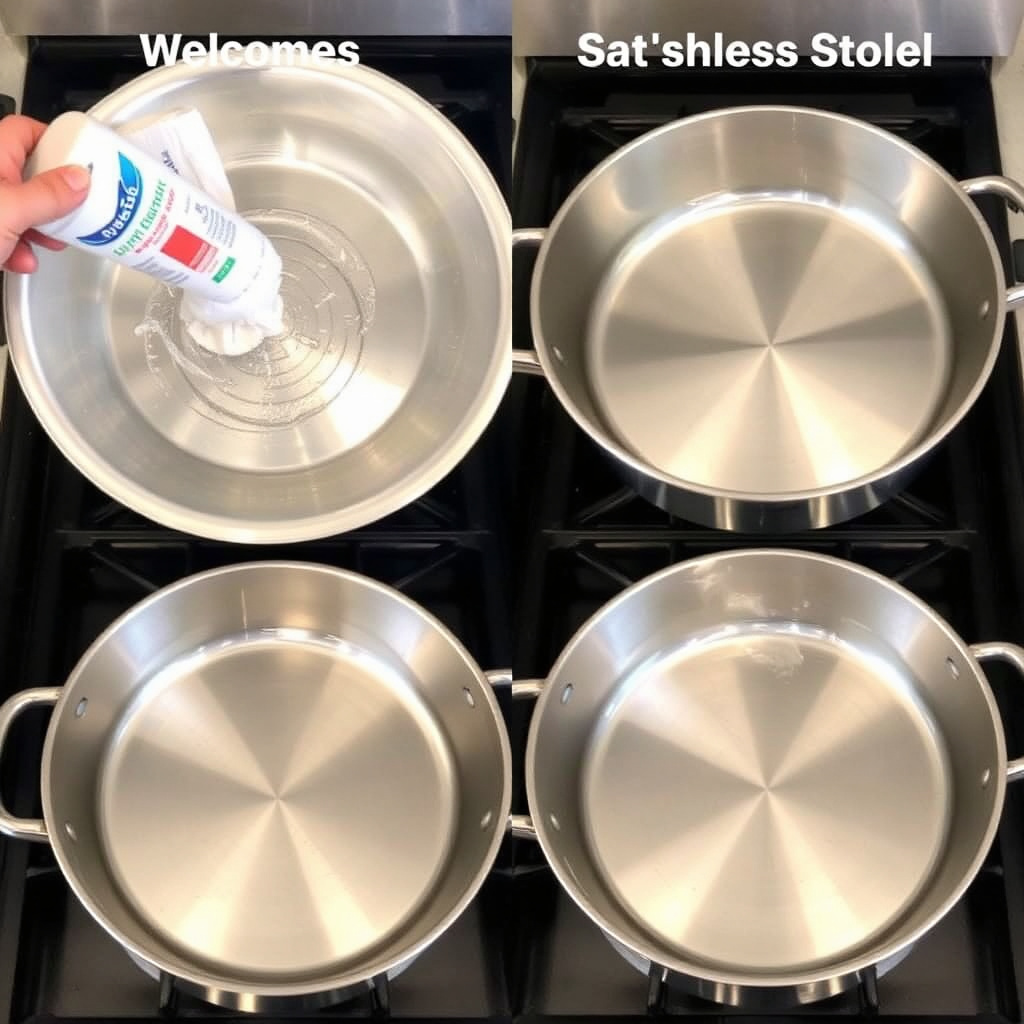
Differences in Cleaning Aluminum and Stainless Steel
Stainless steel is more durable and less reactive, allowing for more aggressive cleaning tools and detergents. Aluminum requires softer handling due to its softer nature and chemical sensitivity. Using abrasive cleaners safe for stainless steel can damage aluminum surfaces.
Understanding these differences helps prevent inadvertent damage when switching between bakeware types in your kitchen.
Best Way to Clean Aluminum Pans Compared to Non-stick Varieties
Non-stick pans usually have coatings that can be ruined by abrasive scrubbing or harsh chemicals. Aluminum pans without coatings benefit from gentle scrubbing and natural cleaning agents. While non-stick pans rely on careful cleaning to preserve the coating, aluminum bakeware cleaning focuses on preventing oxidation and scratches.
Choosing appropriate methods based on bakeware type ensures longevity and performance.
Storage and Care Tips After Cleaning Aluminum Bakeware
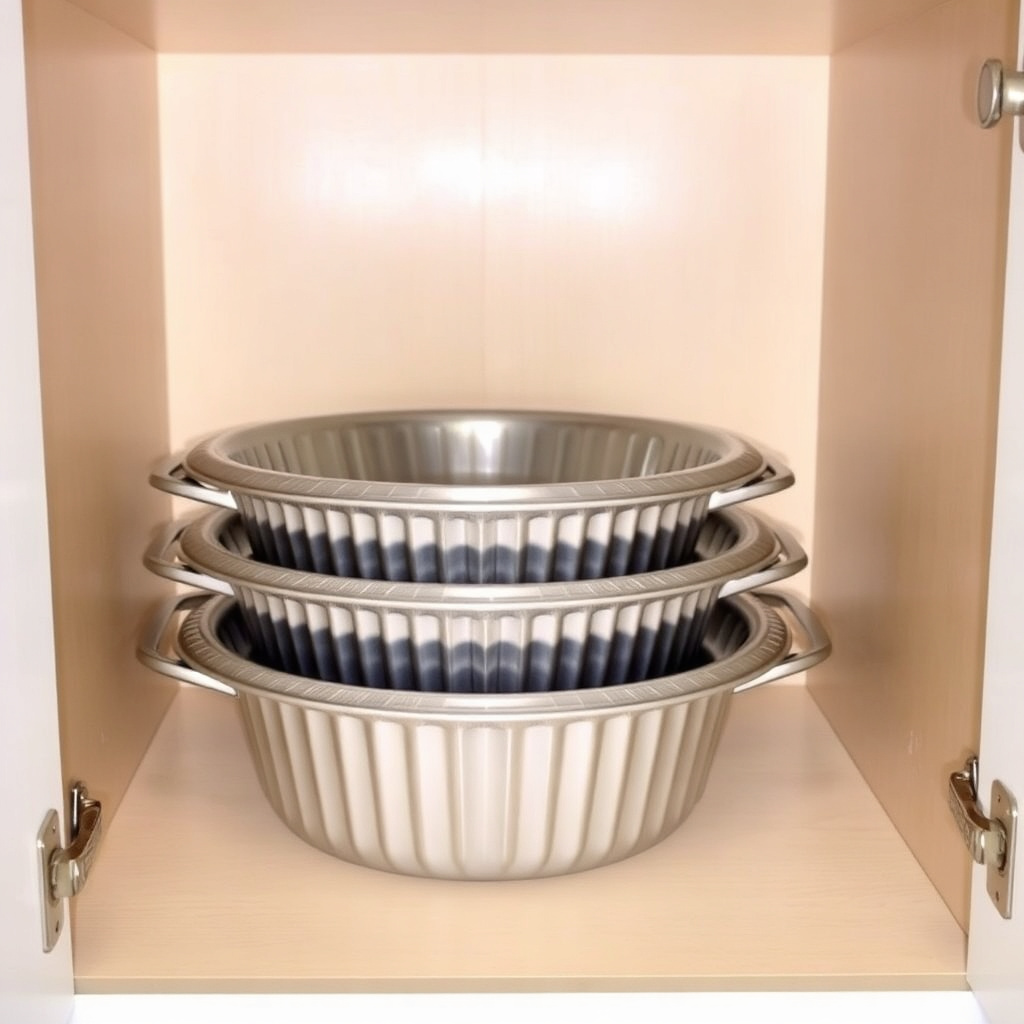
Drying and Storing Aluminum Bakeware
After cleaning, always dry aluminum bakeware completely with a soft towel to avoid water spots and oxidation. Store in a dry area with good air circulation to prevent moisture buildup that can cause corrosion.
Avoid stacking heavy items directly inside aluminum pans if possible to prevent dents and surface damage.
- Dry thoroughly after washing
- Store in a cool, dry place
- Avoid stacking heavy items inside
For additional technical details about aluminum bakeware and its maintenance, the Wikipedia article on aluminum bakeware provides valuable insights. Aluminum bakeware maintenance.
Maintaining Quality Over Time
Regular gentle cleaning combined with proper storage will keep aluminum bakeware in good condition. Avoid repeated exposure to high acidity foods during cooking, which may damage the surface. Seasonal polishing using natural agents like cream of tartar helps maintain the metal’s luster.
With proper care, aluminum bakeware can remain both functional and visually appealing for many years.
Aluminum Bakeware Cleaning Methods Comparison
Here is a comparison of common cleaning methods based on effectiveness, ease, and safety for aluminum bakeware.
| Cleaning Method | Effectiveness | Ease of Use | Surface Safety |
|---|---|---|---|
| Mild Soap & Warm Water | Good for daily cleaning | Very easy | Very safe |
| Baking Soda Paste | Effective on stains | Moderate | Safe, non-abrasive |
| Vinegar Soak | Great for oxidation | Easy | Safe, gentle |
| Boiling with Baking Soda | Very effective on burnt residue | Requires caution | Generally safe if done carefully |
| Commercial Aluminum Cleaner | Highly effective | Easy with instructions | Safe if used properly |
Frequently Asked Questions
Can I put aluminum bakeware in the dishwasher?
Generally, it's best to avoid dishwashers as the detergents and high heat can cause discoloration and damage to aluminum bakeware unless the manufacturer states it is dishwasher-safe.
How do I get rid of black spots on aluminum bakeware?
Black spots are usually oxidation marks. A paste of baking soda and water, or soaking in vinegar, followed by gentle scrubbing often removes these spots without damaging the metal.
Is it safe to use steel wool on aluminum pans?
No, steel wool is too abrasive for aluminum and will scratch and damage the surface, accelerating wear and corrosion.
What natural cleaner works best for aluminum bakeware?
Baking soda and distilled white vinegar are the most effective natural cleaners for aluminum, as they clean without harming the metal surface.
How often should I polish my aluminum bakeware?
Polishing 2-3 times a year with natural agents like cream of tartar or lemon juice is sufficient to maintain shine and reduce oxidation.
Key Takeaways
- Use gentle cleaning supplies and avoid abrasive tools on aluminum bakeware.
- Natural cleaners like baking soda and vinegar safely remove stains and oxidation.
- Avoid dishwashers and harsh chemicals to preserve aluminum's finish.
- Regular cleaning and proper storage extend aluminum bakeware’s lifespan.
Conclusion
Choosing the right cleaning methods for aluminum bakeware involves balancing effectiveness with gentleness to protect the metal's surface. Because aluminum is soft and prone to oxidation, avoiding harsh chemicals, abrasive scrubbers, and high heat is essential. Instead, routine washing with mild soap and warm water, coupled with occasional natural treatments like baking soda paste or vinegar soaks, maintains the bakeware's appearance and prevents long-term damage. This approach simplifies maintenance while keeping your aluminum bakeware ready for use over many years.
If your aluminum bakeware develops stubborn stains or discoloration, the best way to clean aluminum pans involves using baking soda or vinegar-based solutions. These natural agents break down baked-on residue and oxidation without compromising the material. For heavy residues, gentle boiling with baking soda can be effective, while commercial aluminum cleaners offer a more intensive option for deep restoration. Following recommended care routines, such as immediate cleaning after use and careful drying, further protects your investment and ensures your pans stay safe for food preparation.
After mastering these cleaning strategies, your next step should be to implement consistent care and storage procedures—drying thoroughly and storing in a moisture-free environment. This routine prevents corrosion and maintains the finish. With attention to these details, your aluminum bakeware will not only stay clean but also retain its shine and functionality. Maintaining your cookware with the right methods improves cooking results and keeps your kitchen efficient and attractive.