How to Use Silicone Bakeware for Perfect Baking Results
Learn how to use silicone bakeware effectively with expert tips for baking, cleaning, and maintenance to get the best results every time.
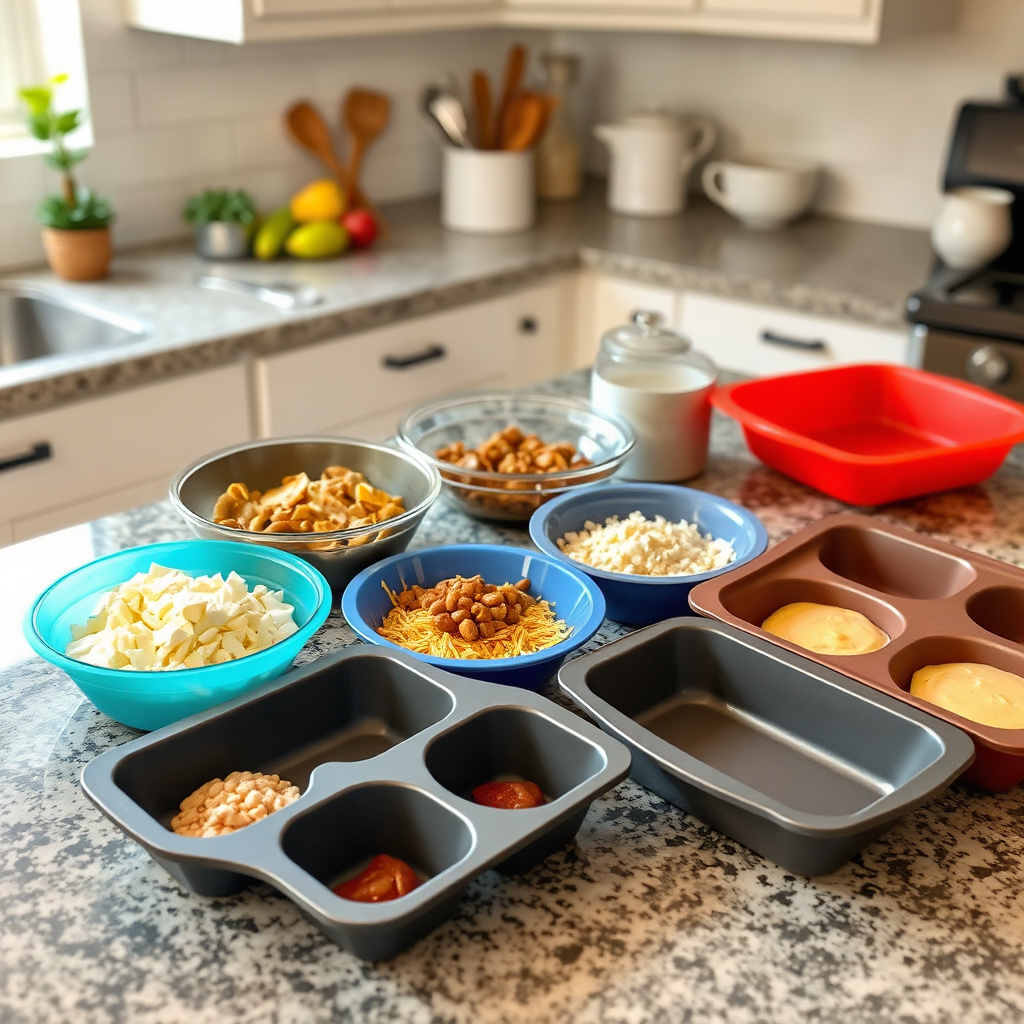
Using silicone bakeware is simple and can improve your baking experience when you understand the best practices. To use silicone bakeware, start by preparing your batter or dough as usual. Most silicone pans don’t require greasing because of their non-stick surface, but a light oiling can help with sticking issues in some recipes. Place the silicone bakeware on a sturdy baking sheet for support, then bake according to your recipe’s instructions, adjusting temperature slightly if needed.
Silicone bakeware’s flexible and heat-resistant nature makes it popular in kitchens, but using it correctly matters to get consistent baking results. Its advantage lies in easy food release and easy clean-up, but it behaves differently than metal pans, especially with heat distribution and stability. Understanding these differences helps avoid problems like uneven cooking or warping.
This article will walk you through how to prepare, bake, clean, and store silicone bakeware. We will also cover important tips on temperature limits, choosing the right molds for different recipes, and how to maintain longevity for your silicone baking molds.
Preparing Silicone Bakeware for Baking
Do You Need to Grease Silicone Bakeware?
Silicone bakeware is naturally non-stick, meaning most recipes won’t require any greasing before use. However, for recipes with higher sugar content or certain sticky batters, applying a thin coat of oil or non-stick spray can prevent sticking and improve clean-up.
Greasing also helps maintain the flexible quality of the silicone by minimizing batter adhesion, especially for intricate shapes and molds. Testing your specific recipe with and without grease in a trial run is a good way to find what works best.
- Non-stick usually sufficient
- Light oiling recommended for sticky batters
- Use oil or non-stick spray sparingly
Supporting Silicone Bakeware During Baking
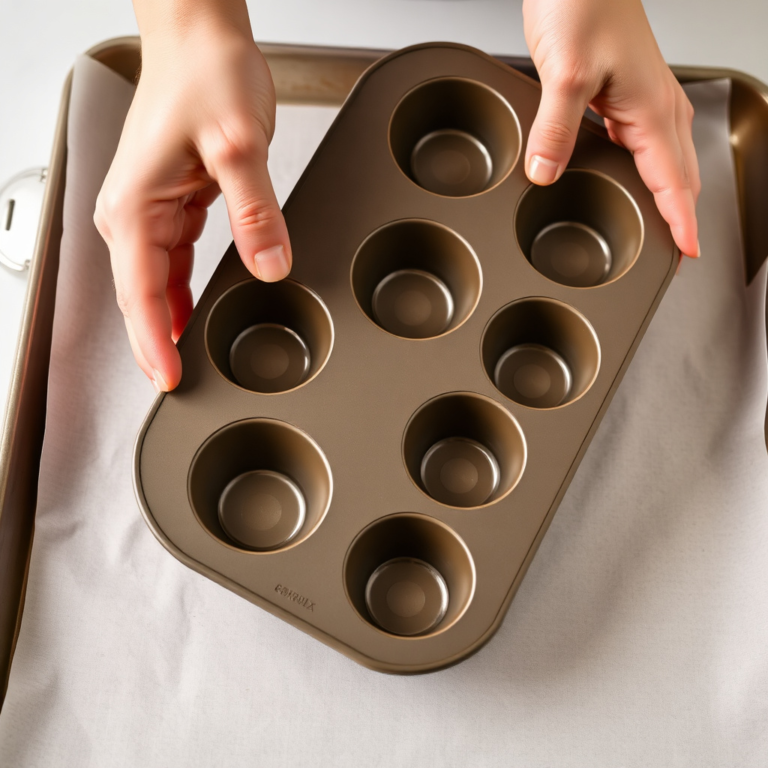
Silicone bakeware is flexible which can make it unstable on its own inside the oven. To prevent spills or deformation, always place the silicone baking molds on a firm baking tray or sheet before filling and baking.
This backing also helps distribute heat more evenly underneath the silicone molds, promoting consistent baking results and maintaining the shape integrity during use.
- Place on baking sheet before use
- Avoid direct oven rack placement
- Provides stability and heat distribution
Baking with Silicone Bakeware

Temperature Settings and Adjustments
Silicone bakeware typically withstands temperatures from -40°F up to 428°F (about 220°C). When baking, it's usually safe to bake at standard recipe temperatures, but lowering the oven temperature by 25°F (about 15°C) can prevent over-browning since silicone doesn’t conduct heat like metal.
Always verify the manufacturer’s temperature guidelines to avoid damaging the silicone material or your bakeware’s shape integrity.
- Max temperature usually around 428°F (220°C)
- Consider lowering oven temp slightly
- Check manufacturer instructions
For more on this, see our related guide: How to Use Silicone Bakeware: A Complete Guide for Perfect Baking.
Checking Doneness and Cooling
Silicone bakeware may make it harder to visually assess doneness because of the flexible structure and color of the mold. Using a toothpick or cake tester remains the best method for baked goods.
Allow baked items to cool in the silicone molds for 5 to 10 minutes before flexing the mold to release. This prevents breakage and helps the baked good retain its shape.
- Use toothpick to test doneness
- Cool inside mold briefly
- Gently flex mold to release
Cleaning and Maintaining Silicone Bakeware

Washing Techniques for Silicone Bakeware
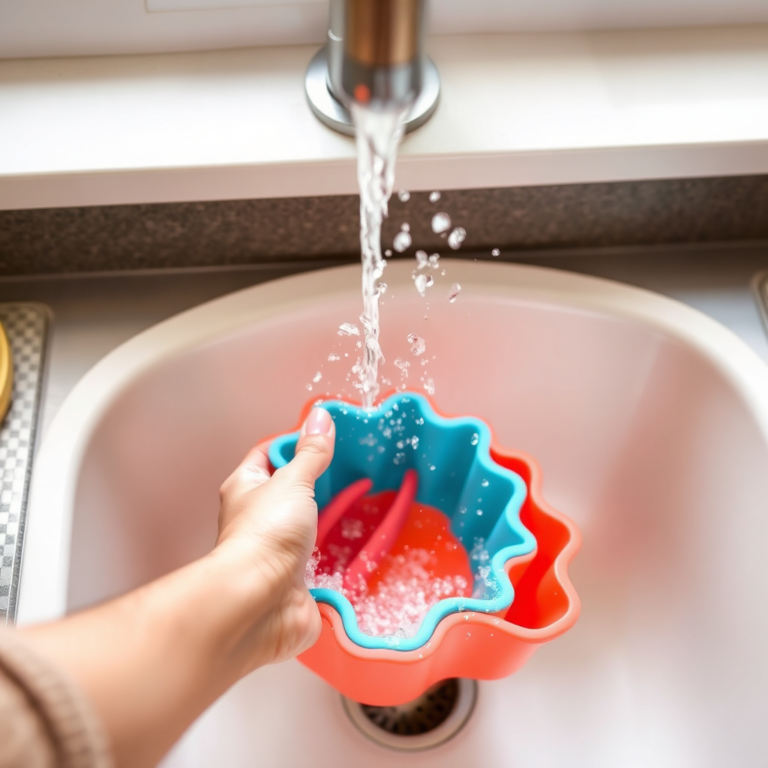
Silicone bakeware can generally be cleaned with warm soapy water or placed on the top rack of a dishwasher. Avoid harsh scrubbing pads as they may damage the surface.
If oily residue or lingering smells occur, soaking in a mixture of vinegar and baking soda or using gentle abrasive cleaners helps restore the surface.
- Use mild dish soap and sponge
- Dishwasher safe in most cases
- Soak if oily or smelly
Storage Tips to Avoid Damage
Store silicone bakeware flat or nested carefully to avoid creasing or folds that could weaken the material. Keep away from direct sunlight or intense heat sources in your kitchen.
Avoid stacking heavy items on top to maintain the shape and longevity of your silicone baking molds.
- Store flat or nested
- Avoid sunlight and heat
- Prevent heavy stacking
Choosing the Right Silicone Baking Molds
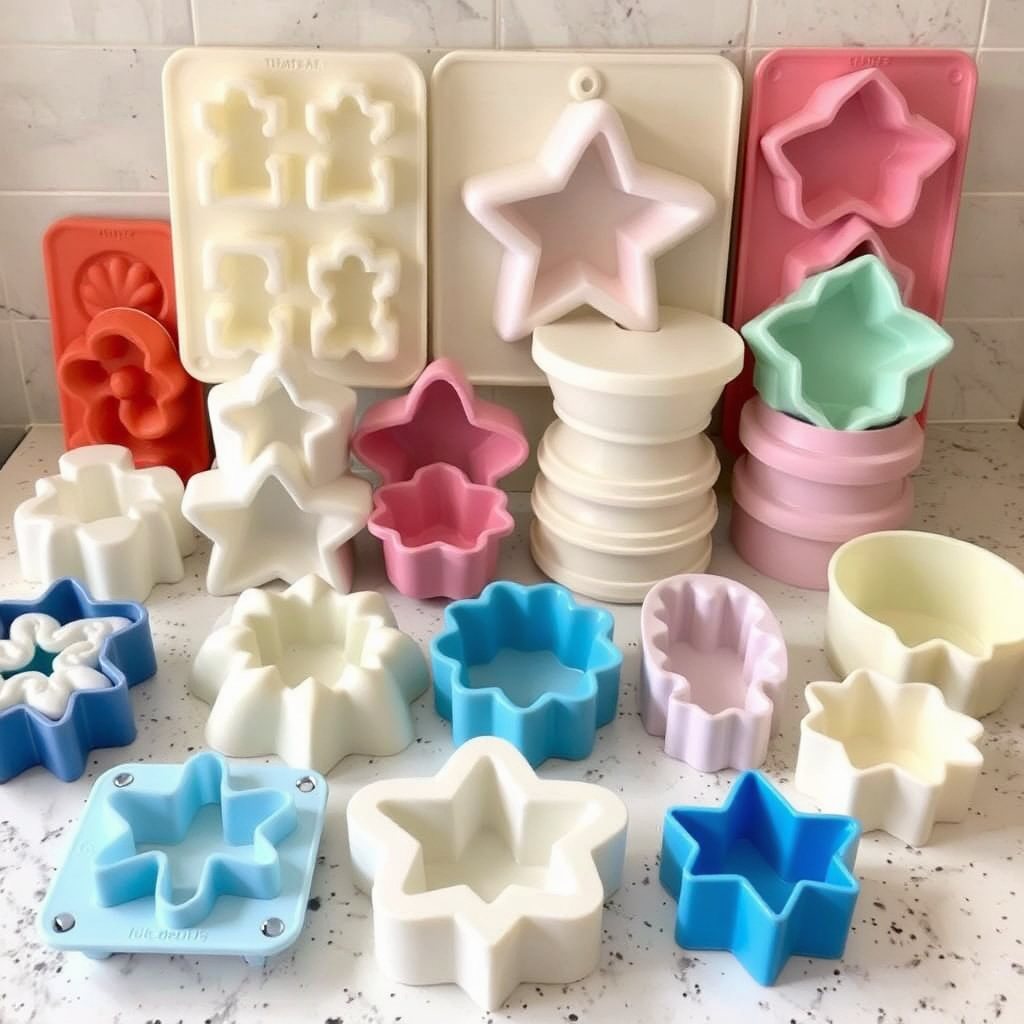
Standard vs Specialty Silicone Bakeware
Standard silicone bakeware includes basic round or square cake pans, loaf molds, and cupcake trays, which are versatile for many common baking needs.
Specialty molds come in varied shapes like flowers, animals, or geometric patterns, offering decorative options ideal for themed baking or creative presentations.
- Standard: basic shapes, multipurpose
- Specialty: decorative, novelty designs
Size and Capacity Considerations
Selecting the appropriate size depends on your recipe volume and oven space. Some silicone baking molds hold small portions for individual servings, while larger pans accommodate cakes or casseroles.
Check the depth and diameter to ensure it fits your baking needs, especially for layered recipes or those needing certain volume control.
- Match mold size to recipe volume
- Consider oven dimensions
- Depth affects baking time and texture
Troubleshooting Common Issues with Silicone Bakeware
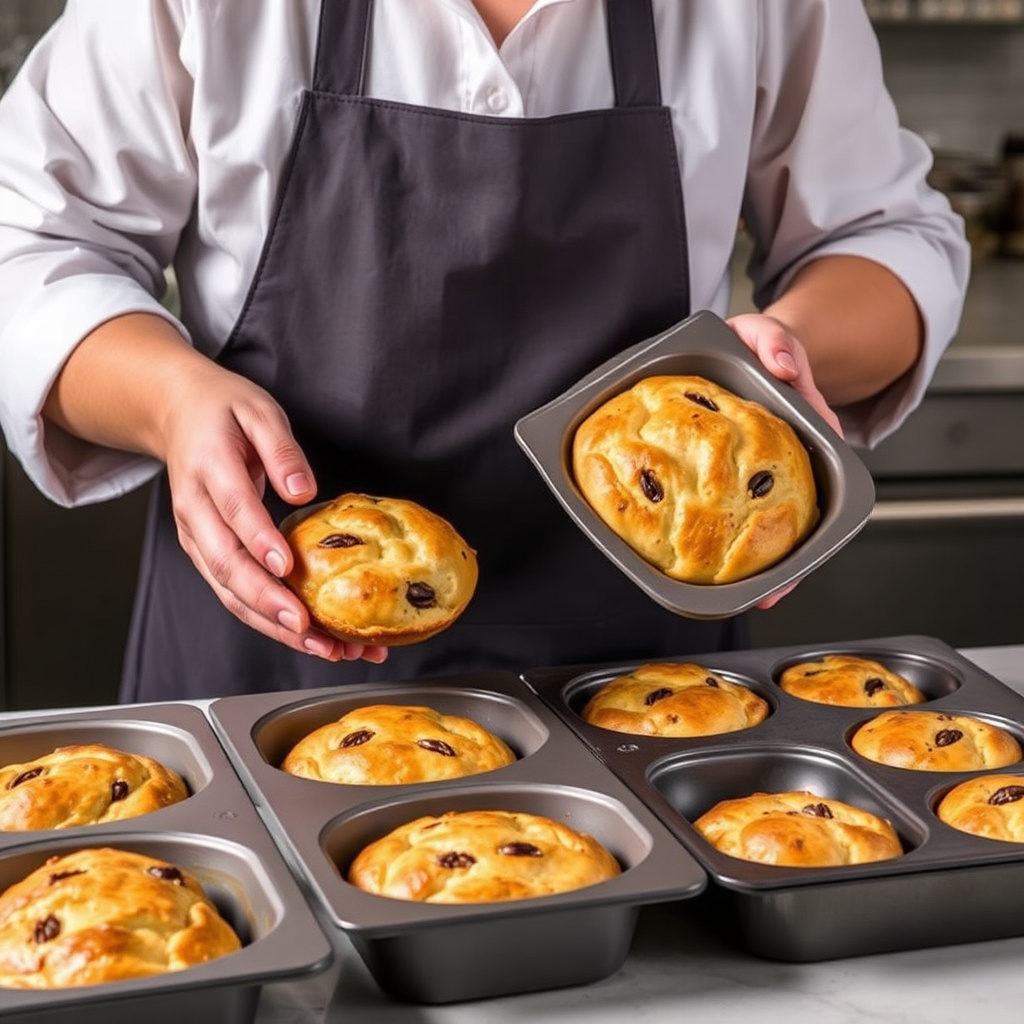
Dealing with Sticking or Tearing
While silicone bakeware is prized for non-stick qualities, some sticky recipes or insufficient greasing may cause sticking. Applying a thin oil layer before use and ensuring proper cooling time helps prevent tearing.
Avoid pulling baked goods harshly from the mold; instead, gently flex the silicone to coax release.
- Light oiling if sticking occurs
- Cool before removal
- Gentle flexing to release
For a detailed overview of silicone bakeware materials and history, consider visiting the dedicated Wikipedia page. Silicone bakeware on Wikipedia.
Warping and Structural Concerns
Silicone molds may warp if exposed to temperatures beyond their maximum range or if placed directly on a hot rack. Using a baking sheet and adhering to temperature limits reduces these risks.
If warping occurs, some molds can be reshaped by warming and gentle reformation, but avoiding damage initially is preferable.
- Use baking sheet for support
- Do not exceed temperature limits
- Handle warped molds carefully
Silicone Bakeware Category Comparison
This table compares popular silicone bakeware types based on shape, ideal uses, and durability to help you choose the right option.
| Category | Shape Options | Best For | Durability | Price Range |
|---|---|---|---|---|
| Standard Cake Pans | Round, Square, Loaf | Everyday baking, cakes, breads | High – Simple design, thick silicone | $10-$25 |
| Cupcake/Muffin Trays | Circular, Miniatures | Cupcakes, muffins, individual portions | Medium – Thin mold, flexible | $8-$20 |
| Specialty Molds | Flowers, Animals, Geometric | Themed baking, decorative desserts | Medium – Often intricate shapes | $15-$35 |
| Silicone Mats | Flat Sheets | Rolling dough, baking cookies, candy work | High – Heat resistant, durable | $15-$30 |
| Miniature Molds | Small shapes, assorted | Petit fours, chocolates, candies | Medium – Delicate, thin silicone | $5-$15 |
Frequently Asked Questions
Do I need to grease silicone bakeware before use?
Usually no, as silicone is naturally non-stick, but lightly greasing can help with sticky recipes to prevent batter from clinging.
Can silicone bakeware go in the dishwasher?
Yes, most silicone bakeware is dishwasher safe and can be cleaned on the top rack, making cleanup convenient.
What temperature can silicone bakeware handle?
Most silicone bakeware can withstand heat up to approximately 428°F (220°C), but verify the specific product guidelines.
Why should I use a baking sheet under silicone molds?
Placing silicone bakeware on a baking sheet provides stability and prevents spills due to silicone’s flexible nature.
How do I prevent my baked goods from sticking to silicone molds?
Cool the baked item in the mold for a few minutes and gently flex the mold to release. Applying a light coating of oil can also help.
Key Takeaways
- Silicone bakeware usually doesn't require greasing but light oil can help with certain recipes.
- Always bake silicone molds on a firm baking sheet for stability and even heat.
- Lower oven temperature slightly to prevent over-browning with silicone bakeware.
- Proper cleaning and storage extend the life of silicone baking molds.
Conclusion
Choosing and using silicone bakeware effectively depends on understanding its unique properties compared to traditional metal pans. This flexible material promotes easy food release and cleanup but requires support during baking and subtle temperature adjustments. Using silicone baking molds thoughtfully improves your baking consistency and helps preserve the material’s lifespan.
Different silicone bakeware types, such as standard cake pans, specialty molds, and cupcake trays, fit various baking needs. For daily baking, sturdy standard pans offer reliability, while decorative molds add flair for special occasions. Adjust your oven temperature slightly to prevent overly dark crusts, and always support flexible bakeware on a baking sheet to avoid spills and shape deformation.
Next time you bake, try applying these insights by testing baking without grease for simple batters and adding light oil for stickier recipes. Use your silicone baking molds on stable trays, follow temperature guidelines, and maintain your bakeware through gentle cleaning. The right approach transforms silicone bakeware into an indispensable tool for creative and easy baking.


2 Comments