How to Use Silicone Bakeware for Perfect Baking Every Time
Learn how to use silicone bakeware properly with these simple tips for best results. Get perfect baked goods without sticking or mess every time.

Silicone bakeware is a flexible, non-stick alternative to traditional metal or glass pans, perfect for baking cakes, muffins, and more. To use it correctly, preheat your oven and place the silicone pan on a stable baking tray for support, as the flexible material alone isn't rigid enough. Prepare your batter as usual, pour it directly into the silicone mold, and bake within the recommended temperature limits, typically up to 450°F (232°C).
Understanding how to use silicone bakeware properly matters because its flexibility and non-stick nature can change how baked goods cook and release. Unlike metal pans, silicone doesn’t conduct heat as quickly, which might require adjusted baking times. Also, its ease of cleanup and resistance to sticking makes it a popular choice for both amateur and experienced bakers who want to avoid greasing or flouring pans.
This article will cover the key aspects of using silicone bakeware effectively, including preparation, baking techniques, cleaning tips, and safety precautions. Additionally, it will provide guidance on selecting the right silicone bakeware for different baking needs and compare it to other common bakeware types.
Preparing Silicone Bakeware for Baking
Do You Need to Grease Silicone Bakeware?
Most silicone bakeware is inherently non-stick, which means you often don’t need to grease it before adding your batter. However, light greasing or dusting with flour can help ensure easy release for certain sticky recipes like cheesecakes or sticky buns.
Testing your particular silicone bakeware with different greasing methods will help you decide. Some recipes with sugary or high-fat content may still stick slightly, so a thin layer of oil or butter can be beneficial.
- Usually no greasing required
- Apply light oil or butter for sticky recipes
- Avoid heavy greasing to maintain non-stick properties
Using a Baking Sheet for Stability
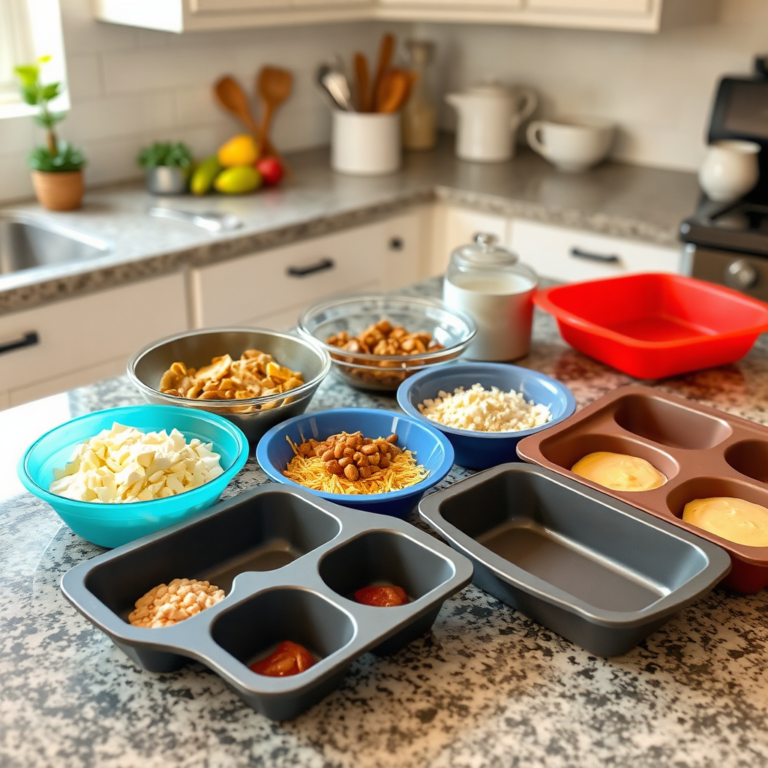
Because silicone bakeware is flexible, it’s important to place your silicone mold on a stable baking sheet or tray before adding batter and placing it in the oven. This prevents spills and helps the bakeware keep its shape throughout baking.
A standard metal or glass baking sheet works well. This also makes it easier to transfer the silicone pan to and from the oven without distortion.
- Preheat oven fully before use
- Place silicone bakeware on a flat baking sheet
- Avoid putting silicone directly on oven racks
Baking Techniques and Temperature Guidelines

Temperature Limits for Silicone Bakeware
Silicone bakeware commonly withstands temperatures up to 450°F (232°C), although checking the manufacturer’s specific temperature rating is important to avoid damaging the material. Avoid broiling or exposing silicone molds to direct flame sources.
Keep in mind that silicone doesn't conduct heat as quickly as metal, which can sometimes increase baking time slightly and require temperature adjustments in recipes originally designed for metal pans.
- Maximum temperature usually 450°F (232°C)
- No broiling or direct flame exposure
- Adjust baking times as needed
For more on this, see our related guide: How to Use Silicone Bakeware for Perfect Baking Results.
Adjusting Baking Times and Monitoring
Since silicone holds heat differently than metal or glass, baked goods can take a little longer to cook through. Start by following the recipe’s recommended time, but test doneness with a toothpick several minutes earlier and then more frequently after.
Monitoring your bake this way prevents overcooking, especially for delicate items like cupcakes or custards, and helps you get consistent results.
- Begin with suggested baking time
- Test doneness early using toothpick
- Increase time in small increments if needed
Cleaning and Maintenance Tips for Silicone Bakeware
Cleaning After Use
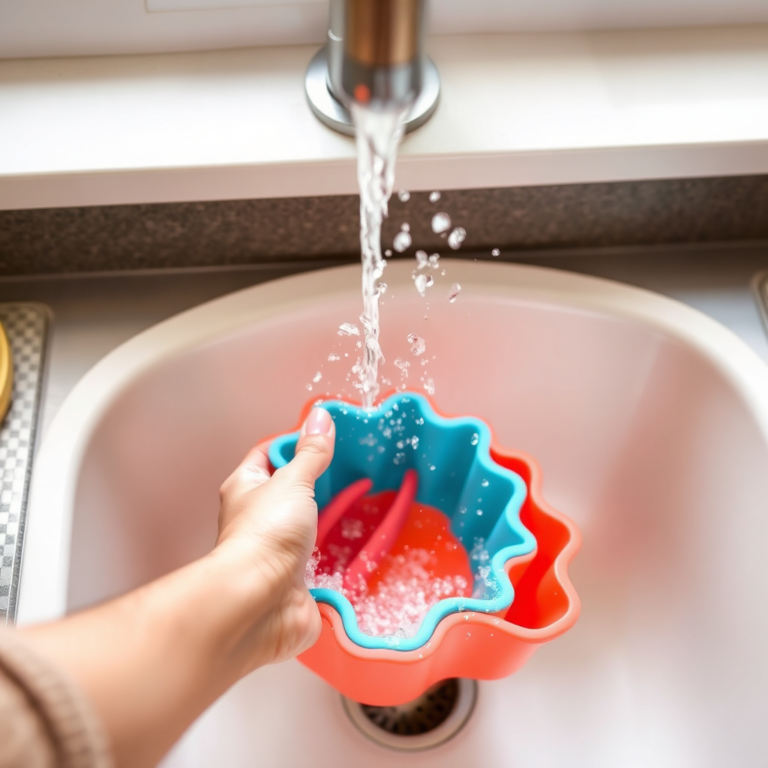
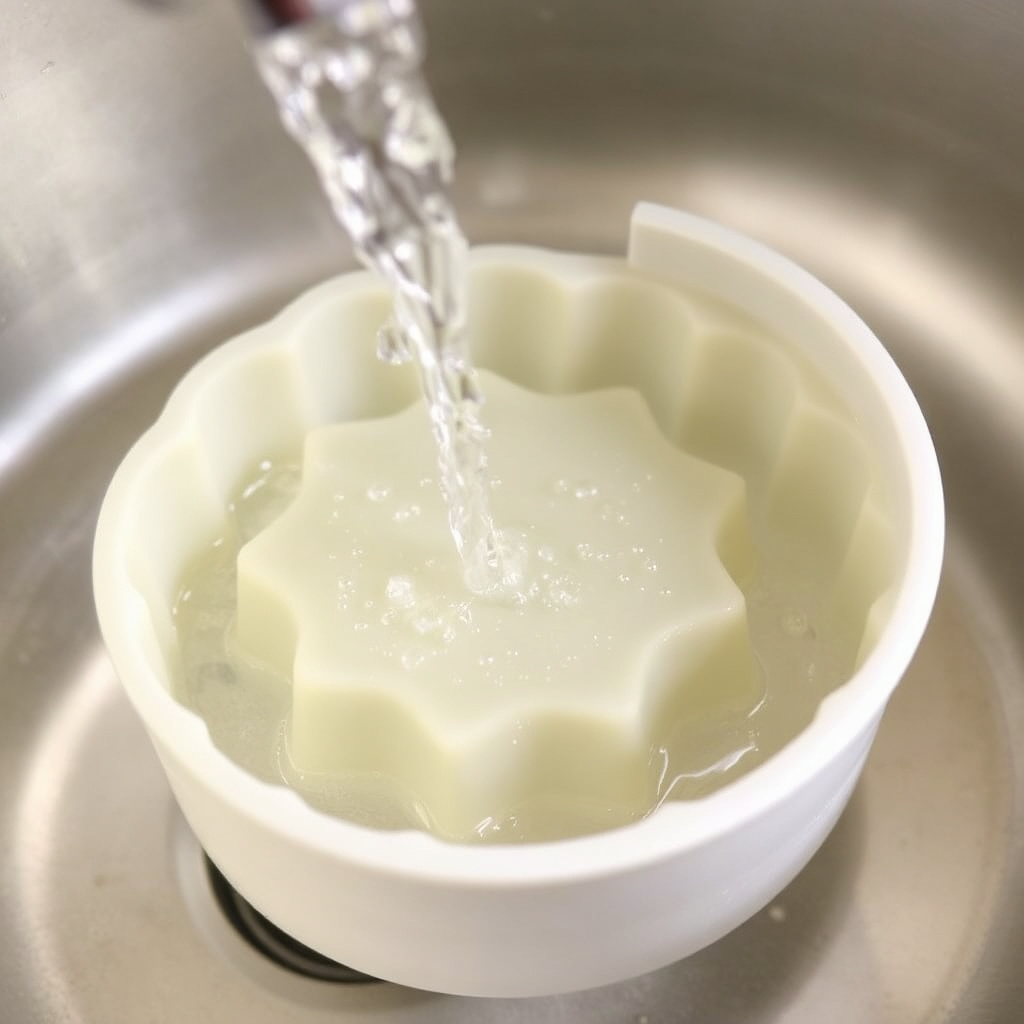
Silicone bakeware is dishwasher safe but can also be washed by hand with warm, soapy water. Avoid abrasive scrubbers that might damage the surface. Residual grease or oils can be removed by soaking in hot water or using a baking soda paste.
Proper cleaning ensures your silicone mold remains non-stick and lasts longer.
- Hand wash or dishwasher safe
- Avoid abrasive cleaning tools
- Use baking soda for stubborn residue
Storing and Handling Silicone Bakeware
Store silicone bakeware flat or hanging to maintain its shape. Avoid folding or crushing it, which can create creases or tears. Keep it away from sharp objects that might puncture the material.
Handling silicone carefully helps preserve its durability and baking performance over time.
- Store flat or hang to keep shape
- Avoid sharp or heavy objects
- Inspect for damage before use
Choosing the Right Silicone Bakeware
Types and Shapes Available
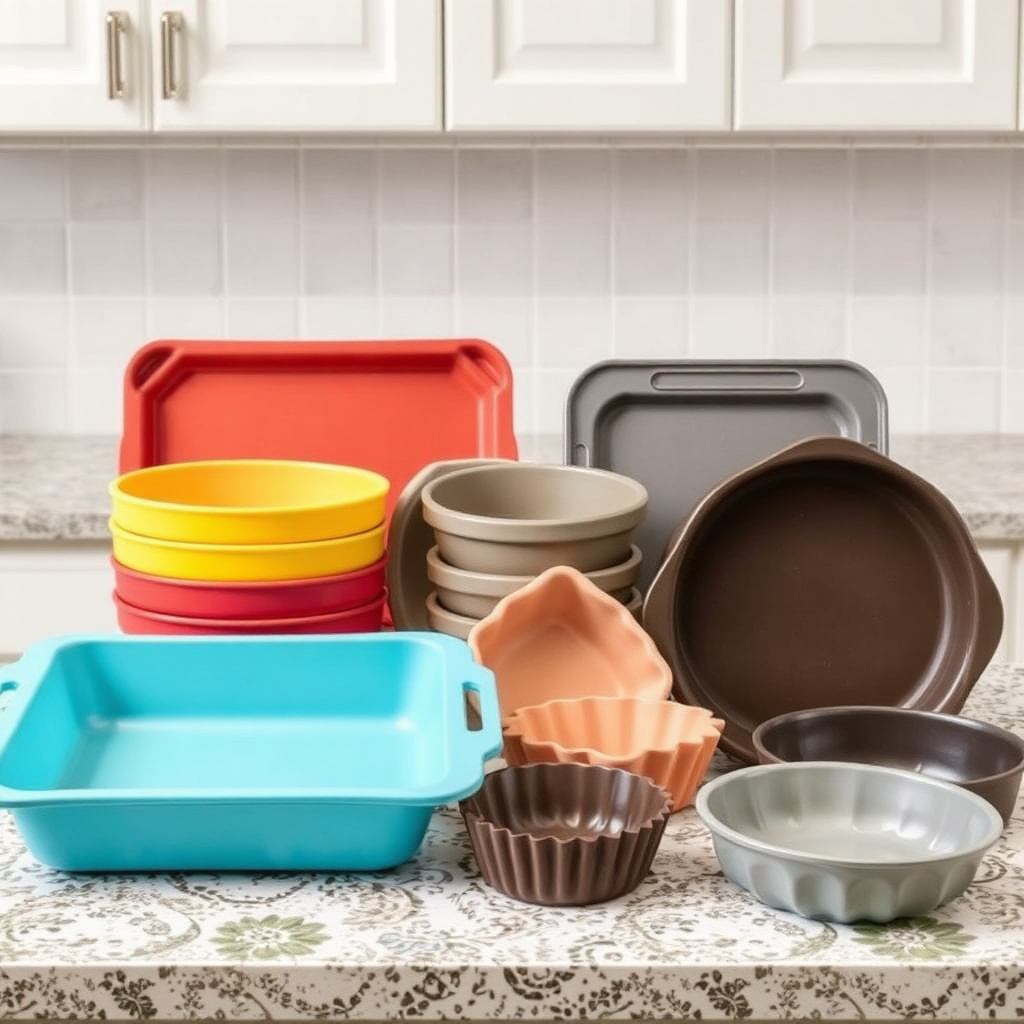
Silicone bakeware comes in numerous shapes including loaf pans, muffin trays, cake molds, and novelty shapes like hearts or animals. Choose the type best suited for your baking preferences and occasions.
Size also matters; larger molds require longer baking times and may need more batter.
- Loaf pans, muffin trays, cake molds
- Novelty shapes for themed baking
- Various sizes available
For more on this, see our related guide: How to Use Silicone Bakeware: A Complete Guide for Perfect Baking.
Quality Indicators to Look For
High-quality silicone bakeware is made from food-grade, BPA-free silicone that withstands temperature fluctuations without cracking or warping. Look for molds with reinforced edges or embedded mesh for added support.
A trustworthy brand with positive reviews can provide assurance of durability and safety.
- Food-grade, BPA-free silicone
- Reinforced or mesh-embedded molds
- Brands with reliable customer feedback
Comparing Silicone to Other Bakeware Materials
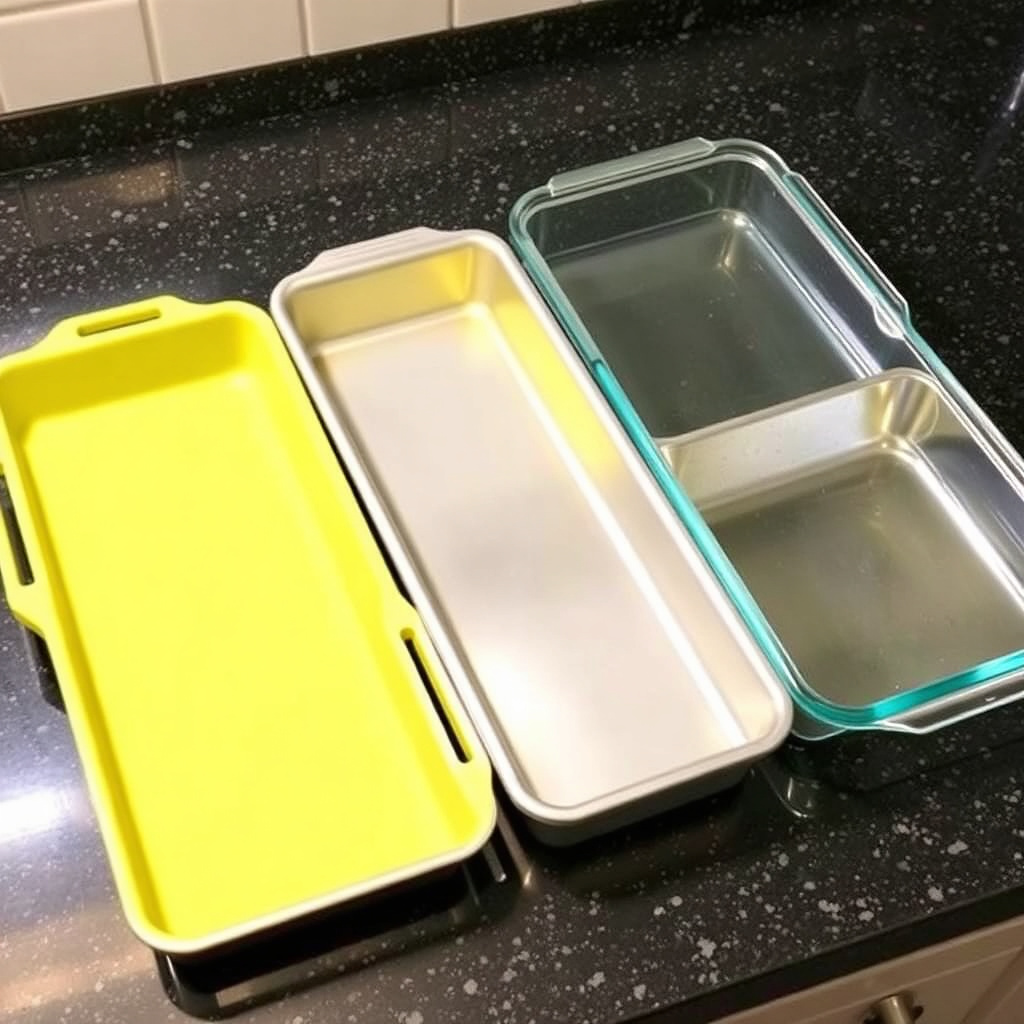
Advantages of Silicone Bakeware
Silicone is flexible, non-stick, lightweight, and resistant to stains and odors. It simplifies unmolding baked goods and offers easy cleanup compared to metal or glass pans. Additionally, its insulating properties help prevent over-browning.
Its storage convenience and dishwasher safety are extra benefits for busy kitchens.
- Flexible and non-stick
- Lightweight and easy to clean
- Doesn’t rust or stain
For more technical information and history on silicone bakeware, visit the Silicone bakeware details on Wikipedia. Silicone bakeware details on Wikipedia.
Limitations and When to Avoid Silicone
Silicone bakeware does not brown baked goods as well as metal pans due to slower heat conduction. It’s less suitable for recipes requiring crispy crusts or high-heat broiling.
Also, its flexibility requires placing it on a rigid tray during baking to maintain shape.
- Slower heat conduction than metal
- Less effective browning and crisping
- Needs support for shape stability
Silicone Bakeware vs. Traditional Bakeware Comparison
Here’s a comparison of silicone bakeware with metal and glass options highlighting key features and use cases.
| Bakeware Type | Heat Conduction | Stick Resistance | Flexibility | Clean-Up Ease | Best Use Cases |
|---|---|---|---|---|---|
| Silicone | Slower | High (non-stick) | Very flexible | Very easy | Muffins, cakes, novelty shapes |
| Metal | Fast | Medium (needs greasing) | Rigid | Moderate | Breads, pies, roasting |
| Glass | Moderate | Low (needs greasing) | Rigid | Moderate | Casseroles, pies, even baking |
Frequently Asked Questions
Can I use silicone bakeware in the microwave and freezer?
Yes, silicone bakeware is microwave and freezer safe due to its flexible, heat-resistant properties. This makes it convenient for multi-use, including baking, reheating, and freezing leftovers.
Does silicone bakeware affect baking times?
Baking times can be slightly longer with silicone bakeware because it heats more slowly than metal. It's best to monitor your food closely and test for doneness a few minutes before the recipe’s suggested time.
How do I prevent my baked goods from sticking to silicone pans?
While silicone is naturally non-stick, lightly greasing or dusting with flour can help with very sticky recipes. Allowing the baked goods to cool a bit before unmolding also aids in easy release.
Is silicone bakeware durable and long-lasting?
Food-grade silicone bakeware is durable and resistant to cracking or warping if used properly. Proper cleaning and careful storage extend its lifespan significantly.
Can silicone bakeware be used for broiling?
No, silicone bakeware is not suitable for broiling as it cannot withstand the direct, intense heat and may melt or deform under such conditions.
Key Takeaways
- Place silicone bakeware on a rigid tray to prevent spills
- Usually no need to grease, but light oiling can help with sticky foods
- Monitor baking time as silicone heats slower than metal
- Clean gently and store carefully to maintain durability
Conclusion
When deciding how to use silicone bakeware effectively, the focus should be on understanding its unique characteristics such as flexibility, slower heat conduction, and non-stick surface. By placing it on a sturdy baking sheet and possibly adjusting baking times, you can achieve results comparable to traditional bakeware without the mess of sticking or difficult cleanup.
For everyday baking tasks like muffins, cakes, and shaped desserts, silicone offers convenience and easy release, especially with the best silicone bakeware tips like minimal greasing and using proper temperature settings. However, for recipes requiring crisp crusts or browning, metal pans remain a better choice. Selecting the right bakeware based on your recipe's demands improves the final outcome.
Start by testing silicone molds with familiar recipes to gauge timing and release performance. Keeping the molds clean and undamaged will extend their useful life. Once you feel comfortable, experimenting with different shapes and designs can add creative flair while enjoying the practical benefits of silicone bakeware.