How to Choose Non Toxic Rice Cookers for Healthier Cooking
Discover the best non toxic rice cookers that offer safe, chemical-free cooking. Learn how to select a rice cooker free from harmful materials.

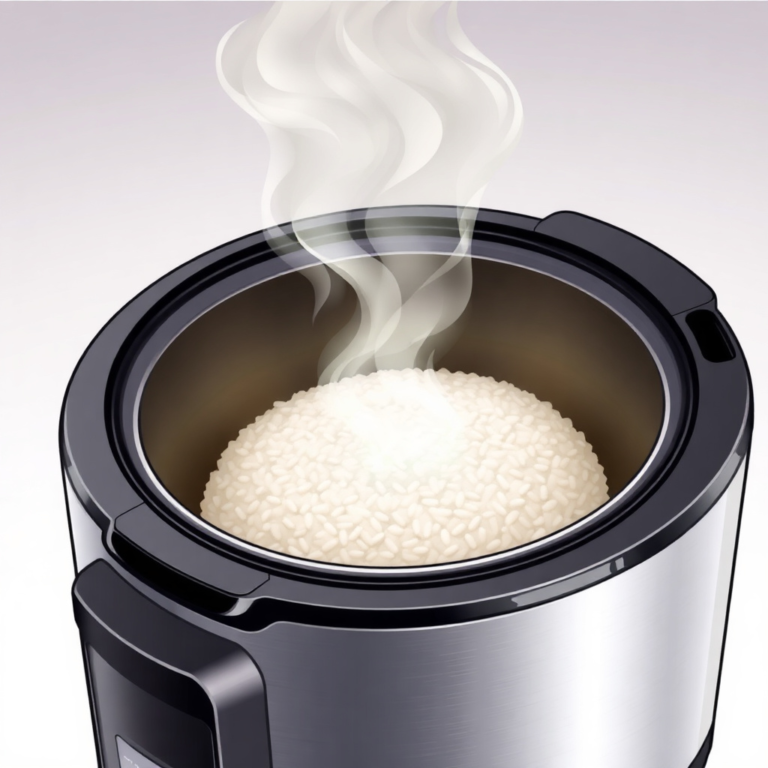
Non toxic rice cookers are kitchen appliances designed without harmful chemicals such as BPA, PFOA, and PTFE, which can leach into your food during cooking. Selecting a non toxic rice cooker means prioritizing materials like stainless steel, ceramic, or glass-coated pots to avoid exposure to toxins.
Choosing a rice cooker without toxic coatings is essential for anyone concerned about health impacts from repeated exposure to synthetic substances often found in traditional nonstick cookware. Harmful compounds can degrade over time and release fumes or particles, potentially affecting long-term well-being.
This article explains the attributes that define non toxic rice cookers, compares material options, and highlights features to consider. We’ll also cover price ranges, maintenance tips, and how these choices fit into a health-conscious kitchen routine.
Understanding Non Toxic Materials in Rice Cookers
Stainless Steel Options
Stainless steel rice cookers are prized for their durability and inert nature, meaning they do not react chemically with food. They avoid harmful coatings entirely, making them a safe choice for non toxic cooking appliances.
However, stainless steel pots often lack the nonstick convenience of coated alternatives, so they may require a bit more oil or attention during cooking to prevent sticking.
- Durable and chemical-free
- Non-reactive with acidic foods
- Requires careful cleaning to avoid food sticking
Ceramic and Glass-Coated Pots
Ceramic or glass-coated inner pots provide a natural nonstick surface without toxic chemicals. These surfaces can resist scratching and maintain food flavor without releasing harmful fumes.
They tend to need gentle utensils and cleaning methods to prolong their lifespan, as harsh scrubbing may chip the coating.
- Non toxic coating alternative
- Easy food release with minimal oil
- Fragile compared to metal pots
Identifying Common Toxins to Avoid in Rice Cookers
BPA and Plastic Components
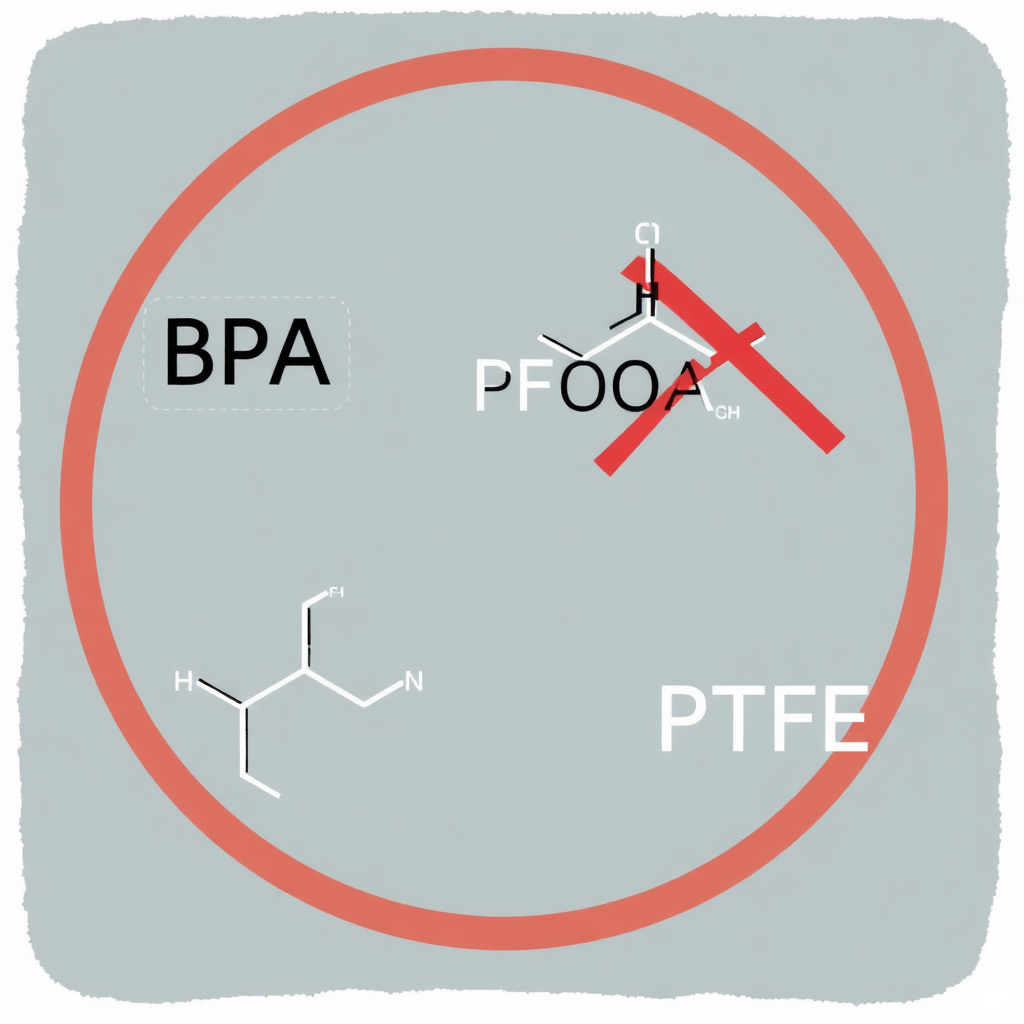
Bisphenol A (BPA) is an industrial chemical often found in plastic parts of cookers and lids. BPA exposure has been linked to health concerns, so choosing rice cookers with BPA-free plastics or all-metal bodies avoids this risk.
Labels and product specifications usually indicate BPA-free status, so check for this information before buying if plastics are present in the design.
- BPA-free plastics recommended
- Avoid cookers with plastic steam vents or handles unless BPA-free
PFOA and PTFE Nonstick Coatings
PFOA (perfluorooctanoic acid) and PTFE (polytetrafluoroethylene) are chemicals used in traditional nonstick surfaces such as Teflon. These can emit toxic fumes if overheated and may degrade over time.
Many non toxic rice cookers avoid these coatings or use ceramic-based alternatives to provide a safer cooking surface.
- Avoid Teflon or traditional nonstick coatings
- Look for ceramic, enamel, or stainless steel pots
Evaluating Rice Cooker Features for Safe Cooking

Temperature Control and Safety Features
Good non toxic rice cookers often incorporate accurate temperature sensors and automatic shutoff functions to prevent overheating, which protects both the appliance and your food’s safety.
These features help minimize the chance of damaging nonstick surfaces or causing harmful fumes from accidental high heat.
- Automatic keep-warm function
- Overheat protection sensors
Capacity and Cooking Programs
Non toxic rice cookers are available in a range of capacities to suit singles, couples, or families. Multi-function cooking programs for steaming, slow cooking, or even porridge preparation add versatility without compromising material safety.
Choose a capacity that fits your typical meal preparation size to avoid unnecessary energy use.
- 1 to 10 cup capacity options
- Preset cooking modes for different rice types
Maintaining Non Toxic Rice Cookers for Longevity
Cleaning Techniques for Ceramic and Stainless Steel
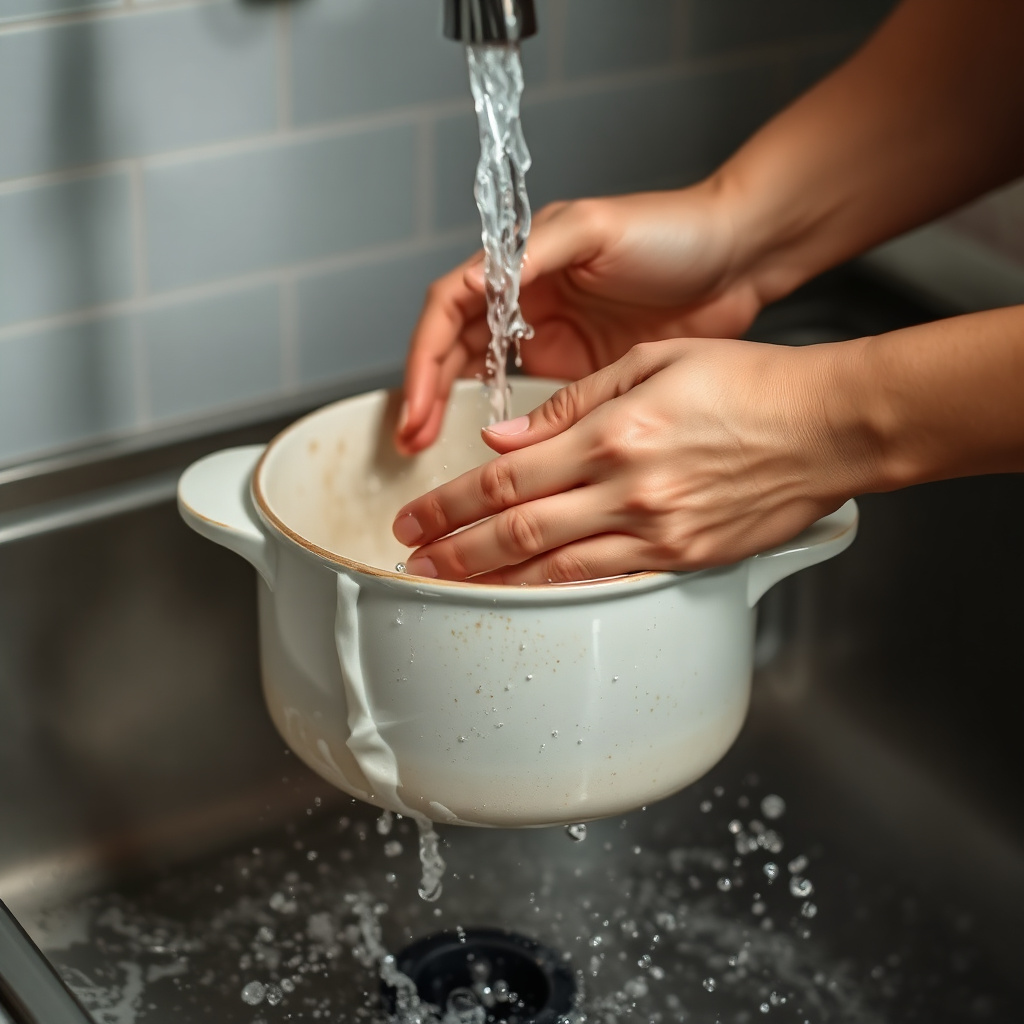
Ceramic surfaces require gentle cleaning with soft sponges and mild detergents to preserve the nonstick coating. Abrasive cleaners or steel wool can cause damage.
Stainless steel pots can handle tougher scrubbing but should be cleaned promptly after use to prevent discoloration or residue buildup.
- Use non-abrasive cleaning tools
- Avoid dishwasher if manufacturer advises
Storage and Handling Tips
Store your rice cooker and its parts in a dry place to avoid corrosion or mold growth. Avoid stacking heavy objects on ceramic pots to prevent chipping or cracking.
Handle with care when moving the cooker especially if it has fragile glass or ceramic parts.
- Keep dry and clean when stored
- Avoid impacts or harsh handling
Price Ranges and Brands Offering Non Toxic Rice Cookers
Budget Friendly Non Toxic Options
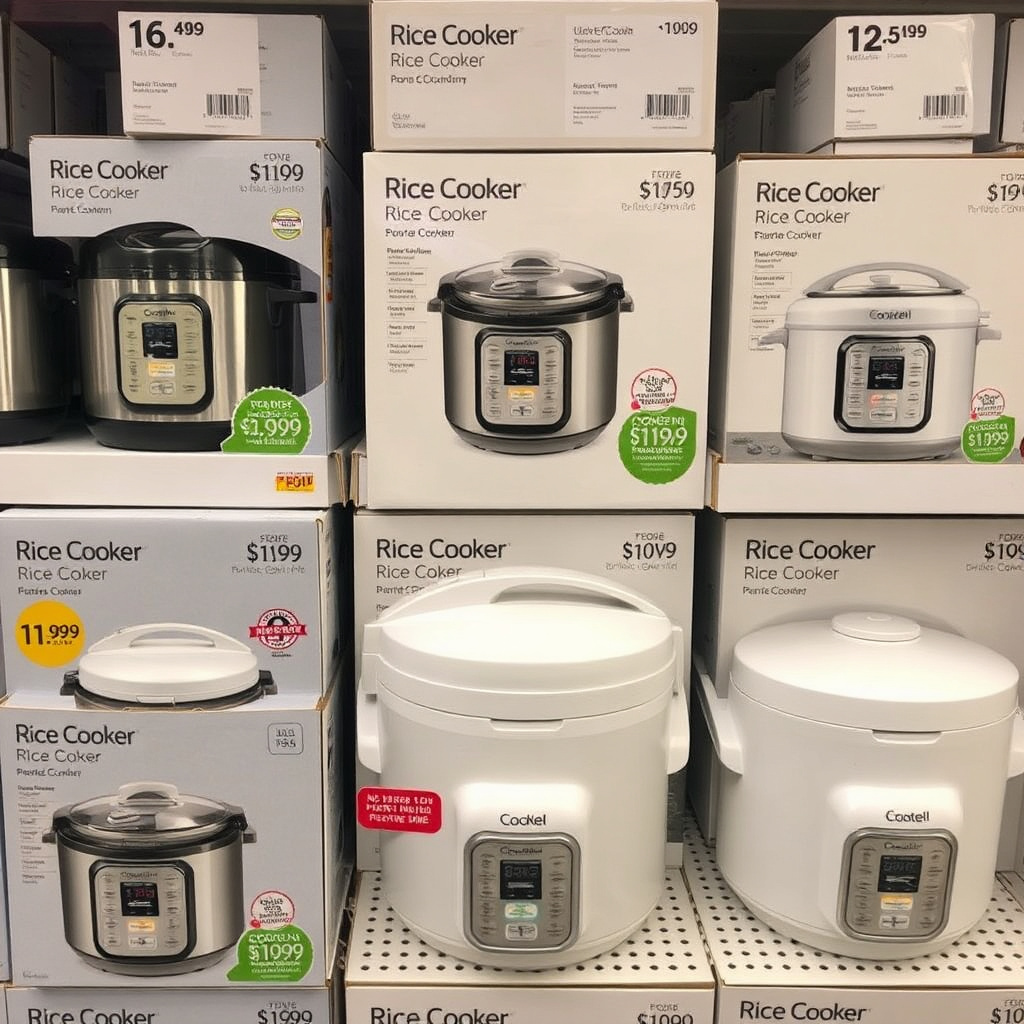
Affordable rice cookers with stainless steel or basic ceramic pots can often be found under $50. They may have fewer features but deliver reliable non toxic cooking.
These models cater well to those who prioritize health but do not need many advanced functions.
- Simple controls and designs
- Basic safety features included
Premium Models with Advanced Features
Higher-end non toxic rice cookers offer digital controls, multiple cooking settings, and higher-grade ceramic or stainless steel materials ranging from $100 to $300.
Brands focusing on health-conscious products include Zojirushi with ceramic-coated pots and Aroma Housewares with BPA-free designs.
- Precise heating technology
- Multi-purpose functions
Benefits of Switching to Non Toxic Rice Cookers

Health Improvements Over Time
Using non toxic materials reduces the risk of ingesting hazardous compounds that can accumulate with everyday cooking. This helps maintain better overall wellness, especially for sensitive individuals or children.
Over time, less exposure to BPA and PFOA can contribute to fewer hormone-related health concerns.
For more details on how rice cookers work and their history, visit the Rice cooker Wikipedia page. Rice cooker – Wikipedia.
Environmental and Sustainability Considerations
Non toxic rice cookers often involve more sustainable production practices and materials that are recyclable or have longer lifespans, reducing waste.
Choosing these products supports manufacturers focused on safer, eco-friendly home appliances.
Non Toxic Rice Cooker Material Comparison
Here’s a quick look at different rice cooker materials, noting safety, durability, and ease of cleaning among the common options.
| Material | Safety Level | Durability | Cleaning Ease | Price Range |
|---|---|---|---|---|
| Stainless Steel | High – inert, no chemicals | Very durable | Moderate – no nonstick | $40-$150 |
| Ceramic Coated | High – no toxic coatings | Moderate – coating can chip | Easy with care | $50-$250 |
| Teflon Nonstick | Low – PFOA/PTFE risks | Moderate – coating wears | Very easy | $30-$100 |
| Glass-coated | High – no toxins | Fragile | Easy but gentle | $60-$200 |
| Aluminum with Nonstick | Low – possible chemical exposure | Moderate | Very easy | $25-$80 |
Frequently Asked Questions
Are stainless steel rice cookers really non toxic?
Yes. Stainless steel is a non reactive, safe metal that doesn't contain chemical coatings. It’s among the safest materials for rice cookers available today.
Can ceramic coating chip or wear off?
Ceramic coatings can chip if treated roughly or cleaned abrasively. Always use soft utensils and gentle cleaning methods to maintain the non toxic surface.
Is BPA present in most rice cooker plastics?
Not all, but BPA is common in some plastic components. Look for BPA-free labels to ensure your rice cooker avoids this chemical.
Do non toxic rice cookers cost more than regular ones?
They can be pricier due to safer materials and higher quality construction. However, budget options exist that still offer health-conscious designs.
How should I clean my non toxic rice cooker pot?
Clean ceramic and stainless steel pots with mild detergent and a soft sponge. Avoid harsh scrubbing to protect nonstick coatings and surfaces.
Key Takeaways
- Non toxic rice cookers use safe materials like stainless steel or ceramic coatings.
- Avoid rice cookers with BPA plastics and PFOA/PTFE nonstick surfaces.
- Feature sets vary; choose according to capacity, cooking modes, and safety controls.
- Proper care and cleaning extend the life of your healthy rice cooker.
Conclusion
Choosing a non toxic rice cooker means focusing on materials that don't release harmful chemicals during cooking, such as stainless steel or ceramic-coated pots. This attention to material safety helps reduce daily chemical exposure, benefiting your health over time. Understanding your needs, whether it's simple rice cooking or multi-function use, guides the best selection weighing durability, cleaning ease, and price.
Budget-friendly rice cookers with stainless steel pots offer great non toxic cooking for those prioritizing safety and simplicity without premium features. Meanwhile, premium models with ceramic coatings and digital controls appeal to users seeking versatility and precision. Avoiding BPA plastics and traditional nonstick coatings across all options fortifies your kitchen’s health environment.
Next, review specific brands that emphasize non toxic materials and compare models within your preferred price range. Be mindful of product care instructions to protect coatings and maintain safety. By committing to a non toxic rice cooker, you create a cleaner, safer cooking experience that supports long-term wellness for you and your family.