Can Rice Cookers Cook Quinoa? A Complete Guide
Discover if rice cookers can cook quinoa and how to do it perfectly. Learn tips for using rice cookers to prepare fluffy quinoa efficiently.
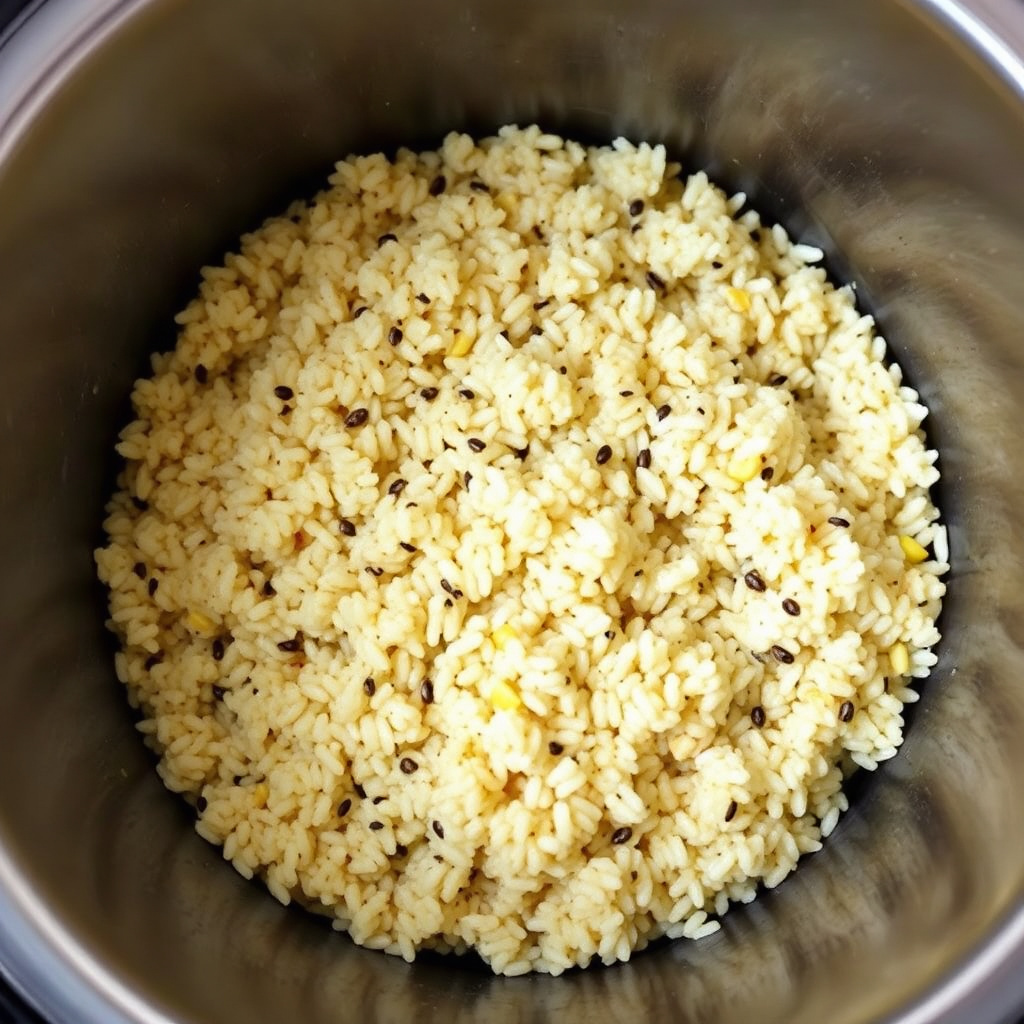
Yes, rice cookers can cook quinoa effectively, making the process simple even for those unfamiliar with cooking grains. Many models designed for rice also handle quinoa with minimal adjustments to water ratios and cooking times.
Knowing how to cook quinoa in a rice cooker matters because it streamlines meal preparation and ensures consistent results. This approach reduces the guesswork compared to stovetop cooking, which can yield uneven textures or burnt grains.
This article will explain how to cook quinoa in a rice cooker, explore the best rice cooker features to look for, compare different rice cooker categories suited for quinoa, and answer common questions about this method.
Understanding Rice Cookers and Quinoa Cooking Compatibility
How Rice Cookers Work with Various Grains
Rice cookers use controlled heat and moisture to cook grains evenly. Their typical settings manage the absorption method, which suits grains like white rice and quinoa due to similar water absorption characteristics.
The quiet simplicity of rice cookers allows quinoa to steam gently without direct heat interference, universal to most rice cooker models. Some advanced cookers also include specific grain settings that auto-adjust cooking cycles.
Differences Between Cooking Quinoa and Rice in a Cooker
Quinoa generally requires a slightly different water-to-grain ratio than rice, about 2:1 versus rice’s usual 1.5:1. This means users should adjust liquid amounts when cooking quinoa to avoid undercooked or mushy results.
Unlike rice, quinoa seeds have a saponin coating, often rinsed off before cooking to reduce bitterness. This step is crucial regardless of cooking method because saponins can impact flavor and texture.
Preparing Quinoa in a Rice Cooker

Steps to Rinse and Measure Quinoa for Cooking
Rinsing quinoa thoroughly removes its natural coating of saponins, which taste bitter if left on. Place quinoa in a fine mesh sieve and rinse under cold running water for at least 30 seconds.
After rinsing, measure the quinoa using a standard measuring cup. For a typical rice cooker, use one cup of rinsed quinoa paired with two cups of water or broth for cooking. Adjust quantities depending on your rice cooker’s capacity.
- Use a fine mesh strainer to rinse quinoa
- Rinse until water runs clear
- Measure quinoa accurately
- Use 2:1 water to quinoa ratio
Setting and Starting Your Rice Cooker
Pour the rinsed quinoa and water into the rice cooker’s bowl. Some rice cookers have a specific ‘quinoa’ or ‘grain’ setting; if available, select this. If your cooker only has a basic ‘white rice’ or ‘cook’ button, that setting also works well.
Press start and let the cooker do its work. Once the cooking cycle finishes, let the quinoa sit with the lid closed for an additional 5-10 minutes to fluff up properly before serving.
Features of Rice Cookers Best Suited for Cooking Quinoa
Importance of Multiple Cooking Settings
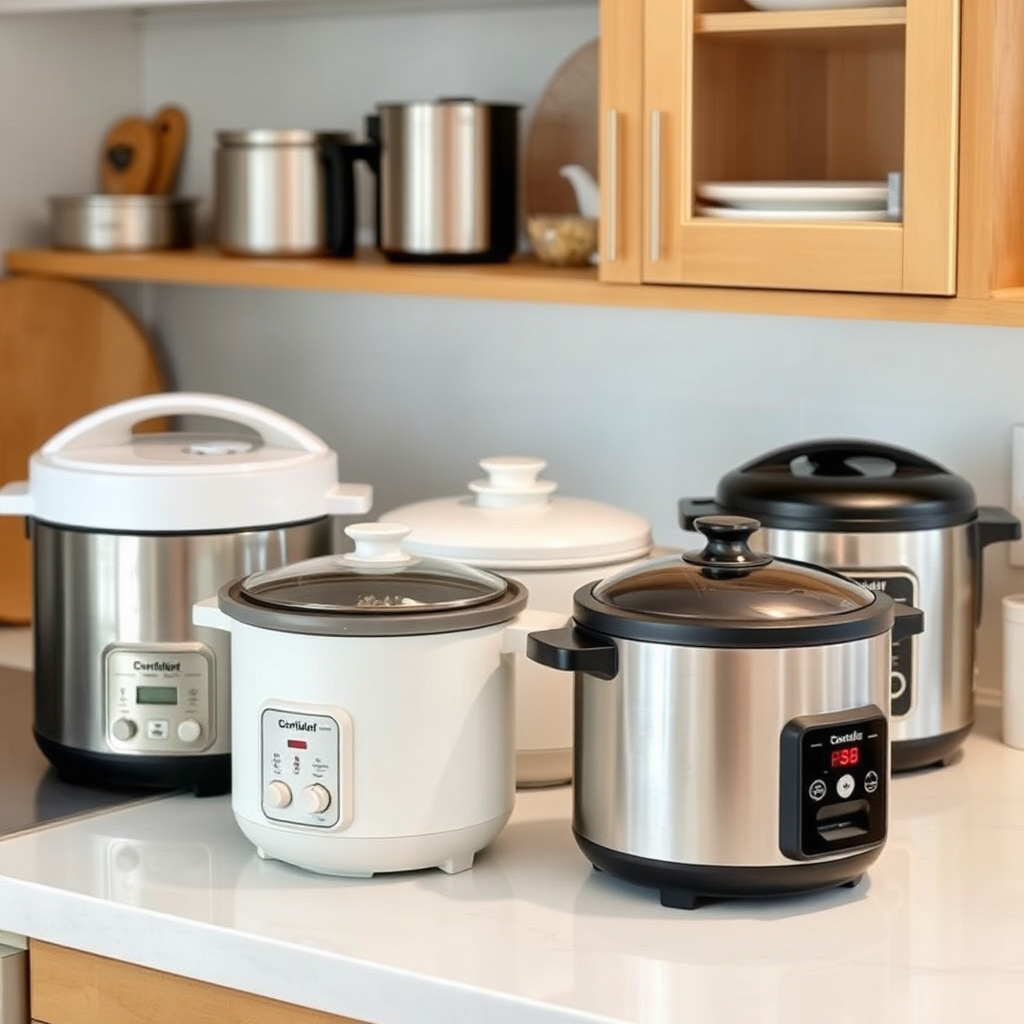
Rice cookers featuring various cooking modes provide versatility for grains beyond rice. Models with dedicated ‘quinoa’ or ‘multigrain’ modes optimize water retention and cooking duration for quinoa's unique needs.
These settings adjust temperature and timing automatically, reducing the chance of overcooked or uneven quinoa. Such models are often favored by those who cook a wide range of grains regularly.
Capacity and Material Considerations
Choosing a rice cooker with an appropriate capacity ensures you don't cook too large or too small batches of quinoa. A 3-5 cup capacity is common for individuals or small families.
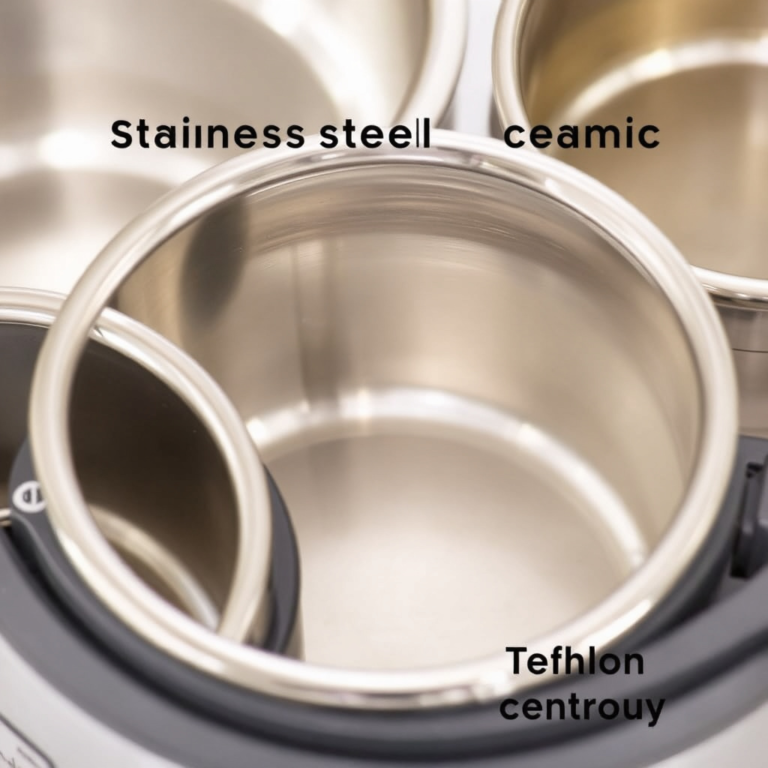
Nonstick inner pots aid in easy cleaning after cooking quinoa, which can sometimes stick if not rinsed thoroughly or if water ratios are off. Durable pot materials contribute to even heat distribution, improving outcomes.
Common Troubleshooting Tips When Cooking Quinoa with Rice Cookers
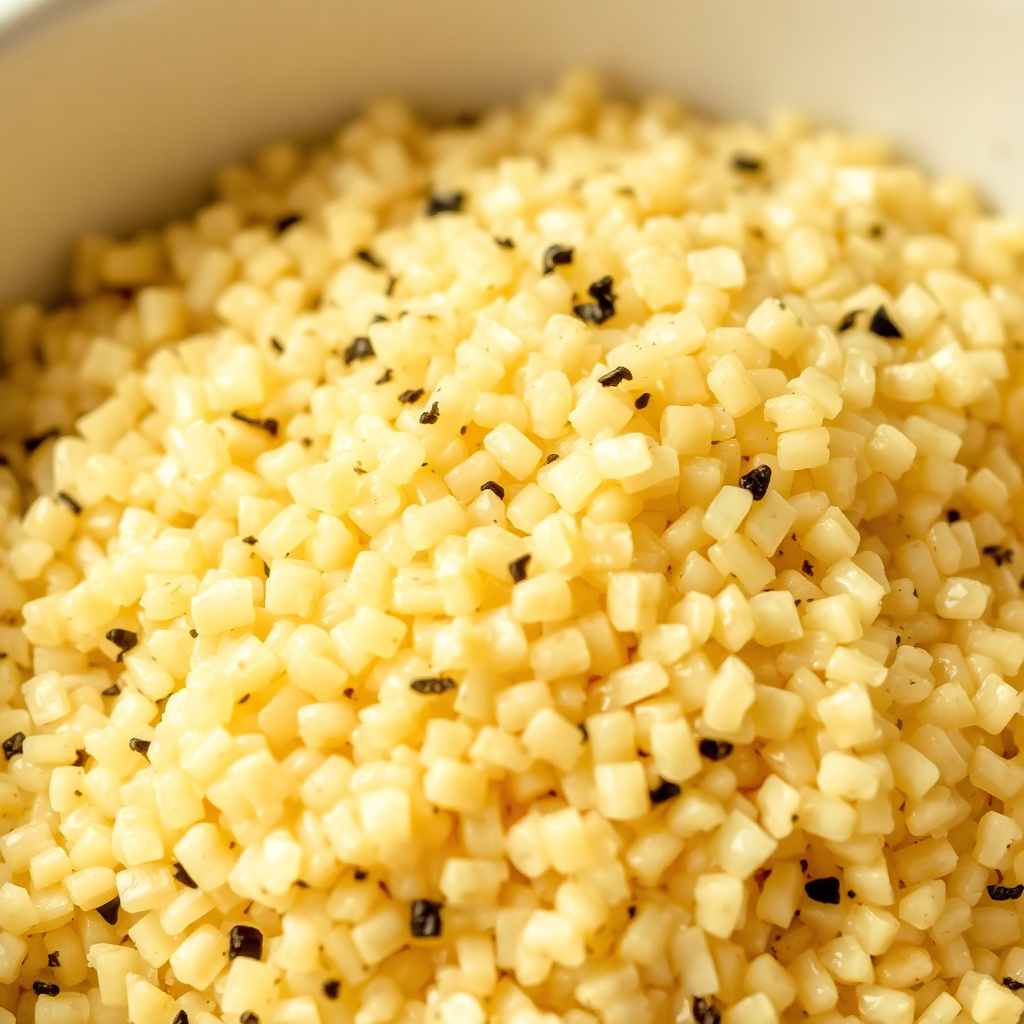
Dealing with Mushy or Undercooked Quinoa
If quinoa turns out mushy, it usually means too much water was added. Adjust the water-to-quinoa ratio downward slightly on your next attempt, perhaps trying 1.75 cups water per cup of quinoa.
Conversely, if quinoa seems undercooked or crunchy, add a bit more water before cooking and consider extending the cooking time by allowing the cooker to sit on warm mode longer.
Handling Bitterness and Flavor Issues
Bitterness often arises from insufficient rinsing of the saponin coating. Rinse quinoa thoroughly under cold water, rubbing the grains gently with your hands to remove residues.
Using broth instead of water or adding flavor ingredients like herbs and spices during cooking can enhance quinoa’s natural nutty taste when prepared in a rice cooker.
Expanding Usability: Cooking Other Grains and Pulses
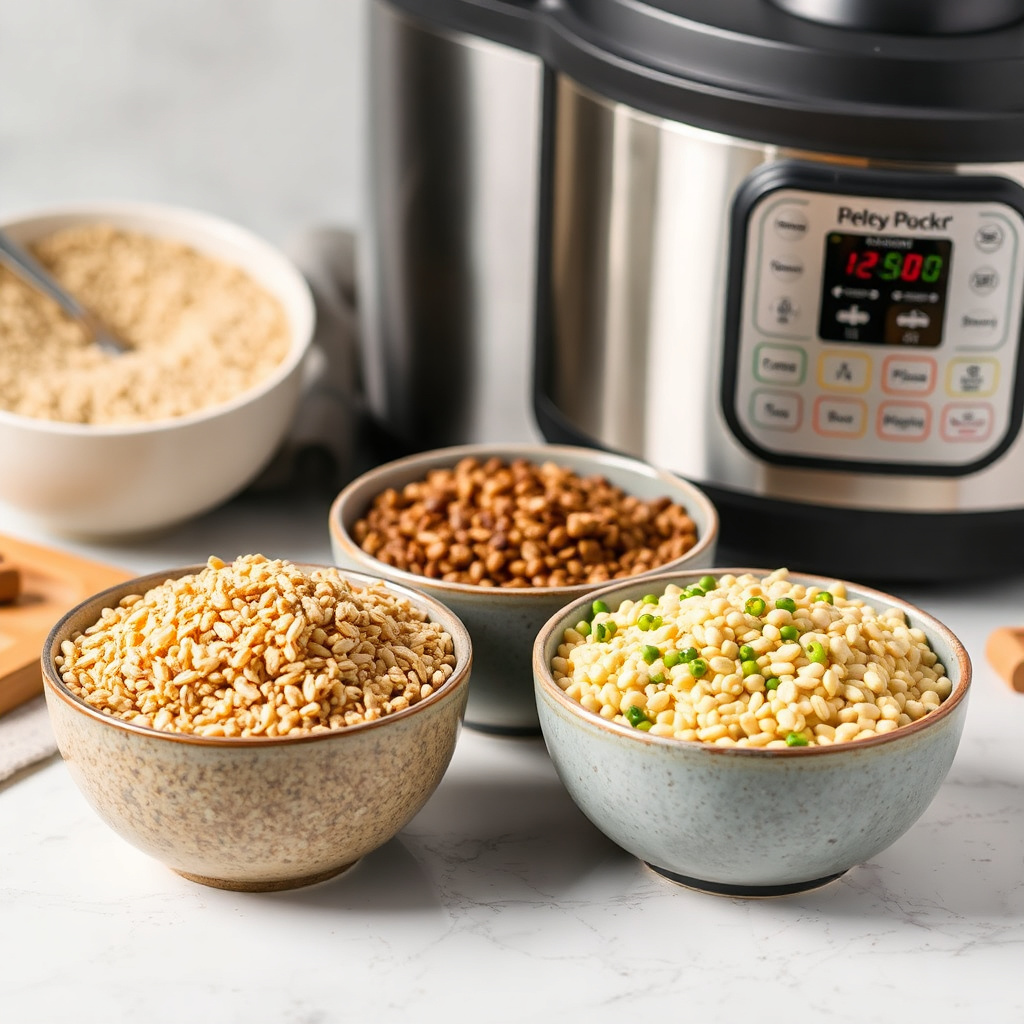
Cooking Grains Similar to Quinoa in a Rice Cooker
Rice cookers that handle quinoa can also cook other pseudo-cereals like amaranth or teff with similar water ratios and settings. Slight adjustments may be needed depending on the grain texture.
Whole grains such as barley or farro can also be cooked, though their longer cooking times might require additional soak time or multiple cooking cycles to soften fully.
Using Rice Cookers for Pulses and Beans
Certain rice cooker models allow cooking beans and lentils, though pre-soaking might be necessary. Cooking pulses takes longer, and some rice cookers include a slow cook or stew option for these purposes.
This functionality expands a rice cooker’s use beyond grains and adds convenience for making soups, stews, and other protein-rich dishes without stovetop supervision.
Cleaning and Maintenance Tips for Rice Cookers Used with Quinoa
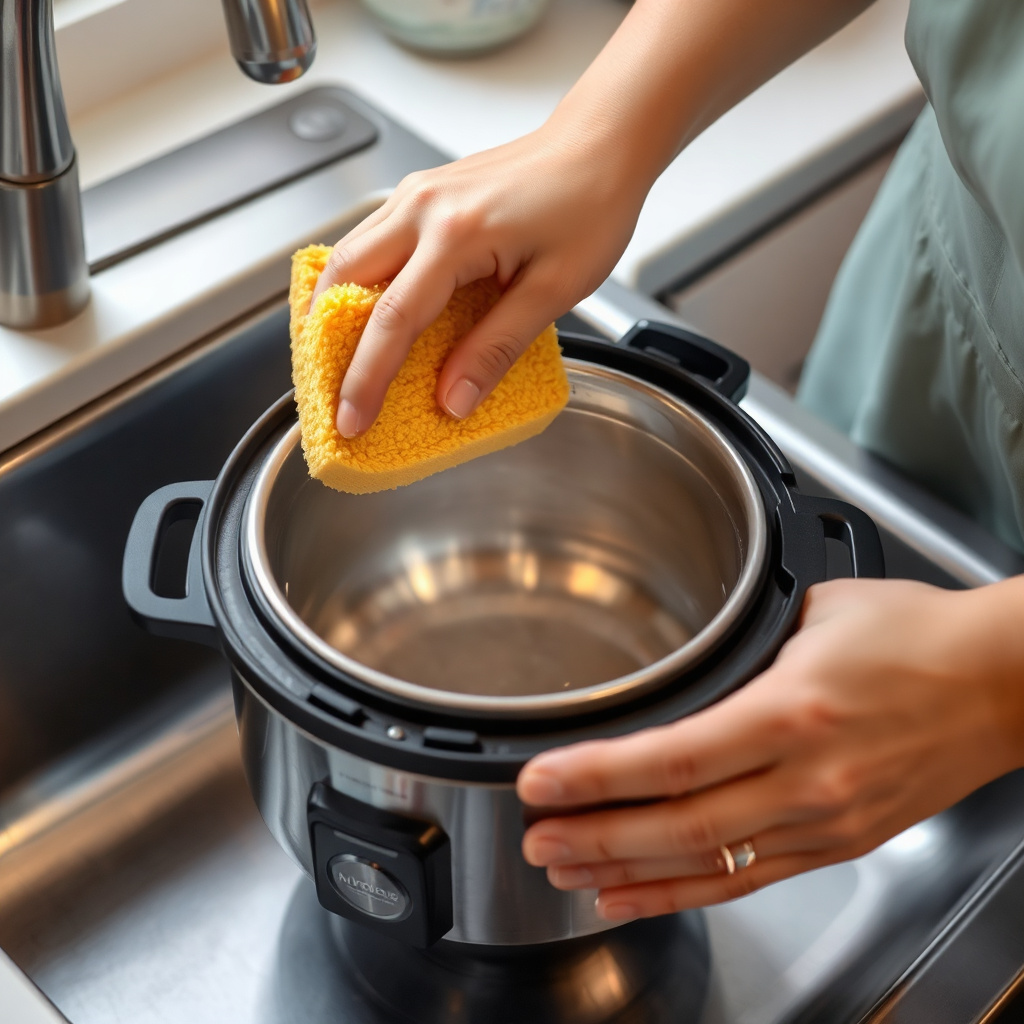
Cleaning Residue and Preventing Buildup
Quinoa starches can sometimes leave a residue on the inner pot. After each use, soak the pot briefly with warm soapy water before gently scrubbing with a non-abrasive sponge.
Avoid harsh cleaners or abrasive pads that could damage the nonstick finish, which is critical for easy food release in future cooking sessions.
For more information about quinoa and its culinary uses, you can refer to quinoa cooking methods on Wikipedia. quinoa cooking methods.
General Rice Cooker Maintenance for Longevity
Regularly check the rice cooker’s heating plate and sensor area for cleanliness to prevent uneven heating. Wipe down the outer casing and lid gasket periodically to remove any trapped food or moisture.
Store the unit with the lid slightly open if possible, to prevent odors and mold growth inside the cooking chamber.
Rice Cooker Types for Cooking Quinoa: A Comparison
Here’s a comparison of different rice cooker categories to help pick the best one for cooking quinoa based on features, price, and versatility.
| Category | Price Range | Cooking Settings | Capacity | Ideal User |
|---|---|---|---|---|
| Basic Rice Cookers | $20-$50 | 1-2 (White Rice, Cook) | 3-5 cups | Beginners, budget buyers |
| Multifunction Rice Cookers | $60-$120 | 3-5 (Quinoa, Multigrain, Brown Rice) | 3-10 cups | Regular grain cooks, families |
| Induction Heating Rice Cookers | $150-$300 | 5-10+ (Precise temperature control, multiple grains) | 5-10 cups | Serious home cooks, enthusiasts |
| Micom Rice Cookers | $100-$200 | 4-7 (Fuzzy logic for grain types) | 3-10 cups | Advanced users wanting versatility |
Frequently Asked Questions
Do I need to rinse quinoa before cooking it in a rice cooker?
Yes, rinsing quinoa removes the bitter saponin coating that can affect the taste. Rinse it under cold water until the water runs clear before placing it in the rice cooker.
Can I use the same water-to-quinoa ratio in any rice cooker?
Water ratios can vary slightly by model, but a 2:1 water-to-quinoa ratio is a reliable starting point. Adjust as needed based on your rice cooker's performance.
How long does it typically take to cook quinoa in a rice cooker?
It generally takes around 15-25 minutes depending on your rice cooker model and its settings. Some cookers automatically adjust time when using specific grain modes.
Will cooking quinoa in a rice cooker cause it to stick or burn?
If you use the correct water ratio and clean the cooker properly, sticking and burning are minimal issues. Nonstick pots and thorough rinsing help prevent problems.
Can quinoa be cooked with other ingredients in the rice cooker?
Yes, you can add vegetables, spices, or broth to cook quinoa in flavor-enhanced meals. Just maintain the liquid levels suitable for cooking quinoa.
Key Takeaways
- Rice cookers can cook quinoa effectively using a 2:1 water ratio.
- Rinsing quinoa is essential to remove bitterness before cooking.
- Multifunction rice cookers provide settings optimized for quinoa.
- Proper cleaning and maintenance improve rice cooker performance.
Conclusion
Cooking quinoa in a rice cooker presents a straightforward and reliable alternative to stove-top methods, minimizing the risk of over- or under-cooking. By understanding the water-to-grain ratios and rinsing techniques, anyone can achieve fluffy, flavorful quinoa. Consider your rice cooker’s features—such as specific grain settings and capacity—to tailor the cooking process to your needs, especially if you cook a variety of grains regularly. The consistent temperature control and hands-off approach simplify meal preparation while saving time and effort.
For those cooking quinoa frequently, multifunction rice cookers with dedicated settings offer the best convenience and precision, especially models equipped with fuzzy logic or induction heating technologies. For casual use, basic rice cookers are more than sufficient if you carefully measure ingredients and monitor the cooked grain’s texture. If you plan to expand your cooking repertoire beyond quinoa to include other grains and pulses, investing in versatile cooker models will provide long-term value and flexibility.
In practice, the next step is to experiment with your rice cooker using the recommended water ratio and rinsing method. Adjust water amounts slightly if you prefer firmer or softer quinoa, and try cooking with broth or added spices for enhanced flavor. Additionally, maintain your rice cooker to prolong its life and preserve cooking quality. With just a little practice, your rice cooker will become a reliable tool for delicious quinoa dishes and beyond.