Are Rice Cookers Worth It? A Practical Guide to Choosing the Best One
Wondering if rice cookers are worth it? Discover their benefits, uses, and how to choose the best rice cooker for your kitchen needs.

Rice cookers are worth it if you regularly eat rice or grains and want a convenient, consistent way to prepare them. These appliances automate the cooking process, freeing you from having to monitor pots on the stove, reducing the risk of burnt or undercooked rice. For households where rice is a staple, they save time and can improve meal quality.
Besides simplicity, modern rice cookers offer features like fuzzy logic technology, timers, and settings for various grain types, which can transform meal prep. Using a rice cooker also saves energy compared to stovetop cooking, and cleanup is often easier with non-stick inner pots. This combination makes them a valuable kitchen tool for many users.
This article will explore the different types of rice cookers, key features to look for, advantages and limitations, and how to pick the best rice cooker for your needs. You'll also find comparisons of various models and answers to common questions about using rice cookers effectively.
How Rice Cookers Work and Their Benefits
Basic Functionality of Rice Cookers
Rice cookers use a heating element controlled by a thermostat to cook rice evenly. When the water in the bowl is absorbed or evaporated, the cooker detects the temperature change and switches to a keep-warm mode, preventing overcooking.
This automation means you can set it and walk away without worrying about timing the cooking perfectly. It suits those who want consistently cooked rice without manual intervention.
Benefits of Using a Rice Cooker Regularly
Using a rice cooker removes guesswork and reduces common issues like burning or sticking. Many models also keep rice warm for hours without drying it out, which is handy for meal planning.
Additionally, rice cookers often handle other grains and even steamed dishes, increasing their utility beyond just plain rice.
- Consistent results every time
- Time-saving convenience
- Energy efficiency compared to stovetop cooking
- Versatility for cooking other grains and steaming
Types of Rice Cookers and Their Features
Basic and Micom Rice Cookers
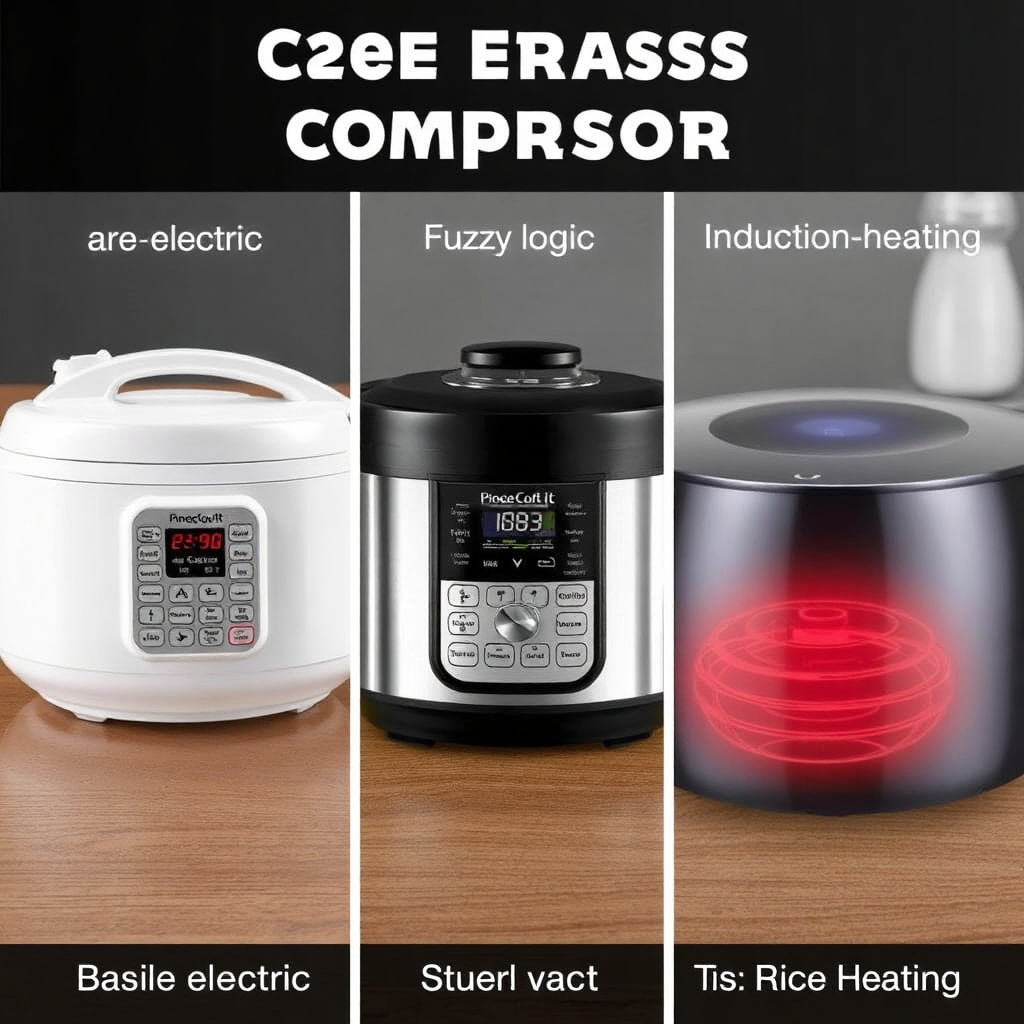
Basic rice cookers are simple machines with just on/off controls and an automatic switch to warm mode. Micom (microcomputerized) rice cookers add digital controls and fuzzy logic, adjusting cooking temperature and time for better texture.
Micom models improve cooking for various rice types and recipes, but come at a higher price point compared to basic cookers.
- Basic: simple, affordable, reliable
- Micom: digital controls, fuzzy logic, versatile cooking modes
Induction Heating and Pressure Rice Cookers
Induction heating rice cookers use electromagnetic fields to heat the entire pot, offering more even cooking and faster results than traditional heating elements.
Pressure rice cookers use pressure to raise the boiling point of water, cooking rice faster and producing softer textures. These models often combine fuzzy logic and other advanced features but tend to be the most expensive.
- Induction heating: even heat distribution, premium results
- Pressure cookers: faster cooking, softer rice textures
Choosing the Right Capacity and Size

Understanding Rice Cooker Capacities
Rice cookers are typically rated by the amount of uncooked rice they can handle, usually ranging from 3 to 10 cups. A small cooker (3-5 cups) suits individuals or couples, while larger models are better for families or meal prepping.
Choosing the right size helps prevent wasted energy and fits your kitchen space, so consider your typical meal portions before buying.
For more on this, see our related guide: How Long Do Rice Cookers Take to Cook Perfect Rice?.
Space and Portability Considerations
Compact rice cookers are easier to store and ideal for small kitchens or dorm rooms. Larger models with multiple features might occupy more counter space but add versatility.
If you plan to use your rice cooker for travel or camping, lightweight and portable options are available but often have fewer bells and whistles.
- Compact size for small spaces
- Portable models for travel
- Larger units for family meals
Key Features to Evaluate in a Rice Cooker
Essential Controls and Settings
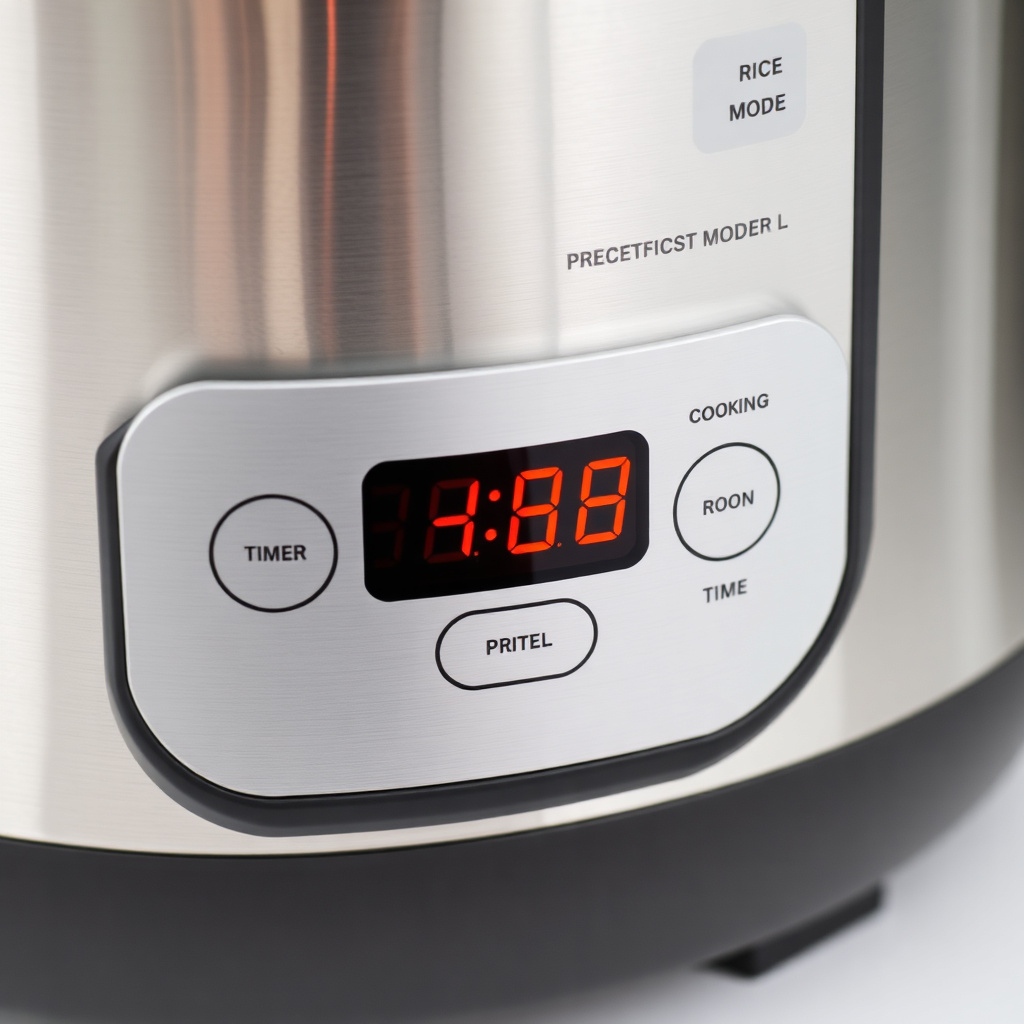
A useful rice cooker has easy-to-understand controls, including timers and modes for different rice types like white, brown, jasmine, or sushi rice.
Some models offer quick cook or mixed rice settings, allowing you to customize texture and cooking duration for diverse recipes.
- Digital timer for delayed cooking
- Preset cooking modes
- Keep-warm and extended warming
Additional Convenience Features
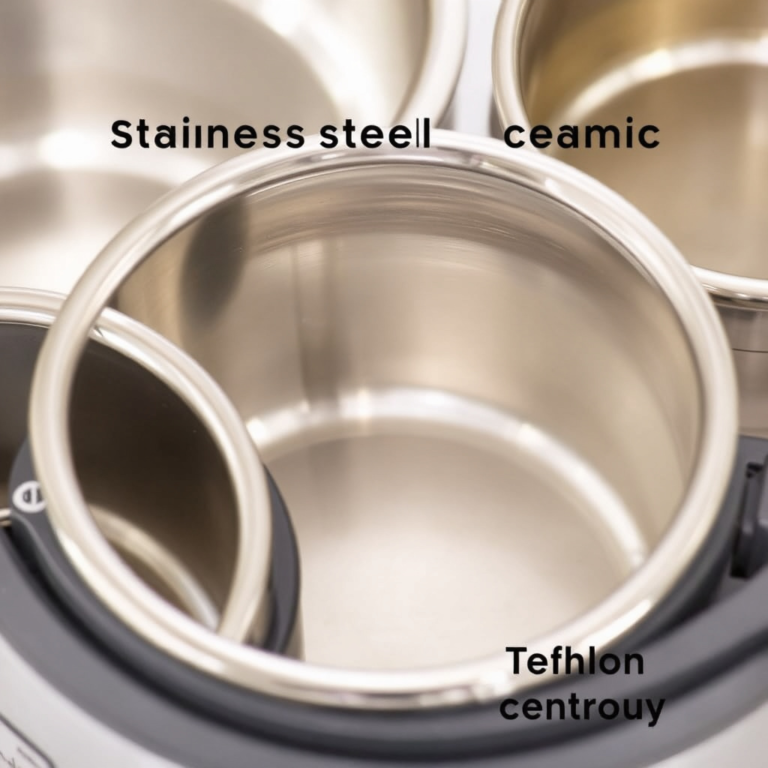
Features like a non-stick inner pot with removable liners, steam trays, and dishwasher-safe parts simplify maintenance.
Alerts, automatic shut-off, and memory functions for frequent settings can enhance daily usability.
- Non-stick pots
- Steam basket for vegetables
- Dishwasher-safe components
- Auto shut-off and alarms
Cleaning and Maintenance Tips for Rice Cookers
Routine Cleaning Best Practices
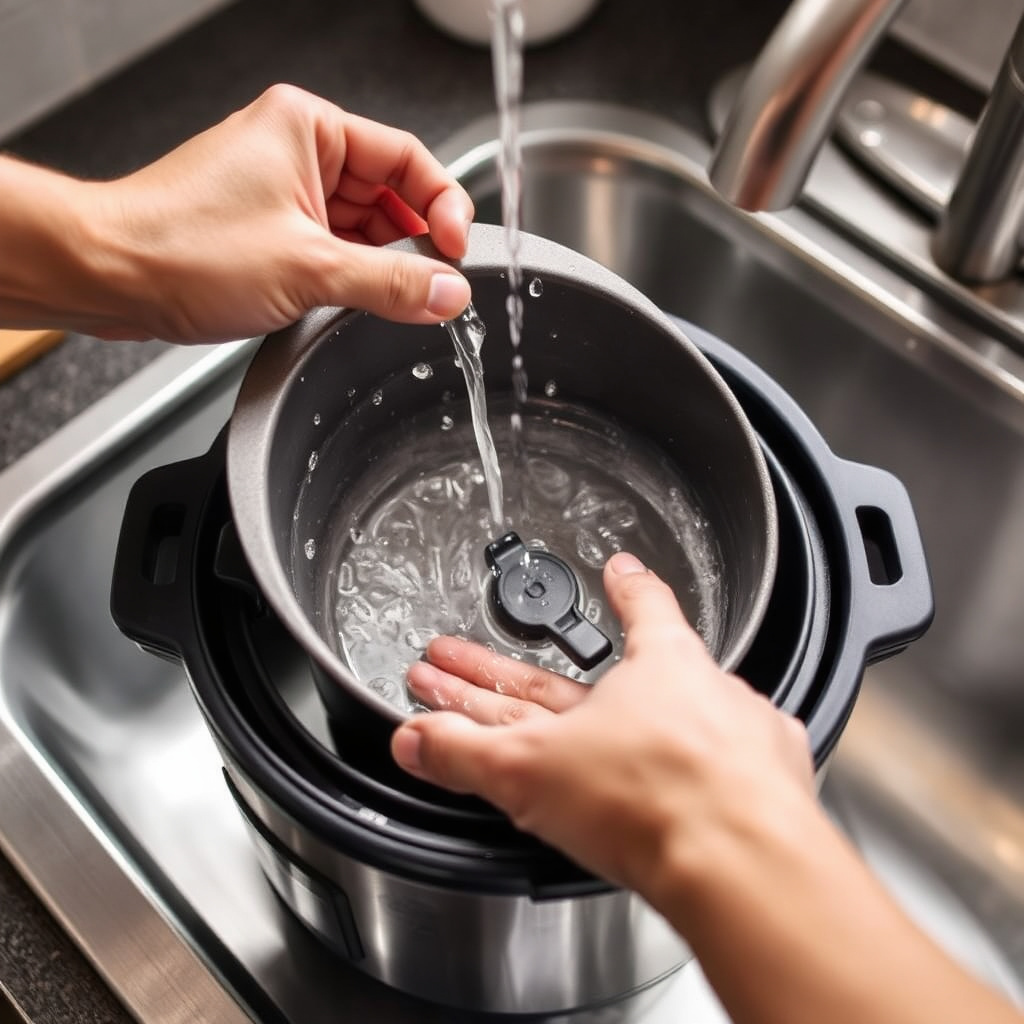
Regular cleaning after each use prevents buildup and extends your cooker's lifespan. Remove the inner pot and wash it with warm soapy water, avoiding abrasive sponges to protect the non-stick surface.
Also, wipe down the exterior and the heating plate carefully to remove crumbs or moisture.
- Clean inner pot promptly
- Avoid harsh scrubbers on non-stick surfaces
- Wipe heating plate gently
Handling Stubborn Residues and Odors
For sticky or burnt rice, soaking the inner pot for 15-20 minutes helps loosen residue. Baking soda paste can gently remove stubborn stains.
To reduce odors, leave the cooker open after cleaning and occasionally steam vinegar-water inside to deodorize the pot.
- Soak inner pot for stuck rice
- Use baking soda for stains
- Steam vinegar-water to remove odors
Using a Rice Cooker Beyond Cooking Rice
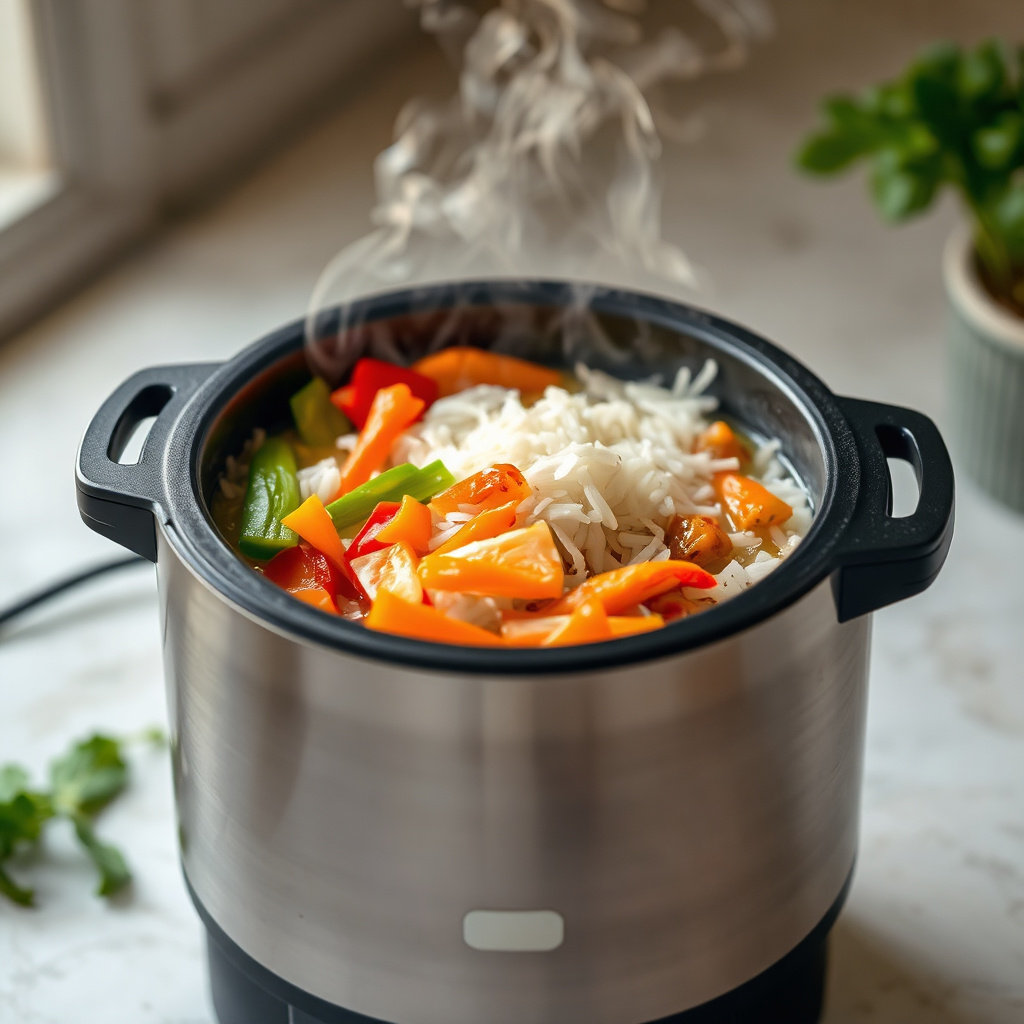
Versatile Cooking Possibilities
Rice cookers can steam vegetables, cook soups, make porridge, and even bake cakes depending on the model. Their steady temperature and timer controls support a variety of recipes.
This multipurpose use makes the rice cooker an attractive appliance for those with limited kitchen gadgets.
- Steaming vegetables and fish
- Cooking oatmeal and porridge
- Making soups and stews
For a detailed overview of rice cookers and their history, see this Rice cooker information on Wikipedia. Rice cooker information on Wikipedia.
Tips for Experimenting with Recipes
Start with simple recipes and consult your rice cooker's manual for guidance. Experimenting with liquid ratios and cooking times helps achieve desired textures for non-rice dishes.
Using the steaming tray simultaneously can save time and produce full meals.
- Follow manual for modes
- Adjust water ratios carefully
- Use steaming basket efficiently
Rice Cooker Types Comparison
This table compares different rice cooker categories based on price, features, cooking performance, and best use cases.
| Category | Price Range | Key Features | Best For | Cooking Speed |
|---|---|---|---|---|
| Basic Rice Cookers | $20-$40 | Simple on/off, keep-warm | Budget users, small households | Moderate |
| Micom Rice Cookers | $50-$120 | Fuzzy logic, multiple modes | Variety of rice types, families | Fast |
| Induction Heating Rice Cookers | $150-$300 | Even heating, digital controls | Rice enthusiasts, frequent users | Faster |
| Pressure Rice Cookers | $200-$400 | Pressure cooking, soft rice | Large families, specialty rice | Fastest |
| Portable Rice Cookers | $30-$70 | Compact, lightweight | Travel, dorms | Moderate |
Frequently Asked Questions
Can rice cookers cook other grains besides rice?
Yes, many rice cookers can cook grains like quinoa, barley, and oats by adjusting the water ratio and cooking mode as recommended in the manual.
Is it safe to leave a rice cooker on keep warm mode overnight?
While most rice cookers have safety features for keep-warm mode, it's generally safer to avoid leaving them on overnight to prevent moisture buildup or spoilage.
How do I prevent rice from sticking to the cooker pot?
Using the right water-to-rice ratio, rinsing rice before cooking, and using a non-stick pot help reduce sticking. Lightly oiling the pot can also help.
Are expensive rice cookers really better?
Higher-end rice cookers often provide more precise cooking, multiple functions, and faster results, but a basic model can suffice for simple, everyday rice needs.
Can rice cookers be used to steam food?
Many rice cookers come with steaming trays or baskets, allowing you to steam vegetables, dumplings, and fish while cooking rice or separately.
Key Takeaways
- Rice cookers save time and deliver consistent rice cooking results.
- Different types range from basic to advanced induction and pressure models.
- Choosing the right size depends on your household and cooking frequency.
- Many rice cookers offer extra features like steaming and multiple grain settings.
Conclusion
Deciding whether a rice cooker is worth it largely depends on your cooking habits and preferences. If you eat rice frequently or want steady, hands-off cooking with consistent outcomes, a rice cooker can greatly simplify your kitchen routine. Considering the features and variety available helps you find a model that matches your needs without overspending. Understanding how different rice cookers operate and their benefits allows you to make an informed choice that enhances your meal preparation.
For those who want simplicity and budget-friendly options, a basic rice cooker covers the essentials well. Families or enthusiasts seeking versatility and precision would find micom or induction heating rice cookers more suitable due to their advanced features and better texture control. Pressure rice cookers are ideal when faster cooking and specific rice textures are priorities. Portable models serve well for smaller spaces or travel. Overall, there is a rice cooker for every lifestyle and preference.
If you often prepare meals involving rice or grains, trying a rice cooker might be the next practical step to improve convenience and consistency in your kitchen. Begin by evaluating your typical portions and cooking preferences, then select a model with features that align closely with those needs. By investing in the right rice cooker, you can enjoy perfectly cooked rice with minimal effort and expanded cooking possibilities beyond rice alone.