How to Get Rid of Gnats in Kitchen: Effective Solutions for a Pest-Free Home
Learn how to get rid of gnats in kitchen quickly with proven methods that eliminate these pests and keep your cooking space clean and fresh.
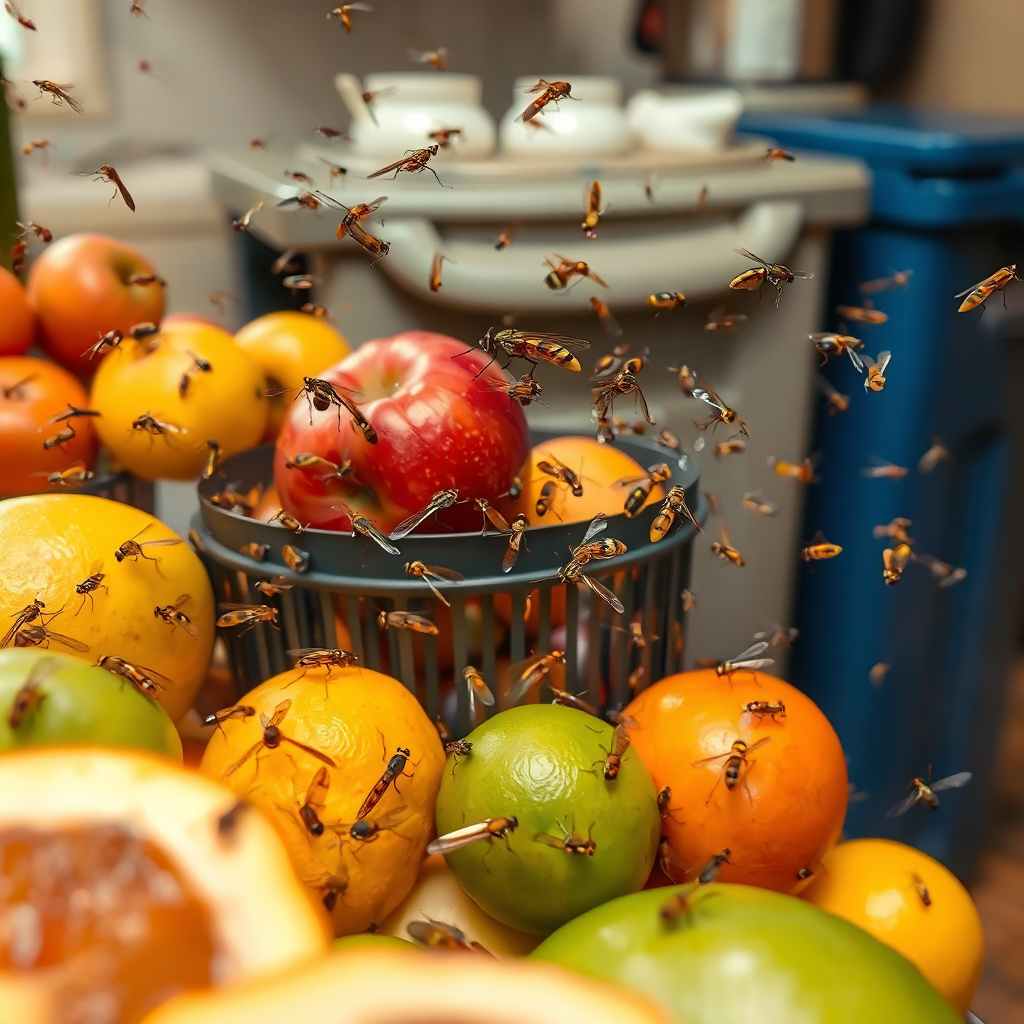
To get rid of gnats in your kitchen, start by identifying and eliminating their breeding spots such as overripe fruits, damp areas, and garbage bins. Cleaning these areas thoroughly, using traps, and applying safe insecticides can effectively reduce and eliminate the infestation.
Gnats are attracted to moisture, organic debris, and fermenting substances, which are common in kitchens. If left unchecked, they reproduce rapidly and become a nuisance, contaminating food and surfaces. Addressing the root causes of attraction is essential for permanent removal.
This article covers practical steps to identify gnat sources, effective DIY traps, natural gnat repellents for kitchen use, preventive techniques, and other treatments so you can keep your kitchen free from these persistent pests.
Identifying Common Gnat Sources in Your Kitchen
Finding Breeding Grounds
Gnats often breed in locations where moisture and organic matter combine, such as fruit bowls with overripe fruit, kitchen drains, potted plants, and garbage bins. Inspect these spots closely, especially around the sink and trash areas where residues collect.
Even a small amount of decaying organic material can attract gnats to lay eggs. Regularly checking these common breeding points reduces gnat populations before they explode into infestations.
- Overripe fruits and vegetables
- Damp kitchen sink drains
- Uncovered garbage cans
- Potted plant soil with excess moisture
Recognizing Gnat Types
Fruit flies and fungus gnats are the most frequent culprits in kitchens. Fruit flies hover near fermenting produce, while fungus gnats prefer moist soil in plants. Knowing the type helps choose the best removal method.
Fruit flies have red eyes and a tan body, about 1/8 inch long, whereas fungus gnats are smaller and darker, often buzzing around potted plants. Eliminating one type means addressing its specific habitat.
Effective DIY Traps to Get Rid of Gnats in Kitchen
Vinegar and Dish Soap Trap
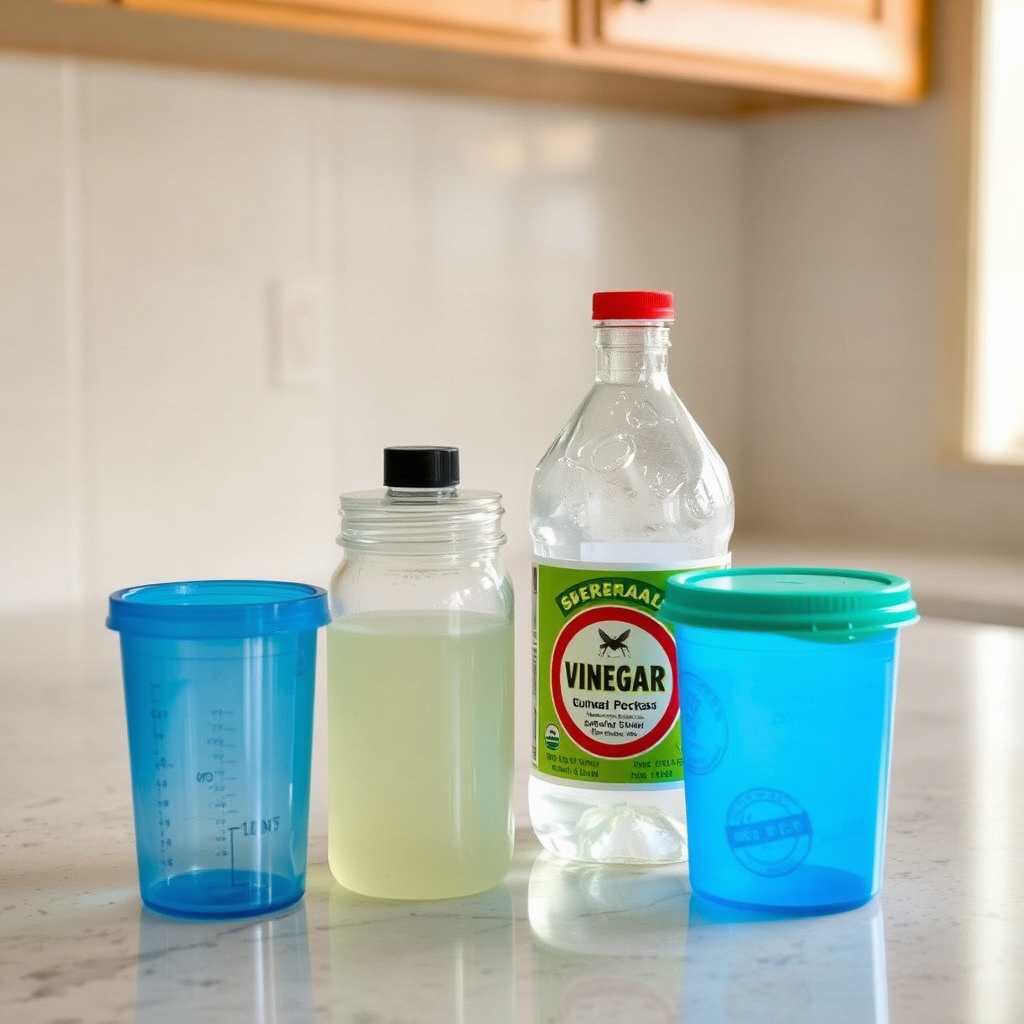
A simple but effective trap combines apple cider vinegar and dish soap in a shallow container. The vinegar attracts gnats, while the soap breaks surface tension, trapping and drowning them.
Place these traps near gnat hotspots like fruit bowls, drains, or trash bins. Replace the solution every couple of days for continuous effectiveness.
- Use 1/2 cup apple cider vinegar
- Add a few drops of dish soap
- Place uncovered in affected areas
Fruit Trap Method
Use a ripe piece of fruit inside a jar covered with plastic wrap secured by a rubber band. Poke small holes in the wrap. Gnats enter seeking the fruit but cannot escape.
This trap is especially useful for fruit fly infestations. Dispose of trapped gnats and fruit once the trap has served its purpose.
Using Natural Gnat Repellents for Kitchen

Herbs and Essential Oils
Certain herbs like basil, mint, and lavender naturally repel gnats. Placing potted versions or sachets in your kitchen can help keep gnats at bay without chemicals.
Essential oils such as citronella, eucalyptus, and lemon oil can be diluted and sprayed around the kitchen perimeter to discourage gnat presence.
- Grow basil or mint near food prep areas
- Use diffuser with essential oils
- Spray diluted oil mixtures near entry points
Commercial Natural Repellents
There are store-bought natural products labeled as gnat or insect repellents made from plant-based ingredients, safe for kitchen spaces. Use as directed for supplementary control alongside cleaning.
Choosing these natural options reduces chemical exposure in food preparation zones while effectively deterring gnats.
Maintaining Kitchen Cleanliness to Prevent Gnat Recurrence

Regular Cleaning Routines
Frequent removal of food scraps, wiping counters, and emptying trash bins prevent gnats from finding food or breeding spots. Clean spills immediately and sanitize surfaces to reduce attraction.
Scrub sink drains weekly as residue buildup inside provides excellent gnat breeding habitat. Using a drain cleaner or natural alternatives can keep plumbing gnat-free.
- Dispose of garbage daily
- Wipe fruit containers regularly
- Avoid leaving dirty dishes overnight
Proper Food Storage
Store ripe fruits and vegetables inside sealed containers or refrigeration to minimize gnat access. Using airtight containers blocks scents that attract flies.
Keeping pantry items sealed also limits gnats' food sources and reduces the chance of secondary infestations.
- Use sealed plastic or glass containers
- Refrigerate perishable produce promptly
Additional Treatments for Persistent Gnats in Kitchen

Insecticides and Sprays
When infestations are severe, food-safe insecticide sprays targeting flying insects can be applied carefully to kitchen corners and trash areas. Always select products labeled safe for food areas.
Follow instructions vigilantly to avoid contamination or health risks in food prep zones. Ventilate the kitchen after use.
For detailed information on fruit flies, a common kitchen gnat, refer to this Fruit fly information on Wikipedia. Fruit fly information on Wikipedia.
Professional Pest Control
If home methods fail, a professional pest control service can analyze and eliminate gnats with specialized equipment and treatments. This option is ideal for persistent or large infestations.
Experts also provide advice on preventing future gnat problems tailored to your kitchen environment.
Gnat Control Methods for Kitchens: Category Comparison
Below is a comparison of common methods to get rid of gnats in your kitchen, highlighting effectiveness, cost, safety, and ease of use.
| Method | Effectiveness | Cost | Safety for Kitchen Use | Ease of Setup |
|---|---|---|---|---|
| DIY Vinegar Trap | High for small infestations | Very low | Very safe | Very easy |
| Fruit Trap | Moderate for fruit flies | Low | Very safe | Easy |
| Herbal Repellents | Moderate preventative | Low | Very safe | Easy |
| Natural Essential Oil Sprays | Moderate | Low to medium | Safe when diluted | Easy |
| Insecticide Sprays | High for severe infestations | Medium | Use caution | Moderate |
| Professional Pest Control | Very high | High | Handled by experts | No setup required |
Frequently Asked Questions
Why do gnats keep coming back to my kitchen?
Gnats return if their breeding sources like damp soil, spilled food, or uncovered trash remain. Continuous cleaning and removing moisture prevent their recurrence.
Are vinegar traps safe to use around food?
Yes, vinegar traps use non-toxic ingredients safe around food but should be placed away from direct food exposure to maintain hygiene.
Can potted plants cause gnats in my kitchen?
Yes, overwatered plants create moist soil environments attractive to fungus gnats. Allow soil to dry between waterings to reduce gnat presence.
How long does it take to eliminate gnats in the kitchen?
With consistent cleaning and traps, gnats can be under control within one to two weeks depending on infestation severity.
Are chemical insecticides necessary for gnat removal?
Not always; many infestations respond well to non-chemical methods. Insecticides are reserved for persistent or large-scale problems.
Key Takeaways
- Remove breeding sites like overripe fruit and damp areas to stop gnat reproduction.
- Use DIY vinegar traps and fruit traps to capture and reduce gnats effectively.
- Natural repellents like herbs and essential oils provide safe ongoing control.
- Maintain daily cleanliness and proper food storage to prevent future gnat issues.
Conclusion
Getting rid of gnats in your kitchen involves a targeted approach to identify and eliminate their sources. Immediate cleaning of overripe produce and moist spots cuts off breeding grounds while trapping adults reduces visible populations. Consistency in these actions over days to weeks brings the best results and prevents infestations from cycling back.
For light infestations, DIY methods such as vinegar traps and fruit traps combined with natural gnat repellents are practical and safe for kitchens. More persistent issues can benefit from careful use of insecticide sprays designed for food preparation areas or by consulting professional pest control experts. Selecting the right method depends on the gnat type and extent of the problem.
As a next step, start by inspecting your kitchen for fruit or dampness hotspots and set up vinegar traps. Incorporate herbs or essential oils as supplementary repellents and maintain a schedule for cleaning and trash disposal. With patience and attention, you can reclaim your kitchen from gnats effectively.