How to Organize Kitchen Drawers for Maximum Efficiency
Discover practical tips on how to organize kitchen drawers to save space and improve kitchen efficiency effortlessly.
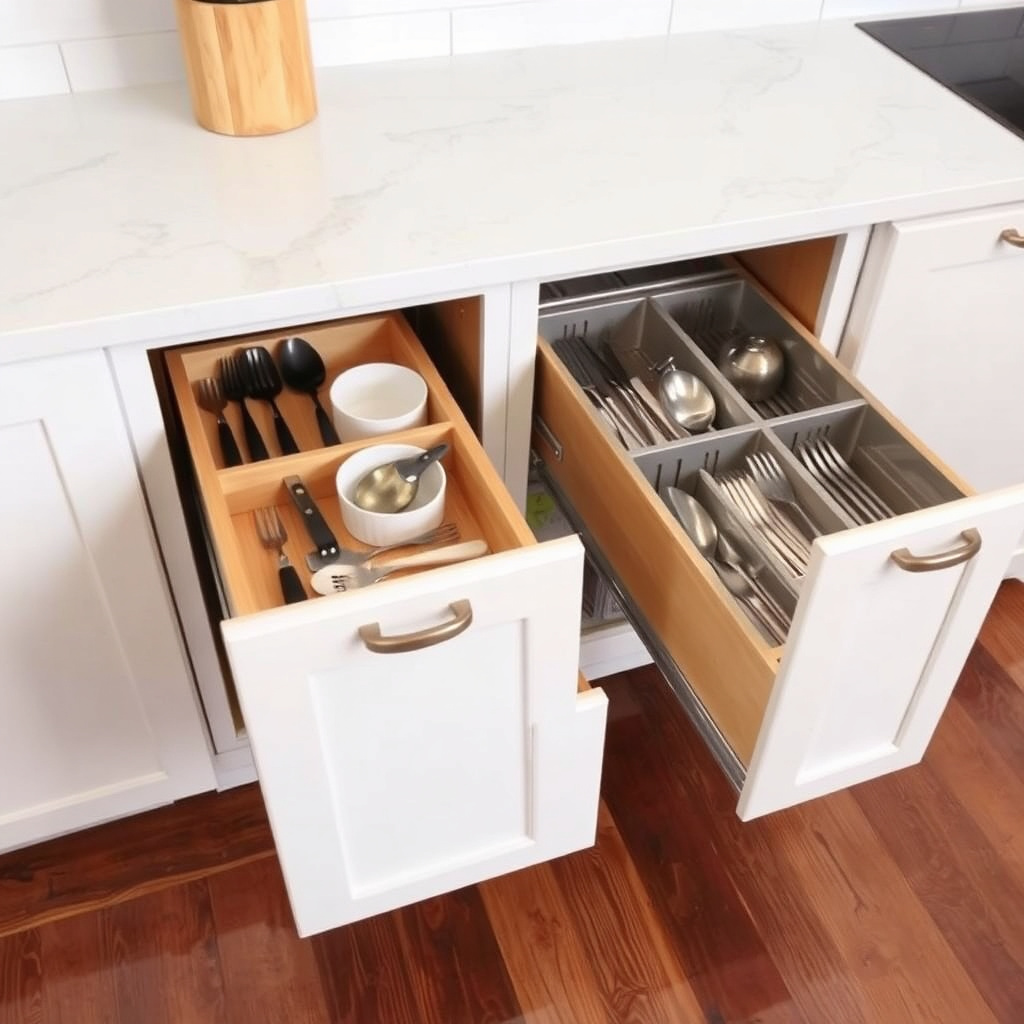
Organizing kitchen drawers effectively starts with categorizing your utensils, tools, and gadgets by frequency of use and type. Begin by emptying each drawer and sorting items into groups like cooking tools, cutlery, and gadgets to create dedicated spaces. This direct organization method makes everything accessible and prevents clutter.
A well-organized kitchen drawer system saves time spent searching for items and improves workflow during cooking and meal prep. Without proper organization, drawers can become chaotic catch-alls that slow you down. Prioritizing accessible layouts and using organizers tailored to drawer sizes enhances your daily kitchen experience.
This article will explore practical strategies to organize kitchen drawers, ranging from sorting approaches and storage solutions to clever space-saving tips. Whether you have limited space or a large set of drawers, learn how to create efficient, tidy kitchen drawer setups that suit your routine perfectly.
Understanding the Types of Kitchen Drawers
Standard Flat Drawers
Standard flat drawers are the most common in kitchens, typically shallow and wide. They are ideal for utensils, cutlery, and smaller kitchen tools as they offer easy visibility and access when opened.
Because of their shape, organizing these drawers often involves using dividers or trays that can segment spaces for forks, spoons, knives, and other frequently used tools.
Deep Drawers and Specialty Drawers
Deep drawers provide extra vertical space, suitable for bulkier items like pots, pans, and small appliances. These drawers can be subdivided using adjustable inserts to keep items separated and stable.
Specialty drawers, such as those with built-in knife blocks or cutlery trays, are designed for safer and more organized storage of specific kitchen essentials.
How to Sort Items Before Organizing Kitchen Drawers
Group by Functionality
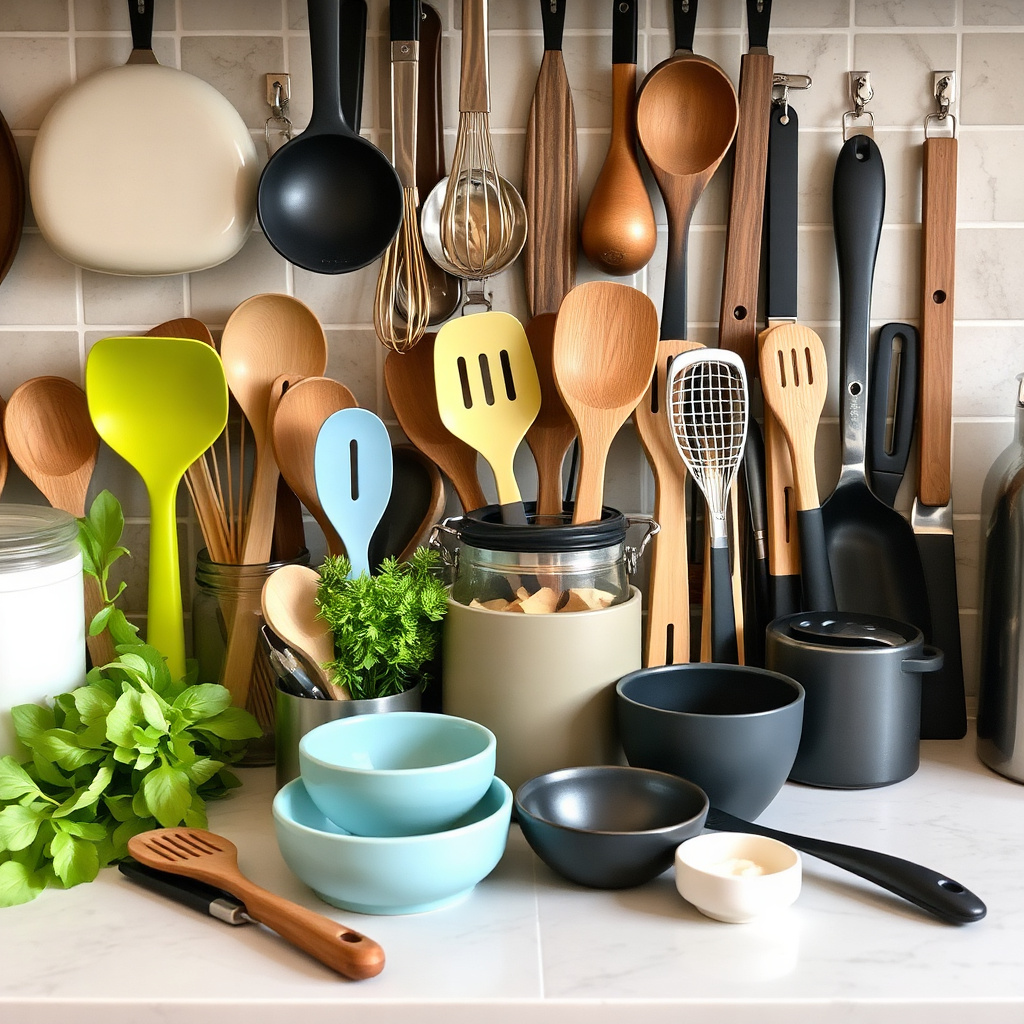
Before placing items in drawers, group them by what they are used for like baking tools, cooking utensils, or eating utensils. This grouping makes retrieval faster and encourages returning items to the right spot.
Grouping items also helps with deciding appropriate drawer assignments based on how often you use them versus where you prefer to access them.
Declutter and Purge Unused Tools
A critical step in drawer organization is removing duplicates, broken items, and utensils you rarely use. This creates space for what truly matters and reduces clutter.
Donating or recycling old kitchen equipment keeps your collection lean and more manageable over time.
Using Kitchen Drawer Organizers for Different Needs

Basic Cutlery Trays
Cutlery trays are essential for flat drawers to separate forks, knives, spoons, and other smaller utensils. They keep items orderly and make it easy to grab one without rummaging.
Look for trays with adjustable slots to customize space or with handles to easily lift for cleaning.
- Materials include bamboo, plastic, and metal
- Some include non-slip bases for stability
- Stackable tray sets are ideal for compact spaces
For more on this, see our related guide: How to Organize Food Storage Containers for a Clutter-Free Kitchen.
Specialty Organizers for Utensils and Gadgets
Wider utensils and gadgets may require expandable or custom-fit organizers that accommodate odd shapes. Vertical organizers can also save space by stacking items upright.
Mesh bins, tiered trays, and drawer inserts specifically designed for kitchen tools help maximize drawer utility.
- Expandable trays for flexibility
- Vertical racks for utensils
- Non-skid liners to prevent sliding
Space-Saving Tips for Small Kitchen Drawers
Utilizing Drawer Depth
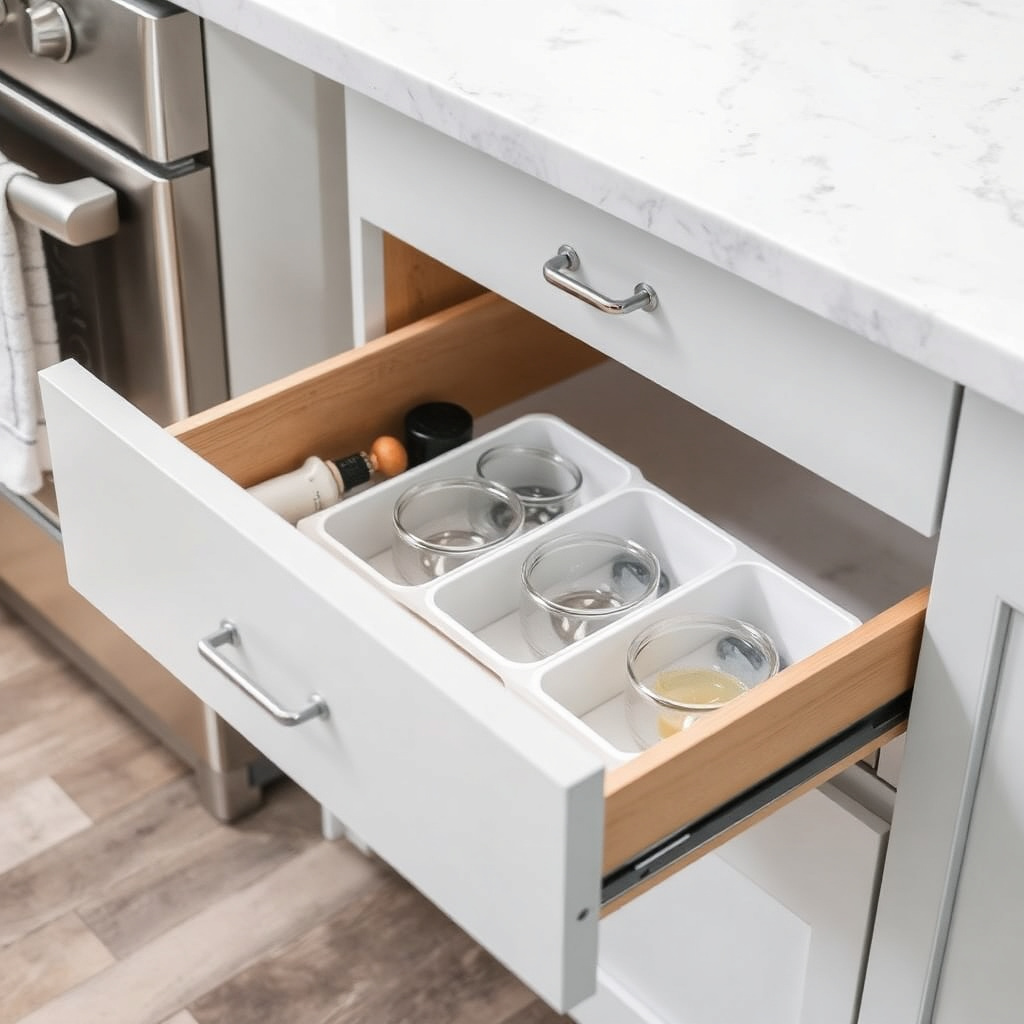
In shallow drawers, use slim organizers and remove unnecessary packaging on tools to reduce bulk. For deeper drawers, stack smaller compartments to take advantage of vertical space without overcrowding.
Clear or labeled containers can keep items visible and categorized without wasting space.
- Slim, stackable containers
- Label each compartment
- Use drawer liners to protect surfaces
Adopting Multi-Functional Organizers
Multi-functional organizer trays can hold various item types and reduce the total number of organizers needed. Look for inserts that adjust to different drawer sizes or combine cutlery and utensil storage in one.
This approach reduces clutter and simplifies cleaning.
Maintenance Strategies for Long-Term Drawer Organization
Regular Cleanouts
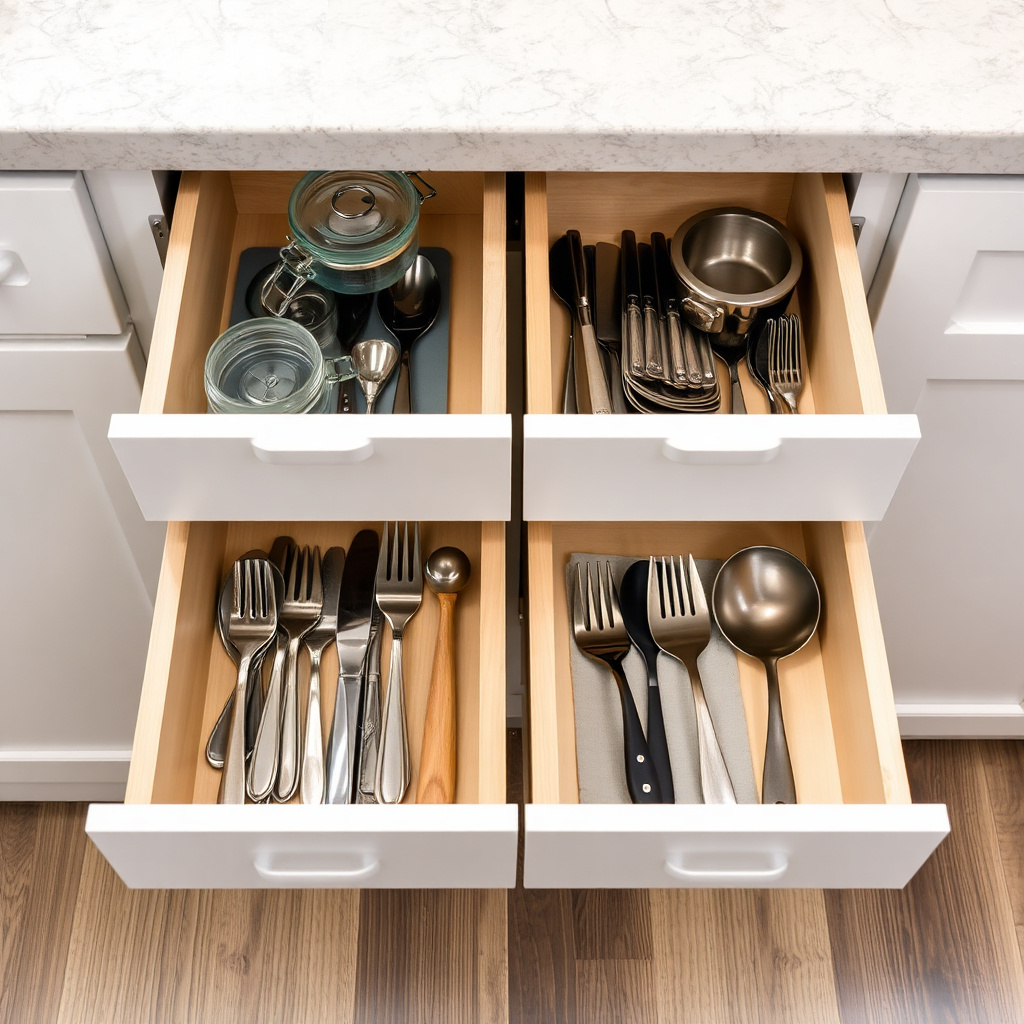
Schedule periodic drawer cleanouts to remove items that are no longer used or have become damaged. This keeps drawers from becoming messy over time.
Wiping down organizer trays and drawer interiors during these cleanouts maintains hygiene and drawer appearance.
Replacing or Upgrading Organizers
As your kitchen tools change, be open to swapping organizers for newer styles that fit better or provide more functionality. Adjustable trays and modular organizers extend drawer usability.
Keep an inventory of what you own to decide when upgrades make sense.
How to Organize Kitchen Drawers for Specific Items

Cutlery and Silverware Organization
Store cutlery in divided trays with knives in separate sections for safety. Group forks, spoons, and specialty utensils separately, ideally close to the dishwasher or sink.
Consider a designated knife drawer insert that protects edges and prevents accidents.
For additional insights and creative organizing ideas, see this detailed guide on kitchen drawer organization tips. kitchen drawer organization tips.
Baking and Cooking Tool Storage
Place frequently used cooking tools like spatulas, ladles, and whisks in one drawer with a large organizer or divider. Baking tools such as measuring cups should be grouped near your mixing bowls for workflow convenience.
Store less-used gadgets in deeper drawers to save prime space for daily items.
Kitchen Drawer Organizer Types Comparison
This table highlights the primary features of popular kitchen drawer organizer types to help you decide what fits your needs best.
| Organizer Type | Best For | Material | Adjustability | Price Range |
|---|---|---|---|---|
| Plastic Cutlery Trays | Cutlery and small utensils | Plastic | Limited | $5-$15 |
| Bamboo Trays | Eco-friendly and aesthetic | Bamboo | Fixed compartments | $15-$30 |
| Expandable Inserts | Variable drawer sizes | Plastic/Metal | Highly adjustable | $20-$40 |
| Mesh Bins | Odd-shaped gadgets | Metal Mesh | Flexible | $10-$25 |
| Vertical Racks | Utensils stored upright | Metal/Wood | Fixed | $25-$50 |
Frequently Asked Questions
What is the best way to organize kitchen drawers quickly?
Start by emptying the drawer and sorting items by category, then use divider trays or containers to separate these groups neatly.
How often should kitchen drawers be reorganized?
Plan to check and tidy your drawers every few months to remove unused items and maintain order.
Are adjustable kitchen drawer organizers worth it?
Yes, they adapt to different drawer sizes and item shapes, providing flexibility as your kitchen tools change.
Can organizing kitchen drawers help reduce clutter?
Absolutely, creating designated spots for items prevents random accumulation and makes it easier to keep drawers tidy.
What materials are best for kitchen drawer organizers?
Durable materials like bamboo, sturdy plastic, and metal offer good longevity and ease of cleaning.
Key Takeaways
- Sort kitchen drawer contents by function before organizing
- Use the right type of kitchen drawer organizers to fit specific items
- Maximize space in small drawers using slim and multi-functional organizers
- Maintain organization with regular cleaning and periodic upgrades
Conclusion
Deciding how to organize kitchen drawers relies on understanding the items you store and how you use your kitchen. A purposeful arrangement that groups tools by function and frequency of use simplifies daily cooking and keeps your workspace efficient. Taking the time to categorize and assign dedicated drawer spaces reduces clutter and frustration, making meal prep smoother.
For kitchens with many utensils, investing in kitchen drawer organizers such as expandable inserts and bamboo cutlery trays enhances accessibility and tidiness. Smaller kitchens benefit from space-saving strategies like vertical racks and multi-functional trays. Regularly decluttering drawers ensures only essential tools remain, preventing overcrowded spaces. This ongoing care keeps your kitchen functional and enjoyable.
To start transforming your kitchen drawers, empty a drawer and begin sorting items immediately. Incorporate appropriate organizers next, tailored to your drawer size and typical tools. Experiment with different arrangements until you find one comfortable to your routine. Over time, this system frees up more of your kitchen’s potential and makes cooking a more pleasant experience.