How to Remodel an Outdoor Kitchen: A Practical Guide for Your Backyard Upgrade
Discover how to remodel an outdoor kitchen with expert tips on design, materials, and appliances to create your perfect backyard cooking space.

Remodeling an outdoor kitchen revitalizes your backyard, making it an inviting space for cooking and entertaining. To remodel effectively, begin by assessing your current setup, deciding on layout changes, and selecting durable materials that fit your lifestyle. Thoughtful planning helps create a functional, stylish cooking area that suits your space and needs.
Outdoor kitchens face unique challenges such as weather exposure and space constraints, so remodeling addresses both aesthetic enhancement and practical upgrades like improved lighting, seating, and weatherproof appliances. This matters because a well-designed remodel enhances usability and increases your home’s value.
This guide covers design ideas, material choices, appliance upgrades, utility setups, and budget planning to walk you through every step of remodeling your outdoor kitchen. Whether expanding or refreshing your existing space, you’ll find tips to create a comfortable and efficient outdoor cooking environment.
Planning Your Outdoor Kitchen Remodel
Assessing Your Current Space and Needs
Begin your remodel by carefully evaluating your existing outdoor kitchen space. Identify what works well and what needs improvement, such as storage, counter space, or seating capacity. Consider how you currently use the area and any new activities you want to accommodate.
Measure the dimensions of your kitchen and surrounding area to understand limitations and opportunities. Think about traffic flow, sunlight exposure, and proximity to your indoor kitchen to optimize convenience during cooking and entertaining.
- Measure overall space carefully
- Note current appliance functionality
- Identify storage and prep needs
- Consider seating and social spaces
Setting Goals and Budget
Define clear goals for your remodel, including style, functionality, and any new features like a pizza oven or built-in grill. Setting priorities early helps focus decision-making and prevents costly changes later.
Establish a realistic budget that covers materials, labor, and unexpected expenses. Prioritize investments that improve longevity and ease of maintenance, which will pay off in the long run.
- List must-have features
- Determine aesthetic preferences
- Allocate funds for professional work
- Set a contingency for surprises
Choosing Durable Materials for Outdoor Kitchens
Countertop Options for Longevity
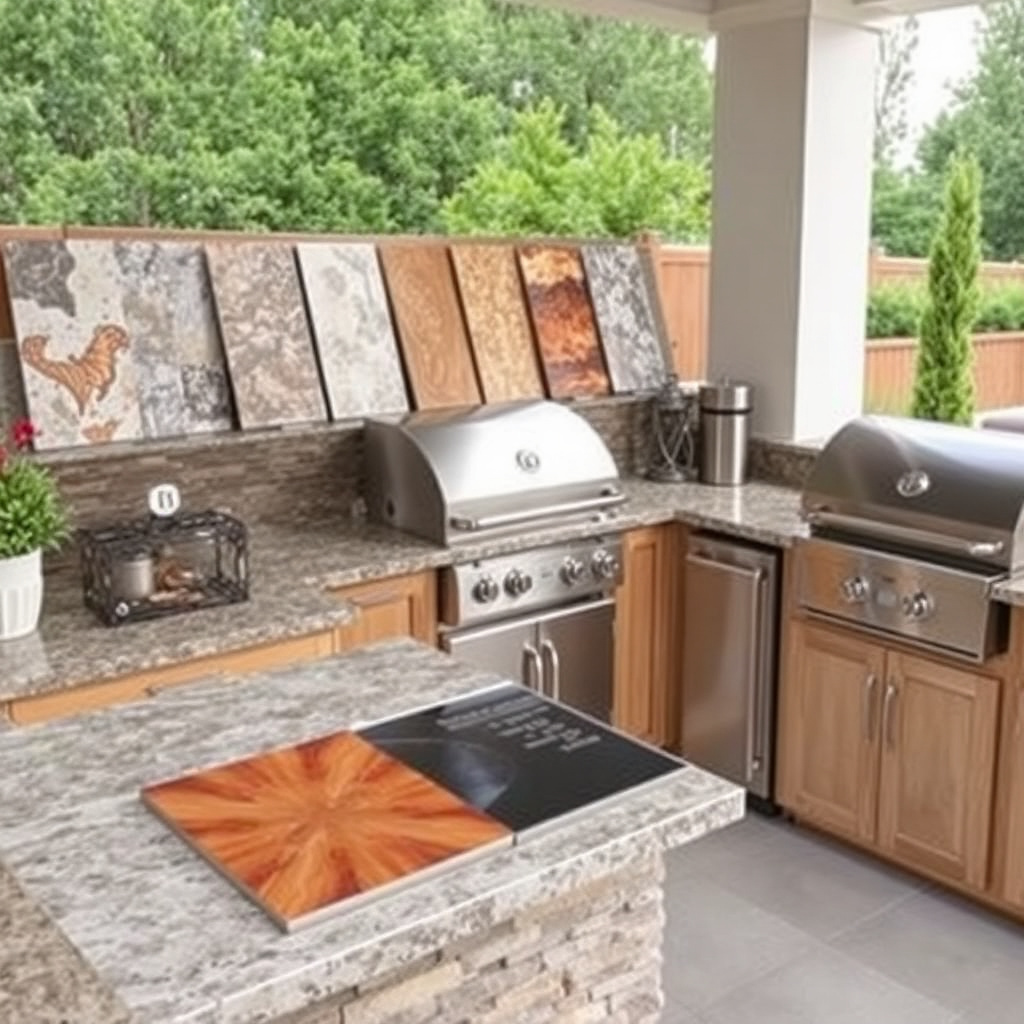
Selecting the right countertop material is key to a successful outdoor kitchen remodel. Materials like granite, concrete, and stainless steel resist weathering, heat, and stains, standing up well to outdoor conditions.
Each material offers a range of aesthetics and maintenance levels; granite provides elegance with moderate upkeep, concrete allows customization and durability, while stainless steel gives a modern, low-maintenance surface that pairs well with appliances.
- Granite: weather-resistant, elegant
- Concrete: customizable, durable
- Stainless steel: modern, low-maintenance
Cabinetry and Flooring Choices
Use weatherproof cabinetry materials like marine-grade polymer or stainless steel to protect stored items from humidity and pests. These materials maintain their appearance and function over time better than untreated wood.
For flooring, choose non-slip surfaces such as natural stone, porcelain tiles, or textured concrete. These options provide safety and durability, withstanding foot traffic and environmental wear while complementing the overall design.
- Marine-grade polymer cabinets for moisture resistance
- Stainless steel cabinets for modern durability
- Stone or porcelain tile flooring for slip resistance
Appliances and Fixtures for a Functional Outdoor Kitchen
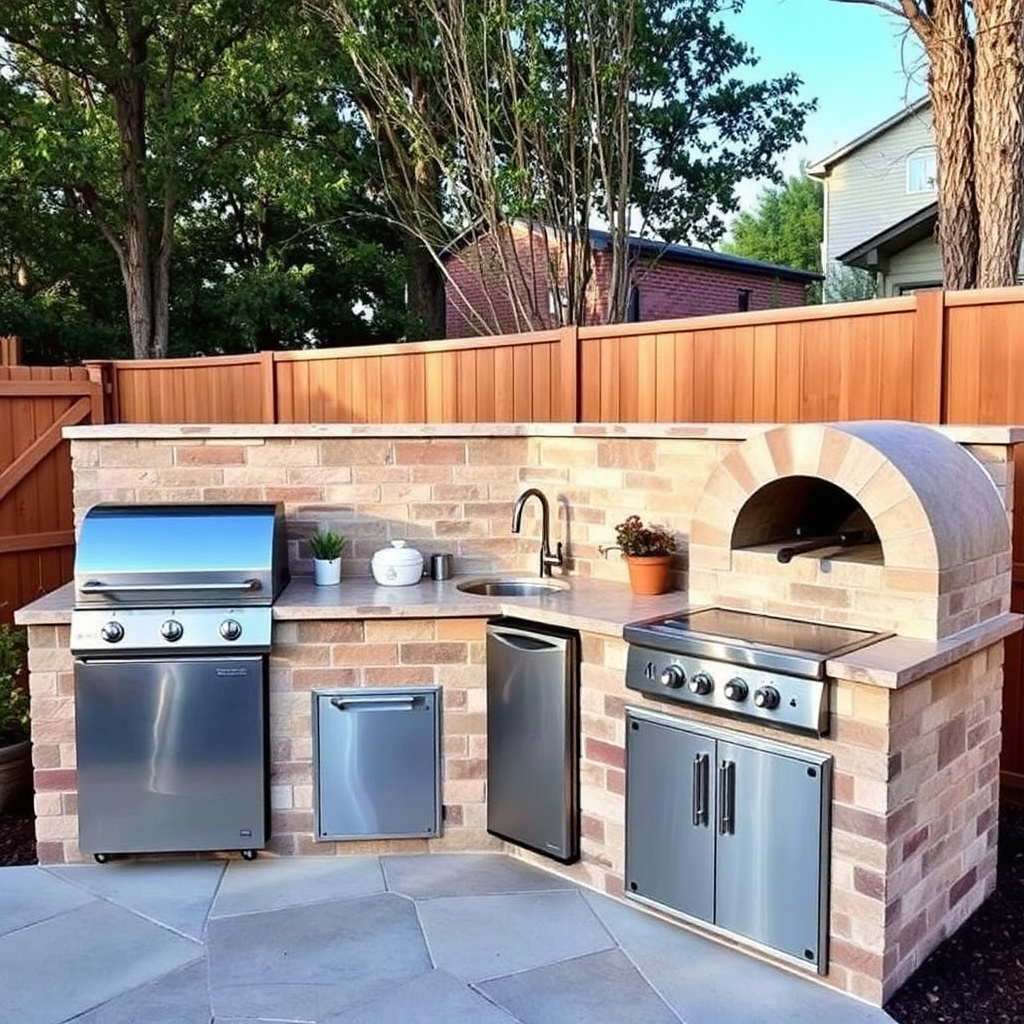
Selecting Appliances for Outdoor Use
Choose appliances specifically designed for outdoor use, such as weather-resistant grills, refrigerators, and sinks. These models are sealed against moisture and rust, ensuring reliable performance in various climates.
Consider appliances that match your cooking style, whether grilling, smoking, or pizza baking. Integrating fuel sources like propane, natural gas, or charcoal influences your appliance choices.
- Built-in gas or charcoal grill
- Outdoor-rated refrigerator
- Weatherproof sink and faucet
Lighting and Electrical Upgrades
Enhance your outdoor kitchen’s functionality with well-planned lighting. Task lighting near cooking and prep areas improves safety, while ambient lighting creates mood for evening gatherings.
Address electrical needs by installing outdoor-rated outlets, GFCI protection, and proper wiring to support appliances and lighting fixtures. Planning these upgrades early avoids costly retrofits.
- LED task lighting over counters
- Ambient string or recessed lighting
- GFCI-protected weatherproof outlets
Layout and Design Considerations for Remodeling Your Outdoor Kitchen

Optimizing Workflows with Kitchen Zones
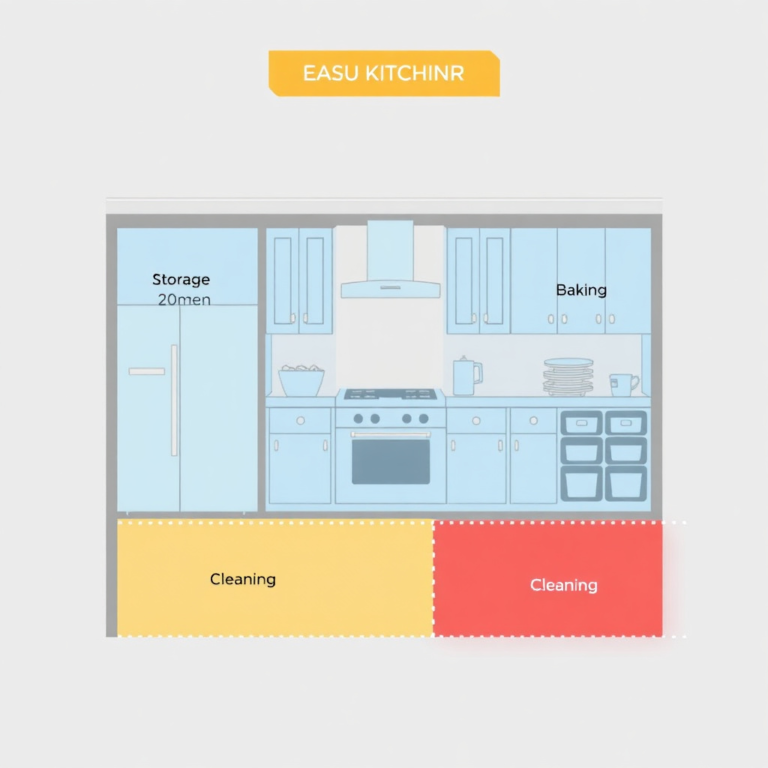
Design your outdoor kitchen layout by establishing separate zones for cooking, prepping, cleaning, and dining. Properly spaced zones minimize movement and make entertaining more efficient.
Place the grill, sink, and refrigerator in a practical triangle to reduce steps. Ensure ample countertop space between zones for prep and serving, and consider shelter options like pergolas for year-round comfort.
- Cooking zone with grill and heat source
- Prep zone with countertops
- Cleaning zone with sink and waste disposal
Integrating Seating and Social Areas
Incorporate comfortable seating adjacent to the kitchen to foster social interaction. Options range from bar stools at a raised counter to lounge areas nearby for relaxed conversations.
Design seating arrangements that encourage mingling without crowding the cooking space. Materials should match the kitchen’s durability standards, allowing easy cleaning and weather resistance.
- Bar seating for casual dining
- Dining tables for family meals
- Weatherproof furniture materials
Utility Connections and Weatherproofing

Setting Up Water and Gas Lines Safely
Reliable water and gas connections are critical for an outdoor kitchen remodel. Hire licensed professionals to install underground water lines and gas pipes to meet local codes and ensure safety.
Consider freeze protection for pipes in colder climates and easy shutoff valves for emergencies. Well-placed hookups contribute to the kitchen’s functionality and longevity.
- Consult licensed plumbers and gas technicians
- Install freeze-resistant piping if needed
- Include accessible shutoff valves
Protecting Your Outdoor Kitchen from the Elements
Use weatherproof sealants on all surfaces, insulated covers for appliances, and roof structures like pergolas or awnings. These measures prevent damage from sun, rain, and debris.
Consider drainage solutions to avoid standing water near the kitchen and choose rust-resistant materials for fixtures and hardware to maximize durability.
- Sealants and protective coatings
- Pergolas or retractable awnings
- Proper drainage planning
Budget Planning and Hiring Professionals

Estimating Costs Realistically
Outline all expenses including materials, appliances, labor, and permits. Don’t overlook hidden costs like landscaping or electrical upgrades. Having a detailed budget helps keep your remodel on track and prevents over-spending.
Get multiple quotes for professional services and compare quality and timelines. Expect variations depending on location, complexity, and material choices.
- Itemize materials and labor separately
- Account for permit and inspection fees
- Buffer budget for unexpected expenses
For additional background and design variations, you can explore the detailed article on Outdoor Kitchen. Outdoor Kitchen.
Choosing Contractors and Specialists
Hire experienced contractors with outdoor kitchen references to handle plumbing, electrical work, and construction. Specialists ensure compliance with safety codes and quality craftsmanship.
Communicate your vision clearly and establish timelines and payment schedules upfront. Regular check-ins during the remodel help address issues promptly.
- Verify licenses and insurance
- Check past project reviews
- Agree on contract details before starting
Outdoor Kitchen Materials Category Comparison
This table compares popular outdoor kitchen materials focusing on durability, maintenance, cost, and appearance to help guide your remodel choices.
| Material | Durability | Maintenance | Cost Range | Appearance |
|---|---|---|---|---|
| Granite | High – resists weather & heat | Moderate – occasional sealing | $$$ | Elegant natural stone with various colors |
| Concrete | Very high – customizable | Moderate – sealing required | $$ | Modern, customizable texture and color |
| Stainless Steel | Very high – rust resistant | Low – simple cleaning | $$$ | Sleek, modern metallic finish |
| Marine-grade Polymer (Cabinets) | High – moisture & pest resistant | Low | $$ | Smooth, color-maintaining surfaces |
| Natural Stone Flooring | High | Low | $$ | Textured, natural look |
Frequently Asked Questions
What is the best material for outdoor kitchen countertops?
Granite and concrete are excellent for outdoor countertops due to their durability and weather resistance. Stainless steel is also popular for a sleek look and low maintenance. Your choice depends on style preferences and budget.
Do I need a permit to remodel my outdoor kitchen?
Permitting requirements vary by location and the scope of your remodel. Generally, installations involving plumbing, gas, or electrical work require permits. Check local regulations before starting.
How can I protect appliances from weather damage?
Use appliances rated for outdoor use, apply protective covers when not in use, and consider installing overhead shelters like pergolas or awnings to shield from rain and UV rays.
What are common budget pitfalls when remodeling an outdoor kitchen?
Underestimating costs for labor, utilities, and finishing touches like lighting or seating can inflate budgets. Setting aside a contingency fund helps manage unexpected expenses.
Can I do an outdoor kitchen remodel myself?
Some tasks like painting or basic assembly are doable for experienced DIYers, but plumbing, gas, electrical work, and structural changes are best left to professionals for safety and code compliance.
Key Takeaways
- Evaluate your current outdoor kitchen space and define clear remodeling goals.
- Choose weather-resistant materials like granite and marine-grade polymers for durability.
- Select outdoor-rated appliances designed to withstand exposure.
- Plan utilities and layout carefully to enhance function and safety.
Conclusion
Remodeling an outdoor kitchen involves balancing practical needs with personal style to create an efficient, inviting space for outdoor cooking and entertaining. Start with an honest assessment of your current setup and determine what features and improvements will best support your outdoor lifestyle. Considering layout, materials, appliances, and weather protection early in the process helps prevent costly revisions and ensures your remodel delivers lasting satisfaction.
For those prioritizing durability, materials like granite countertops paired with marine-grade polymer cabinets provide reliable performance against the elements. If your focus is on modern aesthetics and minimal upkeep, stainless steel appliances combined with concrete surfaces offer a sleek solution. Planning zones carefully enhances the usability of your cooking, prepping, and social areas, making your outdoor kitchen both functional and comfortable year-round.
Once you establish your objectives and budget, engaging qualified professionals for plumbing, gas, and electrical work safeguards your investment and ensures compliance with local codes. Begin with small upgrades if budget constraints exist, gradually expanding your setup into a fully equipped outdoor kitchen. By taking a thoughtful, step-by-step approach, you will transform your backyard into a space that elevates your outdoor living experience.