How to Sharpen Kitchen Knives at Home: A Practical Guide
Learn how to sharpen kitchen knives at home safely and effectively with simple tools and techniques for a razor-sharp edge every time.
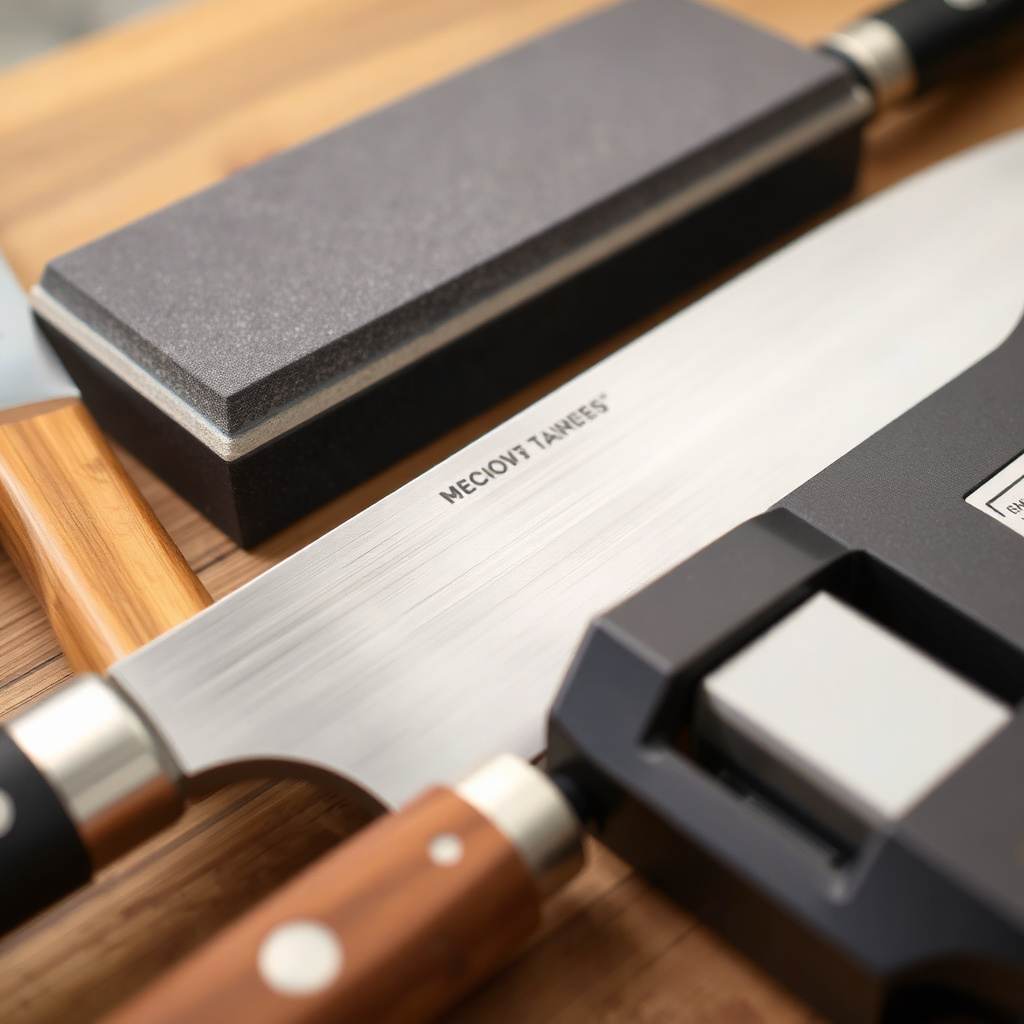
To sharpen kitchen knives at home, start by choosing the right sharpening tool such as a whetstone, sharpening steel, or electric sharpener, then carefully follow the steps to restore the blade’s edge. Using the correct angle and consistent strokes will help you achieve a sharp, precise finish without damaging the knife.
Keeping your kitchen knives sharp improves cutting efficiency and safety because a blunt blade requires more force and increases the risk of slipping. Regular maintenance also prolongs the life of your knives and reduces the need for professional sharpening services.
This article explores various kitchen knife sharpening methods, safety tips, and maintenance advice. It will help you identify the best tools and practices for home use, guiding you through sharpening with whetstones, honing rods, and alternatives like pull-through sharpeners.
Essential Tools for Sharpening Kitchen Knives at Home
Selecting and Using a Whetstone for Precision Sharpening
A whetstone is a versatile sharpening tool offering precise control over the blade angle and sharpness. Whetstones usually come in different grit levels, with coarse grit for reshaping dull edges and fine grit for polishing and honing the blade.
Before starting, soak the whetstone in water for about 10 to 15 minutes. Maintain a consistent 15 to 20-degree angle while sliding the blade across the stone evenly on both sides. Patience and even pressure are key to avoid uneven edges or blade damage.
- Use coarse grit (around 400) for very dull knives
- Use medium grit (1000-3000) for regular sharpening
- Use fine grit (4000-8000) for polishing
Using Honing Steels to Maintain Edge Between Sharpening
A honing steel doesn’t sharpen the blade by removing metal but realigns the edge to keep it straight and sharp. Regular honing can significantly extend the time between full sharpening sessions.
Hold the steel vertically with the tip resting on a stable surface. Swipe the knife blade along the steel at a 15 to 20-degree angle on each side, using gentle, steady strokes. This method is quick and perfect for daily maintenance.
- Use before or after cooking for consistent sharpness
- Avoid applying too much pressure to prevent wear
- Ideal for maintaining knives with already sharp edges
Step-by-Step Guide to Home Kitchen Knife Sharpening

Preparing Your Knife and Workspace
Start with a clean knife and dry workspace to prevent slipping. Ensure good lighting so you can accurately maintain the correct blade angle during sharpening. Secure your whetstone on a non-slip surface to avoid accidents.
Remove any debris or rust from the blade before sharpening. Having a damp cloth nearby helps wipe excess water or metal particles as you work, keeping the edge clean for inspection.
Sharpening Technique with a Whetstone
Hold your knife with a steady grip and position the blade at a 15 to 20-degree angle on the whetstone. Using moderate pressure, slide the blade forward and across the stone, covering the entire edge. Repeat this motion multiple times on one side before switching to the other side, ensuring an even sharpening.
After using the coarse side to restore the blade, flip the whetstone to the fine grit for polishing. Finish by rinsing and drying the blade thoroughly to remove any metal particles and prevent corrosion.
Alternative Kitchen Knife Sharpening Methods
Using Pull-Through Sharpeners for Convenience
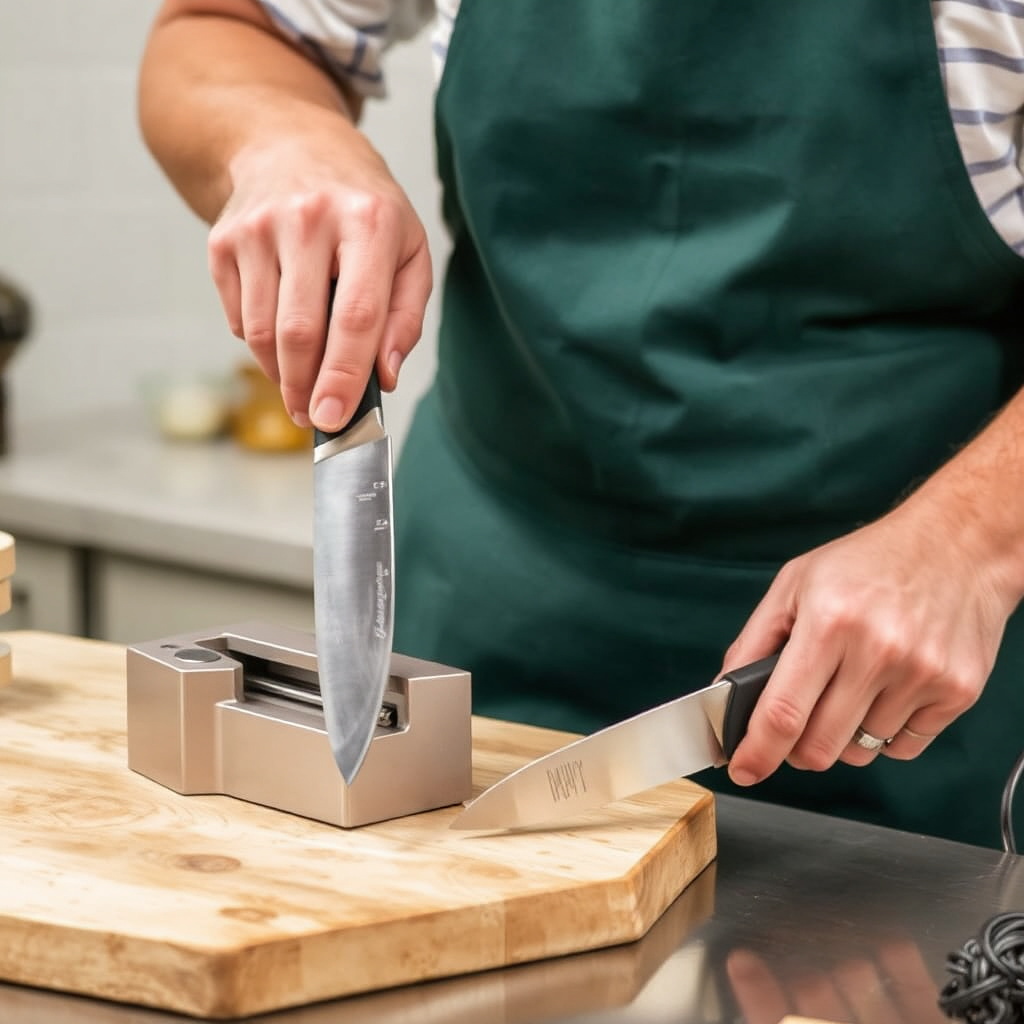
Pull-through sharpeners use preset angles making them user-friendly for beginners. Simply pull the blade through the slot several times to sharpen quickly. However, repeated use can remove more metal than necessary and may reduce blade lifespan if overused.
Ideal for quick touch-ups, these tools require less skill but don't offer the same precision as whetstones. They often have two stages: coarse for sharpening and fine for honing.
- Great for fast, routine sharpening
- Less control over angle and pressure
- Use sparingly to preserve blade life
For more on this, see our related guide: How to Sharpen Kitchen Knives for Perfect Cutting Performance.
Electric Sharpeners: Speed Versus Control
Electric sharpeners automate the sharpening process using rotating abrasive wheels, providing uniform results. They're best for those who want effortless and quick sharpening but require careful handling to avoid overheating or uneven edges.
They usually come with multiple stages for coarse to fine sharpening. While convenient, electric sharpeners can be harsh on high-quality or specialty knife blades if used excessively.
- Provides consistent and fast results
- Less manual effort needed
- Potential for blade damage if misused
Safety and Maintenance Tips While Sharpening Kitchen Knives
Practicing Safe Sharpening Techniques
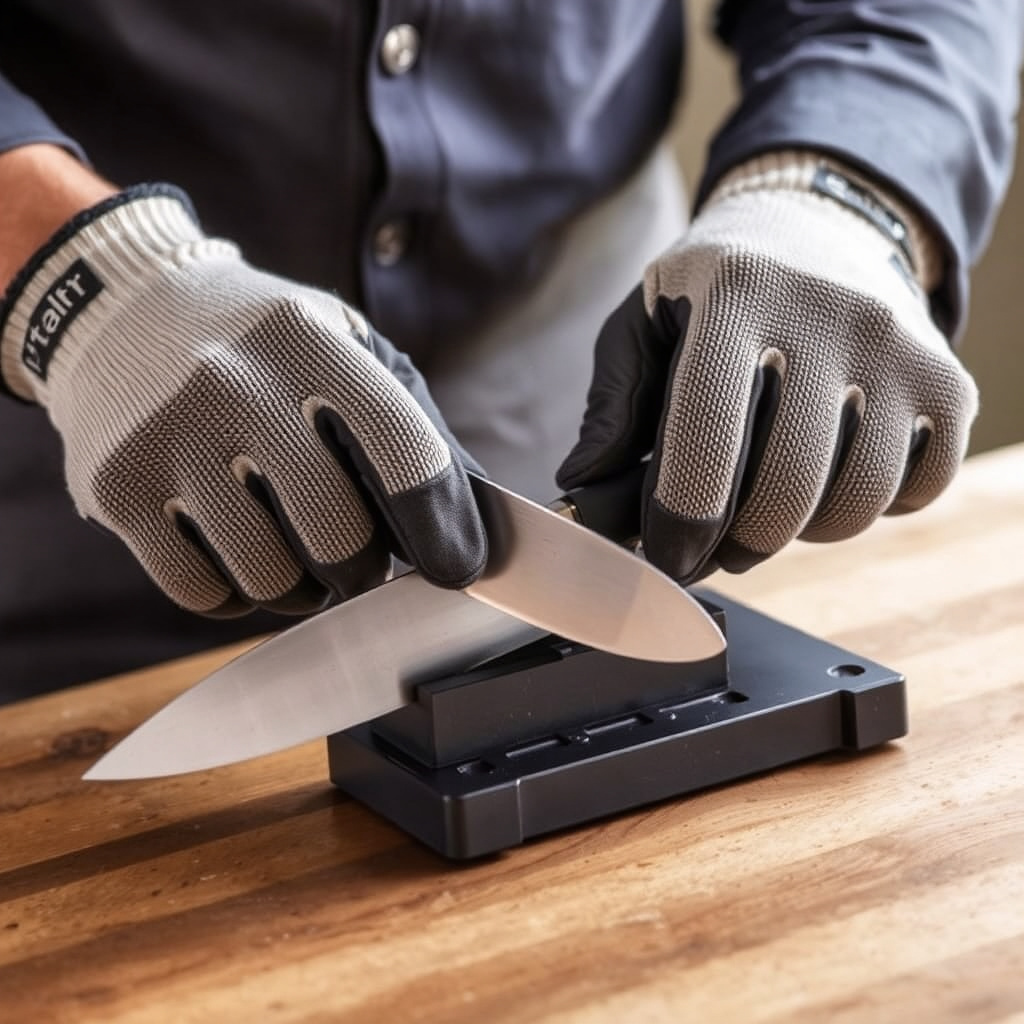
Always sharpen knives on a stable surface to prevent slips. Use protective gloves if you’re new to sharpening to reduce the risk of cuts. Keep your fingers away from the blade path and apply controlled movements to maintain focus and precision.
Avoid distractions during the process. Keep sharpening tools clean and dry to prevent accidents caused by slipping or rust.
Maintaining Sharp Knives After Sharpening
After sharpening, cleanse the knife with warm water and mild soap, then dry completely to prevent rust spots. Store knives in knife blocks or magnetic strips rather than loose in drawers to protect the edge.
Regular honing between sharpening sessions keeps the edge aligned and less prone to dulling, extending the periods between intensive sharpening.
- Clean and dry knives immediately after use
- Store blades in protective holders
- Hone regularly to maintain sharpness
Understanding Knife Blade Materials and Their Impact on Sharpening
Sharpening Stainless Steel and Carbon Steel Blades
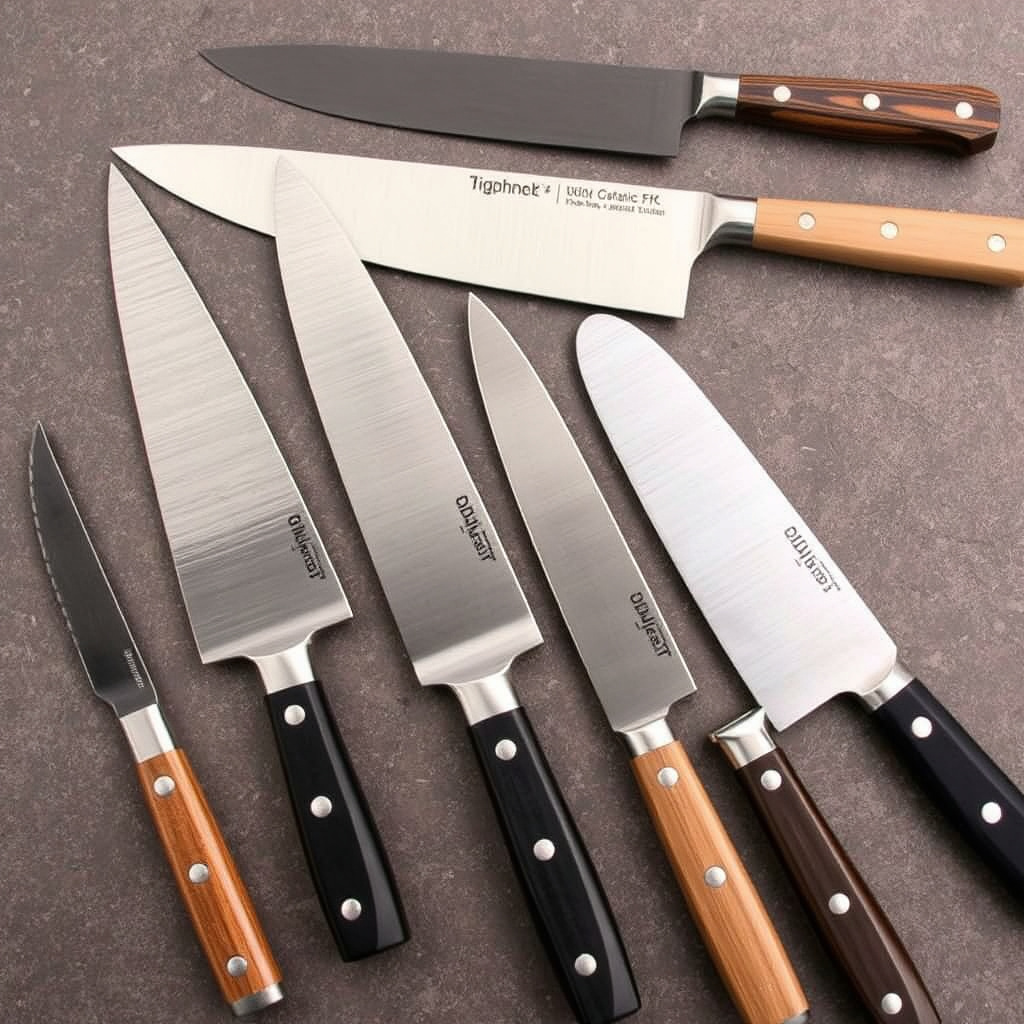
Stainless steel knives are corrosion-resistant but often harder to sharpen, requiring coarser grits for effective sharpening. Carbon steel knives sharpen more easily and to a finer edge but need more maintenance to prevent rust and discoloration.
Knowing the blade material helps choose the correct grit and sharpening method. For carbon steel, frequent honing and immediate drying after washing are essential to preserve the edge.
Special Considerations for Ceramic and Other Specialty Blades
Ceramic blades are extremely hard and maintain sharpness longer but need diamond abrasives for sharpening, usually requiring professional equipment. Attempting to sharpen ceramic knives with traditional whetstones or steels can damage the blade.
For other specialty blades, consult manufacturer guidelines to avoid using unsuitable sharpening tools that could cause chipping or loss of temper.
- Ceramic knives need diamond sharpening tools
- Avoid honing rods for ceramic blades
- High-tech alloys may require specialized care
Common Mistakes to Avoid When Sharpening Kitchen Knives at Home
Incorrect Angles and Pressure Damage Knife Edges
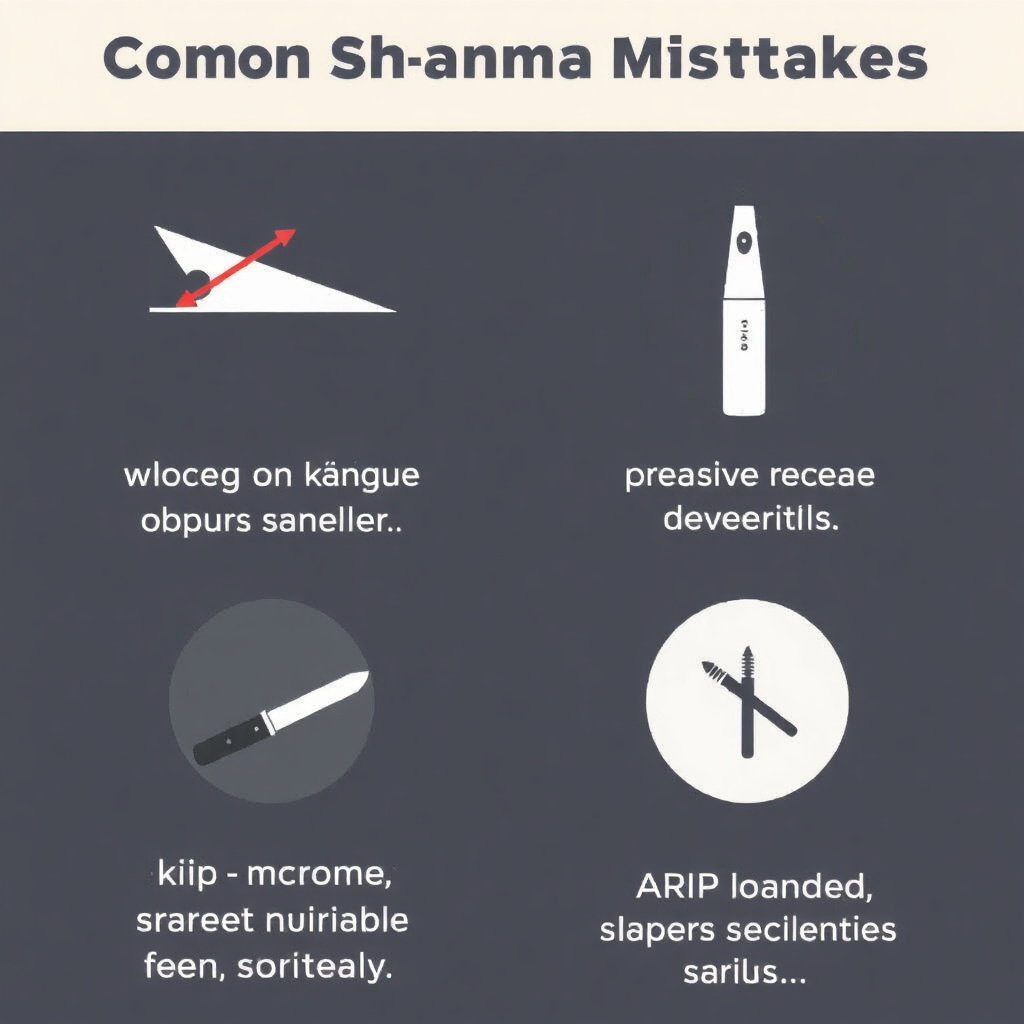
Applying an angle narrower or wider than 15 to 20 degrees can quickly ruin your blade’s edge, causing uneven sharpening or chipping. Excessive force not only wears the blade down too quickly but might also damage the sharpening tool.
Take your time, and practice the correct angle with light to moderate pressure. Using a guide or angle clamp can help beginners maintain consistency.
For additional details on knife sharpening techniques, the Wikipedia article offers a thorough explanation of methods and tools. knife sharpening techniques.
Failing to Maintain and Clean Sharpening Tools
Dirty or worn sharpening stones and tools reduce effectiveness and can embed metal particles into the blade surface, causing rough edges. Regularly flatten whetstones and clean all devices according to manufacturer instructions.
Neglecting tool upkeep may result in duller knives even after sharpening, wasting time and effort.
- Clean stones after every use
- Flatten whetstones periodically
- Store tools dry to avoid corrosion
Comparison of Kitchen Knife Sharpening Methods
Here's a quick overview to help decide which kitchen knife sharpening method suits your needs based on ease, precision, and cost.
| Sharpener Type | Ease of Use | Precision | Cost | Maintenance Required |
|---|---|---|---|---|
| Whetstone | Moderate | High | Moderate | Regular flattening and cleaning |
| Honing Steel | Easy | Moderate (edge realignment only) | Low | Minimal maintenance |
| Pull-Through Sharpener | Very Easy | Low to Moderate | Low | Occasional cleaning |
| Electric Sharpener | Easy | Moderate | High | Regular cleaning and inspection |
Frequently Asked Questions
How often should I sharpen my kitchen knives at home?
Frequency depends on usage, but sharpen every 3 to 6 months for regular home cooks. Use a honing steel weekly to maintain the edge between sharpenings.
Can I use a regular whetstone for all types of kitchen knives?
Most steel knives can be sharpened with a whetstone, but ceramic blades require diamond abrasives. Check the knife material before choosing a sharpening tool.
Is it safe to sharpen knives without professional help?
Yes, sharpening at home is safe if you follow proper techniques, maintain stable work surfaces, and handle knives carefully to avoid injury.
What angle should I use when sharpening kitchen knives?
A sharpening angle between 15 and 20 degrees per side is standard for most kitchen knives, balancing sharpness and edge durability.
Does honing sharpen knives the same way as sharpening?
No, honing realigns the blade edge without removing significant metal, while sharpening removes material to create a new cutting edge.
Key Takeaways
- Maintain a consistent 15-20 degree angle when sharpening kitchen knives.
- Use whetstones for precision sharpening and honing steels for regular edge maintenance.
- Pull-through and electric sharpeners offer convenience but may shorten blade life if overused.
- Safety and proper tool upkeep are essential for effective knife sharpening at home.
Conclusion
Choosing how to sharpen kitchen knives at home depends on your skill level, the type of knives you own, and how often you prepare meals. The key decision factors include the sharpening tool’s ease of use, precision, and maintenance requirements. A whetstone provides superior control and sharpness but demands patience and technique. Honing steels help keep blades aligned between sharpening but don’t replace it. More casual home cooks may prefer pull-through or electric sharpeners for speed and simplicity, though these can wear down blades faster with frequent use. Balancing these factors will help you keep your knives sharp safely and efficiently.
For precision and durability, investing time in learning whetstone sharpening techniques is worthwhile, especially for high-quality stainless or carbon steel knives. If speed is a priority and you use your knives lightly, a pull-through sharpener or an electric device can offer satisfactory results. Honing steel should be part of every kitchen sharpener’s toolkit to prolong edge life with minimal effort. Specialty blades, such as ceramic, usually require professional or diamond sharpening tools, and beginners should proceed cautiously to avoid damage. Regular maintenance and safety precautions are crucial regardless of method.
Start by selecting the sharpening tool that aligns best with your needs and comfort level. Practice sharpening on inexpensive or older blades first to build confidence and avoid costly mistakes. Combine sharpening sessions with frequent honing and proper knife storage to maximize lifespan and cutting performance. With steady care and the right technique, you can maintain razor-sharp kitchen knives at home, enhancing your cooking experience and safety.