How Long to Grill Hamburgers for Perfect Juiciness and Flavor
Discover how long to grill hamburgers for juicy, flavorful results every time. Learn the ideal grilling times and techniques for perfect burgers.
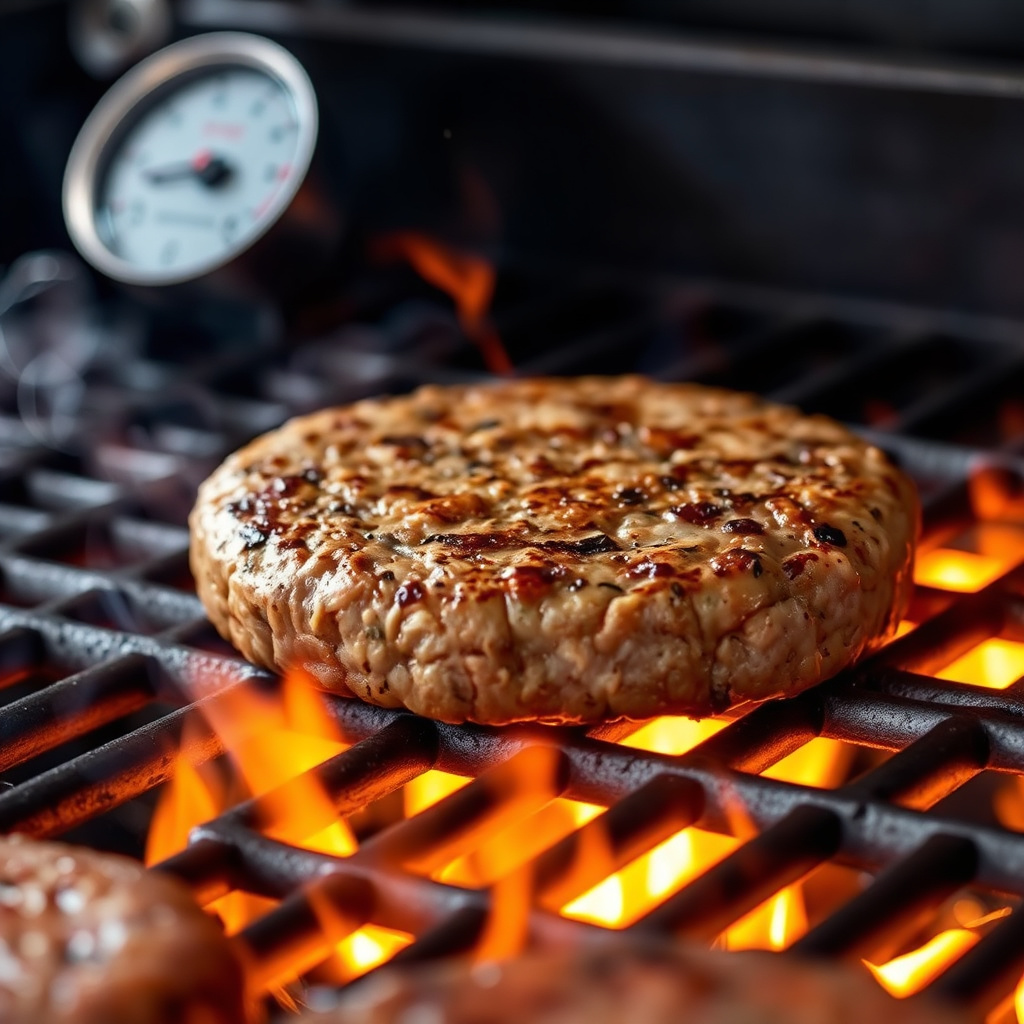
Grilling hamburgers usually takes between 8 to 15 minutes, depending on the thickness of the patty and the desired doneness. For a standard ¾-inch thick patty, grilling for about 4 to 5 minutes per side over medium-high heat typically yields a juicy, medium-cooked burger.
Getting the timing right matters because undercooking poses health risks, and overcooking can dry out the meat and diminish flavor. Factors such as grill temperature, patty composition, and thickness all affect cook time, making awareness of these essential for grilling success.
This article covers how to tell when your hamburgers are done, how grilling times change based on patty thickness and heat levels, plus tips on preparation, flipping techniques, and resting your burgers for peak texture and flavor.
Understanding Grill Temperature and Its Impact on How Long to Grill Hamburgers
Optimal Grill Temperatures for Juicy Burgers
Grilling hamburgers at medium-high heat, around 375°F to 400°F, strikes a balance between properly cooking the interior without burning the exterior. Temperatures lower than 325°F often lead to longer cook times, potentially drying out thinner patties before the center reaches safe temperatures.
Higher temperatures above 450°F can sear the outside quickly, locking in juices but require attention to avoid charring. Monitoring your grill temperature using a built-in gauge or a separate thermometer helps maintain consistent cooking times.
- Medium-high heat: 375°F–400°F ideal for ¾-inch patties
- Lower heat requires longer grilling and careful timing
- High heat sears quickly, best for thicker patties
Indirect Versus Direct Heat Cooking Times
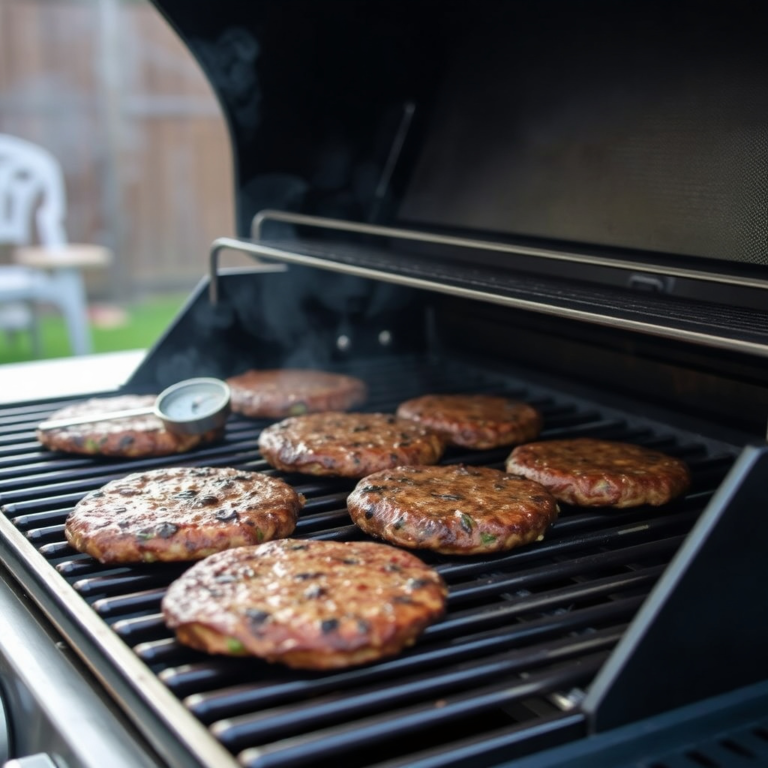
Grilling hamburgers directly over flames allows for fast cooking and caramelized exterior crusts, often taking 4–5 minutes per side. Indirect heat, where the patties are placed off to the side away from flames, slows cook time and is useful for thicker burgers or when adding toppings that require melting.
Using both methods during a cook—searing first over direct heat, then moving to indirect heat to finish—can help grill burgers evenly without risk of burning.
- Direct heat: fast cooking with sear formation
- Indirect heat: slower, for thick patties or toppings
- Use both for balanced cooking
Patty Thickness and How Long to Grill Hamburgers
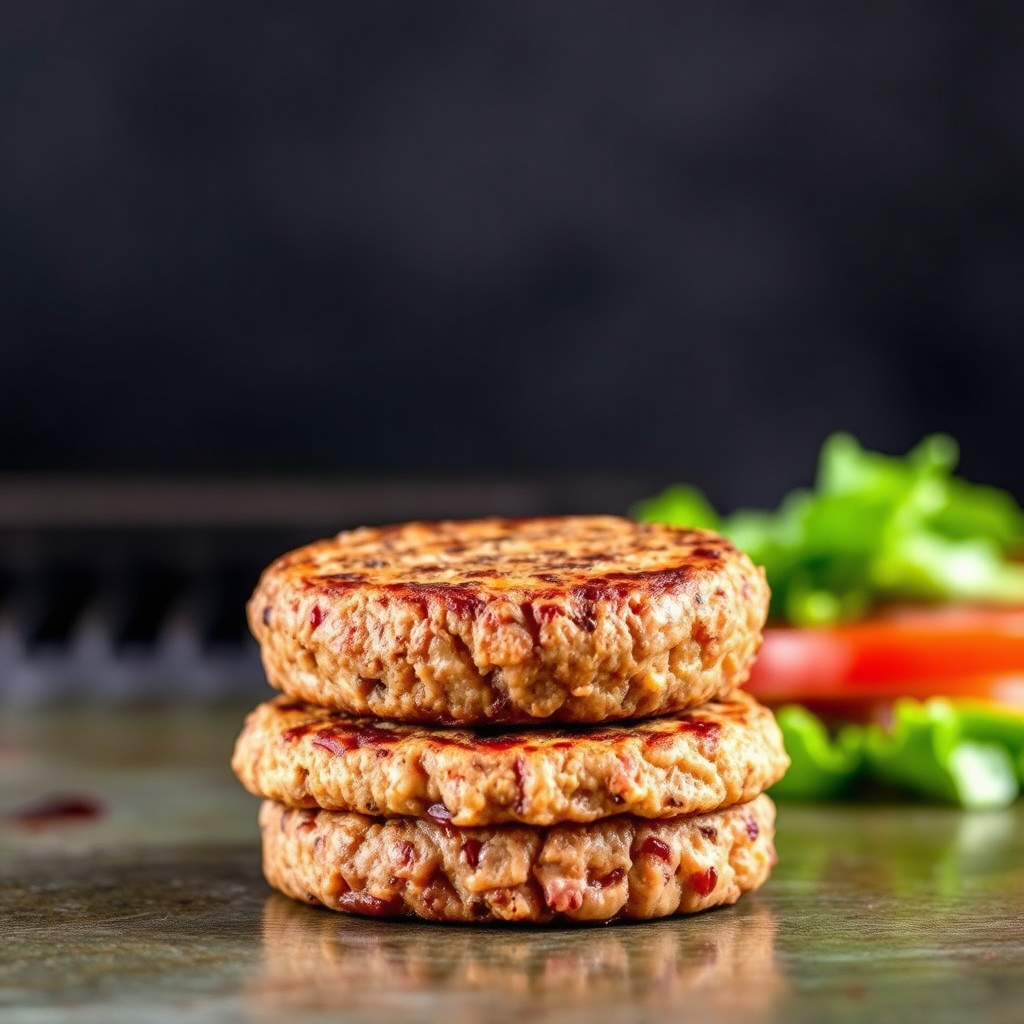
Standard Patty Thickness Grill Times
A ¾-inch thick hamburger patty generally takes 8 to 10 minutes total to grill—4 to 5 minutes on each side. This thickness allows the meat to cook evenly, retaining moisture while achieving a safe internal temperature of 160°F (71°C).
Thinner patties around ½-inch thickness cook faster, often done in 3 minutes per side, while thicker patties 1-inch and above require more time and slower heat to cook through without burning the outside.
- ½-inch patties: about 6 minutes total grilling
- ¾-inch patties: 8–10 minutes typical
- 1-inch+ patties: 10–15 minutes, lower heat preferred
Using a Meat Thermometer to Check Doneness
Rather than guessing times, a reliable way to know how long to grill hamburgers is by measuring internal temperature. The USDA recommends ground beef reach at least 160°F (71°C) for safe consumption.
Insert an instant-read thermometer into the thickest part of the burger without touching the grill or pan. This method ensures juices stay sealed and the meat is neither undercooked nor overdone.
- USDA guideline: 160°F internal temp
- Thermometer prevents over/undercooking
- Use before flipping and at end of cook
Flipping Frequency and Its Influence on How Long to Grill Hamburgers
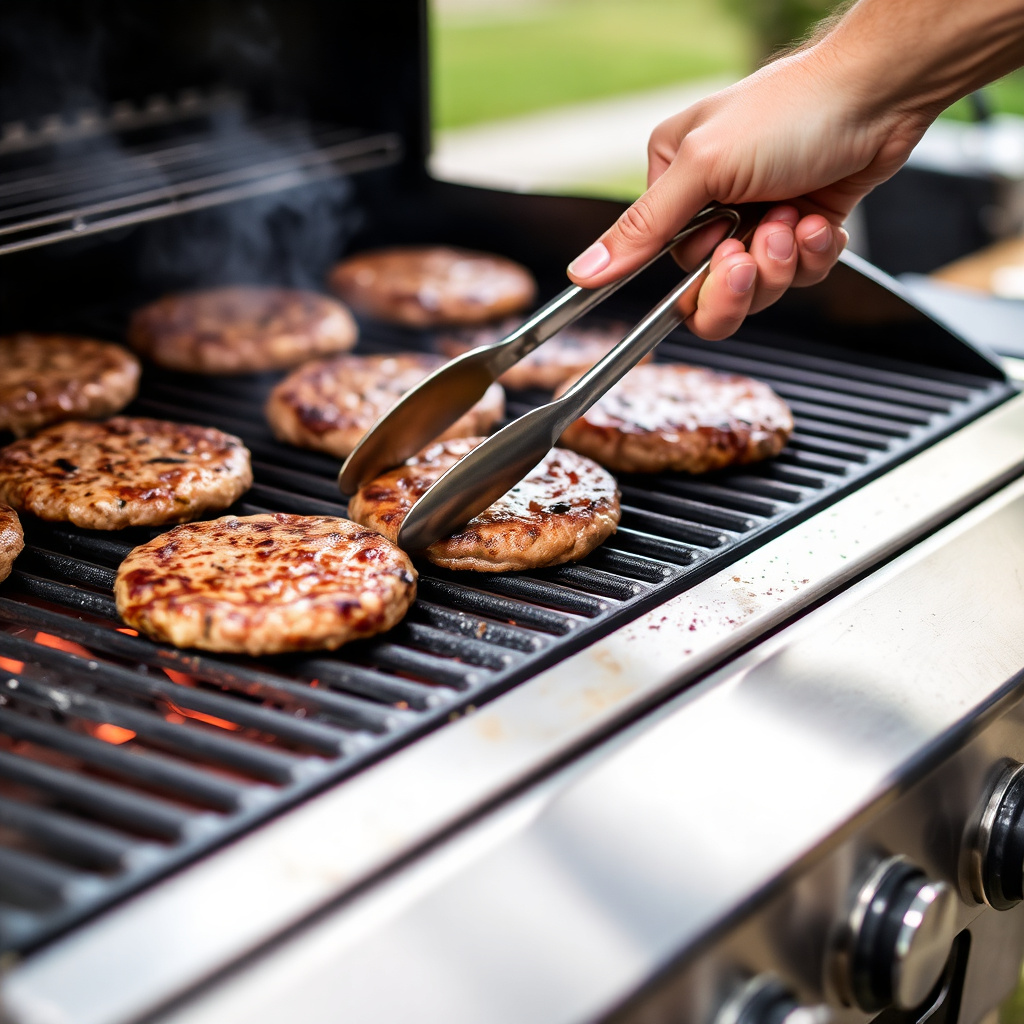
Single Flip Versus Multiple Flips
Many chefs suggest flipping burgers only once during grilling for even searing and to keep juices intact. Over-flipping can disrupt crust formation and extend overall cook time.
However, some advocates encourage flipping every 1–2 minutes to ensure even cooking and reduce moisture loss. Either technique works as long as you avoid pressing down on the patties or flipping excessively.
- Single flip keeps crust and juices
- Multiple flips promote even cooking
- Avoid pressing down on patties
Timing the Flip for Best Results
Flip hamburgers when juices begin to rise on the uncooked side—usually after about 4–5 minutes for medium heat and ¾-inch thickness. Flipping too soon may cause sticking and tear the patty.
Allowing a crust to form makes flipping easier and prevents waste. Utilize a wide spatula for gentle handling.
- Flip upon visible juices rising
- Form crust before flipping
- Use a wide spatula for gentle flips
Preparing Your Burgers Before Grilling
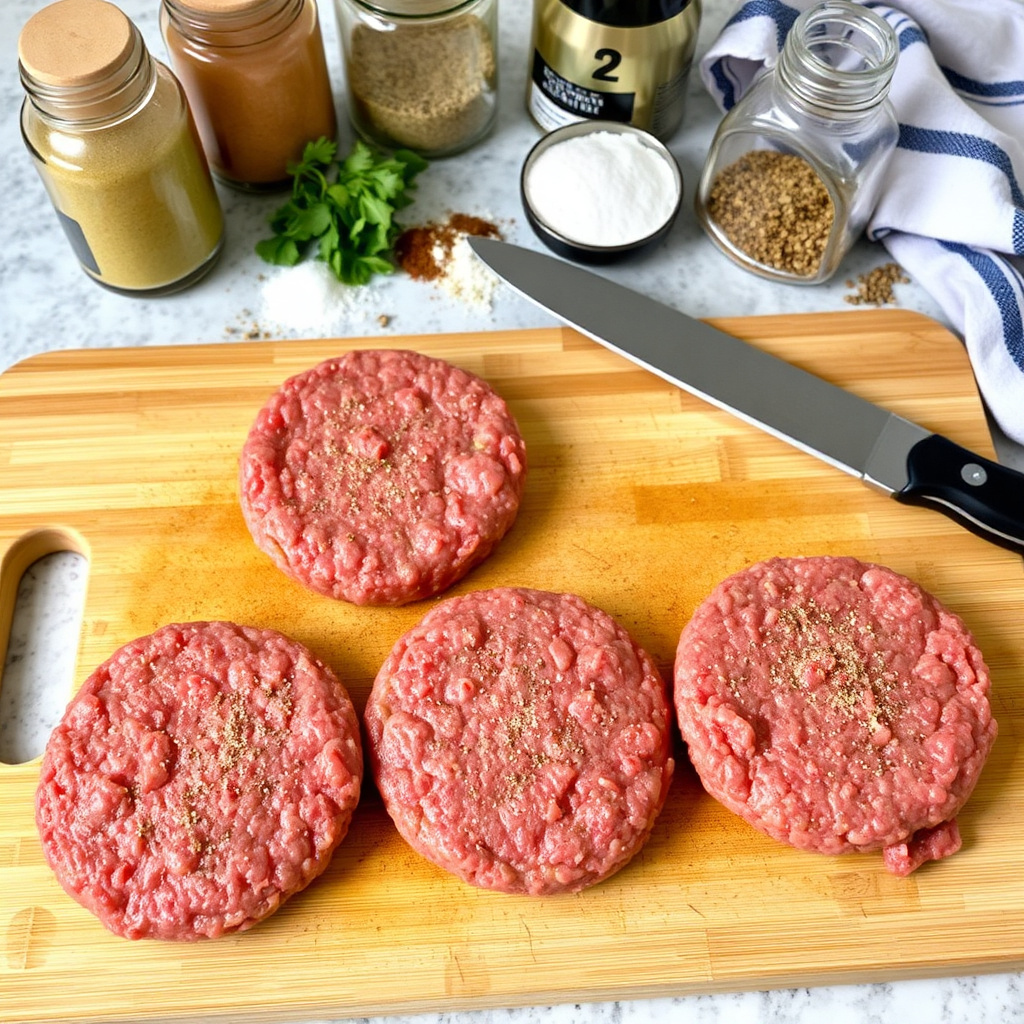
Seasoning and Resting Patties
Season hamburger patties with salt and pepper just before grilling to avoid drawing out moisture. Some prefer adding seasoning while forming the patties, but immediate pre-grill seasoning helps preserve juiciness.
Let patties rest at room temperature for about 15 minutes to ensure even cooking. Cold meat placed directly on the grill often cooks unevenly.
- Season immediately before grilling
- Avoid early salting to maintain moisture
- Rest patties 15 minutes at room temp
Avoiding Overhandling for Tender Texture
Minimize compressing or overworking ground beef when forming patties to prevent dense, dry burgers once cooked. Handle gently and press an indentation in the middle of each patty to counter shrinkage while grilling.
Even thickness throughout the patty promotes steady cooking times and better texture.
- Handle meat gently when forming
- Make an indentation in center
- Keep even thickness
Resting and Serving After Grilling
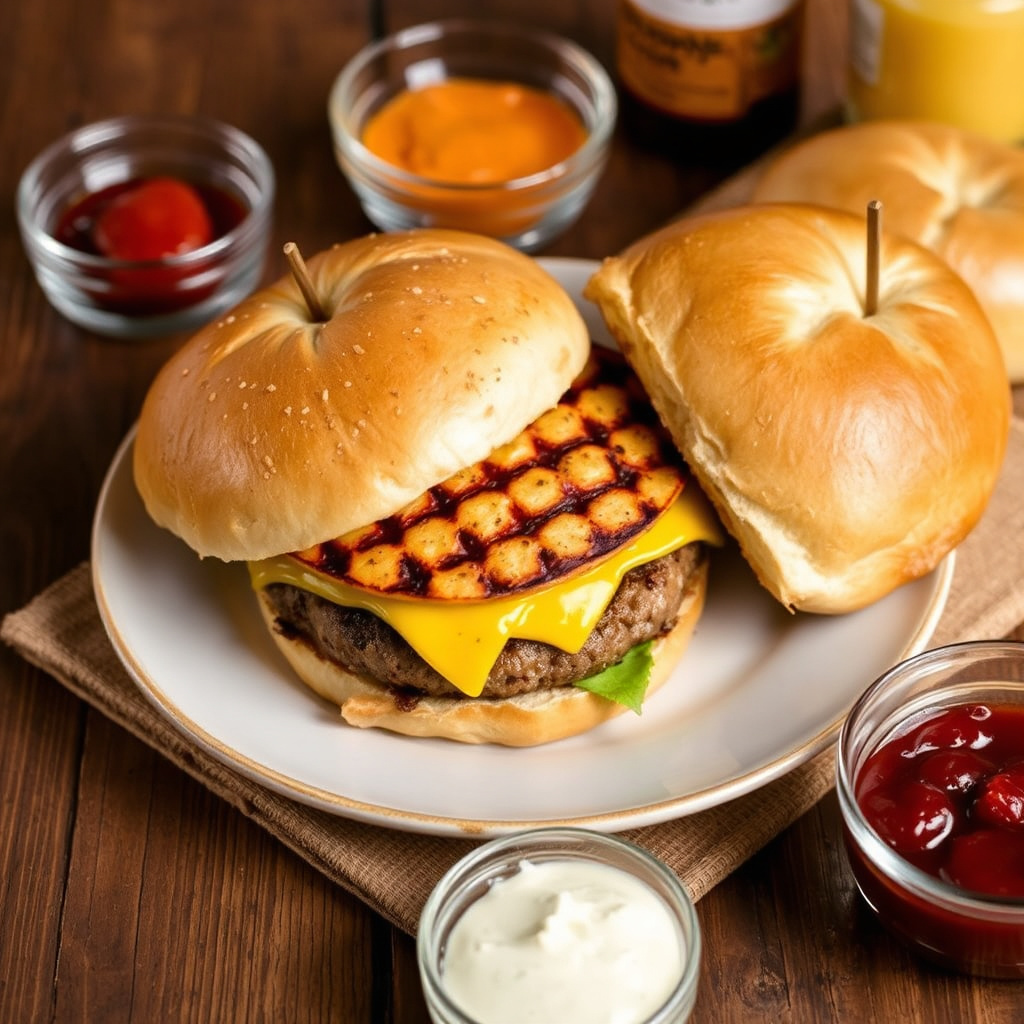
Importance of Resting Grilled Hamburgers
Resting grilled hamburgers off the heat for 3 to 5 minutes allows juices to redistribute throughout the patty, enhancing tenderness and flavor. Serving immediately can cause juices to run out and dry the burger.
Cover loosely with foil during resting to keep warmth without steaming the crust.
- Rest 3–5 minutes post grill
- Cover loosely with foil
- Enhances juiciness and flavor
Refer to the USDA’s official grilling ground beef safety guidelines for recommended internal cooking temperatures. Grilling ground beef safety guidelines.
Choosing the Right Serving Temperature
After resting, serve burgers while still warm but not excessively hot, which can mask flavors or burn mouths. A slightly cooled burger lets toppings integrate better and improves overall eating experience.
Store any leftovers promptly to maintain safety and moisture.
- Serve warm but not hot
- Integrate toppings after resting
- Refrigerate leftovers within 2 hours
Grilling Method Comparison for Hamburger Cook Times
This table compares common grilling methods and their typical cooking durations for hamburgers of standard thickness.
| Grilling Method | Heat Level | Approximate Cook Time (per side) | Flavor Impact |
|---|---|---|---|
| Direct heat | Medium-high (375°F–400°F) | 4–5 minutes | Classic sear with strong grill flavor |
| Indirect heat | Medium (300°F–350°F) | 6–8 minutes | Even cooking, less charring |
| Combination (sear then indirect) | High then medium | 2–3 then 3–5 minutes | Balanced crust and tenderness |
| Pan grilling | Medium-high | 4–6 minutes | Maillard reaction, less smoky |
| Charcoal grilling | Medium-high | 4–5 minutes | Smokiest, authentic BBQ flavor |
Frequently Asked Questions
How can I tell when my hamburger is fully cooked on the grill?
Use an instant-read thermometer to check that the center of the patty reaches 160°F (71°C). Alternatively, juices running clear and firmness to touch indicate doneness, but the thermometer is most reliable.
Does flipping a burger more than once affect grilling time?
Flipping multiple times can slightly increase grilling time since the burger cools briefly with each flip, but it can promote even cooking if done gently without pressing the patty.
Should I press down on my burger while grilling to cook faster?
Pressing down squeezes out juices, leading to a drier burger. It’s better to avoid this to keep your hamburger juicy and flavorful.
Is it better to grill burgers from frozen or thawed?
Thawed patties grill more evenly and quickly; grilling from frozen requires longer cook times and increases risk of uneven cooking. For best results, thaw before grilling.
How long should I rest burgers after grilling?
Rest burgers for 3 to 5 minutes after removing from the grill to let juices redistribute, which improves tenderness and juiciness when served.
Key Takeaways
- Grill ¾-inch patties about 8–10 minutes total over medium-high heat.
- Use an instant-read thermometer to check for 160°F internal temperature.
- Flip burgers once when juices rise, avoid pressing down.
- Rest burgers 3–5 minutes off heat for best juiciness.
Conclusion
Determining how long to grill hamburgers hinges on factors like patty thickness, grill temperature, and cooking method. Starting with medium-high heat and roughly 4 to 5 minutes per side for standard patties provides a solid baseline. Employing a thermometer gives certainty about food safety and doneness, preventing guesswork. Paying attention to grilling technique, especially flipping frequency and avoiding unnecessary pressure, maintains the burger’s texture and moisture. Resting burgers after grilling finishes the process by enhancing juiciness and flavor distribution.
For cooks seeking quick meals, thinner patties on direct heat yield faster results but require attentive timing to avoid dry spots. Thicker patties benefit from searing then moving to indirect heat, prolonging cook time but producing a tender interior and flavorful crust. Charcoal grilling offers smoky taste and nearly classic timing, while pan grilling indoors adapts the best grilling time with slightly less smoke. Experimenting with these categories suits different tastes and schedules without sacrificing quality.
Ultimately, the best approach is to monitor your grill’s heat, use a meat thermometer, and become familiar with your preferred doneness level. Preparing patties properly before grilling and resting afterward completes the cycle toward perfect burgers. With these steps and timing insights on how long to grill hamburgers, anyone can confidently create juicy, flavorful burgers that satisfy every time.