How to Clean Non Stick Cookware Without Damaging the Surface
Learn how to clean non stick cookware safely and effectively to maintain its coating and prolong its life with simple, practical tips.
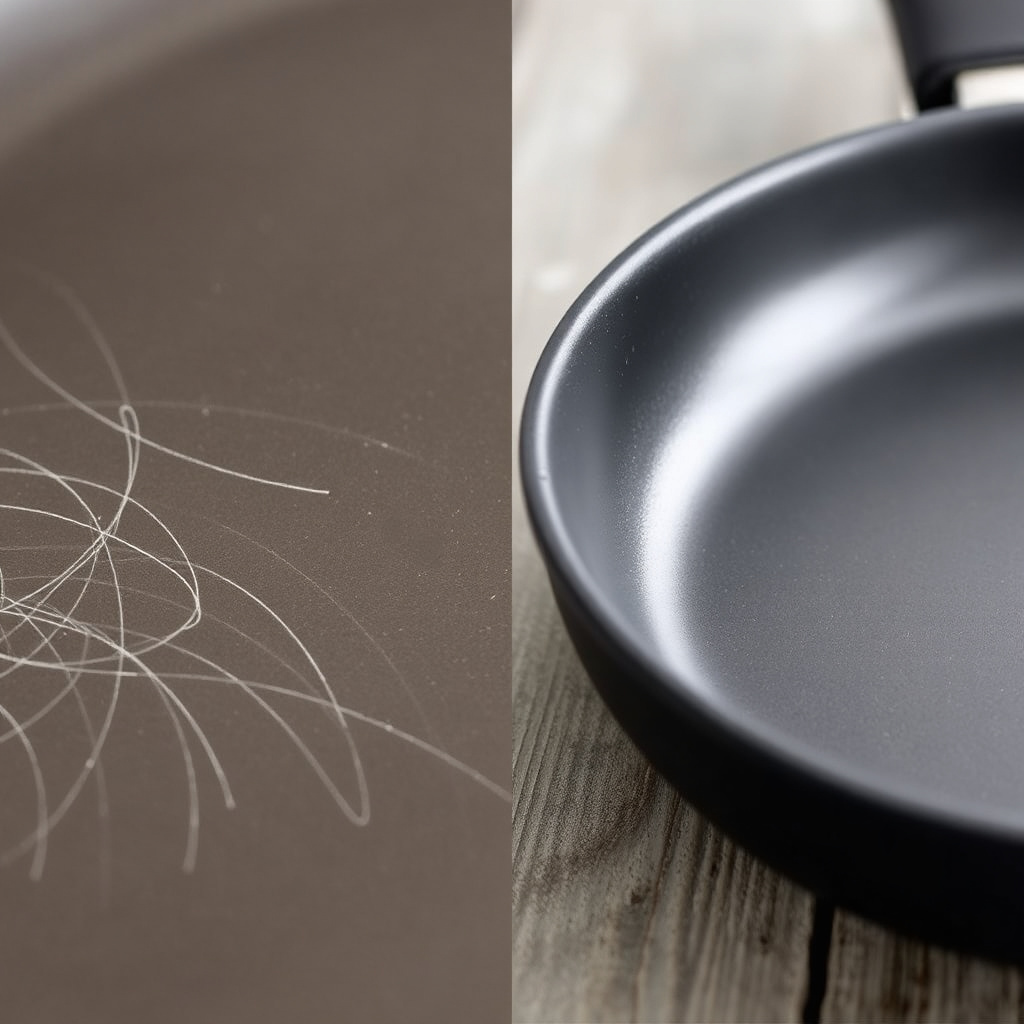
Cleaning non stick cookware properly is essential to preserve its coating and prevent damage. The best way to clean non stick cookware is to avoid harsh abrasives and high temperatures. Instead, use warm soapy water, a soft sponge, and gentle scrubbing to remove food residue without scratching the surface.
Non stick pans get their popularity from easy cooking and effortless cleaning. However, improper cleaning methods can reduce their non stick properties quickly. Using metal scrubbers, abrasive cleaners, or dishwasher cycles can scratch or wear down the coating, shortening the pan’s useful life.
This article will explain step-by-step how to clean non stick cookware effectively, what cleaning tools and products to avoid, how to remove tough stains, and maintenance tips to keep the coating intact. You will also find comparisons of cleaning methods and answers to common questions.
Understanding Non Stick Cookware and Its Care Requirements
What Makes Non Stick Cookware Unique
Non stick cookware is coated with materials like PTFE (Teflon) or ceramic that prevent food from sticking during cooking. This coating creates a smooth surface but is relatively delicate and prone to scratches or chemical damage.
Unlike stainless steel or cast iron pans, non stick pans must be treated gently to keep their surface intact. High heat and abrasive cleaning products can break down the coating, reducing effectiveness.
Why Proper Cleaning Matters
Cleaning non stick cookware correctly preserves the cooking surface and extends the pan’s lifespan. Improper cleaning can lead to the coating peeling or chipping, which not only ruins the pan but may also release harmful substances into food.
Maintaining a non stick pan through proper cleaning allows it to retain its ease of cooking, reduces the need for excess oils or fats, and keeps food tasting fresh.
Step-by-Step Guide to Cleaning Non Stick Cookware
Daily Cleaning Routine
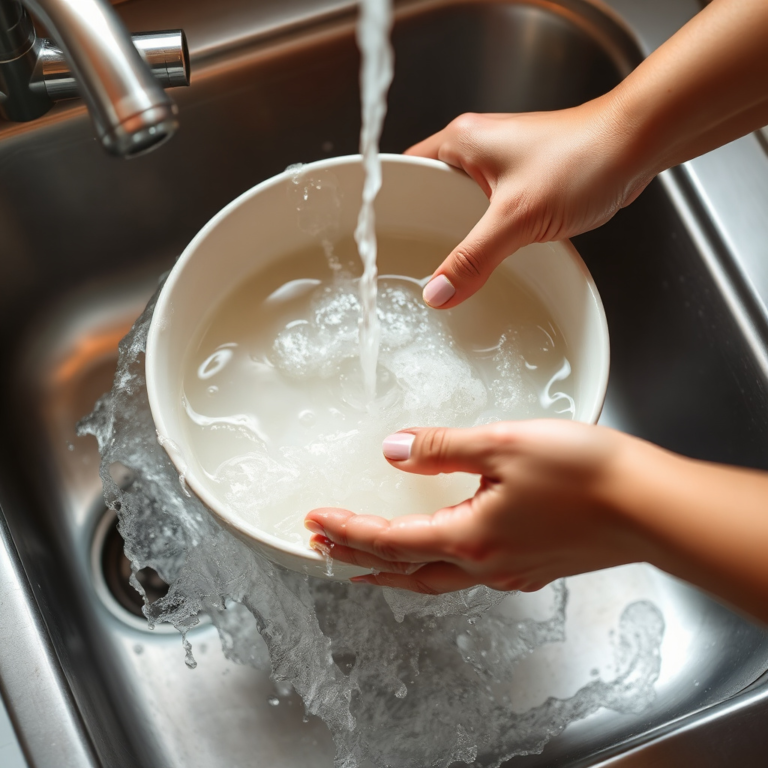
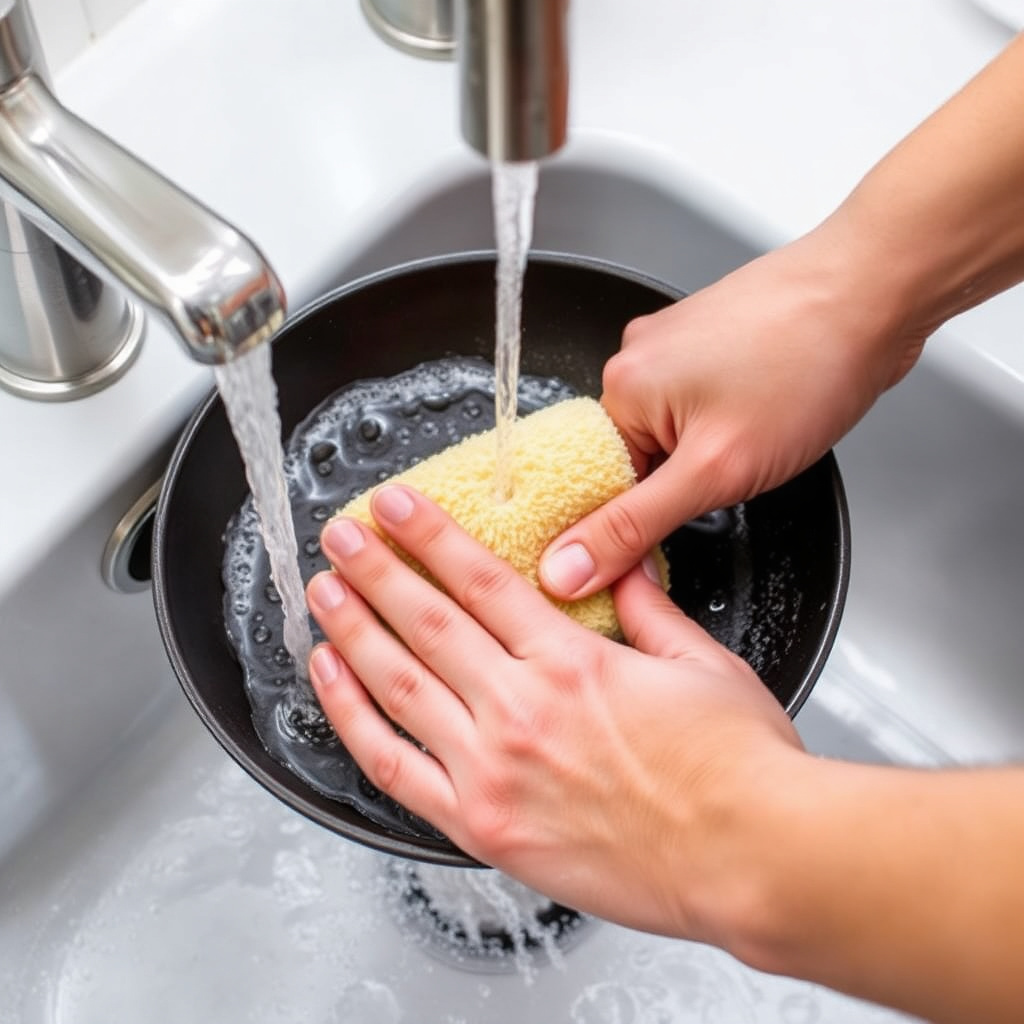
After cooking, let the pan cool before cleaning to prevent warping. Fill the sink with warm water and add a mild dish soap. Use a soft sponge or cloth to gently wash the interior and exterior surfaces, avoiding metal scrubbers.
Rinse thoroughly with warm water to remove soap residue and dry the pan completely with a soft towel or air dry to prevent water spots.
- Use warm, not hot, water
- Avoid abrasive sponges
- Wipe dry after washing
Removing Hardened Food and Stains
For stubborn stuck-on food, soak the pan in warm soapy water for 15 to 30 minutes before gently scrubbing. Baking soda can also help; sprinkle a small amount on the pan and scrub lightly with a damp soft sponge.
Avoid using steel wool or abrasive cleaners as these will scratch the non stick coating. Rinse the pan well after cleaning to remove all baking soda residues.
- Soak before scrubbing
- Use baking soda as a mild abrasive
- Never use steel wool or metal brushes
Cleaning Tools and Products to Avoid
Harsh Abrasives and Methods
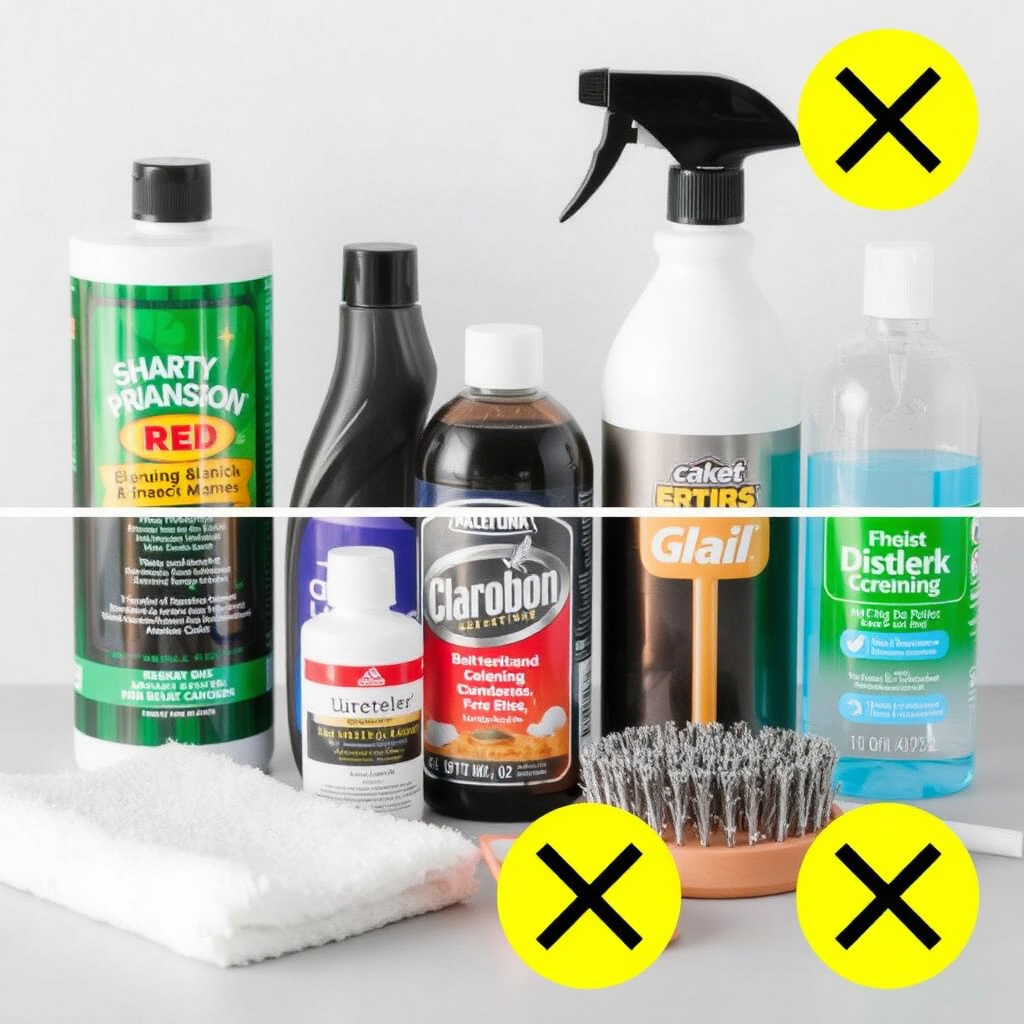
Scouring pads, steel wool, and abrasive powders can easily damage the protective surface on your non stick cookware. These tools scrape microscopic layers off the coating, causing it to degrade more quickly.
Dishwashers often use intense detergents and high temperatures that may also harm the coating. Though some non stick pans are labeled dishwasher-safe, hand washing is recommended for best longevity.
- Steel wool
- Metal scouring pads
- Harsh chemical cleaners
- Dishwasher cycles
For more on this, see our related guide: How to Use Stainless Steel Cookware for Perfect Cooking Results.
Unsafe Chemical Cleaners
Avoid using bleach, oven cleaners, or other harsh chemical agents on non stick surfaces. These substances can cause discoloration, peeling, or cracking of the coating.
Stick to gentle dish soaps and natural cleaning agents like baking soda or white vinegar diluted in water when deeper cleaning is needed.
- No bleach or oven cleaners
- Use gentle detergents only
- Natural solutions preferred
Maintaining Your Non Stick Cookware Over Time

Proper Storage Practices
Stacking pans without protection can cause scratches to the non stick surface. Use pan protectors, paper towels, or cloth layers between pans if storing them stacked.
Store pans in a dry place and avoid exposure to extreme temperature changes which can warp or crack the coating.
- Use pan protectors between stacked pans
- Avoid damp or humid storage areas
Re-seasoning Non Stick Cookware
Though not necessary for all non stick cookware, some types benefit from occasional seasoning to restore surface slickness. Lightly rub a thin layer of cooking oil on the cooled pan and heat it on low for a few minutes before wiping away excess oil.
Seasoning helps to fill in microscopic scratches and maintain the coating’s non stick qualities.
- Use neutral oils like canola or vegetable
- Heat gently for a couple of minutes
- Repeat every few months
Eco-Friendly and Alternative Cleaning Techniques
Using Natural Ingredients
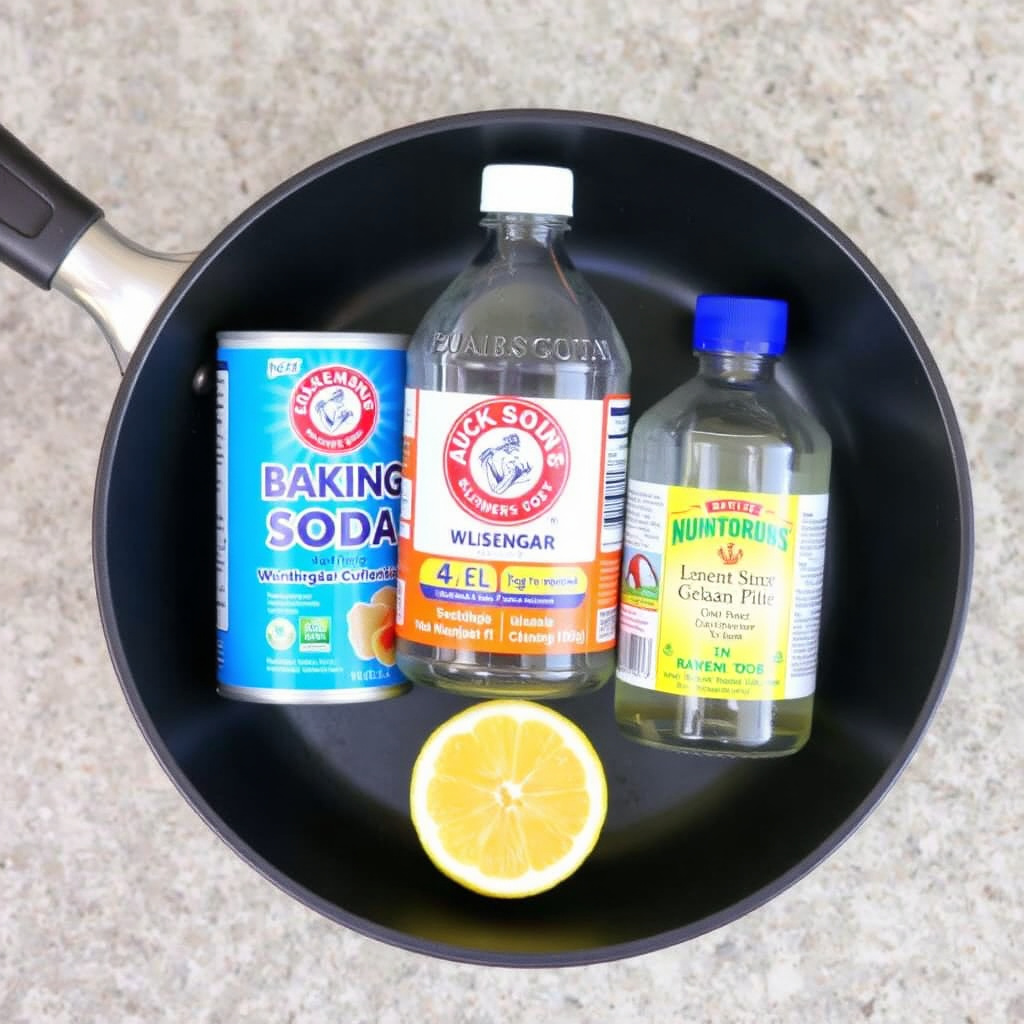
Lemon juice and white vinegar can break down grease and mineral deposits safely on your non stick cookware. Mix a solution of equal parts vinegar and water, soak the pan, then wipe clean gently with a soft cloth.
Baking soda acts as a mild abrasive to remove stains without harming the coating.
- Vinegar-water soak
- Lemon juice scrubs
- Baking soda pastes
For more on this, see our related guide: How to Cook with Stainless Steel Cookware: A Practical Guide for Perfect Meals.
Steam and Hot Water Techniques
Boiling water in the pan can loosen stuck residue naturally. Pour boiling water into the pan after cooking and let it sit for 10 minutes to soften burnt food, then wash with soap and a soft sponge.
Steam can also sanitize without the need for harsh chemicals.
Common Mistakes to Avoid When Cleaning Non Stick Cookware
Overheating and Thermal Shock
Non stick coatings can be damaged by excessively high heat or rapid temperature changes. Avoid putting a hot pan directly into cold water or heating an empty pan on high flame for a long time.
Such thermal shock can warp the pan or cause the coating to blister and deteriorate.
- Never immerse a hot pan in cold water
- Avoid overheating empty pans
For more detailed information about non-stick cookware, you can visit the comprehensive Wikipedia page on the subject. non-stick cookware.
Using Metal Utensils and Wrong Cleaners
Metal spatulas or forks can scratch the non stick surface during cooking or cleaning. Use silicone, wood, or plastic utensils instead to keep the coating intact.
Also refrain from using abrasive cleansers that strip the protective layer.
- Avoid metal utensils
- Use only gentle cleaners
Non Stick Cookware Cleaning Methods Comparison
This table summarizes popular cleaning methods, their pros and cons, and suitability for non stick cookware.
| Cleaning Method | Effectiveness | Risk of Damage | Ease of Use | Eco-Friendliness |
|---|---|---|---|---|
| Warm Soapy Water & Soft Sponge | High | Very Low | Easy | High |
| Baking Soda Paste | Medium | Low | Moderate | High |
| Dishwasher | Moderate | High | Easy | Low |
| Steel Wool & Abrasives | High | Very High | Difficult | Low |
| Vinegar Soak | Medium | Low | Moderate | High |
| Boiling Water Soak | Medium | Low | Easy | High |
Frequently Asked Questions
Can I put non stick cookware in the dishwasher?
Although some non stick cookware is labeled dishwasher-safe, frequent dishwasher use can degrade the coating. Hand washing with mild soap and a soft sponge is better to maintain the surface.
How do I remove burnt food without damaging the pan?
Soak the pan in warm soapy water for at least 15 minutes, then gently scrub with a soft sponge. For tougher stains, a baking soda paste can help clean without scratching.
Is it safe to use metal utensils on non stick pans?
Using metal utensils on non stick pans is not recommended because they can scratch and damage the coating. Opt for wooden, silicone, or plastic utensils instead.
Can I use vinegar or lemon juice to clean my non stick cookware?
Yes, diluted vinegar or lemon juice can safely clean and remove mineral deposits on non stick cookware when used gently with a soft cloth or sponge.
How often should I season my non stick pan?
Seasoning frequency depends on the pan type, but applying a light oil layer and heating it every few months helps maintain non stick properties and can extend cookware life.
Key Takeaways
- Always hand wash non stick cookware with warm soapy water and a soft sponge.
- Avoid abrasive cleaners, steel wool, and dishwashers to protect the coating.
- Use gentle natural cleaners like baking soda and vinegar for tough stains.
- Store pans carefully and consider periodic seasoning to maintain non stick surface.
Conclusion
Selecting the right cleaning approach for your non stick cookware involves balancing cleaning effectiveness with preserving the delicate coating. Consistently washing by hand with mild detergent and avoiding abrasive tools is the foundation for longevity. Minor stains and stuck food should be tackled with gentle soaking and natural mild abrasives like baking soda, which clean without compromising the surface. By understanding the vulnerabilities of non stick coatings, especially against scratching and harsh chemicals, you can prevent premature wear and keep them performing for years.
If you want specific guidance, daily maintenance with warm soapy water and a soft sponge is recommended. For more stubborn residues, a gentle baking soda paste or vinegar soak works well. Avoid dishwashers and steel wool at all costs. For occasional upkeep, re-seasoning the pan with a bit of cooking oil can refresh the surface effectively. Non stick pans that you use regularly will benefit from these simple yet consistent care habits, which extend their usability vastly compared to neglect or harsh cleaning.
To care for your non stick cookware now, begin by inspecting your cleaning tools and opting for soft sponges. Implement warm water hand washing after each use and treat stubborn spots with natural pastes or soaks as described. With regular, gentle care focused on preserving the coating, your cookware will maintain its non stick properties longer and cook more efficiently without sticking or degrading.