How to Rid of Gnats in the Kitchen: Effective Strategies to Eliminate Them Fast
Learn how to rid of gnats in the kitchen quickly with proven methods. Keep your kitchen gnat-free using natural and chemical treatments.
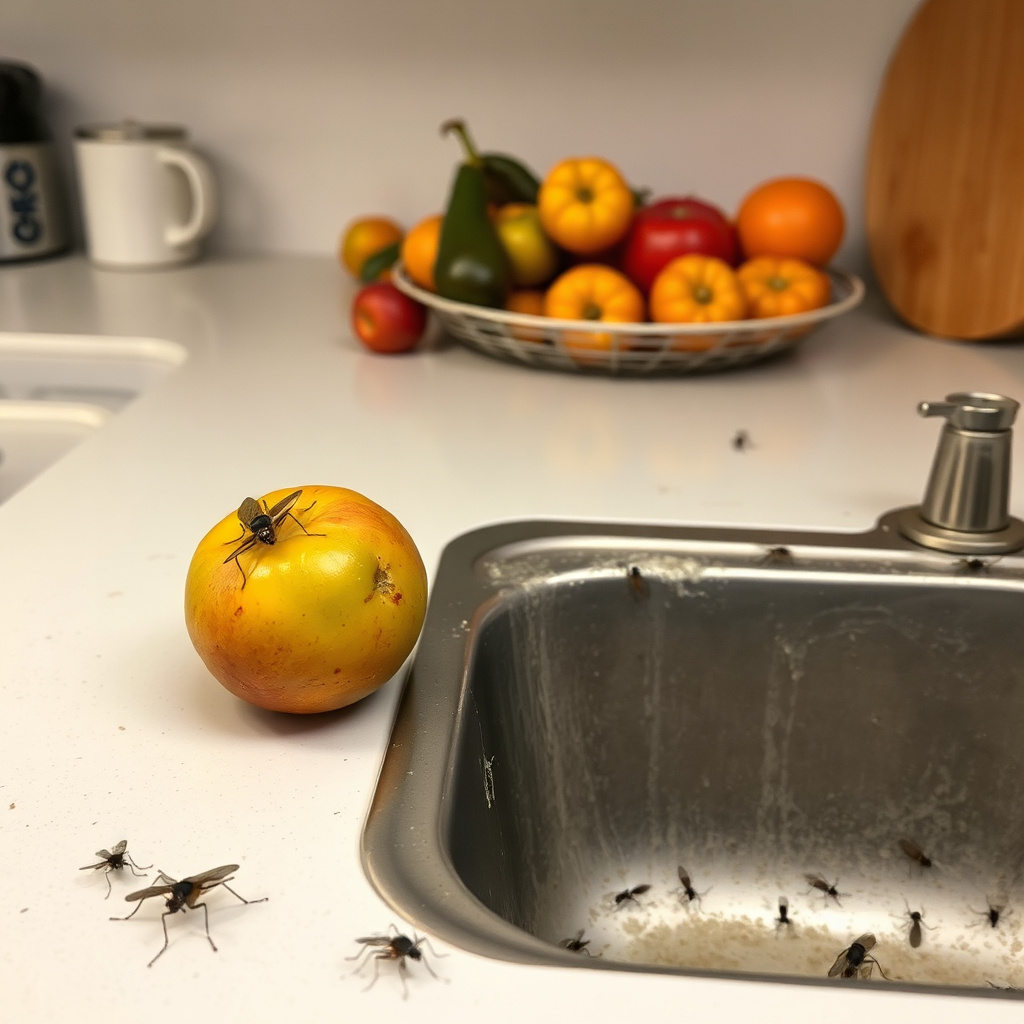
Gnats in the kitchen are a common nuisance that can be tackled effectively with targeted approaches. To rid of gnats in the kitchen, begin by identifying and removing their breeding sources, such as overripe fruits, damp organic waste, and clogged drains. Then use traps or natural repellents to reduce their numbers quickly.
Gnats thrive in moist environments and feed on fermenting or decaying organic material. Kitchens often provide ideal conditions, especially if fruits and vegetables are left out or trash cans are not sealed properly. Eliminating gnats quickly prevents them from multiplying and contaminating your food.
This article will cover practical ways to rid of gnats in the kitchen, including sanitation tips, homemade and commercial trap options, and recommended sprays or deterrents. Following these steps can restore a clean, gnat-free kitchen environment.
Identifying the Source of Gnats in Your Kitchen
Common Breeding Grounds for Kitchen Gnats
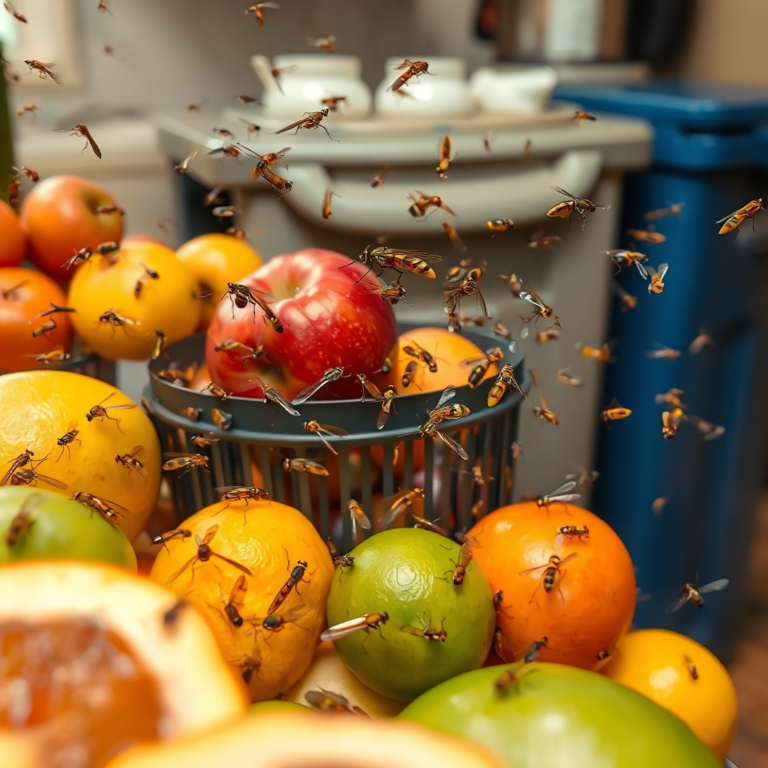
Gnats often breed in moist places with fermenting material such as fruit bowls, garbage disposals, and compost bins. Overripe or rotting fruits and vegetables left on counters or in fruit baskets provide an ideal environment for these pests to lay eggs.
Drains can also harbor gnats if food particles and moisture accumulate. Spills under appliances or unclean trash cans flair up gnat infestations rapidly if not addressed promptly.
Recognizing Signs of a Gnat Infestation
Small flying insects hovering near fresh produce or trash bins usually indicate a gnat problem. You may also notice a faint fruity or musty odor. Fly activity around sink drains or moist plant soil is another giveaway.
Gnats are tiny and often overlooked but their persistent buzzing and presence near food call for immediate action to prevent them from overtaking your kitchen.
Sanitation Practices to Prevent and Control Gnats
Proper Trash and Compost Management
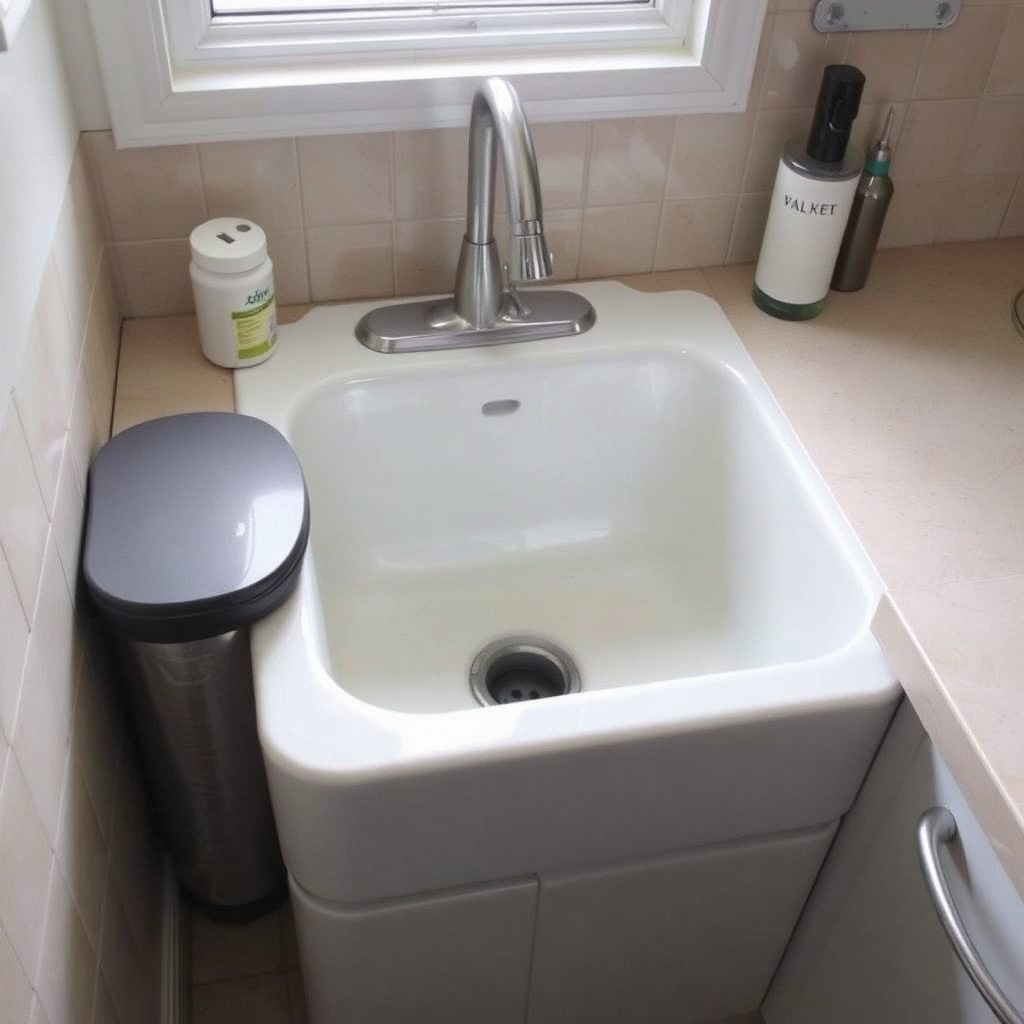
Seal garbage and compost bins tightly and empty them regularly to minimize gnat attraction. Avoid letting organic waste accumulate and keep bins clean with occasional disinfecting.
Using liners and storing compost in airtight containers can reduce odors and moisture that attract gnats.
- Empty trash daily or when full
- Clean bins with bleach or vinegar
- Use bin liners and close lids firmly
Drying and Cleaning Surfaces
Keep kitchen counters and sink areas dry as gnats breed in damp environments. Wipe spilled liquids and clean food crumbs immediately to remove potential food sources.
Regular cleaning of drains using baking soda and vinegar flushes food residue and deters gnats. Avoid leaving dirty dishes unwashed for long periods.
- Dry sink and countertop areas
- Clean drains weekly
- Wash dishes promptly
Using Traps to Capture and Reduce Gnats
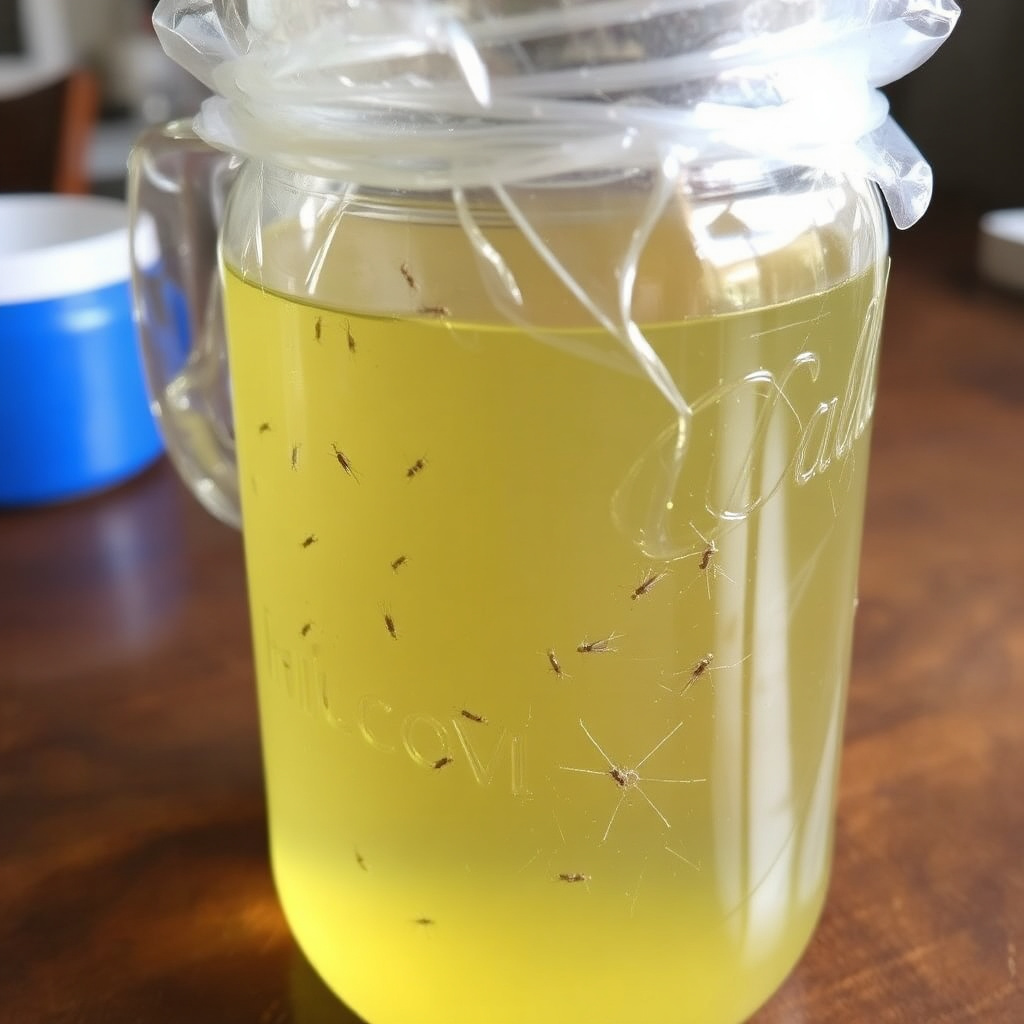
Homemade Gnat Traps You Can Make
One effective homemade trap uses apple cider vinegar in a small container covered with plastic wrap punctured with holes. Gnats are attracted to the vinegar scent and get trapped inside.
Another simple method is placing a mixture of dish soap and apple cider vinegar. The soap breaks the liquid tension causing the gnats to drown. These easy traps can catch dozens of gnats daily when placed near infestation spots.
- Apple cider vinegar trap with holes
- Dish soap and vinegar mix
- Overripe fruit in a sealed bag
Commercial Gnat Traps and Baits
The best gnat traps for kitchen use often rely on lures mimicking fermenting smells combined with sticky surfaces or liquid reservoirs. These traps are convenient, reusable, and effective for persistent infestations.
Baits that contain attractants can lure gnats to insecticides or sticky pads, reducing the adult population quickly without harsh chemicals.
- Stick traps with pheromone lures
- Liquid bait traps with attractants
- Reusable electric traps
Natural and Chemical Sprays to Combat Gnats

Natural Repellents and Sprays
Essential oils like peppermint, citronella, and lemongrass can be mixed with water as natural sprays to repel gnats. Spraying these around sink areas, trash bins, and fruit bowls discourages gnats from settling.
Neem oil and insecticidal soaps are also effective in killing gnat larvae found in moist areas or potted plant soils without being harmful to humans or pets.
- Peppermint oil spray
- Neem oil solution
- Insecticidal soap sprays
Selective Use of Chemical Insecticides
When infestations are severe, using kitchen-safe insecticides may be necessary. Products with pyrethrin or pyrethroid components target flying insects effectively but should be used sparingly and away from food.
Always follow label instructions, allow proper ventilation, and keep chemicals out of reach of children and pets.
- Pyrethrin-based sprays
- Aerosol insecticides for flying pests
- Follow all safety guidelines
Long-Term Prevention and Kitchen Maintenance
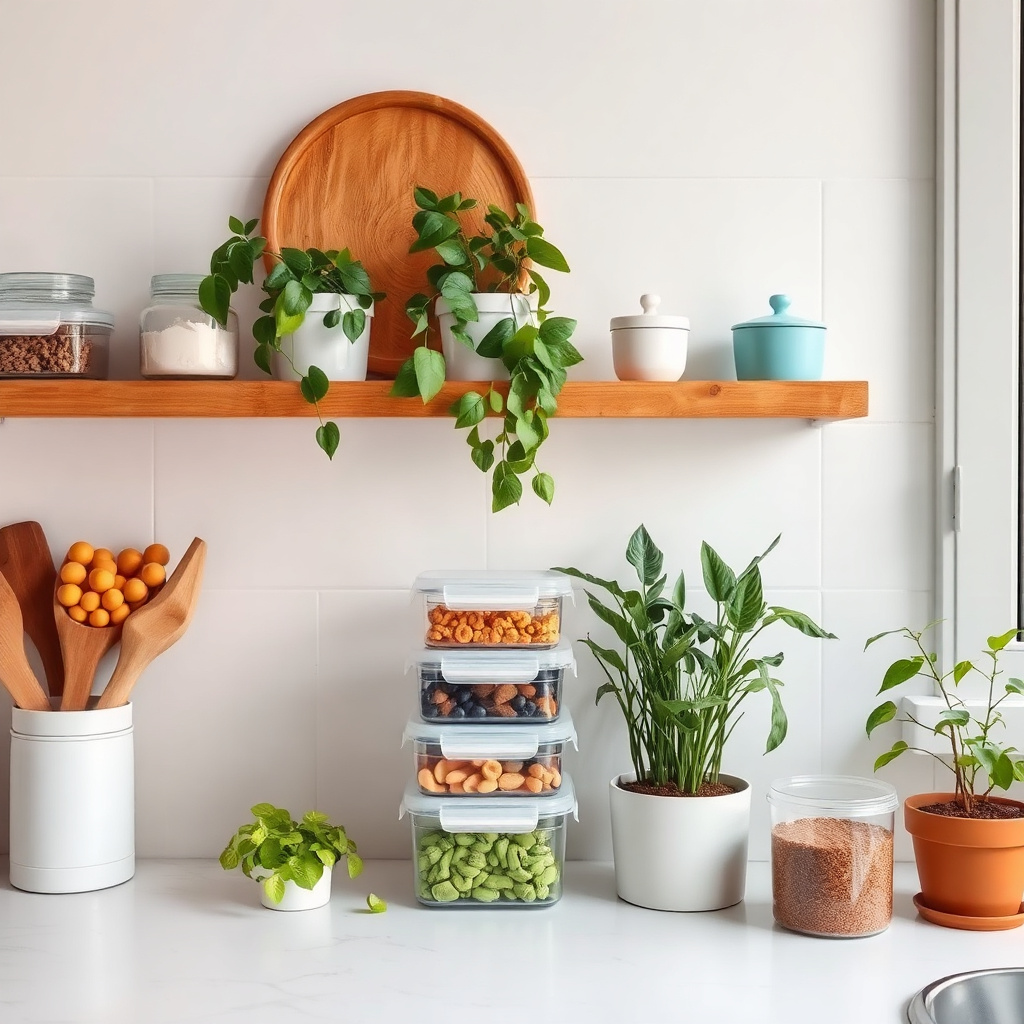
Food Storage and Plant Care
Store fruits and vegetables in the refrigerator or sealed containers to limit exposure to gnats. Avoid leaving ripe fruit exposed on counters for extended periods.
Maintain indoor plants by letting soil dry between watering and avoiding overwatering, which can create breeding grounds for gnats.
- Keep produce refrigerated
- Use airtight containers
- Water plants properly
For more scientific details on gnats commonly found indoors, refer to the Fungus gnat information from the University of California Agriculture. Fungus gnat information on University of California Agriculture.
Routine Cleaning Schedules
Set a regular cleaning routine focused on areas prone to moisture or organic debris, such as drains, trash bins, counters, and recycling containers. Weekly cleaning with vinegar or baking soda solutions can disrupt gnat habitats.
Inspect commonly overlooked spots like behind appliances or under furniture periodically to catch problems early.
- Clean drains weekly
- Disinfect trash bins
- Check hidden damp areas
Comparison of Popular Kitchen Gnat Control Methods
Here is a breakdown of various kitchen gnat control methods including their efficiency, safety, and ease of use to help you choose the best option.
| Method | Effectiveness | Safety | Ease of Use |
|---|---|---|---|
| Homemade vinegar traps | Moderate | High (non-toxic) | Easy |
| Commercial sticky traps | High | High | Easy |
| Natural essential oil sprays | Moderate | High | Moderate |
| Chemical insecticides | Very High | Low to Moderate | Moderate |
| Sanitation and cleanup | High long-term | High | Requires effort |
Frequently Asked Questions
How quickly can I get rid of gnats in my kitchen?
By combining immediate sanitation and trap use, you can substantially reduce gnats within a few days. Complete elimination may take a week or more depending on the infestation severity.
Are gnats harmful to humans or food safety?
Gnats are generally not harmful to humans but can contaminate food surfaces and cause annoyance. Keeping infestations under control is important for hygiene.
Can indoor plants cause gnat problems in kitchens?
Yes, overwatered plants with moist soil are common breeding grounds for gnats. Proper watering and using sand or gravel mulch can help prevent this.
Is it safe to use chemical sprays in the kitchen?
Some chemical sprays are safe when used as directed, but care must be taken to keep them away from food and utensils. Opt for targeted treatments and ventilate the area.
Do commercial traps really work better than homemade ones?
Commercial traps often have stronger attractants and design features, making them more effective for persistent infestations, but homemade traps are an affordable and easy alternative.
Key Takeaways
- Identify and eliminate gnat breeding sources like overripe fruit and moist areas.
- Use homemade and commercial traps to effectively reduce gnat populations.
- Maintain strict kitchen sanitation and manage moisture to prevent recurrence.
- Natural repellents and selective insecticides can aid control when needed.
Conclusion
Deciding how to rid of gnats in the kitchen involves combining prompt cleaning, source removal, and trapping methods tailored to your specific infestation. Recognizing where gnats originate and disrupting their life cycle is the foundation of any effective control strategy. Maintaining dryness and removing fermenting organic matter substantially reduce their opportunity to breed.
For minor infestations, starting with homemade apple cider vinegar traps and rigorous sanitation may suffice. If gnats persist, using commercial sticky traps and natural essential oil sprays will help diminish populations faster. In cases with a heavy infestation, select kitchen-safe insecticides may be needed but should be deployed carefully following safety guidelines.
Ultimately, commitment to consistent upkeep is key to long-lasting gnat control. Assess your kitchen regularly for moisture and food scraps to prevent gnats from returning. Begin with sanitation, then add traps as necessary, and reserve chemicals as a last resort. This layered approach offers a practical, sustainable path to reclaiming your gnat-free kitchen.