How to Use Stainless Steel Cookware for Perfect Cooking Results
Learn how to use stainless steel cookware effectively with tips on heating, cooking techniques, and maintenance for long-lasting performance.

Using stainless steel cookware properly means understanding how it interacts with heat and food. Stainless steel pans are versatile and durable, but to get the best results, you need to manage the temperature carefully and use appropriate cooking methods. Avoid overheating an empty pan and always preheat before adding oil or ingredients.
Stainless steel cookware stands out because it doesn’t react with acidic or alkaline foods and delivers even heat distribution when paired with quality construction. This type of cookware is ideal for searing, sautéing, and boiling, but it needs some attention to avoid sticking and to maintain its shine. Knowing how to season and clean it correctly helps keep it in top shape.
This guide will explain how to use stainless steel cookware effectively, covering heating techniques, cooking styles suited to it, cleaning advice, and what to avoid to maximize its lifespan and performance. Whether you're a beginner or upgrading your kitchen, these tips will help you make the most of your stainless steel pots and pans.
Preparing and Heating Stainless Steel Cookware
Proper Preheating Techniques
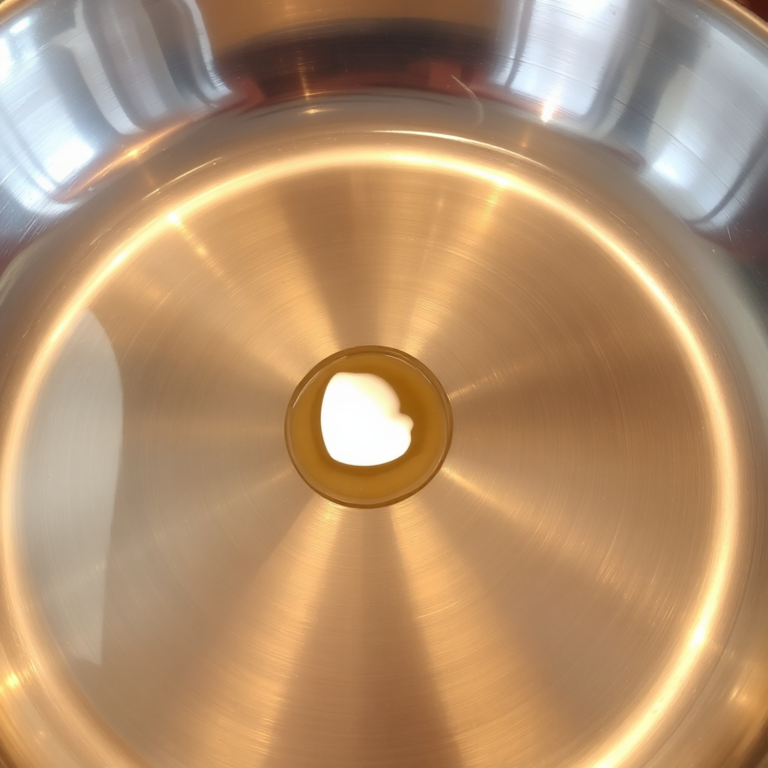
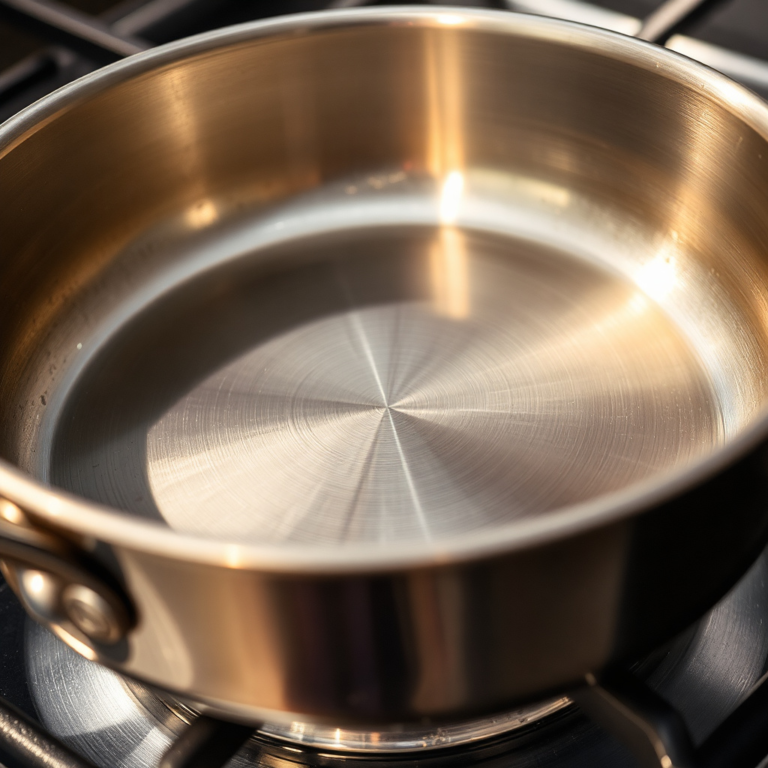
Preheating your stainless steel pan before adding oil or food is key to preventing sticking. Start by heating the pan on medium heat for a couple of minutes. You can test the temperature by sprinkling a few drops of water on the surface; if the droplets dance and evaporate quickly, the pan is ready.
Avoid heating the pan empty on high heat as it can cause discoloration and warp the metal. Once preheated, add a small amount of oil evenly across the surface, which creates a natural barrier between the food and the pan.
- Heat pan over medium heat for 2-3 minutes
- Use the water droplet test to check readiness
- Avoid overheating empty cookware
Managing Heat Levels During Cooking
Stainless steel cookware retains and distributes heat well, so maintaining moderate heat levels often works best to avoid burning. High heat is reserved for searing meats or achieving a quick sauté, but prolonged high temperatures may cause food to stick or the pan to discolor.
If you notice smoke or burning smells, reduce the heat immediately. Adjusting your stove settings during cooking helps maintain consistent results and prolongs the life of your cookware.
- Start with medium heat and adjust as needed
- Use high heat briefly for searing
- Lower heat to finish cooking delicate foods
Effective Cooking Techniques with Stainless Steel Cookware
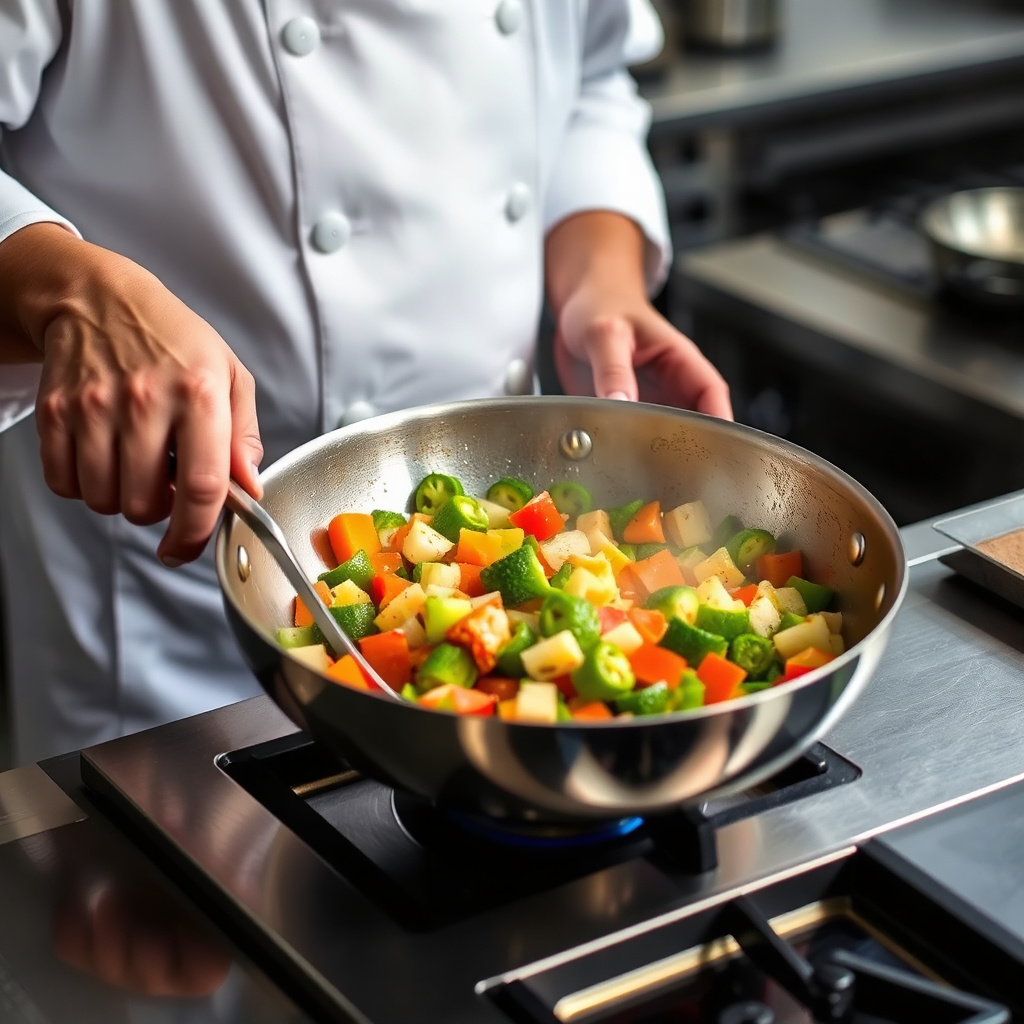
Searing and Browning Food
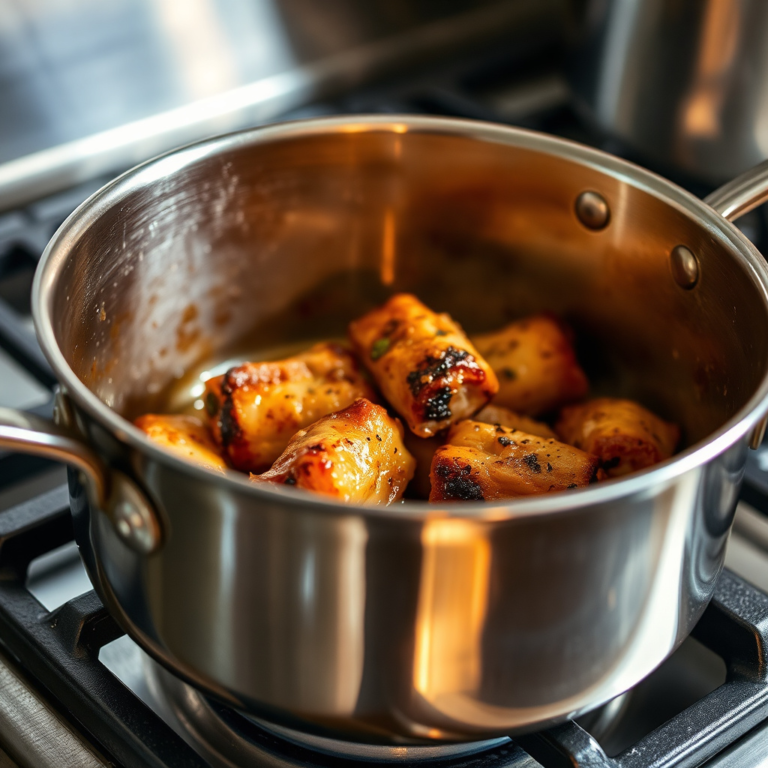
Stainless steel pans excel at searing and browning because they allow moisture to evaporate quickly, creating a desirable crust. To sear properly, preheat the pan, add oil with a high smoke point, and add the food without moving it for the first few minutes.
Avoid overcrowding the pan, as this reduces temperature and causes steaming instead of searing. Once the crust forms, flip the food to cook evenly on the other side.
- Use oils like canola or grapeseed for high heat
- Don’t move food too soon to build a crust
- Cook in batches to avoid overcrowding
Sautéing and Simmering
For sautéing vegetables or proteins, use medium heat and keep ingredients moving frequently to prevent sticking and burning. Stainless steel pans conduct heat evenly, so moderate stirring is enough to cook food uniformly.
Simmering sauces or liquids works well in stainless steel pots because they distribute heat without reacting to acidic ingredients, preserving flavor and color.
- Maintain medium heat while stirring often
- Use stainless steel pots for simmering sauces
- Avoid high heat in liquid cooking to prevent scorching
Cleaning and Maintaining Stainless Steel Cookware

Routine Cleaning Tips
Wash stainless steel cookware with warm, soapy water after each use to prevent food residue buildup. Use non-abrasive sponges or cloths to avoid scratching the surface. For stuck-on food, soak the pan before cleaning to soften residues.
Dry thoroughly after washing to avoid water spots and maintain the cookware’s polished look.
- Use mild dish soap and non-abrasive sponges
- Soak for 10-15 minutes if food is stuck
- Dry immediately after washing
For more on this, see our related guide: How to Cook with Stainless Steel Cookware: A Practical Guide for Perfect Meals.
Removing Stains and Discoloration
White spots or rainbow discoloration often appear after heating. To remove these marks, use a paste of baking soda and water or a specialized stainless steel cleaner. Apply gently with a soft cloth and rinse thoroughly.
For tougher residues, boiling a mixture of vinegar and water in the pan can restore shine without damaging the surface.
- Apply baking soda paste on stains
- Boil vinegar-water mixture for discoloration
- Avoid steel wool or harsh abrasives
Common Mistakes to Avoid with Stainless Steel Cookware
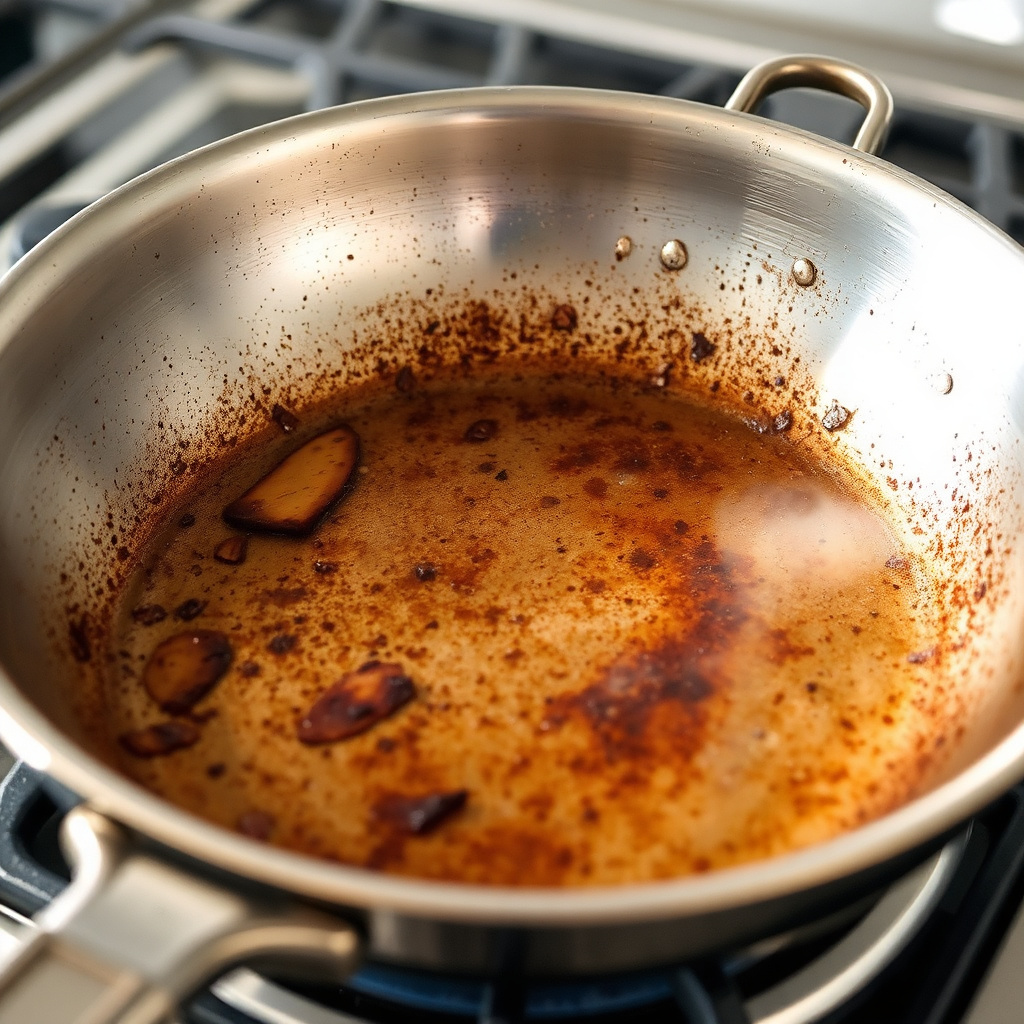
Avoiding Food Sticking and Burning
Starting with a cold or overheated pan is a frequent cause of food sticking. Always preheat your pan and use sufficient oil. Also, do not drag food across the surface; instead, let it release naturally once a proper sear forms.
Cooking on excessively high heat for prolonged periods causes burning and discoloration. Use moderate settings unless the recipe specifically calls for high heat.
- Preheat pan properly before cooking
- Use the right amount of oil
- Cook on moderate heat except for brief high-heat tasks
Preventing Damage to the Cookware
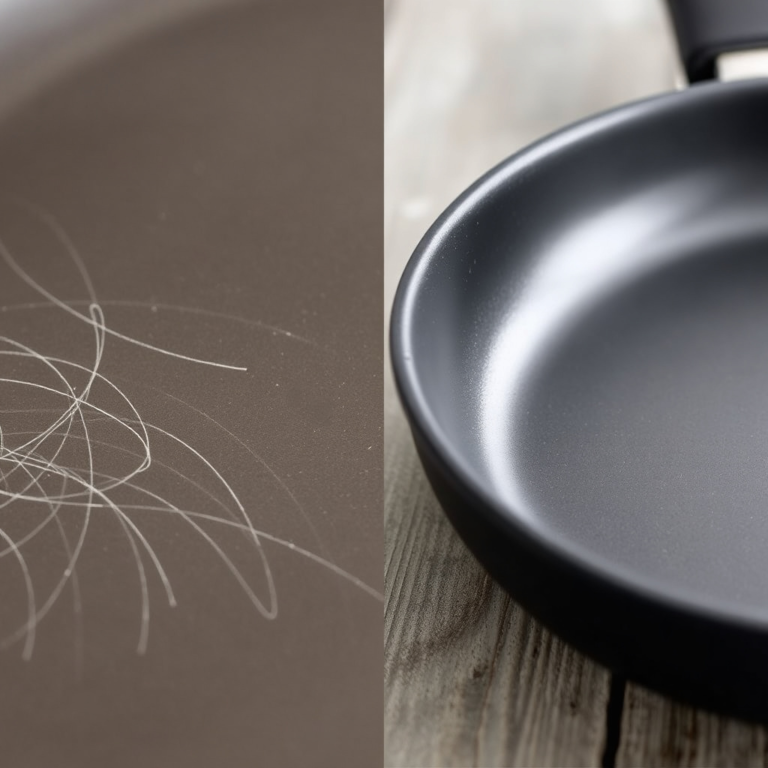
Avoid sudden temperature changes like placing a hot pan under cold water, which can warp the metal. Also, do not use metal utensils that can scratch the cookware’s surface; opt for wooden, silicone, or plastic tools.
Proper storage matters too—stacking pans without protection can cause dents or scratches, so use pan protectors or store them carefully.
- Avoid thermal shock from rapid temperature changes
- Use non-metal utensils to prevent scratching
- Store pans with protective layers between them
Choosing the Right Stainless Steel Cookware
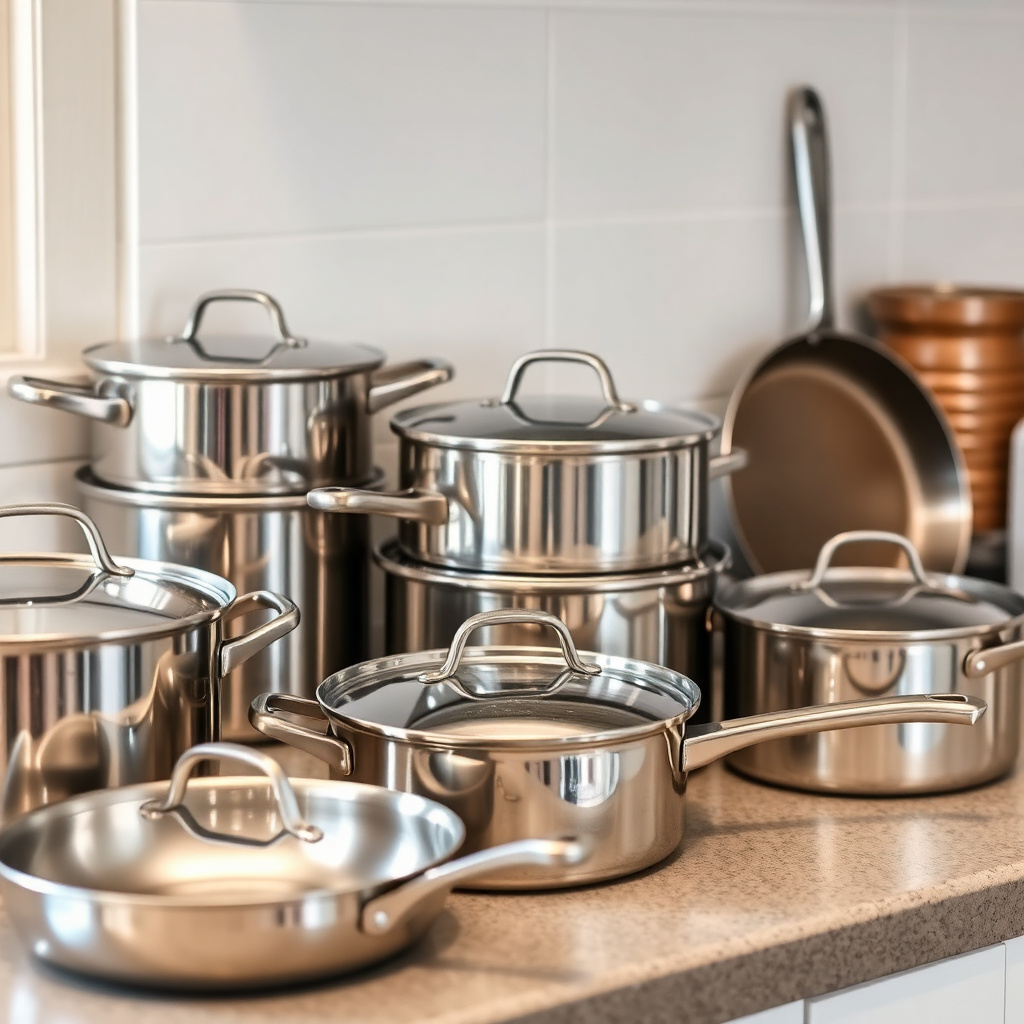
Material Quality and Construction
High-quality stainless steel cookware usually features a multi-ply construction combining stainless steel with aluminum or copper cores for enhanced heat distribution. Look for brands that specify 18/10 stainless steel, which ensures durability and corrosion resistance.
Heavy-gauge bases improve heat retention, which is especially important for cooking delicate dishes evenly.
- Seek 18/10 stainless steel for quality
- Prefer multi-ply construction with aluminum or copper layers
- Check for heavy, flat bases
For more on this, see our related guide: How to Cook with Stainless Cookware: Tips for Perfect Results Every Time.
Selecting the Best Stainless Steel Pots and Pans
Choose cookware sizes and shapes based on your cooking habits—for example, wide skillets for frying, deep pots for soups, and saucepans for sauces. Ergonomic handles and tight-fitting lids improve usability.
Consider induction compatibility if you use an induction cooktop to ensure efficiency. Sets are convenient for beginners while individual pieces suit experienced cooks tailoring their kitchen.
- Pick sizes suited to your recipes
- Look for comfortable handles and lid fit
- Confirm induction stovetop compatibility
Using Stainless Steel Cookware Safely and Efficiently

Handling Hot Cookware
Stainless steel pans can get very hot during cooking, including the handles if they are metal. Always use pot holders or oven mitts when moving or lifting the cookware to avoid burns.
Check if your cookware has heat-resistant handles or silicone grips for safer handling, especially when transferring pans in and out of the oven.
- Use mitts for lifting hot pans
- Choose cookware with insulated handles if possible
- Be cautious when transferring cookware between heat sources
For a detailed explanation of stainless steel cookware materials and types, visit this stainless steel cookware overview. stainless steel cookware overview.
Energy Efficiency Tips
Stainless steel cookware heats quickly and evenly, so using the right burner size prevents energy waste. Match the pan diameter to the burner flame for best efficiency.
Cover pots and pans while cooking to retain heat and reduce cooking times. Avoid preheating longer than necessary, which consumes excess energy.
- Use matching burner sizes
- Cover cookware during simmering or boiling
- Limit preheating time
Comparison of Stainless Steel Cookware Types
Here's a comparison of common stainless steel cookware types highlighting their best uses, heat distribution, and maintenance needs.
| Cookware Type | Best Use | Heat Conductivity | Maintenance |
|---|---|---|---|
| Tri-ply Stainless Steel | Everyday cooking, searing | Excellent | Moderate; occasional polishing |
| Single-ply Stainless Steel | Low-heat cooking, light tasks | Poor to Moderate | Easy; less prone to discoloration |
| Copper Core Stainless Steel | Precision cooking, sauces | Superior | Higher; careful cleaning required |
| Aluminum Core Stainless Steel | General purpose, budget-friendly | Good | Moderate; avoid abrasive cleaners |
| Induction-Compatible Stainless Steel | All stovetops including induction | Very Good | Similar to tri-ply; dishwasher safe often |
Frequently Asked Questions
Can I use stainless steel cookware on induction cooktops?
Yes, stainless steel cookware works on induction stovetops if it has a magnetic base. Many modern stainless steel pans are induction-compatible, but check for an induction symbol or test with a magnet.
Why does food stick to my stainless steel pan?
Food sticks when the pan is not properly preheated or when insufficient oil is used. Properly heating the pan before adding oil creates a smoother surface, reducing sticking during cooking.
How do I remove burnt food from stainless steel cookware?
Soak the cookware in warm, soapy water to loosen residues. For tougher stains, simmer a mixture of vinegar and water in the pan, then scrub gently with a non-abrasive sponge.
Is stainless steel cookware dishwasher safe?
Most stainless steel cookware is dishwasher safe, but hand washing is recommended to maintain the finish and prevent discoloration over time.
Can I use metal utensils with stainless steel cookware?
While stainless steel is durable, metal utensils can scratch the polished surface over time. It's better to use wooden, silicone, or nylon utensils to prolong the cookware's lifespan.
Key Takeaways
- Preheat stainless steel cookware properly to avoid food sticking
- Use moderate heat except for brief searing at high temperatures
- Clean with non-abrasive tools and avoid rapid temperature changes
- Choose cookware with suitable construction and sizes for your needs
Conclusion
Using stainless steel cookware effectively comes down to understanding its interaction with heat and food. By preheating properly, managing heat levels carefully, and employing suitable cooking techniques like searing and sautéing, you can maximize performance and get delicious results every time. Proper cleaning and maintenance also play a significant role in preserving the cookware’s quality and appearance over the years. This approach ensures you not only cook efficiently but also enjoy the durability and versatility stainless steel offers.
For cooks who want reliable and versatile cookware, investing in tri-ply or aluminum core stainless steel sets strikes a solid balance between heat distribution and affordability. Those focused on precision cooking might prefer copper core stainless steel pans for their superior heat conductivity. Whether you’re preparing quick weeknight meals or elaborate dishes, selecting cookware that fits your cooking style—considering induction compatibility and handle ergonomics—can enhance your kitchen experience significantly.
To start, assess your typical cooking habits and pick a few essential stainless steel pots and pans that meet those needs. Practice the preheating and heating techniques outlined here, and develop a routine for cleaning that preserves their finish. With some attention to detail, stainless steel cookware will be a dependable kitchen tool, enabling better cooking outcomes and lasting for many years.

2 Comments