How to Use Mylar Bags for Food Storage: A Step-by-Step Guide
Learn how to use mylar bags for food storage effectively to preserve freshness and extend shelf life in this practical guide.

Using mylar bags for food storage is a straightforward way to preserve food freshness and protect it from moisture, oxygen, and pests. To start, simply fill the mylar bag with your chosen food item, remove excess air if possible, and seal it tightly using a heat sealer or an iron. This airtight environment helps maintain the food’s quality for years when stored properly.
Mylar bags are made from a metalized polyester film that offers superior barrier protection compared to standard plastic bags. They are ideal for saving bulk foods like grains, beans, dried fruits, and dehydrated meals. Proper use of these bags converts ordinary food storage into an efficient method for long-term food storage, reducing waste and emergency food costs.
This article will cover the best practices for using mylar bags, including preparation steps, sealing methods, ideal storage conditions, necessary accessories like oxygen absorbers, and advice on labeling and shelf life. By the end, you'll know how to maximize shelf stability and keep your foods safe for years.
Preparing Food and Mylar Bags for Optimal Storage
Choosing and Preparing Your Food
Selecting the right food for mylar bag storage is essential to maximize shelf life. Dry goods such as rice, beans, pasta, powdered milk, and freeze-dried fruits work best because moisture content is low. Always make sure the food is clean and fully dried before packaging to prevent mold growth.
For safety, avoid storing fresh or moist foods directly in mylar bags without prior dehydration or freeze-drying. If necessary, let foods air dry or use a food dehydrator. Drying helps eliminate moisture, which can cause spoilage despite the airtight seal mylar bags provide.
- Prefer fully dried or freeze-dried foods
- Avoid fresh produce without drying
- Clean grains and legumes to remove debris
Preparing Mylar Bags and Oxygen Absorbers
Before filling, inspect mylar bags for any punctures or weak spots. Use high-quality bags with thickness around 5 mil for better durability and protection over time. Oxygen absorbers play a key role by absorbing residual oxygen inside the sealed bag, which can cause oxidation and spoilage.
Choose oxygen absorbers based on the food volume and bag size; for large 5-gallon bags, absorbers rated for 300-500 cc of oxygen absorption are common. Always handle absorbers with dry hands and work quickly to avoid exposing them to air before sealing the bag.
- Use 5 mil thick mylar bags for durability
- Match oxygen absorber size to bag volume
- Handle absorbers carefully to prevent premature activation
Filling and Sealing Mylar Bags Correctly
Filling Mylar Bags Without Trapping Moisture or Air
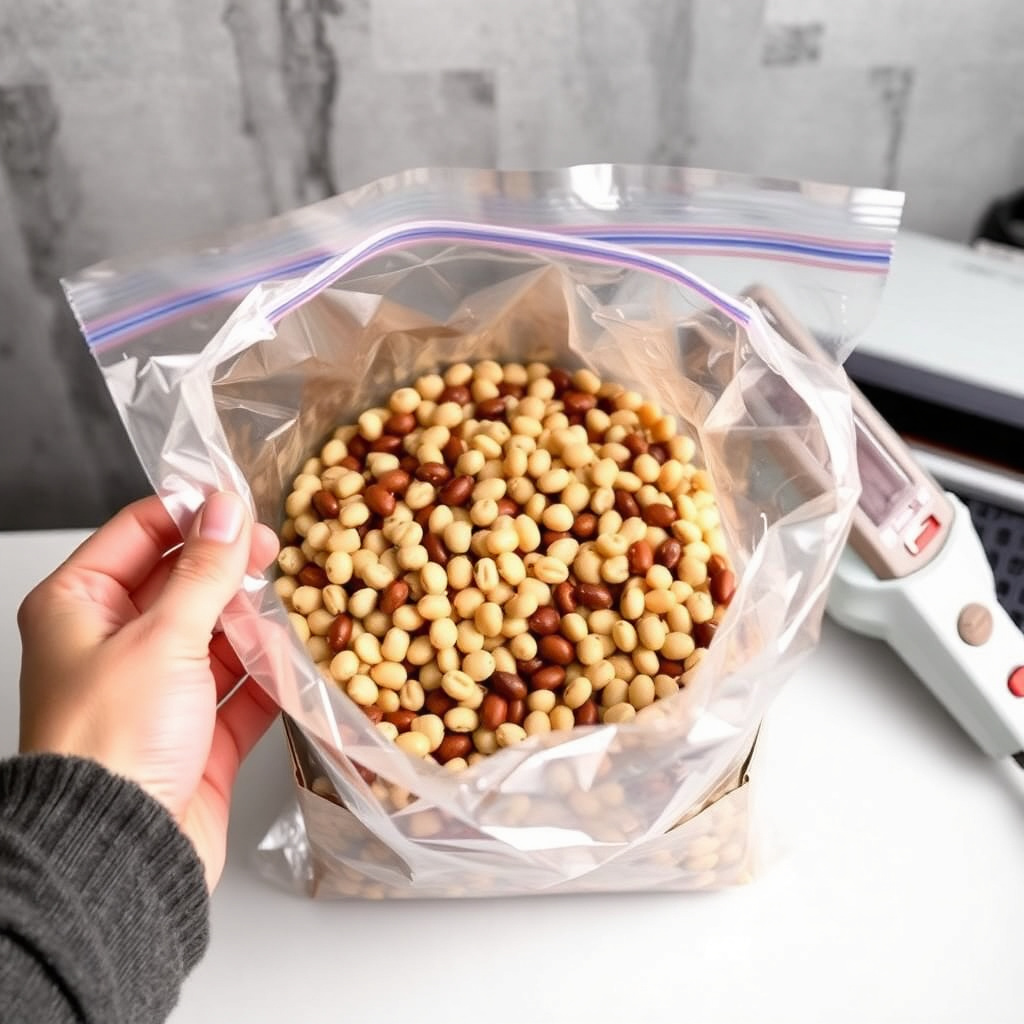
Fill the mylar bags gently to avoid puncturing the material. Leave about two inches of headspace at the top of the bag to allow for sealing. Minimize air pockets by shaking or lightly pressing the contents to settle them evenly.
Removing as much air as possible before sealing is crucial. You can use manual methods such as pressing out air or even vacuum sealing if the equipment is suitable. Proper air removal will enhance the effectiveness of oxygen absorbers and prolong food freshness.
- Leave 2-inch space at top for sealing
- Gently pack food to avoid bag damage
- Remove excess air before sealing
For more on this, see our related guide: How to Seal Mylar Bags for Food Storage: Best Methods and Tips.
Sealing Techniques: Heat Sealer vs. Iron
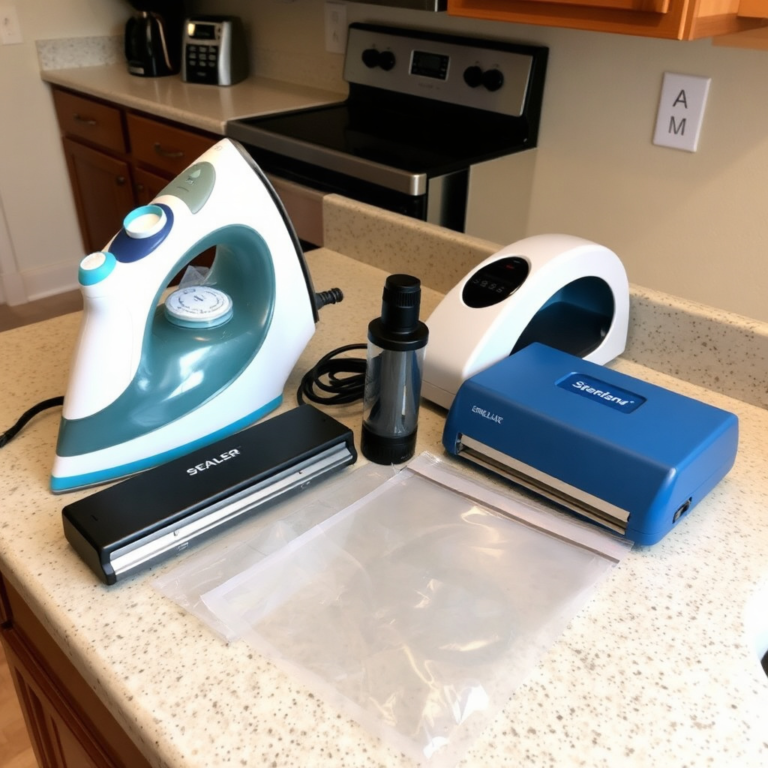
A heat sealer designed for mylar bags provides the most reliable and airtight seal. Seal the top edge firmly with consistent pressure and temperature setting to avoid gaps or burns. Test the seal by gently tugging the bag slightly after sealing.
If a heat sealer isn’t available, an iron set to medium-high with no steam can be used on a thin cloth placed over the bag's edge. Press the iron along the top for several seconds steadily, then let cool before handling to confirm the seal’s integrity.
- Use a heat sealer for best airtight results
- Iron method requires steady heat and pressure
- Test seal strength immediately after sealing
Storing Mylar Bags to Maximize Shelf Life

Ideal Storage Conditions for Mylar Bags
For the best shelf life, store sealed mylar bags in a cool, dark, and dry location. Avoid exposure to heat, sunlight, or humidity which can degrade the packaging and the food inside. Temperatures below 75°F (24°C) help slow oxidation and nutrient loss.
Using secondary containers like plastic buckets with gamma lids or metal cans can add protection from pests and physical damage. These containers also make stacking easier for organized storage. Keep bags elevated off concrete floors to prevent moisture seepage.
- Keep storage area cool and dry
- Use airtight secondary containers for extra protection
- Avoid direct sunlight and heat exposure
Labeling and Rotation Practices
Label each bag with the contents and packing date using permanent markers or pre-printed labels. Proper labeling helps manage food rotation—first in, first out—to consume older goods before newer ones.
Maintain an inventory list tracking your food items, quantities, and estimated expiration based on storage times. Regularly inspect bags for damage or swelling and remove compromised packages promptly to prevent spoilage spread.
- Write content and packing date clearly on bags
- Implement first-in, first-out rotation
- Check bags periodically for damage
Understanding Oxygen Absorbers and Their Role in Food Storage
How Oxygen Absorbers Work
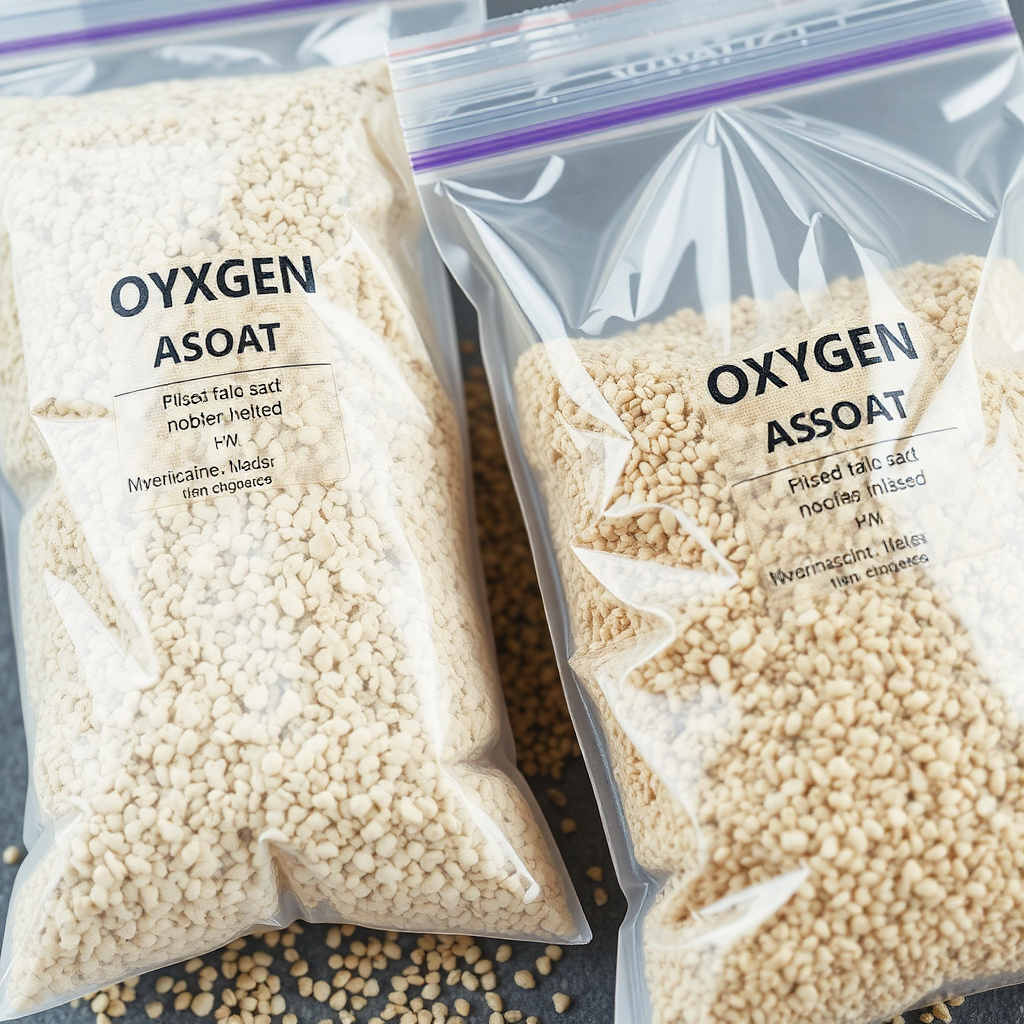
Oxygen absorbers are small packets containing iron powder that reacts with oxygen when exposed to air, effectively reducing oxygen levels inside the sealed mylar bag. This anaerobic environment prevents mold, bacterial growth, and insect infestation.
By lowering oxygen to below 0.01%, these absorbers help foods maintain flavor, texture, and nutritional quality over extended periods. They are indispensable for true long-term food storage, especially for oxygen-sensitive items.
Selecting and Using Oxygen Absorbers Safely
Match the oxygen absorber capacity to the bag volume and the oxygen demand of the food inside. Overuse can be safe but wasteful, while underuse can leave residual oxygen that impacts shelf life.
Always keep absorbers sealed until use and avoid touching them directly to prevent premature activation or contamination. Dispose of any damaged or expired oxygen absorbers properly.
- Calculate proper absorber size for bag volume
- Keep absorbers sealed until ready to use
- Avoid direct contact with absorber contents
Common Mistakes to Avoid When Using Mylar Bags for Food Storage

Ignoring Moisture and Air Removal
One frequent error is sealing food that isn’t completely dry, which can create conditions for mold and spoilage despite the airtight environment. Similarly, failing to remove excess air reduces the effectiveness of oxygen absorbers and accelerates food degradation.
Always double-check that food moisture levels are suitable and use methods to remove air properly before sealing to maximize food safety and longevity.
For additional technical details and history on Mylar, consult the Mylar bag food storage Wikipedia article. Mylar bag food storage Wikipedia article.
Poor Storage Environment and Labeling
Storing mylar bags in hot, humid, or exposed areas can weaken both the bag and the food’s shelf life. Additionally, neglecting to label or rotate stored foods can result in confusion and wasted expired products.
Organize storage areas with clear labeling and maintain climate control or protective secondary containers to extend preservation benefits.
Mylar Bags vs. Other Food Storage Methods Comparison
Here’s a brief comparison of mylar bags, vacuum-sealed bags, and plastic containers for food storage, highlighting key aspects.
| Category | Shelf Life | Barrier Protection | Cost | Ideal Use |
|---|---|---|---|---|
| Mylar Bags | 5-10+ years | Excellent barrier to oxygen and moisture | Moderate | Long-term dry food storage |
| Vacuum-Sealed Bags | 1-3 years | Good oxygen removal but less moisture barrier | Low to moderate | Short to medium-term storage |
| Plastic Containers | 6 months to 1 year | Limited barrier; can be permeable to air and moisture | Low | Everyday food storage and leftovers |
| Glass Jars | 1-3 years | Good barrier but breakable and heavier | Moderate to high | Preserving high-acid foods and jams |
Frequently Asked Questions
Can I reuse mylar bags for food storage?
Mylar bags are generally designed for single use because sealing requires heat that weakens the material. While technically reusable if the bag isn’t damaged, resealing is challenging and not recommended for long-term storage.
Do I need oxygen absorbers if I vacuum seal my food?
Vacuum sealing removes most air, but residual oxygen can remain. Using oxygen absorbers inside mylar bags offers superior protection against oxidation and pests, especially for long-term storage.
How do I know if my sealed mylar bag is still good?
Check the bag for any swelling, tears, or seal damage. If the bag feels inflated or the food smells off, it’s best to discard the contents. Proper sealed mylar bags should remain flat and odor-free.
What foods are not suitable for mylar bag storage?
Fresh fruits, vegetables, and meats with high moisture content are unsuitable unless specially dehydrated or freeze-dried. Mylar bags work best with dry, shelf-stable foods for long-term storage.
Can I freeze food stored in mylar bags?
Yes, mylar bags can be frozen, but ensure they are well sealed and protected inside secondary rigid containers to prevent punctures and moisture ingress during freezing and thawing.
Key Takeaways
- Use fully dried or freeze-dried foods to prevent spoilage.
- Remove air completely and use appropriate oxygen absorbers with mylar bags.
- Seal bags securely using a heat sealer or iron to create airtight packaging.
- Store sealed mylar bags in cool, dark, dry environments away from pests.
Conclusion
Choosing the right approach to utilizing mylar bags for food storage centers on understanding your food’s moisture content and ensuring airtight sealing. The combination of dry food, oxygen absorbers, and proper sealing limits oxidation and insect damage, allowing for remarkably extended shelf lives. The durability of mylar with careful handling and ideal storage conditions underpins its success as a preservation method.
Specific situations call for different strategies: for bulk grains and legumes, large 5-gallon mylar bags with 300-500 cc oxygen absorbers and bucket storage provide longevity and convenience. For smaller quantities or emergency kits, pre-measured bags sealed tightly are practical. Avoid storing fresh or high-moisture foods unless they are thoroughly dried first to prevent spoilage.
To move forward, gather quality mylar bags sized to your storage needs, invest in a reliable heat sealer if possible, and stock up on oxygen absorbers appropriately sized for your packaging. Begin with small batches to practice sealing and labeling, then expand your storage setup. Careful preparation and attention will help you maximize the benefits of mylar bags in preserving your food supply.