How to Choose Stainless Steel Food Storage Containers for Fresh and Safe Meals
Discover how to choose stainless steel food storage containers that keep your meals fresh and safe. Learn key features, sizes, and care tips for lasting containers.

Choosing stainless steel food storage containers involves evaluating durability, safety, size, and design. The best containers are made from high-grade stainless steel, free of BPA and toxic coatings, and have airtight lids to keep food fresh longer. Selecting the right container hinges on your meal prep habits and storage needs.
Stainless steel containers have become a preferred alternative to plastic because they resist stains, odors, and corrosion while offering chemical-free storage. They suit everything from leftovers to salads, making them a versatile choice for kitchen organization and sustainability.
This article covers the essential qualities of stainless steel food storage containers, including material grades, lid types, sizes, and how to maintain them. It also compares container categories to help you pick the best food storage for kitchen use and answers common questions on care, usage, and safety.
Understanding Stainless Steel Grades for Food Storage
Common Stainless Steel Grades
Most stainless steel food containers use grades 18/8, 18/10, or 304 stainless steel. These numbers refer to the chromium and nickel content, which affect the container’s corrosion resistance and durability. Grade 304 is the most popular for kitchenware due to its excellent rust proof qualities and lasting polish.
Lower grades might be cheaper, but higher grade stainless steel maintains physical integrity and resists rust when exposed to acidic or wet foods. This makes a big difference for your long-term investment in food storage.
- Grade 304: standard food-grade with high corrosion resistance
- Grade 18/10: contains 18% chromium and 10% nickel, highly durable
- Grade 18/8: slightly lower nickel, still safe and long-lasting
Signs of Quality in Stainless Steel Containers
Look for containers stamped with a recognized material code or grade; this verifies the stainless steel type. Seamless construction or smooth welds indicate higher build quality, reducing the risk of leakage or contamination.
Heavy-weight stainless steel usually means thicker walls, which provide better durability and insulation. Also, check for non-toxic lid seals and robust locking mechanisms that maintain airtightness.
- Stamped material grade or food-grade certification
- Seamless or well-finished welds
- Thick and sturdy walls
- Non-toxic, BPA-free silicone seals
Choosing the Right Lid Type and Seal
Airtight vs. Non-Airtight Lids
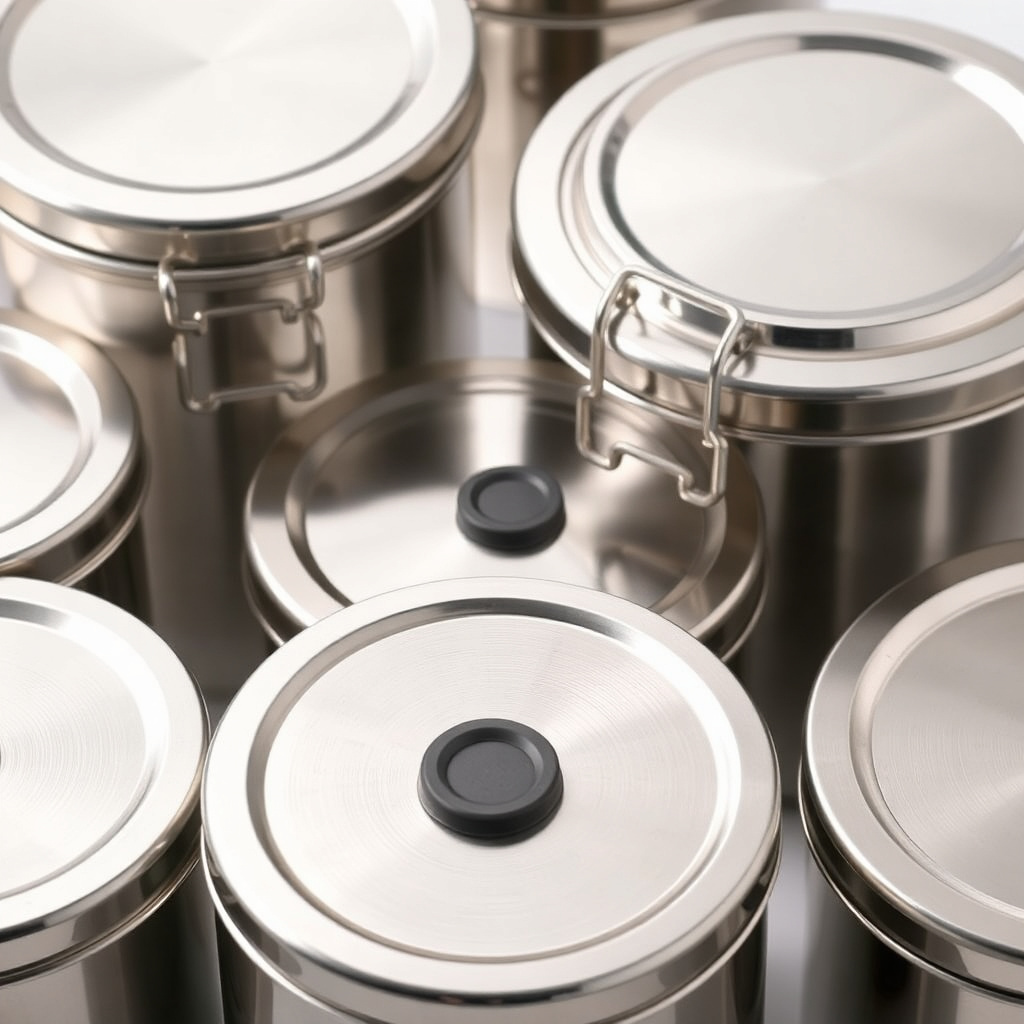
Airtight lids employ silicone gaskets and locking clips to create a secure seal that prevents leaks and keeps food fresher longer. Non-airtight lids may snap on or screw on but allow some air exchange, making them better suited for dry foods.
For liquids, marinated dishes, or when stacking containers, airtight lids are the safer choice. If your priority is quick access or storing snacks, simpler lids might suffice.
- Silicone gasket for tight seal
- Locking clips secure lids
- Snap-on lids for dry contents
- Screw-on lids for moderate sealing
Ease of Use and Cleaning
Containers with removable seals simplify cleaning, reducing mold and odor build-up. Also, wider openings enable easier access and scooping of food. Consider whether lids are dishwasher safe and can withstand repeated wear without losing seal integrity.
Smooth lids with minimal crevices reduce trapped food debris, and stackable designs make pantry organization more efficient.
- Removable silicone seals
- Dishwasher safe lids and containers
- Wide mouth openings for accessibility
- Stackable design for storage
Determining the Best Sizes and Shapes for Your Needs

Standard Sizes and Their Uses
Sizes range from small 250ml containers perfect for dressings or nuts, to large 2L or more for soups and bulk leftovers. Medium sizes around 500ml to 1000ml suit portions of salads, lunches, or side dishes.
Choosing a mix of sizes lets you tailor storage to different meals. Matching container size to food quantity minimizes wasted space and maintains freshness.
- Small (250-400ml): snacks, sauces, dressings
- Medium (500-1000ml): single meals, salads, sides
- Large (1.5-2L+): soups, bulk leftovers, meal prep
Shape Considerations for Practical Use
Rectangular containers maximize fridge space and stack efficiently for meal prep portions. Round containers work well for soups and easier cleaning but take up more room.
Flat, shallow containers are useful for items that don’t stack well, like baked goods or sandwiches. Choose shapes that fit your fridge layout and typical food storage habits.
- Rectangular: space-efficient stacking
- Round: easy cleaning and versatile uses
- Flat, shallow: good for baked goods or sandwiches
Maintenance and Care for Longevity

Cleaning Best Practices
Avoid abrasive scrubbers or harsh chemicals that can scratch stainless steel surfaces and degrade the container over time. Warm soapy water or mild detergents are ideal.
If odors develop, soaking containers in a baking soda solution neutralizes smells. Always dry containers thoroughly to prevent moisture spots or corrosion.
- Use non-abrasive sponges or cloth
- Avoid bleach or chlorine cleaners
- Soak with baking soda for odor removal
- Dry immediately after washing
Storage and Handling Tips
Store containers with lids off or slightly ajar to allow airflow and prevent moisture buildup. If stacking, place soft liners between containers to avoid scratches.
For long-term storage, keep them in a dry, ventilated cupboard to maintain their shiny appearance and functional seals.
- Store lids separately or ajar
- Use liners when stacking to prevent scratches
- Keep in dry, cool cupboard
Environmental and Health Advantages of Stainless Steel Containers
Safety and Food Health Benefits
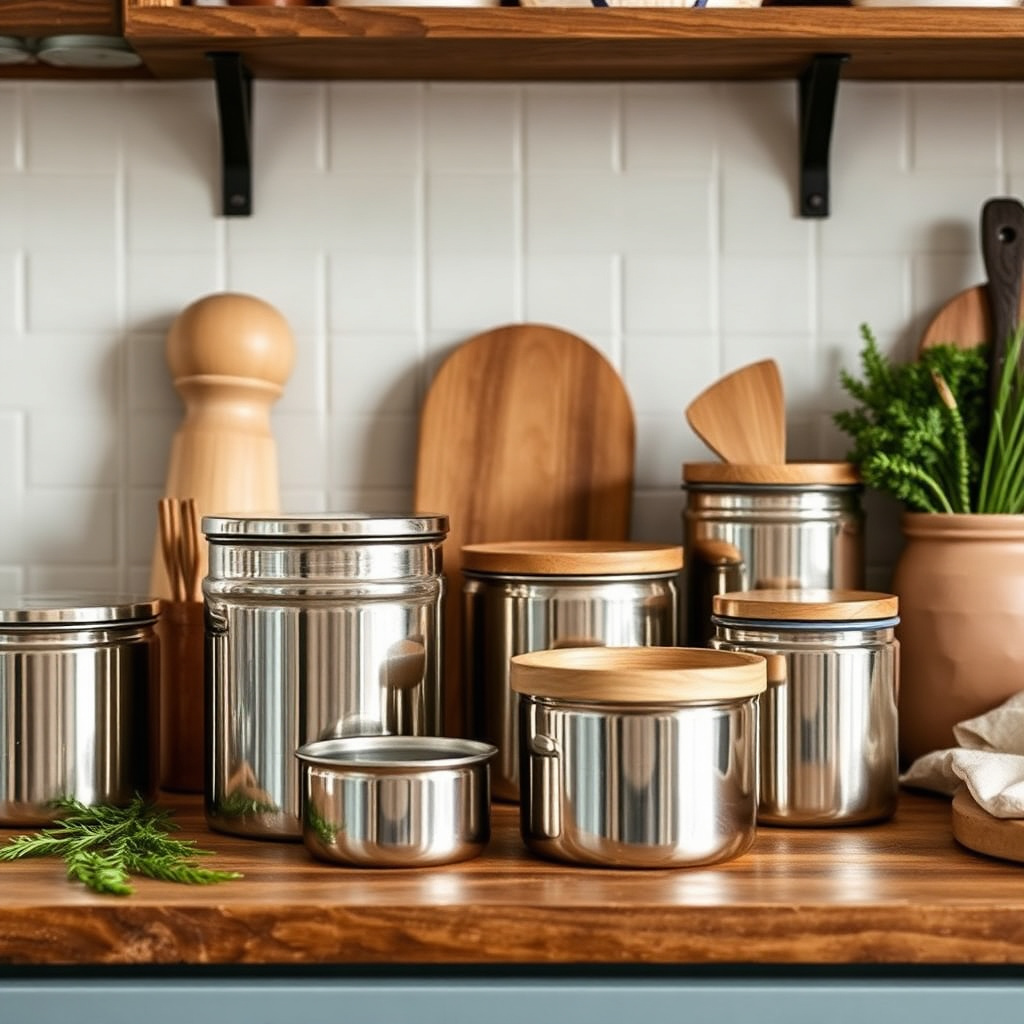
Stainless steel does not leach chemicals, unlike some plastics, preserving the purity of your food. It is non-porous, preventing bacteria buildup and making it safer for raw or acidic foods.
This metal also resists staining and odors better than glass or plastic alternatives, maintaining food taste and quality over time.
- No chemical leaching
- Non-porous, hygienic surface
- Resistant to stains and odors
For more detailed information on stainless steel materials and their properties, visit this comprehensive resource on stainless steel. Stainless steel food storage information.
Eco-Friendly and Sustainable Choice
Reusing stainless steel containers reduces single-use plastic waste and contributes to long-term environmental sustainability. These containers are recyclable at the end of their life span, making them a greener option for conscious consumers.
Their durability means fewer replacements, which further lowers material consumption and landfill usage compared to disposable containers.
- Reusable, reduces plastic waste
- Recyclable metal material
- Long lifespan reduces landfill contribution
Stainless Steel Food Storage Containers Category Comparison
Here is a comparison of popular stainless steel container categories based on durability, sealing quality, and typical use cases.
| Category | Material Grade | Seal Type | Best For | Price Range |
|---|---|---|---|---|
| Basic Stainless Steel | 18/8 | Snap-on lid | Dry foods, snacks | $10–$15 per set |
| Premium Grade 304 | 304 / 18/10 | Silicone gasket + locking clips | Liquids, meal prep | $20–$35 per set |
| Insulated Stainless Steel | 304 | Airtight with vacuum seal | Hot/cold meals, thermal retention | $30–$50 per container |
| Stackable Modular Sets | 304 | Removable silicone seal, locking clips | Organized kitchens, meal prep | $25–$40 per set |
| Small Specialty Containers | 18/8 | Snap lids or silicone seals | Portions, salads, dressings | $5–$12 each |
Frequently Asked Questions
Are stainless steel food containers microwave safe?
No, stainless steel containers are not microwave safe because metal can cause sparks and damage microwaves. Use microwave-safe containers made from glass or certain plastics instead.
Can stainless steel containers keep food cold or hot?
Standard stainless steel containers hold temperature briefly but aren’t insulated. Vacuum insulated models provide extended hot or cold retention for meals.
How do you prevent food odors in stainless steel containers?
Cleaning containers promptly with warm soapy water and occasionally soaking in baking soda solution helps prevent odors from lingering in stainless steel.
Are silicone seals safe for food storage?
Yes, food-grade silicone seals are safe and non-toxic. They create airtight seals that help keep food fresh when paired with stainless steel containers.
Can stainless steel containers be put in dishwashers?
Most stainless steel containers and lids are dishwasher safe, but check manufacturer instructions to avoid damage to seals or finishes.
Key Takeaways
- Choose food-grade stainless steel like 304 or 18/10 for durability and safety.
- Airtight lids with silicone gaskets preserve freshness and prevent leaks.
- Select container sizes based on your typical food portions and storage space.
- Proper cleaning and storage extend the life and hygiene of containers.
Conclusion
Selecting stainless steel food storage containers depends on understanding material grades, lid designs, and size requirements suitable for your lifestyle. Prioritizing high-grade stainless steel like 304 with airtight silicone-sealed lids ensures safety, durability, and freshness. Balancing container size and shape with your typical food storage habits streamlines kitchen efficiency and waste reduction.
If you often store liquids, soups, or leftovers, premium 304 containers with locking airtight lids are ideal for maintaining freshness and preventing spills. For packed lunches or meal prep, stackable modular sets offer space-saving convenience. Smaller containers suit dressings or snacks, whereas insulated stainless steel options keep hot or cold meals ready to eat for longer periods.
Careful maintenance involving gentle cleaning and dry storage preserves container quality and functionality. Start by selecting a set tailored to your most frequent food storage needs, then gradually add specialty sizes or insulated containers. This measured approach helps you build a versatile collection while avoiding unnecessary purchases.