How to Restore Cast Iron Cookware: Step-by-Step Guide for Perfect Seasoning
Learn how to restore cast iron cookware with easy methods to remove rust, rebuild seasoning, and bring your pan back to life effectively.
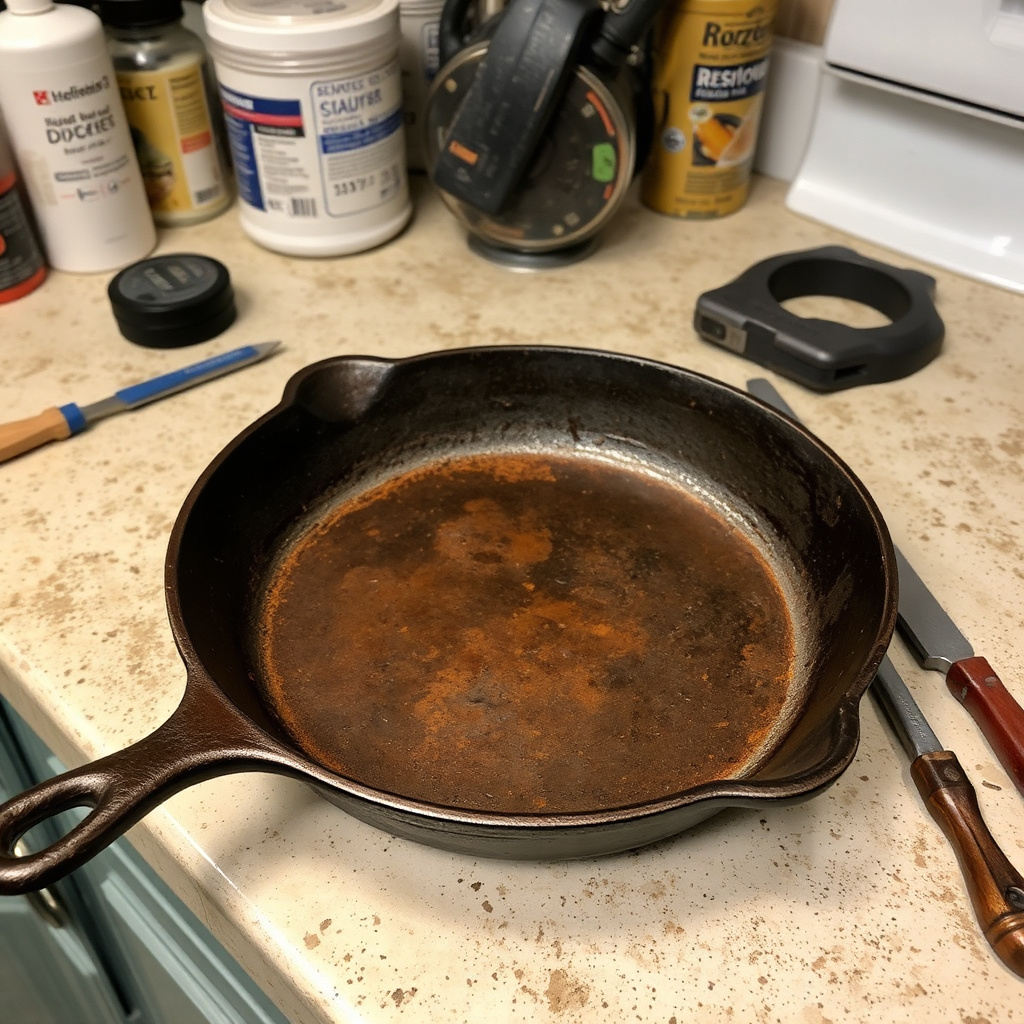
Restoring cast iron cookware begins with removing rust and old seasoning layers, thoroughly cleaning the surface, and then applying a new seasoning coat to protect and enhance cooking performance. This process can bring your worn-out or neglected pan back to a like-new condition.
Cast iron is prized for its durability and heat retention, but improper care leads to rust and sticky residue that ruins its cooking capabilities. Restoring it is key because a properly seasoned cast iron pan provides a natural non-stick surface and resists corrosion for decades.
This article covers the essential steps of cleaning, seasoning, restoring the surface, and maintaining cast iron cookware. You will discover techniques to remove rust, choose the right oils for seasoning, and practical tips to keep your cookware reliable for years ahead.
Understanding Cast Iron Restoration
Why Cast Iron Rusts and Loses Seasoning
Cast iron rust develops when moisture interacts with the iron surface, especially if seasoning wears off or the cookware is stored in a damp environment. This rust appears as reddish-brown spots and compromises the cooking surface.
Loss of seasoning also occurs from frequent use with harsh detergents, abrasive scrubbing, or cooking acidic foods. When seasoning degrades, the pan loses its protective layer, making it prone to rust and food sticking.
Signs You Need to Restore Your Cast Iron
If your cast iron cookware has visible rust, sticky residue, dull patches, or food is sticking excessively, these signals indicate restoration is needed to renew its surface.
Additionally, any flaking or cracked seasoning requires stripping the existing layer and rebuilding it through controlled seasoning processes to ensure longevity.
Preparing Your Cast Iron for Restoration
Removing Rust and Old Seasoning
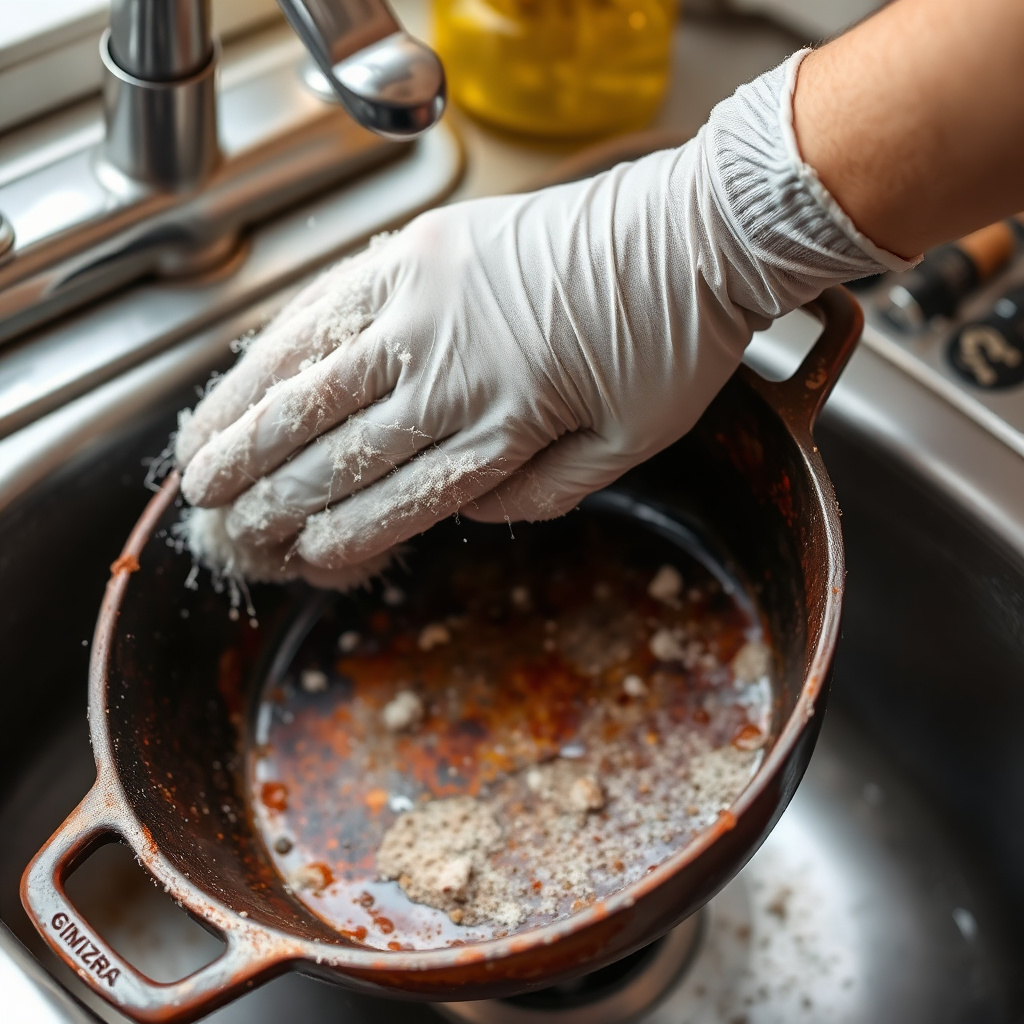
Start by scrubbing your pan with steel wool or a wire brush under warm water to remove loose rust and flaky seasoning. For stubborn spots, use a mixture of coarse salt and oil as an abrasive scrub.
In extreme cases, a vinegar soak (50% vinegar and 50% water) for up to an hour can dissolve rust, but avoid prolonged exposure to prevent pitting of the metal.
- Use gloves to protect your hands
- Avoid soaking more than 1 hour
- Rinse thoroughly after vinegar soak
Cleaning and Drying Completely
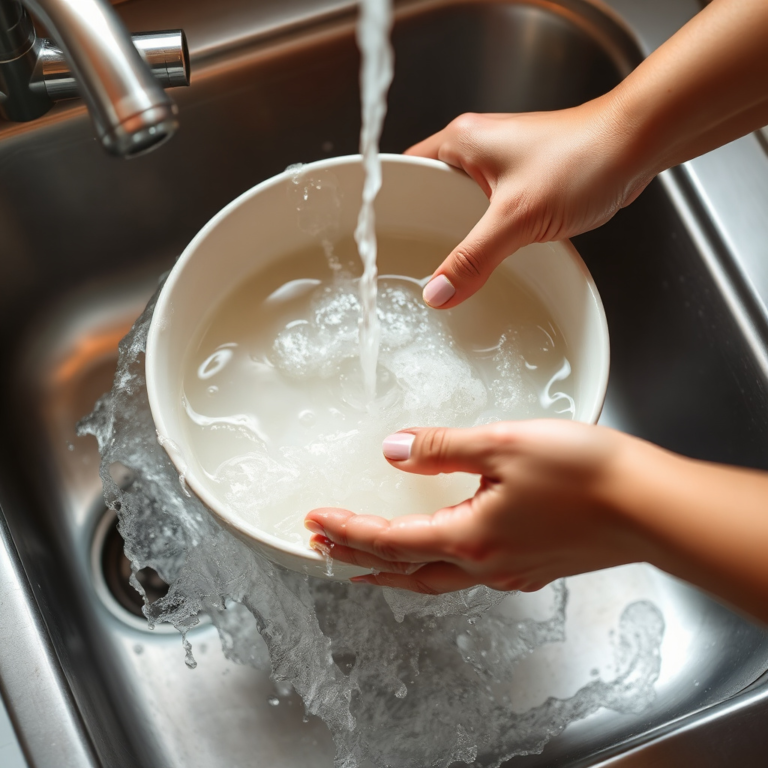
After rust removal, wash the cookware with mild soap and hot water to remove debris, then dry it immediately and thoroughly to prevent new rust from forming.
Heating the pan on a stove or in an oven for a few minutes ensures any residual moisture evaporates, leaving the surface perfectly dry for seasoning application.
Seasoning Your Cast Iron Cookware
Choosing the Right Oil for Seasoning
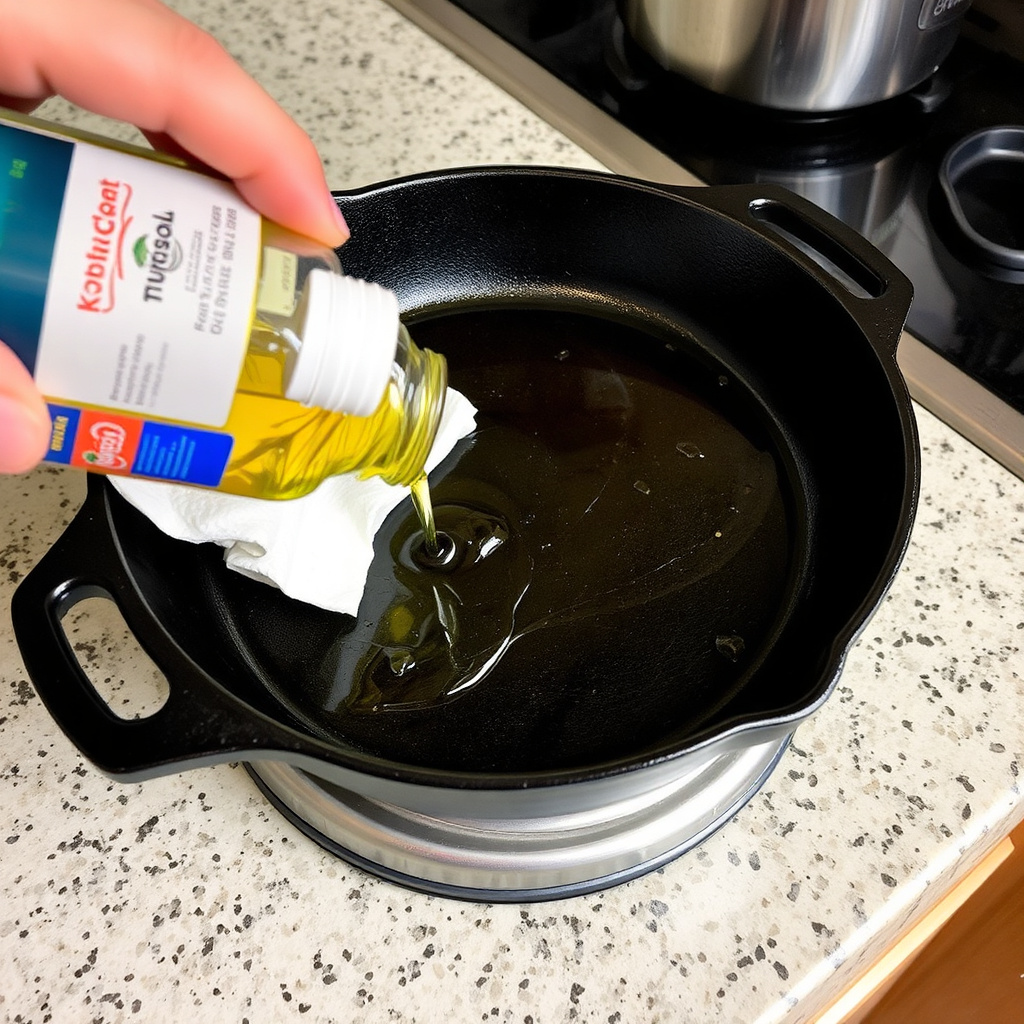
Selecting the best oil for seasoning heavily influences the durability and smoothness of the cast iron surface. Flaxseed oil, grapeseed oil, and vegetable oil are popular due to their high smoke points and polymerization qualities.
Avoid using oils with low smoke points that can leave sticky residues. A thin, even coating of oil allows it to bond efficiently to the cast iron during heating.
- Flaxseed oil: produces hard, durable seasoning
- Grapeseed oil: stable at high heat
- Vegetable oil: widely available and effective
For more on this, see our related guide: How to Cook with Stainless Steel Cookware: A Practical Guide for Perfect Meals.
Oven-Seasoning Process Explained
To season, preheat your oven to around 450°F (230°C). Coat the entire pan with a thin layer of your chosen oil, inside and out. Place it upside down on the oven rack with a drip pan below to catch excess oil.
Bake for one hour to allow the oil to polymerize, then turn off the oven and let the pan cool inside. Repeat this process 2-3 times to build a strong seasoning layer that makes cooking and cleanup easier.
Maintaining Restored Cast Iron Cookware

Cleaning After Use Without Damaging Seasoning
Avoid soap and harsh scrubbing after restoration; instead, use warm water and a brush or non-metal scrubber to remove food. Dry the pan fully and apply a light coat of oil while it’s still warm to protect seasoning.
For stuck-on food, simmer water in the pan to loosen residues rather than scrubbing, which can wear down seasoning layers prematurely.
Proper Storage Tips to Prevent Rust
Store cast iron in a dry environment with good air circulation. Placing a paper towel inside the cookware absorbs moisture and keeps the surface dry.
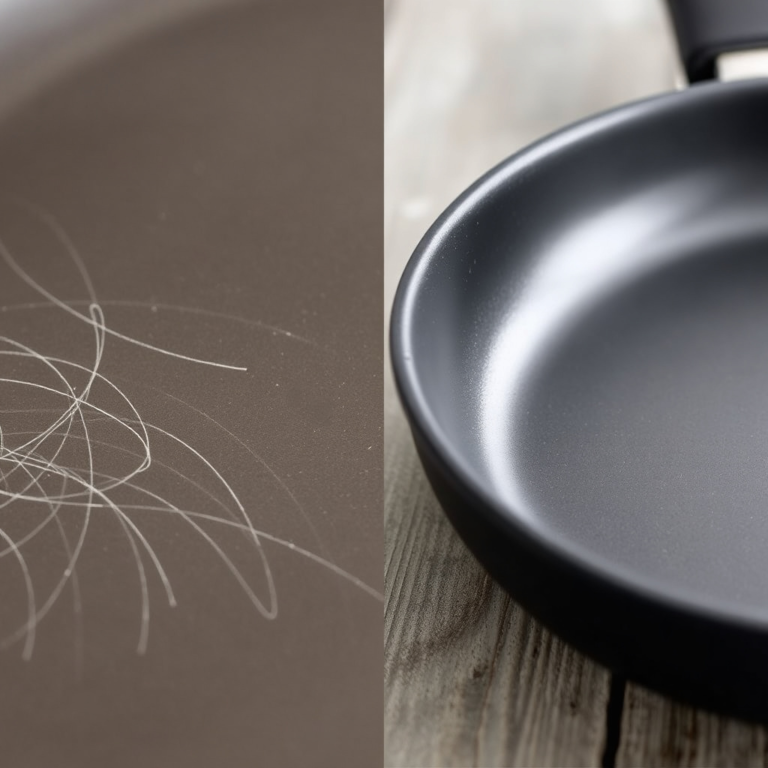
Avoid stacking with other metals or damp cookware because contact with moisture or scratches can initiate rust spots until seasoning re-establishes.
- Keep pan dry between uses
- Use paper towels or cloth inserts
- Store in a ventilated area
Troubleshooting Common Restoration Challenges

Fixing Sticky or Uneven Seasoning
Sticky seasoning usually results from applying too much oil or using oil with low smoke points. To fix, strip the pan back to bare metal and repeat the seasoning process using a thinner oil layer.
Uneven patches often appear if the pan isn’t heated properly or if excess oil pools before baking. Ensure oil is wiped clean to a thin layer before applying heat.
Dealing with Pitting and Deep Rust
Pitting, small corrosion craters, sometimes forms after extended rust exposure. Minor pits won’t impact performance but severe pitting weakens the pan’s integrity.
For substantial rust, sanding with fine-grit sandpaper smooths the surface before re-seasoning. However, pans with severe damage may require replacement.
Restoring Cast Iron Cookware: Practical Tips and Best Practices
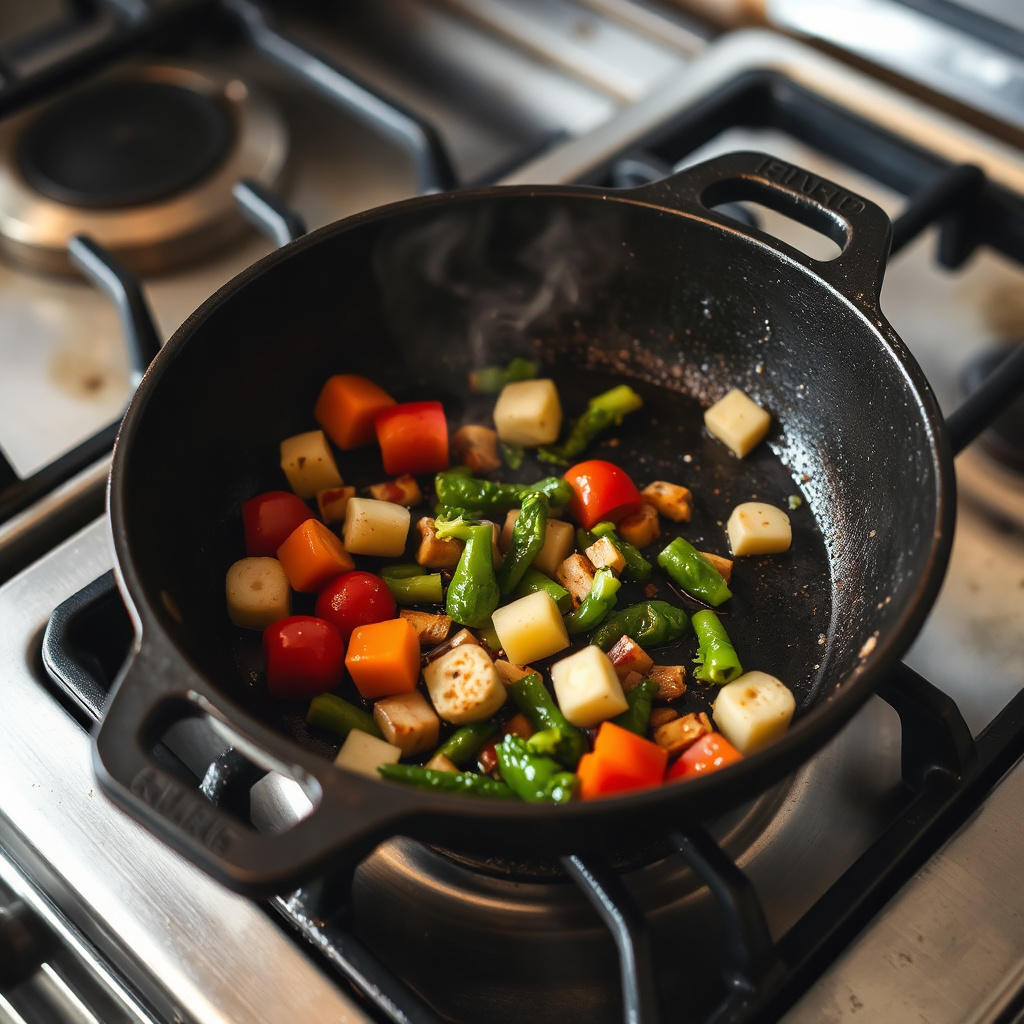
Using Heat Correctly During Restoration
Consistent oven temperature is crucial for seasoning to cure evenly. Avoid uneven heating sources like stovetop burners, which can cause hot spots and inconsistent seasoning.
After seasoning, cooling the pan gradually inside the oven prevents cracking and enhances bonding between iron and oil.
For detailed history and technical background on cast iron cookware, see this authoritative resource. Cast iron cookware.
When to Seek Professional Help
If your cast iron has large cracks, severe warping, or deep pitting that compromises cooking safety, professional restoration or replacement is a better option than home methods.
Restoration experts can use specialized tools and coatings to extend cookware life, but these services are most beneficial for high-value or heirloom pieces.
Cast Iron Cookware Restoration Methods Comparison
Here’s a comparison of popular restoration techniques based on ease, effectiveness, and tools required.
| Method | Effectiveness for Rust Removal | Time Required | Tools Needed |
|---|---|---|---|
| Steel Wool Scrubbing | High for surface rust | 30-60 minutes | Steel wool, warm water |
| Salt and Oil Abrasive | Moderate for stuck spots | 30-45 minutes | Coarse salt, cooking oil, scrub pad |
| Vinegar Soak | High for deep rust | Up to 60 minutes | White vinegar, water, container |
| Oven Seasoning | N/A (for rebuilding seasoning) | 1-3 hours including cycles | Oven, cooking oil |
| Professional Restoration | Very High, including pitting | Varies, days possible | Professional tools and coatings |
Frequently Asked Questions
Can I restore cast iron cookware that has deep rust?
Yes, deep rust can be removed using sanding or vinegar soaks, but extensive pitting may weaken the pan and require professional restoration or replacement.
Is soap safe to use on cast iron after restoration?
Mild soap can be used occasionally after restoration, but frequent use can break down seasoning. Warm water and soft brush cleaning is preferred for maintenance.
How often should I re-season my cast iron cookware?
Re-seasoning depends on use frequency; typically, a thorough seasoning once or twice a year keeps the cookware in good condition, with light oiling after each use.
What oil works best for seasoning cast iron?
Oils with high smoke points such as flaxseed, grapeseed, or vegetable oil are ideal for seasoning because they polymerize into a durable coating.
Can I restore vintage cast iron pans at home?
Yes, most vintage pans can be restored with rust removal and oven seasoning, but severely warped or cracked pieces should be handled by professionals.
Key Takeaways
- Thorough rust removal is essential before seasoning cast iron cookware.
- Use high smoke point oils for effective, durable seasoning layers.
- Maintain your restored pan by minimal soap cleaning and proper drying.
- Professional help is advisable for severe damage or heirloom restoration.
Conclusion
The process of restoring cast iron cookware centers on carefully removing rust and old seasoning layers, then rebuilding a robust non-stick surface through repeated oven seasoning cycles. This method revitalizes cookware, enhancing durability and cooking performance when done with appropriate oils and drying techniques. The decision to restore should factor in the pan's condition: minor rust and worn seasoning are routine fixes, but extensive damage requires more effort or professional intervention.
For everyday users, scrubbing with steel wool or using a salt-oil abrasive method combined with vinegar for tough rust followed by oven seasoning is a reliable approach. Oils like flaxseed or grapeseed provide the best outcomes for longevity. Consistently maintaining the seasoning by avoiding harsh cleansers and keeping cookware dry prevents future restoration needs. In contrast, for vintage collections or pans with cracks or severe pitting, professional restoration or replacement ensures safety and continued use.
If you have a rusty or neglected cast iron pan, start with cleaning and rust removal, then apply thin coats of a recommended oil and bake in the oven to build new seasoning. Regular maintenance afterward extends its lifespan remarkably. This simple restoration effort brings the excellent cooking qualities of cast iron back into your kitchen.