How to Make a Cold Room for Food Storage: A Step-by-Step Guide
Learn how to make a cold room for food storage with practical tips on design, insulation, cooling systems, and maintenance for fresh, safe food.
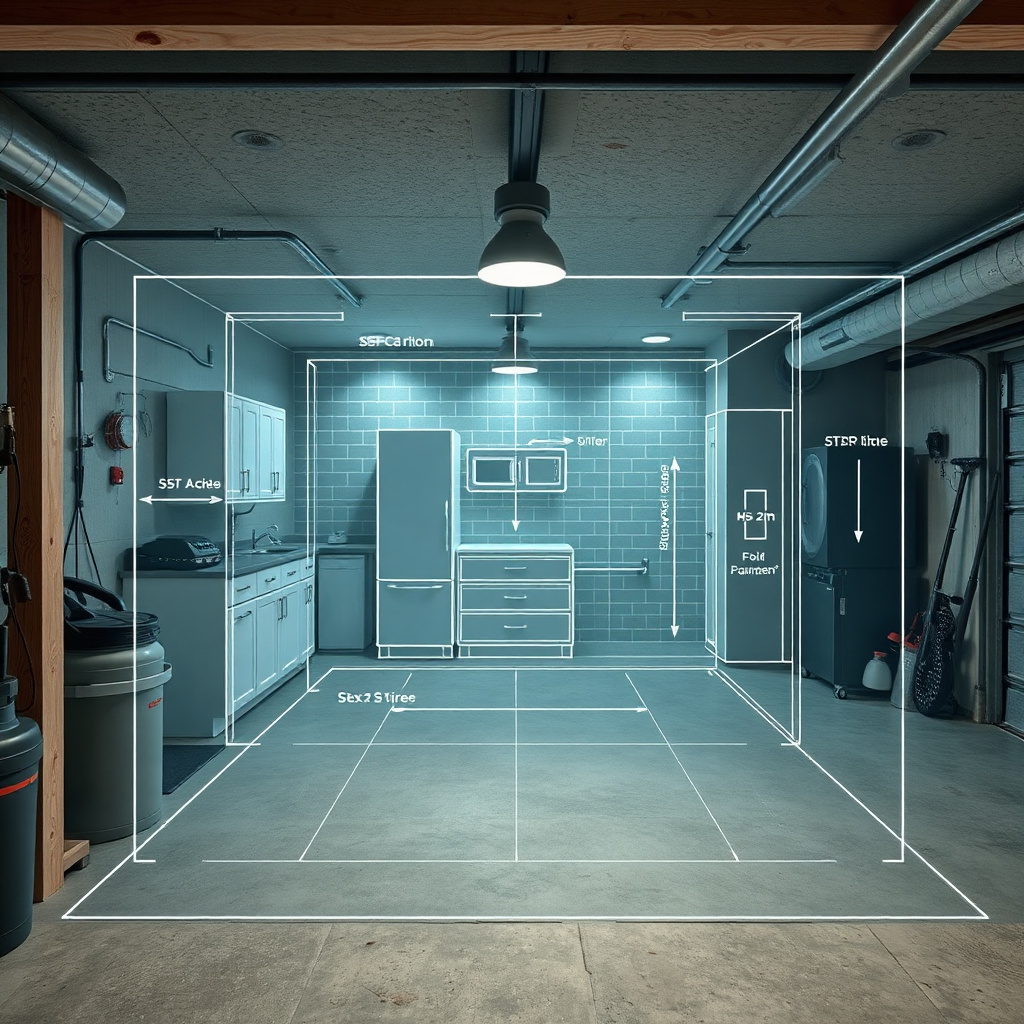
To make a cold room for food storage, you need a well-insulated, airtight space equipped with a reliable cooling system that maintains consistent low temperatures to keep food fresh and safe. The process involves selecting a suitable location, constructing insulated walls and flooring, installing temperature controls, and ensuring proper ventilation.
A cold room is essential for preventing food spoilage by slowing bacterial growth, which helps in extending shelf life and preserving the quality of perishables. This is especially important for businesses like restaurants, grocery stores, or homeowners who want to store bulk food for longer periods without relying on standard refrigeration units.
In this article, you'll find detailed steps covering site preparation, insulation materials, cooling options, humidity control, interior shelving, and maintenance schedules to build an effective cold room for food storage that matches your capacity needs and budget.
Choosing the Right Location and Space for Your Cold Room
Assessing Space Requirements for Food Storage
Determine the volume of food you intend to store and calculate the space accordingly. A compact cold room for home use may only need 20 to 50 square feet, while commercial setups require much larger areas. Consider future expansion, airflow, and accessibility to ensure efficiency.
The room should have easy access and be close to electrical outlets for cooling equipment. Avoid spaces exposed to direct sunlight or external temperature fluctuations to reduce energy costs and improve cooling stability.
- Estimate food quantity and storage duration
- Select a location with stable ambient temperatures
- Ensure convenient access and power availability
Structural Considerations and Room Preparation
Check the strength and condition of floors, walls, and ceilings. Reinforce if necessary to support heavy shelving or cooling units. The surface must be smooth and impermeable to moisture to prevent mold and structural damage.
Before insulation, seal any cracks or gaps in walls or doors using weatherstripping or foam sealant to create an airtight environment necessary for cold rooms.
- Inspect and reinforce structure as needed
- Seal air leaks comprehensively
- Prepare surfaces to prevent moisture penetration
Effective Insulation and Airtight Sealing Techniques
Selecting Insulation Materials for Cold Room Walls and Ceiling
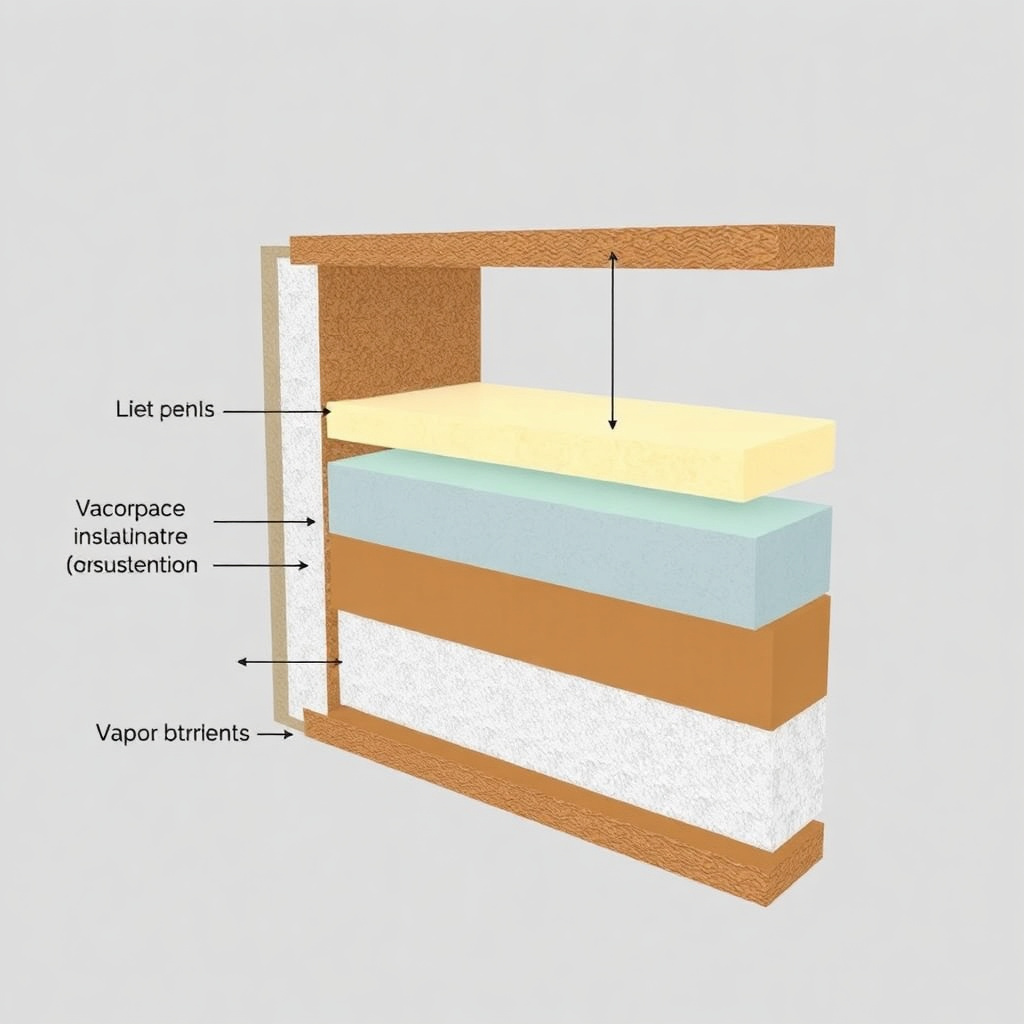
Rigid foam panels like extruded polystyrene (XPS) or polyurethane offer high R-values per inch and resist moisture, making them ideal for cold room insulation. Install panels evenly for continuous coverage to avoid thermal bridges which allow heat transfer.
Reflective foil barriers can supplement foam insulation to reduce radiant heat load. Ensure all joints between panels are sealed with tape or specialized adhesive for airtightness.
- Use high R-value rigid foam insulation
- Seal all edges and joints meticulously
- Consider vapor barriers to control moisture
For more on this, see our related guide: How to Choose Stainless Steel Food Storage Containers for Fresh and Safe Meals.
Floor Insulation and Vapor Barrier Installation
Floors in cold rooms conduct heat loss and can invite moisture problems if not insulated properly. Use extruded foam insulation beneath flooring slabs or install insulated floor panels designed for refrigerated spaces.
Apply a vapor barrier across the floor surface before laying flooring material like sealed concrete or vinyl to prevent condensation buildup and mold formation beneath.
- Install rigid foam insulation under floors
- Lay continuous vapor barriers over floors
- Choose moisture-resistant floor finishes
Installing and Optimizing the Cooling System
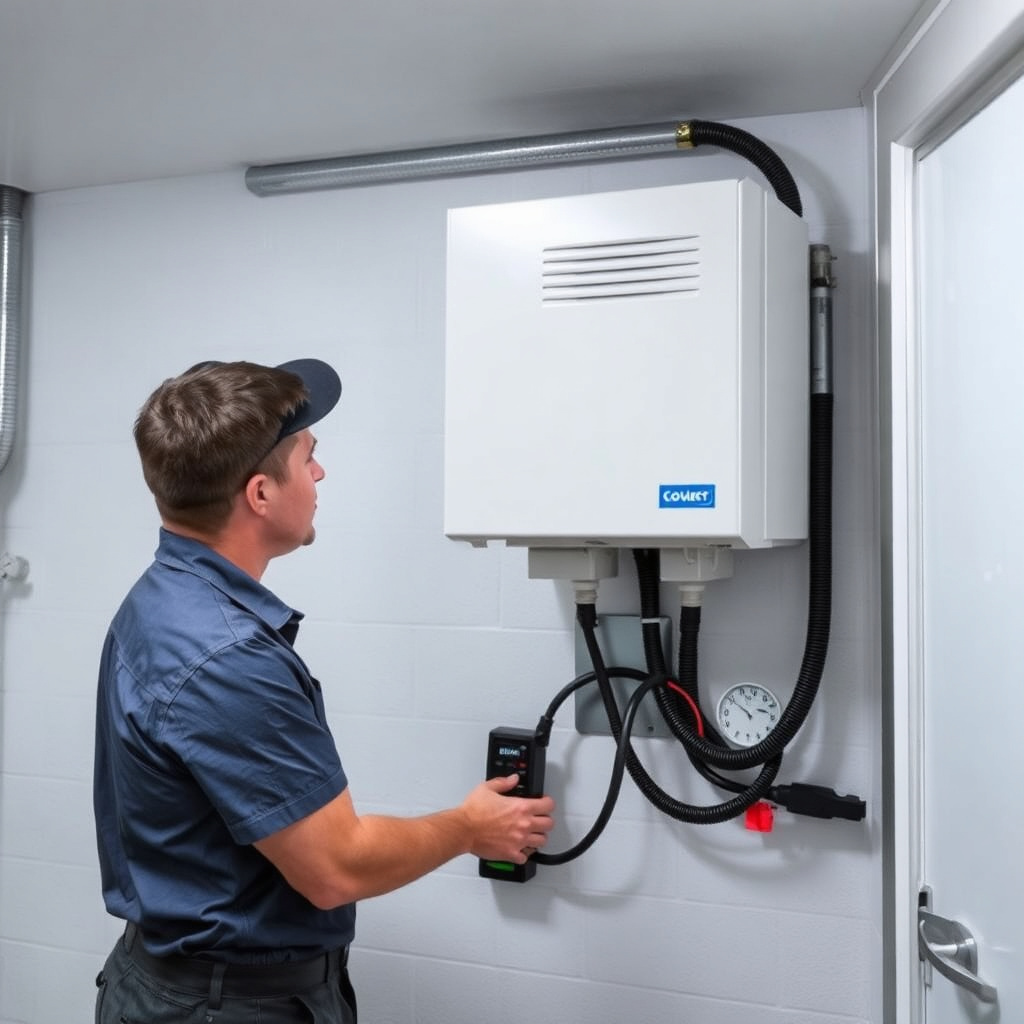
Choosing the Best Cooling System for Cold Rooms
Select a refrigeration unit sized for the cold room’s volume and desired temperature range. Options include vapor compression systems with evaporator and condenser components or modular split-type units designed for commercial cold rooms.
Energy efficiency ratings and noise levels should be considered. Modern inverter compressors adapt cooling output, reducing power consumption compared to fixed-speed models.
- Match unit capacity to room size
- Consider inverter technology for energy savings
- Evaluate noise output for indoor installations
Temperature and Humidity Control Strategies
Cold rooms require precise temperature control typically between 0°C and 4°C for fresh food. Implement digital thermostats with sensors inside the room to maintain consistent settings.
Humidity control is also key; high humidity promotes mold while low humidity dehydrates produce. Use humidifiers or dehumidifiers, and consider airflow design that circulates chilled air evenly without creating hot or cold spots.
- Install digital thermostats and hygrometers
- Use humidifiers or dehumidifiers as needed
- Design air circulation for uniform cooling
Interior Design and Food Storage Organization
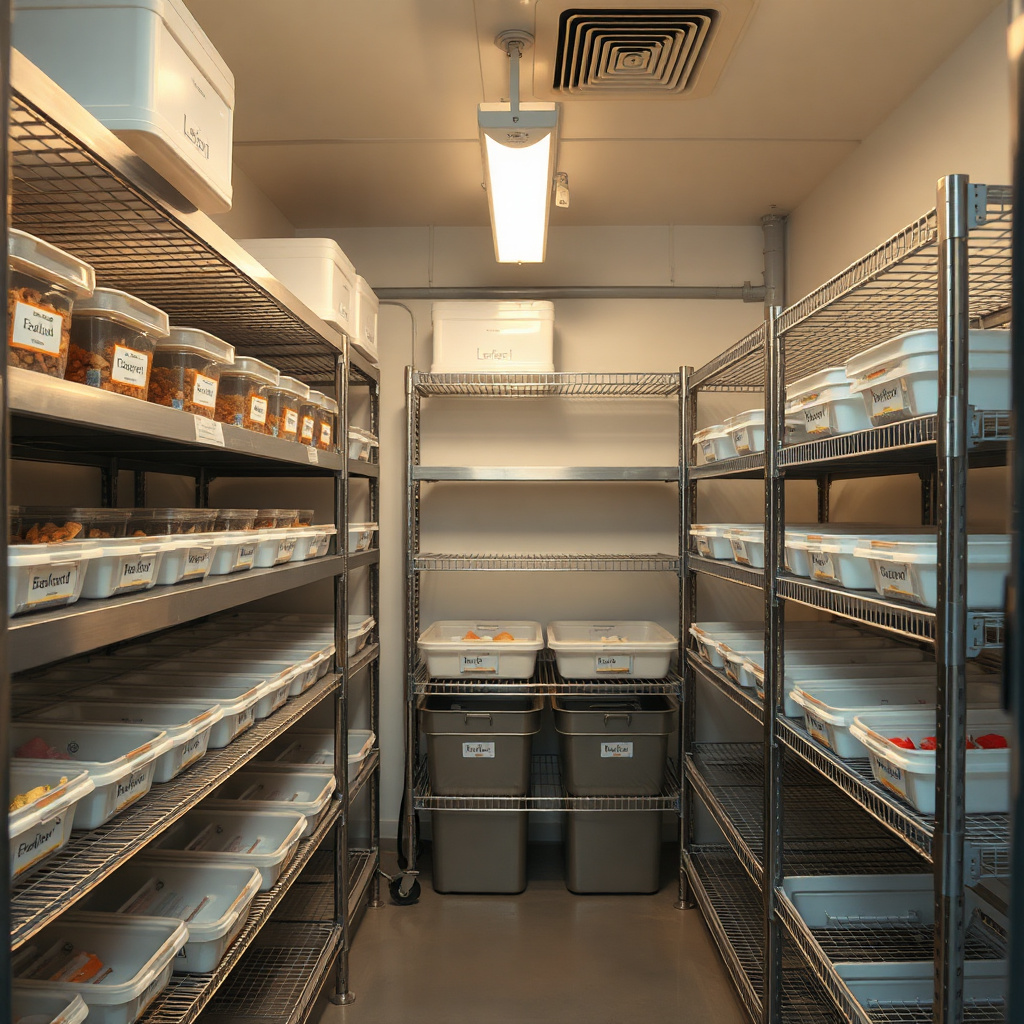
Selecting Appropriate Shelving and Storage Containers
Choose shelving made from stainless steel or galvanized metal, which resists corrosion inside cold, humid environments. Shelves should have an open design to allow air circulation and be adjustable to fit various container sizes.
Use food-grade plastic bins and containers with lids to protect items from cross-contamination and moisture. Label containers clearly for improved inventory management.
- Use corrosion-resistant metal shelving
- Opt for ventilated shelf designs
- Utilize airtight, food-safe containers
Organizing Layout for Efficient Access and Safety
Place frequently used items at eye level and heavier products on lower shelves to prevent accidents. Create aisles wide enough for easy access and movement with carts or forklifts if needed.
Implement FIFO (First In, First Out) rotation methods to minimize waste and check expiry dates regularly. Ensure lighting within the cold room is bright and cold-resistant.
- Designate zones by food type or use frequency
- Maintain clear, wide pathways
- Label shelves and maintain regular inventory checks
Maintenance Practices and Safety Tips

Routine Cleaning and Maintenance Schedules
Regularly clean evaporator coils, floors, and shelving to prevent mold or bacterial growth. Defrost refrigeration units as needed to avoid ice buildup that reduces cooling efficiency.
Schedule periodic inspections of door seals, thermostats, and electrical components. Preventative maintenance extends equipment life and reduces unexpected breakdowns.
- Clean coils and surfaces weekly
- Defrost units on schedule
- Inspect seals and controls monthly
For an overview of refrigeration and cold storage principles, you can explore cold storage basics at Wikipedia. cold storage basics at Wikipedia.
Safety Measures for Operating Cold Rooms
Install safety alarms that alert staff if temperatures rise above set limits or if doors are accidentally left open. Provide training on cold room entry and emergency protocols to prevent accidents.
Use non-slip flooring materials and adequate lighting to reduce injury risks within the chilled environment.
- Implement temperature alarm systems
- Train staff on emergency procedures
- Ensure non-slip floors and sufficient lighting
Comparison of Cold Room Cooling Systems
This table compares popular types of cooling systems used in cold rooms to help you decide which fits your needs.
| Cooling System Type | Cooling Capacity | Energy Efficiency | Noise Level | Typical Cost Range |
|---|---|---|---|---|
| Vapor Compression Units | Up to 10 tons | Moderate to high | Moderate | $2,000 – $8,000 |
| Split-Type Units | 1 to 5 tons | High | Low | $1,500 – $6,000 |
| Modular Refrigeration Units | Varies widely | High | Moderate | $3,000 – $10,000 |
| Thermoelectric Coolers | Under 1 ton | Low | Very low | $500 – $2,000 |
Frequently Asked Questions
What temperature range should a cold room for food storage maintain?
A cold room typically maintains temperatures between 0°C and 4°C (32°F to 39°F) to keep most fresh foods safe and slow spoilage while preventing freezing.
Can I build a DIY cold room at home?
Yes, with proper planning, insulation, and a suitable cooling system, building a DIY cold room is possible for moderate food storage needs, especially in basements or garages.
How often should I defrost the cold room refrigeration unit?
Defrosting frequency depends on usage and humidity but generally once every one to three months helps maintain efficiency and prevent ice buildup.
What is the best insulation material for cold rooms?
Rigid foam insulation such as extruded polystyrene (XPS) or polyurethane panels are best due to their high thermal resistance and moisture resistance.
How do I control humidity inside a cold room?
Humidity can be controlled through ventilation, using humidifiers or dehumidifiers, and sealing the room properly to prevent moisture ingress.
Key Takeaways
- A cold room requires airtight insulation and effective cooling to maintain low temperatures for safe food storage.
- Selecting the best cooling system for cold rooms depends on room size, energy efficiency, and noise considerations.
- Proper organization with corrosion-resistant shelving and clear labeling improves food preservation and access.
- Regular maintenance and safety protocols are essential to keep the cold room functioning reliably.
Conclusion
Creating a cold room for food storage demands careful planning across location, insulation, cooling system choice, and organization. By focusing on building a well-sealed space with high-quality insulation to minimize heat transfer, you reduce energy costs and maintain consistent cold temperatures. Equipping the room with a cooling system matched correctly to your storage volume ensures adequate refrigeration without overworking equipment. Thoughtful storage layout improves airflow and prevents spoilage, while maintenance safeguards long-term performance.
For most home or small business applications, a split-type refrigeration system paired with extruded polystyrene insulation balances efficiency and cost effectively. Larger cold rooms may benefit from modular refrigeration units for scalable cooling capacity. Regardless of size or system, prioritizing airtight sealing, temperature and humidity control, and corrosion-resistant shelving will greatly extend the freshness and shelf life of stored food. These factors collectively define the success of cold room functionality.
Before you start construction, assess your storage volume and budget carefully, then methodically follow insulation and cooling installation best practices. Implement regular cleaning, defrosting, and equipment inspections to avoid issues. Ultimately, a reliable cold room can provide peace of mind in controlling food quality and reducing waste over time.