How to Clean All Clad Stainless Steel Cookware for a Spotless Shine
Learn how to clean All Clad stainless steel cookware effectively and remove stains, discoloration, and stuck-on food with simple, proven methods.
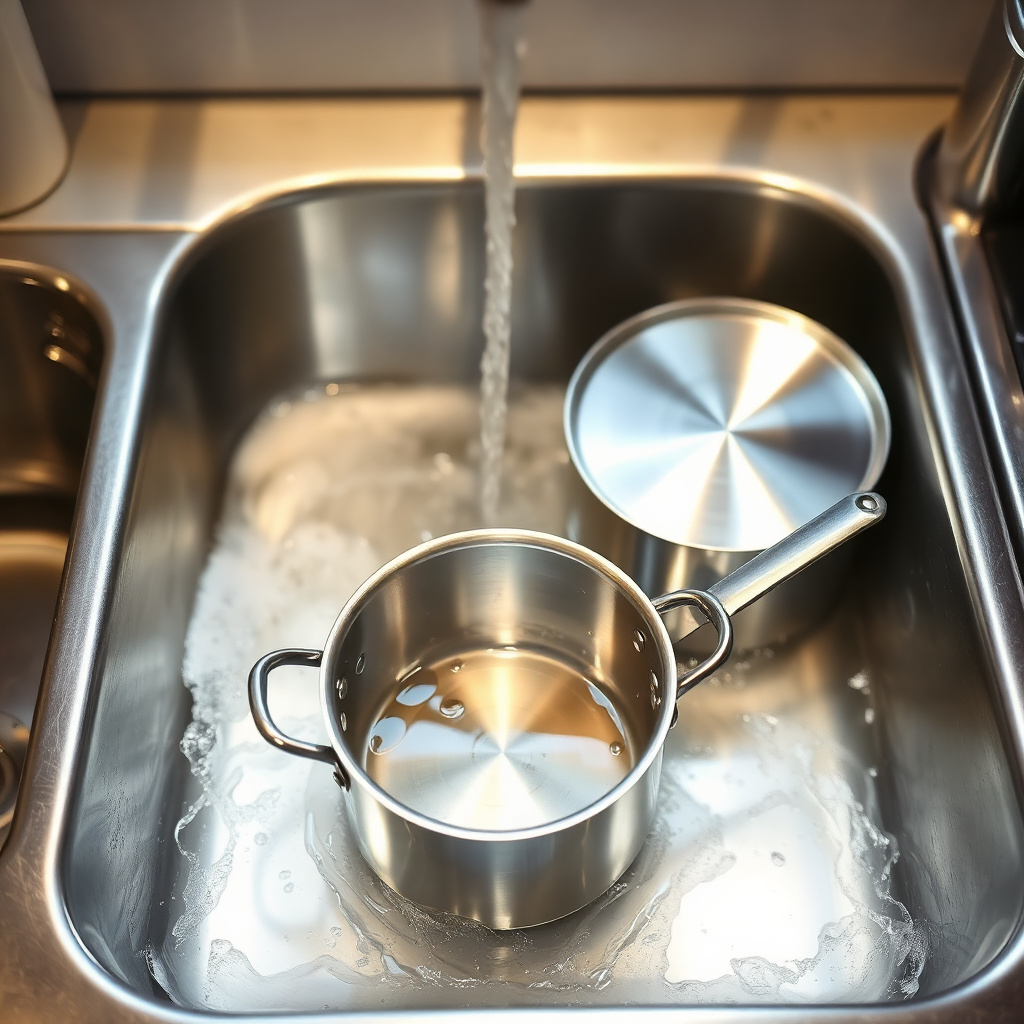
Cleaning All Clad stainless steel cookware well requires the right approach to avoid streaks, discoloration, or damage. To clean your All Clad cookware thoroughly, use a combination of warm soapy water, gentle scrubbing, and occasional deep cleaning with specialized agents like baking soda or vinegar. Avoid abrasive steel wool or harsh chemicals that can scratch or harm the surface.
These stainless steel pots and pans deliver exceptional heat conductivity but often show stains or spots if not cleaned properly after every use. Regular maintenance keeps the cookware looking new and retains its performance in cooking. Knowing how to effectively clean All Clad stainless steel cookware makes a difference in preserving its finish and durability over years.
This article will cover step-by-step cleaning techniques from everyday wash routines to removing tough food residues and watermarks. We'll explain how to handle discoloration, prevent damage, and which cleaning agents are best suited for All Clad stainless steel cookware, helping you maintain its pristine condition.
Basic Cleaning Techniques for All Clad Stainless Steel Cookware
Routine Washing and Drying
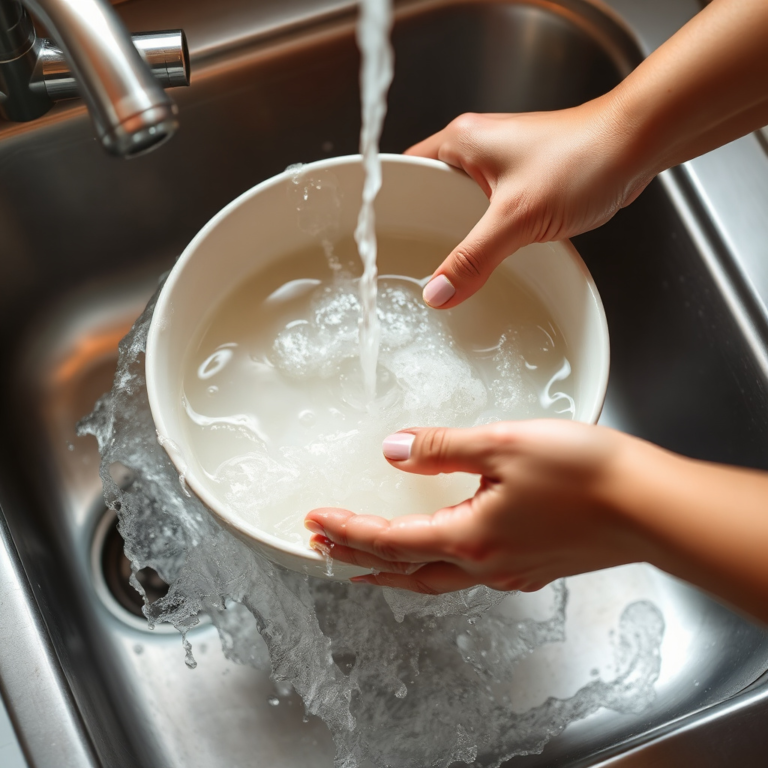
For daily cleaning, wash your All Clad cookware soon after cooking with warm water, mild dish soap, and a non-abrasive sponge. This prevents food from sticking and buildup from forming. Hand washing is preferable though some models are dishwasher safe.
After washing, rinse thoroughly and dry with a soft towel promptly to avoid water spots and streaks that can dull the finish.
- Use warm water and mild dish soap
- Avoid abrasive scrubbers
- Dry immediately after rinsing
Handling Stubborn Food Residues
For stuck-on food, fill the cookware with hot water and let it soak for 15-30 minutes to loosen residue. Then use a nylon scrubbing pad to gently remove it without scratching the steel surface.
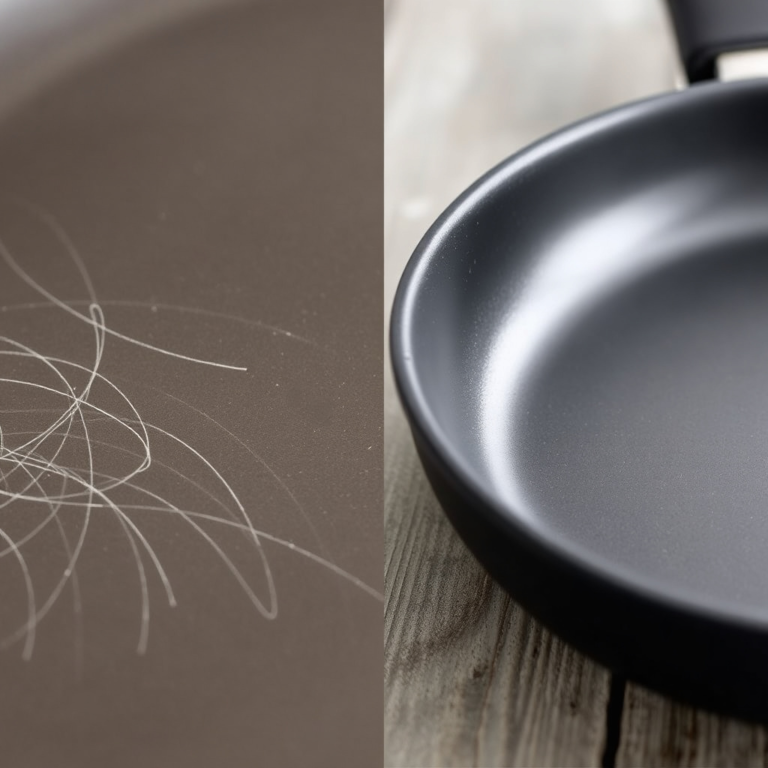
Avoid metal utensils or harsh scrubbers which can cause micro-scratches, dulling the cookware’s shine over time.
- Soak with hot water before scrubbing
- Use nylon or sponge scrubbers
- Never use steel wool or metal utensils on the surface
Removing Discoloration and Water Spots from Stainless Steel
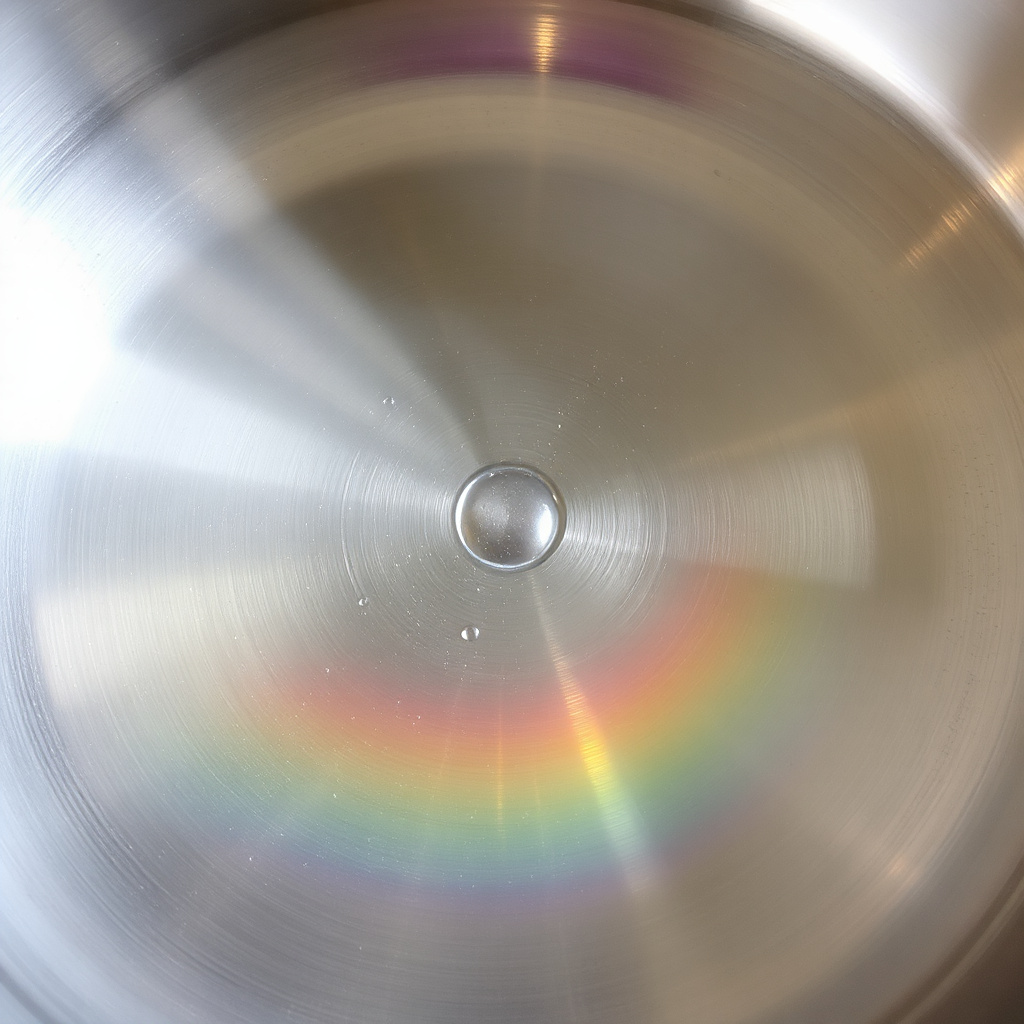
Using Vinegar for Water Spot Removal
White vinegar is excellent for removing water spots and mineral deposits from All Clad stainless steel cookware. Simply wipe the surface with a damp cloth soaked in vinegar, let it sit briefly, then rinse and dry.
This method restores the shine by breaking down calcium deposits without harming the cookware finish or performance.
- Dilute vinegar with water as needed
- Apply with a soft cloth
- Rinse thoroughly after treatment
For more on this, see our related guide: How to Cook with Stainless Steel Cookware: A Practical Guide for Perfect Meals.
Addressing Rainbow Discoloration
Heat-tint or rainbow discoloration occurs when cookware overheats. To remove these colorful stains, fill the pan with water and add a few tablespoons of white vinegar.
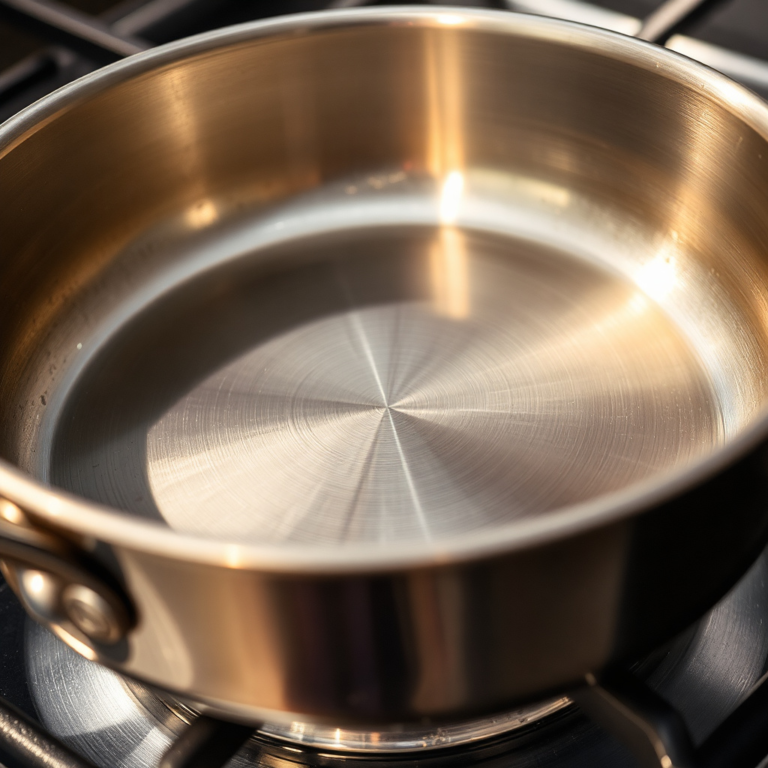
Heat the mixture until simmering, then pour it out and wash normally. This process helps restore the steel’s natural silver appearance.
- Simmer vinegar solution in the pan
- Avoid overheating in future use
- Polish after treatment if needed
Deep Cleaning for Tough Stains and Burnt Residue

Using Baking Soda Paste for Burn Marks
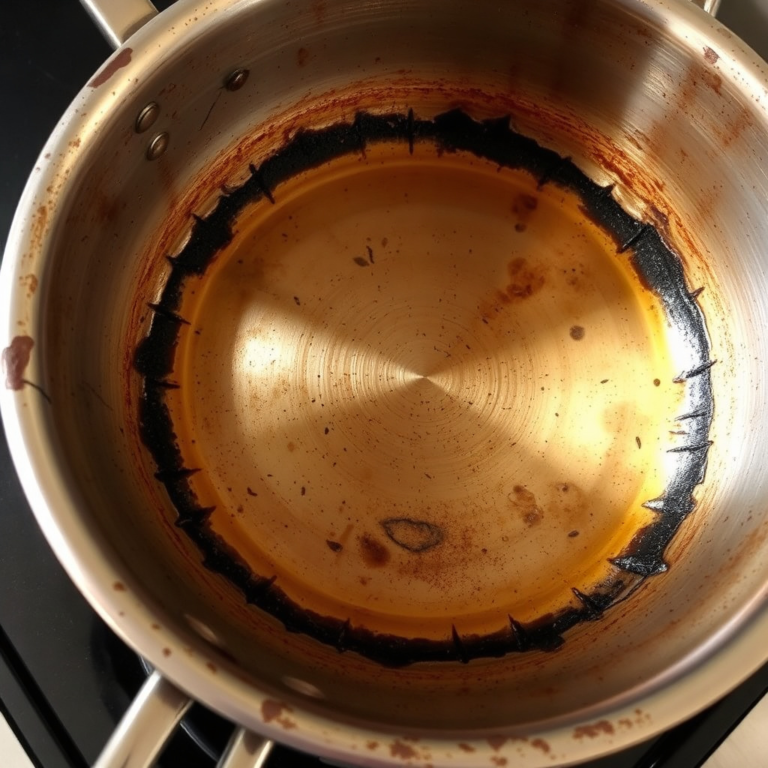
For heavily burnt spots, create a thick paste by mixing baking soda with water, apply it to the affected area, and let it sit for 15-30 minutes.
Then gently scrub with a non-abrasive pad. Baking soda acts as a mild abrasive that lifts residues without scratching the stainless steel.
- Make a paste of baking soda and water
- Avoid abrasive scrubbing pads
- Rinse and dry after cleaning
Bar Keepers Friend for Tough Stains
Bar Keepers Friend is a popular powdered cleaner specifically formulated for stainless steel cookware. Dampen the cookware surface, sprinkle a small amount of powder, and use a soft sponge to gently scrub, then rinse well.
This product excels at removing stubborn stains and restoring shine but should be used sparingly to prevent wear.
- Use a soft sponge when applying
- Rinse thoroughly after use
- Test product in a small area first
Preventative Tips to Keep Your All Clad Cookware Pristine
Proper Cooking and Cleaning Habits
Avoid overheating empty pans and use the appropriate burner size to prevent heat discoloration. Rinse soon after cooking to prevent food residues from hardening.
Use wooden, silicone, or plastic utensils to protect the cookware surface from scratches.
- Avoid running empty pans on high heat
- Match pan size to burner size
- Use non-metal utensils
For more on this, see our related guide: How to Cook with Stainless Cookware: Tips for Perfect Results Every Time.
Storage and Handling Recommendations
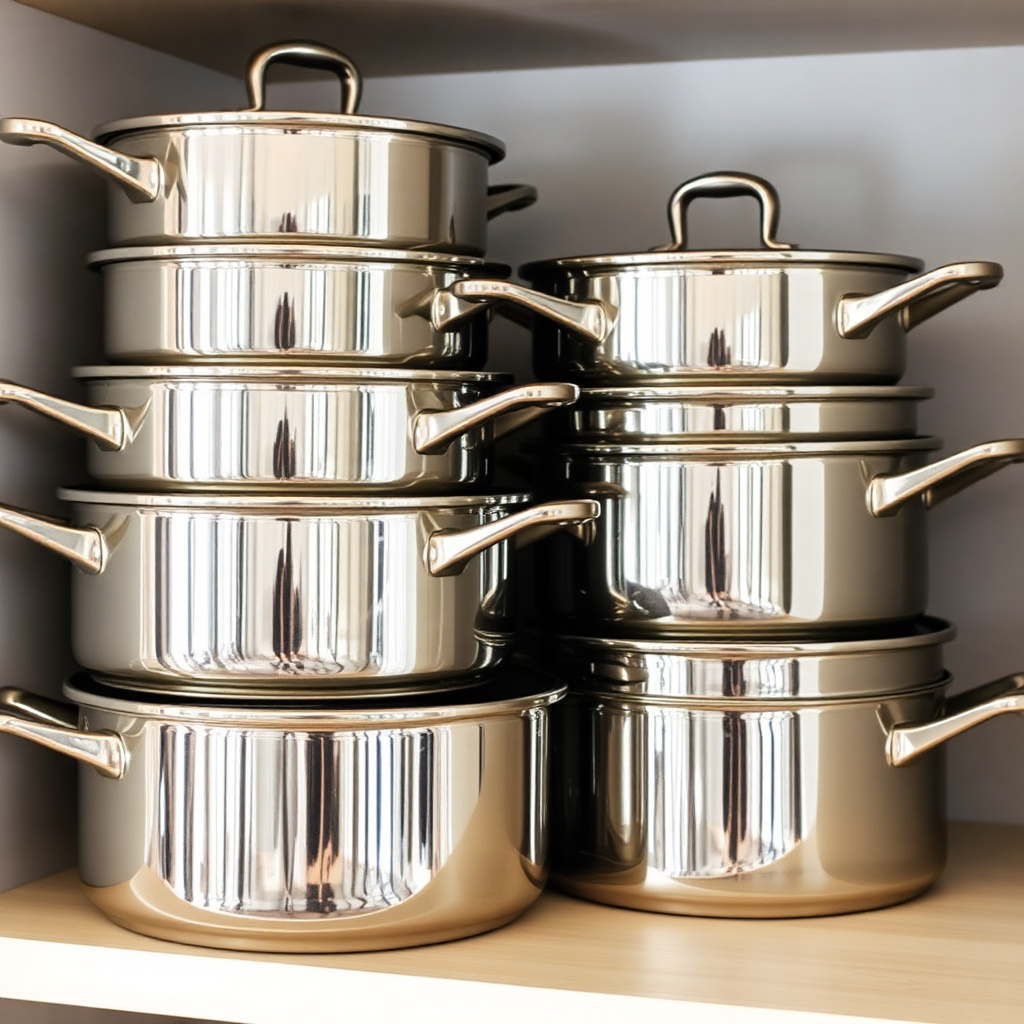
When stacking cookware, place protective liners like paper towels or cloths between pans to avoid scratches. Store cookware in a dry area to prevent water spotting.
Avoid stacking heavy items on top of your All Clad pieces to maintain their shape and finish.
- Use liners between stacked pans
- Store in dry, ventilated spaces
- Avoid heavy stacking
Special Considerations for Cleaning All Clad Stainless Steel Cookware

Dishwasher Use and Its Effects
While some All Clad stainless steel cookware is labeled dishwasher safe, regular dishwasher cycles can dull the finish and cause spotting over time. Hand washing is generally preferred to maintain the cookware’s shine and performance.
If using a dishwasher, select gentle detergent and avoid overcrowding to minimize surface damage.
- Check manufacturer’s dishwasher recommendations
- Use gentle dishwasher detergent
- Avoid overcrowding inside the dishwasher
For detailed manufacturer guidance on cleaning All Clad cookware, refer to their official cleaning and care page. All-Clad cookware cleaning tips.
Avoiding Harsh Chemicals and Abrasives
Strong chemicals such as bleach or oven cleaners can damage the stainless steel surface. Abrasive pads or metal scrubbers can cause scratches, dulling the cookware’s luster and making it prone to corrosion.
Always opt for mild detergents and soft cleaning tools specially designed for stainless steel cookware.
- Never use bleach or oven cleaner
- Avoid abrasive scrubbers
- Use mild detergents and non-scratch tools
All Clad Stainless Steel Cookware Cleaning Methods Comparison
The following table summarizes common cleaning methods for All Clad stainless steel cookware and their effectiveness, ease, and safety.
| Cleaning Method | Effectiveness | Ease of Use | Surface Safety |
|---|---|---|---|
| Warm Soapy Water | High for daily cleaning | Very easy | Very safe |
| Vinegar Wipe | Good for water spots | Easy | Safe |
| Baking Soda Paste | Good for burnt residue | Moderate | Generally safe |
| Bar Keepers Friend | Very effective for tough stains | Moderate | Safe if used correctly |
| Dishwasher | Convenient but may dull finish | Very easy | Less safe over time |
Frequently Asked Questions
Can I use abrasive steel wool to clean All Clad cookware?
No, steel wool can scratch and damage the stainless steel surface. Use non-abrasive scrubbers like nylon pads or soft sponges to protect the finish.
How do I get rid of rainbow discoloration on my All Clad cookware?
Simmer a solution of white vinegar and water in the pan, then wash normally. This helps remove heat tints or rainbow discoloration without harming the cookware.
Is it safe to put All Clad cookware in the dishwasher?
While some All Clad pieces are dishwasher safe, hand washing is recommended to maintain shine and prevent spotting caused by harsh detergents and high heat.
Can I use Bar Keepers Friend on my All Clad stainless steel cookware?
Yes, Bar Keepers Friend is effective for tough stains but should be used with a soft sponge and rinsed thoroughly to avoid surface wear.
How often should I clean my stainless steel cookware deeply?
Perform deep cleaning every few months or as needed when stains, burnt residues, or discoloration appear to keep your cookware looking and performing its best.
Key Takeaways
- Use warm soapy water and gentle scrubbing for daily cleaning.
- White vinegar and baking soda are effective natural cleaners for water spots and burnt residue.
- Avoid abrasive tools and harsh chemicals to protect the stainless steel surface.
- Hand washing is preferred over dishwashers to maintain the cookware’s finish.
Conclusion
Cleaning All Clad stainless steel cookware effectively is a matter of combining frequent gentle washing with targeted treatments for buildup, stains, and discoloration. Starting with simple warm soapy water and avoiding harsh abrasives preserves the cookware’s natural shine and extends its lifespan. Recognizing which stains require mild acids like vinegar or gentle abrasives such as baking soda allows you to tackle common problems safely and confidently.
For those who regularly cook with All Clad, integrating these cleaning practices ensures the cookware maintains both its appearance and performance. Routine washing prevents hard-to-remove residues while occasional use of Bar Keepers Friend or vinegar treatments restores brilliance after heat tints or water spots develop. Proper utensil use and careful storage also help prevent damage and simplify cleaning.
If you want shiny, well-maintained All Clad stainless steel cookware ready for any recipe, start with hand washing after each use and escalate cleaning as needed with proven effective methods. Maintaining your investment with the right cleaning approach will reward you with cookware that looks great and performs reliably for many years.