How to Cook Steak on the Grill for Perfect Results Every Time
Learn how to cook steak on the grill with expert tips for juicy, flavorful steaks and ideal grill settings for any cut.
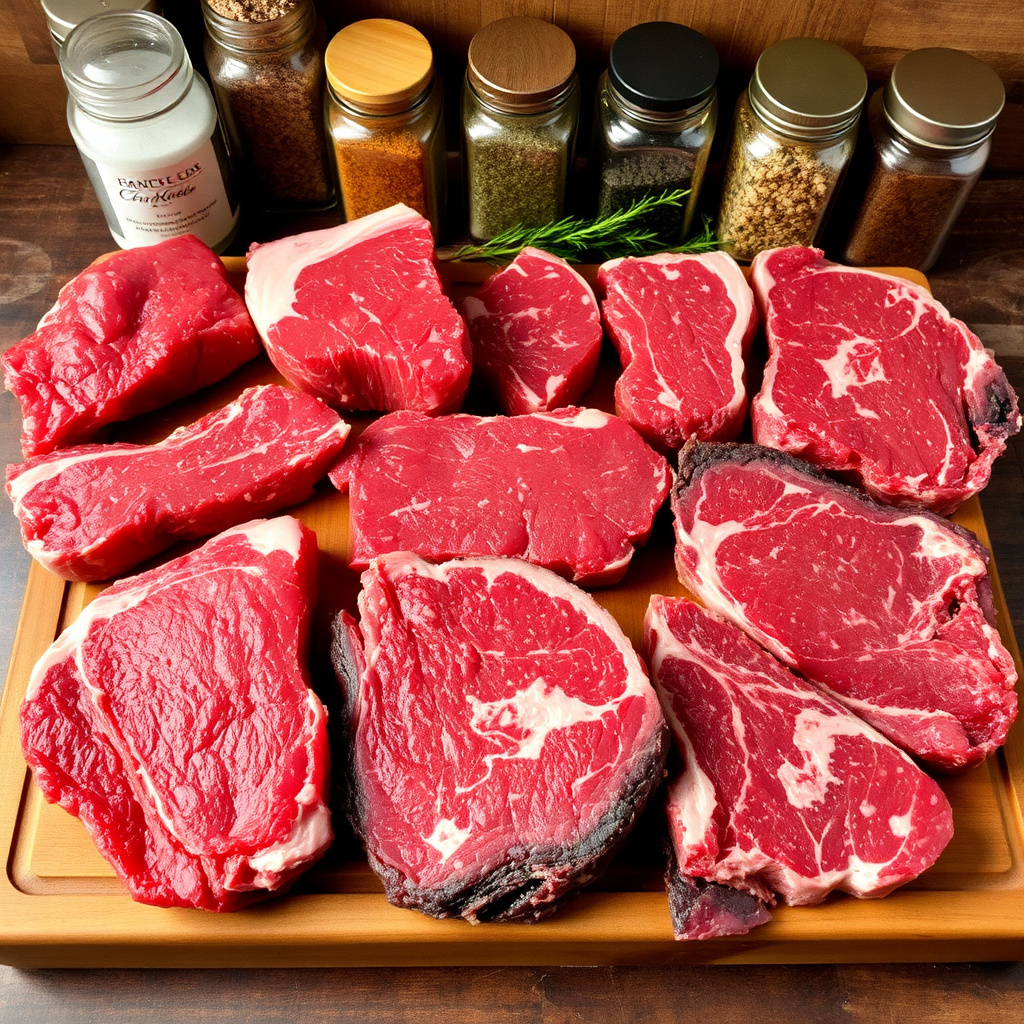
Cooking steak on the grill starts with choosing the right cut and seasoning it well, then cooking it over direct heat until it reaches your preferred level of doneness. Grilling steak involves preheating the grill, placing the meat over high heat, and turning it just enough to develop a flavorful crust without drying it out.
Grilling steak is a popular method that enhances the meat's natural flavors by creating a delicious char while locking in juices. Knowing how to control grill temperature and timing makes the difference between a tough, flavorless steak and one that's tender and delicious.
This guide covers selecting steaks suited for grilling, preparing and seasoning your meat, managing grill heat effectively, and key tips like resting and slicing for maximum enjoyment. You'll also find comparisons of grilling methods and answers to common steak-grilling questions.
Selecting and Preparing Steak for Grilling
Choosing the Right Steak Cut
Different steak cuts perform differently on the grill. Ribeye, New York strip, and filet mignon are excellent choices due to their balance of marbling and tenderness, which help them stay juicy over high heat.
Tougher cuts like flank or skirt steak are also great grilled but benefit from marinating to tenderize and add flavor. Thickness matters too: steaks about 1 to 1.5 inches thick grill evenly and allow for a nice crust without overcooking inside.
- Ribeye: well-marbled, flavorful
- Filet mignon: tender, lean
- New York strip: balanced tenderness
- Flank/skirt: good for marinating
Preparing Your Steak Before Grilling
Start by bringing the steak to room temperature to promote even cooking. About 30 minutes outside the fridge works well, especially for thicker cuts.
Dry the surface with paper towels and season generously. Salt is key since it enhances flavor and creates a crust. Add black pepper or herbs according to taste. Avoid applying wet marinades just prior to grilling to keep a good sear.
- Bring steak to room temperature
- Pat dry to remove surface moisture
- Season with salt and pepper
- Add herbs or spices as desired
Mastering Grill Heat and Cooking Techniques
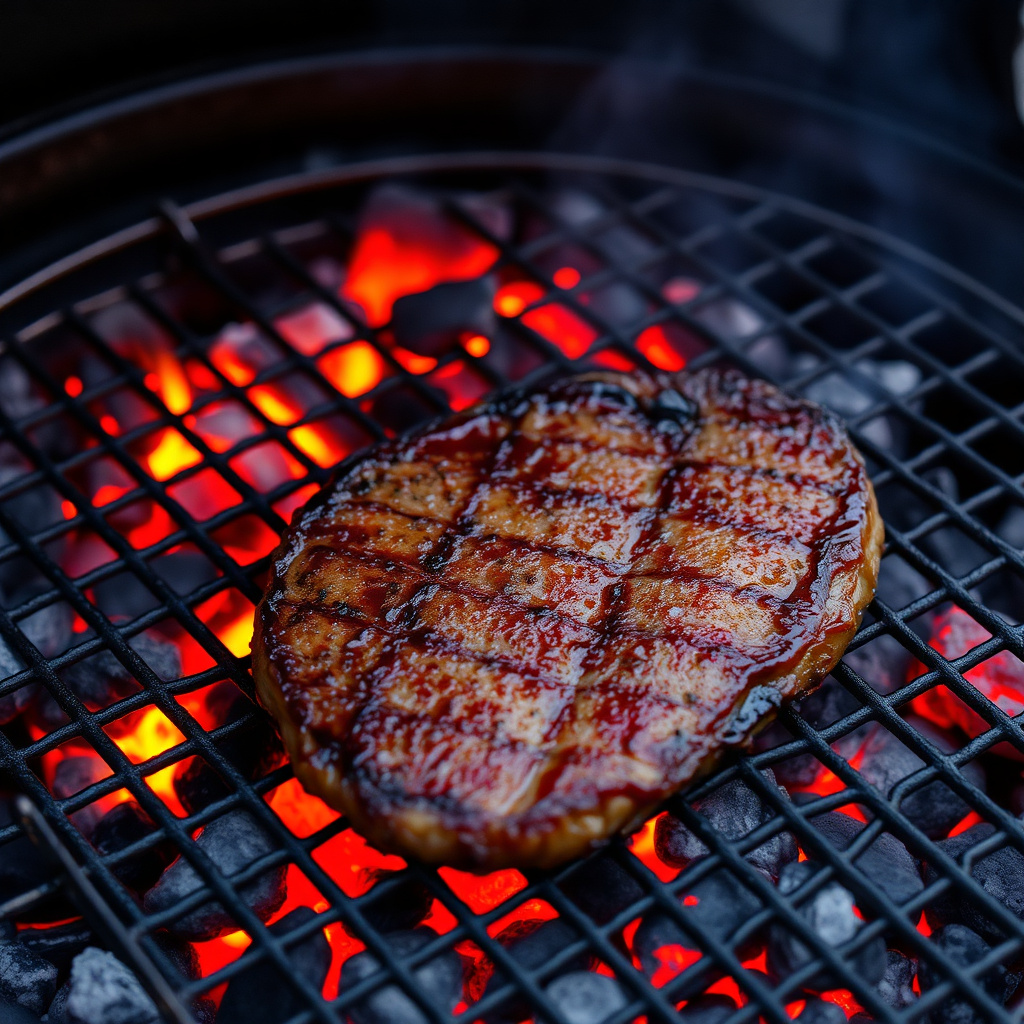
Setting Up and Managing Grill Temperature
Preheat your grill to high heat, around 450-550°F, for direct cooking. This intense heat helps develop the sought-after crust quickly. For charcoal grills, arrange coals evenly and wait until they glow red with ashen surfaces.
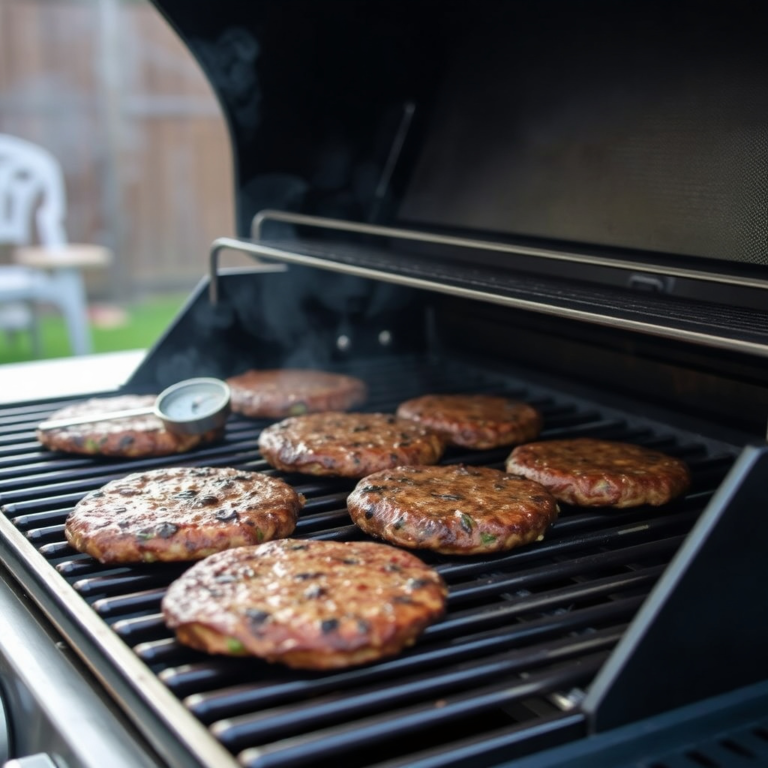
If using a gas grill, preheat it for at least 15 minutes with the lid closed. You can use a two-zone setup—one side very hot for searing, the other cooler for finishing thicker steaks to desired doneness.
- Preheat grill to 450–550°F for searing
- Use direct heat zone for cooking
- Set up two-zone fire on charcoal or gas grills
- Close lid to maintain temperature
Grilling the Steak to Desired Doneness
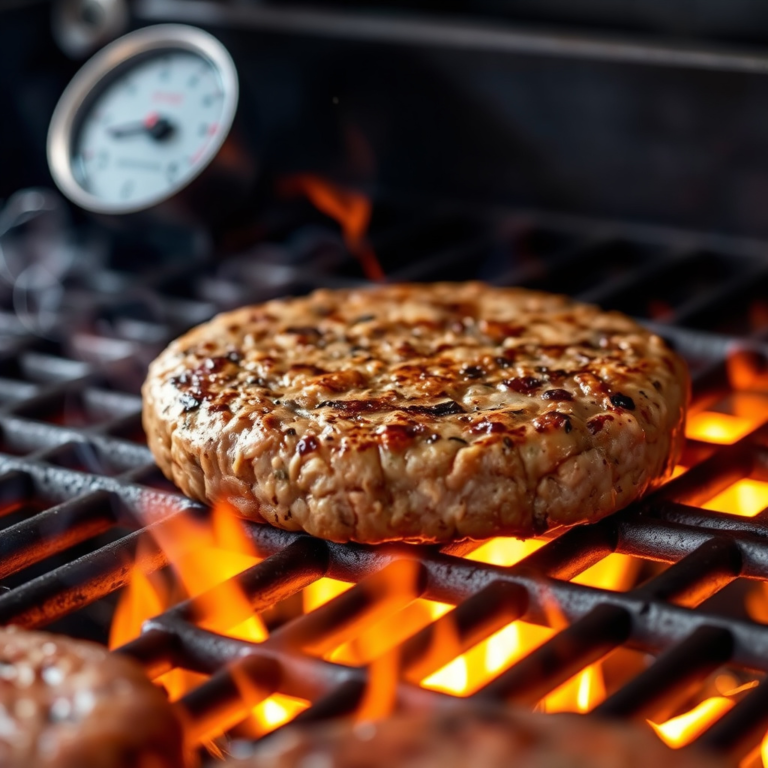
Place the steak on the hottest part of the grill and let it sear undisturbed for 3-5 minutes, depending on thickness. Flip once using tongs and sear the other side similarly. Avoid pressing down, which squeezes out juices.
Use a meat thermometer to check internal temperature for accuracy: 125°F for rare, 135°F medium-rare, 145°F medium, and above 150°F for well-done. Move steak to indirect heat if it needs longer without burning the exterior.
- Sear on direct heat for 3-5 minutes per side
- Flip once; do not pierce or press steak
- Use instant-read thermometer to check doneness
- Finish on indirect heat if needed
Enhancing Flavor and Texture on the Grill
Using Marinades and Rubs for Extra Flavor
While simple salt and pepper are classic, marinades can add complex flavor and tenderize tougher cuts. Acidic ingredients like lemon juice or vinegar break down muscle fibers, but avoid soaking for too long—about 30 minutes to 2 hours is sufficient.
Dry rubs made from spices and herbs form a textured crust as the steak chars. Popular rubs include garlic powder, paprika, and cayenne for heat. Apply rubs just before grilling to preserve flavors.
- Use acidic marinades for flank or skirt steaks
- Limit marinating time to avoid mushy texture
- Apply dry rubs shortly before grilling
- Classic spices: garlic, pepper, paprika
Adding Finishing Touches: Butter and Resting
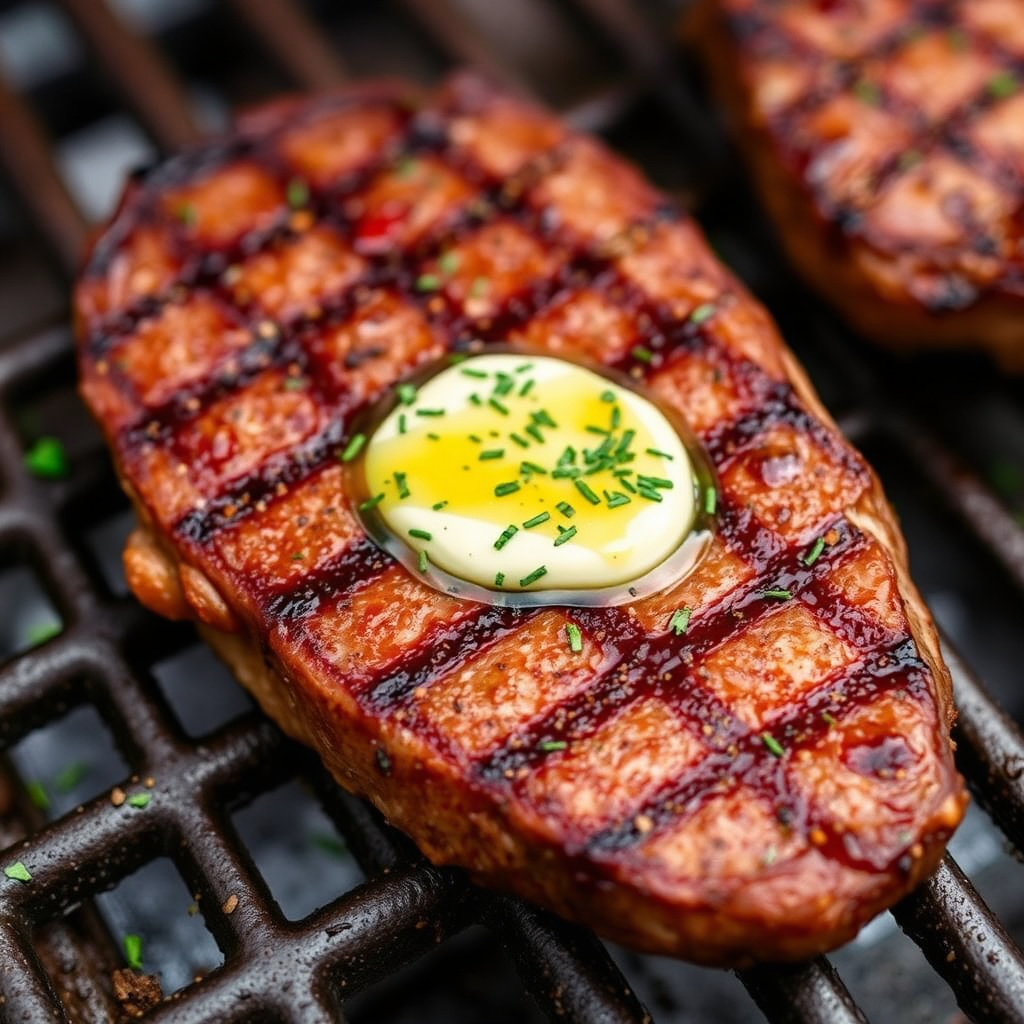
A pat of compound butter added in the last minute melts and adds richness to grilled steak. Common ingredients include herbs, garlic, or blue cheese. This enhances flavor and juiciness.
Resting the steak off the grill for 5-10 minutes lets juices redistribute, preventing them from spilling out when cut. Cover loosely with foil to keep warm without steaming the crust.
- Add compound butter for richness
- Rest steak 5–10 minutes before slicing
- Cover loosely with foil to retain heat
- Slice against the grain for tenderness
Cleaning and Maintenance After Grilling
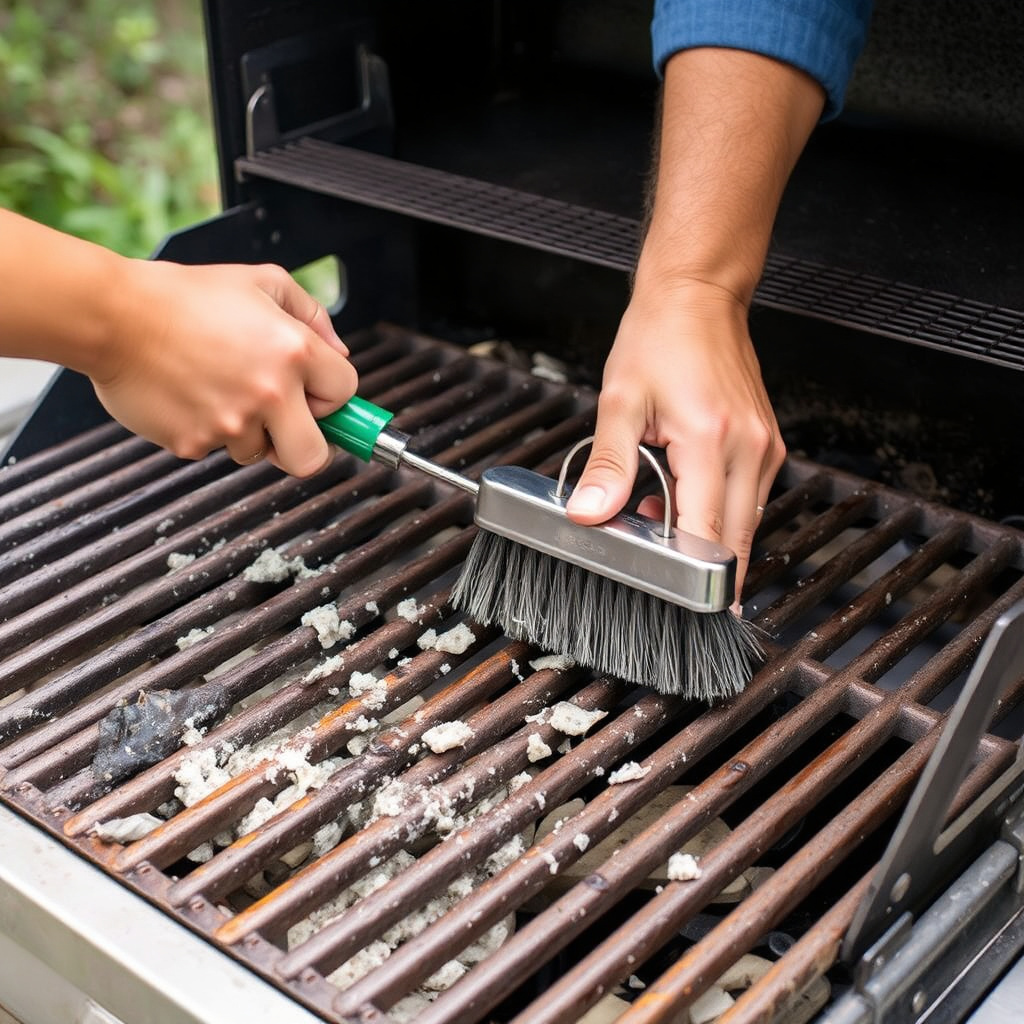
Cleaning Grill Grates for Best Performance
Clean grill grates immediately after use while still warm to remove residue and prevent buildup. Use a wire brush or grill scraper to remove stuck-on bits of food and char. This maintains efficient heat transfer and prevents sticking.
If grease accumulates, clean with warm soapy water during cool-down or use a grill-specific degreaser occasionally. Season cast iron grates with oil to protect from rust.
- Brush grates while warm after cooking
- Use soapy water or degreasers for stubborn buildup
- Oil cast iron grates to prevent rust
- Regular cleaning ensures grill longevity
Proper Storage of Grill Tools and Accessories
Store grill tools like tongs, spatulas, and brushes in a dry place to avoid rust or damage. Organizers or hooks near the grill help keep tools handy and clean.
Cover the grill when not in use to protect from weather and debris, extending the lifespan of grill components and preserving heat retention for future grilling.
- Keep tools dry and organized
- Use grill covers when idle
- Inspect and replace worn parts regularly
- Maintain grill for consistent cooking quality
Common Mistakes and How to Avoid Them When Grilling Steak
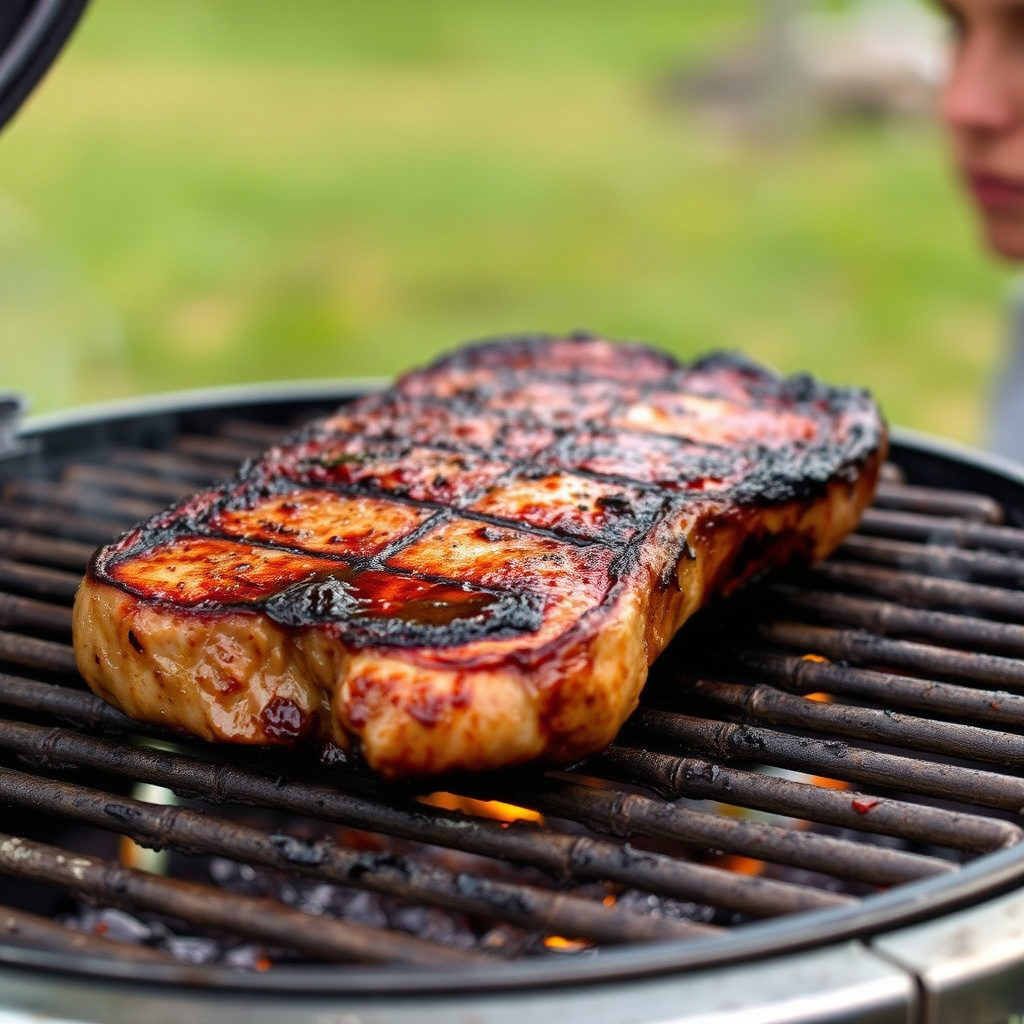
Avoiding Overcooked or Undercooked Steak
A frequent error is overcooking steak, which results in dryness and toughness. Using an instant-read thermometer minimizes guesswork and helps achieve the exact desired doneness.
Conversely, undercooked steak can be unsafe or unpleasant. Allow enough time on the grill and adjust cooking zones or times for thicker cuts to avoid cold centers.
- Use a thermometer for accurate doneness
- Adjust grill zones to avoid burning
- Cook thicker steaks with two-zone method
- Rest steak to complete cooking
To explore more about grilling styles and science, check out the detailed grilling techniques article. Grilling techniques on Wikipedia.
Preventing Sticking and Maintaining Juiciness
Steak sticking to the grill grates can tear the crust and waste flavor. Preheating the grill and oiling the grate lightly helps prevent sticking.
Avoid flipping too often; letting the crust form uninterrupted improves texture. Proper seasoning and drying before grilling also reduce sticking chances and draw out flavor.
- Preheat and oil the grill grate
- Flip steak once during cooking
- Pat steak dry and season well
- Let steak rest to retain juices
Grilling Methods for Steak Category Comparison
Here's how different grilling techniques compare across key factors that affect steak quality and cook time.
| Method | Heat Level Required | Ideal Steak Thickness | Flavor Impact | Cooking Time |
|---|---|---|---|---|
| Direct High Heat | 450-550°F | 1–1.5 inches | Strong char, crusty exterior | 6-12 minutes |
| Two-Zone Grilling | High and Medium 350-450°F | 1.5–2 inches | Crust plus even interior cooking | 10-18 minutes |
| Reverse Sear | Low indirect heat then high sear | 1.5–2 inches or more | Tender inside with well-developed crust | 20-30 minutes |
| Charcoal vs Gas | Variable, charcoal hotter spots | Any, depends on control | Smokier flavor (charcoal) | Similar timing with control |
Frequently Asked Questions
How long should I grill a steak for medium-rare?
For a 1-inch thick steak, grill over high heat for about 4-5 minutes per side. Use a meat thermometer to confirm an internal temperature of 135°F for medium-rare.
Can I grill steak from frozen?
Grilling steak from frozen is possible but not recommended. Thawed steak cooks more evenly and allows for better seasoning and crust formation.
Should I marinate all steaks before grilling?
Marinating benefits tougher cuts like flank or skirt steak but is usually unnecessary for tender cuts like ribeye or filet mignon, which perform better with simple seasoning.
How do I know when my grill is hot enough to cook steak?
Preheat until the grill surface reaches between 450°F and 550°F. You can check with a built-in thermometer or hand test by holding your hand above the grill for 2-3 seconds before it feels too hot to keep it there.
Why does my steak stick to the grill?
Steak sticks often due to insufficient preheating or moisture on the meat surface. Dry your steak, oil the grill grates lightly, and avoid flipping too soon to prevent sticking.
Key Takeaways
- Choose cuts like ribeye or strip steak for best grilling results
- Preheat grill to 450-550°F and use two-zone setup for thicker steaks
- Season simply with salt and pepper, rest steak after grilling
- Use a thermometer to ensure accurate doneness every time
Conclusion
Learning how to cook steak on the grill involves balancing heat control, timing, and preparation to achieve tender, flavorful results. Your choice of cut, seasoning approach, and grill temperature all interact to define the steak’s texture and taste. Starting with a proper grilling setup and attentiveness during cooking plays a crucial role.
If you prefer quick cooking and bold crusts, direct high heat grilling suits thinner steaks like ribeye or strip. For thicker cuts, techniques like two-zone grilling or reverse searing allow the steak to cook evenly without becoming overly charred or underdone inside. Marinated flank steak benefits from a shorter, hotter exposure, while filet mignon shines with minimal seasoning and careful temperature monitoring.
To perfect your grilled steak, invest in a reliable meat thermometer and give your steak a resting period post-cooking. This practice retains juices that keep every bite moist and tasty. Keep your grill clean and well-maintained to achieve the best sear and flavor on every cook. With these steps, your next steak on the grill will be a satisfying, delicious experience worth repeating.