How to Grill Asparagus on Stove: Easy and Delicious Steps
Learn how to grill asparagus on stove with simple steps for a tasty, charred side dish. Perfect for quick indoor grilling and healthy meals.
Grilling asparagus on the stove is a quick and flavorful way to prepare this vegetable when you don’t have access to an outdoor grill. By using a grill pan or a cast iron skillet over medium-high heat, you can achieve the same charred, smoky taste that outdoor grilling offers, right from your stovetop. Seasoned simply with olive oil, salt, and pepper, the asparagus cooks fast, retaining tender-crisp texture.
This technique matters because asparagus grills in just minutes and can complement almost any meal, from grilled chicken to pasta dishes. Doing it on the stove is convenient year-round and doesn’t require special equipment beyond what’s likely already in your kitchen. Plus, grilling on stove enhances the flavor and gives attractive grill marks.
In this article, you’ll find step-by-step instructions on how to grill asparagus on stove, tips to get perfect grill marks, seasoning ideas, and suggestions for pairing. We’ll also discuss alternative cooking methods and tools for achieving similar results.
Preparing Asparagus for Stove Grilling
Choosing and Cleaning Asparagus
Selecting fresh asparagus is key to great grilled results. Look for firm, bright green stalks with tightly closed tips and no signs of wilting or dryness. Thicker stalks tend to grill well because they retain juiciness without becoming mushy.
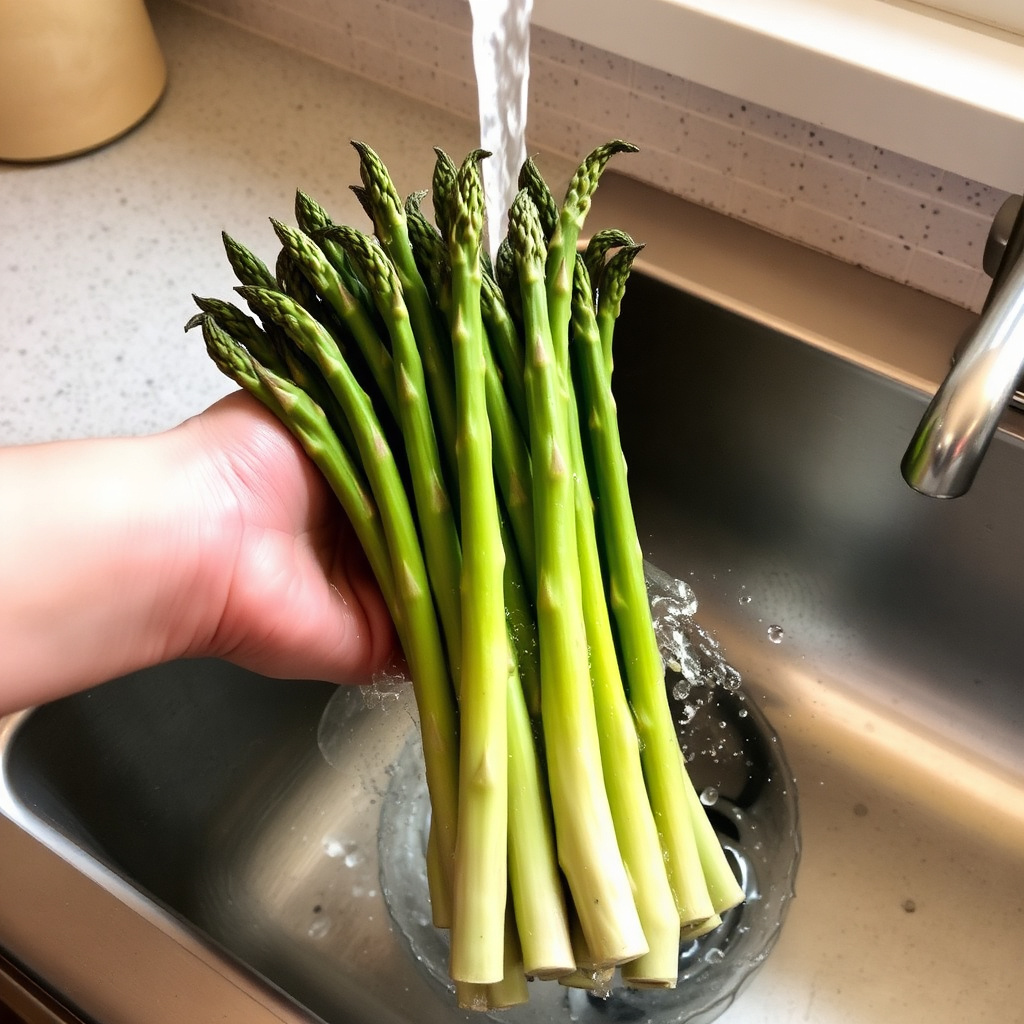
Before grilling, rinse the asparagus under cold water to remove dirt. Pat dry thoroughly, as excess moisture will hinder searing. Snap or trim off the woody ends by bending the stalk until it naturally breaks, avoiding tough, fibrous parts.
Seasoning and Oil Application
Lightly coat the asparagus with olive oil to encourage even browning and prevent sticking. Use just enough oil to cover the stalks without dripping. Season with salt and freshly ground black pepper for basic flavor.
Optional additions include minced garlic, lemon zest, or red pepper flakes for extra taste. Toss the asparagus gently to distribute the seasoning evenly before grilling.
Grilling Techniques for Asparagus on Stove
Using a Grill Pan or Cast Iron Skillet
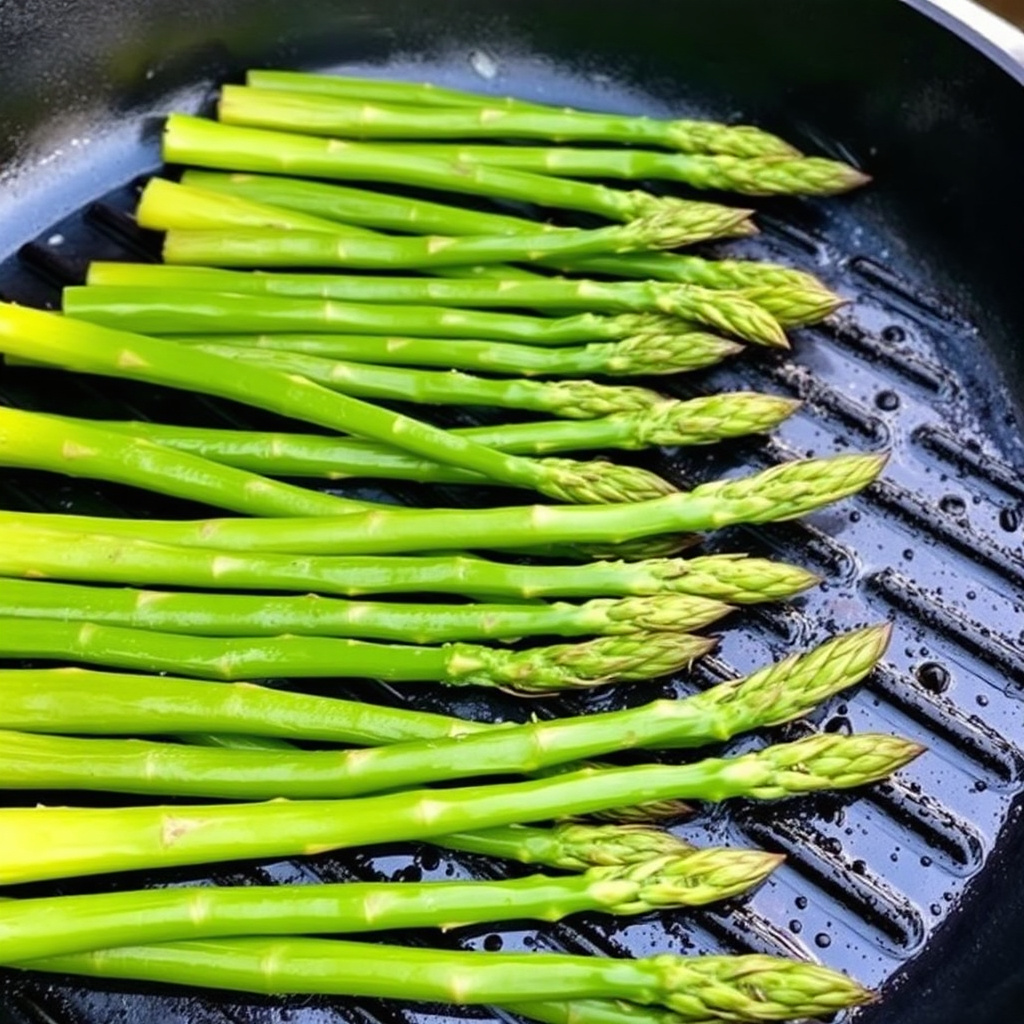
Preheat a grill pan or cast iron skillet over medium-high heat until very hot. This high temperature is necessary for grill marks and to quickly sear the asparagus, locking in flavors and moisture.
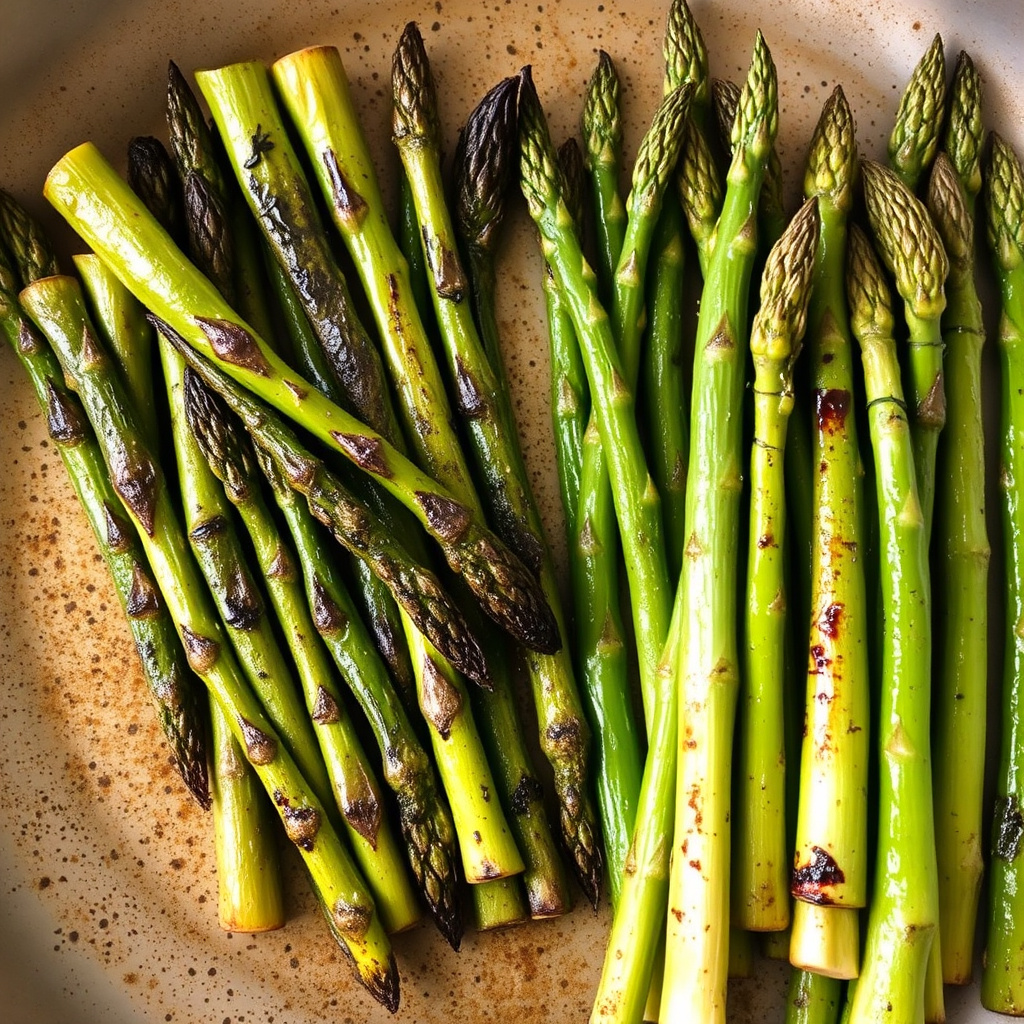
Place the asparagus in a single layer across the pan, perpendicular to the ridges to form grill stripes. Avoid overcrowding to allow even heat exposure. Cook without moving them for 2-3 minutes, then rotate to grill other sides evenly.
Controlling Cooking Time and Heat
Asparagus cooks quickly on the stove, usually taking 6 to 8 minutes total depending on thickness. Adjust the heat if the asparagus starts to burn or the pan smokes excessively.
Use tongs to turn the stalks partway through to achieve even charring on all sides. The asparagus should be tender yet still firm when done, with a bright green color and slight crispness at the tips.
Enhancing Flavor and Presentation
Adding Final Seasonings and Garnishes
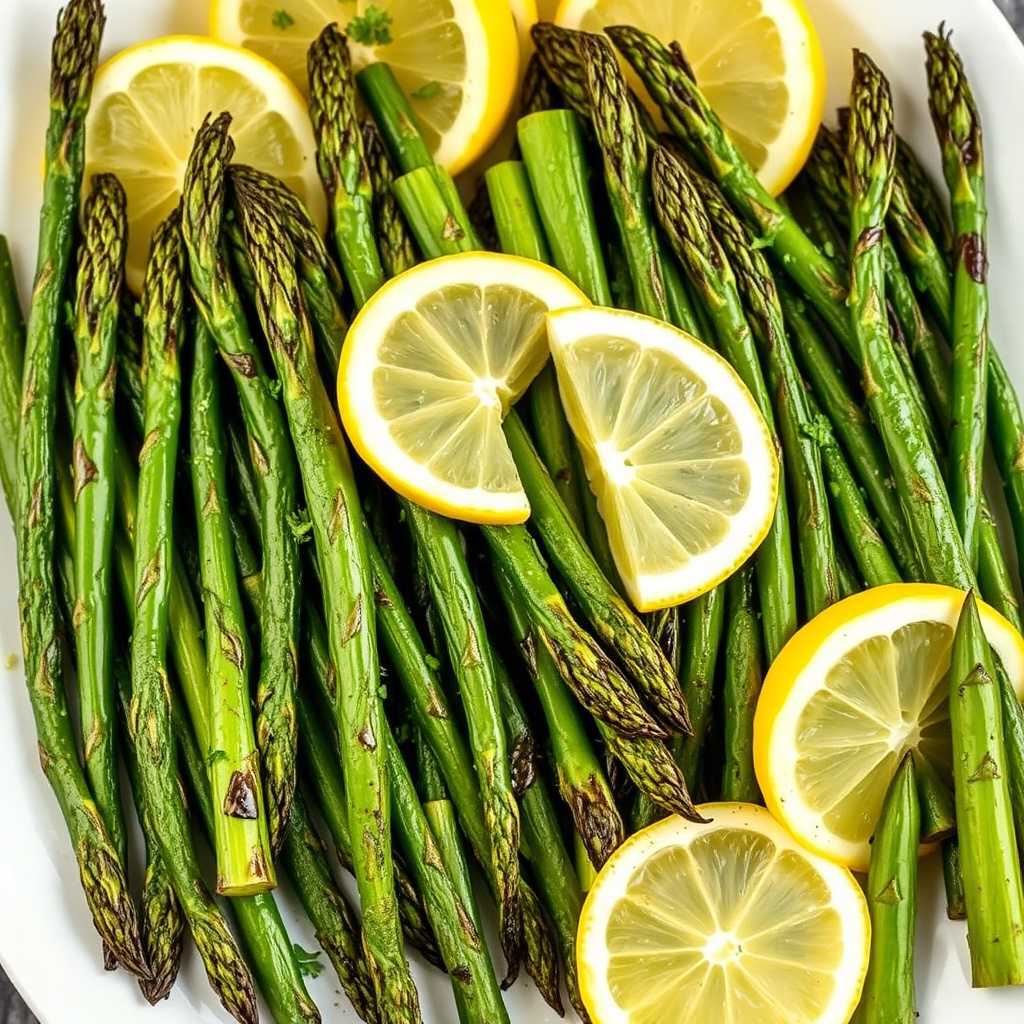
After grilling, boost flavors by squeezing fresh lemon juice over the asparagus. The acidity brightens the taste and balances smokiness. A sprinkle of grated Parmesan, toasted pine nuts, or fresh herbs like parsley or thyme can add complexity and appeal.
Sea salt flakes or a drizzle of balsamic glaze also complement the natural earthiness of asparagus. Adding these just before serving ensures freshness and visual appeal.
- Fresh lemon juice
- Grated Parmesan
- Toasted pine nuts
- Fresh herbs
Serving Suggestions for Grilled Asparagus
Stove-grilled asparagus pairs wonderfully with various mains including grilled meats, seafood, and vegetarian dishes. It can be served as a side, tossed into salads, or used as a topping on pizzas and grain bowls for a smoky green crunch.
For a simple meal, drizzle with extra virgin olive oil and pair with crusty bread or roasted potatoes. Its vibrant color and grill marks also make it perfect for entertaining or family dinners.
Alternatives to Stove Grilling Asparagus
Oven Roasting vs. Stove Grilling
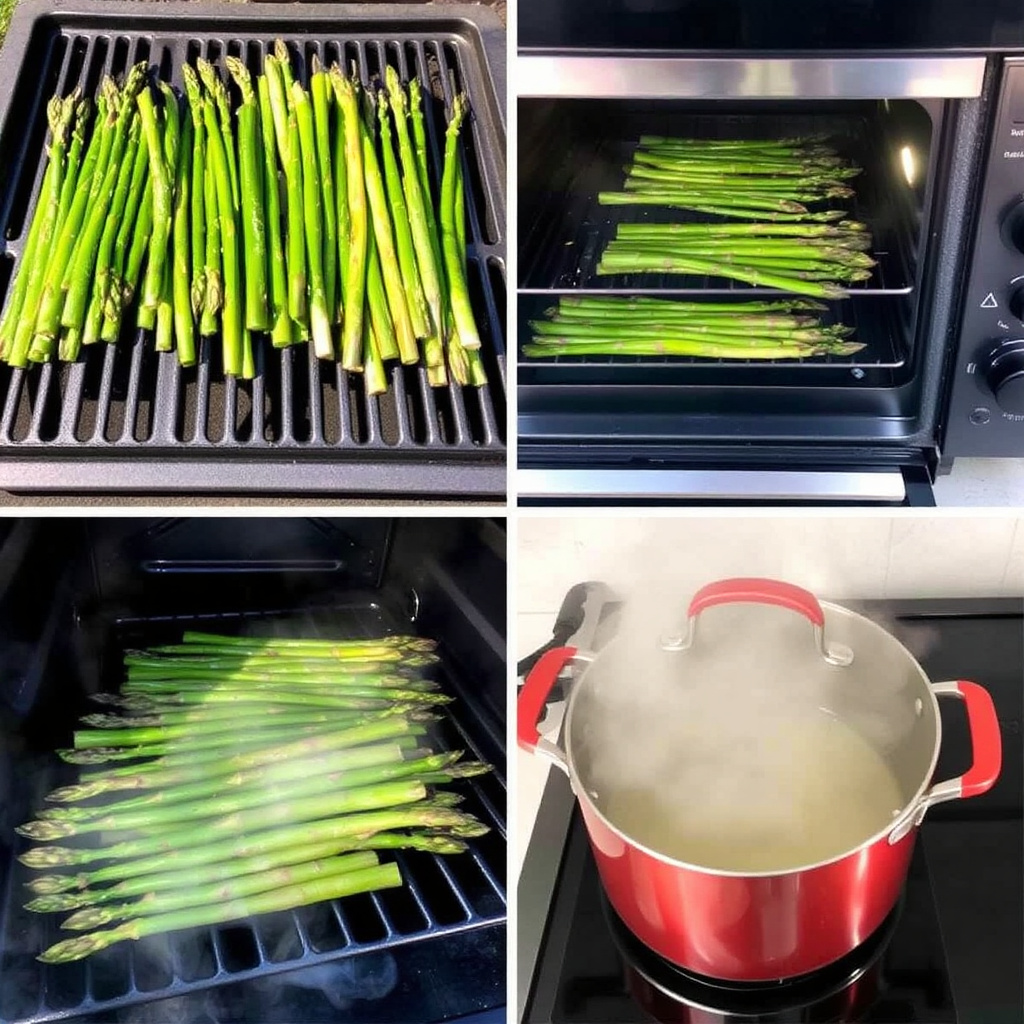
Oven roasting asparagus is a convenient alternative that also caramelizes the vegetable’s natural sugars. Although it lacks the crisp grill marks from stove grilling, roasting at high temperature (around 425°F) can develop similar flavors after 12-15 minutes.
This method suits larger batches but won’t produce the slight smoky char that a grill pan imparts. Oven roasting is also more hands-off but takes longer.
Steaming and Blanching Methods
Steaming or blanching asparagus preserves its fresh flavor and green color without browning. These methods suit recipes that call for mild, crisp-tender asparagus without the char.
However, these methods don’t provide the grilled smoky notes or texture achieved with stove grilling but are quick and retain nutrients well.
Tools and Equipment for Perfect Stove Grilled Asparagus
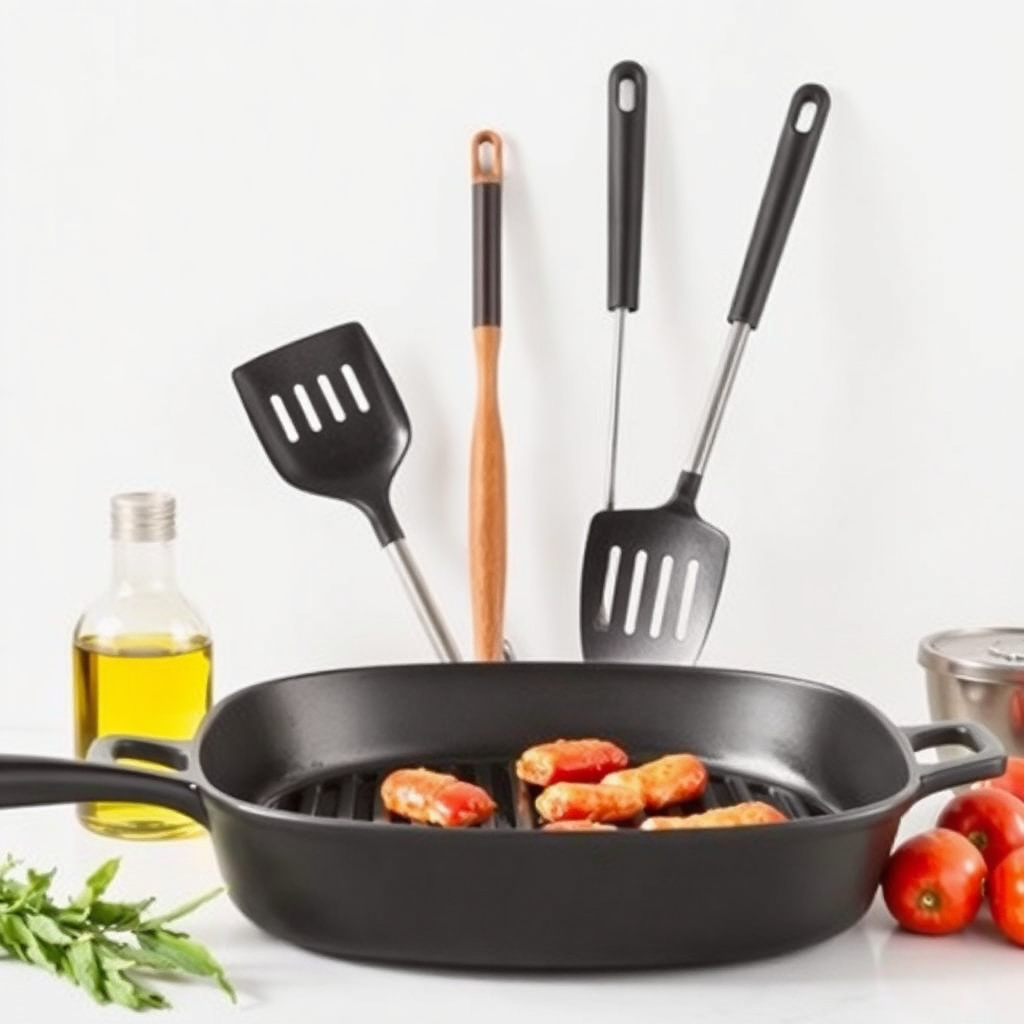
Choosing the Right Grill Pan or Skillet
A heavy cast iron grill pan is ideal for stove grilling asparagus because it retains and distributes heat evenly, creating consistent grill marks. Non-stick grill pans also work but may not achieve the same sear.
Look for pans with ridges spaced widely enough to leave clear grill stripes and sufficient surface area to lay asparagus flat without overcrowding.
Essential Accessories for Grilling
Use long-handled tongs for safely turning asparagus without piercing or breaking the stalks. A silicone basting brush is helpful for applying oil evenly before cooking.
Additionally, a timer prevents overcooking so the asparagus remains tender-crisp, and a splatter guard can keep your stovetop clean from oil splashes.
Common Mistakes to Avoid When Grilling Asparagus on Stove
Overcrowding the Pan
Trying to grill too many asparagus stalks at once leads to steaming instead of grilling, preventing grill marks and resulting in soggy texture. Arrange stalks in a single layer with space to allow high heat exposure.
If needed, cook in batches to preserve the crisp, charred quality.
For further reading on different asparagus cooking methods, see this detailed guide on grilling asparagus techniques. grilling asparagus techniques.
Using Excessive Oil or Insufficient Heat
Too much oil causes flare-ups and smoke and prevents the asparagus from searing properly. Conversely, a pan that’s not hot enough will yield limp, pale asparagus without grill marks.
Preheat the pan well and apply just a thin coating of oil to balance flavor and texture.
Grilling Asparagus Methods Comparison
Here’s a quick comparison of popular methods to cook asparagus, focusing on flavor, texture, time, and equipment needs.
| Method | Flavor Profile | Texture | Cooking Time | Equipment Required |
|---|---|---|---|---|
| Stove Grilling | Smoky, charred | Tender-crisp with grill marks | 6-8 minutes | Grill pan or cast iron skillet |
| Oven Roasting | Caramelized, mild | Tender with slight crisp | 12-15 minutes | Oven, baking sheet |
| Steaming | Fresh, clean | Tender-crisp, moist | 4-6 minutes | Steamer basket or pot |
| Blanching | Fresh, mild | Firm and bright green | 2-3 minutes | Pot of boiling water |
Frequently Asked Questions
Can I use regular frying pans to grill asparagus on the stove?
You can use a regular frying pan, but it won’t create distinct grill marks or the same smoky flavor as a ridged grill pan or cast iron skillet.
Should asparagus be peeled before grilling on the stove?
Peeling is usually unnecessary unless stalks are very thick and tough; otherwise, trimming woody ends is sufficient.
How do I know when asparagus is done grilling?
Asparagus is done when it turns bright green, is tender yet firm when pierced with a fork, and has light grill marks.
Is it better to soak asparagus in water before grilling?
Soaking asparagus is not needed and can make it soggy; simply rinse and dry before seasoning and grilling.
Can grilled asparagus be reheated without losing texture?
Reheating may soften asparagus; gentle warmup in a pan or microwave is best to keep it tender without becoming mushy.
Key Takeaways
- Grilling asparagus on stove is quick and produces flavorful charred texture.
- Use a hot grill pan and light oil coating for best results.
- Avoid overcrowding and adjust heat to prevent burning.
- Enhance grilled asparagus with lemon juice and fresh herbs.
Conclusion
Deciding how to grill asparagus on stove centers on balancing heat, timing, and preparation. Using a grill pan or cast iron skillet heated until very hot allows you to mark the asparagus with appealing grill lines and preserve a crisp-tender bite. Proper oiling and seasoning before cooking significantly impact flavor and prevent sticking. Monitoring cooking time closely avoids overcooked soggy results, making this method a reliable way to enjoy fresh asparagus year-round without outdoor equipment.
If you want the truest grilled flavor indoors, the stove grilling method with direct contact on a ridged pan surpasses alternatives like oven roasting or steaming, which soften or lack char. For thicker stalks, stove grilling locks moisture inside and creates a caramelized crust, while thinner asparagus cooks faster and more uniformly. When entertaining, this method provides visual appeal along with taste. For simpler but similar results, oven roasting offers a good backup, and steaming preserves natural brightness when char isn’t desired.
To start grilling asparagus on stove, gather fresh stalks, trim tough ends, lightly oil and season, and heat your grill pan well beforehand. Cook in batches if needed. After grilling, add lemon juice or parmesan to lift flavors. This approach makes a healthy, speedy side dish that pairs with many meals. Trying this method for your next dinner brings fresh produce taste and grill-character indoors with minimal fuss.