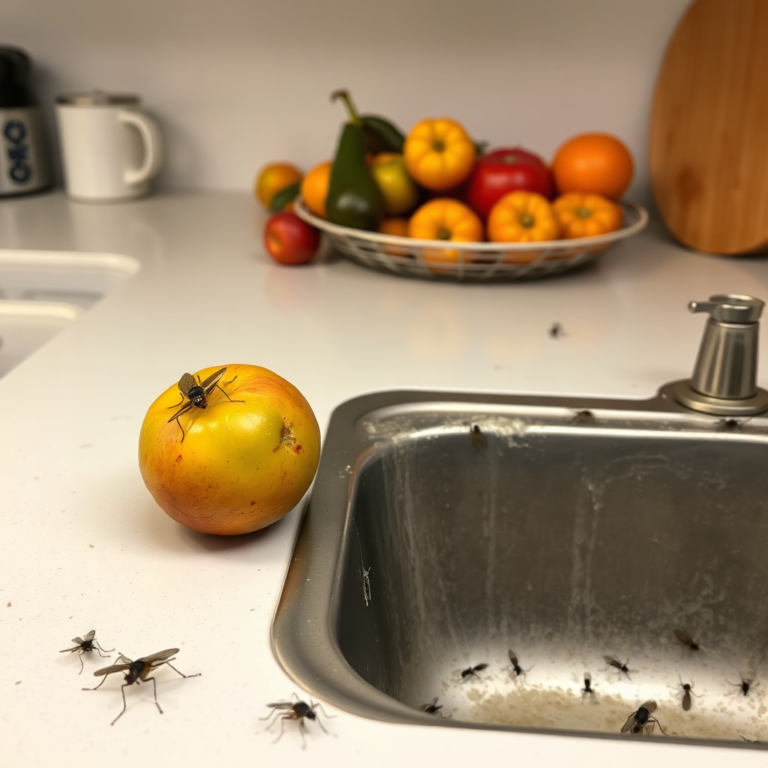
How to Clean Kitchen Sink Drain: Step-by-Step Guide for a Fresh Sink
Learn how to clean kitchen sink drain effectively with simple steps to prevent clogs and odors for a fresh, smoothly draining sink.
Cleaning your kitchen sink drain is simple and helps prevent clogs and unpleasant smells. To clean it effectively, use a combination of mechanical and chemical methods such as removing debris, flushing with hot water, and applying natural or commercial cleaners.
A clean kitchen sink drain improves your home's hygiene and prevents water buildup that could damage fixtures. Over time, grease, food particles, and soap scum build up inside the pipe, creating blockages and foul odors that spread throughout your kitchen.
This article will explain step-by-step techniques on how to clean your kitchen sink drain thoroughly. You’ll learn about manual cleaning, natural cleaning agents, commercial cleaners, and maintenance tips to keep your drain running smoothly.
Understanding Your Kitchen Sink Drain System
Drain Components and How They Work
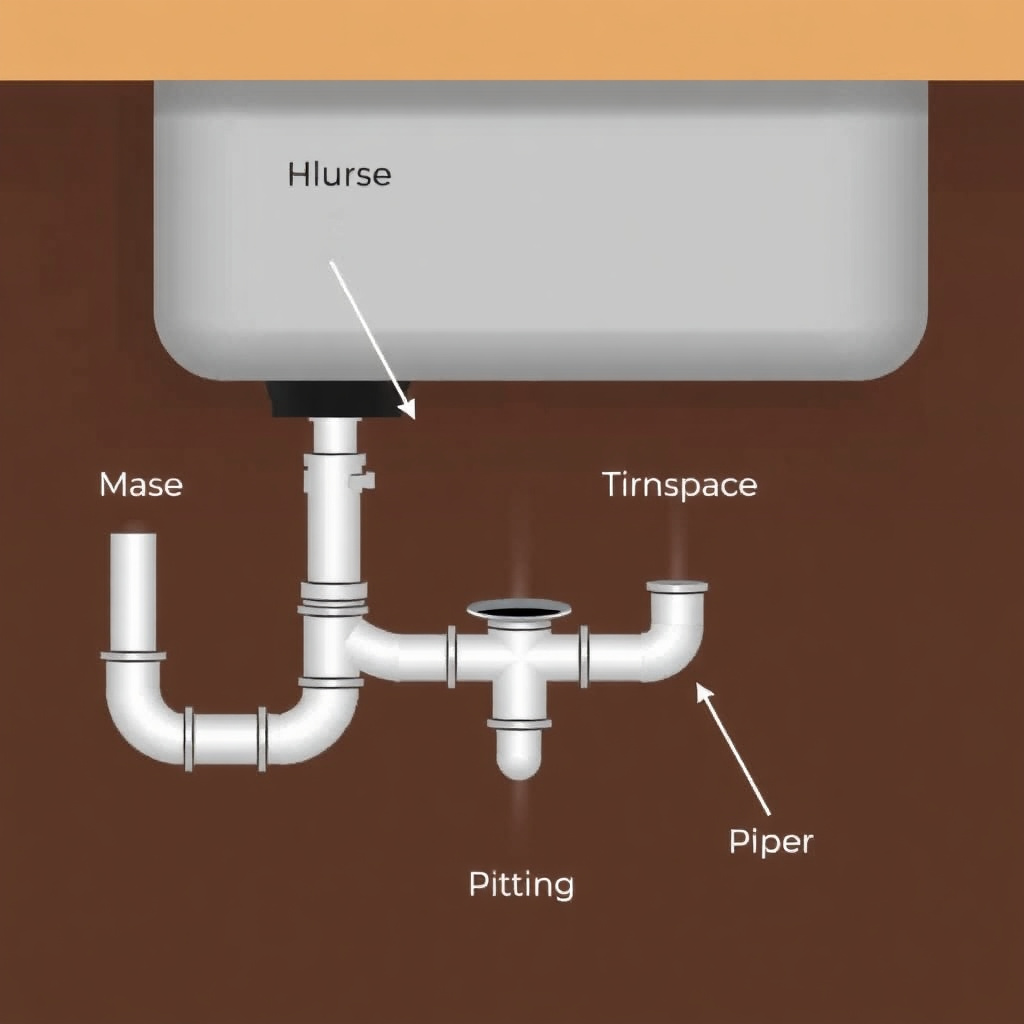
The kitchen sink drain system includes the strainer, trap (usually a P-trap), and connecting pipes. The strainer catches large debris while the trap holds a small amount of water to prevent sewer gases from entering your home. Understanding these parts will help you clean effectively.
Grease and food particles tend to adhere inside these components, causing slowing or clogging. Proper cleaning reaches these critical spots to restore proper drainage and improve overall kitchen hygiene.
Common Causes of Kitchen Sink Drain Clogs
Clogs often form from grease solidifying on pipe walls, food scraps, soap scum, and foreign objects like coffee grounds. These build-ups slow water flow, causing backups that eventually stop drainage completely.
Knowing what causes clogs helps prevent them. Avoid pouring grease or large food pieces down the drain, and perform regular cleaning to catch early signs of blockage.
Manual Techniques to Clean Kitchen Sink Drain
Removing Visible Debris and Use of Plungers
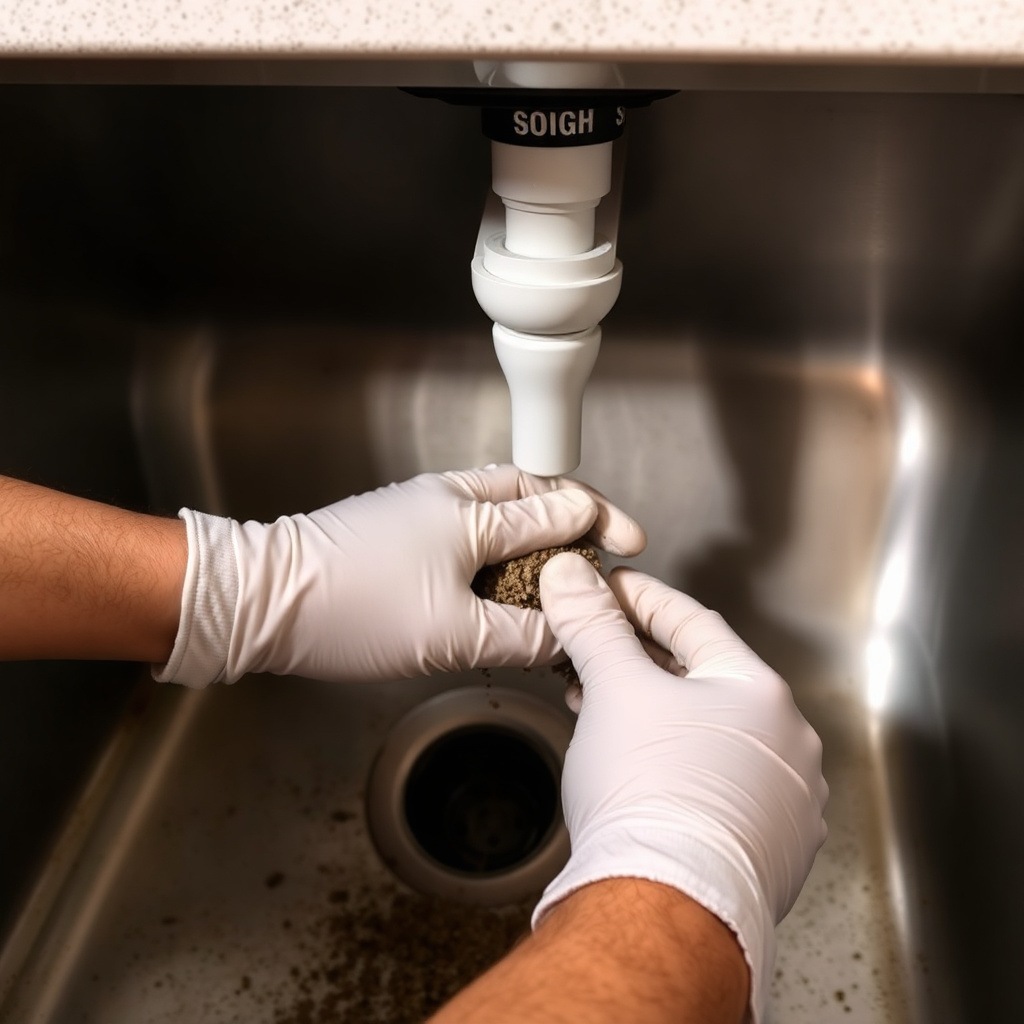
Start cleaning by removing any visible debris using gloves and a flashlight. Use a sink plunger to break minor clogs by creating suction that dislodges particles stuck in the trap or pipes.
Plunging works best with a tight seal over the sink drain. Multiple plunging sessions may be required for stubborn debris. Avoid harsh force that could damage your plumbing.
- Wear rubber gloves to protect your hands.
- Use a cup plunger designed for sinks.
- Seal overflow holes before plunging.
For more on this, see our related guide: How to Replace a Kitchen Faucet: A Step-by-Step Guide.
Disassembling and Cleaning the Trap
The P-trap can be unscrewed easily with a wrench or by hand if not too tight. Empty its contents into a bucket and scrub inside with a bottle brush to remove accumulated gunk and grime.
After cleaning, inspect washers and seals before reinstalling. This deep clean removes odors and blockages trapped in this common clog area.
- Check for leaks after reassembly.
- Keep a bucket ready for water and debris.
- Replace worn washers if necessary.
Using Natural Cleaners for a Safe Kitchen Sink Drain Clean
Baking Soda and Vinegar Method
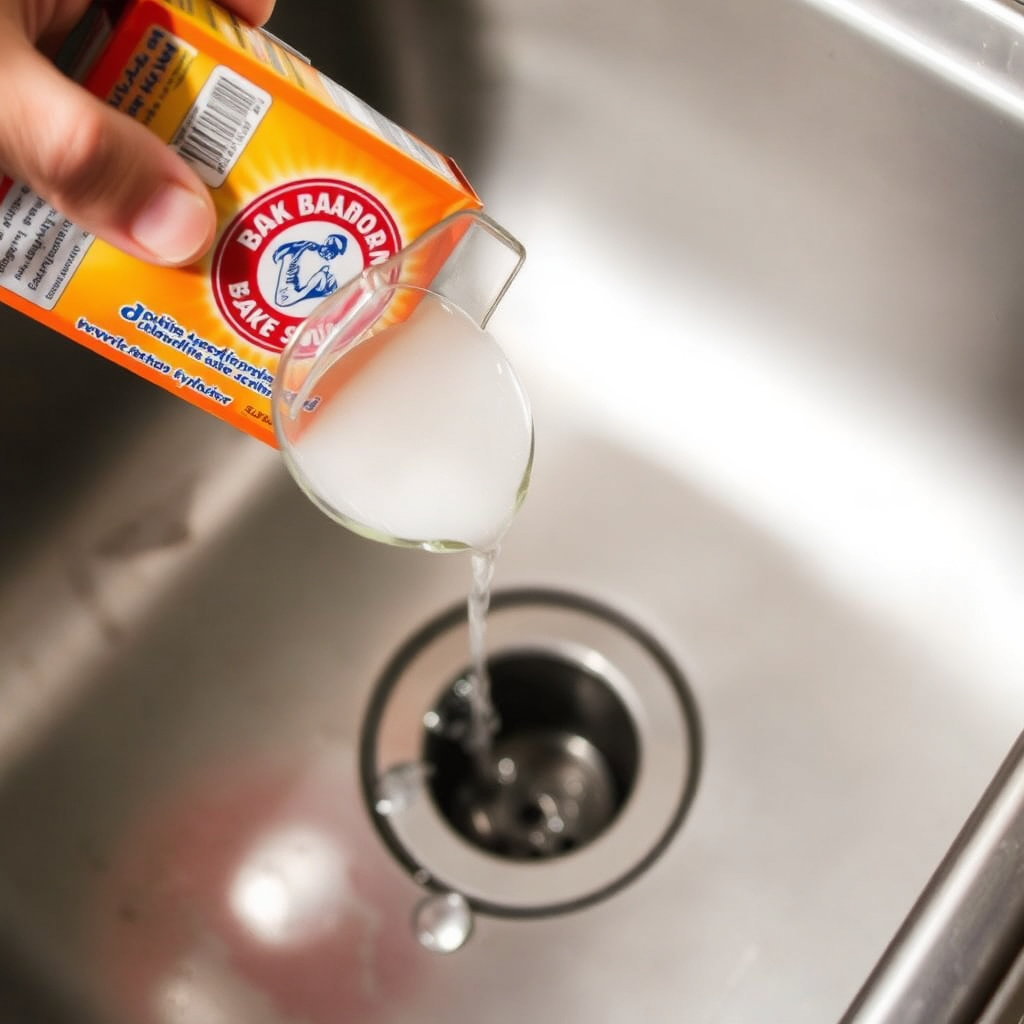
Pour half a cup of baking soda down the drain, then add half a cup of white vinegar. This combination creates a foaming action that helps loosen grime and minor buildup inside pipes.
Let it sit for 15-30 minutes before flushing the drain with boiling water. This natural approach is non-toxic, safe for all pipes, and effective for routine maintenance.
- Avoid mixing with commercial cleaners for safety.
- Repeat monthly to maintain clear drains.
Salt and Hot Water Flush
Pouring a mixture of salt and hot water down the drain can help dissolve grease and remove odors. Salt acts as a mild abrasive inside the pipes, while hot water melts fats clinging to pipe walls.
This simple remedy is inexpensive and effective when done regularly, especially after heavy cooking sessions involving oils.
- Use 1/2 cup of salt followed by hot water.
- Apply weekly as preventive care.
Commercial Drain Cleaning Options
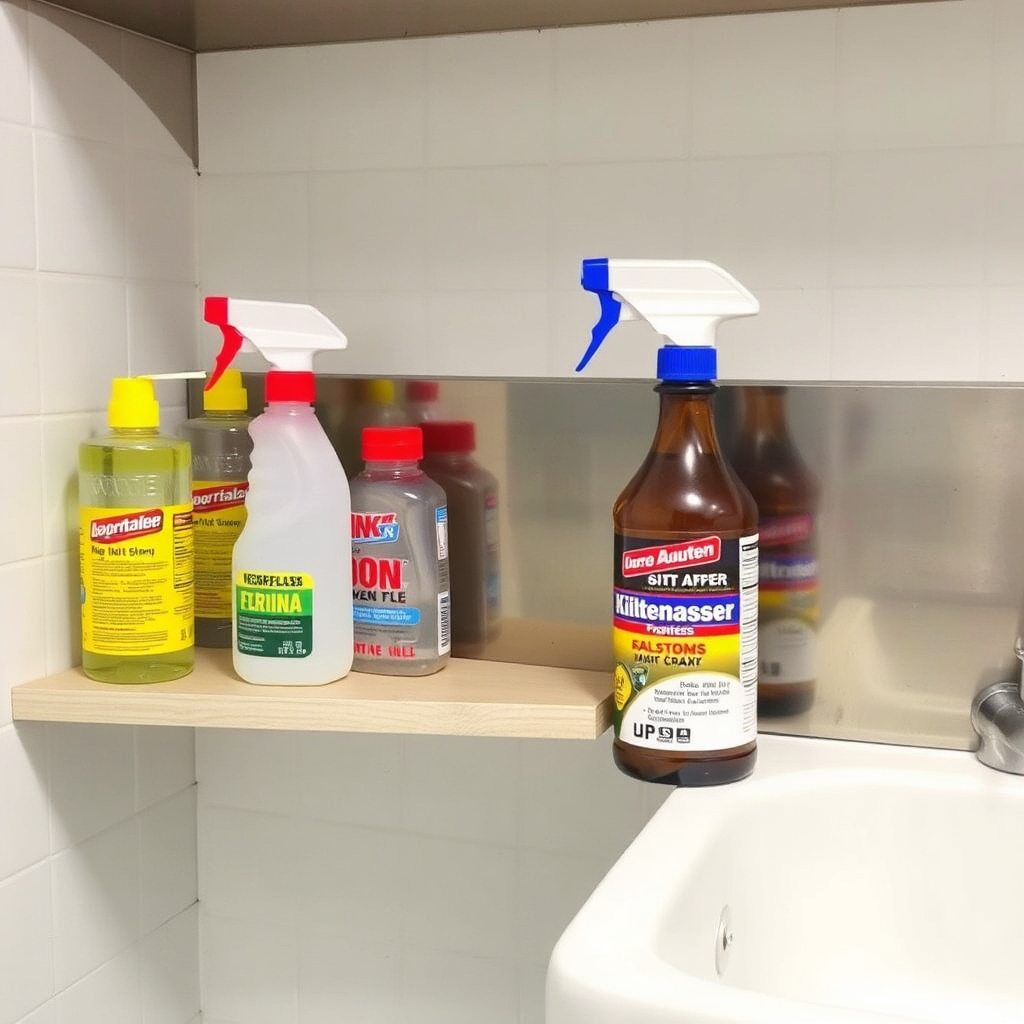
Chemical Drain Cleaners: Pros and Cons
Chemical drain cleaners dissolve clogs quickly by breaking down organic material, but they can be harsh on plumbing and harmful if misused. Always follow manufacturer guidelines and avoid mixing with other substances.
Regular use can degrade pipes, especially older plastic or metal plumbing, so use these products sparingly or as a last resort.
- Wear protective gloves and eyewear.
- Ventilate the area well during use.
Enzymatic and Biodegradable Cleaners
Enzymatic cleaners use natural bacteria and enzymes to break down organic debris over time. These are safer for pipes and the environment but require patience as results take longer than chemical cleaners.
Ideal for routine maintenance, they reduce buildup without harsh chemicals, making them great for households with septic systems.
- Apply monthly for best effect.
- Not effective for solid blockages.
Preventative Measures and Maintenance
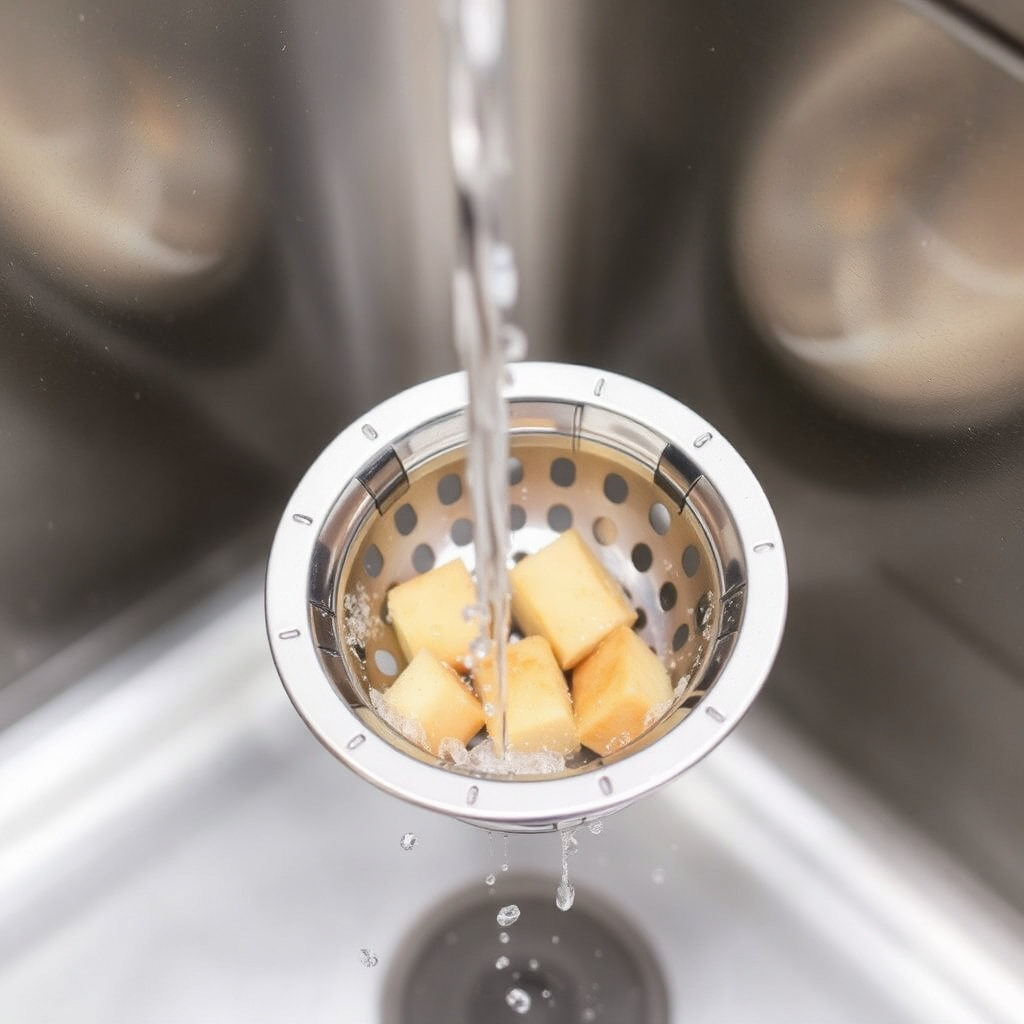
Using Drain Strainers and Proper Disposal
Installing a drain strainer helps trap food particles and solids before they enter the pipes. Dispose of collected debris regularly to avoid decay and odors in the sink area.
Avoid pouring grease, large food scraps, or coffee grounds down the drain to reduce buildup and prolong the life of your plumbing.
- Clean strainers daily after washing dishes.
- Compost or trash food waste instead of draining.
For an in-depth look at the components and functions of plumbing drains, refer to the kitchen sink drain system on Wikipedia. kitchen sink drain system on Wikipedia.
Regular Cleaning Routines
Set a schedule to clean your kitchen sink drain weekly or biweekly using natural cleaners or manual methods. This habit significantly reduces the chance of clogs and unpleasant smells developing.
Even small efforts like flushing with hot water after heavy use can extend your drain’s health and keep water flowing freely.
- Flush drains with boiling water weekly.
- Use natural cleaners monthly.
Comparison of Kitchen Sink Drain Cleaning Methods
This table summarizes the pros and cons of different kitchen sink drain cleaning methods to help you choose based on effectiveness, safety, and ease of use.
| Method | Effectiveness | Safety | Cost | Maintenance Frequency |
|---|---|---|---|---|
| Manual Cleaning (Plunging & Trap Cleaning) | High for minor clogs | Safe | Low | Regular (weekly/biweekly) |
| Baking Soda & Vinegar | Moderate | Very safe | Very low | Monthly |
| Salt and Hot Water Flush | Moderate | Safe | Very low | Weekly |
| Chemical Cleaners | High for stubborn clogs | Hazardous if misused | Moderate | Sporadic |
| Enzymatic Cleaners | Moderate | Very safe | Moderate | Monthly |
Frequently Asked Questions
How often should I clean my kitchen sink drain?
Cleaning your kitchen sink drain every one to two weeks helps prevent buildup and clogs, while using a natural cleaner monthly maintains clear pipes over time.
Can I use chemical drain cleaners regularly?
Regular use of chemical drain cleaners can damage pipes and is not recommended. Use them sparingly for severe clogs and combine with safer cleaning methods for maintenance.
What is the safest way to clean a clogged kitchen drain?
Using manual methods like plunging and trap removal combined with natural cleaners such as baking soda and vinegar is the safest and most effective way to keep drains clear.
Why does my kitchen sink drain smell bad even after cleaning?
Bad odors often come from trapped food debris in the P-trap or buildup inside pipes. Thorough manual cleaning of the trap and regular maintenance can eliminate smells.
Are enzymatic drain cleaners effective for all types of clogs?
Enzymatic cleaners work well on organic material buildup but aren’t effective for solid objects or large blockages. Mechanical removal may be necessary in those cases.
Key Takeaways
- Manual cleaning and trap removal removes majority of kitchen sink clogs.
- Natural cleaners like baking soda and vinegar are safe and effective for routine use.
- Chemical cleaners work fast but should be used sparingly due to safety risks.
- Prevent buildup with strainers, proper disposal, and regular maintenance.
Conclusion
Deciding how to clean your kitchen sink drain starts with understanding your plumbing system and the causes of clogging. A hands-on approach with manual cleaning methods such as plunging and trap removal effectively tackles most clog scenarios. Complementing these techniques with natural cleaners helps maintain clear pipes and prevents buildup over time, keeping your kitchen sink drain fresh and functional.
For routine maintenance, using the best kitchen drain cleaning methods such as baking soda with vinegar and salt with hot water is a gentle yet effective strategy. If you encounter tough clogs, chemical drain cleaners can provide fast relief, but they should be applied sparingly due to their corrosive nature. Enzymatic cleaners offer a safer, environmentally friendly alternative but work slower and are best for ongoing preventative use rather than emergencies.
To protect your plumbing and maintain a healthy kitchen environment, adopt regular maintenance habits like using drain strainers, properly disposing of food waste, and flushing with hot water. Starting with manual cleaning and natural solutions ensures safety while addressing common drain issues practically. If persistent clogs occur, consider professional help or carefully use a recommended commercial product as a last option.