How Hot Do Rice Cookers Get? Understanding Rice Cooker Temperatures
Discover how hot rice cookers get during cooking and what temperature ranges to expect for perfect rice results every time.
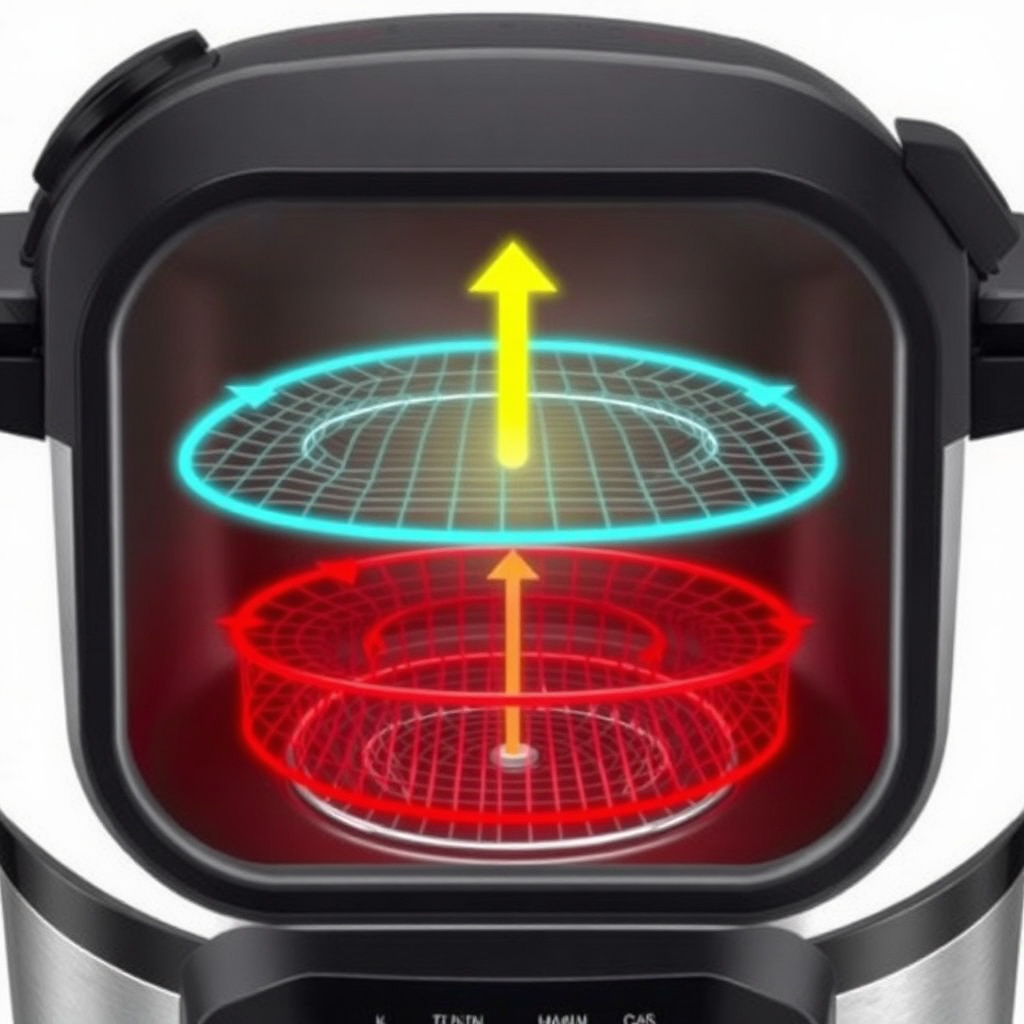
Rice cookers typically reach temperatures between 200°F (93°C) and 250°F (121°C) during the cooking process, depending on the model and cooking stage. Most cookers use boiling water to cook rice, so the internal temperature often hovers around the boiling point of water, but some models can achieve higher temperatures during certain cooking phases.
Understanding how hot rice cookers get is useful because it influences cooking time, rice texture, and safety precautions. Different rice cooker designs—basic, fuzzy logic, and induction heating—handle temperature control distinctly, impacting how they cook rice and maintain heat. Knowing these temperature ranges can help you select and use a cooker that matches your preferences.
This article will explain the temperature ranges rice cookers typically reach, describe how various rice cooker types control heat, explore how temperature affects different rice varieties, and compare common rice cooker categories based on their heating methods.
How Rice Cookers Reach Essential Cooking Temperatures
Boiling Point and Cooking Heat
Most rice cookers heat water to its boiling point, about 212°F (100°C) at sea level, to cook rice. When the water reaches boiling, it creates steam and transfers heat to the rice grains, helping them absorb moisture and cook evenly.
Once the water evaporates or is absorbed, the temperature inside the rice cooker rises above boiling, triggering sensors to switch the cooker to a keep-warm mode. This prevents the rice from burning and maintains an edible temperature.
Higher Temperatures in Advanced Models
Some advanced rice cookers with induction heating or fuzzy logic technology can elevate temperatures beyond 212°F by generating heat through electromagnetic fields or more precise electronic control. These cookers can exceed 230°F (110°C) during some cooking phases to improve starch gelatinization and rice texture.
This higher heat level also shortens cooking times and can improve consistency for different rice types, but manufacturers design safeguards to avoid scorch or damage to the cooker and rice.
- Induction heating can reach up to 250°F
- Fuzzy logic adjusts temperature based on rice type and moisture
Temperature Differences Among Rice Cooker Types
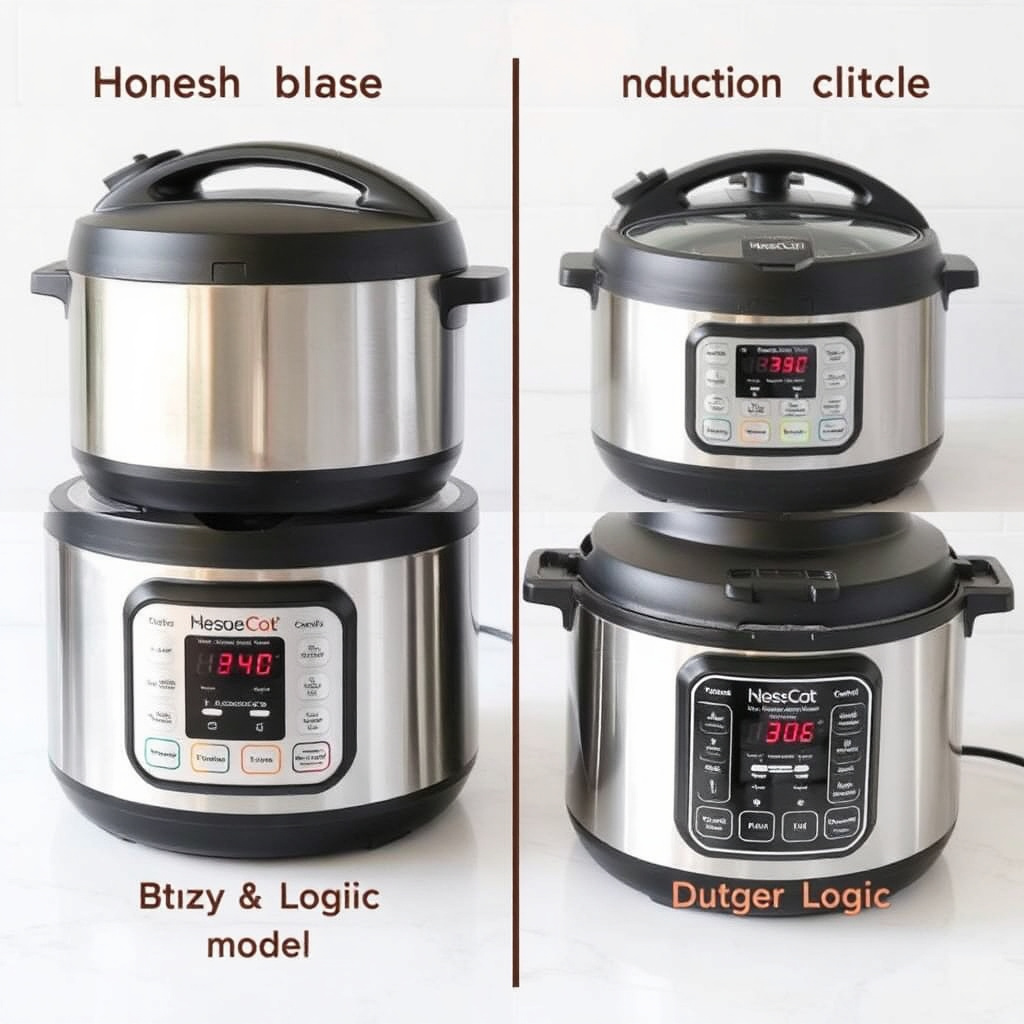
Basic Rice Cookers
Basic rice cookers typically heat to the boiling point of water and rely on a simple thermostat that switches to keep-warm mode once the water evaporates. Their temperatures are relatively consistent around 212°F during cooking and about 140°F (60°C) during warming.
These cookers work well for standard white rice but offer less temperature control for premium or delicate rice varieties.
Fuzzy Logic Rice Cookers
Fuzzy logic rice cookers incorporate microprocessors that adjust temperature and cooking time dynamically. They can slowly raise temperatures above boiling briefly to optimize rice texture, reaching roughly 230°F (110°C) during certain phases.
This adaptability suits different rice types, including brown and sushi rice, allowing for better flavor and texture customization.
- Adjusts temperature incrementally
- Sensors detect moisture and temperature changes
How Temperature Settings Affect Rice Types
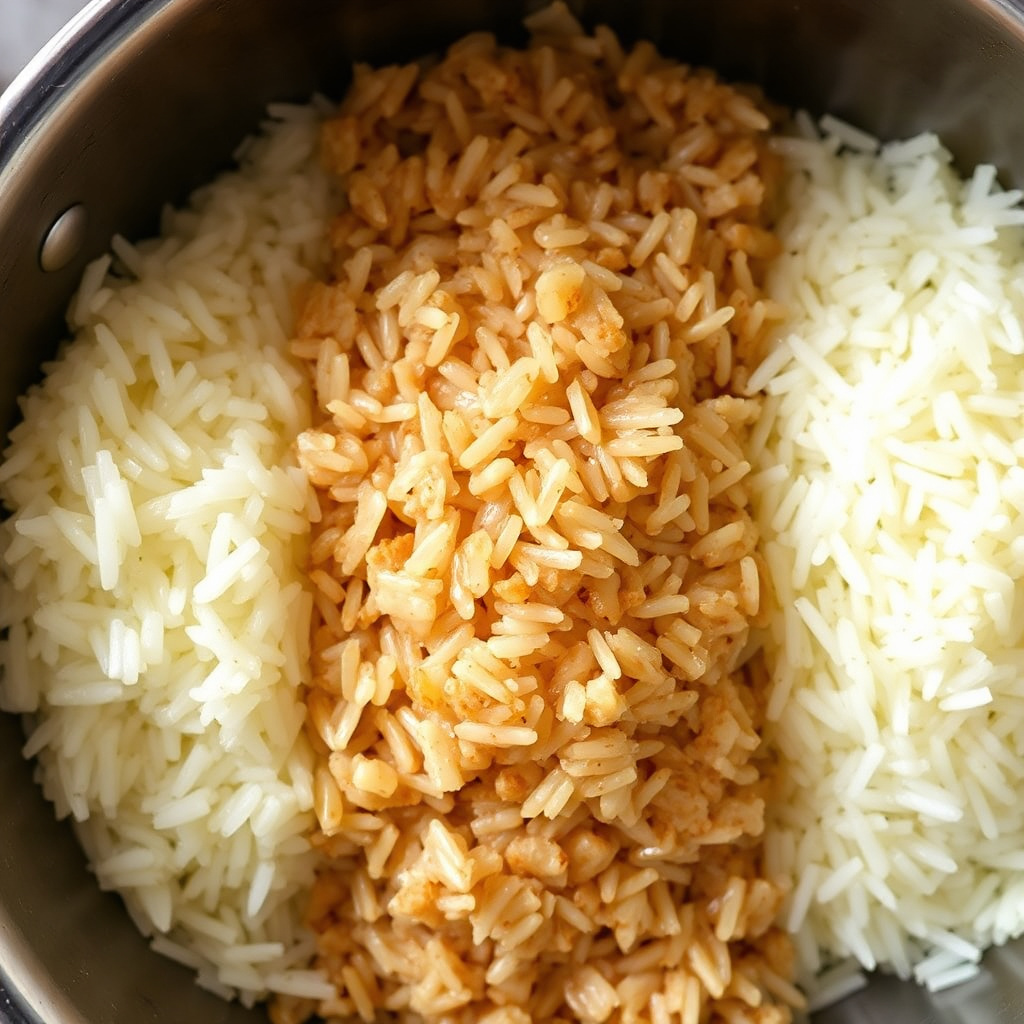
White Rice Cooking Temperatures
White rice generally cooks best at or just above water’s boiling point, around 212°F. Keeping the rice at this temperature ensures fluffy texture without mushiness while allowing starches to gelatinize properly.
Rice cookers maintain this temperature during most of the cooking cycle, then switch to warming once the moisture is absorbed.
Brown and Specialty Rice Needs
Brown rice requires higher temperatures and longer cooking times to soften its bran layers. Rice cookers often raise heat slightly above boiling, between 220–240°F, to adequately cook brown rice.
Sticky or glutinous rice also benefits from precise temperature control to achieve the right chewiness. Some cookers use fuzzy logic to adjust heat gradually during cooking.
- Brown rice needs longer cooking at higher heat
- Sticky rice texture depends on temperature management
Safety Considerations Related to Rice Cooker Temperatures
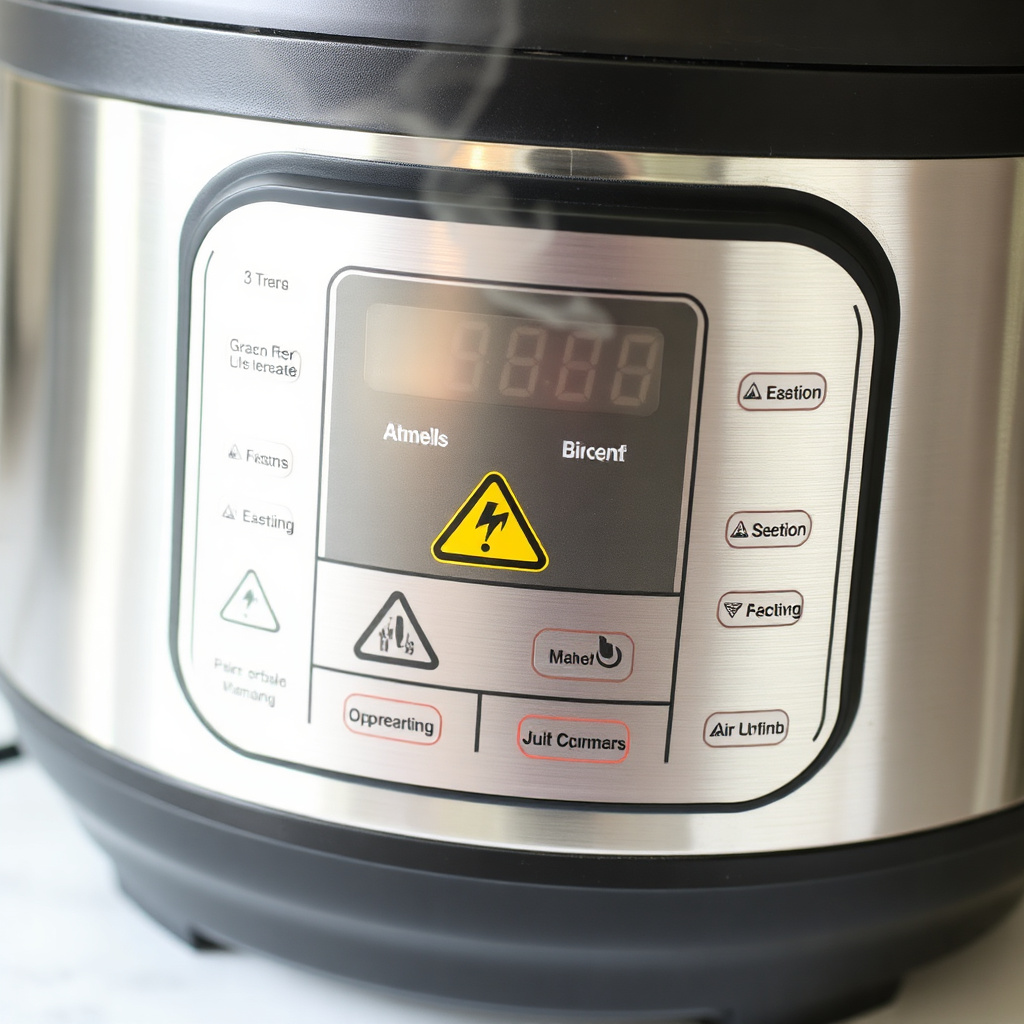
Handling High Heat Safely
Rice cookers can get very hot internally, with surfaces near the cooking chamber reaching above 200°F during and shortly after cooking. Users should avoid touching hot surfaces and be cautious of steam when opening the lid.
Automatic keep-warm functions typically reduce internal temperatures to safer levels, but care is still needed to prevent burns or steam-related injuries.
- Use mitts when handling rice cooker lids
- Beware of escaping steam during and after cooking
Temperature Sensors and Safety Features
Modern rice cookers include sensors that monitor internal temperature and shut off heating elements to prevent overheating or burning. These protective measures ensure the cooker maintains safe operating temperatures.
Some models also have cool-touch exteriors and locking lids to improve safety during use.
- Automatic shut-off when rice is done
- Cool-touch handles and lids on many models
Maintaining Temperature Accuracy in Your Rice Cooker
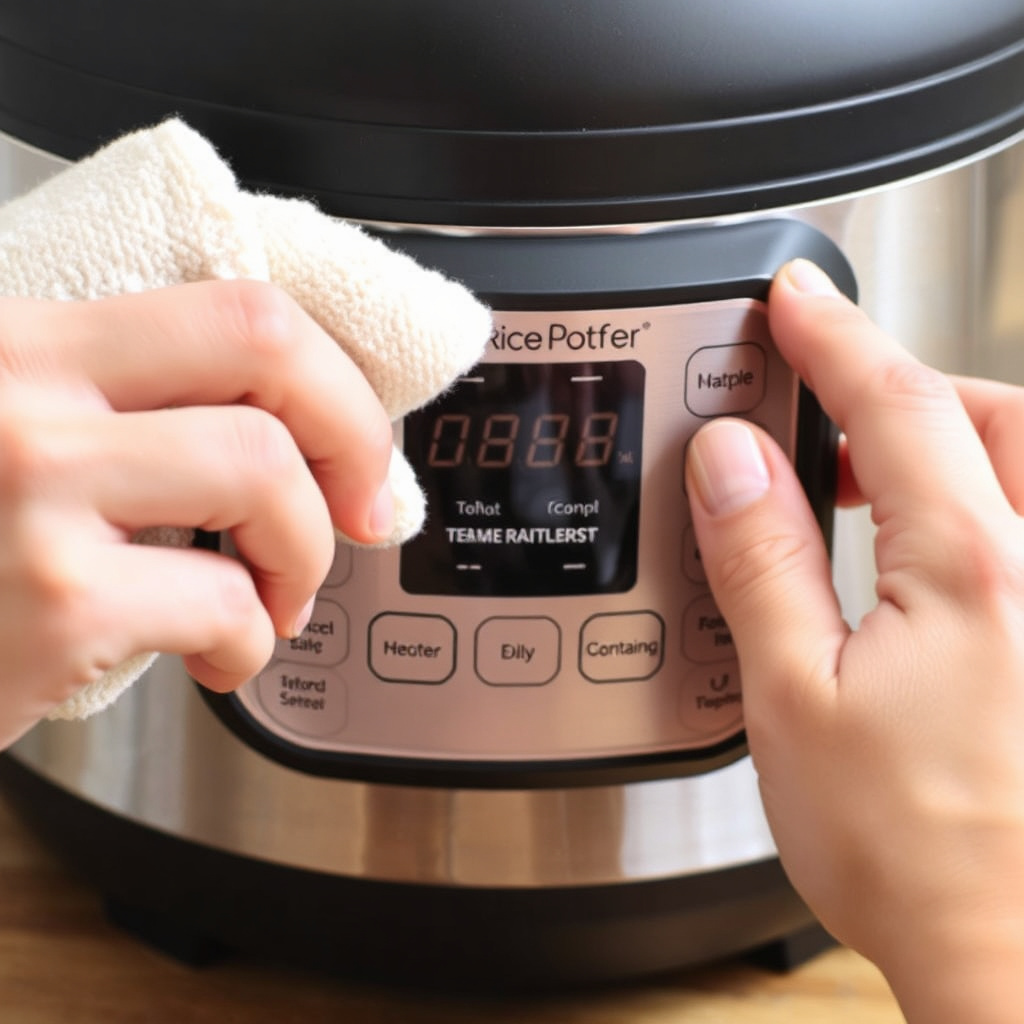
Cleaning and Calibration Tips
Regular cleaning of the inner pot and sensor areas helps maintain consistent temperature readings and performance. Rice residue or mineral build-up can interfere with proper heat sensing.
Some high-end models allow user calibration or resetting of temperature controls if cooking results change, ensuring continued accuracy over time.
- Wipe inner surfaces after each use
- Follow manufacturer instructions for sensor care
Checking and Replacing Rice Cooker Components
If your rice cooker heats inconsistently, it might need component replacement such as heating elements or thermostats. Identifying symptoms like undercooked rice or constant overheating can indicate sensor or part failure.
Consult the manufacturer or a technician familiar with your model for repairs or part availability.
- Signs of heating problems include uneven cooking
- Professional servicing recommended for major repairs
Energy Use and Temperature Control in Rice Cookers
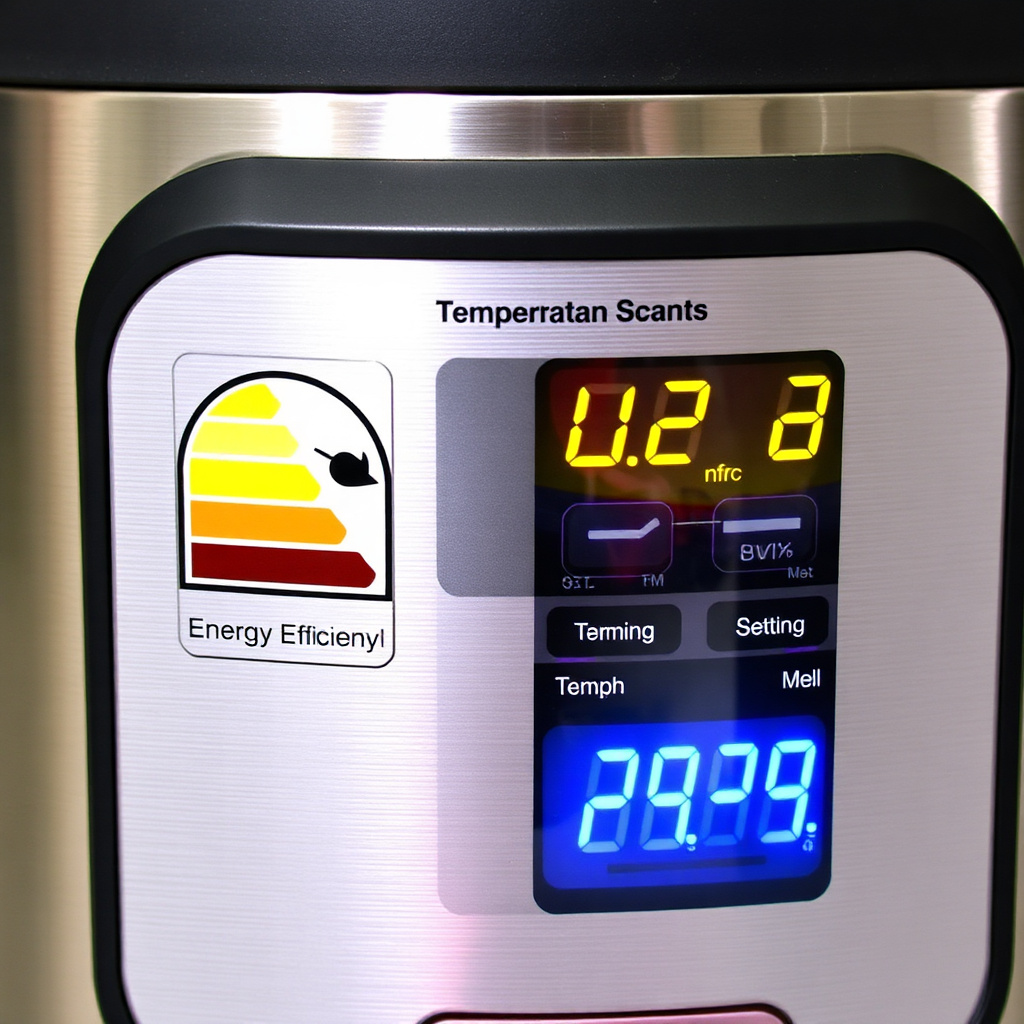
Energy Consumption at Cooking Temperatures
Rice cookers typically consume 300 to 700 watts during cooking, with energy use depending on how long the cooker maintains temperatures near boiling. Models that heat faster or hold temperature longer use more electricity.
Energy-efficient models have better insulation and smarter temperature control to reduce overall power use.
- Basic models: 300-500 watts
- Advanced models: up to 700 watts
For more detailed technical background on rice cooker operations, see the Rice cooker article on Wikipedia. Rice cooker article on Wikipedia.
Energy Saving Features and Temperature Regulation
Some rice cookers reduce power once the cooking phase finishes, maintaining lower keep-warm temperatures around 140°F, which uses less energy. Others include timers or standby modes to minimize unnecessary heating.
Choosing a cooker with good temperature regulation helps both cooking results and energy bills.
- Keep-warm mode uses less electricity
- Timers reduce idle heating times
Rice Cooker Heating Methods and Temperature Range Comparison
Here's a quick comparison of common rice cooker categories, highlighting key temperature ranges and heating methods.
| Category | Heating Method | Typical Max Temperature | Cooking Control Features |
|---|---|---|---|
| Basic Electric | Simple heating plate | 212°F (100°C) | Thermostat switch; manual keep-warm |
| Fuzzy Logic | Electronic sensors + microprocessors | 230°F (110°C) | Adaptive temperature control; moisture sensors |
| Induction Heating | Electromagnetic induction | 250°F (121°C) | Precise heat control; faster cooking times |
| Micom Rice Cooker | Microcomputer control | 230-240°F (110-116°C) | Programmed settings for rice types |
Frequently Asked Questions
Do rice cookers get hot enough to sterilize rice?
Rice cookers heat rice to boiling temperatures, which reduce most bacteria, but they are not designed for sterilization like autoclaves. Proper handling of rice after cooking is important to avoid contamination.
Can rice cookers overheat and damage the rice?
Most modern rice cookers have sensors that prevent overheating by switching to keep-warm mode after cooking, reducing risk of burning. However, poorly maintained or faulty cookers might cause scorched rice.
Why does my rice cooker get hotter after cooking is done?
After the water is absorbed, the temperature inside the cooker rises above boiling, triggering the cooker to switch modes. This higher temperature signals it's time to stop cooking and keep rice warm safely.
Do pressure rice cookers reach higher temperatures?
Yes, pressure rice cookers can reach temperatures above 230°F because they cook rice under increased pressure, which cooks rice faster and can produce different textures.
How does altitude affect rice cooker temperature?
At higher altitudes, water boils at lower temperatures, so rice cookers reach slightly lower maximum temperatures, which may increase cooking times to achieve tender rice.
Key Takeaways
- Rice cookers generally reach about 212°F during cooking, with some models exceeding 230°F.
- Different rice cooker types manage temperature uniquely, affecting cooking results.
- Advanced cookers use fuzzy logic or induction heating for precise temperature control.
- Safety features help prevent burns from high cooker temperatures and steam.
Conclusion
Understanding how hot rice cookers get is central to using this appliance effectively and safely. Most models maintain temperatures close to the boiling point of water, but advanced designs can surpass this, adjusting heat dynamically for optimal rice texture. When choosing a rice cooker, consider how the temperature control aligns with your cooking needs and rice variety preferences to achieve the best results.
For standard white rice, basic electric rice cookers that maintain a steady boil are typically sufficient. However, if you often cook brown rice, sushi rice, or specialty grains, fuzzy logic or induction heating rice cookers offer enhanced temperature regulation, improving texture and cooking time. Pressure rice cookers present another option by operating at higher temperatures and pressures for faster cooking, making them ideal for busy households or specific recipes.
If you want consistently good rice and energy efficiency, opt for models with reliable temperature sensors, automatic switches to keep-warm mode, and appropriate heating methods. Regular maintenance and understanding your cooker’s temperature capabilities empower you to achieve perfectly cooked rice safely and with minimal trial and error. Checking reputable sources on rice cooker technology can further guide your purchasing decision.