How to Clean Stainless Steel Cookware That Is Burnt: Effective Methods and Tips
Discover how to clean stainless steel cookware that is burnt using simple, safe methods to restore shine and remove tough burnt residues effectively.
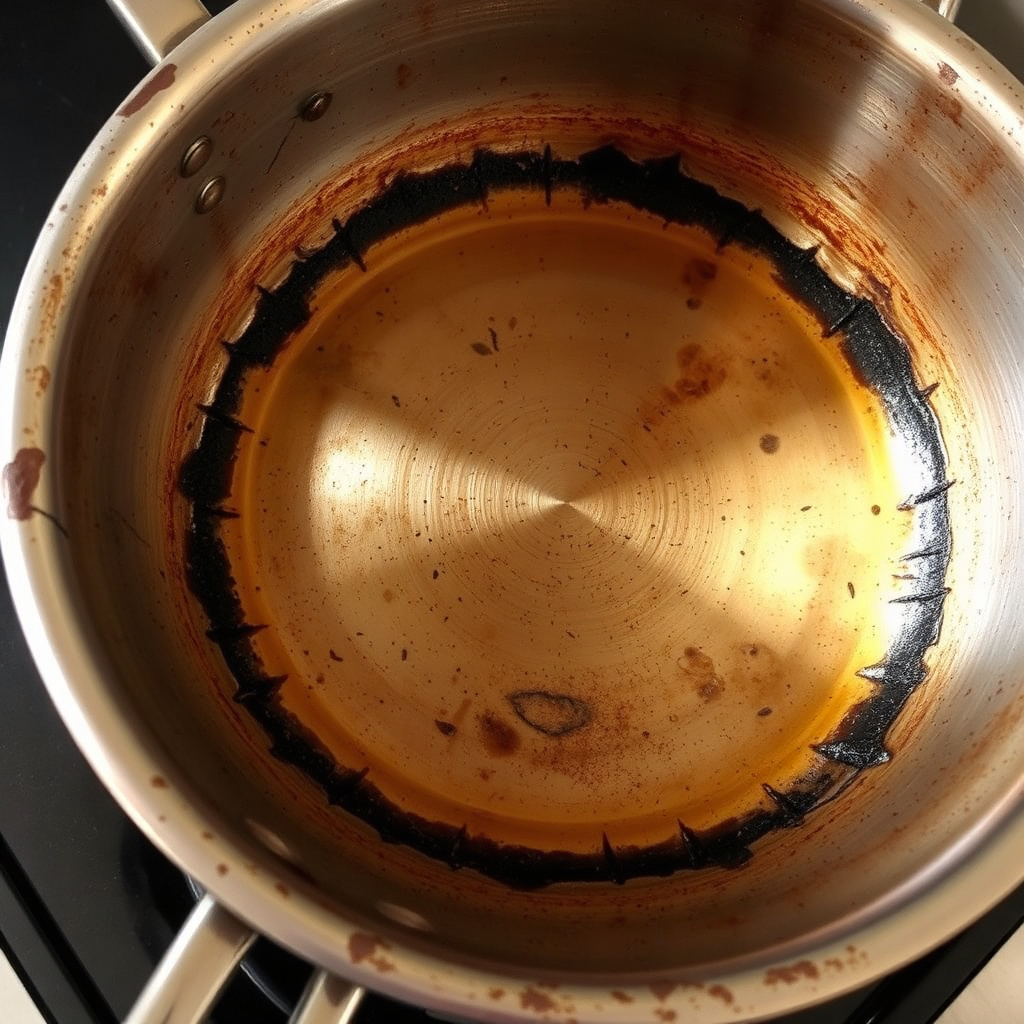
When your stainless steel cookware gets burnt, the quickest way to clean it is by using a combination of soaking and scrubbing with natural agents like baking soda or vinegar. Start by filling the pan with hot water and adding a few tablespoons of vinegar or baking soda; let it soak for at least 30 minutes before scrubbing gently with a non-abrasive sponge. This method helps to soften and lift the burnt residue without damaging the metal surface.
Burnt stainless steel pans are common after high-heat cooking or accidental neglect, but their sturdy material means they can be restored without harsh chemicals or professional help. Knowing how to clean burnt cookware properly is valuable because it saves money, extends cookware life, and keeps your kitchen hygienic. Avoid abrasive powders or steel wool that can scratch or dull the stainless steel finish.
In this article, you'll explore several effective cleaning methods for burnt stainless steel cookware, including natural solutions, specialized cleaning products, and best practices for removing stubborn stains. We'll also cover prevention tips so your cookware stays in good shape longer and how different types of cookware respond to cleaning.
Understanding Burnt Stainless Steel Cookware
Why Stainless Steel Cookware Gets Burnt
Stainless steel cookware can develop burnt spots when food or liquids are cooked at high temperatures for extended periods or left unattended. Because stainless steel is a great heat conductor, uneven heating or overheating can cause food to stick and carbonize onto the surface, resulting in visible blackened patches or stubborn layers.
The build-up of burnt residues is mostly due to the Maillard reaction between sugars and proteins in food, intensified by heat and lack of sufficient moisture or stirring. Additionally, acidic or sugary ingredients tend to caramelize faster, exacerbating the burnt stains and making them tougher to clean.
Potential Damage from Burnt Residue
Left unattended, burnt residues can permanently discolor the stainless steel surface or embed themselves deep enough to alter the cookware's reflective finish. While stainless steel is corrosion-resistant, persistent burnt layers may cause slight pitting or affect its smoothness, influencing future cooking performance.
Furthermore, burnt residues can impart off-flavors to food later cooked in the pan, affecting taste and aroma. Proper and timely cleaning is essential to maintain cookware appearance, hygiene, and lifespan.
Natural Cleaning Methods for Burnt Stainless Steel Cookware
Using Baking Soda and Vinegar
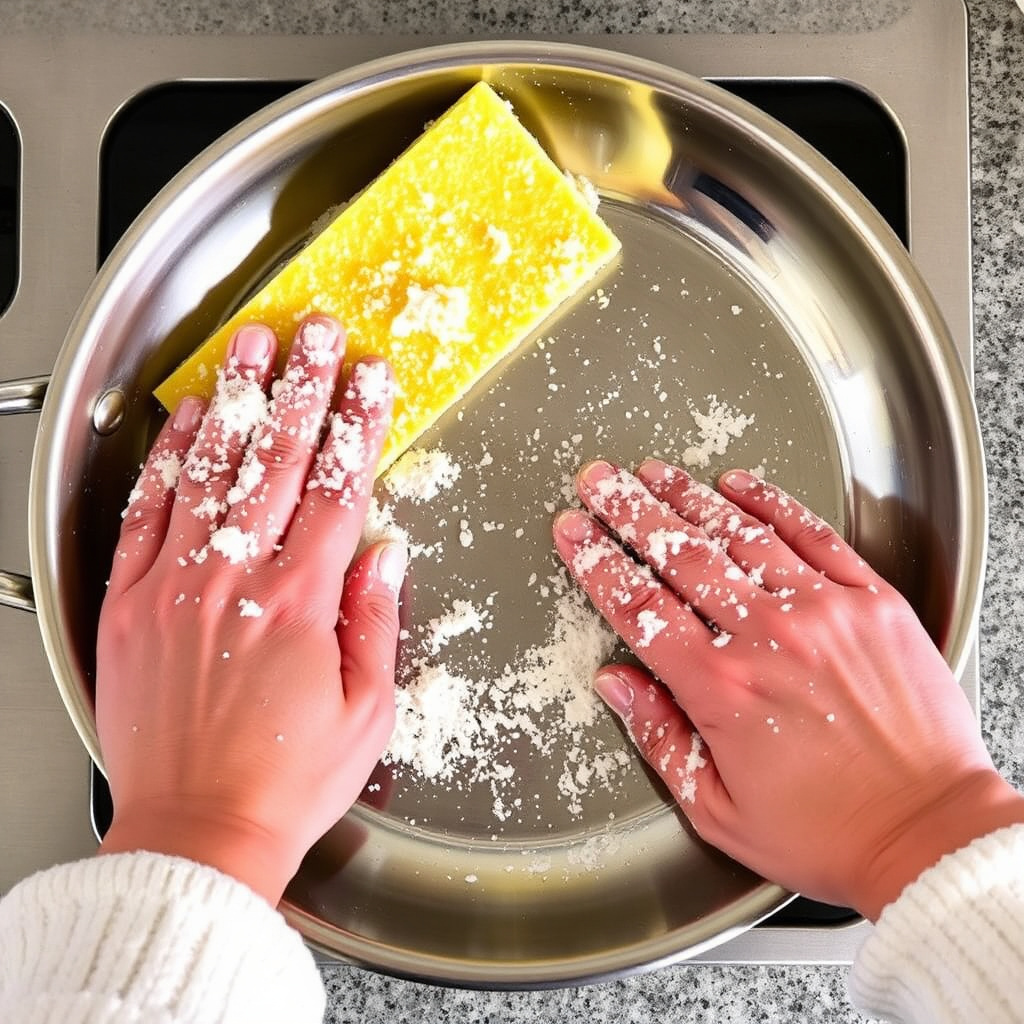
A classic way to clean burnt cookware involves baking soda and vinegar, two natural, non-toxic agents. To start, pour a mixture of equal parts water and white vinegar into the pan, bring to a gentle boil, and simmer for 5 to 10 minutes. This process loosens burnt bits and neutralizes discoloration.
After cooling, pour out the vinegar water, sprinkle a generous layer of baking soda over the affected areas, and scrub gently with a soft sponge or nylon brush. The mild abrasion combined with baking soda’s alkaline properties helps lift burnt residue without scratching.
- Boil 1 cup water + 1 cup vinegar in pan
- Simmer for 10 minutes, then cool
- Sprinkle baking soda and scrub gently
- Rinse thoroughly and dry
Soaking with Hot Soapy Water
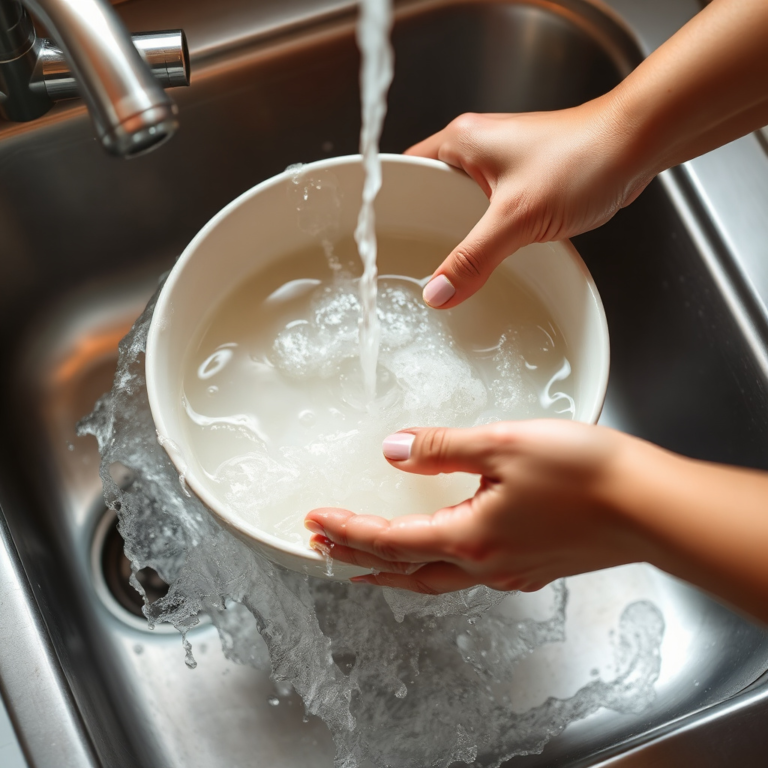
For less severe burns, soaking the cookware in hot soapy water may suffice. Use a high-quality dish detergent and fill the pan completely with water to cover all burnt areas. Let it soak for several hours or overnight to soften deposits.
After soaking, use a sponge or soft brush to scrub the pan gently, rinsing often. This method prevents scratches and requires patience but is effective for light to moderate burnt stains.
- Fill pan with hot water and detergent
- Soak overnight or several hours
- Scrub gently with a sponge
- Rinse and dry completely
Specialized Cleaning Techniques for Tough Burnt Stains
Using Commercial Stainless Steel Cleaners
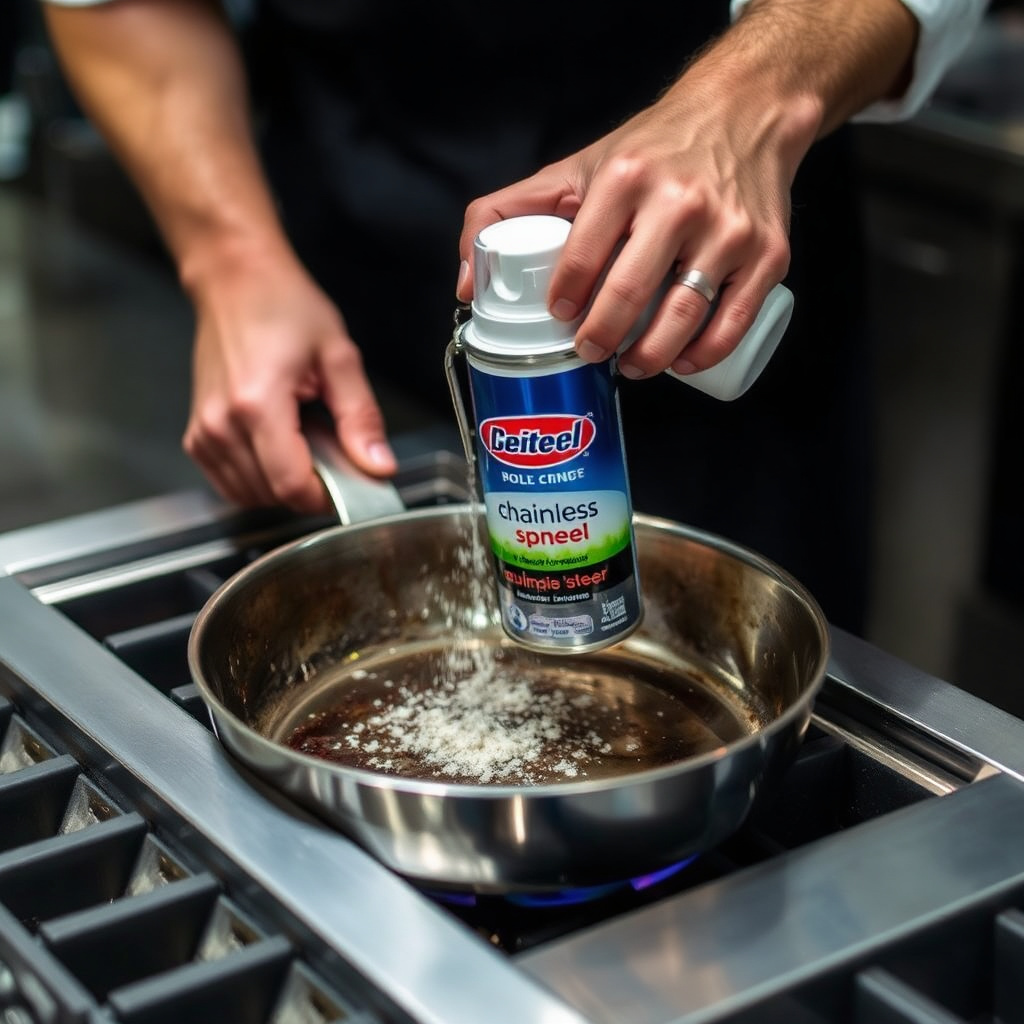
Some burnt residues require stronger cleaning power found in specialized stainless steel cookware cleaners. These products are designed to remove tough blackened stains while protecting the metal's shine and preventing surface damage. Always follow label instructions carefully for safety and effectiveness.
Typically, you apply the cleaner on a damp cloth or sponge, rub it gently onto burnt areas, wait a few minutes, then rinse and polish. Commercial cleaners often contain mild abrasives and gentle acids formulated for stainless steel.
- Wear gloves and work in a ventilated area
- Apply cleaner as directed on the product label
- Rub softly without excessive force
- Rinse thoroughly to remove residues
For more on this, see our related guide: How to Use Stainless Steel Cookware for Perfect Cooking Results.
Boiling Water and Baking Soda Paste
For highly stubborn burnt marks, apply a thick paste of baking soda mixed with water directly on the stains. Then fill the pan with boiling water enough to cover the paste. Let the mixture soak for an hour or more to break down burnt deposits.
After soaking, use a nylon brush or sponge to scrub in circular motions, focusing on burnt areas. The heat and alkaline baking soda aid in loosening carbonized layers for more effective removal.
- Mix baking soda and water into thick paste
- Spread paste on burnt spots
- Add boiling water to cover paste
- Soak 1+ hours, then scrub
Preventing Burnt Residue on Stainless Steel Cookware
Temperature Control and Cooking Techniques
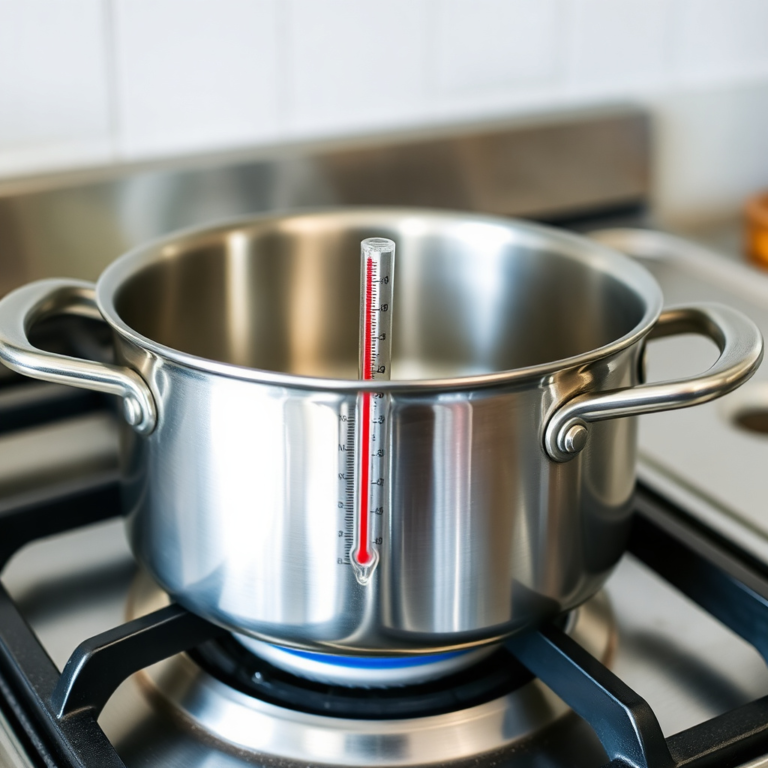
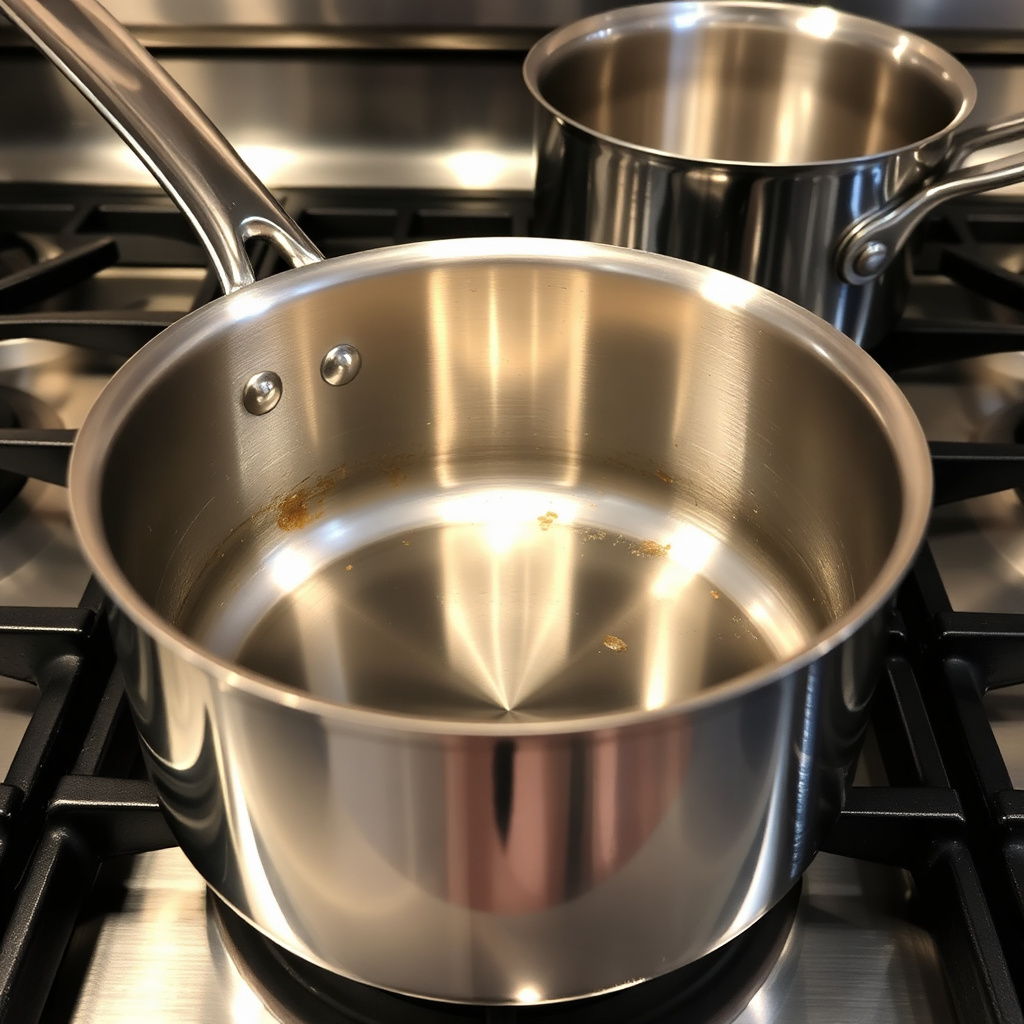
Managing cooking temperature is essential to avoid burnt residues on stainless steel cookware. Medium to medium-high heat is usually adequate for most cooking tasks. Avoid preheating an empty pan on high heat and always add sufficient cooking oil or water before food to prevent sticking.
Regularly stirring food, especially those with sugars or thick sauces, reduces the risk of burning. Using proper utensils like wooden or silicone tools also helps prevent surface scratches that trap burnt bits.
- Preheat on medium heat
- Use enough oil or water before cooking
- Stir frequently to avoid sticking
- Avoid metal utensils that scratch
Routine Cleaning After Use
Cleaning stainless steel cookware promptly after each use minimizes buildup and makes burnt residue less likely. Warm water and dish soap, along with a soft cloth, can remove fresh stains easily. Regular polishing restores the pan’s natural shine and prevents discoloration.
If residue begins to form, addressing it during routine cleaning prevents accumulation that leads to stubborn burnt stains.
- Wash pans immediately after use
- Use mild detergent and soft sponges
- Dry thoroughly to avoid water spots
- Polish periodically with stainless steel cleaner
Caring for Different Types of Stainless Steel Cookware
Tri-Ply and Multi-Ply Cookware
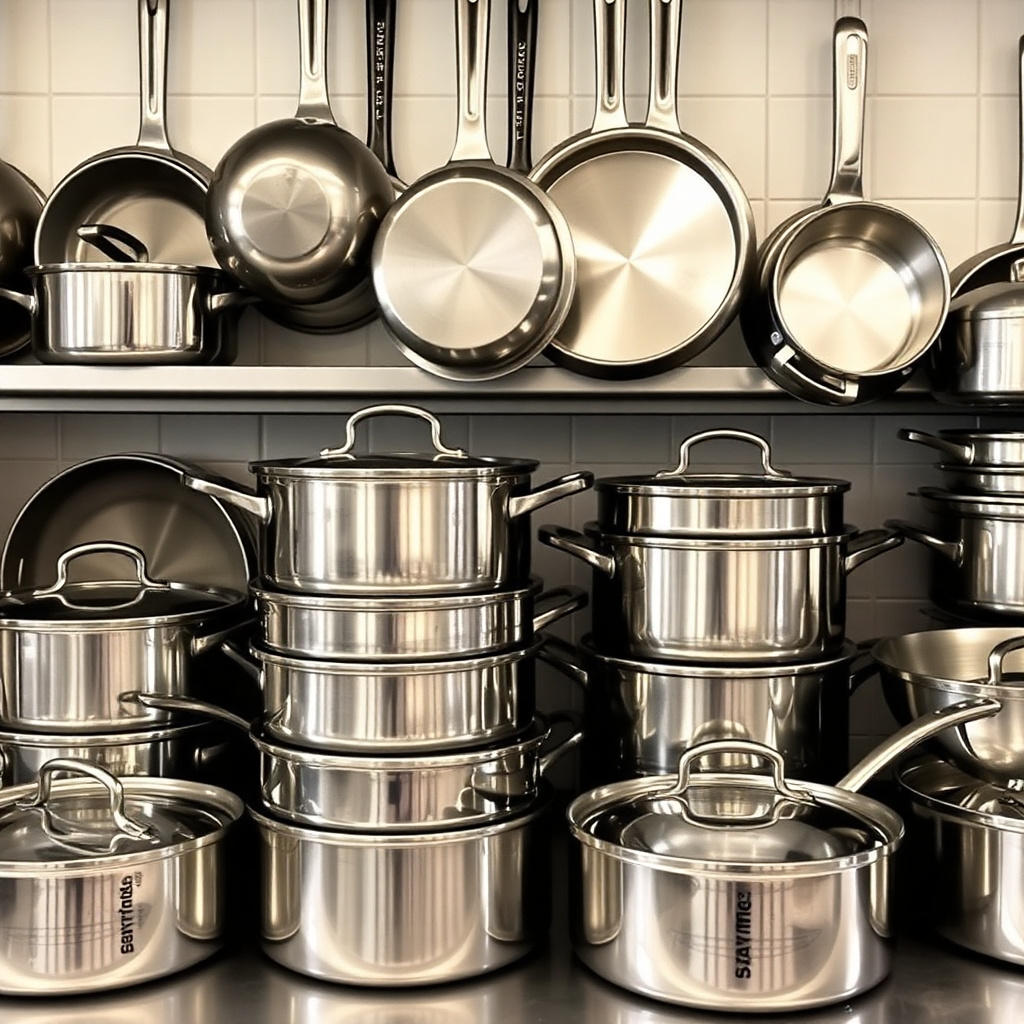
Tri-ply and multi-ply stainless steel cookware have aluminum or copper cores sandwiched between layers of stainless steel for superior heat distribution. These layers require gentle cleaning to protect material integrity and maintain heat performance.
Avoid harsh abrasives or soaking for extensive periods that can weaken bonding layers. The natural cleaning methods mentioned are generally safe, but commercial cleaners should be tested on a small area first.
For more on this, see our related guide: How to Cook with Stainless Steel Cookware: A Practical Guide for Perfect Meals.
Heavy-Gauge and Professional-Grade Pans
Heavy-gauge stainless steel pans are thicker and more resilient but can also develop tough burnt spots if overheated. Their weight makes soaking and scrubbing more demanding but also means they tolerate stronger cleaning methods better than thinner pans.
For professional-grade cookware, maintaining surface finish is key. Use baking soda paste and commercial cleaners carefully, and opt for dedicated polishing products designed for these high-end pans.
Restoring Shine and Finishing Touches
Polishing Stainless Steel Cookware
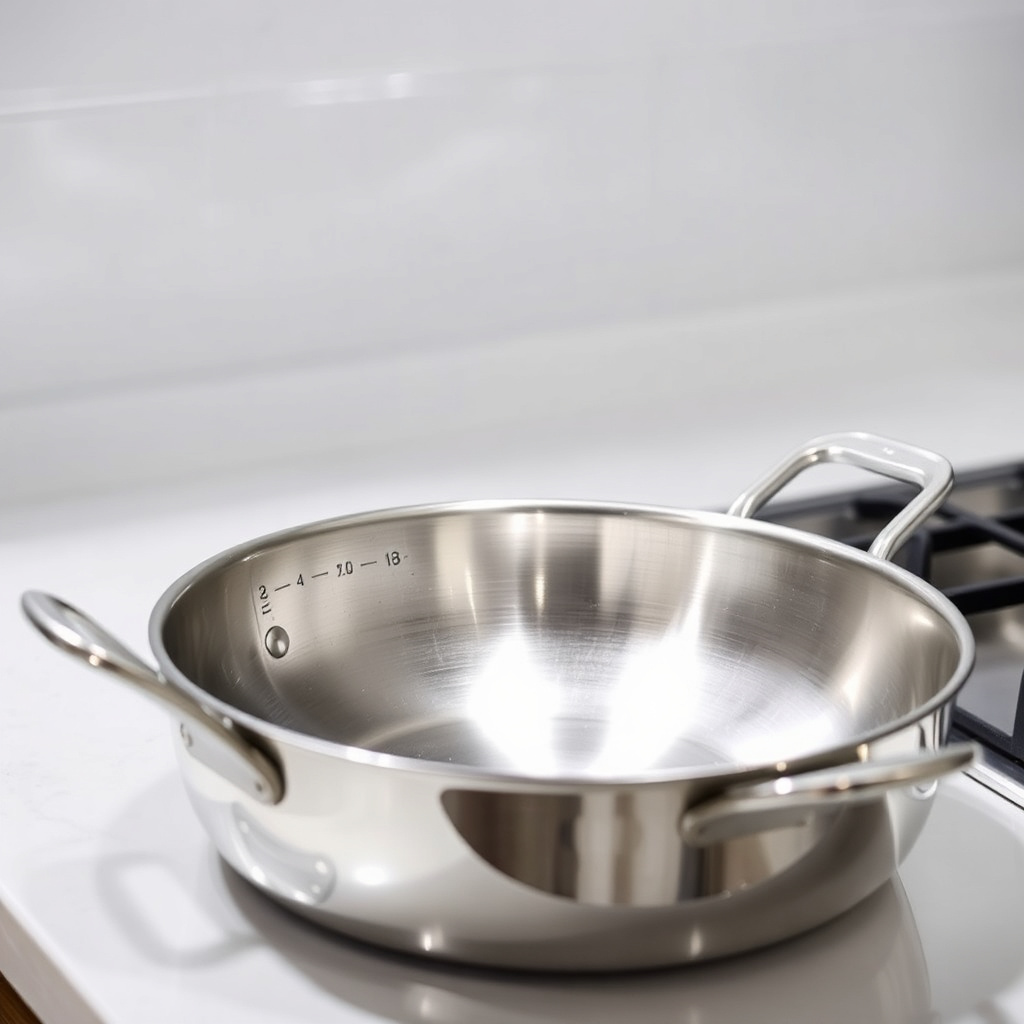
After cleaning burnt stains, polishing stainless steel cookware can restore its gleam. Use a soft microfiber cloth and a stainless steel polish or a paste made from baking soda and water. Buff in the direction of the steel grain for best results.
Polishing removes minor scratches and dull spots, making cookware appear nearly new and enhancing longevity by sealing the surface against stains.
To learn more about the materials and properties of stainless steel cookware, you can visit the stainless steel cookware Wikipedia page. Stainless steel cookware Wikipedia page.
Final Rinse and Drying
Once burnt residues and stains are removed and cookware polished, rinse thoroughly with warm clean water to remove any cleaning agents. Dry immediately with a soft towel to avoid water marks or mineral deposits which dull the finish.
Proper drying after washing is a simple step often overlooked but vital for keeping stainless steel cookware looking pristine and avoiding rust spots.
Comparison of Popular Stainless Steel Cookware Cleaning Methods
This table summarizes the key features, pros, and cons of common methods for cleaning burnt stainless steel cookware.
| Cleaning Method | Effectiveness on Burnt Residue | Ease of Use | Cost | Surface Safety |
|---|---|---|---|---|
| Baking Soda & Vinegar Boil | High | Moderate | Low | Very Safe |
| Soaking in Soapy Water | Moderate | Easy | Low | Very Safe |
| Commercial Stainless Steel Cleaners | Very High | Moderate | Medium | Safe if Used Properly |
| Boiling Water & Baking Soda Paste | High | Moderate | Low | Safe |
| Abrasive Scrubbing Pads | High | Difficult | Low | Risk of Scratches |
Frequently Asked Questions
Can I use steel wool to clean burnt stainless steel cookware?
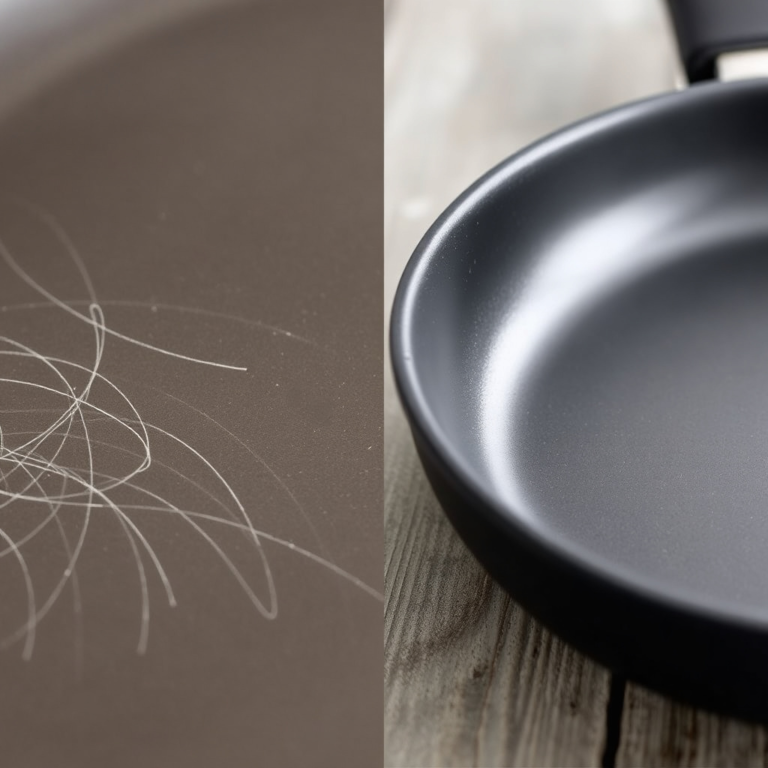
Steel wool can remove tough burnt stains but may scratch and damage the stainless steel surface, dulling the finish. It's better to use gentler options like baking soda or nylon scrubbers to preserve cookware appearance.
Is it safe to boil vinegar in my stainless steel pan for cleaning?
Yes, boiling a water-vinegar mixture is a safe, natural way to loosen burnt residues on stainless steel cookware, as long as you allow the pan to cool before scrubbing.
How often should I polish my stainless steel cookware?
Polishing every few weeks or after heavy use keeps the surface shiny and helps remove minor scratches. Avoid over-polishing, which may wear down protective layers.
Will burnt residues affect the taste of food cooked later?
Yes, burnt residues can impart off-flavors or odors to food cooked afterward. Thorough cleaning before reuse prevents contamination and preserves flavor.
Can I use bleach or harsh chemicals to remove burnt stains?
Harsh chemicals like bleach are not recommended as they can corrode or discolor stainless steel. Stick to natural cleaners or commercial products made specifically for stainless steel cookware.
Key Takeaways
- Soaking burnt cookware with baking soda and vinegar effectively loosens residue.
- Commercial cleaners offer strong cleaning but require careful handling to avoid damage.
- Avoid abrasive tools that scratch stainless steel surfaces.
- Proper cooking and prompt cleaning prevent severe burnt stains.
Conclusion
Cleaning stainless steel cookware that is burnt involves selecting an appropriate method based on the severity of the residue and the cookware type. Simple home remedies like boiling vinegar and baking soda paste work well for moderate stains, while stubborn burnt layers may call for commercial stainless steel cleaners. Protecting the cookware’s surface by avoiding harsh abrasives and using gentle scrubbing tools helps maintain its longevity and appearance. Consistent upkeep and proper cooking techniques reduce the risk of burnt deposits forming in the first place, keeping your pans effective and attractive.
If you have delicate or high-end tri-ply or professional-grade stainless steel pans, prioritize gentle cleaning like soaking and baking soda treatments to avoid damage to core layers. For everyday cookware, soaking in hot soapy water is a low-effort maintenance method. When burnt stains build up despite best practices, commercial cleaners suited for stainless steel provide powerful remedies to restore shine and cleanliness. The key lies in matching the cleaning intensity to the cookware’s construction and burnt stain severity.
For your next step, start with the baking soda and vinegar soak for burnt marks, then move on to commercial options only if necessary. Maintain temperature control while cooking, and clean immediately after use to prevent future burning. With these approaches, your stainless steel cookware will stay in excellent shape, saving you money on replacements and improving your cooking experience.