How to Clean All Clad Cookware for Lasting Shine and Performance
Learn how to clean All Clad cookware properly to maintain its shine and durability with expert tips on cleaning techniques and products to use.
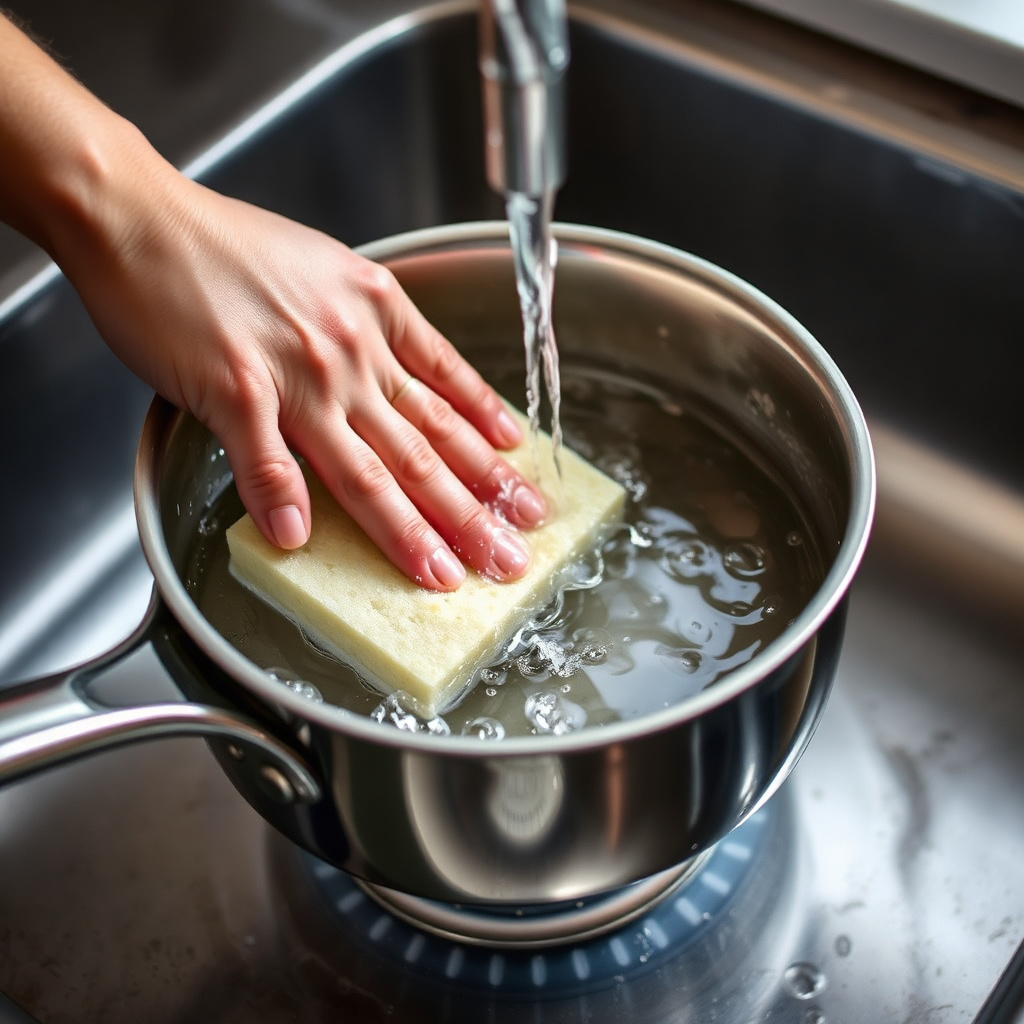
To clean All Clad cookware effectively, begin by washing with warm, soapy water using a soft sponge immediately after use. Avoid abrasive scrubbers that can scratch the cookware’s stainless steel surface. For stuck-on food, soak the pan to loosen residue before gentle scrubbing.
All Clad cookware is prized for its durability and polished finish, so proper cleaning preserves its appearance and cooking performance. Using the right products prevents discoloration and damage caused by harsh cleansers or aggressive scrubbing.
This article will cover step-by-step cleaning methods for All Clad cookware, including how to handle tough stains, polish the surface, and tips for routine maintenance. It also reviews the best cleaning agents suitable for stainless steel pans.
Basic Cleaning Techniques for All Clad Cookware
Routine Hand Washing
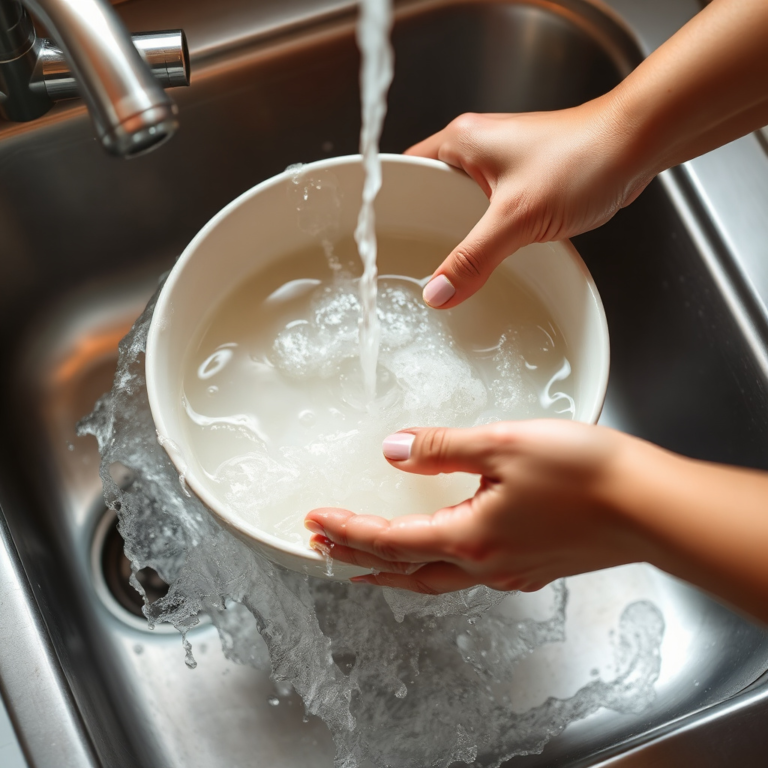
Always use warm water and a mild dish detergent with a soft cloth or sponge. Avoid metal scouring pads as they can scratch and dull the stainless steel finish. After washing, rinse thoroughly and dry with a soft towel to prevent water spots.
If food has burned or stuck to the surface, fill the pan with warm soapy water and allow it to soak for 15-30 minutes. This softens the residue, making it easier to remove with gentle scrubbing.
- Warm, soapy water
- Soft sponge or cloth
- Avoid abrasive scrubbers
- Dry immediately after rinsing
Dishwasher Use and Considerations
While All Clad cookware is dishwasher safe, frequent dishwasher use can cause dulling or slight discoloration. The high heat and harsh detergents wear down the polished surface over time, so hand washing is recommended to preserve appearance.
If you choose to use the dishwasher, place cookware on the top rack away from heavy items and avoid detergents with bleach or lemon to minimize surface damage.
- Dishwasher safe but not ideal for regular use
- Use mild detergents without bleach
- Place pans on top rack
- Hand wash preferred for longevity
Removing Tough Stains and Discoloration
Eliminating Water Spots and Mineral Deposits
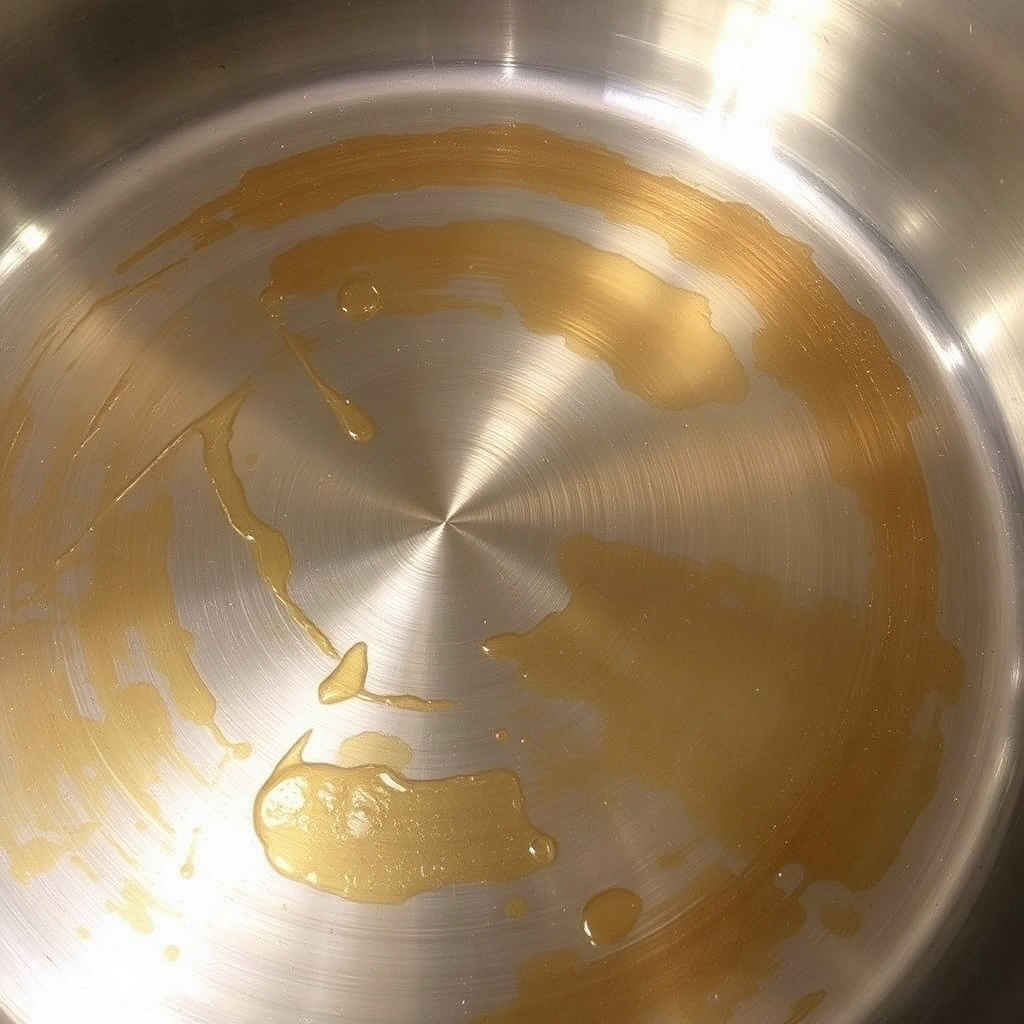
Water spots can appear after washing and drying, caused by minerals in the water. To remove them, use a mixture of white vinegar and water (1:1 ratio). Apply it to the spots, let it sit for a few minutes, then wipe clean with a soft cloth.
For stubborn spots, gently scrub with a non-abrasive pad dipped in the vinegar solution and rinse thoroughly afterward.
- White vinegar and water mixture
- Soft cloth or non-abrasive pad
- Gentle rubbing for tough deposits
- Rinse and dry completely
For more on this, see our related guide: How to Cook with Stainless Steel Cookware: A Practical Guide for Perfect Meals.
Cleaning Burnt-On Food and Carbonized Residues
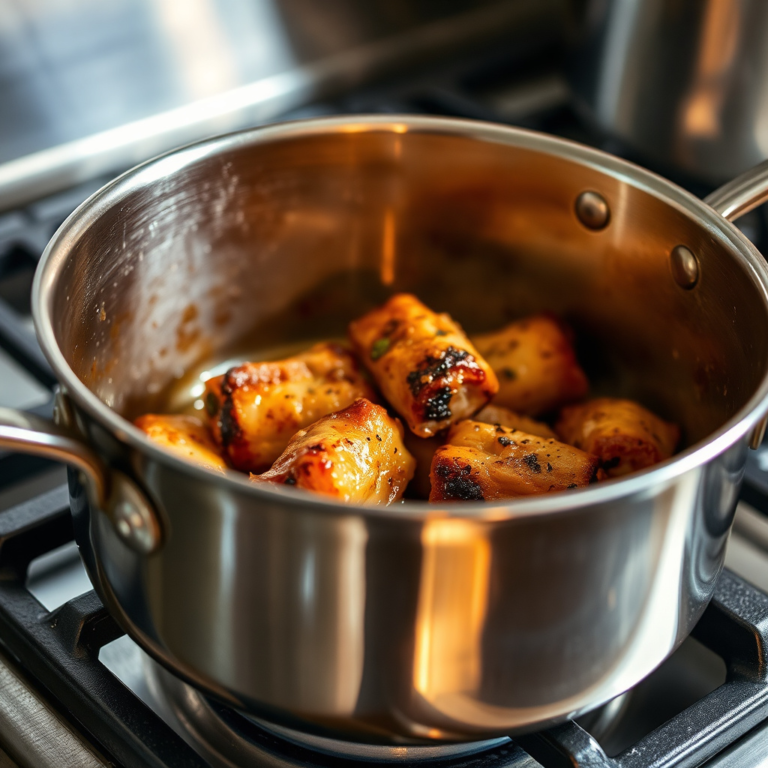
For burnt food residues, sprinkle baking soda over the affected area, add a small amount of water to form a paste, and let it sit for 10-15 minutes. Then, use a soft sponge or nylon scrubber to remove the residue without scratching the surface.
Alternatively, boil a mixture of water and a few tablespoons of baking soda in the pan for 10-15 minutes, which helps loosen burnt food before gentle scrubbing.
- Baking soda paste method
- Boiling baking soda solution
- Soft sponge or nylon scrubber
- Avoid harsh steel wool
Polishing and Maintaining the Shine on All Clad Cookware
Using Stainless Steel Cleaners
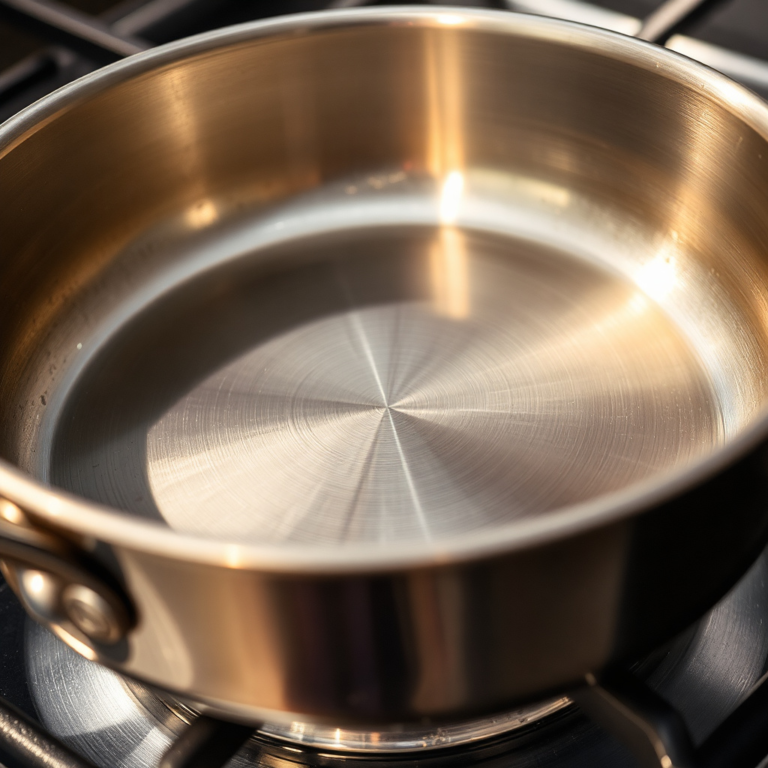
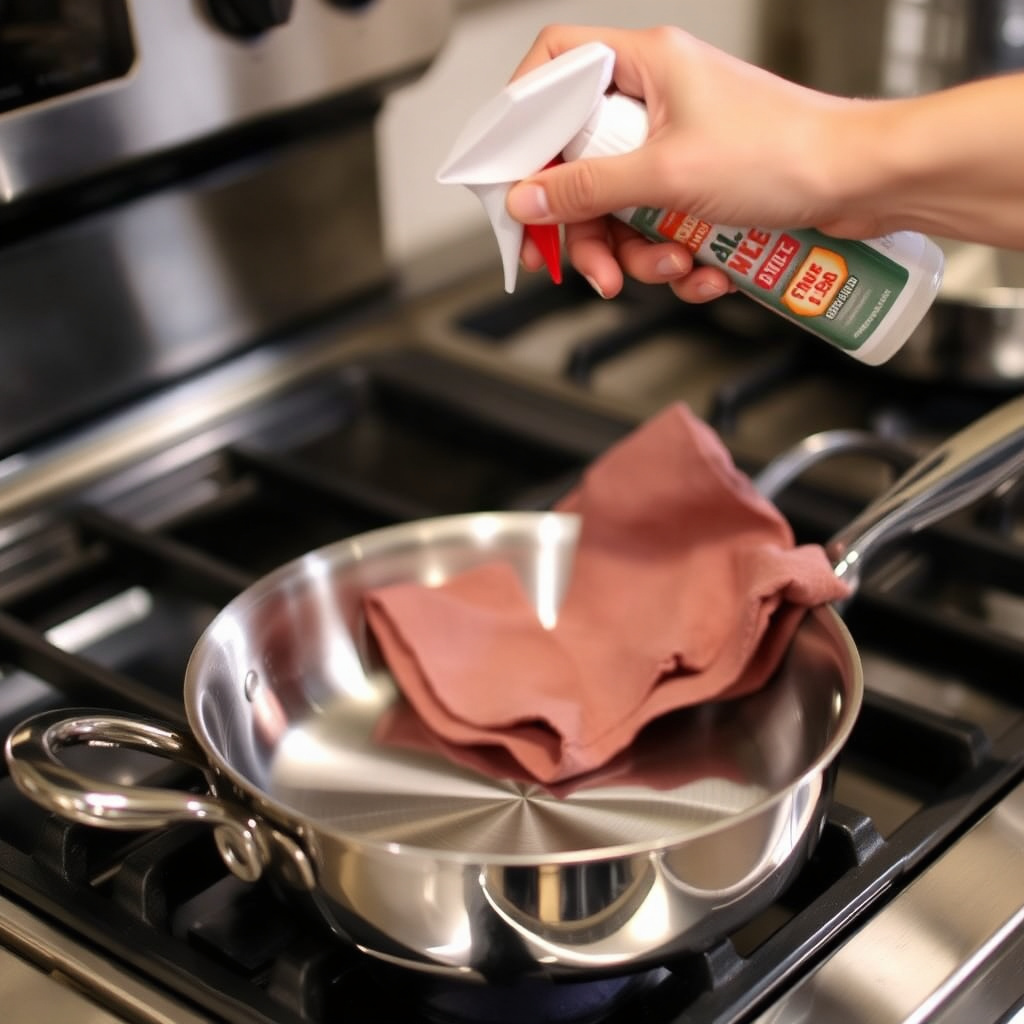
Stainless steel cleaners or polishes can restore the bright finish of All Clad cookware. Apply a small amount with a soft cloth and buff in circular motions. Make sure the cookware is clean and dry before polishing to avoid trapping dirt.
Choose cleaners specifically made for stainless steel to avoid damaging the surface or leaving residues that affect cooking performance.
- Use purpose-made stainless steel cleaner
- Apply with soft cloth, buff in circles
- Clean and dry cookware first
- Avoid abrasive polishes
Home Remedies for Polishing
A paste made from equal parts baking soda and water gently polishes stainless steel and removes light scratches. Apply with a soft cloth and rub gently, then rinse and dry thoroughly.
Lemon juice can also brighten the surface naturally. Apply lemon juice with a soft cloth, let it sit for a few minutes, and then rinse. This approach is a mild and eco-friendly alternative.
- Baking soda and water paste
- Lemon juice application
- Gentle rubbing with soft cloth
- Rinse and dry completely
Avoiding Common Cleaning Mistakes with All Clad Cookware
What Not to Use on All Clad Cookware
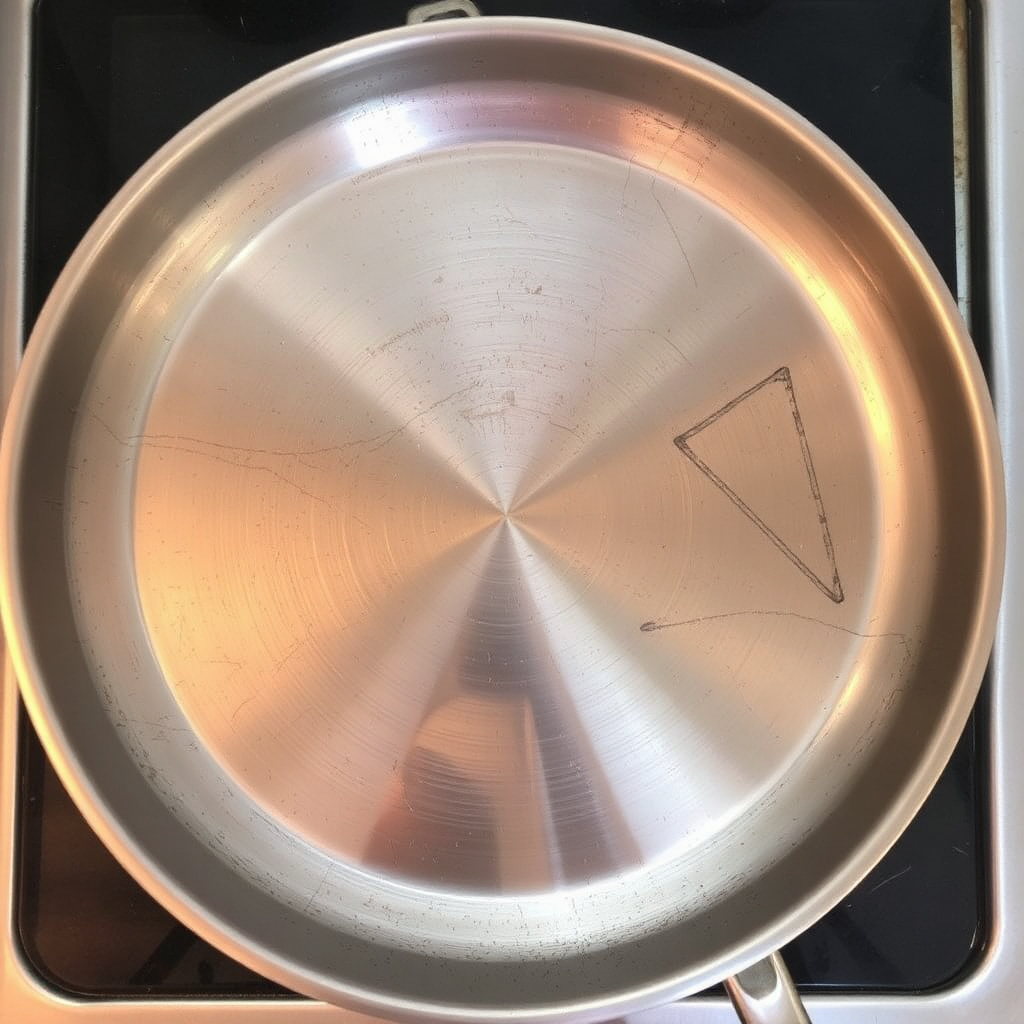
Avoid steel wool, abrasive scrubbers, and harsh chemical cleaners like bleach or oven cleaners. These damage the cookware’s finish and may create permanent scratches or discoloration.
Also, avoid soaking cookware for extended periods in salty or acidic water, which can corrode the metal over time.
- No steel wool or metal scrubbers
- Avoid bleach and oven cleaners
- Limit soaking in acidic or salty water
- No dishwasher drying cycles
For more on this, see our related guide: How to Cook with Stainless Cookware: Tips for Perfect Results Every Time.
Preventing Heat-Related Stains
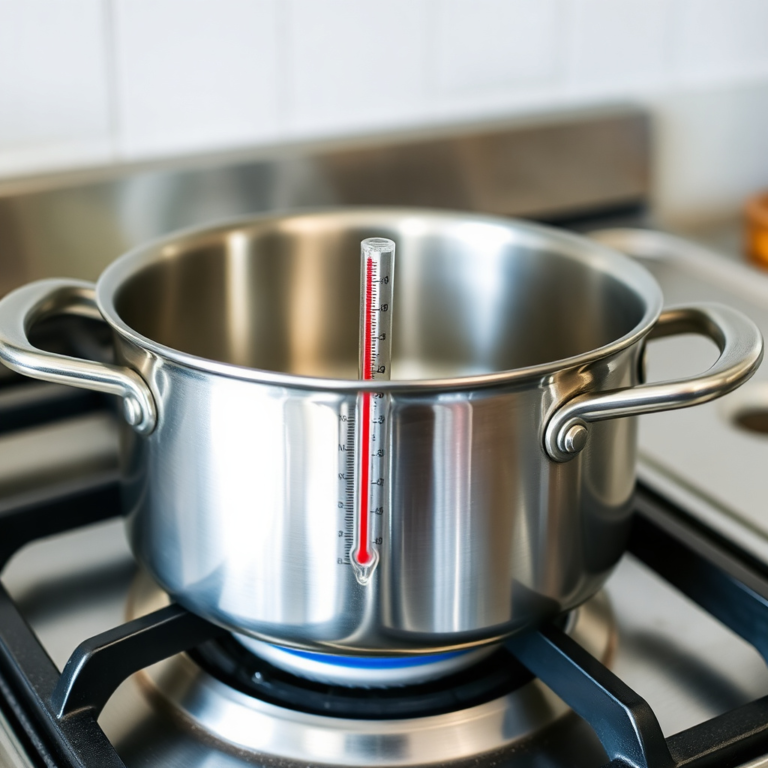
Overheating empty pans or cooking at very high temperatures frequently causes rainbow discoloration, which can be hard to remove. Allow pans to preheat gradually and avoid heating empty cookware for long periods.
Cooling pans too rapidly by rinsing with cold water also stresses the metal, leading to warping and stains.
- Avoid prolonged high-heat preheating
- Do not rinse hot pans with cold water
- Use moderate heat for cooking
- Allow natural cooling before washing
Routine Maintenance Tips for Longevity
Proper Drying and Storage
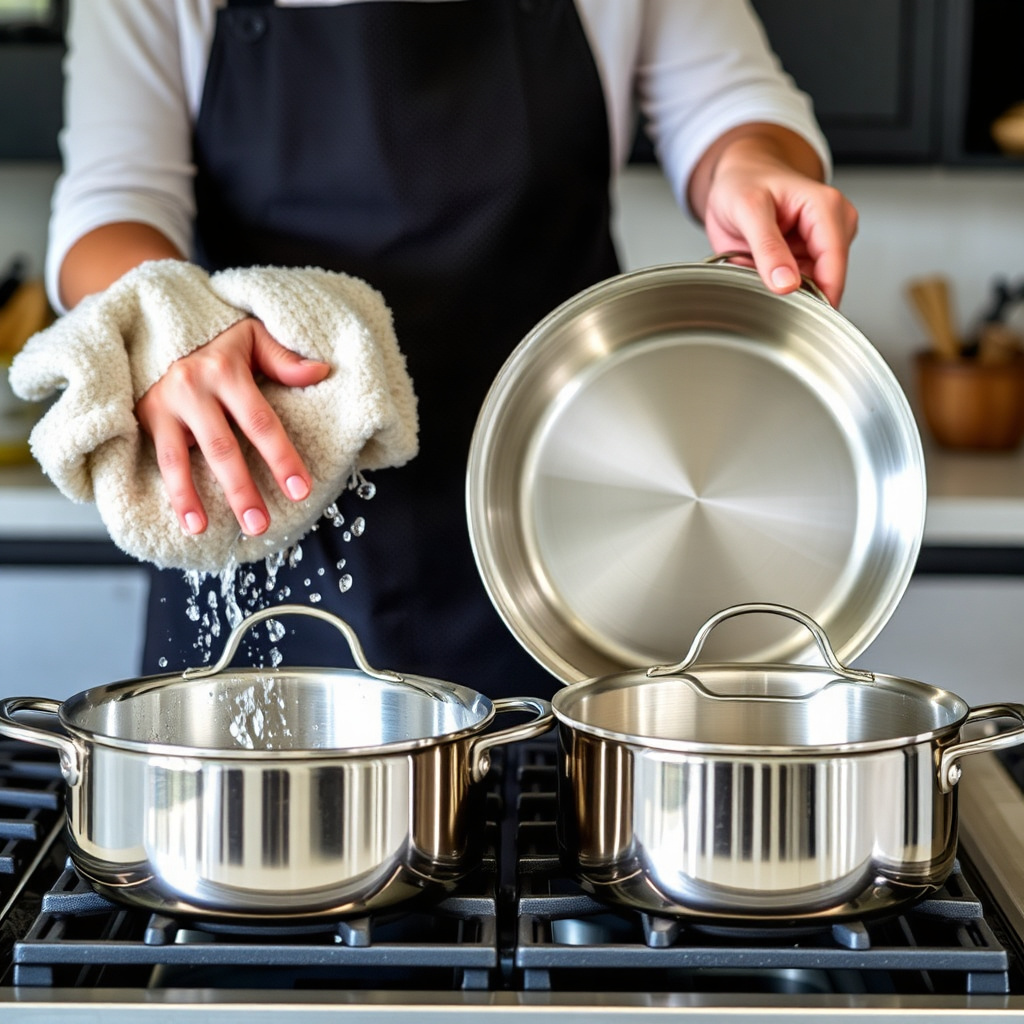
Dry All Clad cookware immediately after washing with a soft towel to prevent water spots. Store pans in a dry area either hanging or stacked with protective padding between pieces to avoid scratches.
Using pan protectors or cloth liners when stacking keeps the polished surface unblemished during storage.
- Dry promptly after washing
- Use pan protectors if stacking
- Store in a dry, ventilated area
- Avoid stacking without protection
For expert advice on cleaning All Clad cookware, The Spruce Eats offers comprehensive tips and recommendations. All-Clad cookware cleaning tips from The Spruce Eats.
How Often to Deep Clean and Polish
Depending on usage, give All Clad pans a deep clean and polish every 1-3 months to maintain brilliance. This involves stain removal, polishing with stainless steel cleaner, and a thorough rinse to remove cleaning residues.
Frequent light cleaning combined with periodic polishing preserves the cookware’s appearance and functionality over years of use.
- Deep clean every 1-3 months
- Use stainless steel polish periodically
- Consistent light cleaning after each use
- Inspect for stains and remove promptly
All Clad Cookware Cleaning Methods Comparison
This table compares popular cleaning methods for All Clad cookware based on effectiveness, surface safety, and ease of use.
| Method | Effectiveness | Surface Safety | Ease of Use | Ideal For |
|---|---|---|---|---|
| Warm Soapy Water & Soft Sponge | High | Very Safe | Easy | Daily cleaning |
| Baking Soda Paste | Medium-High | Safe | Moderate | Burnt-on food removal |
| Vinegar Solution | Medium | Safe | Easy | Water spot removal |
| Stainless Steel Cleaners | High | Safe if used properly | Moderate | Polishing & stain removal |
| Dishwasher | Medium | Can dull finish | Easy | Occasional cleaning only |
Frequently Asked Questions
Is All Clad cookware dishwasher safe?
Yes, All Clad cookware is dishwasher safe, but frequent dishwasher use can dull the finish. Hand washing is recommended to maintain the cookware’s shine and longevity.
Can I use steel wool on All Clad pans?
No, steel wool or metal scrubbers can scratch and damage the stainless steel surface of All Clad pans. Use only soft sponges or nylon scrubbers instead.
How do I remove rainbow discoloration from All Clad cookware?
Rainbow discoloration can often be removed with a stainless steel cleaner or a vinegar soak followed by gentle scrubbing. Avoid overheating pans to prevent it.
Will soaking cookware damage All Clad pans?
Short soaks in warm soapy water are fine, but prolonged soaking, especially in salty or acidic water, can cause corrosion and damage the metal.
What is the best way to clean stainless steel pans like All Clad?
The best way is hand washing with warm soapy water and a soft sponge, followed by drying with a soft towel. For tough stains, baking soda paste and vinegar solutions are effective and safe.
Key Takeaways
- Hand wash All Clad cookware with warm soapy water and a soft sponge for daily cleaning.
- Avoid abrasive scrubbers and harsh chemicals that can damage the stainless steel finish.
- Use baking soda and vinegar solutions to tackle tough stains and discoloration safely.
- Polish periodically with stainless steel cleaner to maintain shine and remove stains.
Conclusion
Choosing a proper cleaning routine for All Clad cookware centers on protecting its signature stainless steel finish while removing food residues efficiently. Prioritizing gentle hand washing, avoiding abrasive tools, and limiting dishwasher use helps maintain cookware integrity and aesthetic appeal. Tackling stains promptly with safe, non-abrasive agents like baking soda or vinegar ensures cookware remains in top condition through years of cooking.
For everyday use, routine warm, soapy water cleaning with a soft sponge suffices. When facing stubborn spots or discoloration, baking soda paste applications or stainless steel polishes offer effective solutions without risking surface damage. Avoid harsh detergents, steel wool, and overheating cookware to prevent permanent stains or scratches. This approach meets the needs of various users, from casual cooks to professionals wanting consistent cookware performance.
Adopting these cleaning and maintenance practices prolongs the lifespan of All Clad pans and preserves their look. Starting with gentle cleaning right after use and performing monthly polishing are practical steps anyone can incorporate. These habits save time, protect cookware investment, and enhance your cooking experience. For more detailed information on stainless steel and cookware care, visiting trusted culinary resources can provide additional guidance.