How to Remove Rust from Bakeware Safely and Effectively
Learn how to remove rust from bakeware with safe, effective methods to restore your kitchen essentials and keep them in great shape.
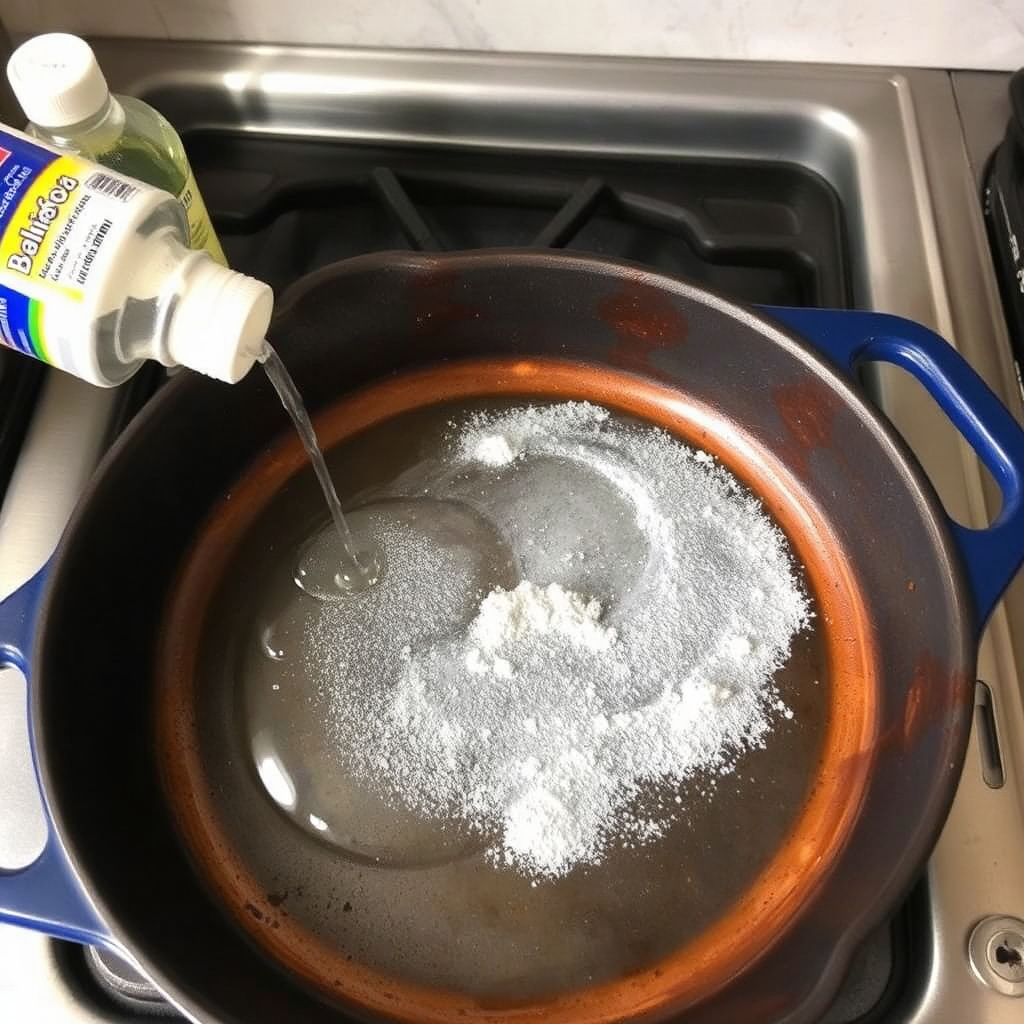
Removing rust from bakeware is simple with the right techniques and tools. To restore your rusty pans and trays, you can use household items like white vinegar, baking soda, or lemon juice combined with gentle scrubbing. These methods can quickly dissolve rust without damaging the metal surface.
Rust buildup on bakeware happens when moisture lingers on the surface, especially if your cookware isn’t dried properly after use. Beyond looks, rust can affect performance and even introduce unwanted flavors to your baked goods, so it’s worth addressing promptly to maintain your bakeware’s longevity and hygiene.
This article explains various step-by-step approaches to remove rust from bakeware, the advantages of each method, and how to care for your cookware afterward. It also compares popular rust removal techniques and answers common questions to help you make the best choice for your kitchen.
Common Household Remedies for Rust Removal on Bakeware
Using White Vinegar to Dissolve Rust
White vinegar contains acetic acid, which naturally breaks down rust on metal surfaces. To use vinegar, soak the rusty areas of your bakeware in a bowl filled with white vinegar for several hours. After soaking, scrub gently with a soft brush or cloth to lift away loosened rust.
For tough rust spots, you can soak overnight or repeat the process until the rust disappears. Once cleaned, rinse the bakeware thoroughly with warm water and dry it completely to prevent future rust.
- Soak rusty bakeware in white vinegar for 1-12 hours
- Scrub gently with a brush
- Rinse well and dry immediately
Applying Baking Soda Paste to Remove Rust
Baking soda is mildly abrasive and helps scrub off rust without scratching your bakeware. Create a thick paste by mixing baking soda with water, then spread it over rusted areas. Let it sit for 30 minutes to an hour for better effect.
Use a sponge or brush to scrub the paste on rust spots, then rinse off with warm water. This method works best for light to moderate rust and is safe for most bakeware finishes.
- Make a baking soda and water paste
- Apply and let sit 30-60 minutes
- Scrub and rinse thoroughly
Advanced Rust Removal Techniques for Persistent Bakeware Rust

Lemon Juice and Salt Scrubbing for Stubborn Rust
Lemon juice’s natural acidity combined with the abrasive texture of salt can tackle heavier rust buildup. Sprinkle salt over rusted areas, then squeeze lemon juice onto the salt. Let this mix sit for a couple of hours before scrubbing vigorously with a brush or steel wool for tough rust spots.
Always be gentle to avoid scratching non-stick or aluminum bakeware. After treatment, rinse well and dry quickly. This method also helps leave a fresh citrus scent, a subtle benefit during cleaning.
- Sprinkle salt on rust
- Apply lemon juice over salt
- Let sit 2+ hours, then scrub
- Rinse and dry well
For more on this, see our related guide: How to Use Silicone Bakeware: A Complete Guide for Perfect Baking.
Using Commercial Rust Removers Safely
When home remedies don’t fully eradicate rust, commercial rust removers designed for kitchenware can be effective. Be sure to select a product that is safe for cookware and follow the manufacturer’s instructions carefully to avoid damage or toxicity.
Wear gloves when handling strong rust removers and rinse your bakeware thoroughly after treatment. Commercial products often work faster and can remove even deeply embedded rust spots.
- Choose bakeware-safe rust remover
- Follow instructions precisely
- Wear protective gloves
- Rinse and dry thoroughly
Preventing Rust on Bakeware After Cleaning

Proper Drying and Storage Techniques
After washing bakeware, dry it immediately and thoroughly with a clean towel. Avoid air drying for long periods, especially in humid environments, as moisture promotes rust formation.
Store bakeware in a dry, well-ventilated place. Using moisture-absorbing silica packets or placing bakeware in cabinets with a dehumidifier can also help keep rust at bay.
- Dry immediately after washing
- Store in dry, ventilated spots
- Use silica packets in storage areas
Seasoning Bakeware to Build Rust Resistance
Seasoning your bakeware, especially cast iron or carbon steel, creates a natural protective layer that prevents rust. This involves applying a thin coat of vegetable oil and heating the bakeware to bond the oil to the surface.
Regular seasoning keeps bakeware non-stick and guards against moisture exposure. Avoid soap when cleaning seasoned cookware, as it can strip the protective coating.
- Coat bakeware with vegetable oil
- Heat in oven to bond oil
- Avoid soap during cleaning
Choosing the Right Tools for Removing Rust from Bakeware

Using Brushes and Non-Scratch Sponges
Soft nylon brushes and non-scratch sponges work well to scrub away rust gently, preserving delicate surfaces like non-stick coatings or aluminum. These tools can remove rust effectively when combined with natural remedies such as baking soda or vinegar.
Avoid abrasive steel wool or metal scrubbers on sensitive bakeware, as these can damage the surface leading to more rust or performance issues.
- Use nylon brushes for gentle scrubbing
- Choose non-scratch sponges for sensitive surfaces
- Avoid metal scrubbers on coated pans
When to Use Steel Wool or Scrubbers
For heavy rust on durable bakeware like cast iron or stainless steel, steel wool pads or abrasive scrubbers can be appropriate. These tools effectively remove thick rust layers but must be used carefully to prevent deep scratches.
After using steel wool, reseason cast iron bakeware to restore its protective layer. Avoid using steel wool on non-stick or thin aluminum bakeware.
- Use steel wool for heavy rust only
- Appropriate for cast iron and stainless steel
- Reseason after use on cast iron
- Avoid on non-stick and aluminum
Safety Tips When Removing Rust from Bakeware

Protective Gear for Handling Chemicals and Abrasives
When using commercial rust removers or abrasive tools, wearing gloves and a mask is wise to protect your skin and lungs from irritants. Ventilate your workspace well to avoid inhaling fumes, especially with chemical products.
Even natural remedies like vinegar can be irritating in prolonged exposure, so gloves help prevent skin dryness or rash during cleaning.
- Wear rubber gloves
- Use a dust or chemical mask
- Work in well-ventilated areas
For more detailed information about rust and its chemical processes, you can visit the Rust Wikipedia page. Rust – Wikipedia.
Safe Handling and Disposal of Rust Residue
Rust particles can be sharp and potentially contaminate food areas, so clean your workspace and dispose of rusty residue carefully. Use damp cloths for wiping up rust flakes rather than dry sweeping, which can spread dust.
Rinse tools and wash your hands thoroughly after rust removal to prevent any transfer of residues to food or skin.
- Use damp cloths to clean rust dust
- Dispose of residue safely
- Wash hands and tools after cleaning
Rust Removal Methods for Bakeware: Comparison
Here’s a comparison of popular methods to remove rust from bakeware based on effectiveness, ease of use, and safety.
| Method | Effectiveness | Safety | Ease of Use | Suitable Bakeware Types |
|---|---|---|---|---|
| White Vinegar Soaking | High for light to moderate rust | Very safe | Easy | All metal types except non-coated aluminum |
| Baking Soda Paste | Moderate for light rust | Very safe | Easy | Non-stick, aluminum, stainless steel |
| Lemon Juice and Salt | Moderate to High for stubborn rust | Safe | Moderate effort | Cast iron, stainless steel, aluminum |
| Commercial Rust Removers | Very high for heavy rust | Requires caution | Varies by product | Most metal bakeware, check labels |
| Steel Wool Scrubbing | High for heavy rust | Safe with gloves; risk of scratches | Moderate effort | Cast iron, stainless steel only |
Frequently Asked Questions
Can I use lemon juice on all types of bakeware to remove rust?
Lemon juice is effective for many metals but may be too acidic for some non-stick or aluminum bakeware. Test on a small area first and avoid prolonged exposure to protect finishes.
How often should I season my cast iron bakeware after rust removal?
After removing rust, it’s recommended to season cast iron bakeware immediately and periodically afterward, depending on usage, typically every few weeks if used frequently.
Is it safe to eat food cooked on bakeware that had rust removed?
Yes, once rust is fully removed, the bakeware is cleaned and dried properly, it is safe to cook on. Be sure no rust residue remains to avoid affecting food safety and taste.
What storage practices best prevent rust from returning?
Keep bakeware dry by towel-drying immediately after washing, store in a dry area, and avoid stacking wet pieces together. Using silica packets in storage can also help reduce moisture.
Key Takeaways
- Natural acids like vinegar and lemon juice effectively dissolve rust on bakeware
- Gentle abrasives such as baking soda paste clean rust without harming surfaces
- Proper drying and seasoning prevent rust from returning
- Choosing the right tools and safety measures protects your bakeware and health
Conclusion
The process of removing rust from bakeware depends largely on the severity of rust and the material of the items in question. Simple home solutions like white vinegar and baking soda offer safe and effective rust removal for most cookware. More stubborn rust may require lemon juice combined with salt or commercial rust removers designed specifically for kitchen use. Knowing your bakeware material, such as cast iron or non-stick, guides your choice of cleaning method to avoid damage while restoring the pan’s quality. Taking time for proper cleaning protects your investment and keeps your baking safe and tasty.
For light rust on delicate bakeware, using baking soda paste or vinegar soaking is a practical choice due to minimal risk and ease. Cast iron enthusiasts with heavier rust deposits often benefit from lemon juice and salt scrubbing, followed by thorough seasoning to rebuild the protective layer. Commercial rust removers come in handy when rust is deeply embedded but always ensure the product is bakeware safe and follow instructions closely. Steel wool offers powerful scrubbing but should be reserved for heavy-duty metals like cast iron, never for coated or thin metals.
Once you’ve removed rust, the most effective next step is adopting habits that prevent its return. Always dry your bakeware completely after washing, store it in dry environments, and season cast iron regularly. These steps extend your cookware’s lifespan and maintain its performance. If you’ve struggled with rust on your favorite pans, select one of the natural or commercial methods here that fits your bakeware type and rust severity, then commit to consistent care routines to enjoy rust-free baking for years.