How to Clean Silicone Bakeware Effectively Without Damage
Learn how to clean silicone bakeware thoroughly and safely with practical tips to keep your silicone molds pristine and odor-free.
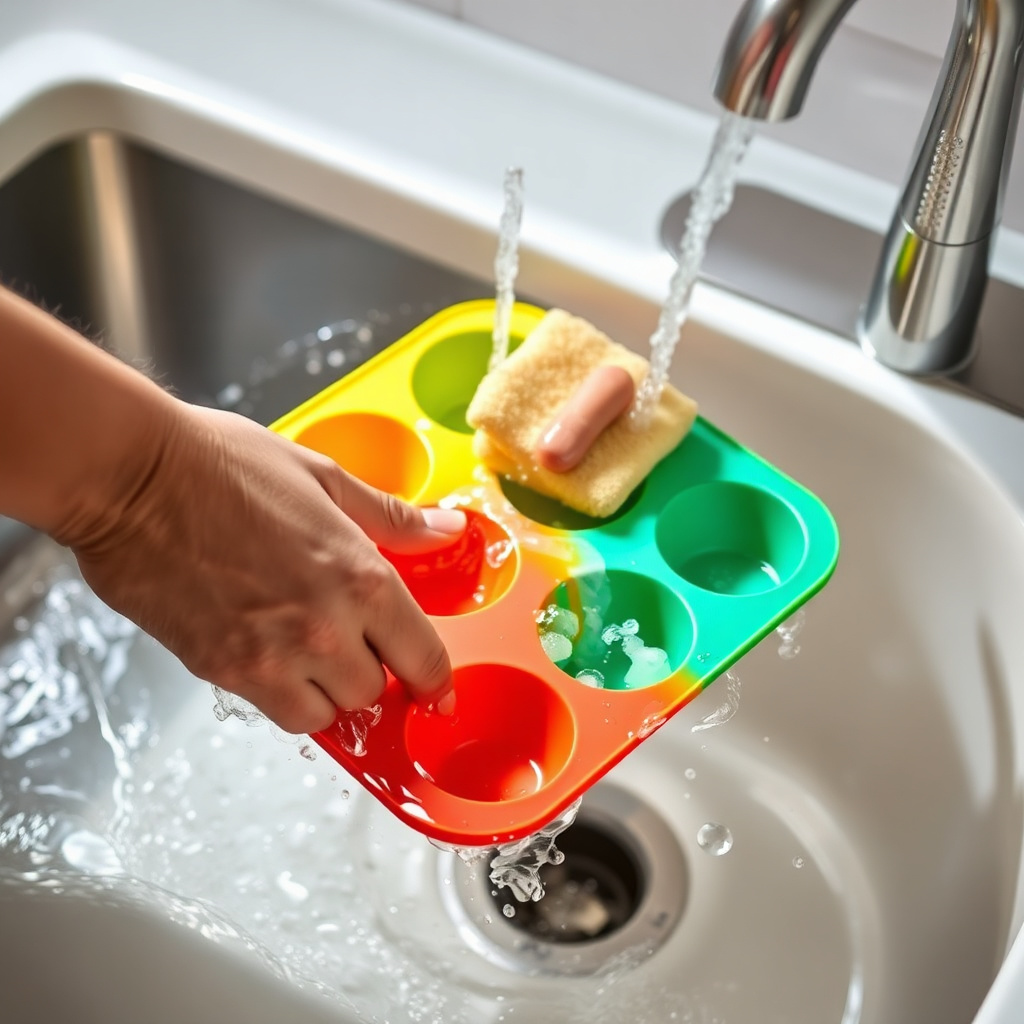
Cleaning silicone bakeware is straightforward if you use the right techniques. Start by rinsing off any loose food debris with warm water, then use mild dish soap and a non-abrasive sponge to remove residue. For tough stains or oils, soaking the bakeware in hot soapy water helps loosen grime without harming the silicone.
Because silicone is flexible and non-stick, it resists many forms of food buildup but can absorb odors or get oily over time. Proper cleaning preserves its performance, prevents lingering smells, and keeps molds looking new. Avoid harsh chemicals or abrasive tools that might scratch or degrade the silicone surface.
This article explores several effective cleaning methods for silicone bakeware, including manual washing, deodorizing techniques, and care tips that extend the lifespan of your silicone molds. It also compares popular cleaning aids and addresses common questions about maintaining this versatile kitchen tool.
Proper Cleaning Techniques for Silicone Bakeware
Hand Washing with Soap and Water
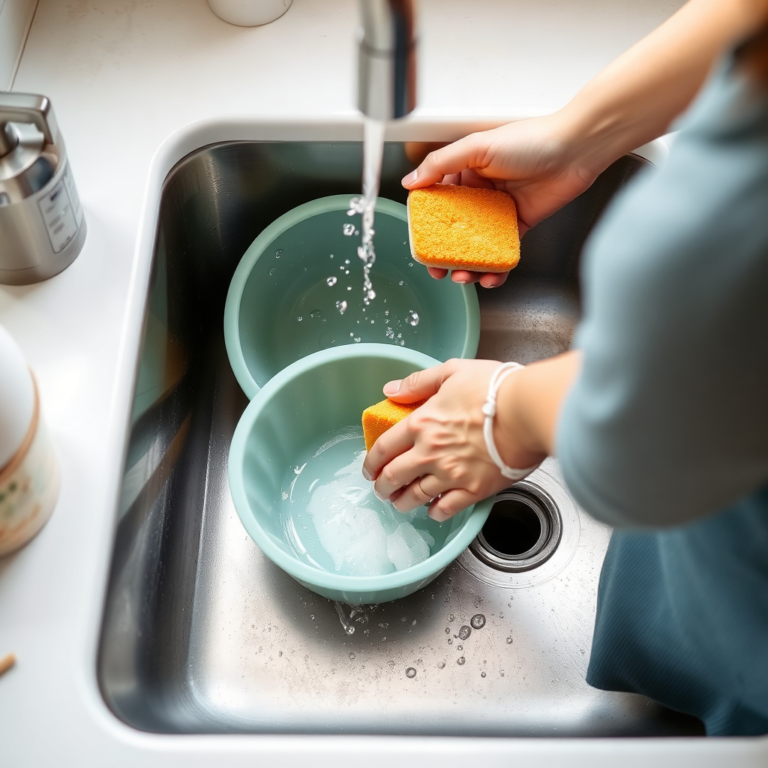
Hand washing is the safest way to clean silicone bakeware. Use warm water and a few drops of gentle dish soap with a soft cloth or sponge. This approach effectively removes grease and food particles without damaging the silicone’s flexible surface.
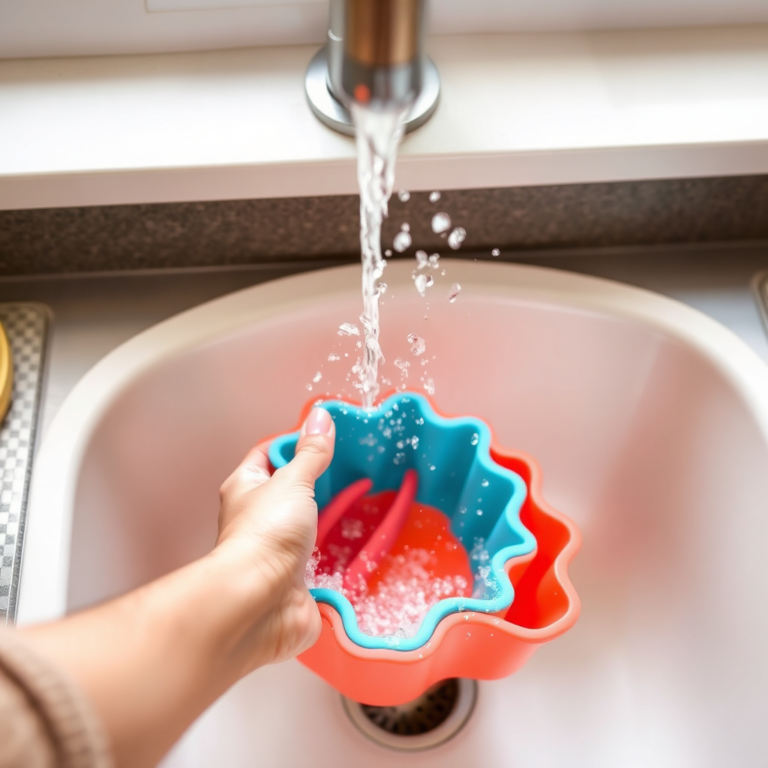
Make sure to rinse thoroughly to avoid soap residue, which can affect later baking. Dry completely with a clean towel or air dry upside down to prevent moisture buildup that might cause odors.
Using a Baking Soda Paste for Stubborn Stains
For tougher residue, create a paste of baking soda and water. Apply it to discolored or oily spots and gently scrub with a soft brush or cloth. Baking soda naturally lifts stains without harsh chemicals, making it ideal for silicone bakeware care.
Leave the paste on for 15-20 minutes before rinsing thoroughly. This method also helps neutralize odors that cling to silicone surfaces.
- Mix 3 parts baking soda with 1 part water to form a paste
- Apply to affected areas
- Let it sit for 15-20 minutes
- Rinse well under warm water
Removing Odors and Grease from Silicone Molds
Soaking in a Vinegar Solution
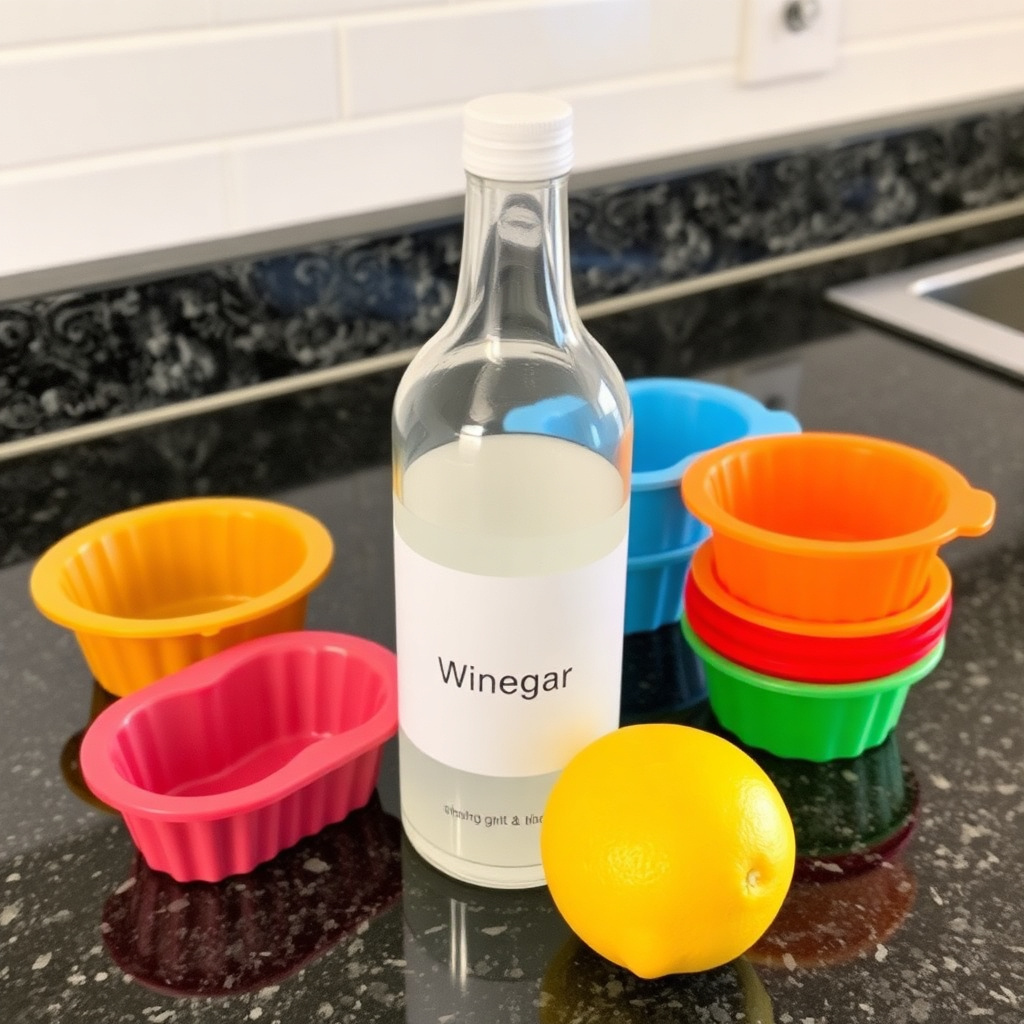
If your silicone bakeware retains odors, soak it in a solution of equal parts white vinegar and warm water for 30 minutes. Vinegar breaks down lingering smells and acts as a natural disinfectant.
After soaking, rinse thoroughly and wash as usual. Avoid prolonged soaking beyond 30 minutes to maintain silicone integrity.
Lemon Juice for Freshening Silicone Bakeware
Rubbing lemon juice directly on the silicone surface or soaking the bakeware in lemon water can brighten the material and eliminate odors. The citrus acids cut through grease and add a fresh scent.
This method complements standard cleaning and leaves no harmful residues, making it a safe choice for food-contact items.
Dishwasher Cleaning and Silicone
Safe Dishwasher Practices
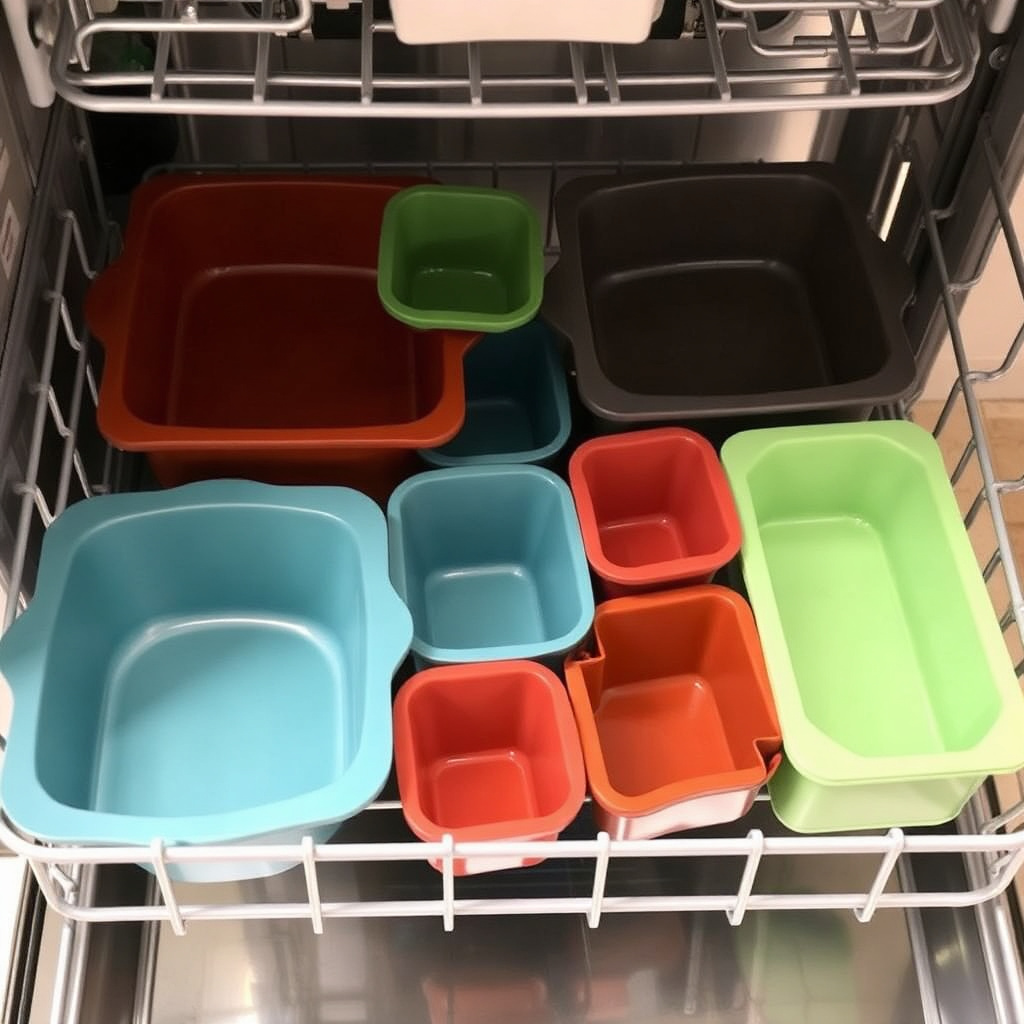
Most silicone bakeware is dishwasher-safe due to its durable, heat-resistant nature. Place molds on the top rack to avoid direct heating elements and high water pressure that could cause damage or deformation.
Use a gentle dishwasher cycle and avoid harsh detergents to maintain the flexibility and color of the silicone over time.
For more on this, see our related guide: How to Use Silicone Bakeware for Perfect Baking Results.
When to Avoid the Dishwasher
If your silicone bakeware has stubborn grease or sticky residue, pre-clean by hand before dishwasher use. Repeated exposure to baking residues without pre-washing can lead to buildup.
Also, avoid dishwasher drying cycles with high heat as they may speed wear or cause silicone to lose shape prematurely.
Preventative Care and Maintenance Tips
Proper Drying and Storage
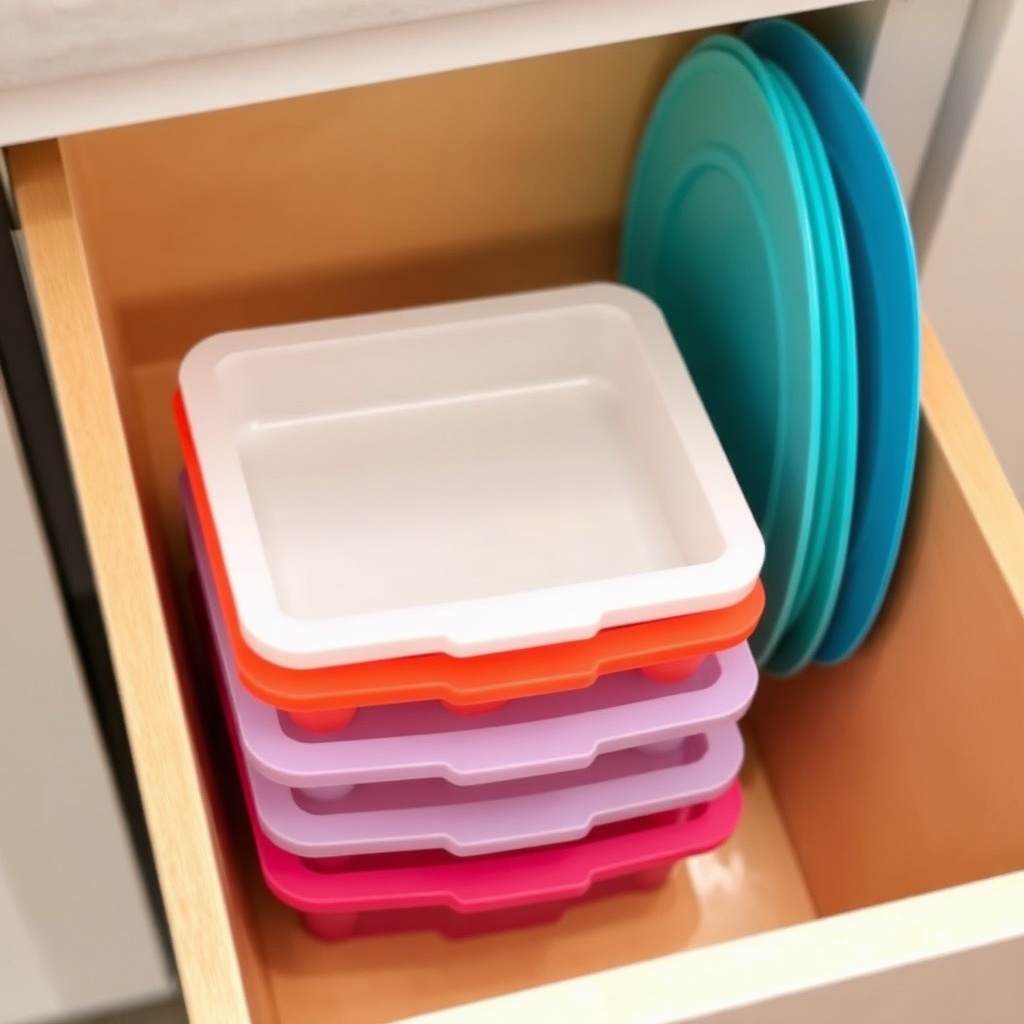
After washing, dry silicone bakeware completely to prevent mold or mildew growth within folds or creases. Air drying upside down on a rack helps water drain fully.
Store molds flat or loosely stacked to avoid bending or warping that can alter their shape and performance.
Avoiding Scratches and Cuts
Although silicone resists scratches better than other materials, avoid metal utensils when using or cleaning bakeware. Use silicone, plastic, or wooden tools to preserve surface integrity.
Scratches can lead to microscopic spaces where bacteria grow or food sticks more easily.
Common Issues and Troubleshooting
Dealing with Persistent Grease Stains
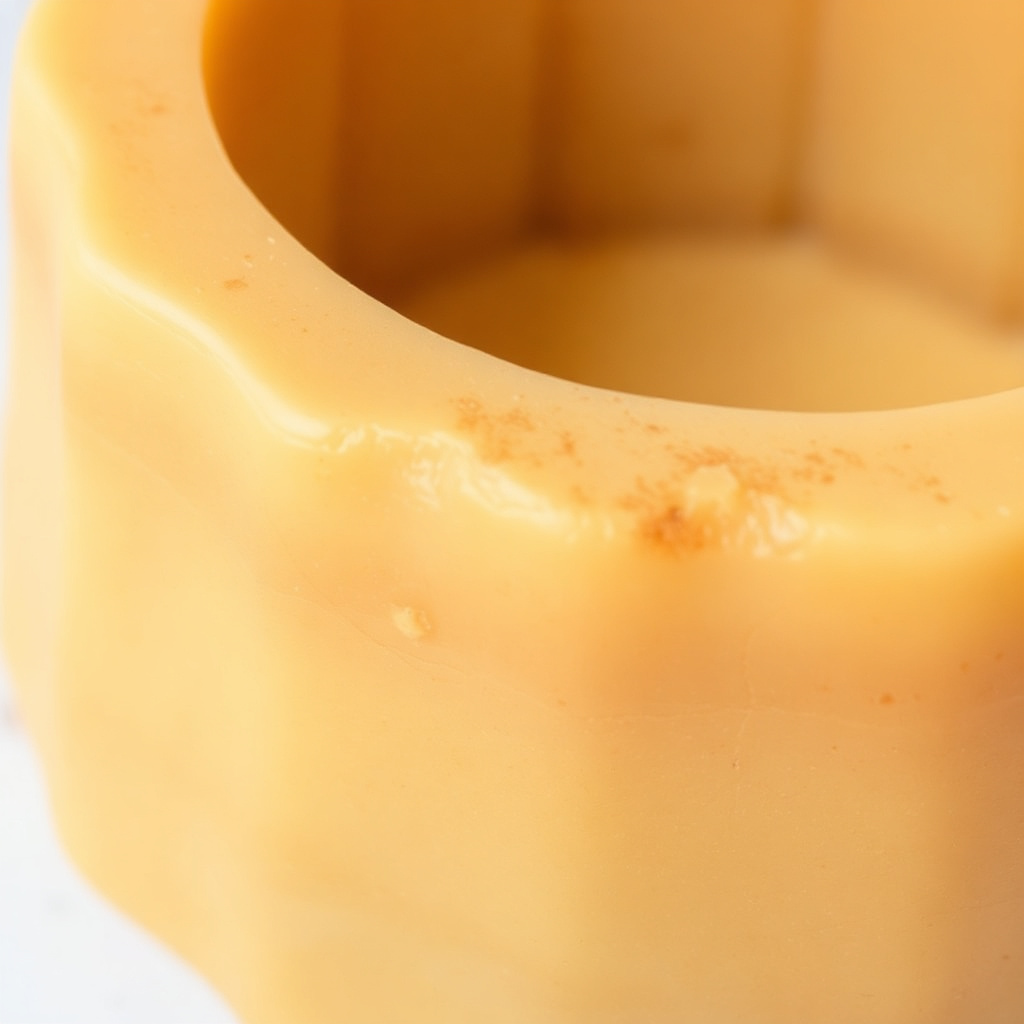
Sometimes silicone bakeware keeps oily residue after washing; reapplying the baking soda paste or scrubbing with a mixture of vinegar and warm water can help dissolve embedded grease.
For frequent issues, a soak in diluted bleach for a short period under careful handling can sanitize and lighten tough stains, but test on a small area first.
For more on this, see our related guide: How to Use Silicone Bakeware: A Complete Guide for Perfect Baking.
Handling Silicone Discoloration
Discoloration happens naturally over time with heat exposure and baking ingredients. While it does not affect functionality, scrubbing with mild abrasive pastes like baking soda can reduce appearance.
Regular cleaning and avoidance of overheating preserve the original color longer.
Cleaning Specialty Silicone Bakeware Items
Cleaning Silicone Ice Cube Trays
Silicone ice cube trays can hold residue flavor or odors from frozen contents. Wash thoroughly with soapy water after each use. Occasional vinegar soaks refresh and neutralize lingering smells.
Avoid freezing trays with trapped food particles as this can spread contamination to new batches.
For a deeper understanding of silicone materials and their properties, see this detailed silicone bakeware cleaning information. silicone bakeware cleaning information.
Cleaning Decorative Silicone Cake Molds
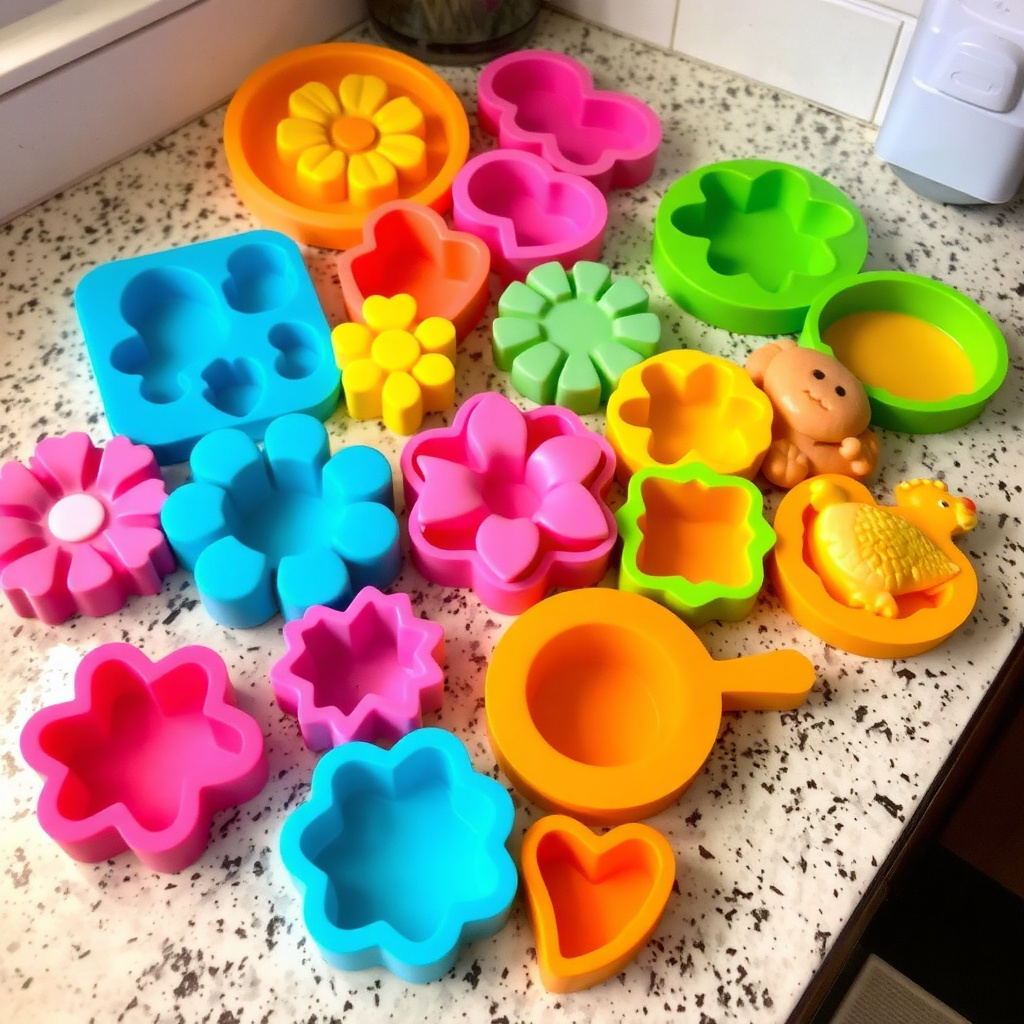
Decorative silicone molds with intricate details require gentle cleaning methods to avoid tearing. Use a soft brush to clean nooks and rinse thoroughly to remove cake crumbs or batter.
Dry carefully to prevent trapped moisture in detailed crevices which can promote mold growth.
Comparison of Silicone Bakeware Cleaning Methods
Here's a comparison of popular cleaning approaches for silicone bakeware to help you decide which fits your needs best.
| Method | Effectiveness | Ease of Use | Safety for Silicone | Odor Removal |
|---|---|---|---|---|
| Hand Wash with Soap | High | Easy | Very Safe | Moderate |
| Baking Soda Paste | High | Moderate | Very Safe | High |
| Vinegar Soak | Moderate | Easy | Safe | High |
| Dishwasher | Moderate | Very Easy | Safe if on top rack | Low |
| Lemon Juice Rinse | Moderate | Easy | Safe | Moderate |
Frequently Asked Questions
Can I use bleach to clean silicone bakeware?
While diluted bleach can sanitize silicone bakeware, it should be used sparingly and carefully as it may degrade the material over time. Always rinse thoroughly afterward and test on a small area first.
Does silicone bakeware stain permanently?
Silicone can discolor from repeated exposure to heat and certain food ingredients, but this usually does not impact performance. Regular cleaning helps reduce visible stains.
Is it safe to use abrasive scrubbers on silicone bakeware?
Avoid abrasive scrubbers or steel wool, as they can scratch and damage silicone surfaces, leading to food sticking or bacterial buildup.
How often should I clean my silicone molds?
Clean silicone bakeware after every use to prevent residue buildup and odors. Occasional deep cleaning with baking soda or vinegar soaks helps maintain freshness.
Can silicone bakeware go in the dishwasher?
Most silicone bakeware is dishwasher safe on the top rack with gentle detergents. Pre-wash heavily soiled items to avoid residue buildup.
Key Takeaways
- Hand wash silicone bakeware with mild soap and soft sponges for best results.
- Use baking soda paste or vinegar soaks to remove stubborn stains and odors.
- Dishwasher cleaning is convenient but pre-washing is necessary for grease removal.
- Avoid abrasive tools and high heat drying to preserve silicone integrity.
Conclusion
Successfully cleaning silicone bakeware requires a gentle but thorough approach that respects the material’s flexible and porous qualities. By choosing mild detergents, soft sponges, and natural cleaning agents like baking soda and vinegar, you keep silicone from degrading while removing oils and odors effectively. Regular cleaning after each use prevents residue buildup that can affect the mold’s performance and scent retention. Understanding what cleaning methods support silicone’s resilience helps maintain your bakeware’s lifespan and appearance.
If your silicone bakeware needs routine care, hand washing with dish soap is reliable and accessible. But for tougher stains or lingering smells, soaking in a vinegar solution or applying a baking soda paste provides a natural yet potent boost. Opt for dishwasher cleaning mainly when items are lightly soiled and always on the top rack to avoid warping. Specialized silicone pieces like ornate cake molds or ice trays benefit from gentle brushing and thorough drying to avoid damage and mold growth.
To keep your silicone bakeware in prime condition, start with a quick rinse after baking, then clean with mild soap and a soft sponge. For stubborn marks or odors, use natural remedies such as baking soda paste or vinegar soaking. Store your silicone molds flat in a dry place to retain their shape. These simple practical steps will ensure your silicone bakeware remains a trusted tool for baking creativity, ready for years of delicious use.