How to Use Silicone Bakeware for Perfect Cupcakes Every Time
Learn how to use silicone bakeware cupcakes for easy, mess-free baking with tips for preparation, baking, and cleaning in this detailed guide.

Using silicone bakeware for cupcakes is straightforward and offers many benefits. Silicone cupcake molds provide flexibility, non-stick surfaces, and even heat distribution, making baking cupcakes easier and cleanup faster. Simply prepare your batter, fill the silicone molds, bake at the recommended temperature, and enjoy cupcakes that pop out with little effort.
The appeal of silicone bakeware cupcakes lies in their durability and convenience compared to traditional metal or paper liners. Silicone molds don’t require greasing, and they resist sticking while maintaining shape during baking. This means less mess, no torn cupcakes, and a reusable product that lasts for years.
In this article, we will cover how to prepare silicone cupcake molds, tips for baking cupcakes evenly, tricks for removing cupcakes without damage, cleaning advice, and how to choose the best silicone cupcake molds for your baking needs.
Preparing Silicone Bakeware Cupcakes for Baking
Cleaning and Prepping the Molds
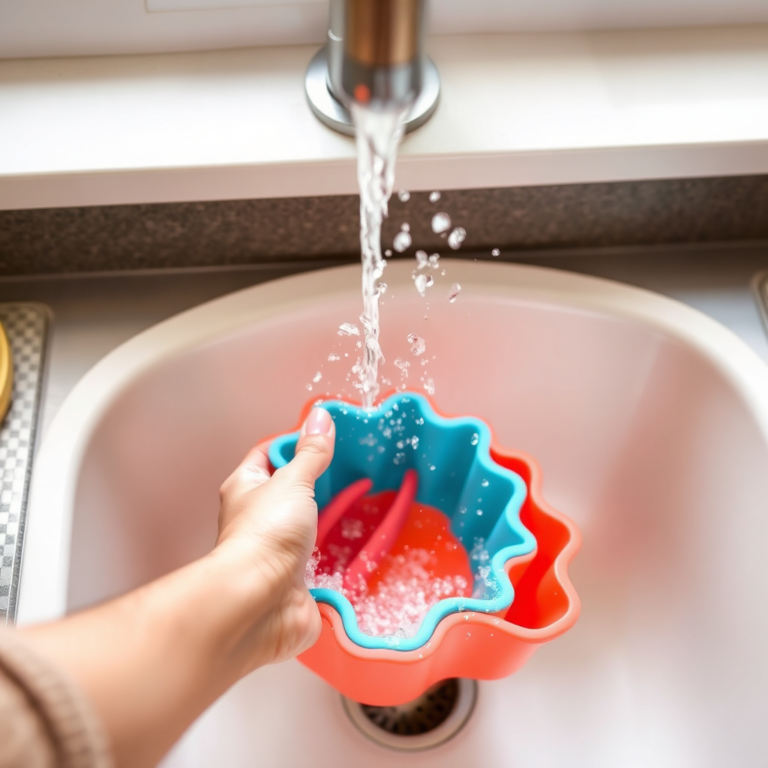
Before using silicone bakeware for cupcakes, wash the molds thoroughly with warm, soapy water to remove any residues from manufacturing. Dry completely to ensure no water interferes with batter adhesion. Unlike metal molds, silicone rarely requires greasing, but lightly brushing with oil or spraying with non-stick spray can help with first uses or particularly sticky batters.
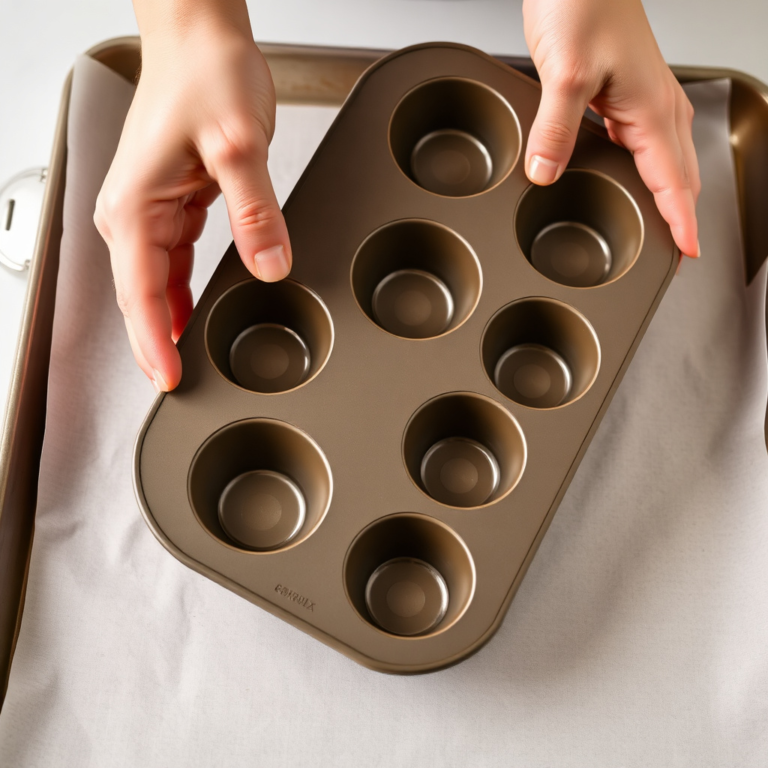
Inspect each cavity for debris or damage before use. Silicone molds are flexible, so handle gently to avoid tears or distortion. Placing the molds on a sturdy baking tray adds stability during baking and makes handling easier when transferring in and out of the oven.
- Wash molds before first use
- Dry molds completely
- Optional light oiling for sticky batters
- Place on a baking sheet for stability
Filling the Silicone Molds Properly
Fill each cupcake cavity with batter up to two-thirds full. Overfilling can cause batter to overflow and create uneven cupcakes. Avoid filling cavities less than half full to ensure proper rising. Use a spoon or piping bag for neat and consistent distribution of batter.
Because silicone is flexible, it doesn’t hold the batter’s shape like metal pans. Ensure molds sit flat on your baking sheet to prevent spilling during transfer to the oven.
- Fill molds two-thirds full
- Use a piping bag for neatness
- Keep molds on a flat surface before baking
Baking with Silicone Bakeware Cupcakes

Optimal Oven Settings and Timing
Silicone conducts heat differently from metal pans, so you might need to adjust baking times slightly. Generally, set your oven to the recipe’s recommended temperature, but check cupcakes 5-7 minutes before the end of the suggested time. If cupcakes appear undercooked, add extra minutes gradually to avoid overbaking.
Using a thermometer to test doneness protects against overbaking, which can toughen cupcake texture. Silicone molds do not brown cupcakes the same way metal pans do, so visual cues for doneness might differ. Use a toothpick inserted into the center; it should come out clean when cupcakes are ready.
- Preheat oven fully before baking
- Check cupcakes earlier than usual
- Use toothpick to test doneness
For more on this, see our related guide: How to Use Silicone Bakeware for Perfect Baking Results.
Preventing Common Baking Issues
Silicone molds sometimes cause cupcakes to bake unevenly due to flexible walls dissipating heat differently around edges. Rotating the baking tray halfway through cooking promotes even browning and rising. Avoid opening the oven frequently to prevent temperature drops affecting cupcake texture.
Place molds on a sturdy baking sheet to minimize warping and spillage. Using thicker silicone molds reduces flexibility issues and improves heat distribution.
- Rotate tray halfway for even baking
- Avoid frequent oven door opening
- Use sturdy/tray for better support
Removing Cupcakes from Silicone Bakeware

Letting Cupcakes Cool Before Removal
Allow cupcakes to cool inside the silicone molds for at least 10-15 minutes. This helps cupcakes firm up slightly and reduces the chance of tearing or crumbling when removed. Silicone’s flexibility allows gentle peeling of the mold away from baked cupcakes.
If cupcakes stick slightly, run a thin butter knife or spatula around the edges of each cavity to loosen the cakes without damaging them. Avoid forcing the cupcakes out immediately after baking as heat softens them and increases tearing risk.
- Cool cupcakes 10-15 minutes before removal
- Loosen edges with a butter knife if needed
- Peel mold gently from cupcakes
Maintaining Cupcake Shape and Texture
Silicone molds maintain cupcake shape well if handled carefully. Gently press the bottom of each cavity to pop cupcakes out intact. Avoid squeezing mold too hard, which can distort the shape or cause collapse.
If holding cupcakes for serving later, remove from molds completely rather than storing inside. Silicone can trap moisture, causing sogginess over time.
- Press bottom to pop cupcakes out
- Avoid squeezing molds hard
- Remove cupcakes from molds for storage
Cleaning and Caring for Silicone Bakeware

Proper Cleaning Techniques
Wash silicone cupcake molds after each use with warm, soapy water. Use a soft sponge or brush to remove any residual crumbs or grease. Avoid abrasive cleaning tools that can damage the silicone surface.
Dishwashers are safe for most silicone bakeware, but frequent dishwasher use can accelerate wear. Air dry molds completely before storage to prevent mold or odors.
- Use soft sponge and mild soap
- Dishwasher safe but use gently
- Dry molds thoroughly before storing
For more on this, see our related guide: How to Use Silicone Bakeware: A Complete Guide for Perfect Baking.
Extending the Life of Silicone Molds
Keep silicone bakeware away from direct contact with flames or sharp objects to prevent warping or punctures. Avoid cutting or slicing cupcakes directly in the molds to preserve their shape and integrity.
Store molds flat or inverted to avoid permanent deformation. Regular inspection for cracks or tears helps you replace worn molds before they fail during baking.
- Avoid sharp objects and flames
- Store molds flat or inverted
- Inspect molds regularly for damage
Choosing the Best Silicone Bakeware Cupcakes

Material Quality and Certification
High-quality silicone bakeware is made from food-grade, BPA-free silicone certified by regulatory agencies for safety. Lower quality silicone may release unwanted odors, discolor over time, or degrade quickly when exposed to heat.
Check product labels or manufacturer websites for certifications to ensure safe use in baking. Thicker silicone molds usually offer better durability and heat conduction.
- Look for food-grade, BPA-free certification
- Prefer thicker silicone for longevity
- Verify manufacturer safety standards
For more detailed technical background on silicone bakeware, visit the silicone bakeware information on Wikipedia. Silicone bakeware information on Wikipedia.
Styles and Sizes for Different Baking Needs
Silicone cupcake molds come in various sizes—from mini to jumbo cupcakes—and styles such as standard shapes or themed designs. Larger molds bake slower and may require slight time adjustments. Consider how often you bake and what cupcake sizes you prefer when selecting molds.
Multi-cavity silicone trays are convenient for baking many cupcakes at once, while individual molds offer flexibility for one-off batches or decorative presentation.
- Consider mold size based on recipe
- Choose multi-cavity trays for batches
- Themed molds add decorative options
Silicone Bakeware Cupcake Mold Types Comparison
This table compares common types of silicone cupcake molds to help you find the right fit for your baking style and needs.
| Type | Material Thickness | Typical Capacity | Durability | Ease of Cleaning |
|---|---|---|---|---|
| Standard multi-cavity tray | Medium (3-4mm) | 12 cupcakes | High | Easy |
| Mini silicone molds | Thin (2-3mm) | 24 mini cupcakes | Moderate | Very easy |
| Jumbo cupcake molds | Thick (4-5mm) | 6 large cupcakes | High | Moderate |
| Themed silicone molds | Medium (3-4mm) | Varies by design | Moderate | Easy |
| Individual silicone cups | Thick (4-5mm) | Single cupcake | Very high | Very easy |
Frequently Asked Questions
Do I need to grease silicone cupcake molds before baking?
Generally, silicone cupcake molds are naturally non-stick and do not need greasing. However, a light coat of oil or non-stick spray can help prevent sticking for the first few uses or when baking very sticky batters.
Can I use silicone molds in the microwave or freezer?
Yes, silicone bakeware is heat resistant and safe for microwave use as well as freezer storage, making them versatile for baking, chilling, and freezing desserts.
Why are my cupcakes not browning evenly in silicone molds?
Silicone conducts heat differently than metal, which may cause uneven browning. Rotating the mold halfway through baking and ensuring it rests on a flat tray can improve evenness.
How do I remove stubborn cupcakes without damage?
Let cupcakes cool for 10-15 minutes, then gently peel the silicone mold away or press the bottom of each cavity to pop them out. Using a thin spatula to loosen edges can help with sticking.
Are silicone molds dishwasher safe?
Most silicone bakeware is dishwasher safe. Use the top rack and mild detergents to maintain the mold’s quality and longevity.
Key Takeaways
- Silicone bakeware offers non-stick, flexible molds ideal for easy cupcake baking.
- Fill molds two-thirds full and bake on a stable tray for best results.
- Cool cupcakes before removing to prevent damage.
- Choose high-quality, food-grade silicone molds for durability and safety.
Conclusion
Selecting the right approach to using silicone bakeware cupcakes involves understanding their unique material properties—flexibility, heat conduction, and non-stick characteristics. By preparing molds correctly, filling the batter accurately, adjusting baking times, and handling cupcakes gently when removing them, you can consistently produce moist, evenly cooked cupcakes that come out clean and intact. Careful maintenance and cleaning will extend the lifespan of your molds and maintain their performance over many uses.
For regular bakers who want convenience and consistent results, standard multi-cavity silicone cupcake trays offer great versatility and ease of use. Mini silicone molds suit those who prefer bite-sized treats or frequent small batches, while jumbo silicone molds are excellent for oversized cupcakes requiring longer baking times. Themed silicone molds add an element of fun for special occasions but may require more delicate handling when cleaning and removal. Each category offers different advantages depending on baking frequency and cupcake size preferences.
If you are new to silicone bakeware cupcakes, start with medium-thickness, food-grade certified molds placed atop a sturdy baking sheet to avoid warping and spills. Follow baking tips to monitor doneness carefully, and cool cupcakes before removal to maintain shape. Investing in quality silicone molds and practicing careful usage habits will reward you with enjoyable, hassle-free baking experiences and beautifully formed cupcakes every time.