How to BBQ on a Charcoal Grill: A Step-by-Step Guide for Perfect Grilling
Learn how to BBQ on a charcoal grill with expert tips for lighting, controlling heat, and cooking delicious meals every time you fire up your grill.
Mastering how to BBQ on a charcoal grill means understanding the essentials of lighting the coals, managing heat zones, and timing your food properly. The key is to get your charcoal lit evenly and wait until it’s covered with white ash before placing your food on the grill to achieve that classic smoky flavor.
Charcoal grilling matters because it imparts distinctive smoky aromas and flavors that gas grills can’t replicate. It also allows for versatile cooking techniques like searing, slow cooking, and indirect grilling, giving you full control over how your food turns out.
This guide breaks down the process into clear steps including choosing the right charcoal, lighting methods, temperature management, understanding grilling techniques, maintenance tips, and common mistakes to avoid, so you can confidently grill tasty meals every time.
Choosing the Right Charcoal and Preparing the Grill
Types of Charcoal: Lump vs. Briquettes
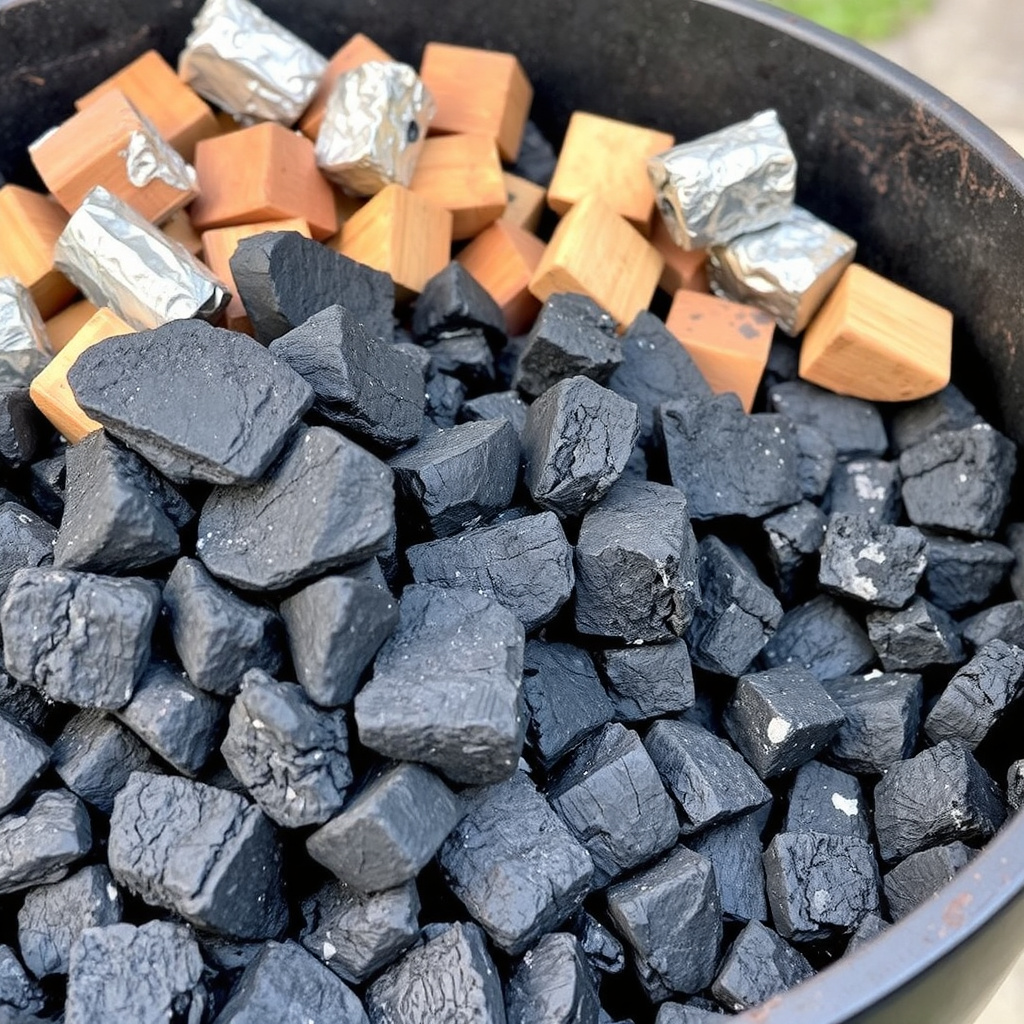
Lump charcoal is made from pure wood chunks and lights quickly with high heat, producing less ash, while briquettes are made from compressed sawdust and additives, burning longer and more steadily. Your choice affects the heat control and flavor profile during grilling.
For quick searing and intense heat, lump charcoal is preferred, but for longer cook times and consistent temperature control, briquettes are often more practical. Mixing both types can also balance out heat and duration.
- Lump charcoal: hotter, faster burning, less ash
- Briquettes: steadier, longer burn, more ash
- Mixing both for versatile heat
Preparing and Cleaning Your Charcoal Grill
Before each use, clean out any old ash and debris to allow proper airflow, which is crucial for maintaining an even fire. Wipe the grates with a wire brush to prevent sticking and residue buildup from previous cooking sessions.
Position your grill in a safe, open space away from flammable materials. Open all vents to maximize oxygen flow which will aid in lighting the coals and controlling the charcoal grill temperature.
Lighting Charcoal and Creating Heat Zones for Effective Grilling
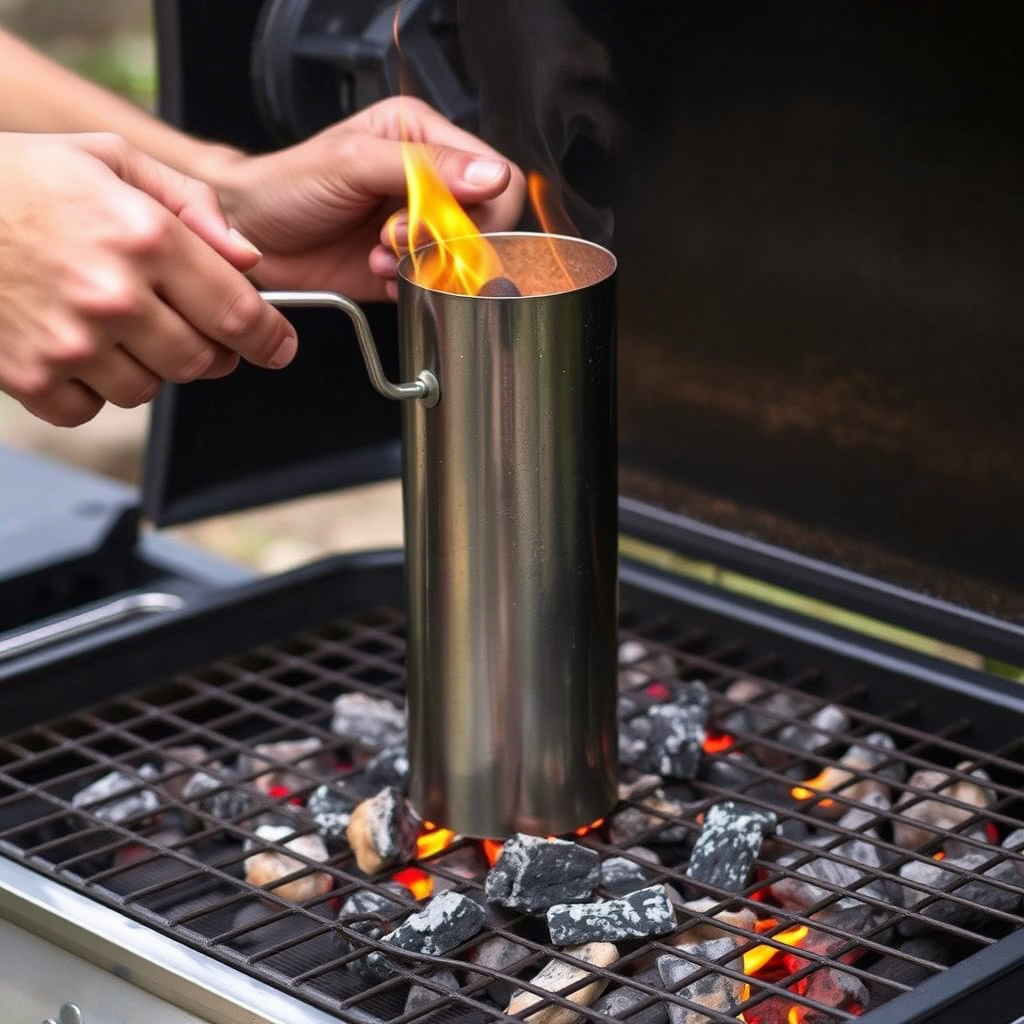
How to Light Charcoal Using a Chimney Starter
A chimney starter is the easiest and cleanest method to light charcoal. Fill the top basket with charcoal and place crumpled newspaper or a natural firelighter underneath. Light the paper, and within 15 minutes, the coals will be glowing red with gray ash covering them.
Using this method avoids chemical lighter fluids that can impart off-flavors to your food. Once ready, spread the coals out evenly or pile them for direct heat cooking.
For more on this, see our related guide: How Long to Grill Chicken Thighs for Perfect Flavor and Juiciness.
Setting Up Hot and Cool Zones for Temperature Control
Arranging the coals to create a two-zone fire involves piling coals on one side for direct high heat and leaving the other side clear or with fewer coals for indirect cooking. This setup allows you to sear food over flames and then move it to the cooler side to finish cooking without burning.
Adjusting the charcoal grill temperature control uses vents to regulate airflow, increasing heat by opening vents or lowering heat by closing them. Knowing how to manage these zones is crucial for grilling meats evenly and avoiding flare-ups.
- Direct heat zone for searing
- Indirect heat zone for slow cooking
- Vent control to regulate temperature
Mastering Grilling Techniques on a Charcoal Grill
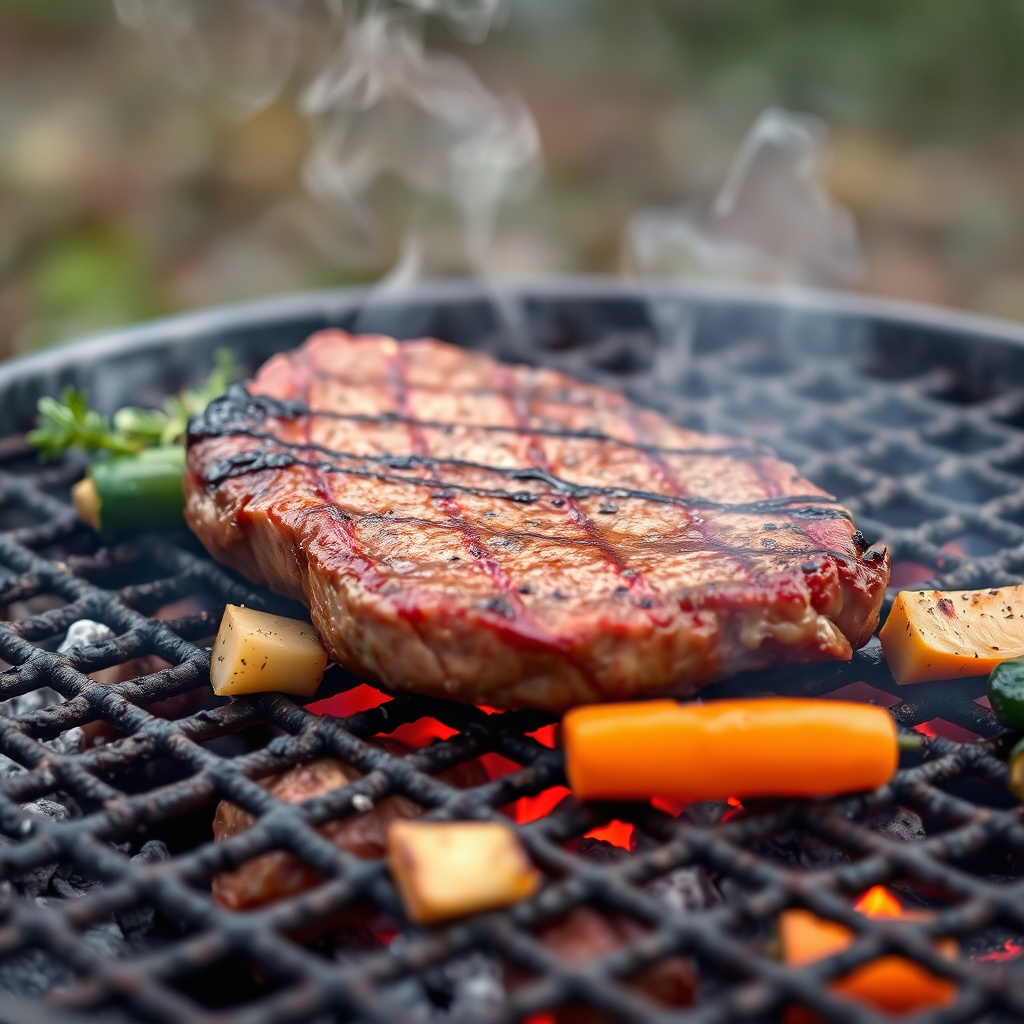
Direct Grilling: Perfect for Quick Searing
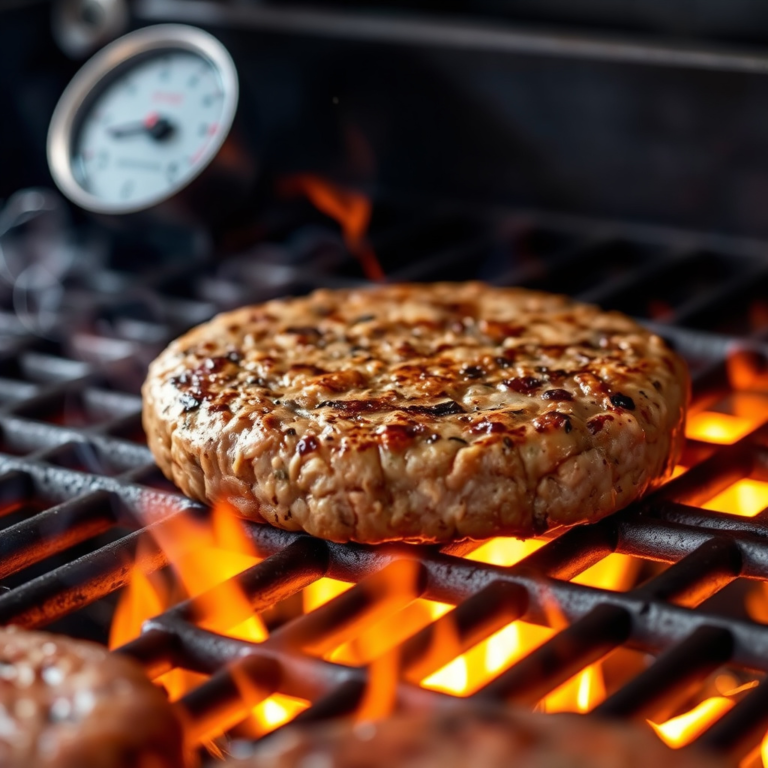
Direct grilling places food directly over the hot coals, ideal for thin cuts like burgers, steaks, and vegetables that cook quickly. The intense heat sears the surface, locking in juices and creating a flavorful crust.
Monitor cooking times carefully as food can burn depending on the charcoal grill temperature and thickness of the item. Use tongs or spatulas to flip items only once for best results.
Indirect Grilling for Larger or Delicate Cuts
Indirect grilling uses the cooler zone of the grill to cook thicker cuts or foods that require longer cooking, such as whole chickens, ribs, or roasts. The heat surrounds the food gently, preventing flare-ups and producing tender, evenly cooked results.
Covering the grill during indirect cooking creates an oven-like environment, trapping heat and smoke for more flavor development in your BBQ.
Maintenance and Safety Tips When Using a Charcoal Grill
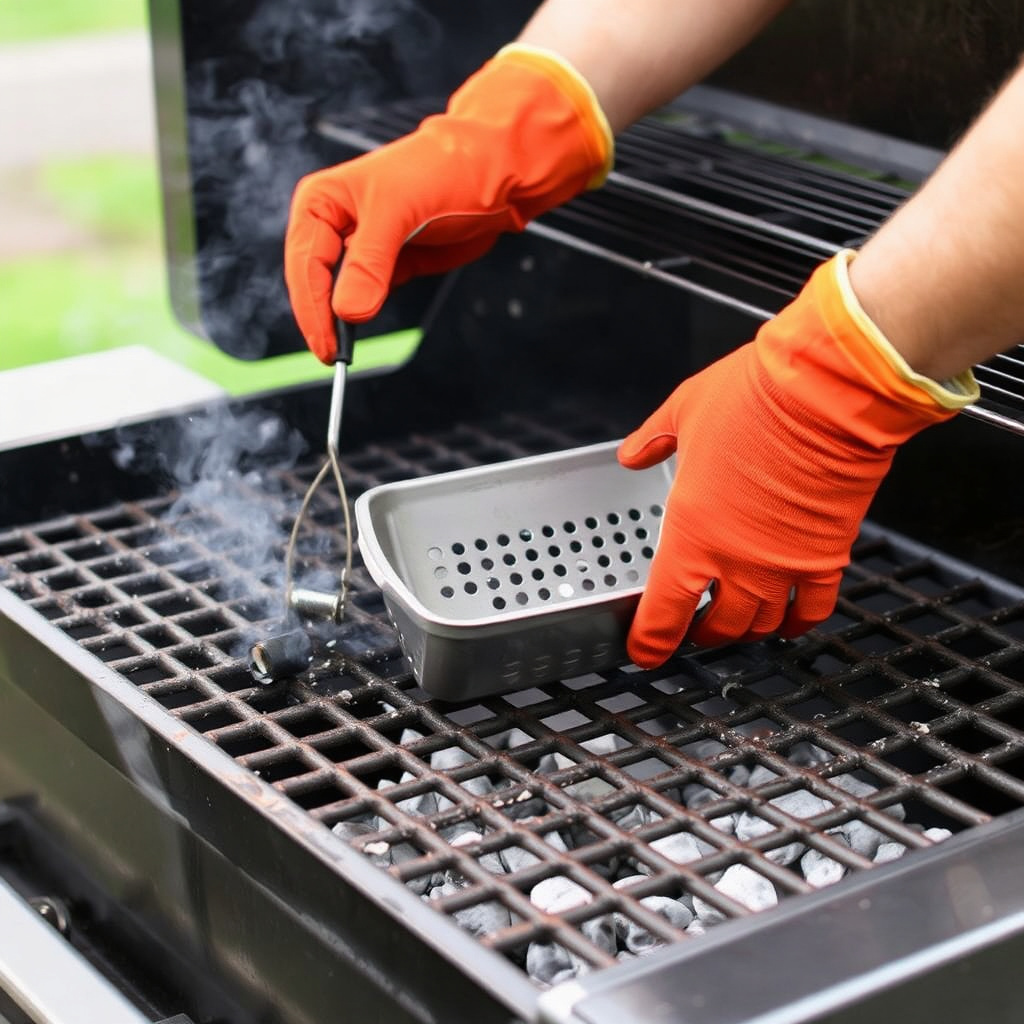
Proper Cleaning and Ash Disposal
Regular cleaning prolongs grill life and improves food flavor. After grilling, once coals are cool, remove ash from the bottom tray or ash catcher to maintain airflow. Scrub grates with a wire brush and wash with warm soapy water occasionally.
Avoid leaving ash in the grill for extended periods as it can clog vents and retain moisture, leading to rust and poor fire performance.
- Remove ashes after each use
- Clean grates to prevent sticking
- Avoid water on hot coals
Safety Practices to Prevent Accidents
Always grill in an open, well-ventilated area away from flammable items and never leave an active grill unattended. Keep a fire extinguisher or water nearby in case of flare-ups or emergencies.
Use long-handled tools and heat-resistant gloves to manipulate food and charcoal safely. Allow coals to fully extinguish and cool before disposing of them in a metal container.
Common Mistakes to Avoid for Better BBQ Results
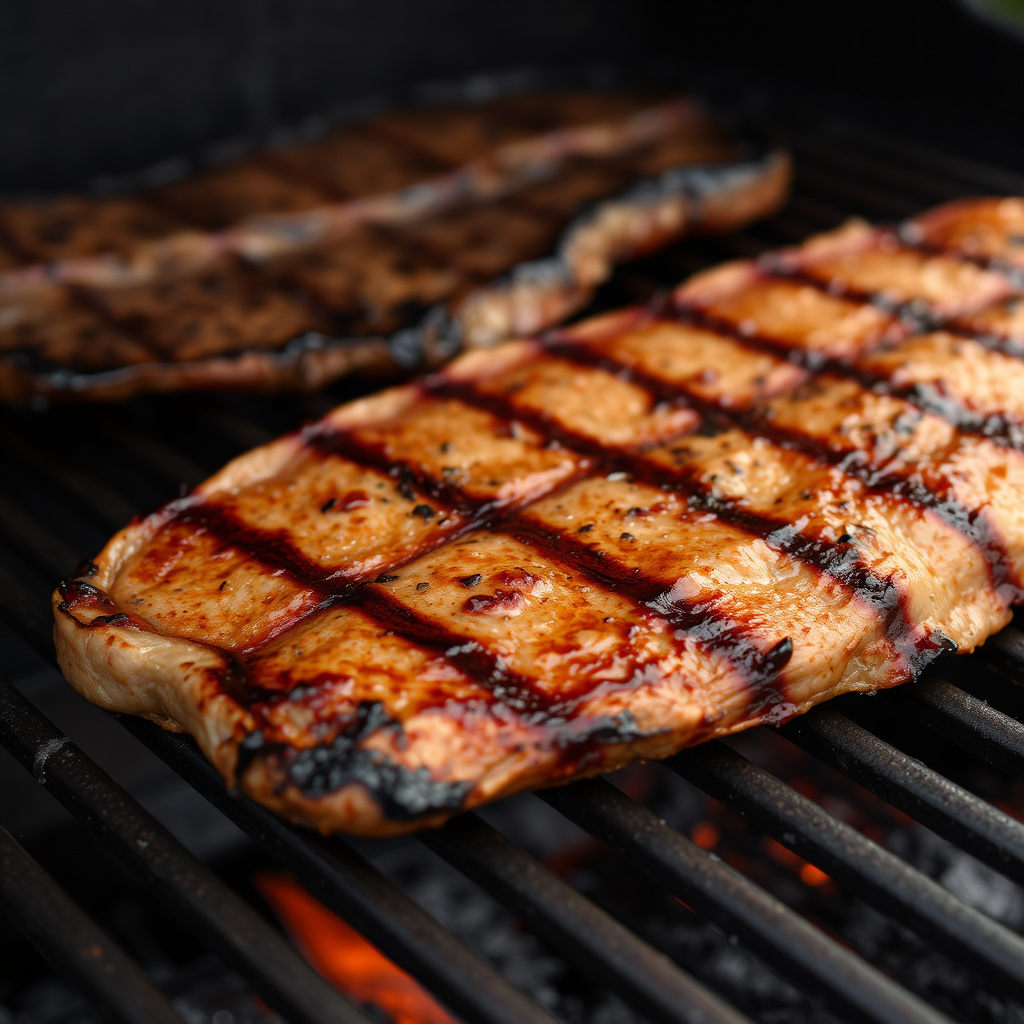
Overcrowding the Grill Surface
Placing too much food at once decreases airflow and causes uneven cooking due to heat blockage. It also increases flare-ups from fat drippings. Leave enough space between pieces to allow smoke and heat circulation.
Cook in batches if necessary to maintain consistent temperature and quality throughout your BBQ session.
For further reading on the science and history behind charcoal grilling, refer to the charcoal grilling Wikipedia article. charcoal grilling Wikipedia article.
Ignoring Temperature Control and Timing
Failing to manage charcoal grill temperature often leads to undercooked or burnt food. Use a grill thermometer or feel techniques to estimate heat, and adjust vents or move food between heat zones accordingly.
Patience is key—avoid rushing the process as consistent heat and timing produce juicier, more flavorful BBQ dishes.
Charcoal Grill Types and Their Features Compared
This table compares popular charcoal grill types to help you choose based on portability, heat control, and cooking area.
| Grill Type | Portability | Heat Control | Cooking Area | Ease of Use |
|---|---|---|---|---|
| Kettle Grill | Moderate | Good | Medium (200-300 sq in) | Easy |
| Kamado Grill | Low | Excellent | Medium to Large (250-600 sq in) | Moderate |
| Barrel Grill | Low | Fair | Large (300+ sq in) | Moderate to Hard |
| Portable Charcoal Grill | High | Limited | Small (100-150 sq in) | Very Easy |
| Rectangular Box Grill | Moderate | Good | Medium (250-350 sq in) | Moderate |
Frequently Asked Questions
How long should I wait before cooking on charcoal after lighting?
Wait until the coals are covered with gray-white ash, usually about 15-20 minutes, indicating they have reached the ideal cooking temperature.
Can I use lighter fluid safely on a charcoal grill?
While lighter fluid helps start coals quickly, using too much or cooking before it burns off can affect flavor. A chimney starter is a safer, chemical-free option.
How do I control the temperature on a charcoal grill?
Temperature is controlled by adjusting the grill’s bottom and top vents to regulate airflow and by arranging coals for direct or indirect heat zones.
Is it better to grill with all lump charcoal or briquettes?
Both have merits: lump charcoal heats hotter and faster, while briquettes burn longer and more evenly. Many grillers blend them depending on cooking needs.
What are common safety tips for charcoal grilling?
Grill outdoors on a stable surface, keep flammable objects away, never leave the grill unattended, and keep a fire extinguisher nearby.
Key Takeaways
- Use a chimney starter for clean, efficient charcoal lighting.
- Create direct and indirect heat zones to manage cooking temperature.
- Choose charcoal type based on heat and burn duration needs.
- Maintain and clean your grill regularly for best performance.
Conclusion
Learning how to BBQ on a charcoal grill involves combining knowledge of charcoal types, fueling techniques, and heat management. Each step—from preparing the grill to cooking your food—affects the final taste and texture, making understanding these elements essential for successful grilling sessions. Approaching the process methodically helps control risks and enhances flavor, allowing you to produce dishes with smoky aroma and perfect tenderness.
When selecting charcoal, lump charcoal will suit quick searing and hotter fires, while briquettes support longer, low-and-slow cooks. Using a chimney starter simplifies lighting and keeps your food free from chemical flavors. Set up your grill with hot and cool zones by arranging coals to control temperature effectively. For quick meals like steaks and burgers, direct grilling over coals works best; for larger cuts like whole chickens or ribs, indirect grilling provides even cooking without burning.
Start by cleaning your grill and arranging your coals properly, then monitor the fire with vent adjustments and a thermometer if needed. Practice patience with timing and avoid common errors like overcrowding the grill. Following these guidelines will give you confidence to prepare delicious, perfectly grilled meals. For additional technical details about charcoal grilling, check the charcoal grilling entry on Wikipedia.