How to Use a Charcoal BBQ Grill: A Step-by-Step Guide for Perfect Grilling
Learn how to use a charcoal BBQ grill effectively with these practical steps for juicy, flavorful grilled meals every time you fire it up.
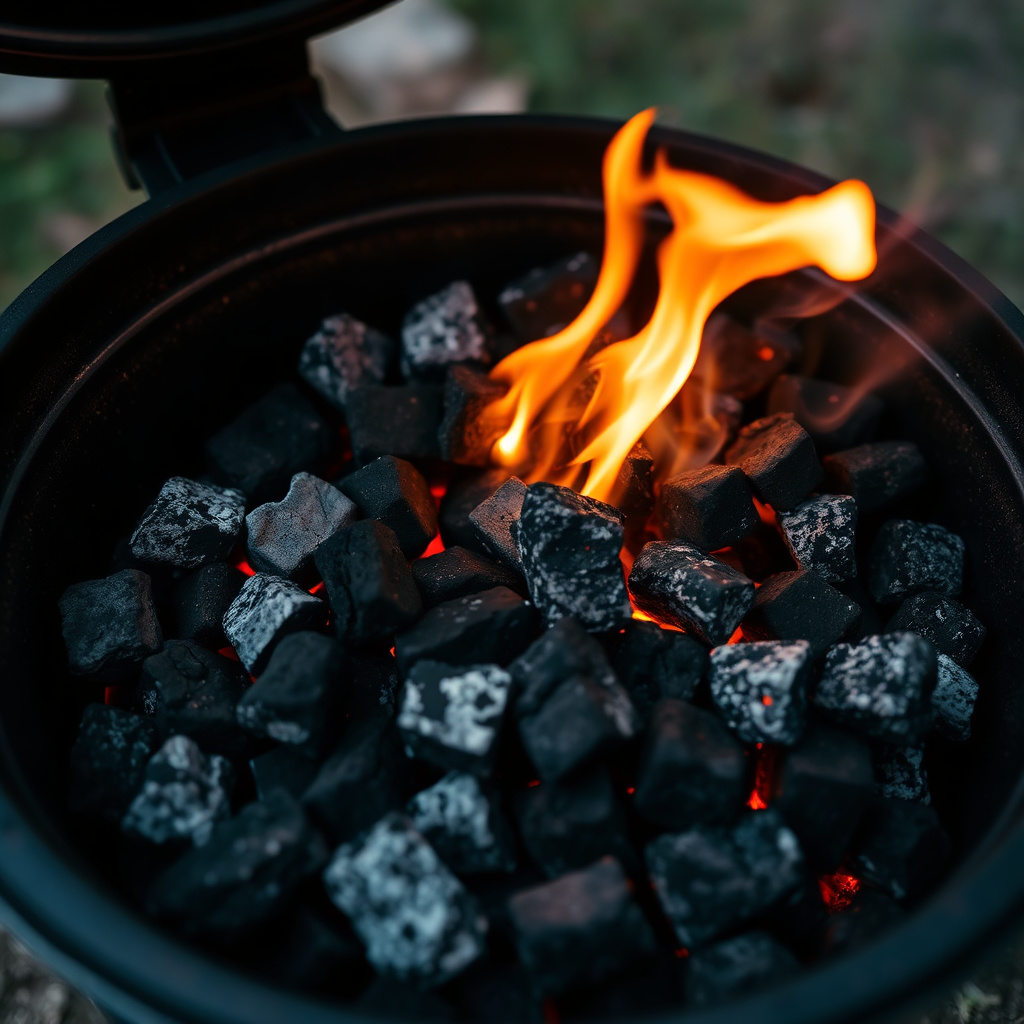
Using a charcoal BBQ grill starts with lighting the charcoal correctly, arranging the coals for even heat, and knowing when the grill is ready for cooking—typically when the coals are covered with white ash. These core steps ensure your food cooks evenly and develops that signature smoky flavor.
Charcoal grilling offers unmatched taste, lending a smoky aroma that gas grills cannot replicate. However, mastering the technique requires understanding charcoal types, airflow control, and temperature zones, which affect cooking results. This knowledge makes your outdoor grilling experience more rewarding and delicious.
This article will guide you through how to prepare your charcoal grill, manage heat zones, cook different foods with confidence, clean your grill properly, and even troubleshoot common charcoal grilling issues for the best results.
Preparing Your Charcoal BBQ Grill
Choosing the Right Charcoal
The most common charcoal options include briquettes and lump charcoal. Briquettes burn evenly and last longer, making them ideal for slow cooking, while lump charcoal ignites faster and burns hotter, preferred for searing and quick grilling.
Selecting quality charcoal impacts flavor and burn time. Hardwood lump charcoal often imparts a cleaner, smokier taste without chemical additives found in some briquettes. Your choice affects how long and hot your grill will stay lit during your cookout.
- Briquettes: consistent heat, longer burn time
- Lump charcoal: hotter, faster ignition
- Avoid charcoal with additives for purer flavor
Lighting the Charcoal Safely
Use a chimney starter to light your charcoal efficiently without lighter fluid, which can affect flavor. Simply fill the chimney with charcoal, place crumpled newspaper underneath, and ignite. Coals will glow and ash over in about 15-20 minutes.
If you don’t have a chimney starter, arrange charcoal in a pyramid shape and carefully apply lighter fluid. Allow fluid to soak for a minute before lighting, and never add more fluid to burning coals to avoid flare-ups.
- Use a chimney starter for chemical-free lighting
- If using lighter fluid, apply it before lighting
- Never add lighter fluid to hot coals
Establishing Heat Zones on Your Charcoal Grill
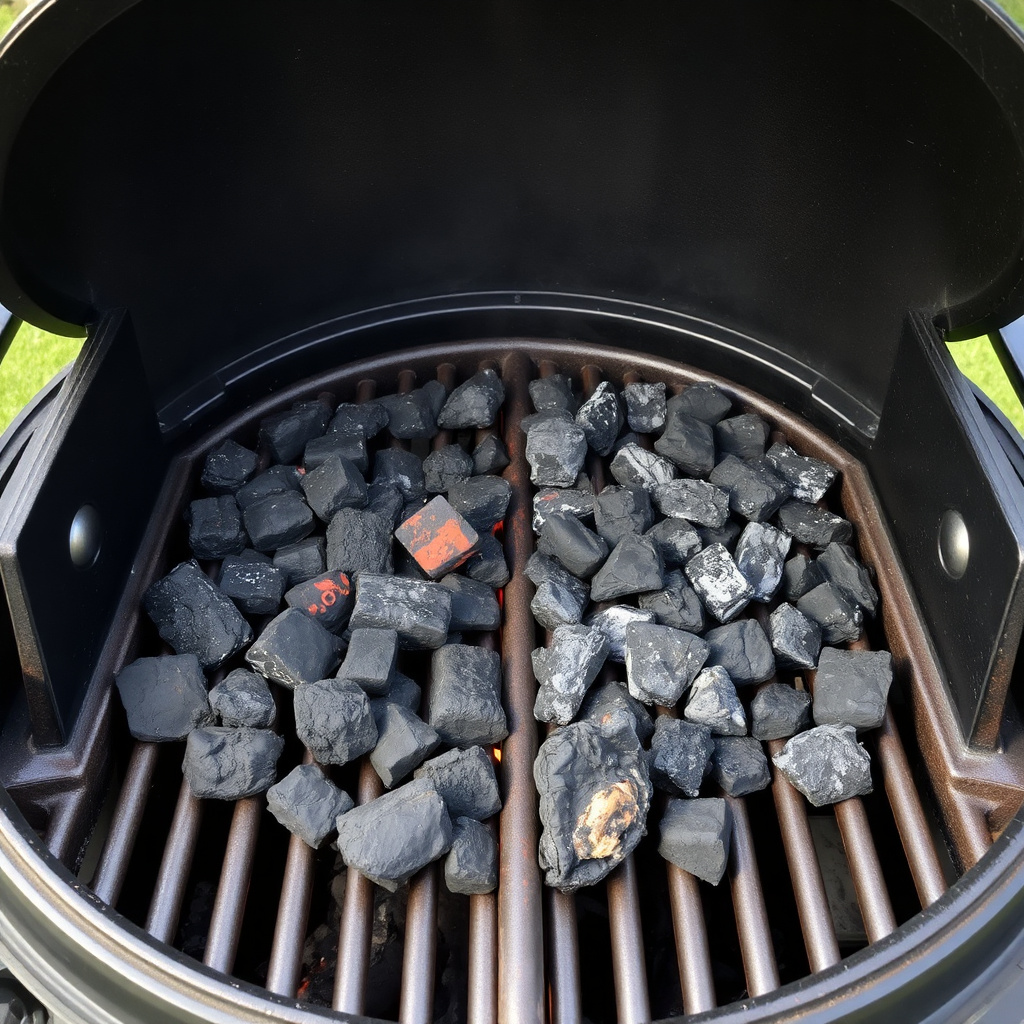
Direct Heat Zone Setup
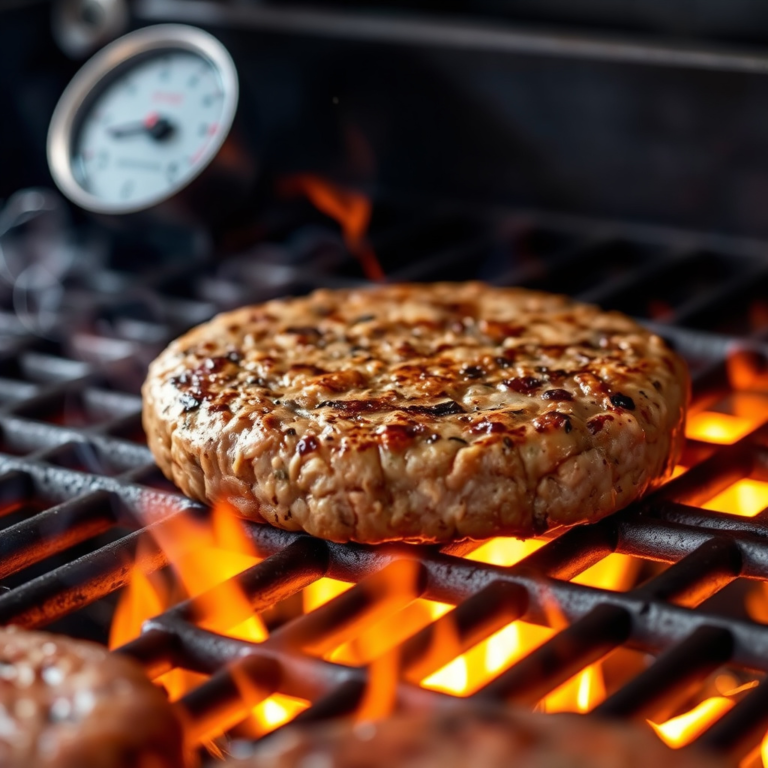
For foods requiring high heat and quick cooking, pile coals evenly across one side of the grill. This area reaches temperatures up to 700°F, perfect for searing steaks or burgers, giving foods a caramelized crust.
Direct cooking is suitable for small, thin cuts of meat, vegetables, or anything needing fast, intense heat. Monitor closely to prevent burning, turning foods often.
- Use dense charcoal pile for maximum heat
- Ideal for searing and fast grilling
- Keep food close but watch for flare-ups
For more on this, see our related guide: How Long to Grill Chicken Thighs for Perfect Flavor and Juiciness.
Indirect Heat Zone Setup
Create a cooler side by pushing or arranging coals to one side, leaving the other free of embers. This indirect zone typically runs around 250-350°F and is excellent for cooking larger or tougher cuts slowly, avoiding flare-ups.
Indirect grilling works well for whole chickens, roasts, and ribs, allowing longer cook times without burning or drying out the meat.
- Place food away from direct flame
- Use lid to trap heat and cook evenly
- Good for slow roasting and smoking
Grilling Techniques and Tips
Managing Temperature and Airflow
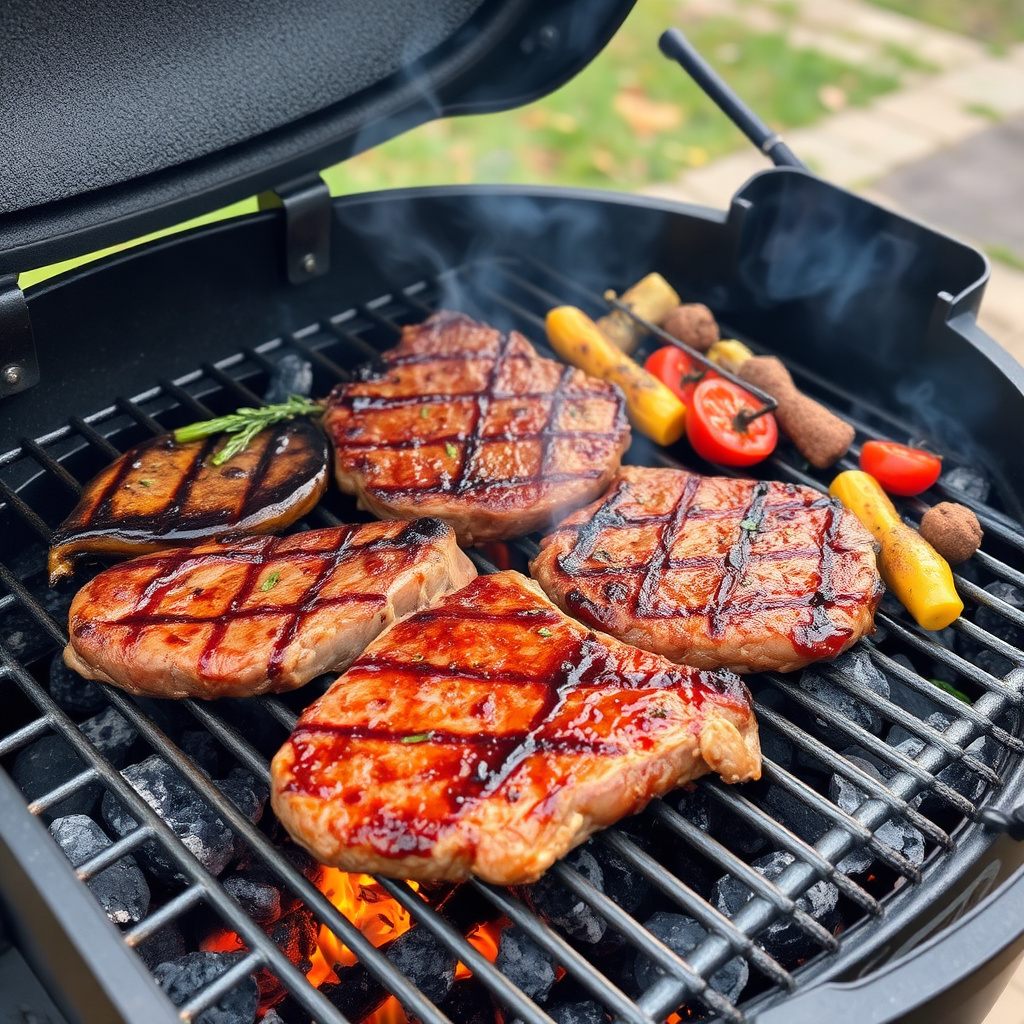
Control your grill temperature by adjusting vents at the bottom and top of the grill. Opening vents increases oxygen, raising temperatures, while closing them lowers heat and helps preserve charcoal.
Maintaining steady airflow helps balance heat zones. Check vents periodically and learn your grill’s quirks to maintain consistent cooking temperatures.
- Open vents fully for high heat
- Partially close vents to reduce flames
- Avoid closing vents completely during cooking
Cooking Different Foods on a Charcoal Grill
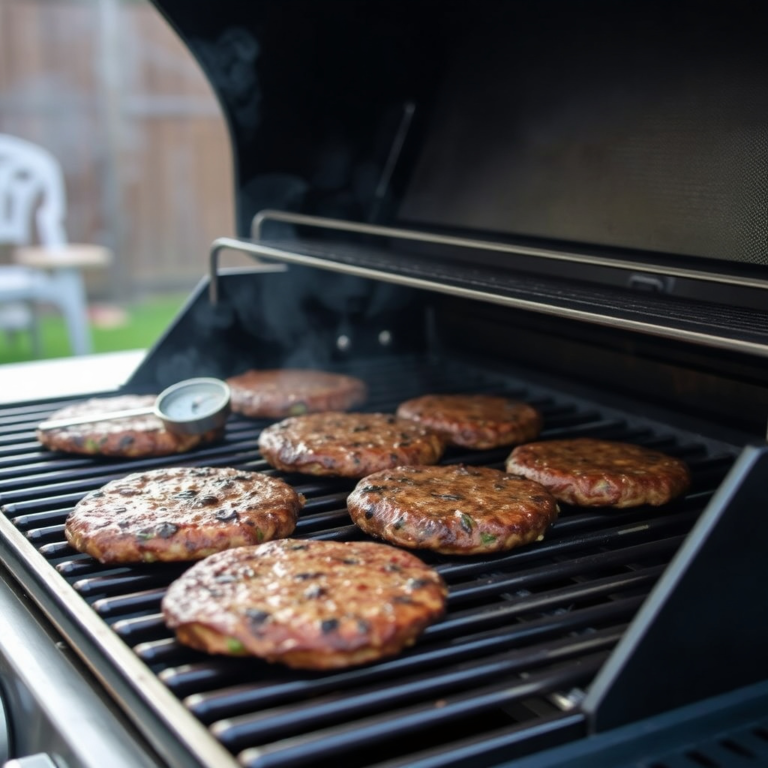
Thin cuts like hamburgers, hot dogs, and shrimp cook quickly over direct heat. Use indirect heat for large cuts like brisket or whole vegetables to cook them thoroughly without burning the exterior.
Rotate and flip foods regularly to avoid charring. Use a meat thermometer for accuracy, targeting safe internal temperatures appropriate to each type of food.
- Direct heat for speedy cooking
- Indirect heat for slow, even cooking
- Use meat thermometer for perfect doneness
Cleaning and Maintaining Your Charcoal Grill

Post-Cook Cleanup Routine
After each grilling session, brush grill grates with a wire brush while the grill is still warm to remove stuck-on food particles easily. Dispose of ashes safely once the grill fully cools to prevent fire risks.
Regularly empty ash catches and clean the bowl to maintain proper airflow. This keeps your charcoal grill performing well season after season.
- Brush grates warm after cooking
- Cool ashes before disposal
- Empty ash catcher regularly
Long-Term Charcoal Grill Care
Inspect your grill for rust or damage periodically. Applying a light coat of cooking oil to grates can prevent rust. Store your grill covered or indoors during winter to protect it from weather.
Replace worn parts like grates or vents as needed to prolong your grill’s lifespan and ensure safe operation.
- Apply oil to prevent rust
- Store protected from weather
- Replace damaged parts promptly
Troubleshooting Common Charcoal Grill Problems
Fixing Difficulty Lighting Charcoal
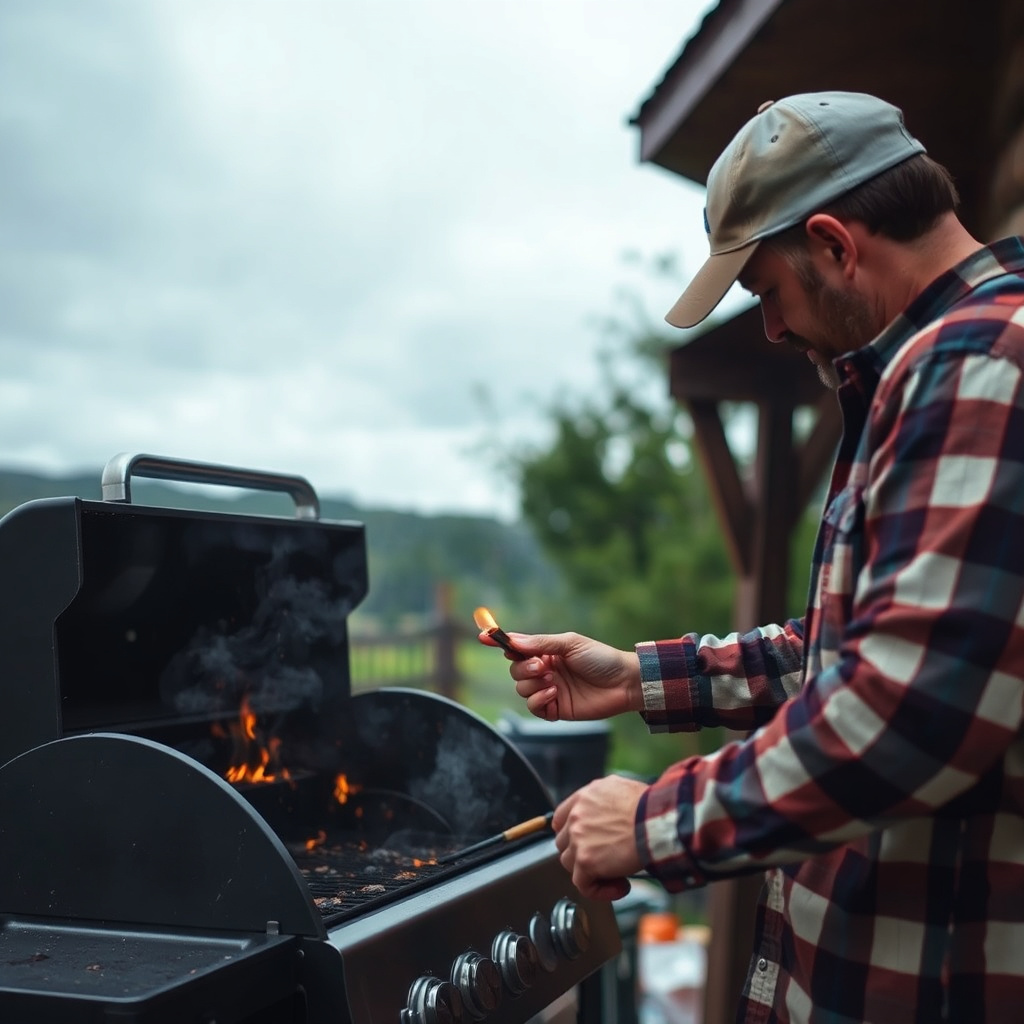
If your charcoal won’t light or stays unlit, check for damp charcoal, which resists ignition. Store charcoal in a dry place and consider using a chimney starter to concentrate heat during lighting.
Windy conditions can also disrupt lighting; shield the starter or grill to help the fire take hold initially.
- Use dry charcoal stored properly
- Use chimney starter for easier lighting
- Shield grill from wind when lighting
To dive deeper into charcoal grilling basics, the Wikipedia article on barbecue provides useful historical and technical insights. charcoal grilling basics.
Managing Inconsistent Heat
Uneven heat can be caused by poor coal distribution or blocked vents. Rearrange charcoal to spread heat evenly and clear air vents to improve airflow. Cleaning ash buildup can also improve temperature consistency.
Check grill lid and seals for leaks, as they can affect temperature retention.
- Arrange coals evenly for consistent heat
- Keep air vents clear
- Clean ash regularly
Charcoal BBQ Grill Types Comparison
Explore the differences between common charcoal grill styles to find the best fit for your grilling needs and preferences.
| Grill Type | Portability | Heat Control | Ideal Use | Price Range |
|---|---|---|---|---|
| Kettle Grill | Medium | Good | Everyday home grilling | $50-$150 |
| Kamado Grill | Low | Excellent | Long cook and smoking | $300-$2,000 |
| Portable Charcoal Grill | High | Moderate | Camping and tailgating | $30-$100 |
| Barrel Grill | Low | Moderate | Large gatherings, smoking | $150-$400 |
Frequently Asked Questions
How long does charcoal take to get ready for cooking?
Charcoal typically takes about 15 to 20 minutes to heat up and become ready when coals are covered with white-gray ash, signaling the right temperature for cooking.
Can I use lighter fluid safely on a charcoal grill?
Yes, but only apply lighter fluid before ignition and never add it to already burning or hot coals to avoid dangerous flare-ups.
How do I control the temperature on a charcoal grill?
Adjust temperature by managing the air vents—opening them raises heat by allowing more oxygen, while closing them reduces airflow and lowers the temperature.
What foods are best cooked with indirect heat on a charcoal grill?
Large or tough cuts like whole chickens, ribs, and roasts benefit from indirect heat as it cooks them evenly and prevents burning the exterior.
How should I dispose of charcoal ashes safely?
Allow ashes to cool completely, usually overnight, then dispose of them in a metal container or compost if suitable. Never dump hot ashes in combustible or plastic bins.
Key Takeaways
- Light charcoal using a chimney starter for best results without chemicals.
- Set up direct and indirect heat zones to match different cooking styles.
- Control grill temperature by adjusting air vents for steady heat.
- Clean grill grates warm and safely dispose of ashes after cooking.
Conclusion
Deciding how to use a charcoal BBQ grill well involves understanding the basics of charcoal selection, lighting methods, and managing heat zones. Familiarity with airflow control and temperature monitoring is essential to cook a variety of foods to perfection. This knowledge gives you confidence to create flavorful meals with the distinct smokiness only charcoal grilling offers.
For quick cooks like burgers or vegetables, using direct heat with well-lit lump charcoal results in juicy, seared foods. For larger roasts or slow-cooked ribs, indirect heat zones built with briquettes provide steady warmth that tenderizes meat gently. Regular cleaning and maintenance contribute to consistent performance season after season.
Start by acquiring quality charcoal and a chimney starter to simplify ignition. Experiment with heat zones and airflow adjustments on your grill, noting your equipment’s unique behavior. Over time, these techniques will become second nature, resulting in enjoyable and successful outdoor cooking experiences.