How to Organize Food Storage Containers for a Clutter-Free Kitchen
Discover practical tips on how to organize food storage containers efficiently to maximize space and keep your kitchen tidy and accessible.

Organizing food storage containers can be straightforward by grouping them based on size and function, nesting containers inside their matching lids, and designating a specific cabinet or drawer just for them. Keeping lids upright or in a separate container helps prevent mismatches and clutter.
A well-organized container system saves time when cooking, reduces frustration searching for lids or containers, and protects your kitchen from mess and wasted space. This matters because food containers come in various shapes and sizes, and without a method, they often become a jumbled pile that’s hard to manage.
This article will explore key strategies such as sorting and stacking, lid storage solutions, drawer vs cabinet approaches, container material considerations, and maintenance tips. By the end, you’ll have clear methods to keep your food storage containers orderly and easy to access.
Sorting and Grouping Containers Effectively
Categorize by Size and Shape
Grouping containers by size allows for easier stacking and maximizes vertical space in your storage area. Keep large containers separate from small ones, and group round containers apart from rectangular or square ones to avoid wasted space.
Sorting by shape and size makes it easier to find what you need quickly and reduces the likelihood of containers nesting improperly, which often leads to toppled stacks.
- Small, medium, and large size categories
- Separate round and rectangular shapes
- Stack smaller containers inside larger ones
Nest Containers with Matching Lids
Always nest containers inside their exact matching lid to avoid searching for mismatched sets later. This method keeps containers compact and prevents multiple single lids or containers from cluttering your space.
If you separate lids from containers, use a dedicated bin or organizer to keep lids upright and sorted by size, so they don’t become a disorganized mess.
- Use bins to hold lids upright
- Match containers and lids before storing
- Avoid mixing brands or styles in the same pile
Innovative Lid Storage Techniques
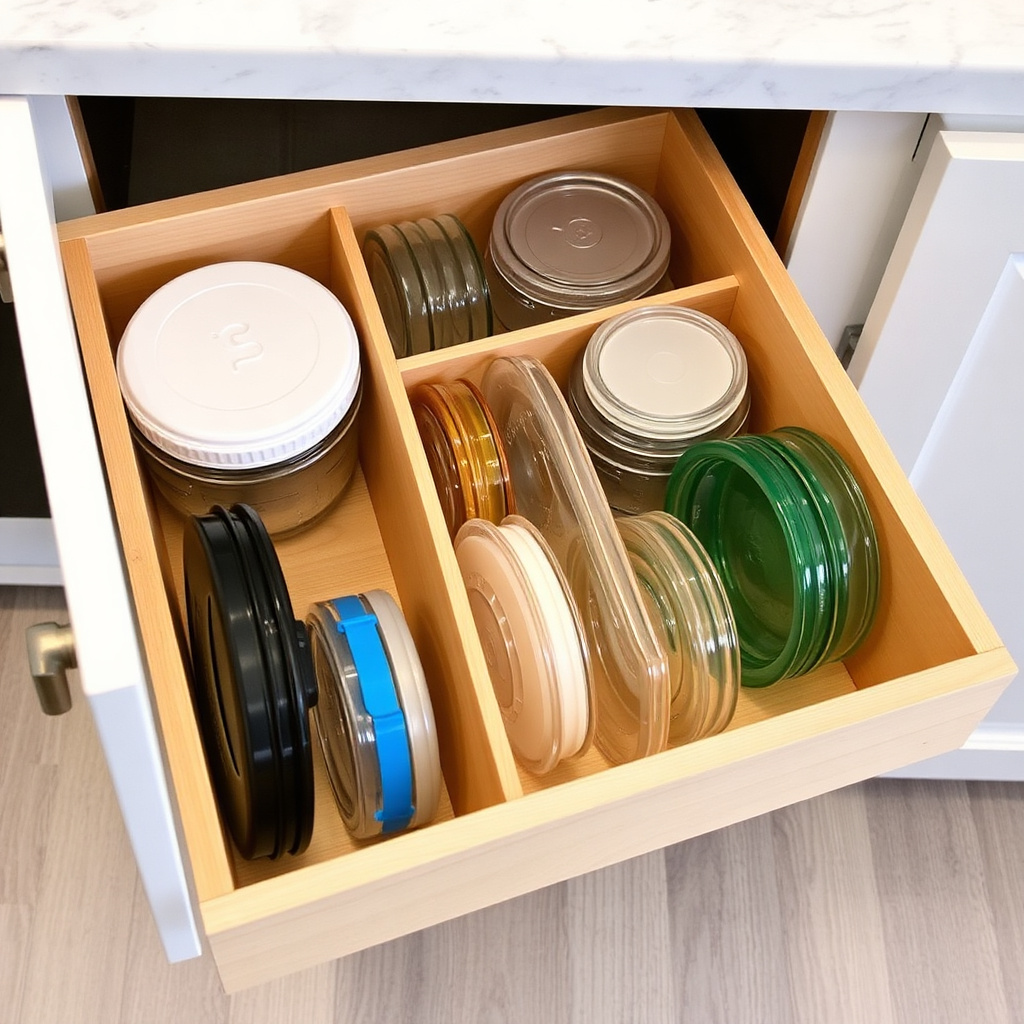
Use Vertical Dividers or Lid Organizers
Vertical dividers installed in drawers or cabinets allow lids to be stored upright, making them faster to find and reducing clutter. Some organizers come with adjustable slots to accommodate different lid sizes.
This method can be applied using inexpensive plastic or wire racks, which improve visibility and access especially for frequently used lids.
- Adjust dividers for various lid widths
- Keep lids sorted by shape
- Label sections for faster retrieval
Repurpose Household Items for Lid Storage
Using household items like magazine holders, tension rods, or small baskets can help store lids creatively without purchasing specialized organizers. Magazine holders in cabinets can keep lids upright while tension rods can separate lids vertically in drawers.
This approach is budget-friendly and customizable according to your kitchen’s layout.
- Magazine holders for vertical storage
- Tension rods to separate lids by size
- Small baskets for quick lid access
Choosing the Right Storage Location
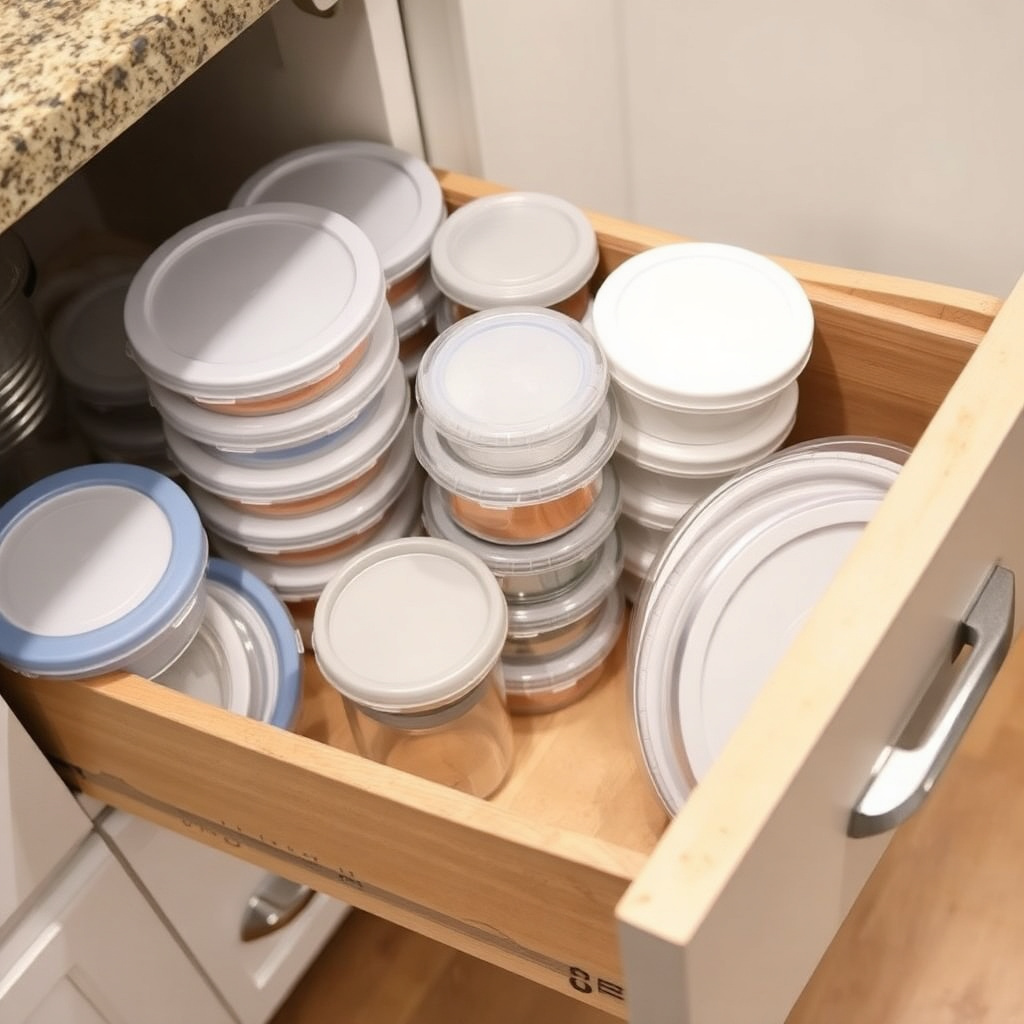
Drawer Storage for Accessibility
Dedicated drawers work well for accessing containers frequently used for meal prep or packing lunches. Drawers allow containers to lay flat and lids to be stored upright at the sides, making everything visible at a glance.
This option supports easy cleanup since everything is contained in one accessible spot without stacking too high.
- Use drawer dividers for lid organization
- Stack containers by size horizontally
- Keep frequently used sets closest to the front
Cabinet Storage for Bulk and Size Flexibility
Large cabinets offer vertical space that can be optimized with shelf risers or pull-out trays to hold nested containers. Storing less frequently used containers here keeps your kitchen clutter-free.
Separate containers from lids using bins or racks to maintain order.
- Use shelf risers to maximize vertical space
- Pull-out trays for deep cabinets
- Separate lids and containers into bins
Material and Shape Considerations in Container Organization
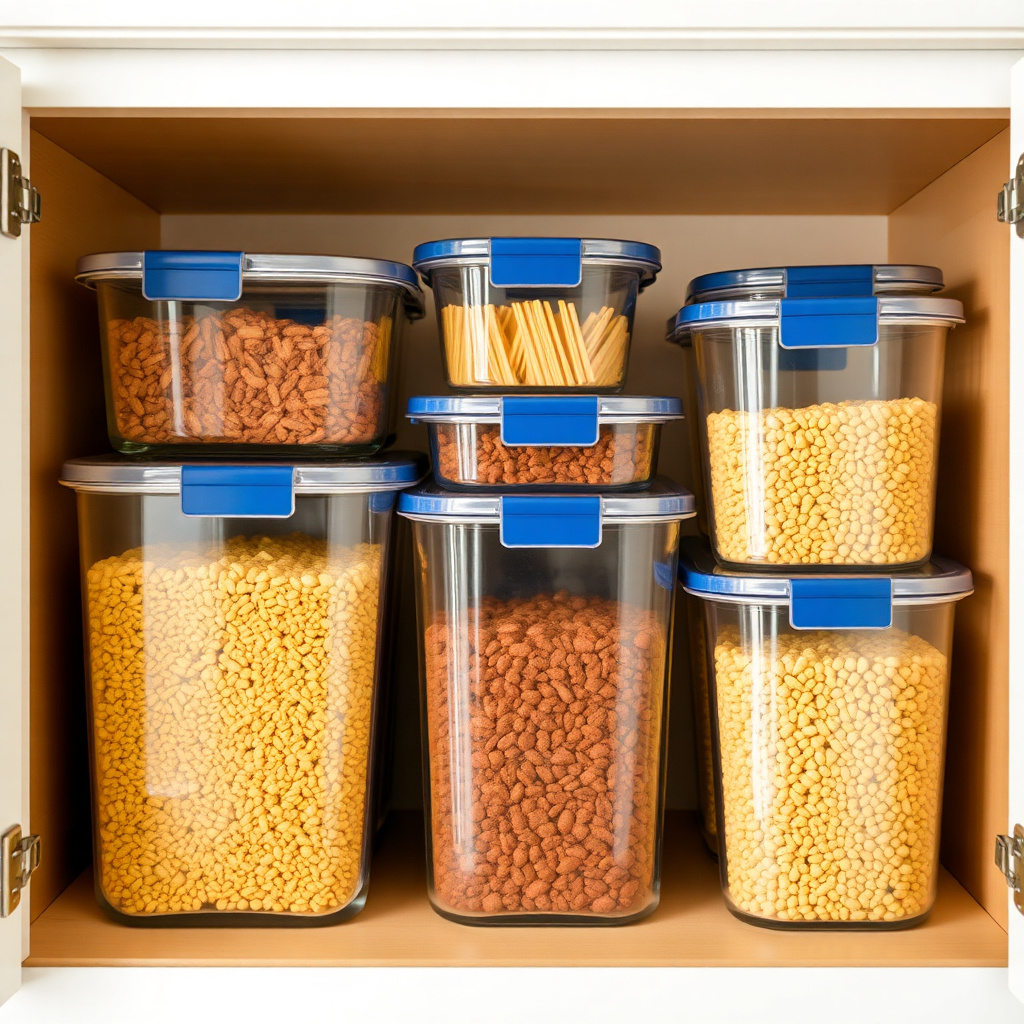
Plastic vs Glass Containers
Plastic containers are lightweight and stackable but may stain or warp over time. Glass containers are heavier but maintain shape and often come with secure locking lids, making them ideal for long-term storage and heating.
Organizing by material helps prevent damage and keeps like items together, reducing wear and tear.
- Separate plastic and glass containers
- Store glass on lower shelves for safety
- Prioritize stacking plastic for space savings
Accounting for Unique Shapes and Sets
Some container sets have odd shapes like oval or divided compartments, which do not stack as neatly. Designate specific spaces or bins where these can be laid flat or stood upright to prevent damage or clutter.
When managing assorted sets, group by brand or style to keep consistent shapes together, preventing mismatch frustration.
- Keep oddly shaped containers separate
- Create zones for different brands or styles
- Store divided containers flat or upright
Maintaining Organization Over Time
Regularly Declutter Containers and Lids
Every few months, weed out damaged or mismatched containers and lids that no longer seal properly. Removing unusable items prevents buildup and keeps your storage efficient.
This habit helps avoid excess clutter and maintains a functional system over time.
- Check for cracks or warped lids
- Recycle unusable containers
- Donate duplicates or surplus
For an overview of different types of food storage containers and their history, see this detailed resource on food storage containers. food storage containers.
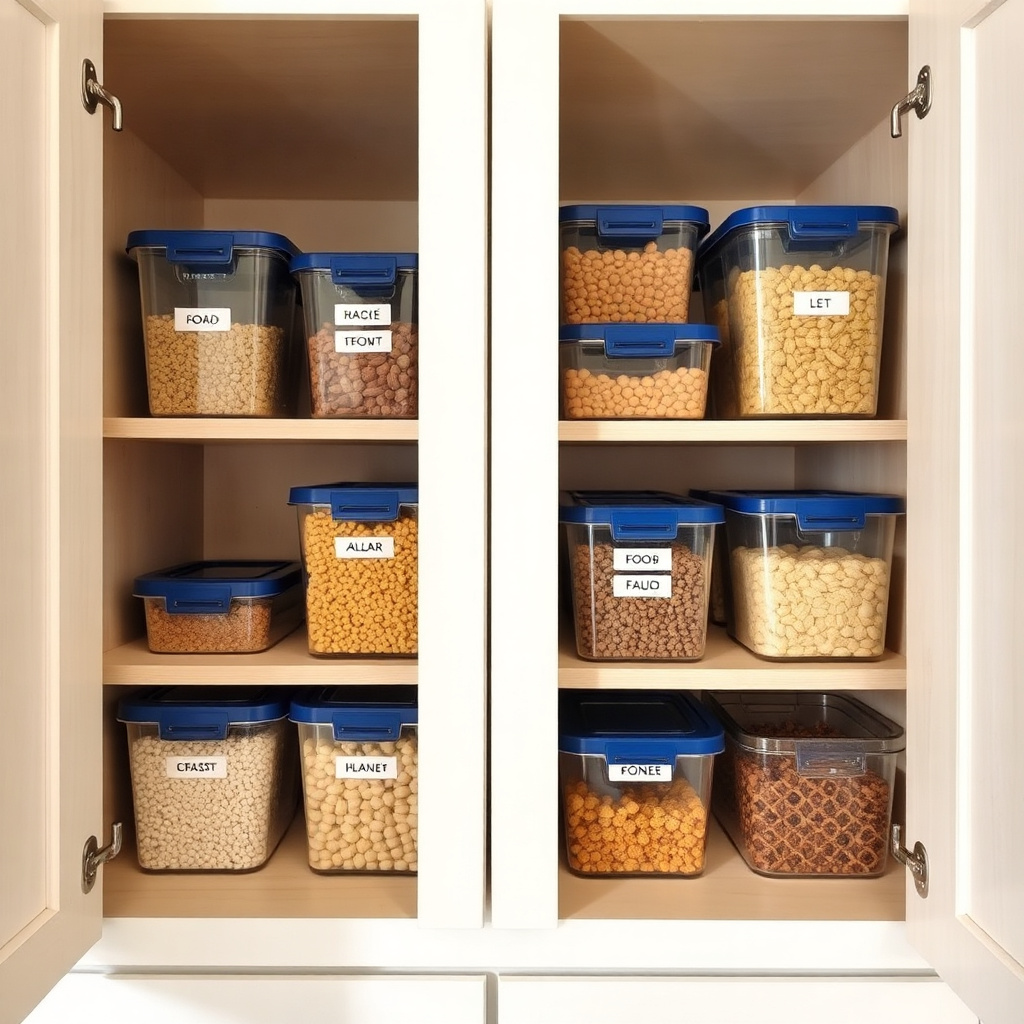
Label Bins and Maintain Placement Rules
Labeling containers or bins inside your storage area encourages consistent placement of containers and lids. Clear labels reduce the time spent searching and help everyone in the household return items correctly.
Stick to your sorting and nesting system to keep the area orderly in daily use.
- Use waterproof labels or tags
- Include size or contents descriptions
- Encourage household members to follow system
Food Storage Container Organization Methods Compared
This table compares popular organization methods based on key features for kitchen storage efficiency.
| Method | Best For | Pros | Cons |
|---|---|---|---|
| Nesting by Size and Shape | Maximizing cabinet space | Saves vertical and horizontal space, simple | Requires matching lids and containers |
| Vertical Lid Storage | Easy access to lids | Quick lid retrieval, reduces clutter | Needs drawer or organizer space |
| Drawer Storage System | Frequent daily use | Highly accessible, visually organized | Limited space, may require dividers |
| Cabinet with Shelf Risers | Bulk storage and less used items | Utilizes vertical space, keeps bulk containers | Can be harder to reach items in back |
| Repurposed Household Items | Budget-friendly organizing | Customizable, inexpensive | May lack durability or polish |
Frequently Asked Questions
How can I prevent lids from getting lost?
Store lids separately in upright holders or bins designated just for lids. Match lids and containers immediately after washing to minimize separation.
Is it better to store containers by material?
Yes, separating plastic and glass containers helps protect fragile items and streamlines your storage process based on their different weights and durability.
What is the best way to handle oddly shaped containers?
Keep oddly shaped or divided containers in a dedicated area where they can be stored flat or upright without stacking, preventing damage and maintaining order.
How often should I declutter my container collection?
Review your container collection every few months to remove damaged or unused items. Regular decluttering keeps your system efficient and clutter-free.
Can drawer storage work in small kitchens?
Yes, drawer storage with dividers is particularly beneficial in small kitchens for keeping containers and lids accessible without stacking too high or wasting space.
Key Takeaways
- Sort containers by size and shape for efficient stacking
- Use vertical storage solutions for lids to avoid clutter
- Select storage locations based on use frequency and kitchen layout
- Regularly declutter and label bins to maintain organization
Conclusion
Organizing food storage containers is about combining smart sorting, appropriate storage location, and easy access to make your kitchen workflow smooth. The best method depends on your available space, container types, and how often you reach for them. Prioritize grouping containers by size and shape, pairing lids immediately, and dedicating spaces that suit your daily habits.
If you have limited space, drawer storage with vertical lid organizers offers quick access, while cabinet solutions with shelf risers are great for bulkier or less frequently used containers. Plastic and glass containers benefit from being stored separately to avoid damage or staining, and oddly shaped containers deserve their own zone. These approaches, combined with regular decluttering and labeling, create lasting order.
Start by selecting a method that fits your kitchen's layout and usage patterns, gather necessary organizers or DIY solutions, and commit to returning containers and lids properly. Over time, this creates a kitchen space where your food storage containers don't add stress but support your cooking and meal prep with ease.


2 Comments