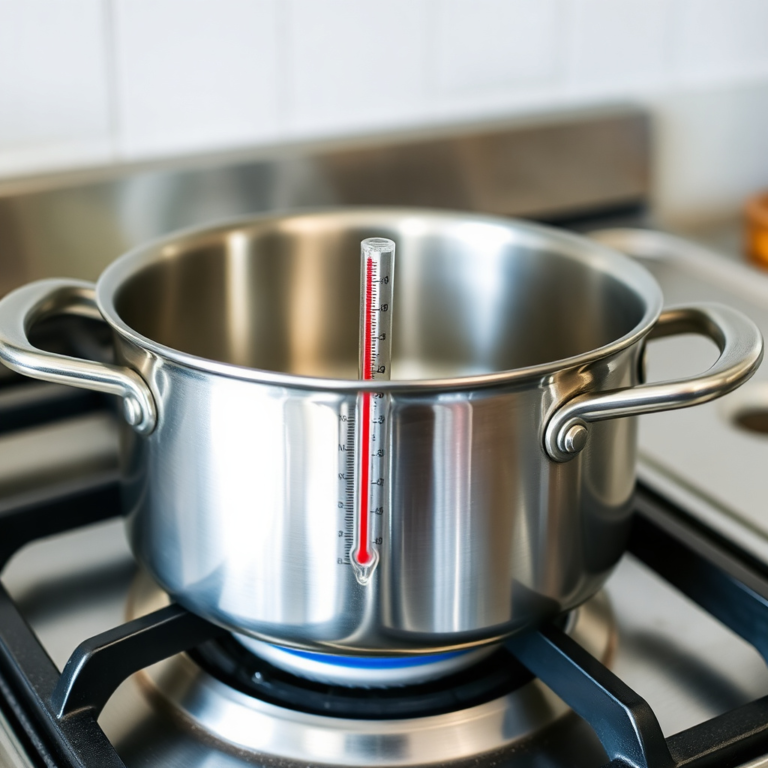
How to Clean Stainless Steel Cookware Bottoms for a Spotless Shine
Discover effective methods on how to clean stainless steel cookware bottoms and restore their shiny, stain-free look with simple, practical tips.
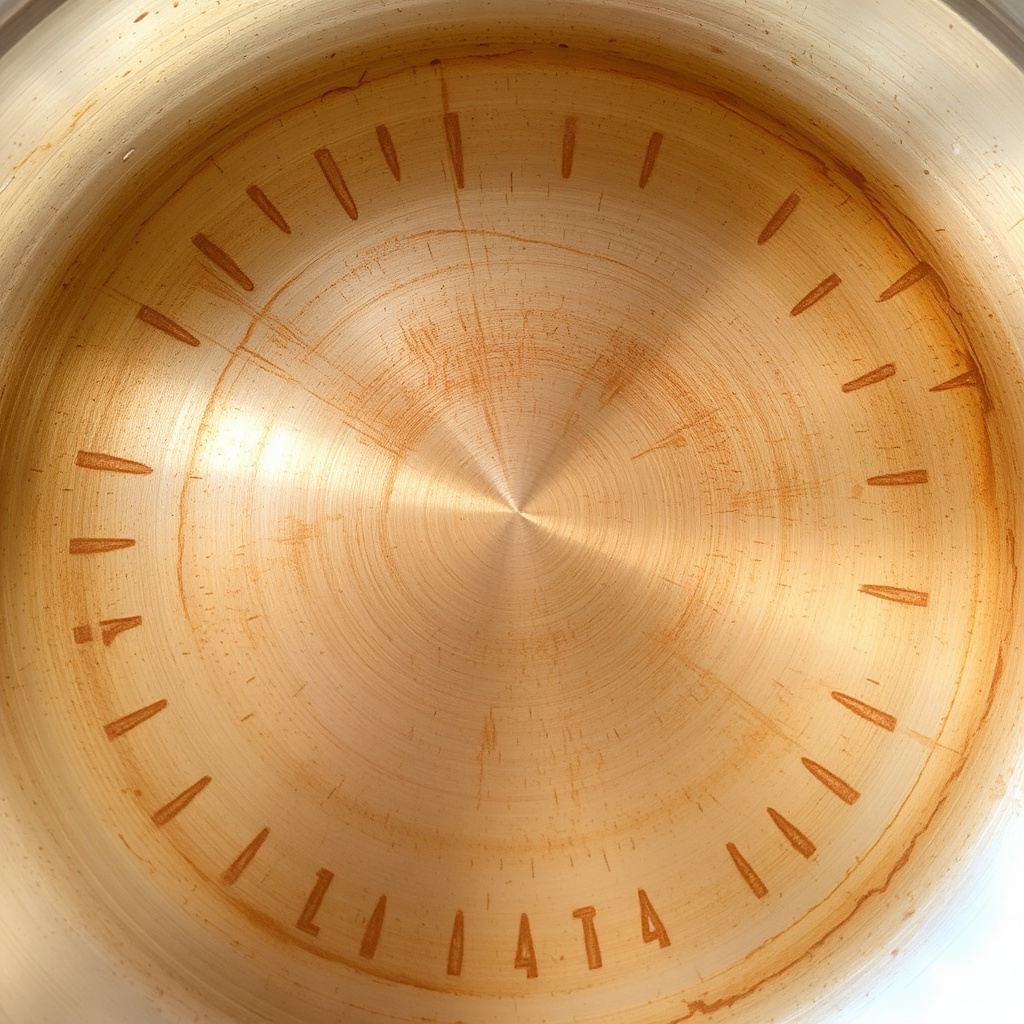
Cleaning the bottoms of stainless steel cookware often requires more than just regular dish soap and water to remove stubborn stains, discoloration, and burnt-on residue. How to clean stainless steel cookware bottoms effectively is a common question for anyone wanting to maintain the cookware’s professional finish and ensure even cooking.
The bottoms tend to accumulate heat stains, food buildup, and hard water marks over time, which affect both appearance and performance. Knowing the best techniques and materials for cleaning helps protect your investment and preserves the smooth surface essential for good heat conduction.
This article outlines proven approaches including homemade remedies and commercial products, explains how to deal with tough marks without damaging your pans, and guides you through steps to maintain your stainless steel cookware bottoms looking as good as new.
Understanding Stains and Discoloration on Stainless Steel Cookware Bottoms
Common Types of Stains Found on Cookware Bottoms
Stainless steel cookware bottoms often develop heat tint, which appears as blue or rainbow-colored stains caused by high cooking temperatures. Other common stains include burnt food residue, grease buildup, and mineral deposits from hard water.
Recognizing the type of stain is crucial because some respond well to gentle scrubbing while others require specific cleaners. Heat tint tends to be surface-level oxidation whereas burnt residue can be a stubborn, baked-on film.
Why Proper Cleaning Matters
Dirty or stained bottoms can affect heat distribution by insulating the pan from the burner. Over time, accumulated residue might cause uneven heating and discolor the stove top. Cleaning not only improves aesthetics but also maintains cookware function.
Moreover, regular cleaning extends the life of your pans, preventing corrosion or damage from abrasive scrubbing methods or harsh chemicals.
Basic Cleaning Techniques for Stainless Steel Cookware Bottoms
Routine Cleaning After Each Use
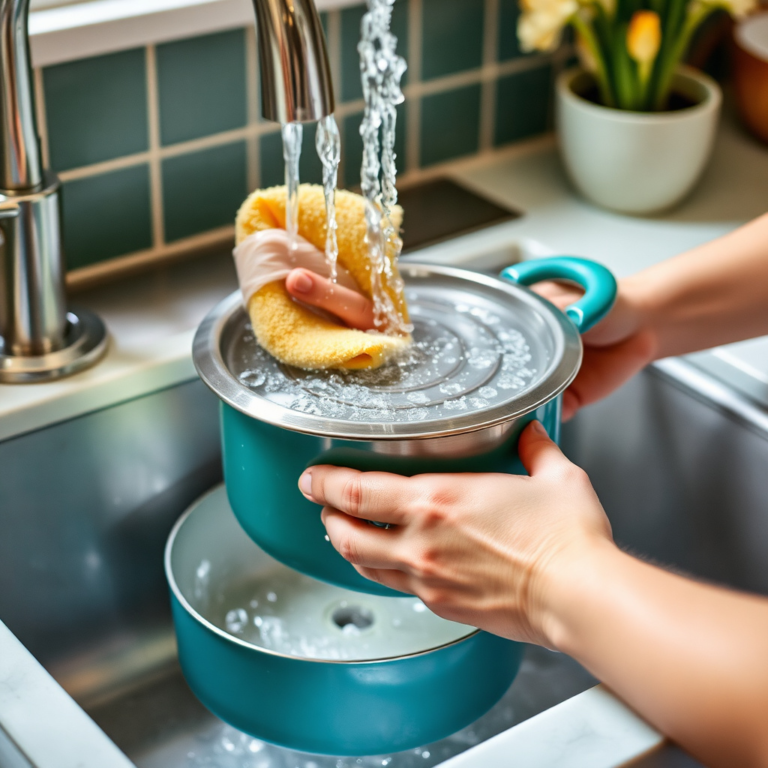
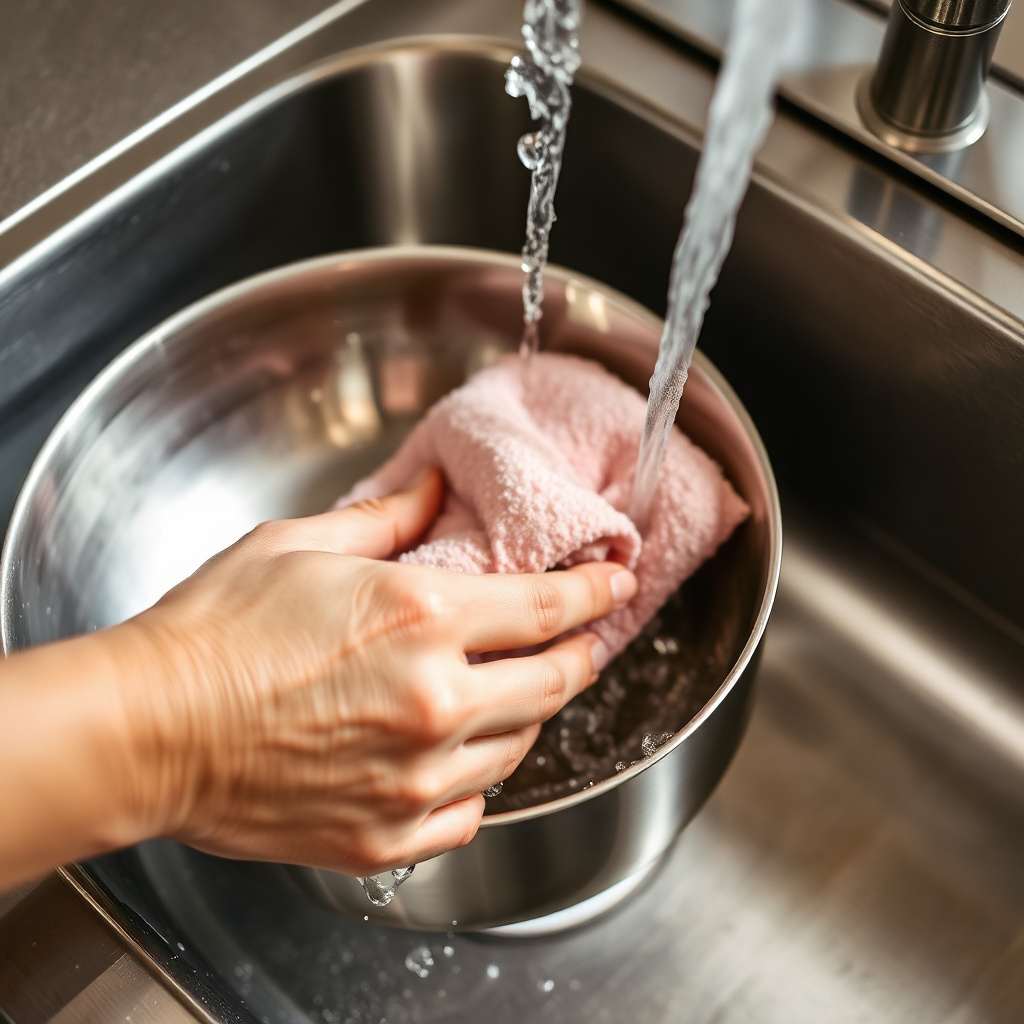
For everyday maintenance, washing the pans with warm water, mild dish soap, and a soft sponge is sufficient to remove light food residues and grease. Avoid abrasive pads at this stage as they can scratch the surface.
Rinse thoroughly and dry immediately with a soft towel to prevent water spots. This routine helps prevent buildup that would require tougher cleaning later.
- Use non-abrasive sponge
- Avoid harsh detergents
- Dry immediately to prevent water spots
Removing Light Stains and Water Spots
Light stains can be tackled using a paste made from baking soda and water. Apply the paste to the affected area, let it sit for 10-15 minutes, then gently scrub with a soft cloth or sponge and rinse.
White vinegar is also effective for water spots; applying it with a cloth and wiping after a few minutes can dissolve mineral deposits without damaging the stainless steel.
- Baking soda paste method
- Vinegar for mineral deposits
Tackling Tough Stains and Burnt Residue on Cookware Bottoms
Using Commercial Stainless Steel Cleaners
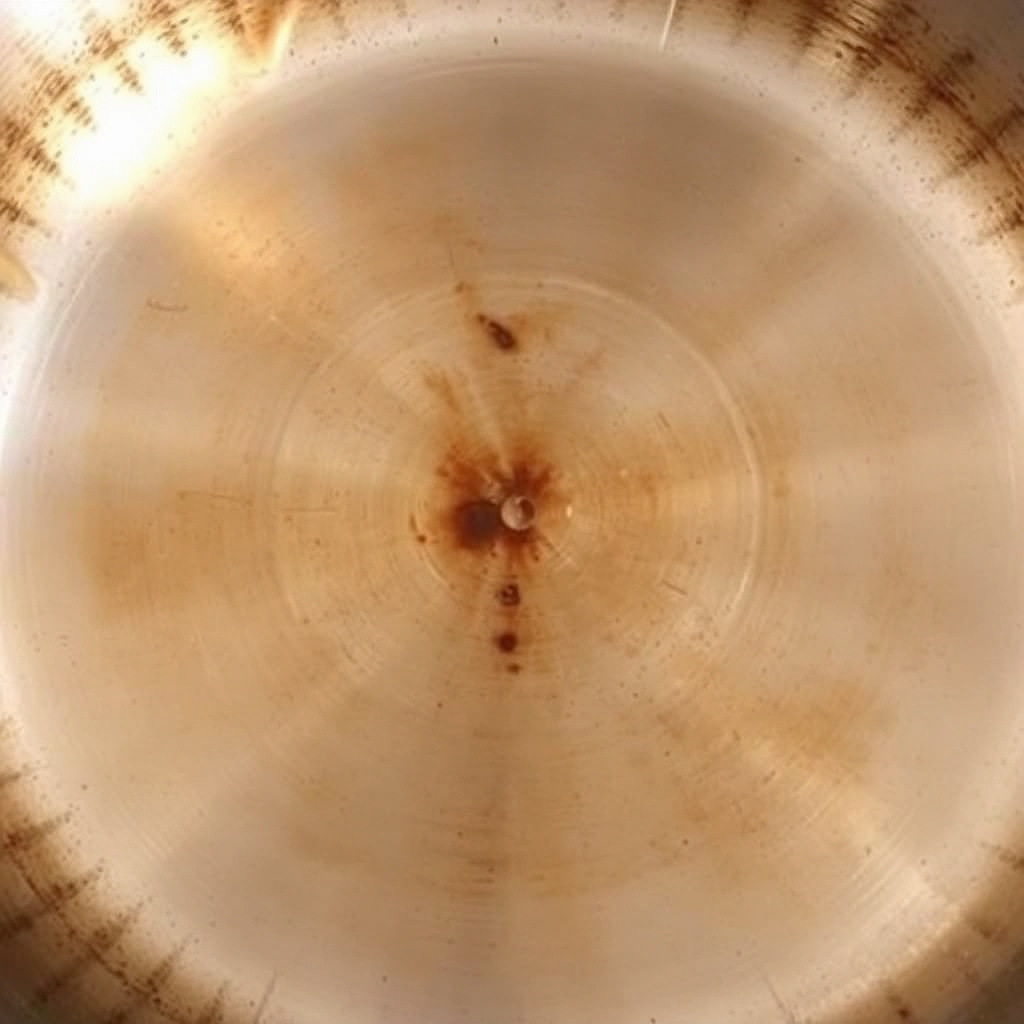
Specialized stainless steel cookware cleaners like Bar Keepers Friend can remove tough stains and restore shine without scratching. These powders or creams break down burnt-on residue and discoloration effectively.
Follow the product instructions carefully: usually apply a small amount with a damp sponge, rub gently in circular motions, then rinse and dry thoroughly.
- Use recommended amount
- Rub gently to avoid scratching
- Rinse completely
For more on this, see our related guide: How to Cook with Stainless Cookware: Tips for Perfect Results Every Time.
Homemade Remedies for Burnt-on Marks
A mixture of white vinegar and baking soda creates a foaming reaction that can loosen burnt residue. Apply vinegar to the pan bottom, sprinkle baking soda, wait 10-15 minutes, then scrub gently with a non-abrasive sponge.
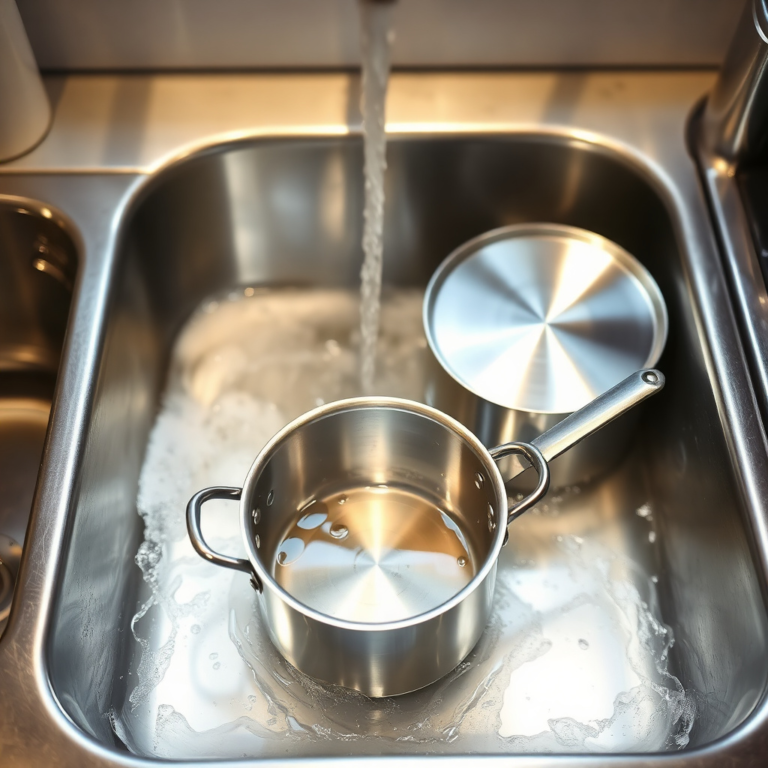
Alternatively, soaking the pan bottom in warm soapy water overnight can help soften tough buildup for easier removal the following day.
- Vinegar and baking soda foaming method
- Overnight soak in warm soapy water
Preventing Stains and Damage on Stainless Steel Cookware Bottoms
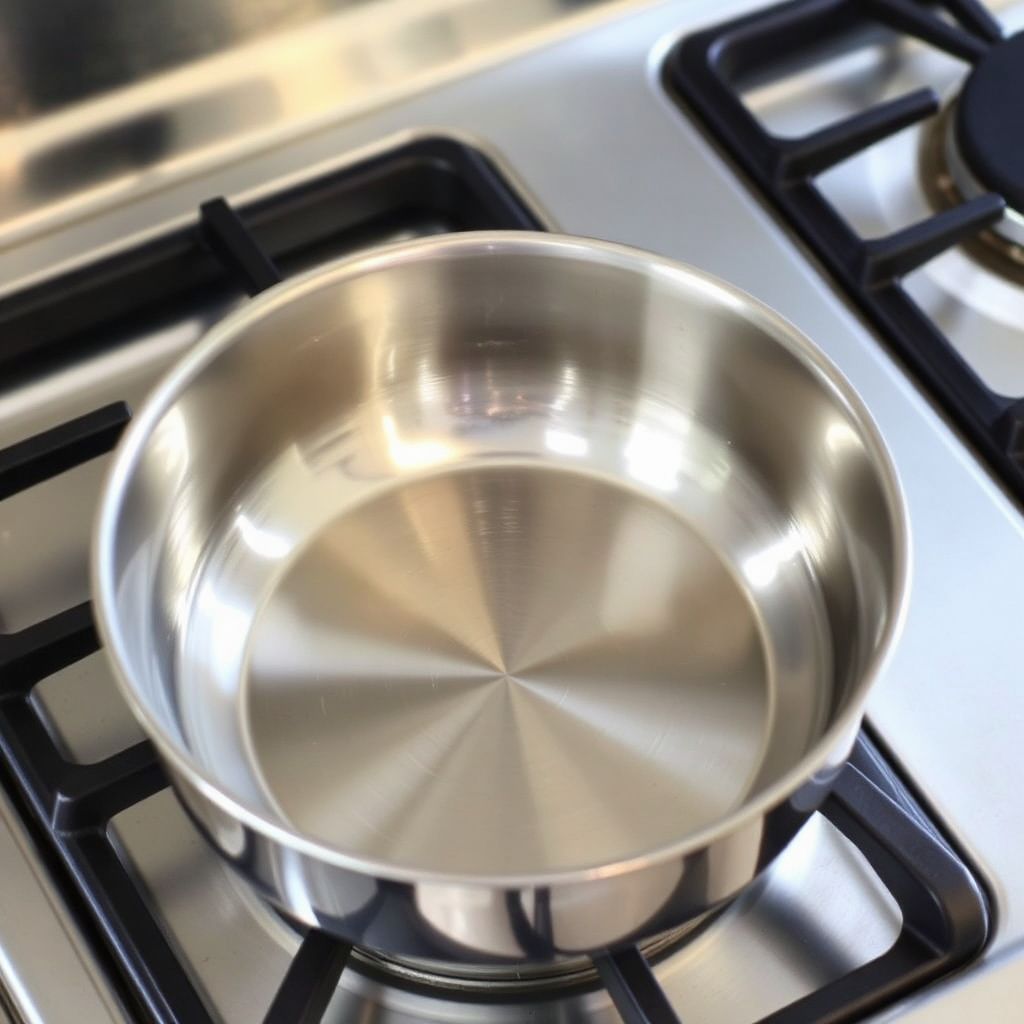
Proper Use of Cookware to Avoid Damage
Avoid overheating empty pans; excessive heat leads to discoloration and heat tint. Using medium heat and preheating gradually minimizes stain formation on stainless steel bottoms.
Use cookware appropriate for your stove type and avoid dragging pans on cooktop surfaces as this can scratch both the bottom and cooktop.
- Avoid overheating empty pans
- Preheat gradually
- Do not drag pans on stove
Regular Maintenance Tips
Make it a habit to clean the pan bottoms after each use and dry immediately. Periodic polishing with specialized stainless steel cleaners can maintain the cookware’s shine and reduce the chance of buildup.
Store cookware properly to prevent stains caused by moisture or contact with acidic substances.
- Clean and dry after every use
- Periodic polishing
- Proper cookware storage
Tools and Materials Ideal for Cleaning Stainless Steel Cookware Bottoms
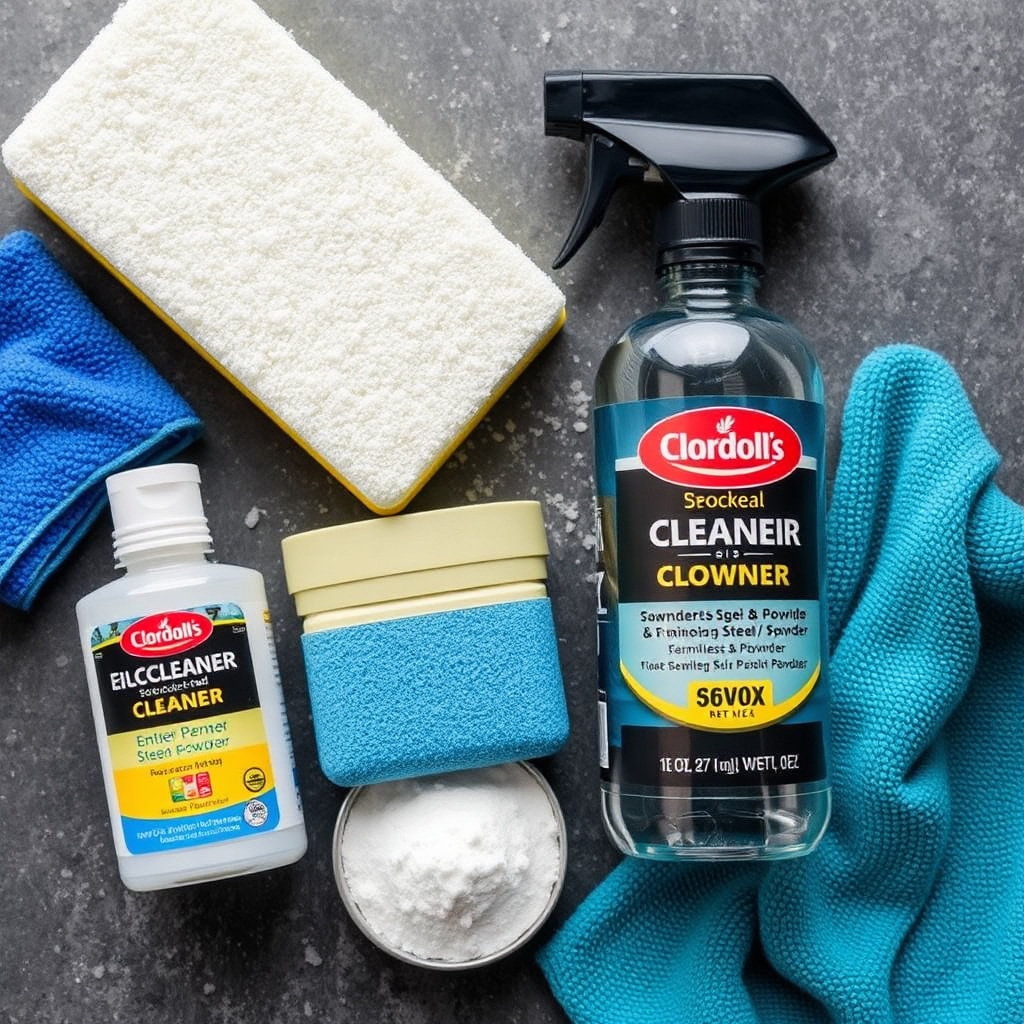
Recommended Cleaning Tools
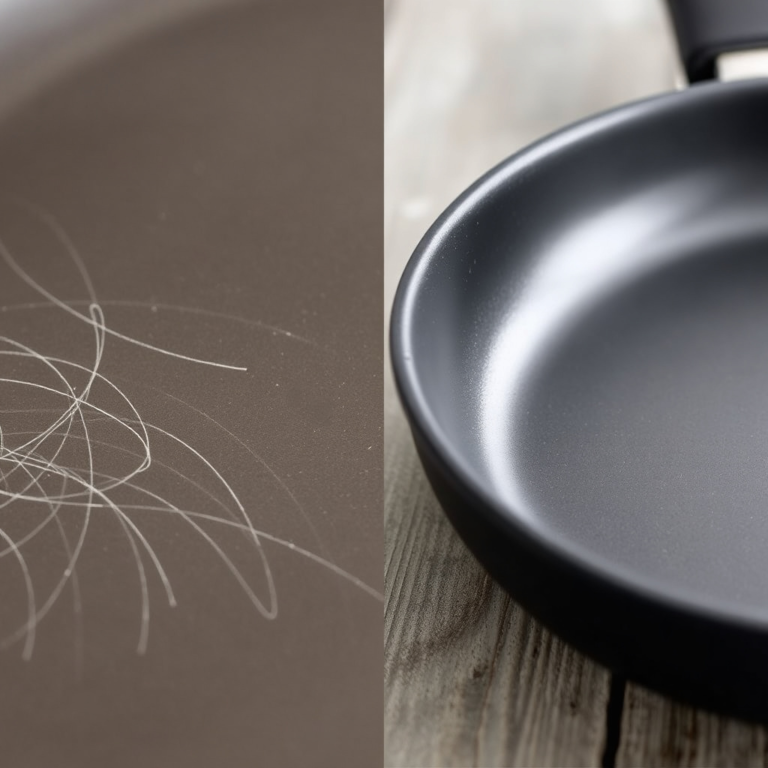
Soft sponges, microfiber cloths, and non-scratch scrubbers work best for cleaning stainless steel without causing damage. Avoid steel wool or abrasive pads which leave scratches that can harbor stains.
Using brushes with nylon bristles can also help in gently scrubbing hard-to-reach spots without harming the surface.
- Soft sponge
- Microfiber cloth
- Nylon-bristle brush
Best Cleaning Products for Stainless Steel Bottoms
Mild dish soap, baking soda, white vinegar, and commercial stainless steel cleaners are safe and effective choices. Select products labeled safe for stainless steel and avoid harsh chemicals like bleach or ammonia.
Some cleaners also come with protective coatings that help repel stains and make future cleaning easier.
- Mild dish soap
- Baking soda and vinegar
- Stainless steel-specific cleaners
Safety and Environmental Considerations When Cleaning Cookware
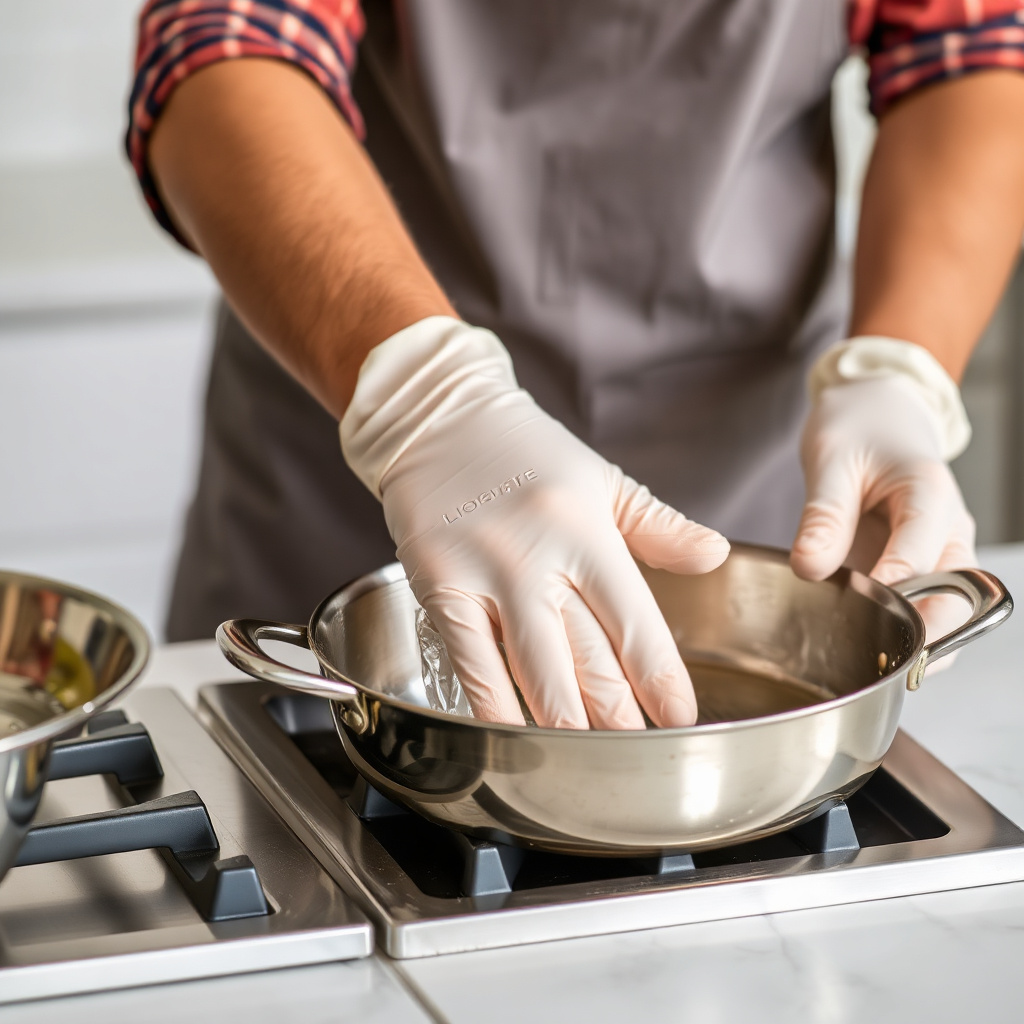
Handling Cleaning Chemicals Safely
Always wear gloves when using commercial cleaners or acidic solutions to protect skin from irritation. Work in a well-ventilated area and avoid mixing cleaning products to prevent harmful fumes.
Rinse cookware thoroughly to remove chemical residues before cooking again.
- Wear gloves
- Ventilate area
- Do not mix chemicals
For more detailed information on stainless steel cookware maintenance, you can consult this insightful resource. Stainless steel cookware maintenance.
Environmentally Friendly Cleaning Practices
Homemade cleaners using baking soda and vinegar are nontoxic and biodegradable, making them a sustainable choice. Use minimal amounts of water and avoid disposable wipes to reduce waste.
Proper disposal of commercial cleaner residues according to instructions helps minimize environmental impact.
- Use homemade cleaners
- Conserve water
- Dispose chemicals responsibly
Comparison of Cleaning Methods for Stainless Steel Cookware Bottoms
Here is a comparison of the main cleaning methods highlighting ease of use, effectiveness, cost, and suitability for various stain types.
| Cleaning Method | Effectiveness | Ease of Use | Cost | Best For |
|---|---|---|---|---|
| Dish soap and warm water | Low to medium | Very easy | Low | Light grease and daily cleaning |
| Baking soda and vinegar | Medium | Easy | Very low | Light stains and mineral deposits |
| Commercial stainless steel cleaners | High | Moderate | Medium | Tough stains and heat tint |
| Soaking in warm soapy water | Medium | Easy | Low | Softening burnt-on residue |
| Abrasive pads (not recommended) | High | Moderate | Low | Very tough stains but damages surface |
Frequently Asked Questions
Can I use steel wool on stainless steel cookware bottoms?
Steel wool can scratch and damage the surface of stainless steel cookware bottoms, leading to permanent marks and possible corrosion. It’s best to use non-abrasive tools like soft sponges or nylon brushes instead.
How often should I clean the bottoms of my stainless steel pans?
Cleaning the bottoms after every use helps prevent buildup. For tough stains or discoloration, a deeper clean every few weeks or as needed will keep your cookware performing well.
Will vinegar discolor my stainless steel cookware?
Used properly, white vinegar will not discolor stainless steel. It is safe for removing mineral deposits but should be rinsed off thoroughly to prevent any residual acidity.
What causes the rainbow-colored heat tint on stainless steel pan bottoms?
Heat tint forms when stainless steel is exposed to high temperatures, which alters the surface oxidation. It’s a harmless cosmetic effect that can be removed with proper cleaning.
Is it safe to use commercial stainless steel cleaners on all pans?
Most commercial stainless steel cleaners are formulated to be safe on cookware, but always check the label. Avoid cleaners with harsh chemicals like bleach, and test a small area first if unsure.
Key Takeaways
- Regular cleaning prevents stubborn stains on stainless steel cookware bottoms.
- Gentle cleaning tools preserve the surface and avoid scratches.
- Baking soda and vinegar provide an effective, eco-friendly cleaning option.
- Commercial cleaners help remove tough discoloration but require careful use.
Conclusion
Approaching how to clean stainless steel cookware bottoms starts with understanding the types of stains you face and selecting suitable cleaning methods. Routine care with mild soap and warm water helps avoid buildup, while specialized techniques handle tougher discolorations and burnt residue. Protecting the integrity of the pan's surface is key to maintaining both appearance and cooking efficiency.
For routine upkeep, using soft sponges alongside baking soda and vinegar for light stains offers a safe, low-cost solution. For more pronounced heat tint or burnt-on food, commercial stainless steel cleaners provide stronger action but must be used gently. Preventative measures like avoiding overheating and promptly drying pans reduce the need for intensive cleaning.
After cleaning, store your cookware in a dry area and maintain a consistent cleaning schedule suited to your cooking frequency. With the right tools and products, your stainless steel cookware bottoms will stay gleaming and functional, enhancing your cooking experience over time.