Can Rice Cookers Cook Brown Rice? A Practical Guide
Discover if rice cookers can cook brown rice effectively and learn tips for perfect results with your rice cooker every time.
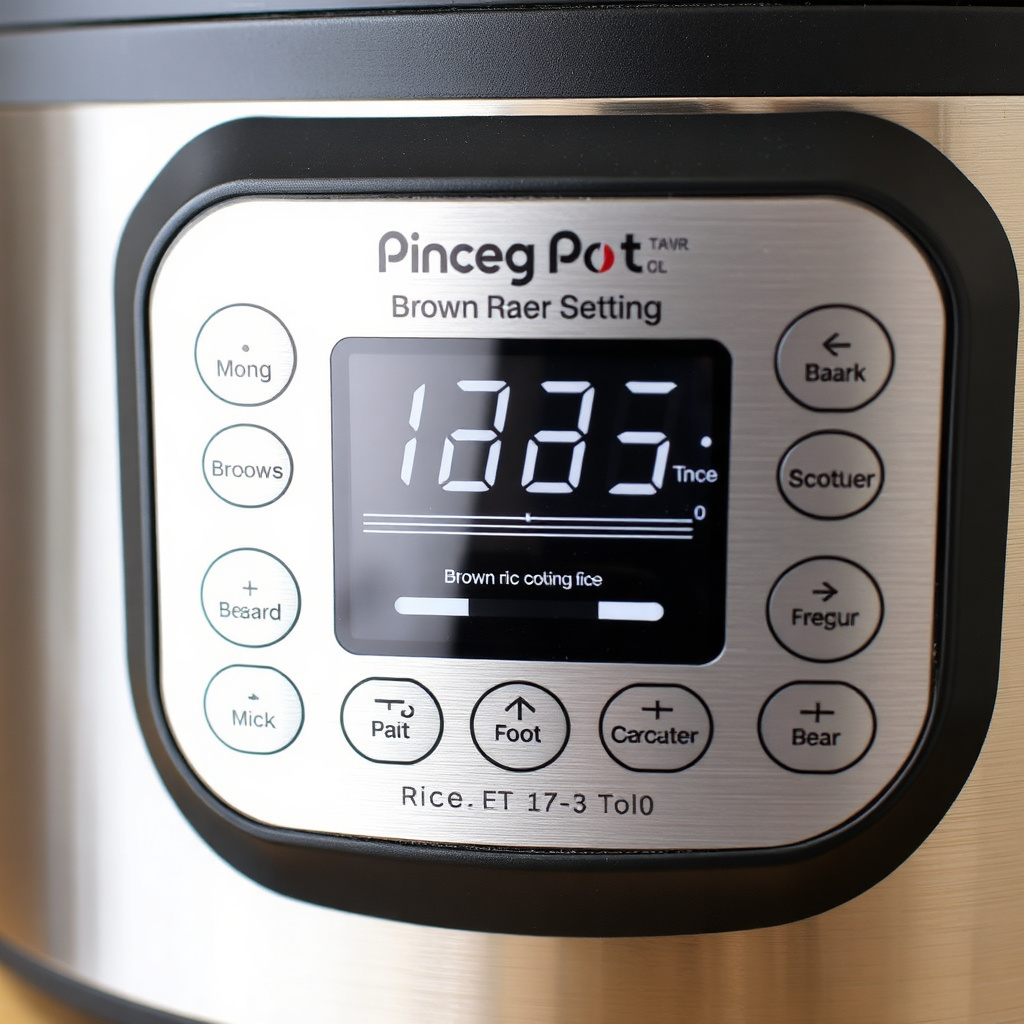
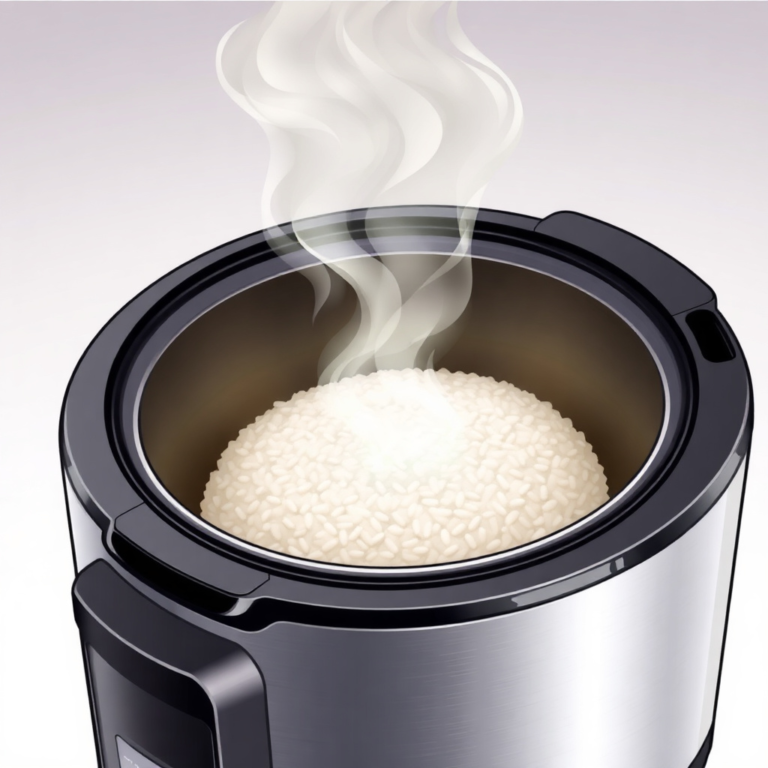
Yes, most modern rice cookers can cook brown rice, though the process requires longer cooking times and sometimes different settings compared to white rice. Brown rice contains more fiber and bran layers, so it typically needs more water and a longer cooking cycle to become tender and fluffy.
Understanding whether your rice cooker can handle brown rice matters because cooking it improperly can lead to undercooked or mushy grains. Many rice cookers now include specific 'brown rice' settings or extended cooking modes designed to manage these differences effortlessly.
This article explores how rice cookers manage brown rice cooking, what features to look for, tips for optimal results, and comparisons among popular cooker types, helping you achieve perfectly cooked brown rice every time.
How Rice Cookers Adapt to Brown Rice Cooking
Brown Rice Cooking Requirements
Brown rice needs more water—typically 1.5 to 2 times the volume of rice—to soften its tough outer bran layer. The cooking cycle also takes longer, sometimes up to 50 minutes, depending on the rice cooker model.
Rice cookers designed to handle brown rice adjust cooking time and temperature automatically. Their sensors detect water absorption and switch to warming mode once the rice reaches the ideal texture.
- Higher water-to-rice ratio
- Longer cooking duration
- Precise temperature control
Standard vs. Brown Rice Settings
Standard white rice settings often heat faster and use less water, which can undercook brown rice if used incorrectly. Brown rice settings gently extend cooking time to break down fiber without cooking grains into mush.
Some rice cookers feature fuzzy logic technology that adapts to different rice types, including brown rice, while basic models may require manual water adjustments and longer soak times.
- Automatic timing adjustments
- Fuzzy logic adaptability
- Manual water measurement
Types of Rice Cookers Suitable for Brown Rice
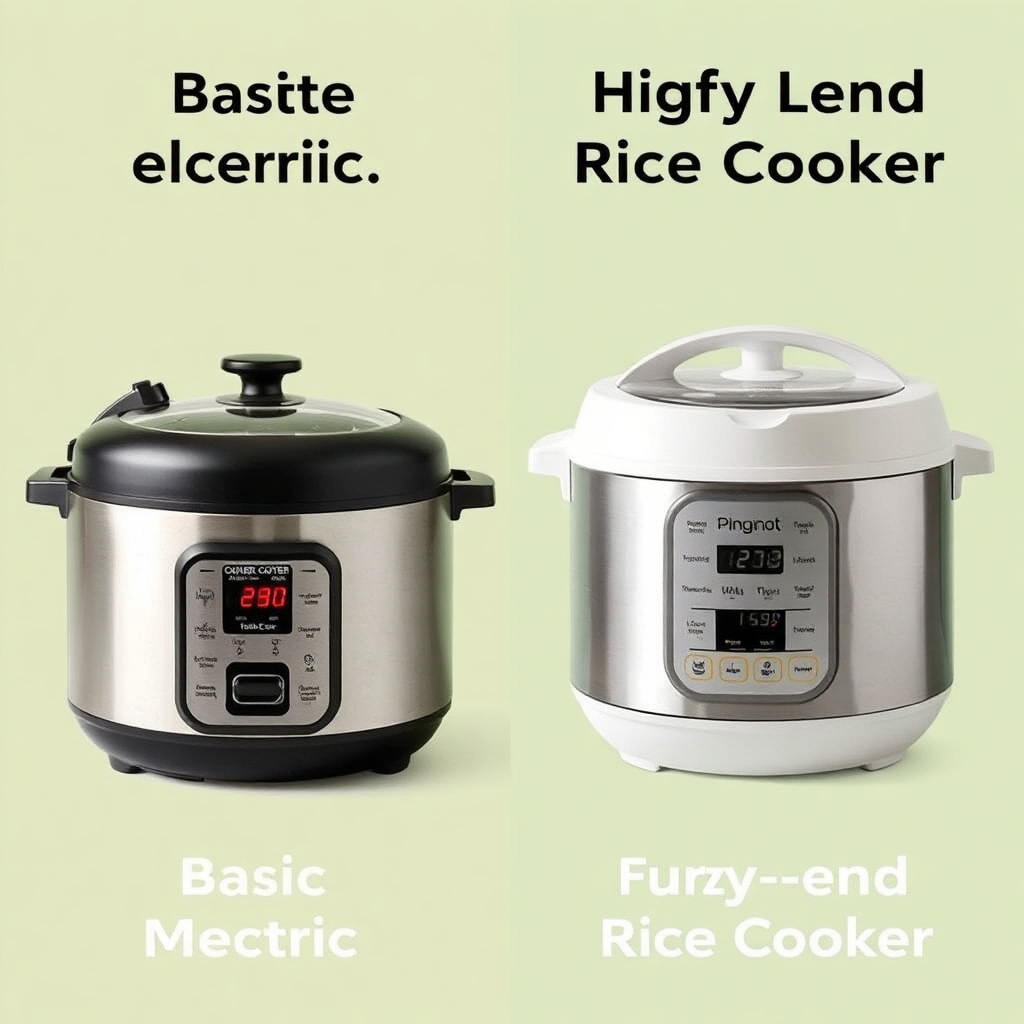
Basic Electric Rice Cookers
Basic rice cookers commonly have a single cooking function and are affordable. They can cook brown rice if you manually adjust water amounts and cooking times, but inconsistent results are common without a special brown rice setting.
Using soak times before cooking can improve texture in these models, although they lack sensors to adjust cooking automatically based on moisture levels.
Advanced Fuzzy Logic Rice Cookers
Fuzzy logic rice cookers automatically adjust heat and timing for each cooking phase, producing consistently fluffy brown rice without input from the user. They often include dedicated brown rice programs.
These cookers detect when the rice has absorbed enough water and switch to keep-warm mode, preventing overcooking. Their advanced technology justifies their higher price for frequent brown rice consumers.
Tips for Perfect Brown Rice in Any Rice Cooker
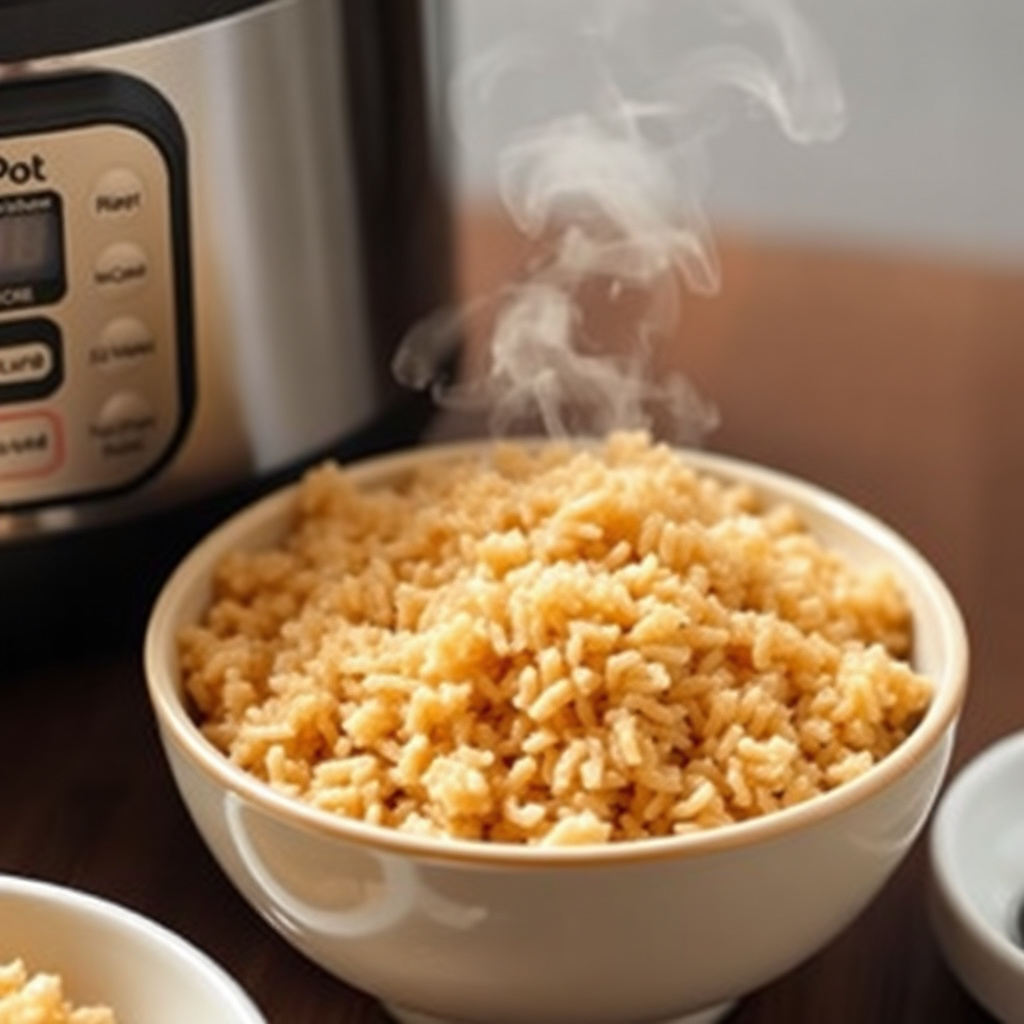
Pre-Soaking Brown Rice
Soaking brown rice for 30 to 60 minutes before cooking hydrates the grains and reduces cooking time. This is especially helpful for basic rice cookers without brown rice settings.
Pre-soaking also helps achieve an even texture without dry or crunchy bits, making the rice more digestible and pleasant to eat.
- Soak in warm water for 30-60 min
- Drain before cooking
- Use clean water for soaking
For more on this, see our related guide: Are Rice Cookers Worth It? A Practical Guide to Choosing the Best One.
Water Ratios and Measuring
Using the right amount of water is critical—generally 1.5 to 2 cups of water per cup of brown rice. Check your rice cooker's manual for specific recommendations, as some models vary.
Heavy-handed water additions can result in mushy rice, while too little water leaves it undercooked and chewy, so careful measurement makes a tangible difference.
- 1.5 to 2 cups water per cup rice
- Adjust ratios based on rice age and brand
Cleaning and Maintenance for Brown Rice Cooking
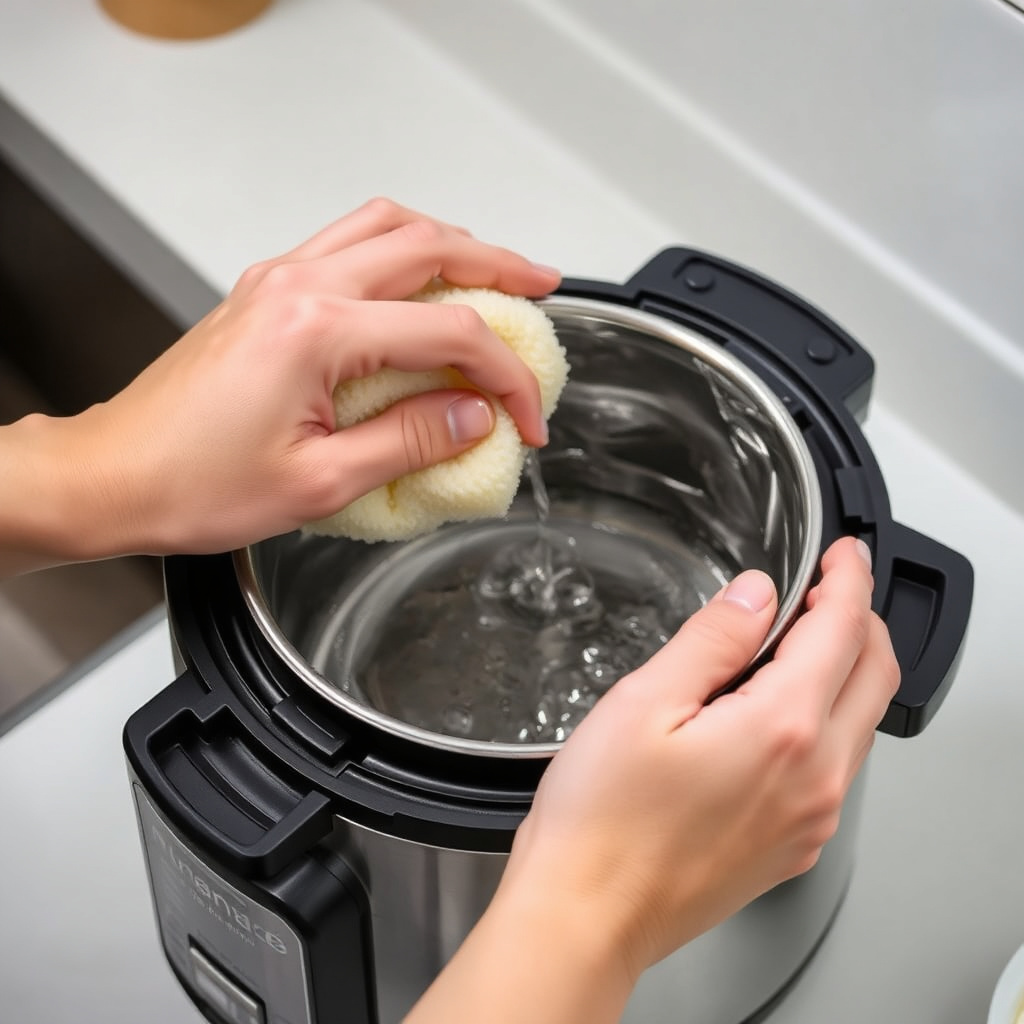
Cleaning After Brown Rice Use
Brown rice tends to leave oily residue from the bran, requiring thorough cleaning after each use. Use warm soapy water and a soft sponge to clean the inner pot and avoid abrasives to protect the non-stick surface.
Removing residue prevents off-flavors in future cooking and preserves the rice cooker's lifespan.
- Use soft sponge and mild detergent
- Rinse thoroughly to remove oil
Maintaining Cooker Components
Regularly clean the steam vent and lid to avoid buildup that might affect cooking performance. Check your rice cooker's manual for disassembly instructions.
For fuzzy logic models, sensors should be kept clean and dry to maintain accurate temperature and moisture detection.
- Clean steam vents monthly
- Check sensor cleanliness
Additional Features Beneficial for Brown Rice Cooking
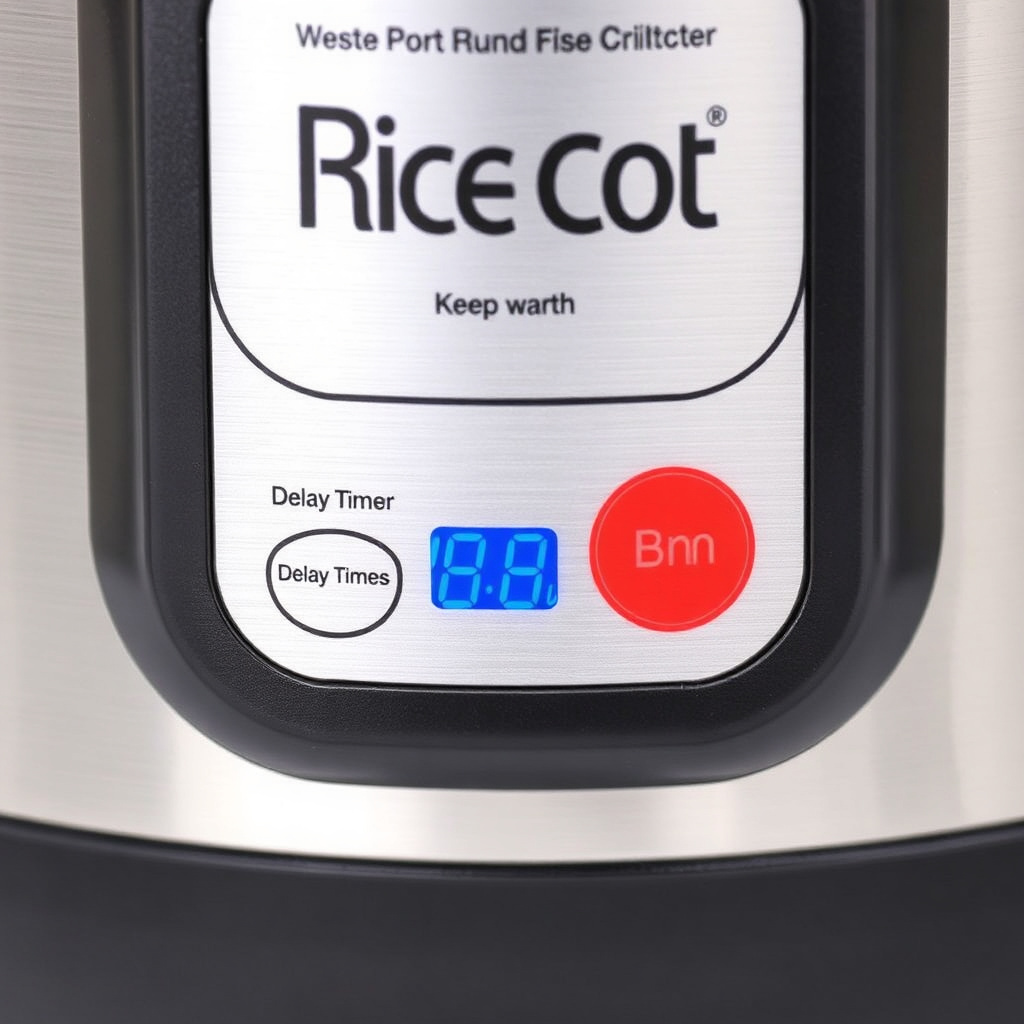
Delay Start Functionality
Delay start allows scheduling rice cooking so brown rice can soak and cook at planned times without manual intervention. This is convenient for meal prep and ensures freshly cooked rice exactly when you need it.
Using this feature with brown rice lengthens the soak and cooking phases naturally, enhancing texture.
For more on this, see our related guide: Can Rice Cookers Cook Quinoa? A Complete Guide.
Keep-Warm and Extended Warm Functions
Brown rice may benefit from longer keep-warm times without drying out. Rice cookers with extended warm functions maintain moisture and heat, preserving taste and texture hours after cooking completes.
Some models even offer reheating cycles optimized for rice quality retention.
Troubleshooting Common Brown Rice Cooking Issues
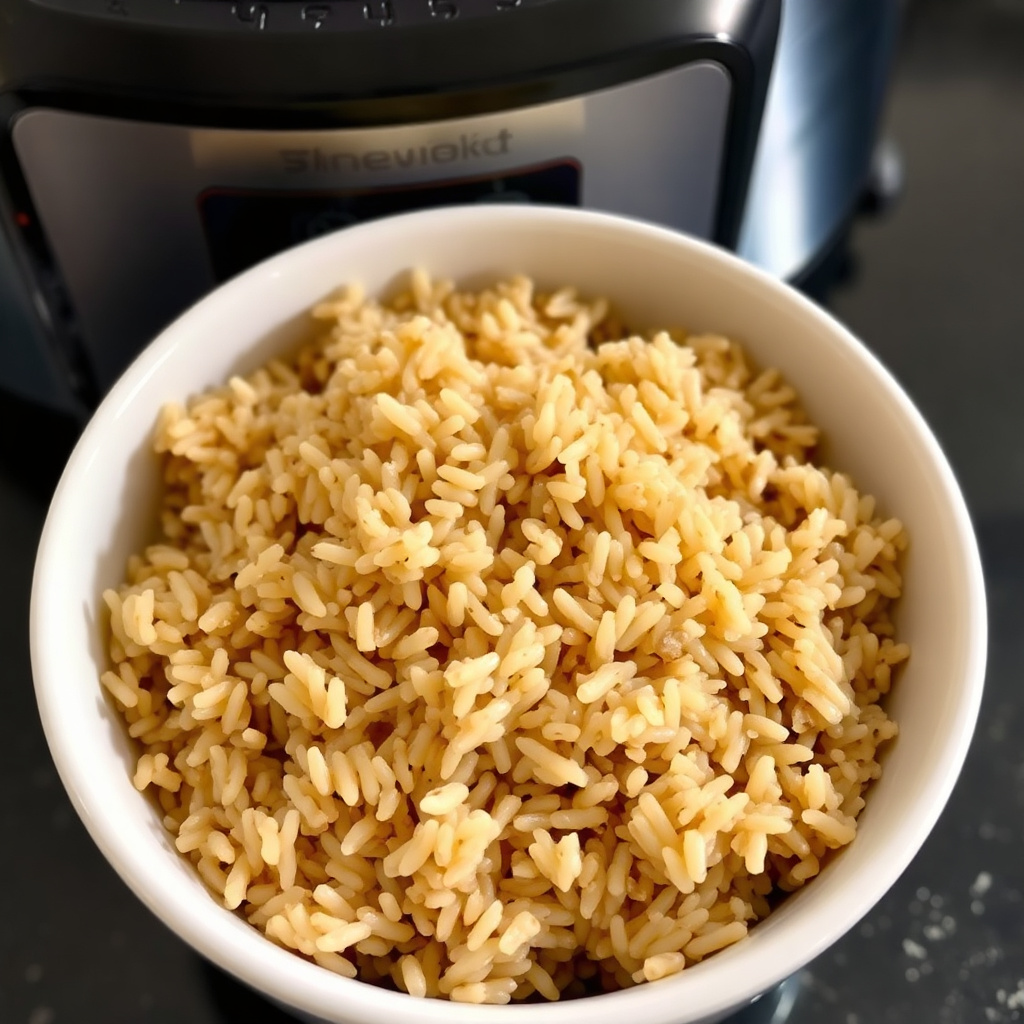
Undercooked or Hard Rice Solutions
If brown rice comes out undercooked or hard, increase water amount slightly and extend cooking time. Soaking the rice longer before cooking can also help soften grains uniformly.
Check that the rice cooker is functioning correctly and that the brown rice setting is used if available.
- Add 10-15% more water
- Soak rice before cooking
- Use brown rice-specific setting
For a comprehensive overview of brown rice, its nutritional benefits, and cooking nuances, visit brown rice details on Wikipedia. Brown rice details on Wikipedia.
Mushy or Overcooked Brown Rice Fixes
Overly mushy brown rice typically results from too much water or prolonged cooking. Reducing water volume and monitoring cooking duration closely helps avoid this problem in future batches.
Stirring rice immediately after cooking can worsen mushiness, so allow resting time before fluffing.
- Reduce water slightly
- Avoid excessive stirring after cooking
- Use keep-warm instead of reheating
Rice Cooker Types for Brown Rice Cooking Compared
The table below compares key rice cooker categories by price, functionality, and suitability for brown rice cooking.
| Category | Price Range | Brown Rice Cooking Feature | Ease of Use | Typical Cooking Time for Brown Rice |
|---|---|---|---|---|
| Basic Electric | $20-$50 | Manual water/time adjustments | Moderate | 40-50 minutes |
| Fuzzy Logic | $80-$300 | Automatic brown rice program | Easy | 40-55 minutes |
| Micom Rice Cooker | $100-$250 | Advanced sensors and settings | Very Easy | 45-60 minutes |
| Pressure Rice Cooker | $150-$400 | Pressure cooking reduces time | Moderate | 20-30 minutes |
| Induction Heating Rice Cooker | $200-$500 | Precise temperature control | Very Easy | 40-50 minutes |
Frequently Asked Questions
Can I cook brown rice in any rice cooker?
Most rice cookers can cook brown rice with adjustments, but those with dedicated brown rice settings yield better texture and convenience.
How much water should I use for brown rice?
Use about 1.5 to 2 cups of water per cup of brown rice, adjusting slightly based on your rice cooker and personal texture preference.
Does soaking brown rice before cooking help?
Soaking brown rice for 30 to 60 minutes hydrates the grains, reduces cooking time, and improves texture, especially in basic rice cookers.
Are fuzzy logic rice cookers better for brown rice?
Yes, fuzzy logic rice cookers automatically adapt heat and timing, producing consistently fluffy brown rice with minimal effort.
Can rice cookers overcook brown rice?
Yes, using too much water or cooking too long can make brown rice mushy, so precise water measurements and suitable settings matter.
Is brown rice cooking time longer than white rice?
Brown rice typically requires 40 to 60 minutes in a rice cooker, longer than the 20 to 30 minutes needed for white rice.
Key Takeaways
- Most rice cookers can cook brown rice with appropriate water and time adjustments.
- Rice cookers with brown rice settings or fuzzy logic technology offer better results.
- Pre-soaking brown rice improves texture and shortens cooking time.
- Proper cleaning after cooking brown rice preserves cooker performance and flavor.
Conclusion
Deciding whether a rice cooker can cook brown rice hinges on understanding the differences in water absorption and cooking time that brown rice requires. While basic cookers can handle it with manual adjustments, models with brown rice settings or fuzzy logic technology simplify the process by adapting cooking cycles automatically. This flexibility allows users to enjoy well-cooked brown rice with minimal oversight, saving time and effort in the kitchen.
For frequent brown rice consumers, investing in a cooker that offers dedicated brown rice programs or pressure cooking can enhance consistency and texture. Basic electric rice cookers work if you are willing to experiment with soaking and water ratios. Meanwhile, induction heating and Micom rice cookers offer advanced control and precise temperature regulation, making them ideal for those who want the convenience of “set it and forget it.” Still, pressure cookers cut cooking time significantly if speed is a priority.
If you’re ready to try brown rice in your rice cooker, start by checking if your model has a brown rice setting and experiment with soaking and water amounts based on the advice provided. Maintaining your cooker well ensures better results over time. For more detailed information about rice and its cooking methods, consult reliable sources to expand your understanding and get the most from your kitchen appliance.