How to Choose a Rice Cooker with a Stainless Steel Inner Pot
Discover how to select the perfect rice cooker with a stainless steel inner pot for durable, healthy cooking. Learn features and benefits here.

A rice cooker with a stainless steel inner pot is an excellent choice for anyone prioritizing durability and health-conscious cooking. These pots resist scratches, avoid chemical coatings, and maintain even heating, making them reliable for consistent rice preparation. Stainless steel’s non-reactive nature ensures your food retains natural flavors without absorbing metallic tastes, a common issue in cheaper materials.
Selecting a rice cooker with this specific pot material matters because it directly affects the appliance’s lifespan and your cooking results. While non-stick coatings often degrade over time or release unwanted chemicals, stainless steel pots provide a safer, long-lasting surface. Additionally, they can be cleaned more thoroughly, reducing residue and food buildup. This makes stainless steel inner pots a practical option for daily use and families with health concerns.
This article covers key factors to evaluate when buying a rice cooker with a stainless steel inner pot, including pot design, heating technology, capacity, and control features. We’ll also explore different rice cooker types to help you make an informed decision tailored to your kitchen habits and preferences.
Understanding Stainless Steel Inner Pots in Rice Cookers
Materials and Construction
Stainless steel rice cooker inner pots are typically made from high-grade 304 or 316 stainless steel, known for corrosion resistance and durability. Unlike aluminum or non-stick coatings, stainless steel does not degrade over time or emit harmful chemicals when heated.
These pots often feature a triple-layered base, combining stainless steel with an aluminum core to ensure even heat distribution. This hybrid construction prevents hot spots that can burn rice and provides consistent cooking temperatures.
- 304 or 316 stainless steel material
- Triple-layer base with aluminum core
- Non-reactive and chemical-free surface
Benefits Over Other Pot Materials
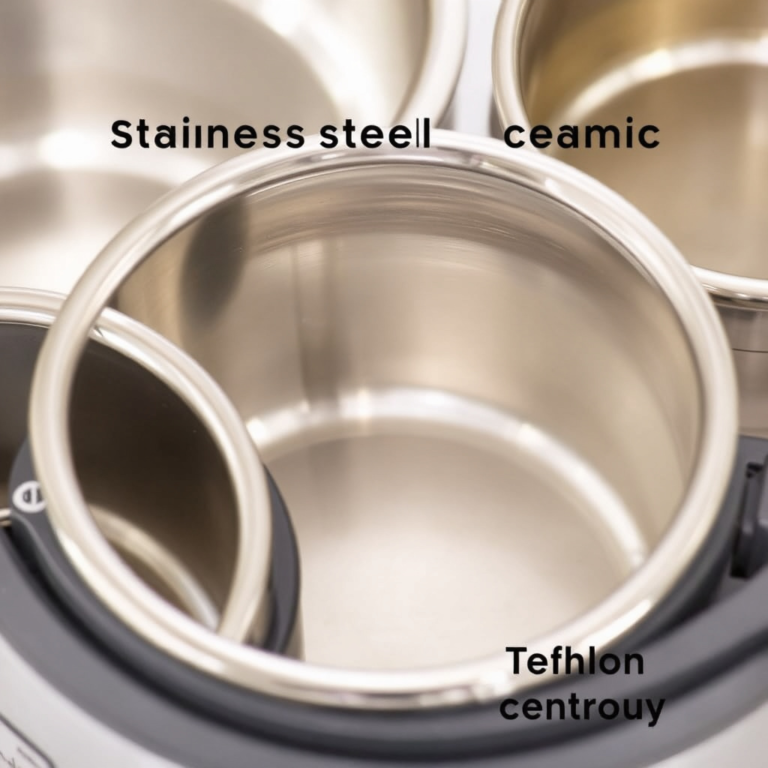
Compared to non-stick or ceramic pots, stainless steel inner pots offer superior longevity and require less maintenance to keep their surface intact. Non-stick coatings can scratch easily and often lose their effectiveness after months of use.
These pots also avoid potential health concerns that arise from flaking or heating non-stick chemicals, making stainless steel a safer choice for frequent cooking. Additionally, they tolerate higher temperatures and can sometimes be used on stovetops or ovens if removable.
Capacity and Size Options
Matching Pot Size to Your Needs
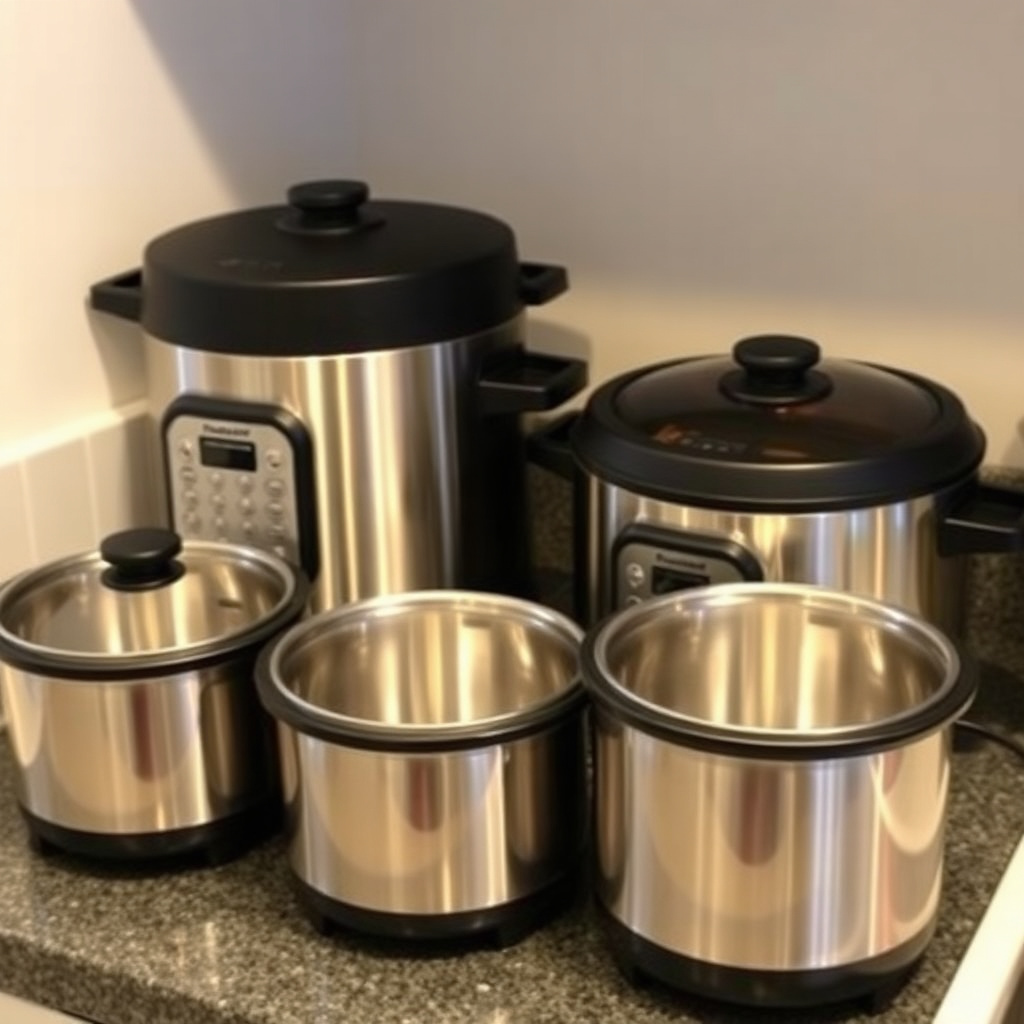
Rice cooker inner pots with stainless steel come in sizes ranging from 3 cups to over 10 cups uncooked rice capacity. Choosing the correct size depends on your household size and typical meal portions.
Small 3-4 cup models suit individuals or couples, while families often benefit from 6-8 cup capacity pots. Larger capacities provide room for batch cooking but tend to be bulkier and use more energy per cycle.
- 3-4 cups for singles/couples
- 6-8 cups for small families
- 10+ cups for large families or batch cooking
Portability and Storage Considerations
Compact rice cookers with smaller stainless steel pots are easy to store and transport, ideal for dorm rooms or small kitchens. They also tend to heat up faster due to lower volume.
Conversely, larger units might require more counter space and heavier lifting, but they accommodate bigger meals and leftovers effectively. Consider your kitchen layout and storage options before purchasing.
Heating Technology and Cooking Performance
Induction Heating vs. Conventional Heating
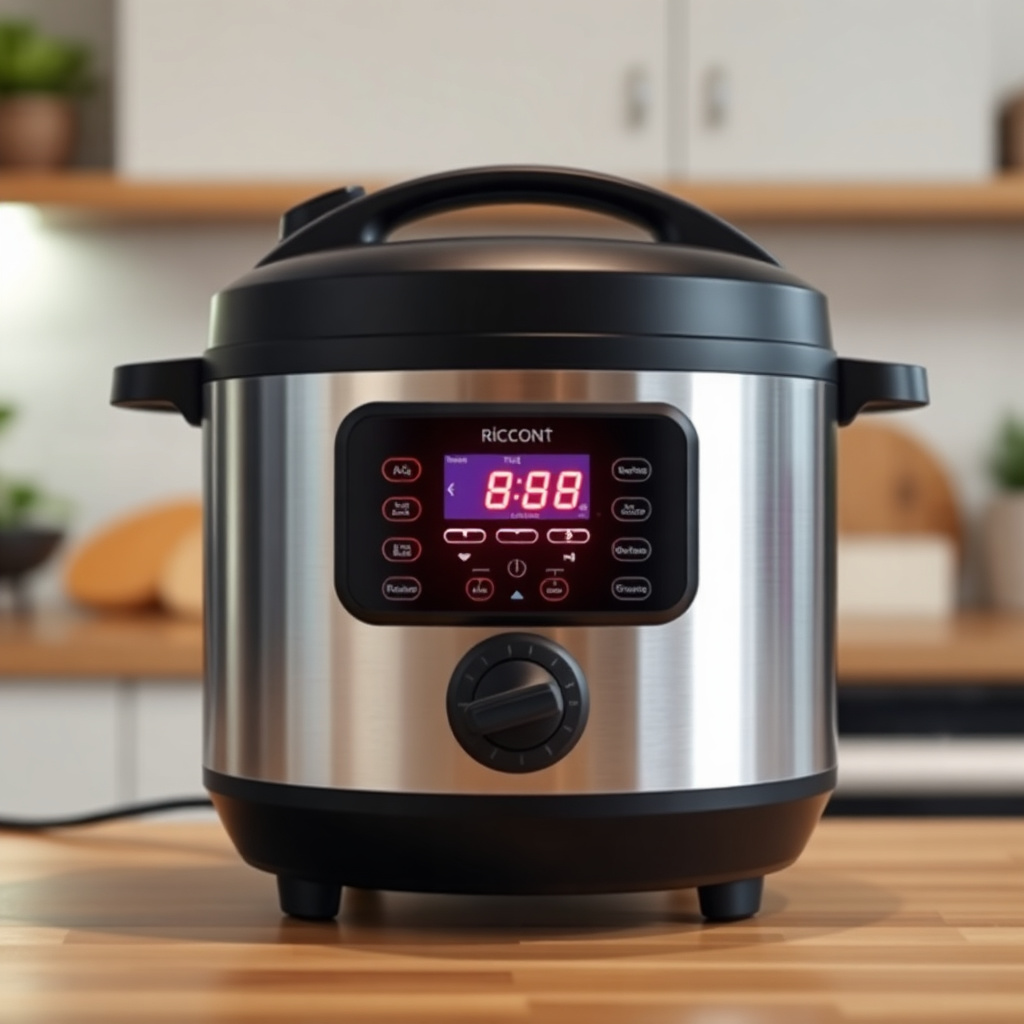
Rice cookers with stainless steel inner pots often employ induction heating technology, which creates a magnetic field that heats the pot evenly and rapidly. Induction models typically offer more precise temperature control compared to conventional heating plates.
Conventional heating uses a fixed heating element beneath the pot, which can result in uneven cooking zones. While usually more affordable, conventional models might struggle to fully utilize the heat conduction benefits of stainless steel pots.
- Induction heating offers fast, even warmth
- Conventional heating might create hot spots
- Induction models tend to cost more but cook better
For more on this, see our related guide: How to Choose Non Toxic Rice Cookers for Healthier Cooking.
Multi-Functionality and Cooking Modes
Advanced rice cookers with stainless steel inner pots often include multiple cooking modes, from white and brown rice to porridge and steaming. These preset modes tailor cooking times and temperatures to the rice type for optimal texture.
Some models also incorporate fuzzy logic microprocessors that adjust heat and timing in real time based on moisture and temperature, ensuring consistent results with every batch.
Maintenance and Cleaning of Stainless Steel Pots
Cleaning Tips for Longevity
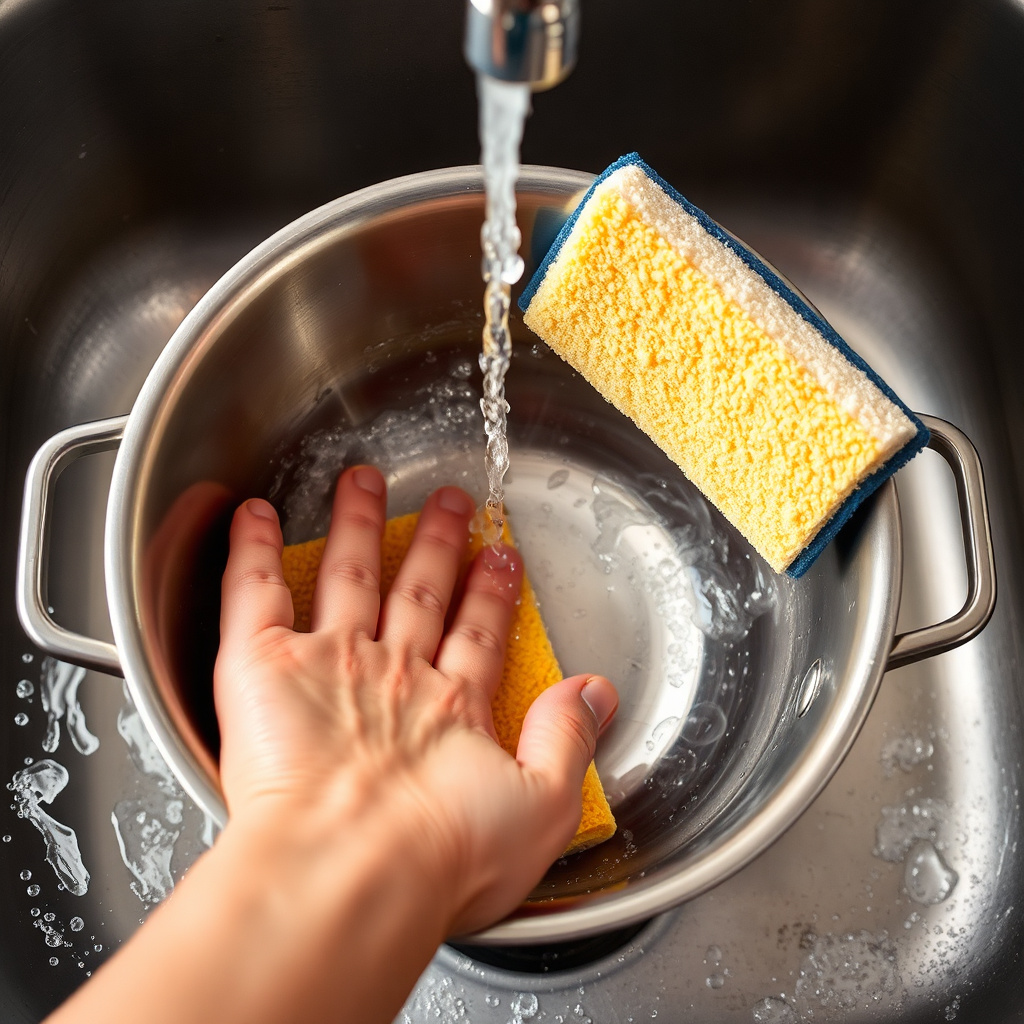
Stainless steel inner pots are dishwasher safe and resist staining, but regular cleaning after cooking prevents residue buildup. Use non-abrasive sponges and mild detergents to maintain the pot’s smooth surface.
Avoid steel wool or harsh chemicals that can scratch or dull the finish. Soaking pots with stuck-on food in warm water before cleaning can simplify maintenance.
- Dishwasher safe for most models
- Use gentle sponges and detergents
- Soak stubborn residue for easier cleaning
Addressing Discoloration and Water Spots
Over time, stainless steel may develop rainbow discoloration or water spots from mineral deposits. These do not affect cooking safety but can be removed with a vinegar soak or stainless steel cleaner.
Regular drying after washing helps prevent water spots. Avoid prolonged contact with acidic or salty foods inside the pot to reduce corrosion risks.
- Use vinegar or stainless steel cleaner for spots
- Dry pots thoroughly after washing
- Minimize acidic food contact to prevent corrosion
Price Range and Brand Recommendations
Budget to Premium Options
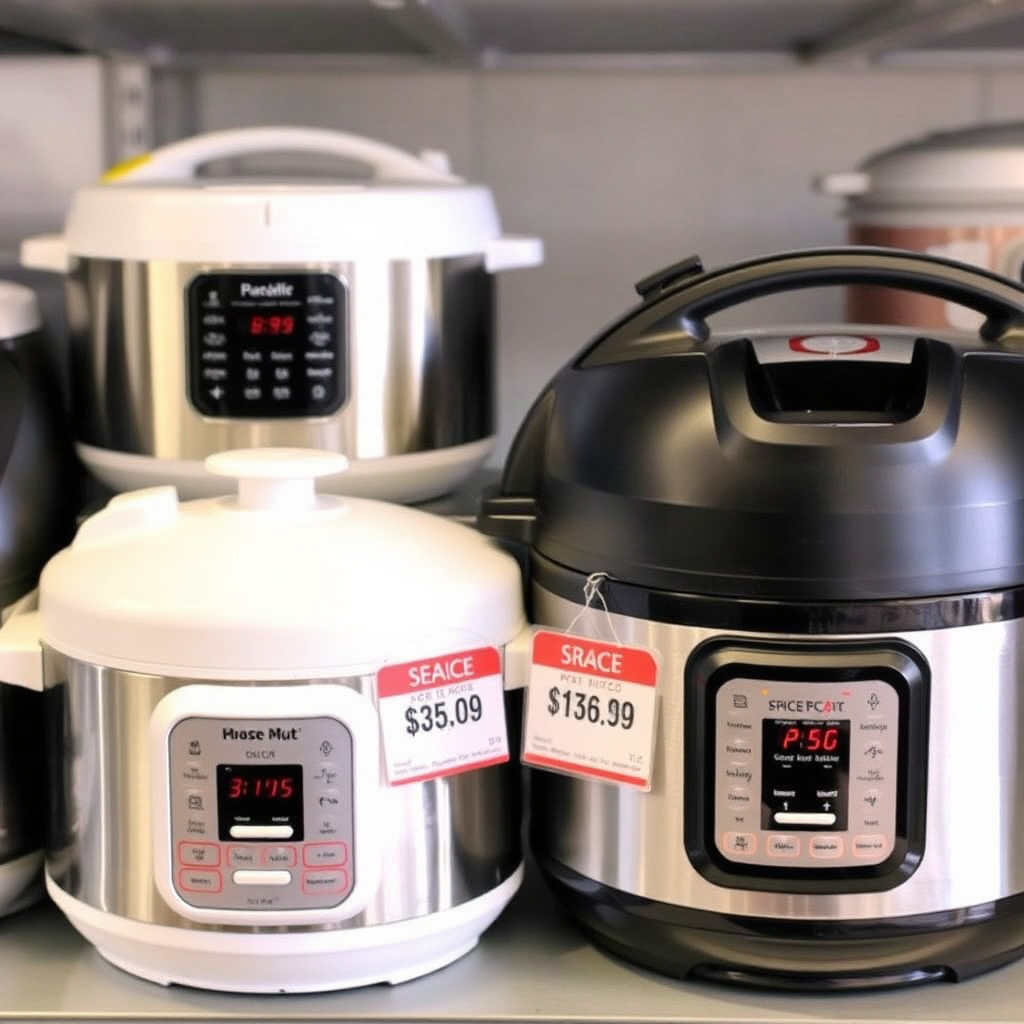
Rice cookers with stainless steel inner pots are generally more expensive than non-stick alternatives due to material cost and manufacturing complexity. Low-end models start around $40 to $70, offering basic features and smaller capacities.
Mid-range cookers priced between $70 and $150 balance performance and durability, often including induction heating and multiple cooking modes. Premium models exceeding $200 provide advanced microprocessor controls, larger capacities, and enhanced build quality.
- Budget: $40-$70 basic features
- Mid-range: $70-$150 with smart controls
- Premium: $200+ high-end tech and large capacity
Trusted Brands to Explore
Brands like Zojirushi and Tiger Electrical Appliances have strong reputations for stainless steel inner pot rice cookers, known for reliability and precise cooking. Cuckoo offers affordable options with multi-functionality and solid construction.
Newer brands may offer stainless steel pots but check customer reviews and warranty coverage. Brand longevity often correlates with better performance and support.
- Zojirushi for premium technology
- Tiger for durability and ease of use
- Cuckoo for value-packed multi-function models
Comparing Stainless Steel and Non-Stick Inner Pots
Durability and Safety Differences
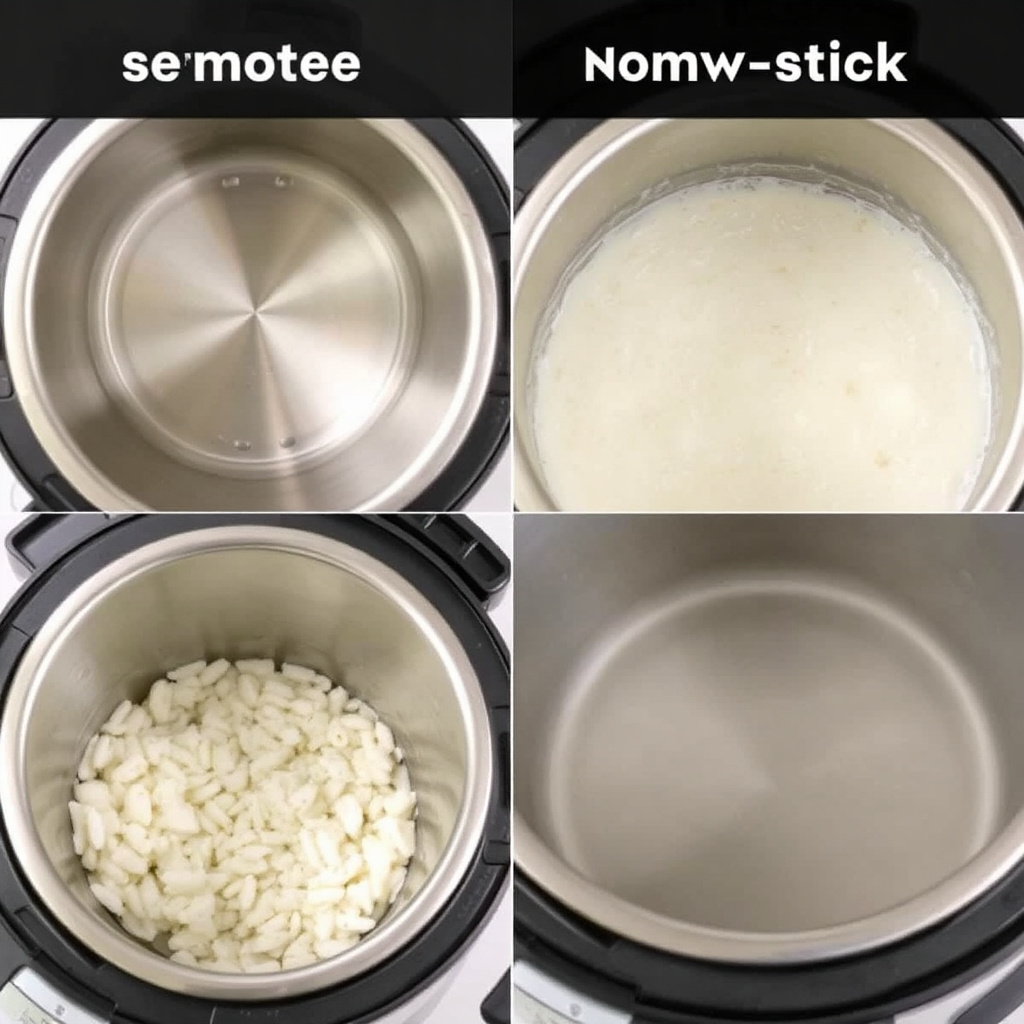
Stainless steel inner pots resist scratches and corrosion better than non-stick ones, which degrade with use and expose coatings that can flake into food. Stainless steel’s inert properties make it safer for daily use.
Non-stick pots simplify cleanup but often require careful handling and replacement after a few years. The steel option is a longer-term investment.
For more technical details on rice cooker materials and performance, see this comprehensive overview of rice cooker types and inner pot materials. rice cooker materials on Wikipedia.
Impact on Cooking and Flavor
Stainless steel pots deliver more even heat consistency and maintain rice texture authentically, whereas non-stick liners may distribute heat less uniformly. Some cooks note slight taste differences due to material interaction.
However, non-stick options reduce sticking significantly and lower cleanup time, which matters for many users.
Rice Cooker Inner Pot Material Comparison
This table compares popular rice cooker pot materials to highlight their strengths and weaknesses for home cooking.
| Material | Durability | Safety | Heat Distribution | Ease of Cleaning | Price Range |
|---|---|---|---|---|---|
| Stainless Steel | High | Non-reactive and safe | Excellent, with layered bases | Moderate; may need stove scrubbing | Mid to High |
| Non-Stick Coated Aluminum | Moderate; prone to scratching | Potential chemical concerns | Good, but heat spots possible | Easy; food rarely sticks | Low to Mid |
| Ceramic Coated | Fragile coating | Generally safe | Moderate; ceramic conducts less heat | Easy, but coating chips | Mid |
| Aluminum Bare | Low; dents and warps | Safe but reactive with some foods | Excellent heat conduction | Moderate, may stain | Low |
Frequently Asked Questions
Are stainless steel inner pots dishwasher safe?
Most stainless steel inner pots are dishwasher safe, but hand washing with mild detergent preserves their finish longer and helps prevent water spots.
Do stainless steel inner pots affect the taste of rice?
Stainless steel pots are non-reactive, so they preserve rice’s natural flavor better than some coated or aluminum pots that can interact with the food.
Is induction heating necessary for stainless steel pots?
Induction heating maximizes stainless steel pot performance by providing even, fast heating, but conventional heating models are compatible and usually less expensive.
Can I use metal utensils with stainless steel inner pots?
Yes, stainless steel inner pots are durable enough to withstand metal utensils without scratching, unlike non-stick coatings.
How do I remove discoloration from my stainless steel pot?
A vinegar soak or a dedicated stainless steel cleaner can effectively remove discoloration and water spots without damaging the pot.
Key Takeaways
- Stainless steel inner pots offer superior durability and safety compared to non-stick options.
- Selecting the right pot size is vital for efficient cooking and storage.
- Induction heating pairs best with stainless steel for even temperature control.
- Proper cleaning maintains pot finish and prevents discoloration.
Conclusion
Choosing a rice cooker with a stainless steel inner pot means investing in an appliance that emphasizes longevity, safety, and consistent cooking quality. By understanding the differences in material construction, heating technologies, and pot sizes, you can select a cooker that fits your eating habits and kitchen constraints. This approach helps avoid frequent replacements and supports healthier meal preparation without chemical exposure.
If you frequently cook for a family or plan to use your rice cooker for versatile dishes beyond plain rice, a mid-range induction heating model with a 6 to 8-cup stainless steel pot will meet those needs well. For single users or couples, compact models offer portability and speed. Brands like Zojirushi and Tiger provide reliable, well-reviewed options that balance quality and advanced features for the best cooking experience.
Your next step should be weighing your household size, budget, and cooking preferences while comparing specific model features. Consider maintenance ease, especially if this is your first stainless steel pot rice cooker. Checking out detailed reviews and testing units in-store where possible can also help make your decision clearer.