How Long to Grill Chicken: Perfect Timing for Juicy Results
Discover how long to grill chicken for juicy, flavorful results every time. Master grilling times for breasts, thighs, wings, and more.
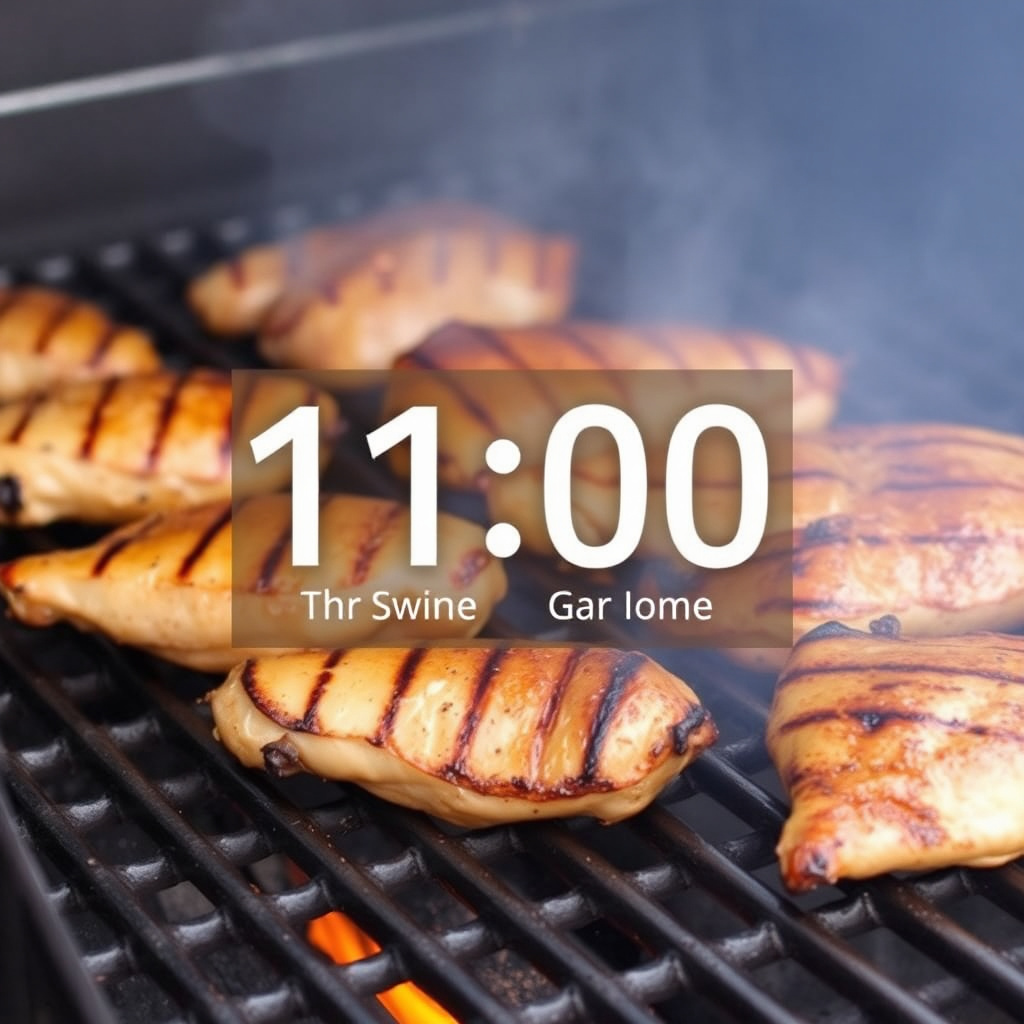
Grilling chicken typically takes between 10 to 30 minutes depending on the cut and heat level; chicken breasts generally take about 6 to 8 minutes per side over medium-high heat. Achieving the right internal temperature—165°F—is key for both safety and juiciness when grilling chicken. Using a meat thermometer helps avoid guesswork.
Getting the timing right matters because overcooked chicken can become dry and tough, while undercooked chicken poses health risks. Different cuts such as thighs, breasts, and wings have different thicknesses which affect how long they need to be grilled. The type of grill and whether it’s direct or indirect heat also influence cooking times.
This guide will cover ideal grilling times and methods for various chicken cuts, tips for maintaining moisture, how to test doneness, and recommended grill settings. You’ll learn how to confidently grill chicken to juicy perfection whether you’re using charcoal, gas, or electric grills.
Understanding How Long to Grill Chicken for Different Cuts
Grilling Chicken Breasts
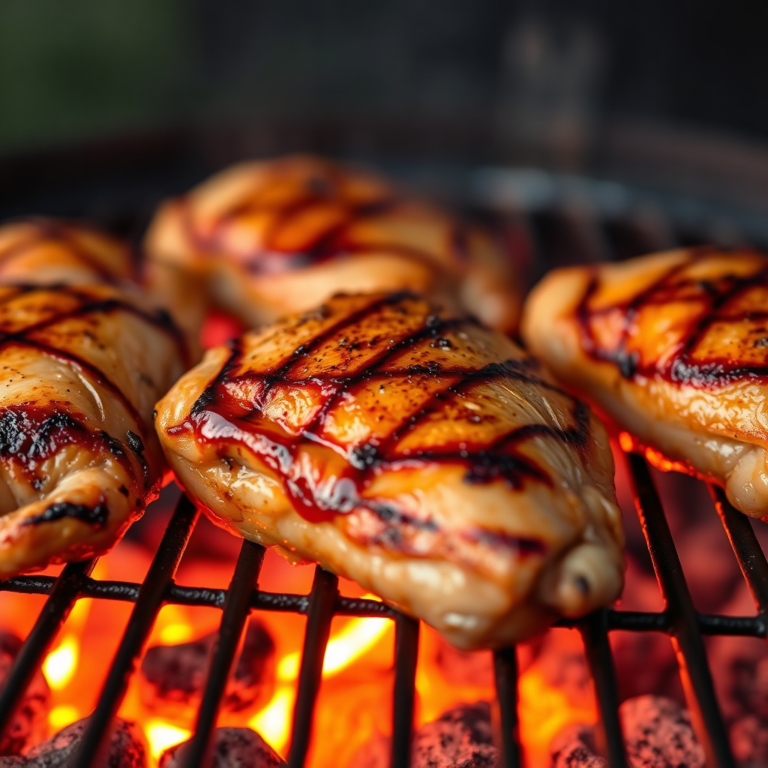
Chicken breasts are lean and prone to drying out. Grill them over medium-high heat for about 6 to 8 minutes per side, depending on thickness. Thinner breasts cook faster, so adjust timing accordingly.
To retain moisture, consider marinating or brining breasts beforehand. Use a meat thermometer to check internal temperature, aiming for 165°F to confirm doneness without overcooking.
- Cook 6-8 minutes per side over medium-high heat
- Target internal temperature: 165°F
- Marinate or brine to enhance juiciness
Grilling Chicken Thighs and Legs
Dark meat like thighs and legs are more forgiving due to higher fat content. Grill over medium heat for roughly 10 to 15 minutes per side.
Bone-in pieces take longer to cook than boneless. Check for a consistent 165°F internal temperature, focusing near the bone as it cooks more slowly.
- Cook 10-15 minutes per side over medium heat
- Bone-in takes longer than boneless
- Aim for 165°F internal temperature near the bone
Mastering Grill Settings and Techniques
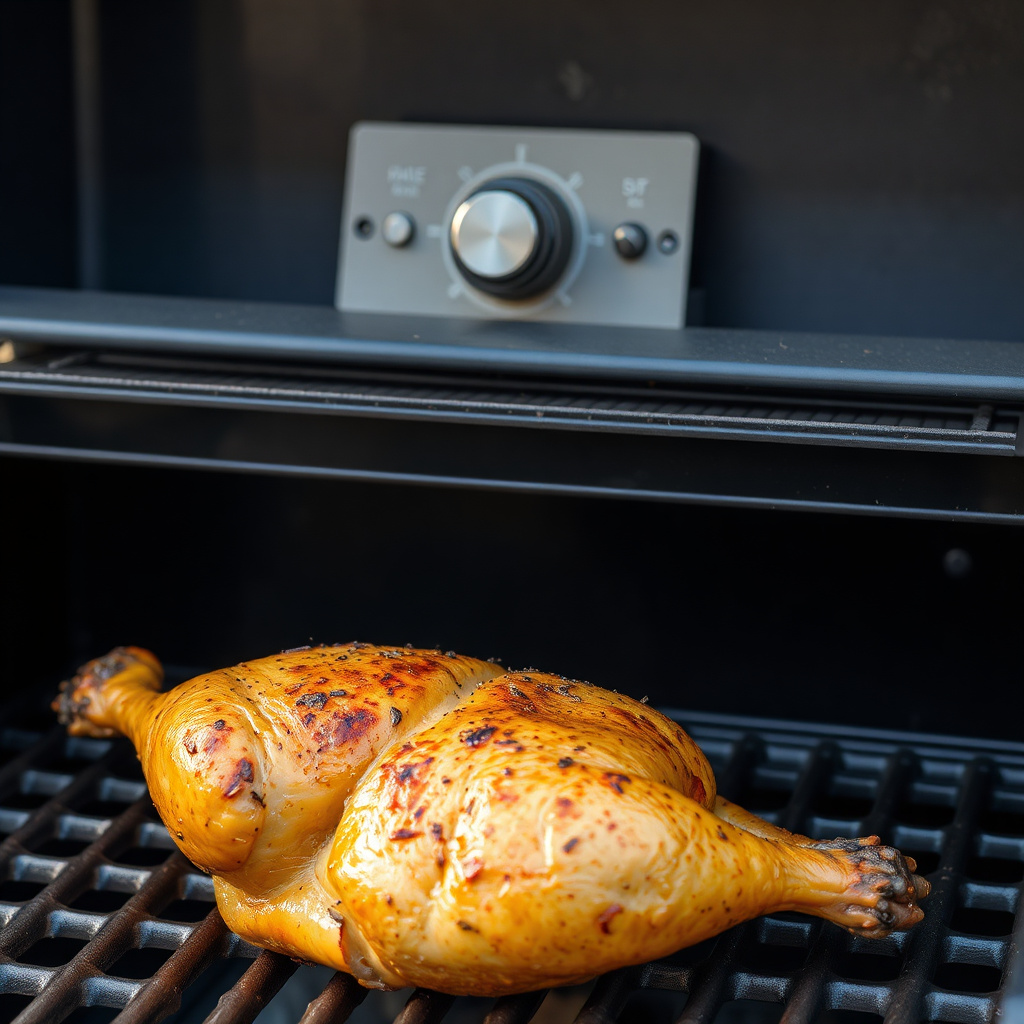
Best Grill Settings for Chicken
Medium to medium-high heat (around 350-450°F) balances thorough cooking with a good sear. Avoid overly high heat that can char the outside before the inside is done.
Preheat your grill for 10-15 minutes before cooking to stabilize temperatures and improve cooking times. Using a two-zone setup lets you sear then move the chicken to indirect heat for finishing.
- Maintain grill temperature between 350-450°F
- Preheat grill for 10-15 minutes
- Use two-zone grilling techniques (direct/indirect heat)
For more on this, see our related guide: How Long to Grill Chicken Thighs for Perfect Flavor and Juiciness.
Direct vs. Indirect Grilling Methods
Direct grilling places the chicken right over the heat source for a faster cook and charred exterior. This works well for thinner cuts and wings that cook quickly.
Indirect grilling moves chicken to a cooler zone away from direct heat, ideal for thick or bone-in pieces that need longer to cook without burning outside.
- Direct heat: fast cooking, best for thin cuts
- Indirect heat: slower, even cooking for bone-in or thick pieces
Ensuring Chicken is Fully Cooked and Safe to Eat
Using a Meat Thermometer
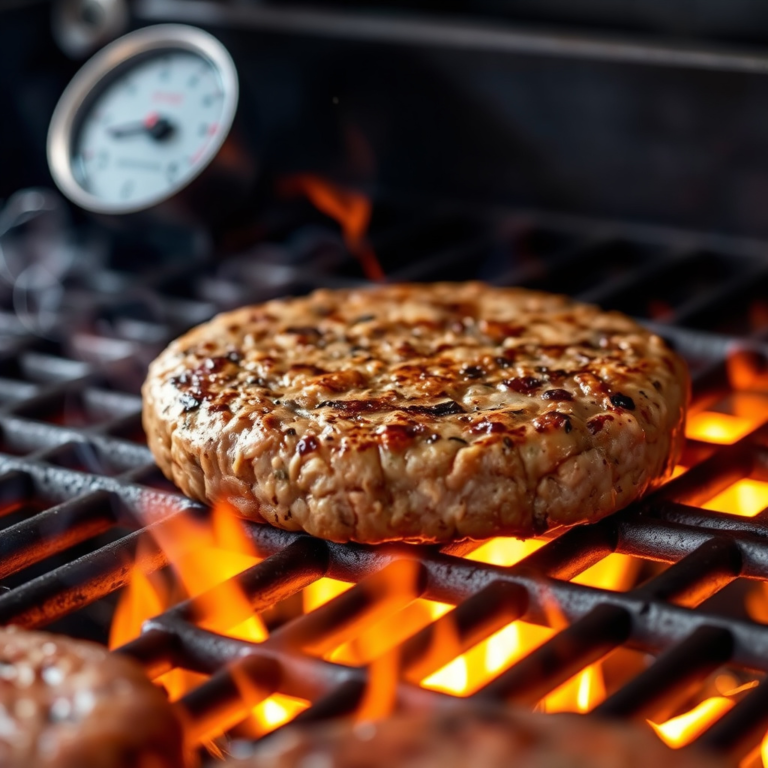
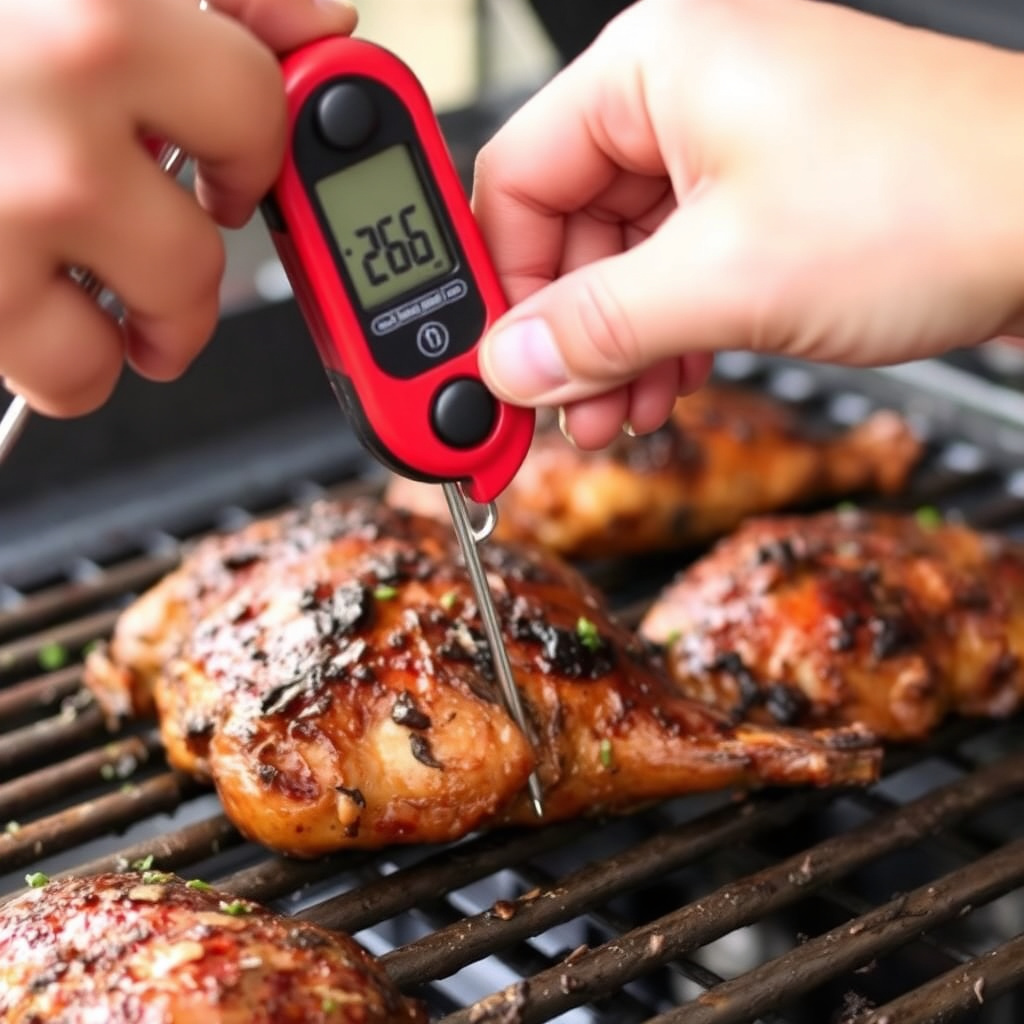
A digital meat thermometer provides reliable confirmation that chicken is safely cooked. Insert it into the thickest part, avoiding bone contact.
Wait for the thermometer to register 165°F. This temperature kills harmful pathogens and guarantees the chicken is ready to serve.
- Insert thermometer into thickest part of chicken
- Avoid touching bone to prevent false reading
- Remove chicken at 165°F internal temperature
Visual and Tactile Doneness Indicators
Juices running clear and firm texture indicate doneness but are less reliable without a thermometer. Cutting into the thickest piece should reveal opaque, white meat not pink.
Feel the chicken’s firmness as it cooks; it firms up when done but avoid overpressure that can dry it out.
- Clear juices and opaque meat signal doneness
- Firm texture indicates cooked chicken
- Combine with thermometer checks for accuracy
Maintaining Juiciness and Flavor While Grilling Chicken
Marinating and Brining Techniques
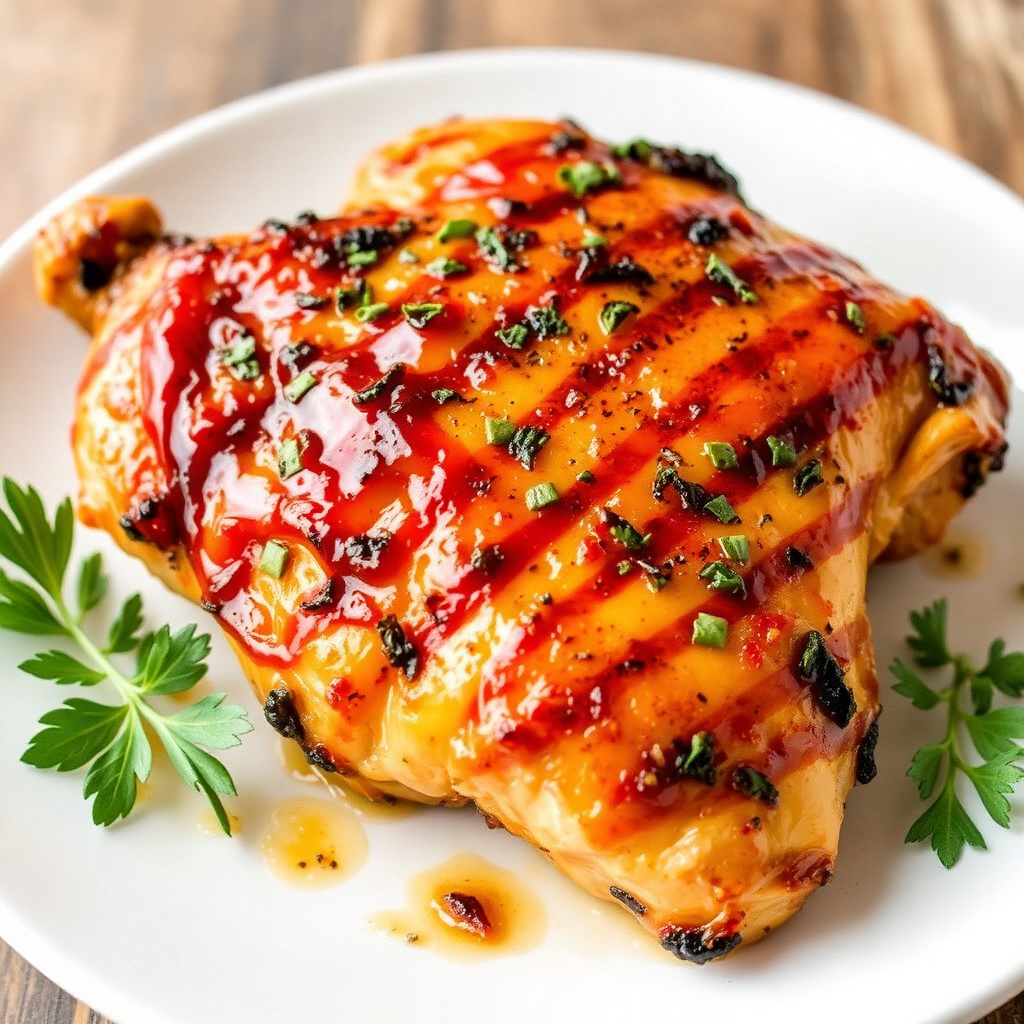
Marinating chicken in acidic mixtures with oil, herbs, and spices infuses flavor while helping retain moisture during grilling.
Brining with a saltwater solution before grilling increases juiciness by enhancing the meat’s water retention. Both techniques work well for lean cuts like breasts.
- Use acidic marinades (lemon, vinegar) with oil and spices
- Brine with saltwater for 30 minutes to a few hours
- Marinate or brine before grilling for best results
Resting Grilled Chicken
Allow chicken to rest for 5-10 minutes after grilling. This redistributes juices that might escape when cutting immediately.
Resting preserves moist texture and makes the chicken taste more tender and flavorful.
- Rest chicken 5-10 minutes post-grilling
- Cover loosely with foil during resting
- Prevents juice loss when slicing
Different Grilling Times by Chicken Type and Preparation
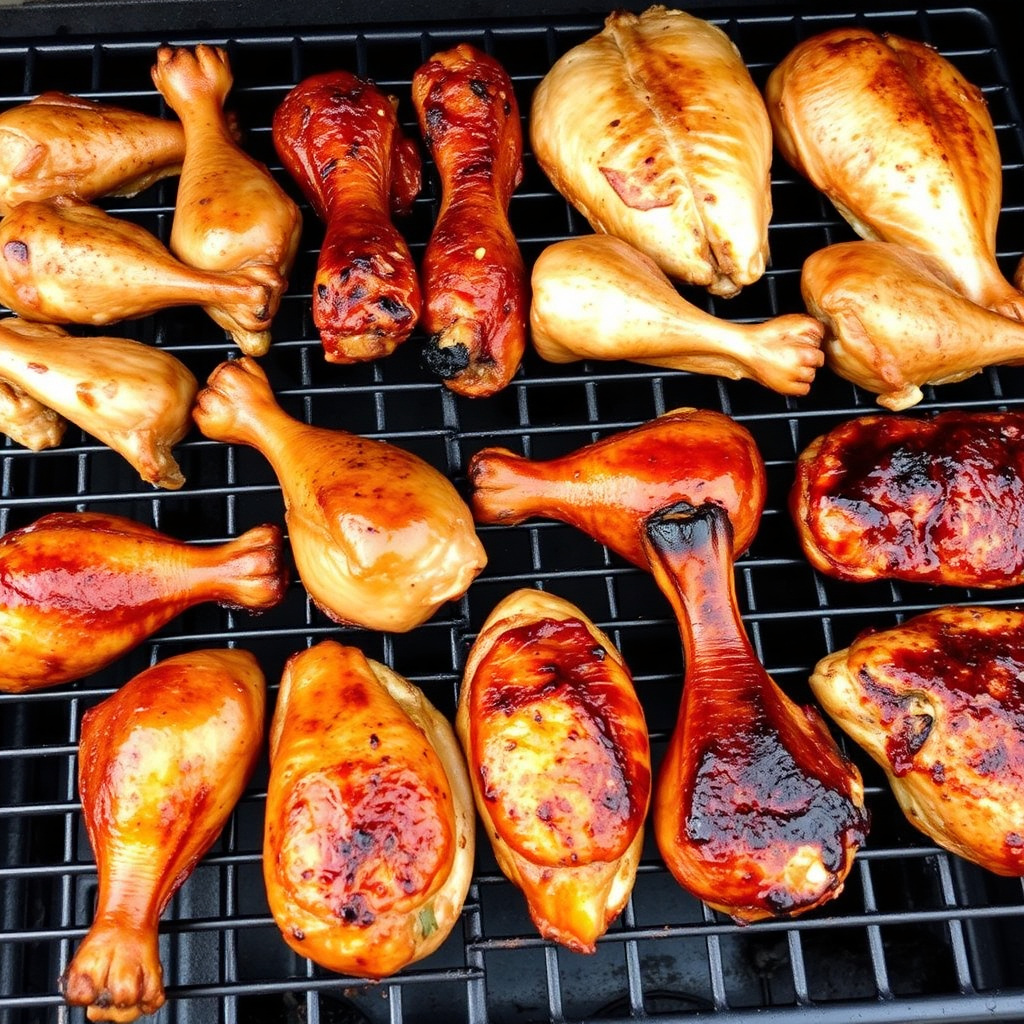
Wings and Drumettes Grilling Duration
Chicken wings and drumettes cook quickly, often needing only 20-25 minutes total on medium heat. Turning regularly prevents flare-ups and ensures even char.
They are forgiving because of skin and fat, making wings ideal for direct grilling methods with high heat for crispiness.
- Cook wings for about 20-25 minutes over medium heat
- Turn often for even cooking and char
- Best grilled over direct heat for crispy skin
For guidelines on safe minimum cooking temperatures, visit the USDA's food safety resources. Chicken safety and cooking temperatures.
Whole Chicken and Spatchcocking Times
Whole chickens take considerably longer, typically 60-90 minutes on indirect heat at 350°F. Spatchcocking (removing backbone to flatten) reduces cooking time and promotes even heat contact.
Use a meat thermometer to monitor multiple spots, ensuring both dark and white meat reach the safe 165°F threshold.
- Whole chicken cooks 60-90 minutes on indirect heat
- Spatchcock to reduce time and improve grilling efficiency
- Check temperature in several spots for safety
Grilled Chicken Cut Cooking Time Comparison
Here’s a comparison of grilling times and ideal heat settings for popular chicken cuts to help you choose the best approach.
| Chicken Cut | Approximate Grill Time | Ideal Grill Temperature | Recommended Heat Method |
|---|---|---|---|
| Chicken Breast | 12-16 minutes | Medium-high (375-450°F) | Direct heat with two-zone method |
| Chicken Thighs (Bone-in) | 20-30 minutes | Medium (350-400°F) | Indirect heat preferred |
| Chicken Wings | 20-25 minutes | Medium-high (375-450°F) | Direct heat, frequent turning |
| Whole Chicken | 60-90 minutes | Medium (350°F) | Indirect heat, spatchcock if possible |
| Chicken Drumsticks | 25-30 minutes | Medium (350-400°F) | Indirect heat to avoid flare-ups |
Frequently Asked Questions
How can I tell if grilled chicken is done without a thermometer?
Check that chicken juices run clear, the meat is opaque and white inside, and the texture feels firm but not hard. However, using a meat thermometer is more reliable for safety.
Is it better to grill chicken with the skin on or off?
Skin-on chicken stays juicier and crisps nicely when grilled. Skin acts as a barrier against drying out, making it preferable for most grilled chicken recipes.
Should I marinate chicken before grilling?
Marinating adds flavor and helps keep chicken moist, especially lean cuts like breasts. Acidic marinades with citrus or vinegar work well when used for at least 30 minutes.
Can I grill chicken from frozen?
It's safer and better for quality to thaw chicken before grilling. Cooking frozen chicken on a grill leads to uneven cooking and may leave the inside undercooked.
Why did my grilled chicken turn out dry?
Dryness often results from overcooking or grilling at too high heat. Using a thermometer and resting the chicken after grilling helps maintain juiciness.
Key Takeaways
- Chicken grill times vary widely by cut and thickness.
- Aim for 165°F internal temperature for safe, juicy chicken.
- Medium to medium-high grill heat balances cooking and searing.
- Use marinades, brining, and resting to preserve moisture.
Conclusion
Knowing how long to grill chicken comes down to understanding the cut you’re cooking and controlling grill heat. Chicken breasts cook faster than thighs or whole chickens, and using a meat thermometer is the best way to confirm doneness. Balancing direct and indirect heat prevents burning while ensuring the inside cooks fully. Timing alone isn’t enough—you need attention to temperature, preparation methods, and resting for moist, flavorful results after grilling chicken.
If you're working with chicken breasts, grilling over medium-high heat for about 12-16 minutes total with careful monitoring produces excellent results. For bone-in thighs and drumsticks, slower cooking on indirect medium heat for 20-30 minutes avoids burning the exterior. Wings benefit from direct heat and frequent turning, cooking in 20-25 minutes. Whole chickens demand patience and indirect heat for an hour or more, but spatchcocking can speed this process while ensuring even cooking.
After you understand your grill’s temperature and different chicken types’ needs, try simple marinades or brines to enhance flavor and prevent dryness. Use a meat thermometer to avoid guessing and always rest the chicken before slicing. With practice, grilling chicken becomes predictable and rewarding. Start with your preferred cut, apply the recommended techniques, and you’ll consistently get juicy, perfectly grilled chicken every time.