How Should Food Be Rotated in Storage for Maximum Freshness and Safety
Learn how food should be rotated in storage to keep it fresh, safe, and reduce waste with practical tips anyone can follow.
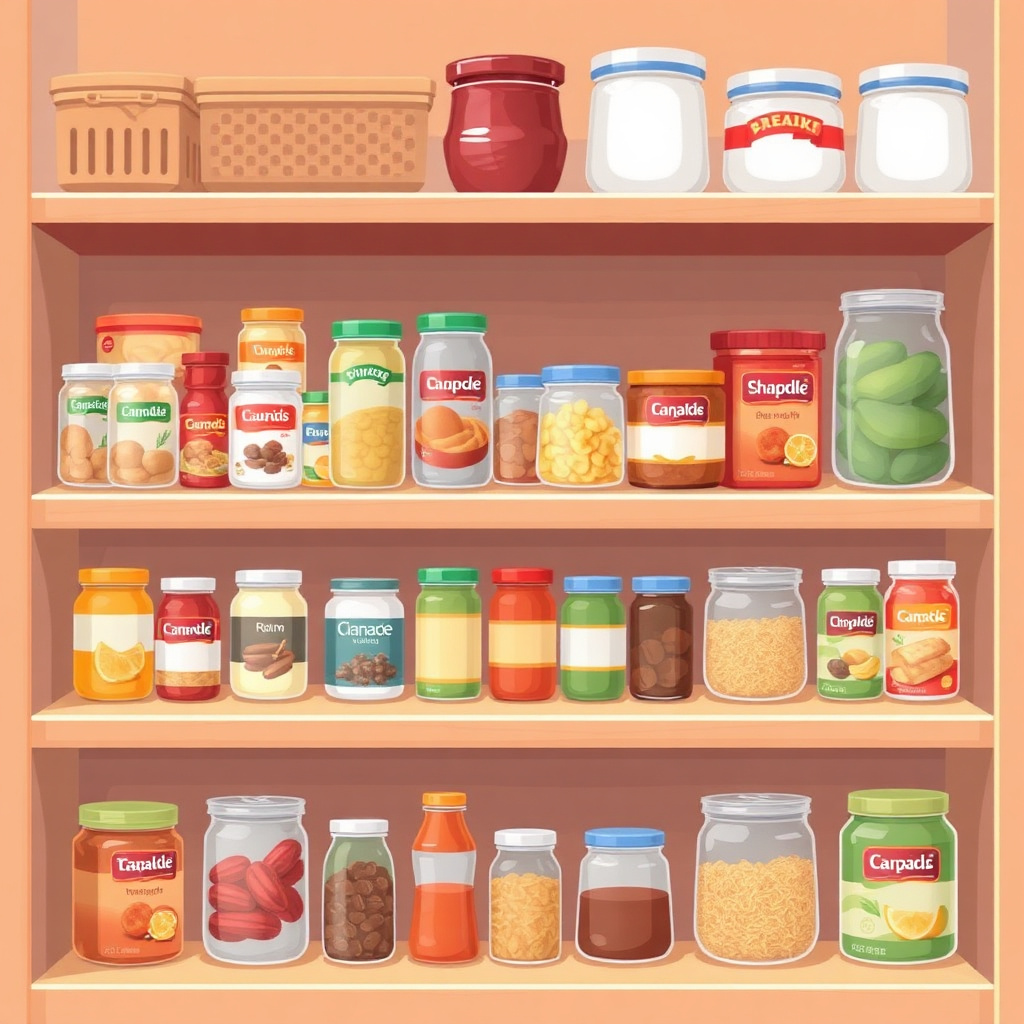
Food should be rotated in storage by following the First In, First Out (FIFO) method, where older items are used before newer ones. This approach ensures that food is consumed while still fresh, helps prevent spoilage, and reduces waste.
Proper rotation matters because food can deteriorate or become unsafe over time even when stored. By using the FIFO technique, you maintain a more hygienic and organized storage system, whether in your pantry, refrigerator, or freezer, and you avoid the risks associated with expired foods.
This article will cover key strategies on how food should be rotated in storage, including detailed methods for different types of storage, common mistakes to avoid, tools and labeling tips that support rotation, and how to handle special cases like canned or frozen items.
Understanding the First In, First Out (FIFO) Method for Food Rotation
What is FIFO and Why It Works
The FIFO method involves organizing food so that the items placed in storage earliest are used before items that arrive later. This prevents older foods from being forgotten and expiring, maintaining overall freshness.
FIFO is widely used in both commercial and home kitchens because it simplifies inventory management and directly combats food waste by encouraging consumption within each product's safe timeframe.
Applying FIFO in Different Storage Areas
In pantries, place newly purchased items behind the older stock on shelves, so older cans, jars, or boxes are always easiest to access first. In refrigerators, position older perishable items at the front or top where you see them daily.
For freezers, clearly label and group items by purchase or freeze date, and rearrange periodic storage runs to surface the oldest items. This disciplined rotation helps prevent mystery leftovers from lingering indefinitely.
- Store oldest items at eye level or front
- Label with date of purchase or opening
- Check storage weekly to reorder items
Labeling Techniques that Support Proper Food Rotation
Date Labeling Essentials
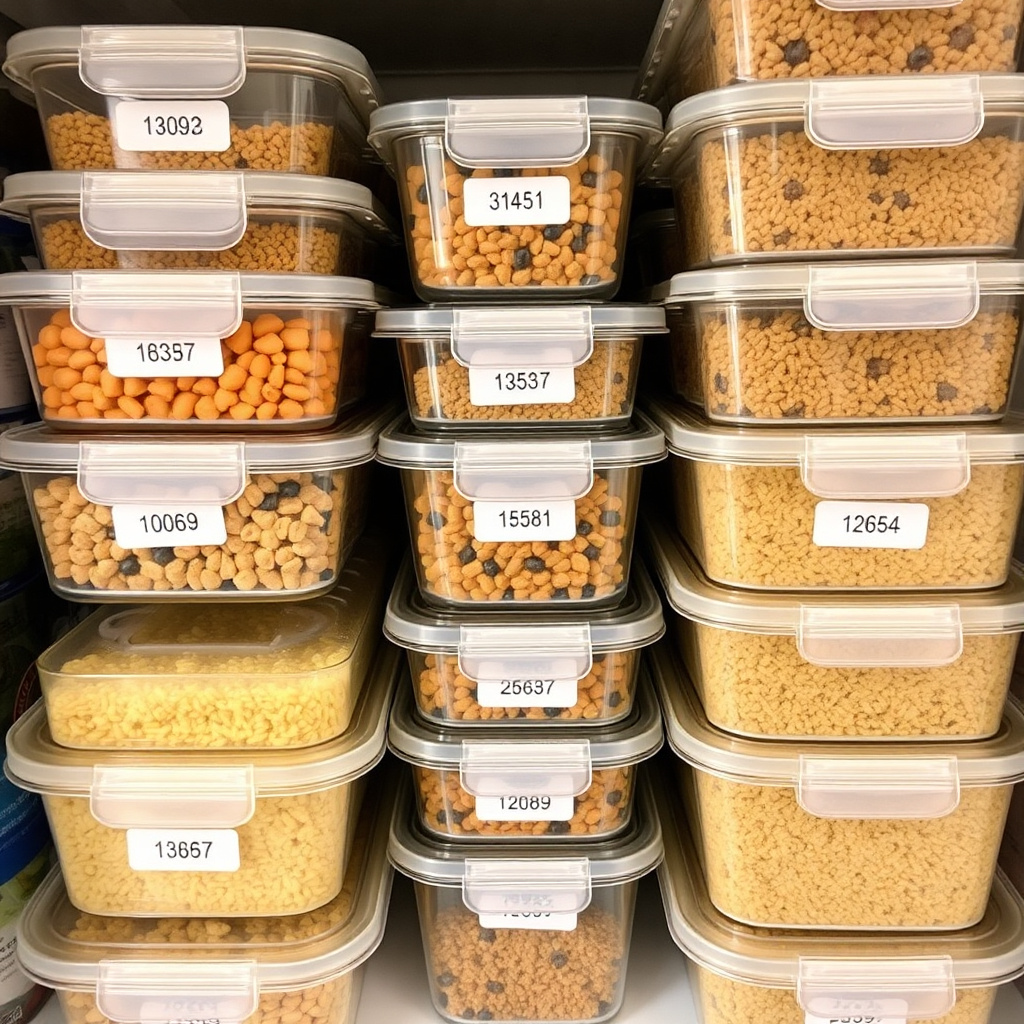
Adding clear date labels is essential for effective food rotation. Label packages with the date of purchase, opening, or freezing, whichever comes first, to quickly identify which items are oldest.
Using waterproof markers or printable stickers can maintain label clarity over time. Consistency ensures that you won’t confuse newer foods for older ones, helping maintain rotation discipline.
- Date of purchase
- Date of opening
- Date of freezing (if applicable)
Color-Coding for Quick Identification
Color-coded stickers or markers can make rotation even faster visually. For example, use red for items that need to be consumed within a week and yellow for those with longer shelf lives.
This technique is particularly helpful in larger storage environments or households with several people, as it provides a quick visual reminder to use older or more urgent items first.
- Red for soon-to-expire foods
- Yellow for longer shelf-life
- Green for newly added products
Storage Tips for Perishable Foods to Enhance Rotation
Organizing Refrigerated Items
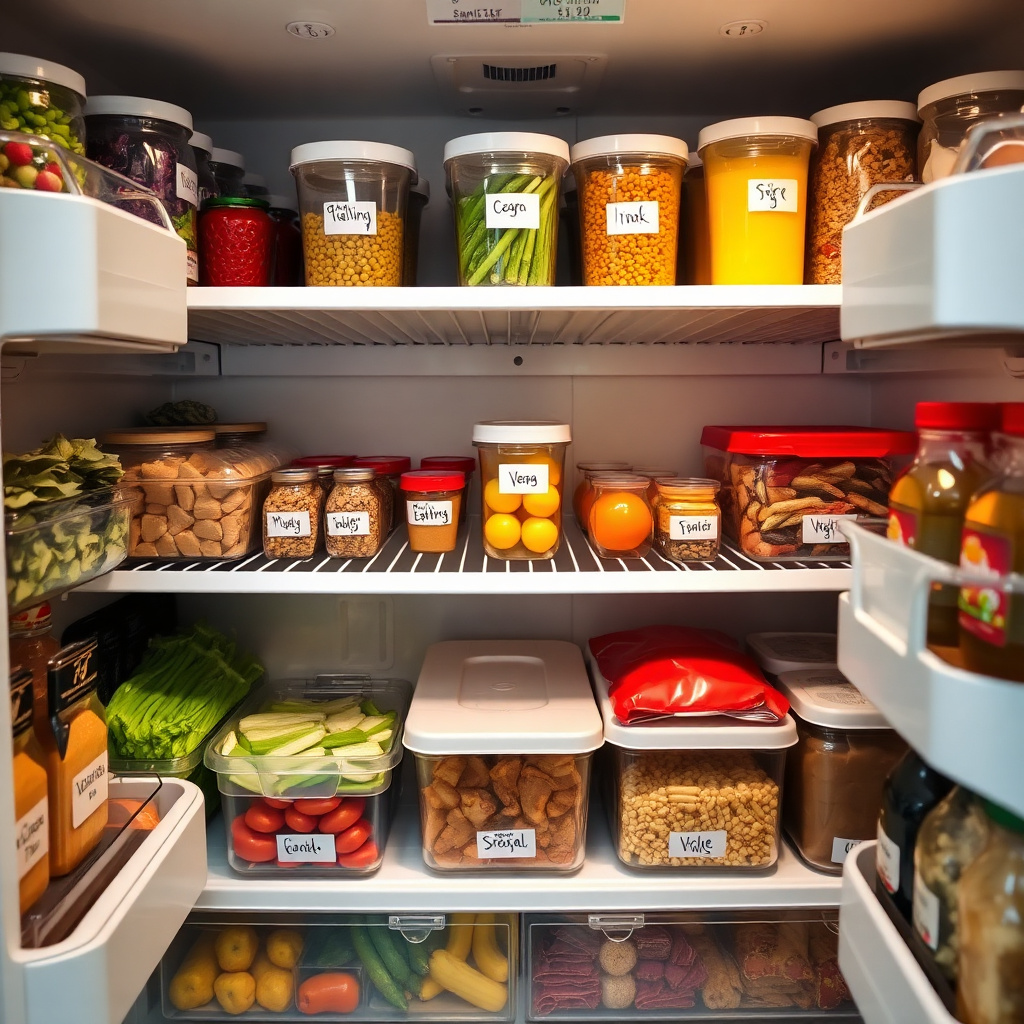
Perishable foods like dairy, meats, and fresh produce should be arranged so the products with the earliest use-by dates are positioned at the very front or top. This reduces the chance of spoilage due to forgotten items.
Ventilated storage bins or clear containers with labels can help keep things orderly. Rotate items regularly to avoid spoilage and maintain freshness from day one.
Proper Storage Techniques for Fresh Produce
Some fruits and vegetables last longer when separated or stored at certain temperatures. For effective rotation, group produce by expected shelf life and use timers or reminders to consume shorter-lived items first.
Avoid overcrowding, which can accelerate spoilage. Regularly inspect produce and consume the oldest items to prevent waste.
- Separate ethylene producers from sensitive produce
- Store high-respiration veggies in optimal humidity
- Use breathable containers
Rotating Non-Perishable and Canned Goods
Shelf-Life Awareness for Non-Perishables
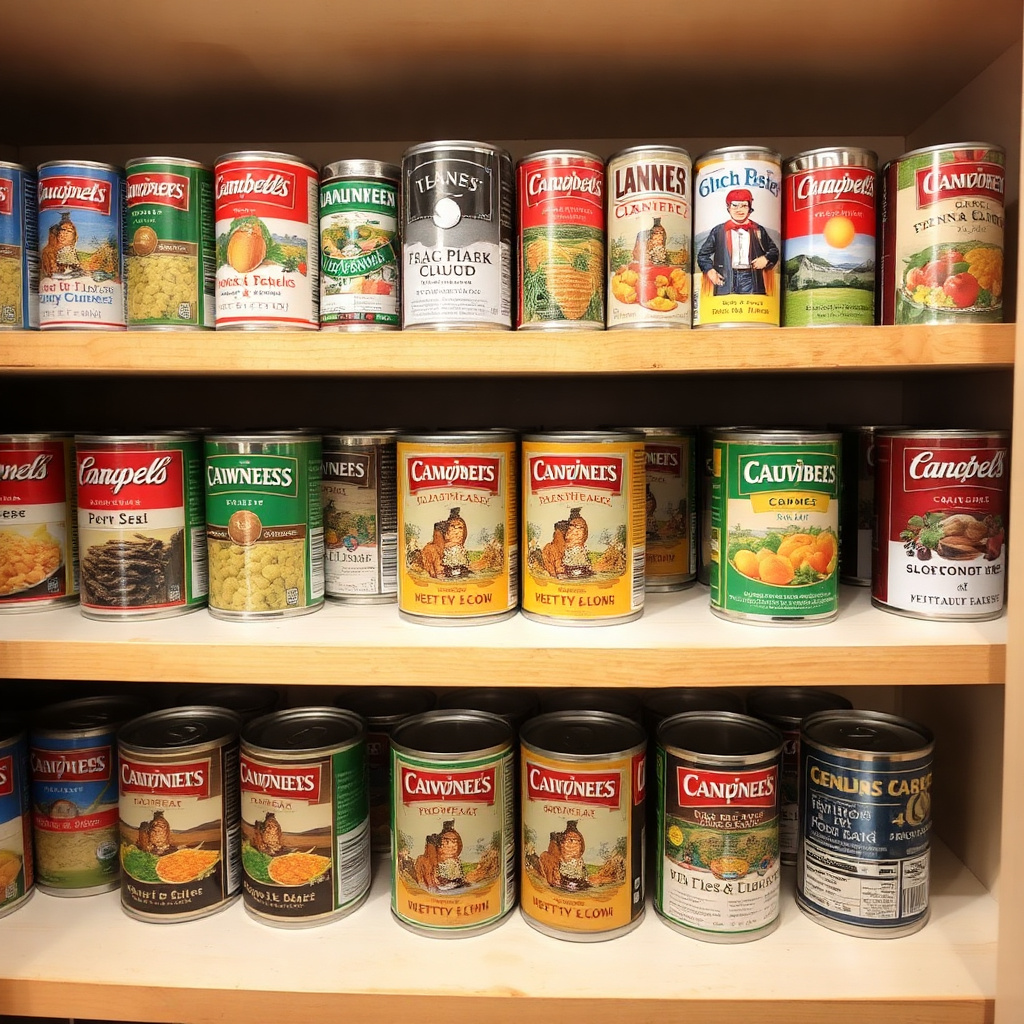
While canned and dried foods last longer, they still have expiration dates and optimal usage periods. Rotate these by placing older packages at the front of shelves so they are used first, preventing accumulation of expired items.
Keep an eye on stored items during routine cleaning sessions to remove any cans or boxes past their prime, improving storage hygiene and safety.
Handling Bulk and Overstocked Items
For bulk foods like rice, flour, or beans, transfer openings to airtight containers with labeling, using the oldest stock first. Overstock should be stored separately and clearly marked to avoid confusion.
Create dedicated storage spaces for bulk items with rotation plans to ensure freshness throughout, even when large quantities are stored.
- Use airtight, clear containers
- Label containers with dates
- Rotate bulk stock by dividing into smaller portions
Using Technology and Monitoring Tools to Improve Food Rotation
Inventory Apps for Managing Expiration Dates
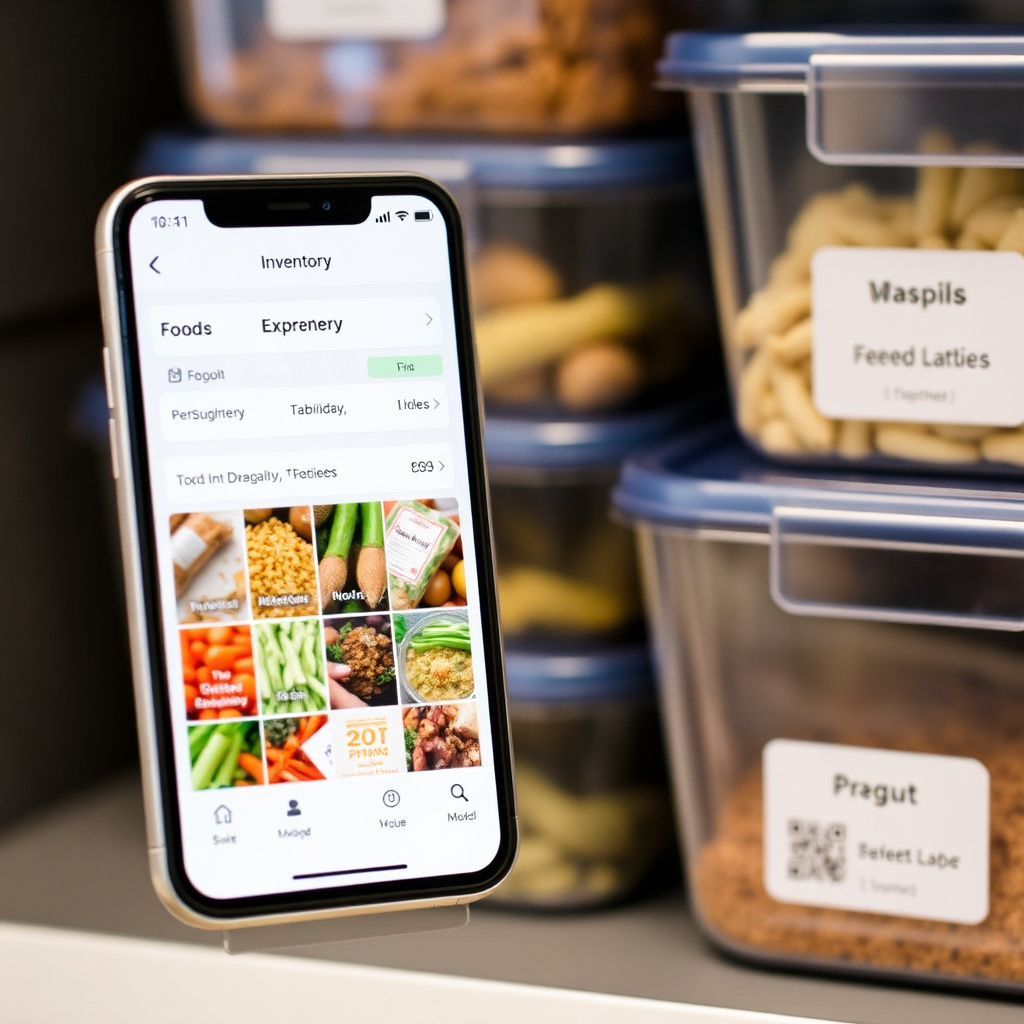
Specialized apps can track food inventory, alerting you when items approach their use-by dates and advising what to consume first. This digital aid supports physical rotation, especially in large households.
Many apps allow barcode scanning and custom reminders for easier management across pantry, fridge, and freezer.
- Scan-based tracking
- Expiration date notifications
- Meal planning integration
Periodic Manual Checks and Cleanouts
Even with technology, manual checks are vital. Set weekly or bi-weekly routines to examine storage areas, rearranging items according to FIFO and removing expired products.
Taking stock physically prevents surprises of spoiled or forgotten foods and trains household members in good rotation habits.
- Schedule regular checks
- Rearrange items by age and condition
- Dispose of expired and damaged goods
Common Mistakes to Avoid in Food Rotation

Ignoring Labels and Dates
Neglecting to label or check purchase and expiration dates undermines rotation efforts. Without clear information, you risk using spoiled items or wasting perfectly good food.
Consistent labeling and date checks help prevent confusion and give you confidence about what to use first.
For more detailed information on extending the shelf life of different foods, consult the article on food preservation techniques. food preservation techniques.
Overstocking Without Proper Organization
Buying excessive quantities without space or plan leads to buried items and faster spoilage. Overstocked pantries or fridges often break FIFO principles, increasing waste.
Moderate purchasing matched to consumption rate and maintaining an organized layout keeps rotation effective and storage manageable.
- Avoid bulk buys beyond storage capacity
- Keep storage orderly
- Rotate stock with every new purchase
Food Rotation Methods Comparison
This table compares common food rotation methods used in kitchens to illustrate their key differences and benefits.
| Rotation Method | Ease of Use | Best For | Key Drawbacks |
|---|---|---|---|
| First In, First Out (FIFO) | High | All types of food storage | Needs regular monitoring and labeling |
| Last In, First Out (LIFO) | Low | Specific batch/crafting settings | Increases waste risk in food storage |
| Just In Time (JIT) | Medium | Commercial kitchens with frequent restocks | Not practical for most home users |
| Use-By Date Priority | Medium | Perishables with clear expiration dates | Relies heavily on correct dates on packaging |
Frequently Asked Questions
Why is food rotation important in storage?
Food rotation helps keep food fresh longer, reduces waste, and minimizes the risk of consuming spoiled or unsafe food by ensuring older items are used first.
How often should I rotate food in my pantry and fridge?
Rotating food weekly is ideal for fridges and pantries to keep items organized and check for any nearing expiration, maintaining freshness and safety.
Can I use the same rotation methods for frozen foods?
Yes, frozen foods also benefit from FIFO rotation, but labeling with freeze dates is crucial as freezing prolongs shelf life but does not make food last indefinitely.
What should I do if I find expired food during rotation?
Expired food should be disposed of immediately to avoid health risks and to keep storage areas clean and hygienic.
Are there storage containers that help with food rotation?
Clear, airtight containers with labeling surfaces help you see contents and dates easily, making it much simpler to follow food storage best practices consistently.
Key Takeaways
- Use the First In, First Out (FIFO) method to keep food fresh and safe
- Label foods with purchase, opening, or freezing dates for clear rotation
- Organize storage spaces to make older items accessible first
- Regularly check and remove expired items to maintain hygiene
Conclusion
Choosing an effective strategy for food rotation is essential to both maintaining the safety and freshness of stored food and keeping waste to a minimum. The First In, First Out (FIFO) method works well for most home and commercial settings because it directly prioritizes using older items first. By organizing and labeling food clearly, you can create a straightforward routine that reduces guesswork and forgotten foods. Consistent rotation encouraged by labeling, periodic checks, and proper storage layouts is the best approach to maintaining food quality over time.
Specific storage scenarios benefit from tailored routines: perishables in the fridge require front placement and date labels to avoid spoilage, while pantry staples and canned goods last longer but still need rotation by pulling older stock forward. For frozen foods, date markings and grouping by freeze date support food storage best practices and efficient rotation. Integrating technology like inventory apps can simplify these steps, but making physical checks part of your routine is equally important to keep everything fresh and safe.
To improve your food storage habits, start by implementing clear labeling and arranging your storage areas to make the oldest products most visible and accessible. Combine this with weekly assessments to reshuffle stock and discard expired items. Taking these practical, simple steps will transform your food storage into a safer, more organized system that saves money and reduces waste.