How Long Do Rice Cookers Take to Cook Rice: Timing Explained
Discover how long rice cookers take to cook rice and factors that affect cooking time. Get tips for perfect rice every time with your rice cooker.
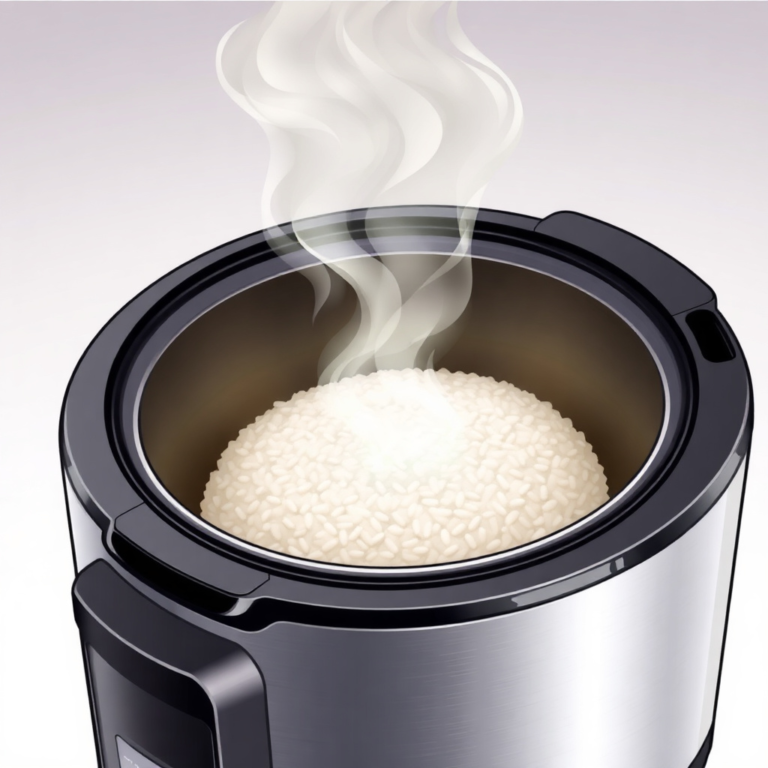
Rice cookers generally take between 20 to 50 minutes to cook rice, depending on the type of rice, the cooker model, and the amount of rice being prepared. Most basic white rice varieties finish cooking in about 20 to 30 minutes, while brown rice and other whole grains often require up to 50 minutes. The rice cooker automates water absorption and steaming, which affects total cooking duration.
Understanding how long a rice cooker takes to cook rice helps avoid undercooked or mushy grains, ensuring enjoyable meals. Different rice types absorb water at varying rates, and rice cooker technology can vary in heating methods and efficiency. Knowing these variables allows cooks to manage meal timing effectively.
This article explores the factors influencing rice cooker cooking time, the differences in cooking various rice types, and tips to optimize cooking duration. We'll also compare rice cooker categories and address common questions about cooking times and best practices.
Factors Affecting How Long Rice Cookers Take to Cook Rice
Type of Rice and Its Impact on Cooking Time
Different types of rice require different cooking durations due to their composition and water absorption rates. White rice, which has had the husk, bran, and germ removed, cooks much faster than brown rice, which retains the bran layer.
For example, jasmine and basmati white rice commonly take around 20 to 30 minutes in a rice cooker, while brown rice or wild rice often demand a longer soak and cooking period, sometimes extending beyond 45 minutes.
Rice Cooker Model and Heating Technology
The cooking time also depends heavily on the rice cooker’s design and technology. Conventional rice cookers use a simple thermostat to switch from cooking to warming, usually resulting in consistent but longer cook times.
Advanced induction heating rice cookers or fuzzy logic models adjust heat precisely and can shorten cooking times while enhancing texture by evenly distributing heat throughout the cooking process.
How the Amount of Rice Influences Cooking Duration
Cooking Small vs. Large Batches
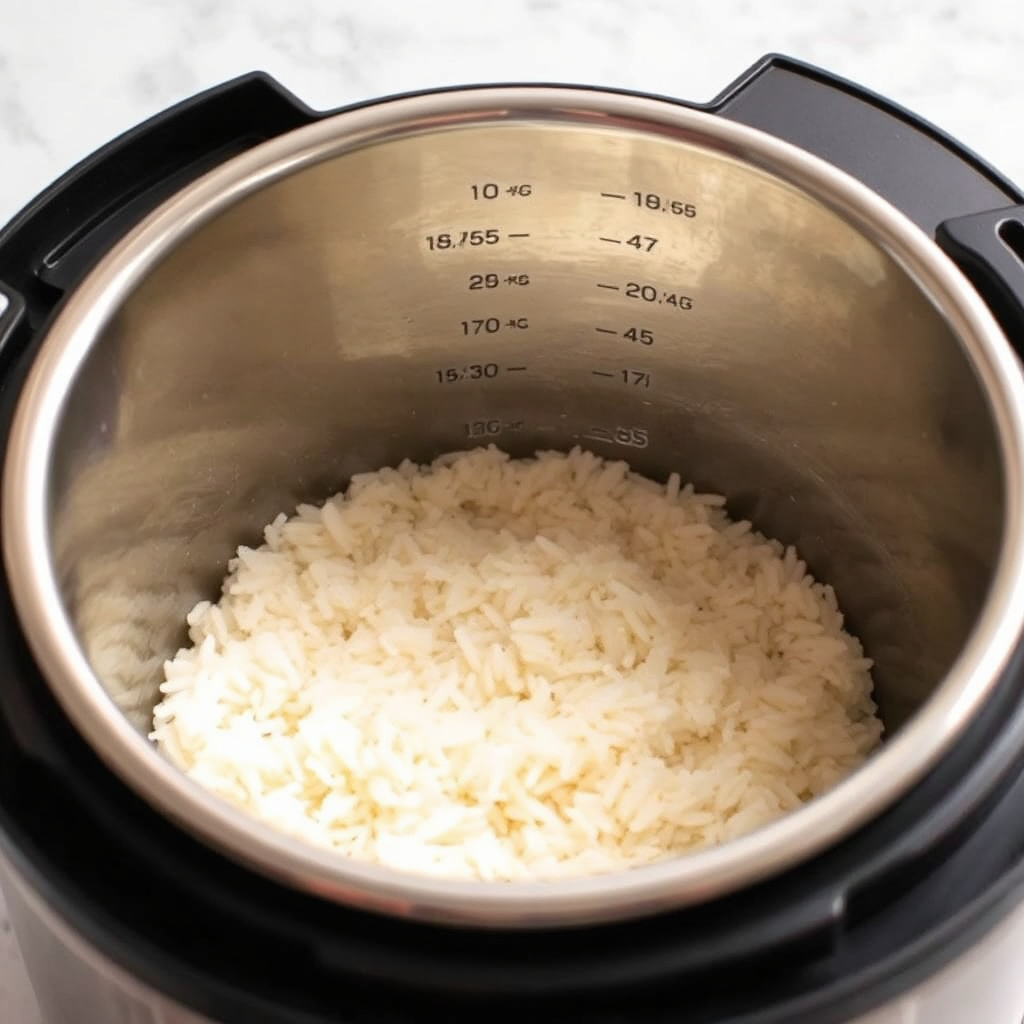
Rice cookers tend to take similar amounts of time for small or large batches within their capacity range, but very small amounts may cook faster due to less water volume and heat distribution.
When cooking a full capacity pot, expect cooking times to be near the upper range for that rice type. Overloading the cooker might extend cooking or result in unevenly cooked rice.
Water-to-Rice Ratio Impact on Cooking Time
The water-to-rice ratio can slightly affect cooking duration as more water takes longer to boil and absorb. Using the recommended ratio for your rice type and rice cooker leads to balanced cooking times and texture.
Too much water can prolong the steaming phase after boiling, while too little water might cause undercooked rice or scorch the bottom, affecting cooking efficiency.
Rice Cooker Settings and Their Effects on Cooking Time
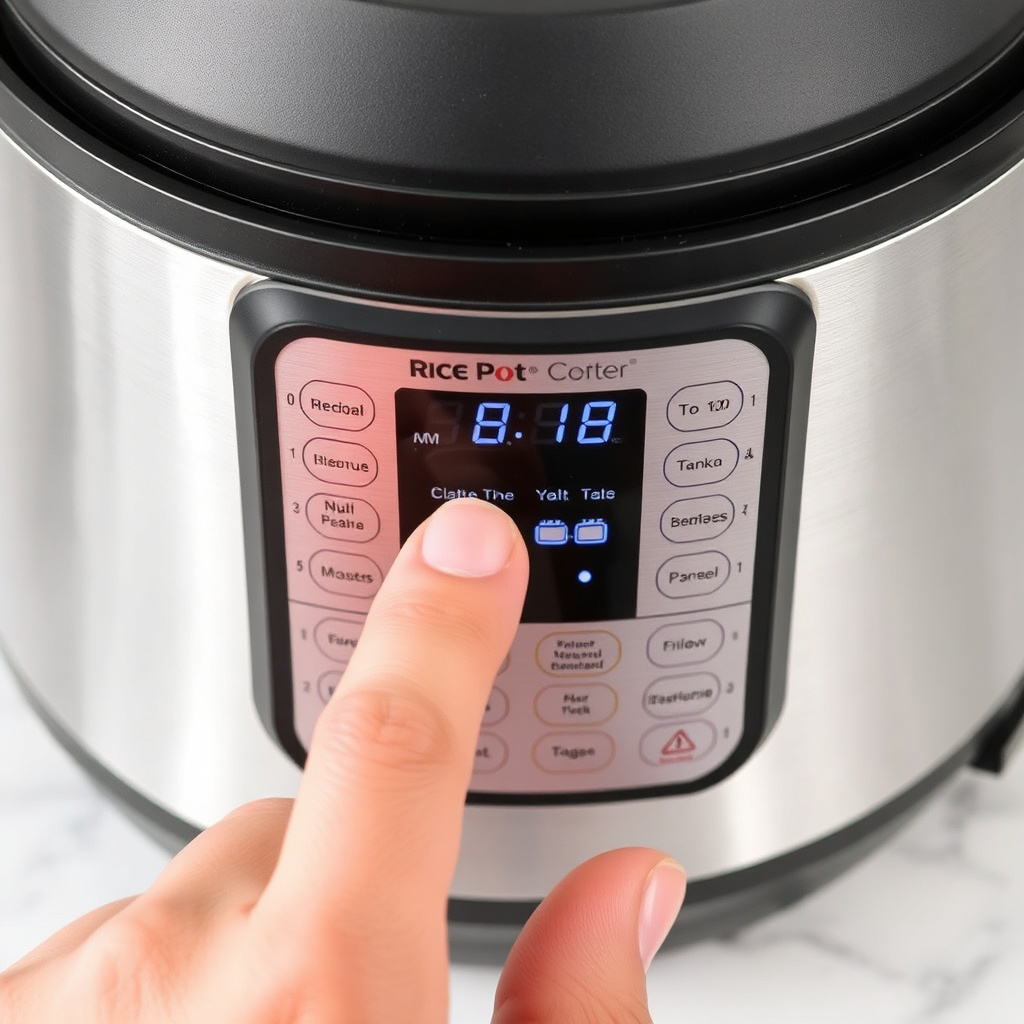
Preset Cooking Modes for Different Rice Types
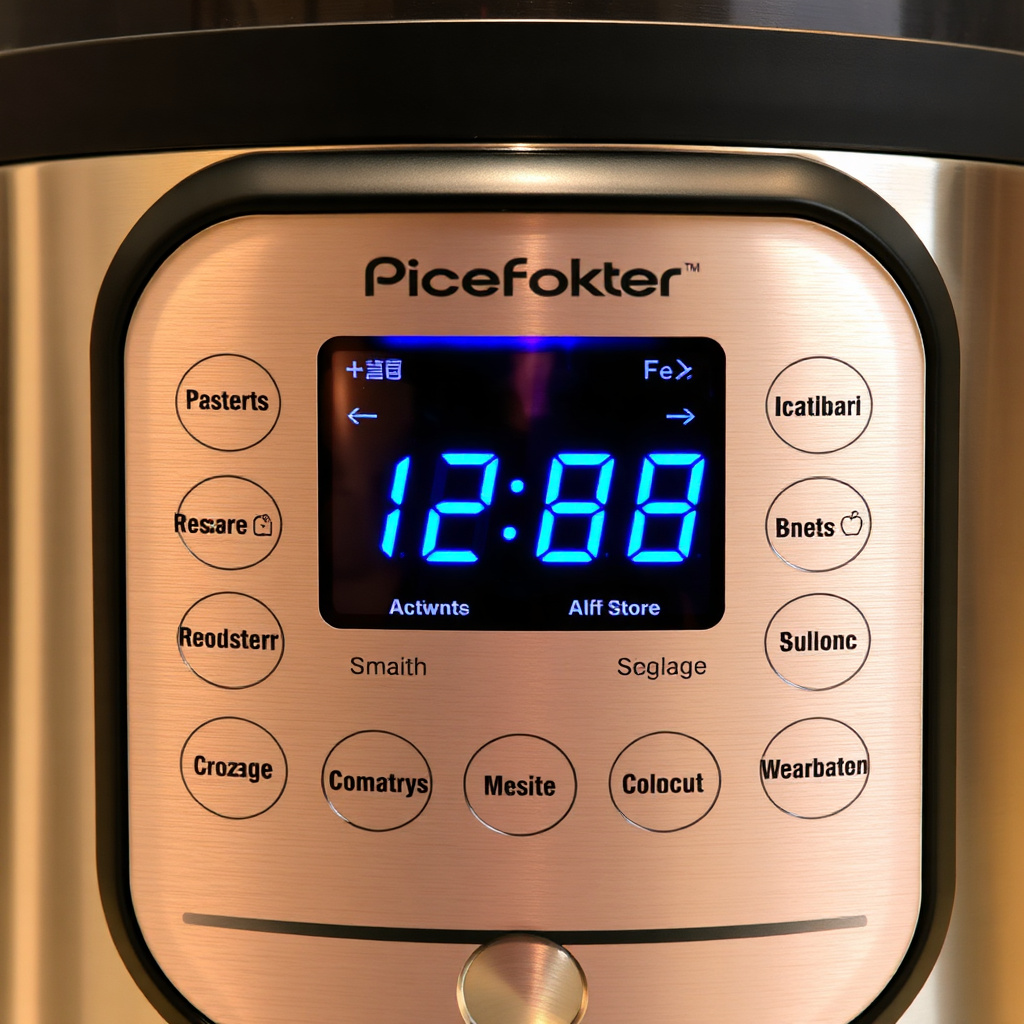
Many modern rice cookers include preset modes like 'white rice,' 'brown rice,' or 'quick cook,' which regulate cooking times automatically based on rice type. These presets help users avoid guesswork and optimize results.
Selecting the correct mode shortens or lengthens cooking time appropriately, often including mid-cycle steaming or soaking phases unique to the rice type selected.
For more on this, see our related guide: How to Choose Non Toxic Rice Cookers for Healthier Cooking.
Quick Cook and Express Functions
Some rice cookers offer quick cook or express settings to reduce cooking time, usually by increasing heat or lowering soak time before the steaming phase begins.
While these settings save time, they may affect rice texture, producing grains that are less fluffy or slightly firmer, which some users might prefer for certain dishes.
Cleaning and Maintenance Impact on Cooking Efficiency
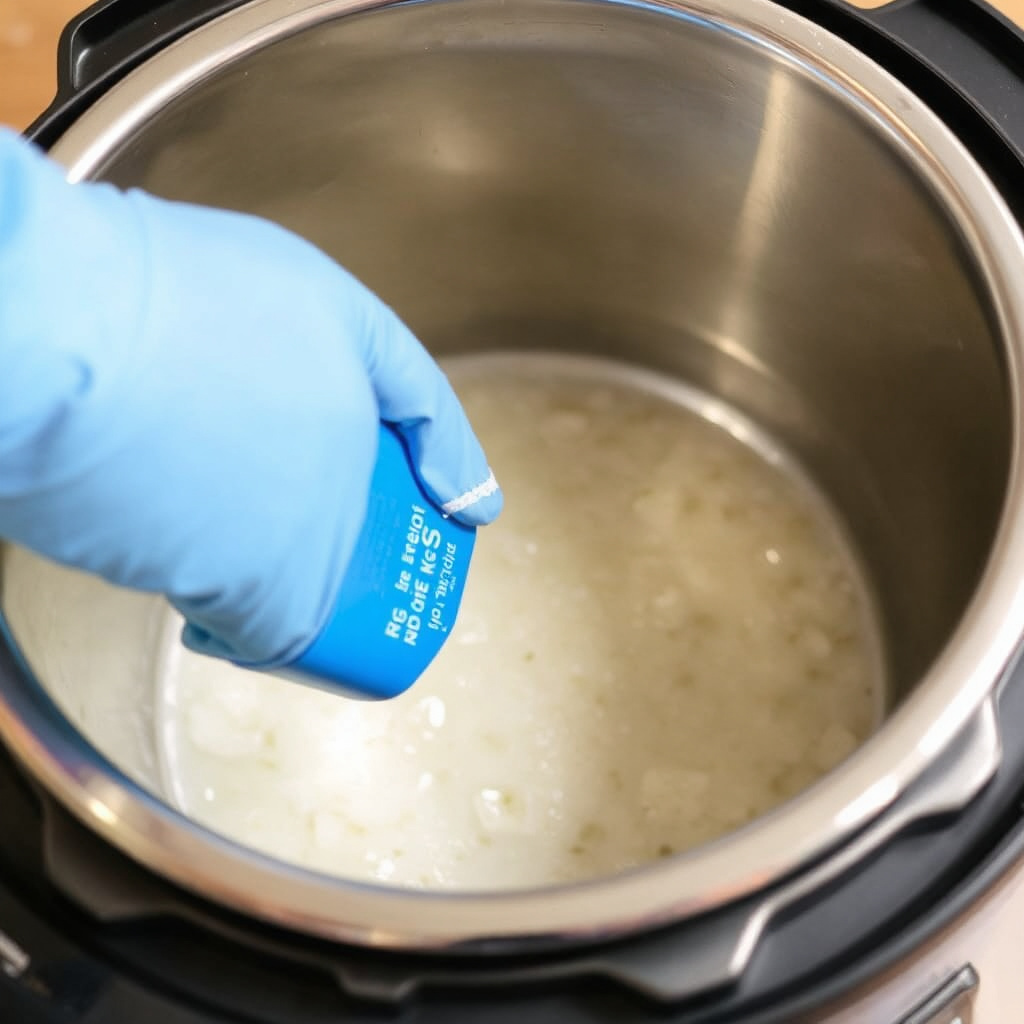
Effect of a Clean Pot on Cooking Time
A clean rice cooker pot ensures optimal heat transfer and prevents burnt layers, which can slow down cooking or cause uneven results. Residue buildup insulates heat and may lead to longer cooking durations or faulty temperature readings.
Regular cleaning per manufacturer instructions supports consistent cooking times and prolongs the lifespan of your rice cooker.
Maintaining Sensors and Heating Elements
Sensors and heating elements detect when rice is cooked and regulate heat accordingly. Dirty or malfunctioning sensors can misinterpret cooking progress, extending cook times unnecessarily or causing premature switch to warming.
Periodic inspection and gentle cleaning of these components can keep rice cooker timing accurate and cooking results reliable.
Rice Cooker Cooking Time for Different Rice Varieties
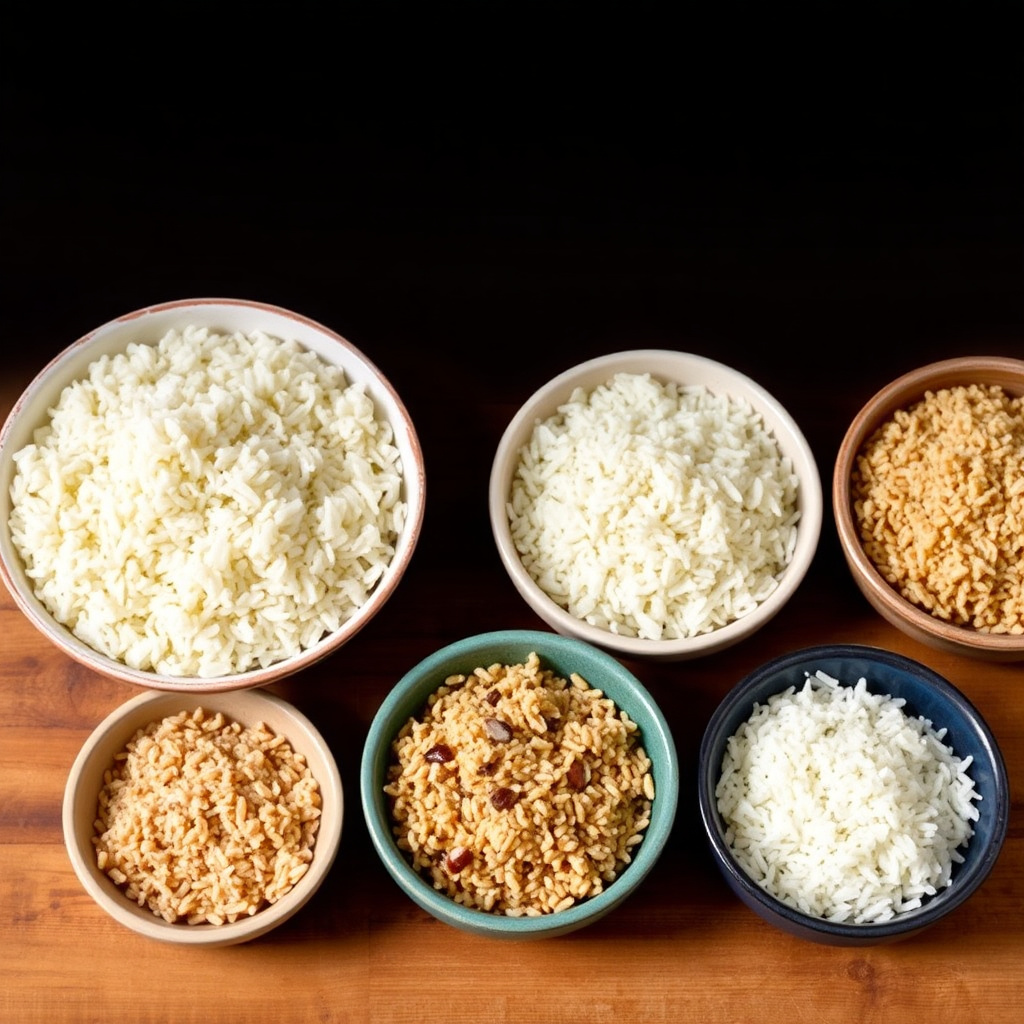
Cooking Times for Common Rice Types
White rice varieties usually cook between 20 and 30 minutes, granting tender, fluffy grains ideal for most meals. Brown rice can require 40 to 50 minutes due to its fibrous bran layer, needing more time to soften.
Specialty rice like basmati tends to cook faster than sticky rice varieties, which may need more careful water measurements and a slightly longer cooking time.
For more on this, see our related guide: Are Rice Cookers Worth It? A Practical Guide to Choosing the Best One.
Preparation Tips to Influence Cooking Duration
Rinsing rice before cooking washes away surface starch, often shortening cooking time and producing less sticky rice. Soaking brown rice for 30 minutes before cooking can reduce its time by softening the grains.
Adjusting water levels or soaking times depending on rice type helps optimize the overall rice cooker cooking time without sacrificing texture.
Safety and Energy Efficiency Considerations
Energy Usage Related to Cooking Time
Longer cooking times increase electricity consumption, especially with rice cookers that stay on warming mode extensively. Choosing faster cooking options or appropriate batch sizes helps conserve energy.
Induction heating rice cookers often provide better energy efficiency with shorter cooking cycles, avoiding unnecessary power draw.
For more in-depth information on rice cooker history and technology, check out this rice cooker article on Wikipedia. rice cooker article on Wikipedia.
Safety Features Affecting Cooking Duration
Many rice cookers have automatic shutoff and overheating protection that may pause or extend cooking if the device detects unusual conditions, maintaining safety but altering cooking time slightly.
Knowing your rice cooker’s safety features helps explain occasional variations in cooking duration and ensures safe meal preparation.
Rice Cooker Category Comparison by Cooking Time
This table compares different rice cooker categories based on typical cooking times, capacity, and technology.
| Category | Average Cooking Time | Typical Capacity | Technology Type |
|---|---|---|---|
| Basic Electric Rice Cooker | 20-30 mins (white rice) | 3-10 cups | Thermostat control |
| Fuzzy Logic Rice Cooker | 18-25 mins (white rice) | 3-10 cups | Microcomputer adjustment |
| Induction Heating Rice Cooker | 15-25 mins (white rice) | 3-10 cups | Induction heat circulation |
| Pressure Rice Cooker | 10-20 mins (white rice) | 3-8 cups | Pressure cooking |
| Microwave Rice Cooker | 10-15 mins | 1-3 cups | Microwave heating |
Frequently Asked Questions
Why does brown rice take longer to cook in a rice cooker?
Brown rice retains its bran layer, which is dense and fibrous. This layer requires more water absorption and heat exposure, extending the cooking time compared to white rice.
Can I speed up rice cooker cooking time safely?
Using quick cook presets or soaking rice in advance can reduce overall cook time. However, rushing the process excessively may produce unevenly cooked or less fluffy rice.
How does the amount of rice affect the cooking duration?
Within a rice cooker’s capacity, cooking times remain fairly consistent, but very small quantities may cook slightly faster due to less water and heat needed to reach boiling.
Does a rice cooker use more energy if it cooks for longer?
Yes, longer cooking cycles consume more electricity. Efficient models and appropriate batch sizes help minimize energy use by reducing cooking time.
Are all rice cookers accurate with their cooking times?
Not always. Variations in sensor quality, maintenance, and calibration can cause some rice cookers to cook longer or shorter. Proper care helps maintain timing accuracy.
Key Takeaways
- Rice cooker cooking times vary mainly by rice type and cooker technology.
- Brown rice and whole grains generally take longer than white rice.
- Cooking small or large batches affects overall time slightly.
- Using correct water ratios and maintenance improves cooking efficiency.
Conclusion
Determining how long rice cookers take to cook rice depends on understanding the rice type you’re preparing, the specific rice cooker technology in use, and how much rice you’re making. Timing can vary from as little as 10 minutes with pressure or microwave rice cookers to nearly 50 minutes for some whole grain types in standard models. By focusing on these key factors, you can better predict cooking times and select the right cooker to match your meal preparation style and timetable.
For everyday white rice, a fuzzy logic or induction heating rice cooker typically offers the best balance of speed and texture, often completing cooking in 18 to 25 minutes. Those who frequently cook brown rice or mixed grains might prefer pressure rice cookers for significantly reduced cooking durations. If meal speed is paramount and batch size minimal, microwave rice cookers can complete rice in 10 to 15 minutes, but they usually sacrifice capacity and some texture quality compared to electric cookers.
To maximize your rice cooker’s performance and get consistent cooking times, follow manufacturer guidelines for water ratios, keep your cooker clean, and choose the appropriate cooking mode for your rice type. If uncertain, testing small batches to measure your cooker’s unique timing with various rices can help you fine-tune the process. This approach will get perfectly cooked rice on your schedule, meeting your taste preferences consistently.