How Deep Are Kitchen Cabinets? Understanding Standard Kitchen Cabinet Depths
Discover how deep kitchen cabinets typically are and learn the standard depths for base and wall cabinets to plan your kitchen layout effectively.
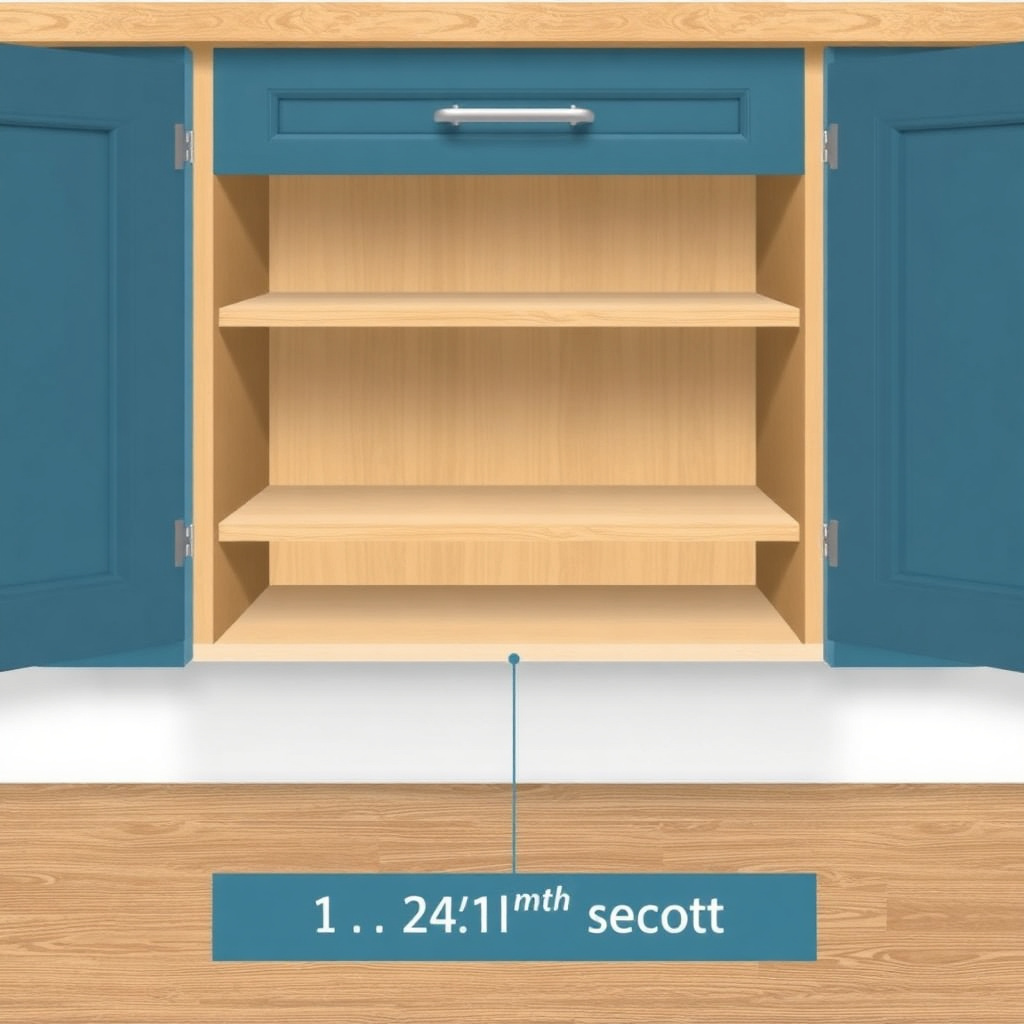
Kitchen cabinets usually come in standard depths designed to maximize storage while fitting typical kitchen layouts. Base cabinets commonly have a depth of 24 inches from front to back, while wall cabinets are generally shallower, around 12 inches deep. These measurements balance usability and countertop space without overcrowding the kitchen.
Understanding standard cabinet depths matters because it affects countertop dimensions, appliance fit, and overall kitchen ergonomics. Depth influences how much storage space you get and how easy it is to access items inside the cabinets. Knowing these standards can also help when custom-building cabinets or remodeling your kitchen.
This article will cover the typical depths for base and wall cabinets, variations for special-purpose cabinets, factors influencing cabinet depth choices, and tips on measuring and selecting kitchen cabinets. You’ll also find a comparison of cabinet depth sizes and answers to frequently asked questions.
Standard Depths of Kitchen Base Cabinets
Typical base cabinet depth
Most kitchen base cabinets measure 24 inches deep, which offers a good balance between countertop workspace and cabinet interior volume. This depth accommodates standard kitchen appliances and allows comfortable reach inside the cabinet.
This 24-inch measurement is taken from the front edge of the cabinet to the back wall. It includes the cabinet carcass but excludes the thickness of the doors and countertop overhang.
- Standard depth for base cabinets: 24 inches
- Depth excludes door thickness and countertop overhang
- Designed for optimal storage and workspace
Variations in base cabinet depth
While 24 inches is standard, some base cabinets may be shallower, typically at around 18 inches, for kitchens with limited space or specialized layouts. Deeper base cabinets, up to 27 or 30 inches, can also be custom-made for larger kitchens requiring more storage.
Choosing a different base cabinet depth impacts countertop depth and the positioning of appliances and fixtures. Proper planning ensures these variations don't interfere with the kitchen’s functionality.
- Shallower base cabinets: 18 inches for tight spaces
- Deeper base cabinets: up to 30 inches for extra storage
- Custom cabinet depths require coordinated countertop and appliance planning
Standard Depths of Kitchen Wall Cabinets
Typical wall cabinet depth
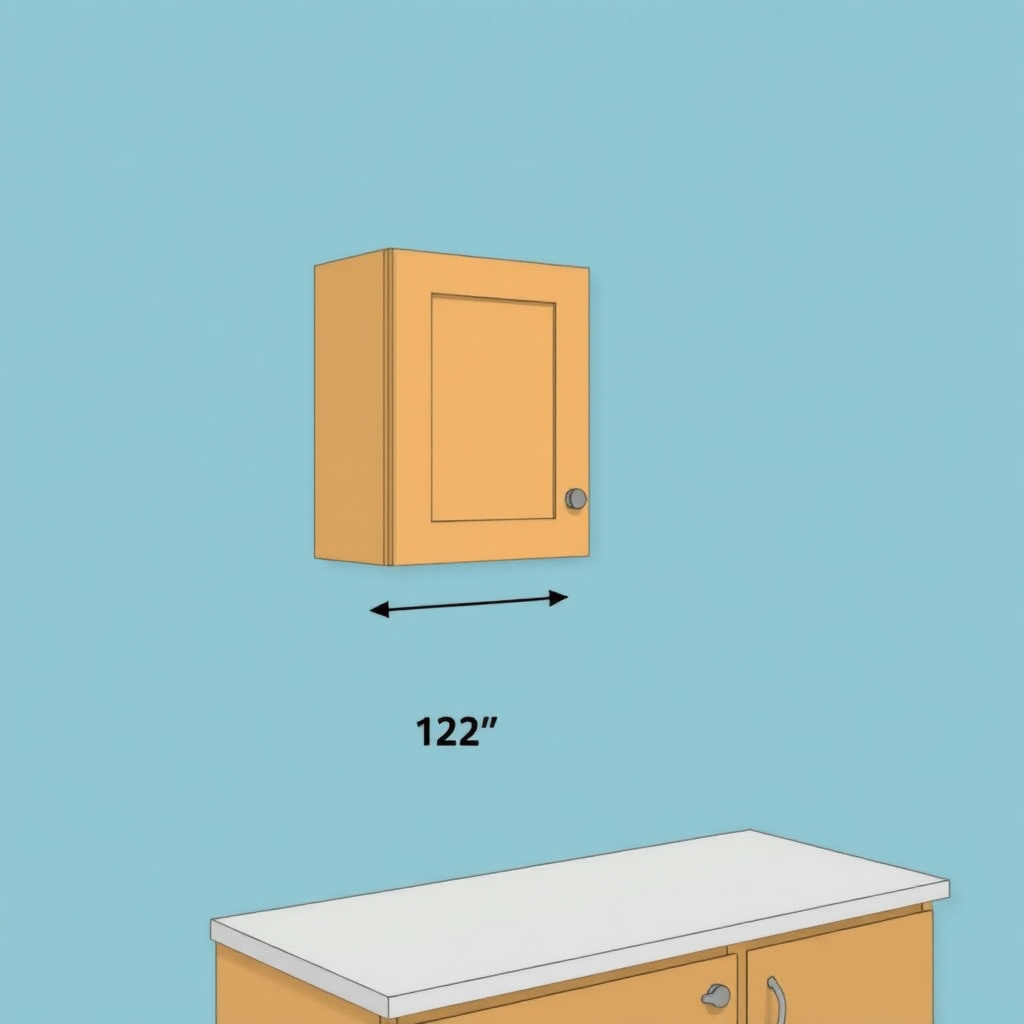
Wall cabinets typically have a standard depth of 12 inches, making them shallower than base cabinets to provide enough storage without crowding the kitchen workspace below.
This depth allows for convenient access to commonly used items and accommodates kitchen backsplashes and lighting installations under the cabinets.
- Standard depth for wall cabinets: 12 inches
- Allows for comfortable reach and countertop lighting
- Leaves enough room for backsplash installation
Variations in wall cabinet depth
In some kitchens, wall cabinets might be slightly deeper, up to 15 inches, to accommodate larger items or appliances, such as microwaves. Conversely, some shallower options at 9 inches are chosen in tight spaces or for aesthetic reasons.
Deeper wall cabinets often require reassessment of kitchen ergonomics and appliance clearance to maintain a comfortable cooking area.
- Deeper wall cabinets: up to 15 inches, for appliances or extra storage
- Shallower wall cabinets: around 9 inches, for tight spaces
- Influences kitchen ergonomics and visual balance
Specialty Cabinet Depths and Custom Options
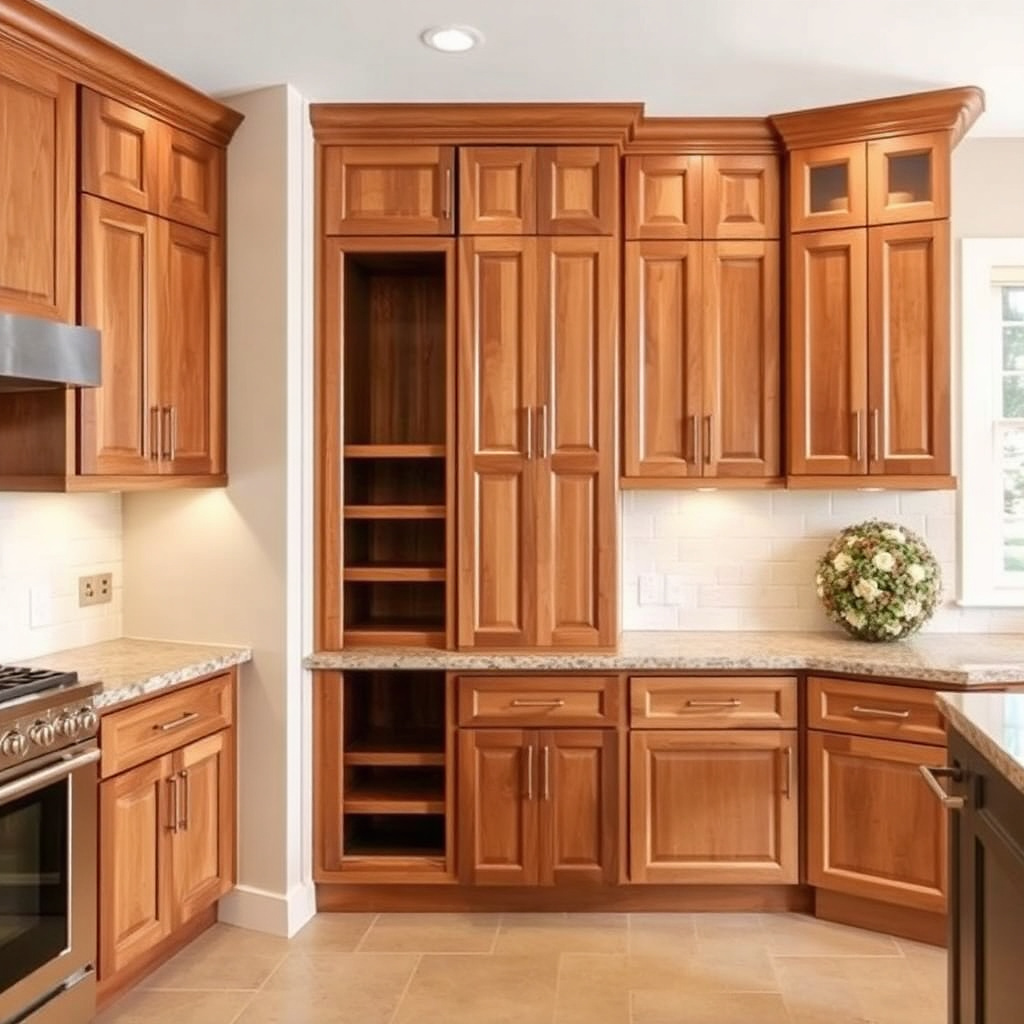
Pantry and tall cabinets
Pantry or tall cabinets often have a standard depth ranging between 12 and 24 inches, depending on their design and function. They may be deeper than wall cabinets to accommodate bulkier food items and kitchenware.
Depth choices for these cabinets affect overall kitchen workflows, so selecting depths that complement base and wall cabinet sizes is key for efficiency.
For more on this, see our related guide: How to Organize Food Storage Containers for a Clutter-Free Kitchen.
Corner and pull-out cabinets
Corner kitchen cabinets frequently have unique depths designed for accessibility and storage optimization, such as lazy Susan or pull-out mechanisms that can vary from 24 to 36 inches deep.
Custom pull-out cabinets and organizers can also come with varying depths tailored to specific storage needs, improving space usage in compact kitchens.
Influences on Choosing Kitchen Cabinet Depths
Kitchen size and layout
The overall size and layout of your kitchen heavily influence cabinet depth choices. Smaller kitchens often benefit from shallower cabinets to preserve walking space, while larger kitchens might use deeper cabinets to maximize storage.
Open-plan kitchens also require careful coordination to maintain visual harmony and functional flow between kitchen zones.
Appliance and countertop compatibility
Depth decisions must consider how cabinets fit with countertops and appliances, such as refrigerators, ovens, and dishwashers. Standard appliance sizes are designed around typical cabinet dimensions, so deviations may complicate installation or use.
Planning cabinet depth alongside countertop thickness and material is vital to avoid awkward overhangs or excessive recesses.
Measuring and Planning for Kitchen Cabinet Depths
How to measure kitchen cabinets accurately
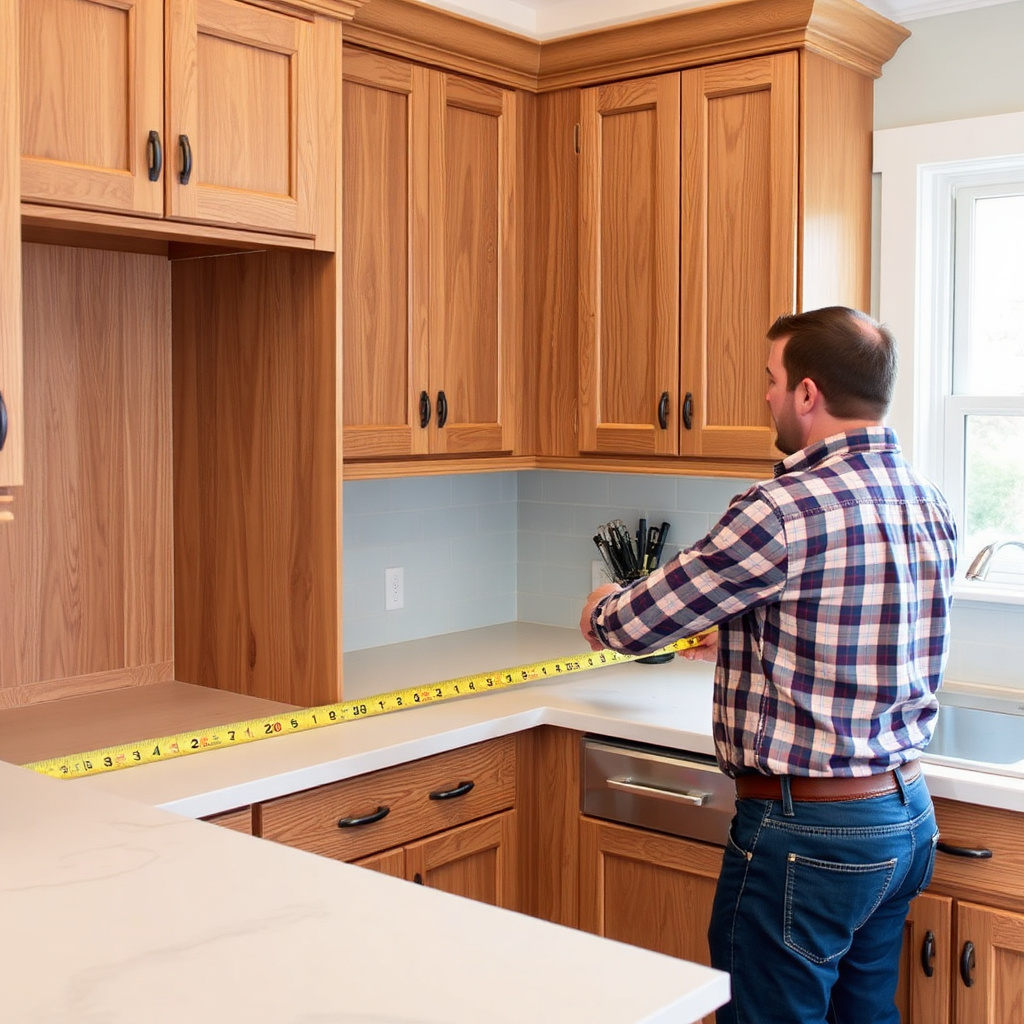
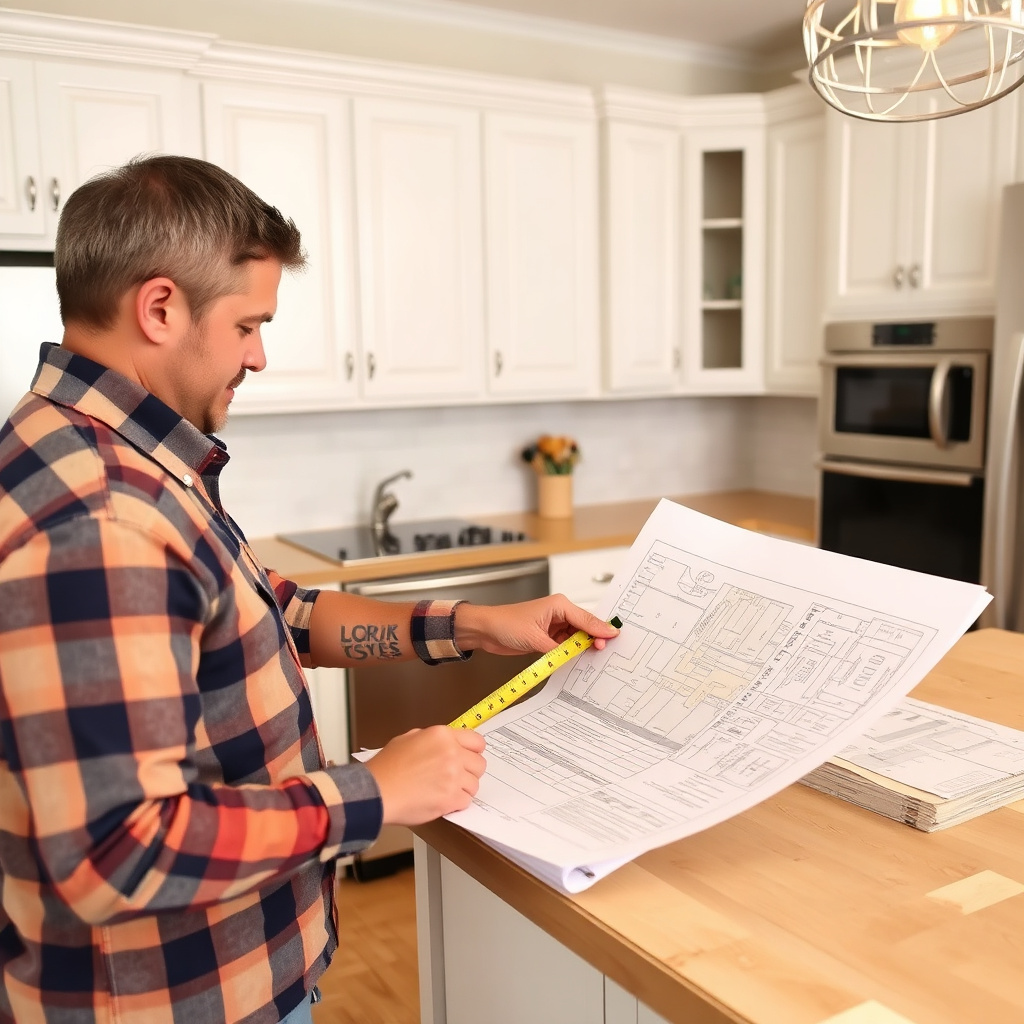
Measuring cabinet depths requires precision to accommodate door thickness and countertop overhangs. Start by measuring from the wall to the front edge of the cabinet box, then add door thickness if relevant for fitment purposes.
Measure both base and wall cabinets separately, noting how overhangs and fixtures impact the usable space.
- Measure from wall to cabinet front edge
- Add door thickness for total depth
- Check countertop overhang and fixture clearance
Incorporating standard kitchen cabinet dimensions in design
Using standard kitchen cabinet dimensions simplifies design and allows for off-the-shelf products, but custom sizes might be required to adapt to existing spaces or special needs.
Always verify room layout constraints and workflow patterns while considering cabinet depth to achieve well-functioning kitchen designs with balanced storage.
Adjusting Cabinet Depths for Ergonomics and Storage Needs
Ergonomic considerations for cabinet depth
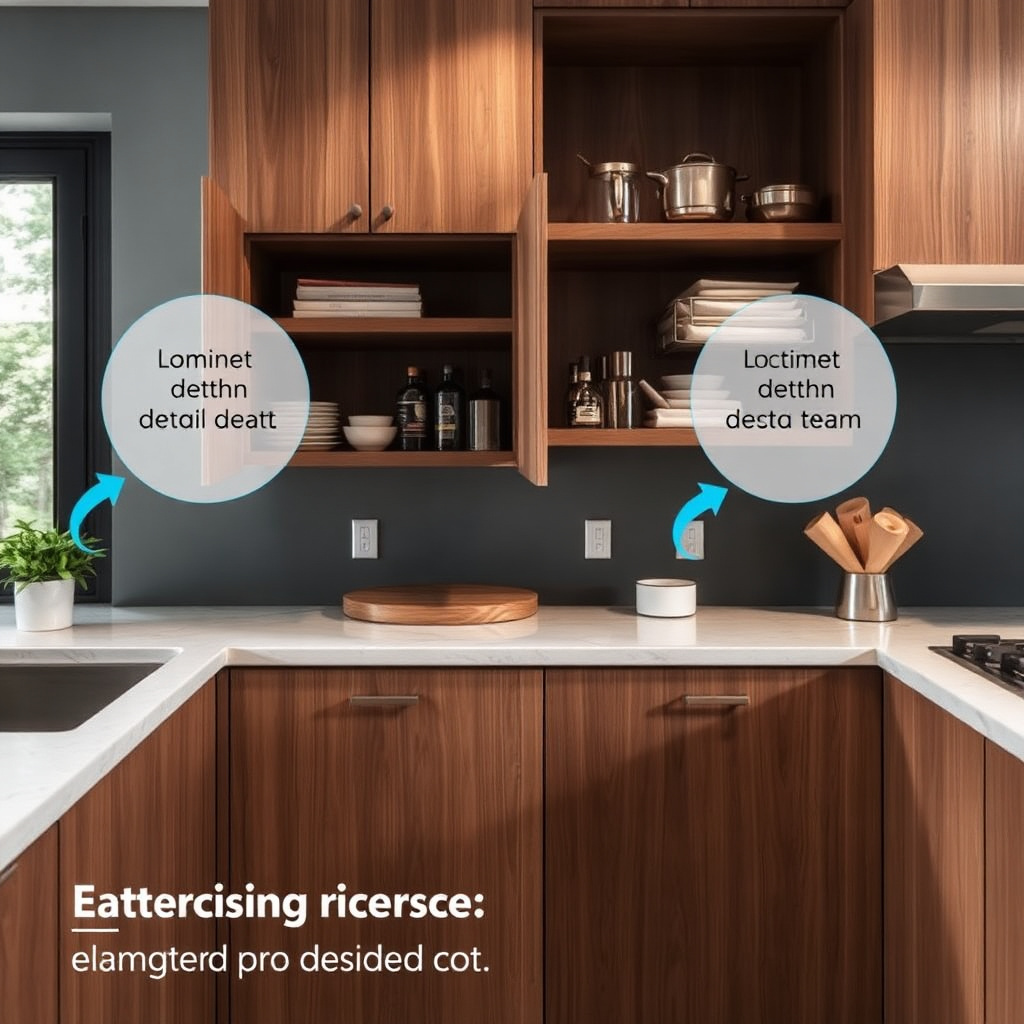
Cabinet depth influences how easily users can reach and organize kitchen items. Shallower cabinets improve accessibility but limit storage volume, while deeper ones enhance storage at the risk of harder reachability.
Balance is key: 24-inch base cabinets are typically ergonomic for most users, but modifications might suit specific height or mobility needs.
- Shallower cabinets for easy reach
- Deeper cabinets for increased storage
- Adjust depth based on user height and kitchen usage
For a comprehensive overview of kitchen cabinet types and dimensions, visit the kitchen cabinet dimensions on Wikipedia. kitchen cabinet dimensions on Wikipedia.
Storage optimization strategies
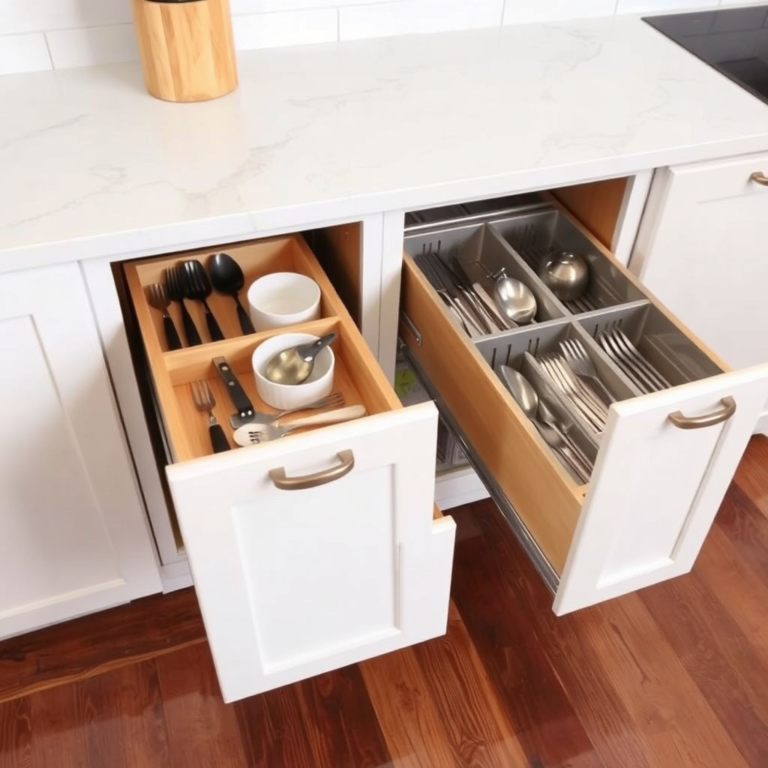
Using organizers, pull-outs, and adjustable shelves can maximize storage in cabinets of any depth. Designing cabinet interiors to fit items efficiently helps compensate for limited depth.
Planning kitchen cabinet depth in conjunction with storage accessories enhances organization and usability.
Kitchen Cabinet Depth Category Comparison
Here is a table comparing typical kitchen cabinet depths across base, wall, pantry, corner, and custom cabinets to help visualize their differences.
| Cabinet Type | Standard Depth | Common Variations | Typical Use Case |
|---|---|---|---|
| Base Cabinets | 24 inches | 18-30 inches | Main storage and countertop support |
| Wall Cabinets | 12 inches | 9-15 inches | Upper storage, above counters |
| Pantry Cabinets | 12-24 inches | Varies | Bulk storage for food and supplies |
| Corner Cabinets | 24-36 inches | Varies with mechanism | Maximize corner space, accessible storage |
| Custom Cabinets | Varies | Tailored to need | Special functions or unique layouts |
Frequently Asked Questions
Why are base kitchen cabinets usually 24 inches deep?
A 24-inch depth for base cabinets balances enough storage space with comfortable reach and countertop workspace, making it the practical standard in most kitchens.
Can kitchen cabinet depths be customized?
Yes, cabinet depths can be customized to fit space limitations or particular storage needs, but this requires careful planning to coordinate with appliances and countertops.
What is the typical depth for wall cabinets in kitchens?
Most wall cabinets are 12 inches deep, making them shallower than base cabinets so they don’t crowd the workspace below.
Are deeper wall cabinets practical in kitchen design?
Deeper wall cabinets up to 15 inches can offer more storage but may impact kitchen ergonomics and appliance clearance, so they should be planned thoughtfully.
How does cabinet depth affect kitchen ergonomics?
Cabinet depth influences how easily you can reach stored items and how much countertop space is available. Choosing depths suited to your kitchen size and use improves ease and comfort.
Key Takeaways
- Base kitchen cabinets typically measure 24 inches deep for balanced storage and workspace.
- Wall cabinets are usually about 12 inches deep to avoid crowding counters.
- Custom and specialty cabinets vary depth to fit specific storage needs or layouts.
- Measuring cabinet depth carefully is important for kitchen design and appliance compatibility.
Conclusion
Determining the right kitchen cabinet depth involves understanding standard sizes and evaluating how those sizes fit your kitchen’s layout and storage needs. Base cabinets standardly measure 24 inches deep, while wall cabinets are typically 12 inches. These dimensions have been established because they offer functional storage without sacrificing countertop workspace or kitchen movement. Considering ergonomics, appliance integration, and kitchen size is also essential to make cabinet depths fit the practical flow of your space.
For most kitchens, sticking to standard base and wall cabinet depths simplifies installation and ensures compatibility with common appliances and countertops. However, if you have a small kitchen, opting for shallower cabinets, such as 18-inch deep bases or 9-inch wall cabinets, can improve maneuverability. Larger kitchens or specialized setups might benefit from deeper cabinets or custom-built options that maximize storage. Specialty cabinets like pantry or corner units can vary widely in depth, giving you flexibility based on your storage priorities.
Before purchasing kitchen cabinets, measure your space meticulously and consider the types of items you store most often. Use standard kitchen cabinet dimensions as a guide but don’t hesitate to customize when necessary. Consulting with a kitchen design professional can also help balance aesthetics and function. Understanding cabinet depths will empower you to make informed choices, leading to a kitchen that is both beautiful and practical.